Poland
Europa
Poland keeps some of the best-preserved ecosystems on the European plain, starting with the Białowieża forest, the last great fragment of the primeval woodland that covered the continent before agriculture, with trees over five hundred years old and deadwood in quantities that no longer exist anywhere else in Europe. To the northeast lie the Biebrza marshes, the largest natural wetland in central Europe, with flood meadows where harriers, godwits and the scarce aquatic warbler breed. The Masurian lakes, a glacial inheritance, and the Baltic coast with the shifting dunes of Słowiński complete the north. To the south, the Carpathians and the Tatras add mountain fauna and a solid population of brown bear, wolf and lynx. The country also hosts a very substantial share of the world population of white stork, tied to its traditional farmland mosaic.
The nature of Poland
National animal: The white eagle is the emblem of the state; the European bison is the de facto national animal
Did you know?
The European bison became extinct in the wild in 1927, when the last wild animal in the Caucasus was shot. The entire species was reduced to a few dozen animals in zoos, and the recovery was built from only twelve founders. The first releases were made in Białowieża, and the several thousand bison living in Europe today descend from that handful of survivors, with Poland as the main global reservoir.
Biodiversity profile
Climate
- •Continental humedo (Dfb) en la mayor parte del pais
- •Oceanico templado en el norte (costa baltica)
- •Clima de montaña en los Carpatos y Tatras (sur)
Main biomes
- •Bosque mixto baltico (pino, roble, haya)
- •Bosque primario de Bialowieza (uno de los ultimos bosques primigenios de llanura de Europa)
- •Humedales de los Pantanos de Biebrza
- •Bosque de montaña en los Tatras y Carpatos (sur)
- •Bosque primario templado
- •Marisma continental
- •Lago glaciar
- •Duna móvil costera
- •Bosque de coníferas de montaña
- •Turbera
- •Prado de siega
Marine and coastal ecosystems
- •Costa del Mar Baltico, con dunas y lagunas costeras
Flagship wildlife
- •Bisonte europeo (Bialowieza, una de las poblaciones en libertad mas importantes del mundo)
- •Lobo gris y lince euroasiatico (bosques del este y los Carpatos)
- •Cigüeña blanca (una de las mayores poblaciones nidificantes de Europa)
- •Marmota de los Tatras (subespecie casi endemica)
- •Lobo gris
- •Lince boreal
- •Oso pardo
- •Alce
- •Castor europeo
- •Cigüeña negra
- •Pigargo europeo
- •Carricerín cejudo
Notable endemic species
- •Marmota de los Tatras, forma casi endemica confinada a los Tatras (frontera Polonia-Eslovaquia)
- •El Bosque de Bialowieza alberga 59 especies de mamiferos, mas de 250 de aves, 13 de anfibios, 7 de reptiles y mas de 12.000 de invertebrados
Notable threatened species
- •Bisonte europeo (Casi Amenazado, Bialowieza alberga aprox. 900 individuos, casi 25% de la poblacion mundial total y mas del 30% de los animales verdaderamente libres)
- •Debates activos sobre la gestion forestal de Bialowieza entre conservacion estricta y aprovechamiento maderero
Notable protected areas
- •Bosque de Bialowieza (Patrimonio Mundial, transfronterizo con Bielorrusia)
- •Parque Nacional de los Tatras
- •Pantanos de Biebrza (humedal de importancia internacional para aves)
- •Parque Nacional de Białowieża
- •Parque Nacional de Biebrza
- •Parque Nacional de Tatra
- •Parque Nacional de Słowiński
- •Parque Nacional de Narew
- •Parque Nacional de Bieszczady
Main conservation threats
- •Controversia historica sobre la tala en zonas de alto valor de conservacion de Bialowieza
- •Extraccion maderera intensiva en algunos bosques estatales que reduce madera muerta y rasgos de bosque primario
- •Fragmentacion de corredores para grandes carnivoros
Notable natural phenomena
- •Bialowieza es uno de los ultimos bosques primigenios de llanura de Europa, con arboles centenarios que nunca han sido talados comercialmente
Conservation
Białowieża has been the scene of a first-order European conflict over logging authorised in its protected zone, halted by the Court of Justice of the EU in 2018. Bieszczady is today one of the best refuges for large carnivores on the continent.
Where and when to watch wildlife
Białowieża in winter, when bison gather in the clearings and snow betrays wolf tracks. Biebrza between April and May for wetland birds. Bieszczady at dawn in autumn for the deer rut and bear sightings.
Sources: a-z-animals.com - Wildlife in Poland | UNESCO World Heritage Centre - Bialowieza Forest | World Heritage Datasheet - Bialowieza Forest | CE Report - Ecology in Poland
Parks and reserves
Bialowieza
The last great primeval lowland forest in Europe; the first European natural site on the UNESCO list (1979)
View parkNational ParkBieszczady
The remotest corner of Poland, with the country's highest density of wolves, bears and lynx
View parkNational Park (transboundary)Tatra
The only properly alpine high-mountain massif in the northern Carpathians
View parkNational ParkBabiogórski
The "queen of the Beskids": Poland's largest massif outside the Tatras, with textbook altitudinal zonation.
View parkNational ParkBory Tucholskie
Pine woods and lobelia lakes on Poland's largest sandur, the core of a biosphere reserve of 319,000 hectares.
View parkNational ParkKampinoski
Poland's second-largest national park, a forest of inland dunes and marshes on the doorstep of Warsaw.
View parkNational ParkKarkonoski
The Polish side of the Giant Mountains, with glacial cirques and high-altitude tundra, a transboundary biosphere reserve with Czechia.
View parkNational ParkPoleski
Peatlands and pools of western Polesia with tundra relicts, the Polish core of a transboundary biosphere reserve.
View parkNational ParkRoztoczański
Beech and fir forests of Roztocze with semi-wild konik horses, the Polish core of a transboundary reserve with Ukraine.
View parkNational ParkSłowiński
Shifting dunes up to 40 metres high on the Baltic coast, a biosphere reserve since 1977.
View parkDiving and snorkelling
Especies documentadas en Poland
514 species found
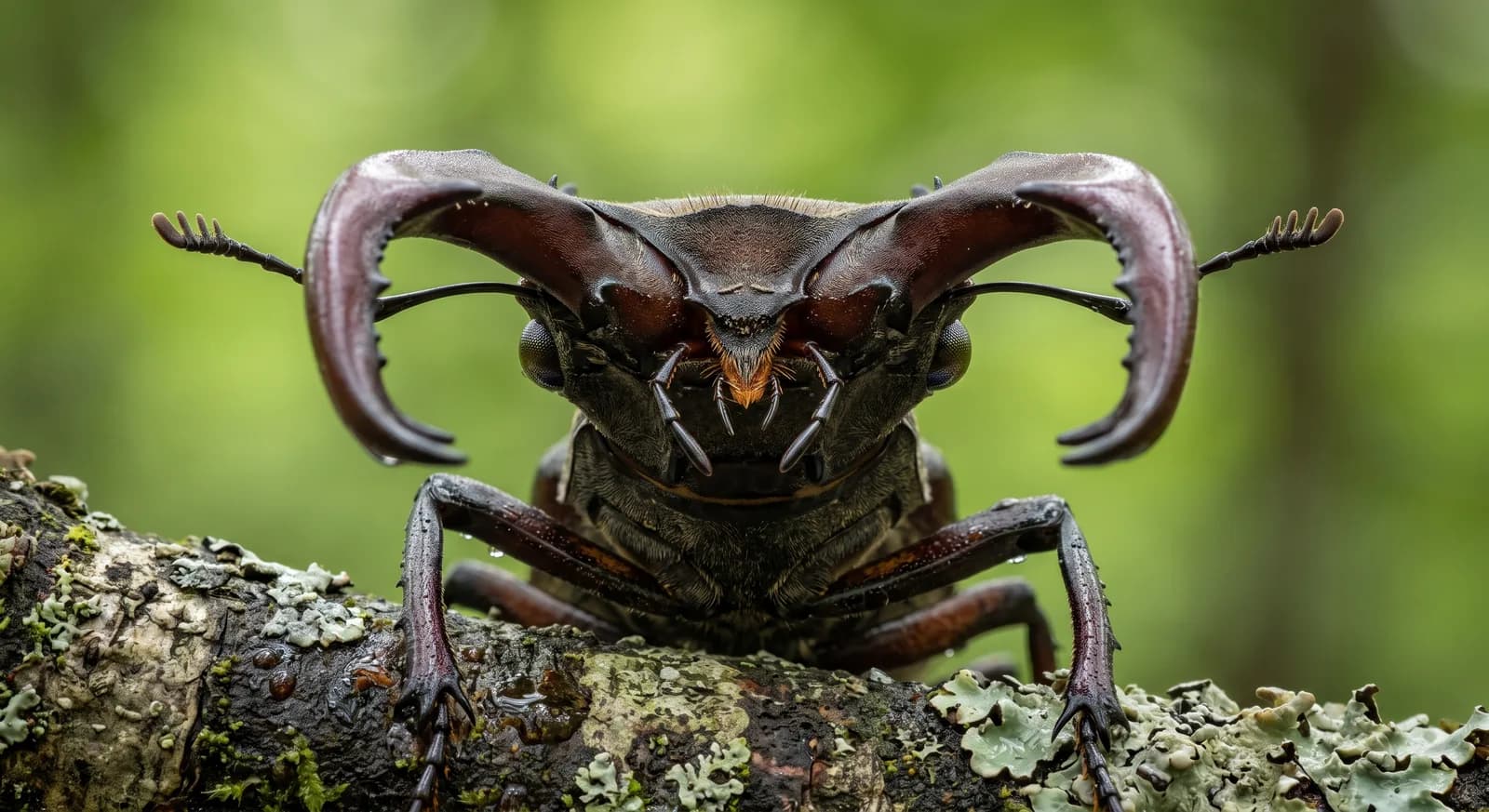 Near Threatened
Stag Beetle
Lucanus cervus
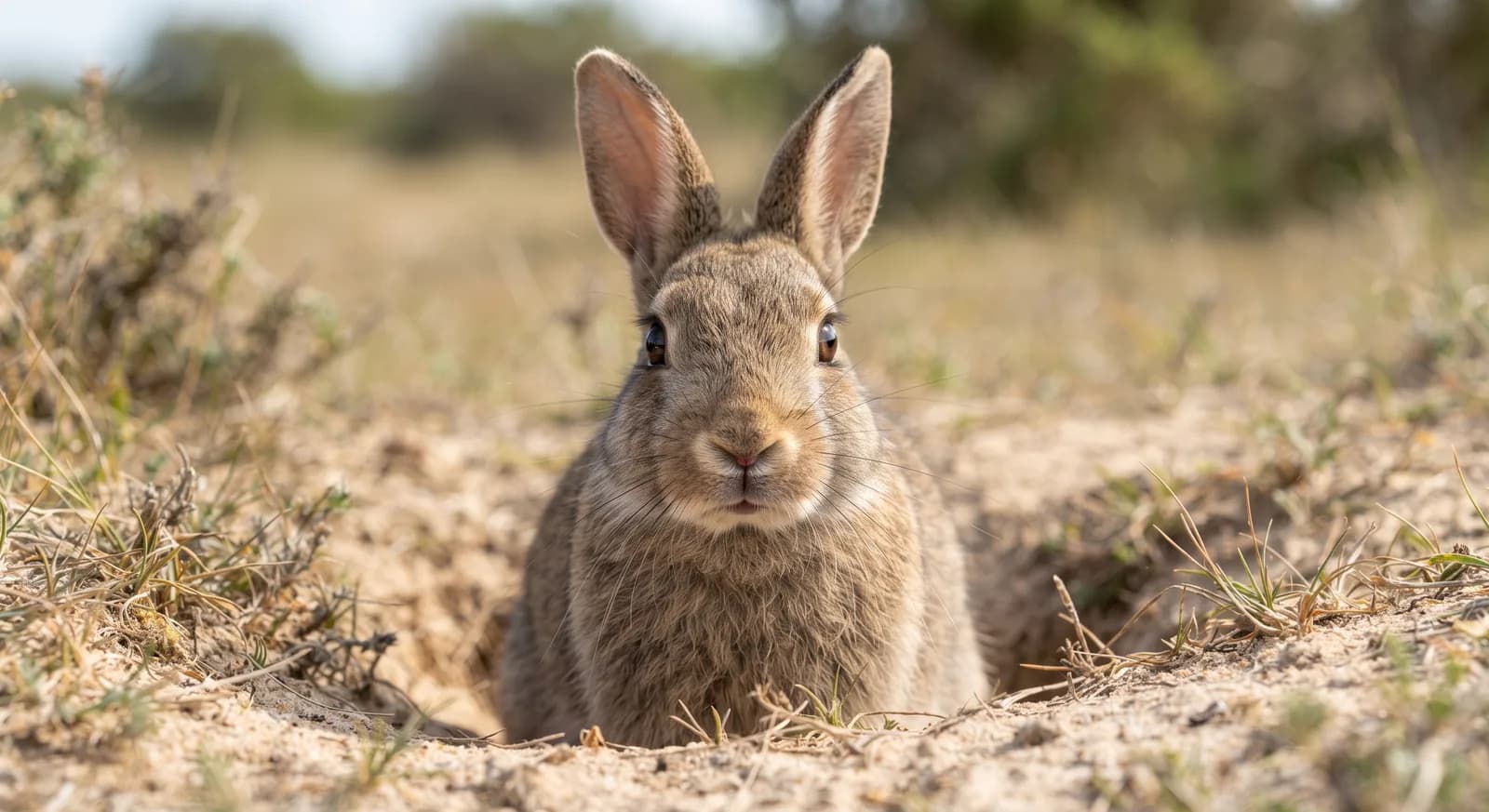 Near Threatened
European Rabbit
Oryctolagus cuniculus
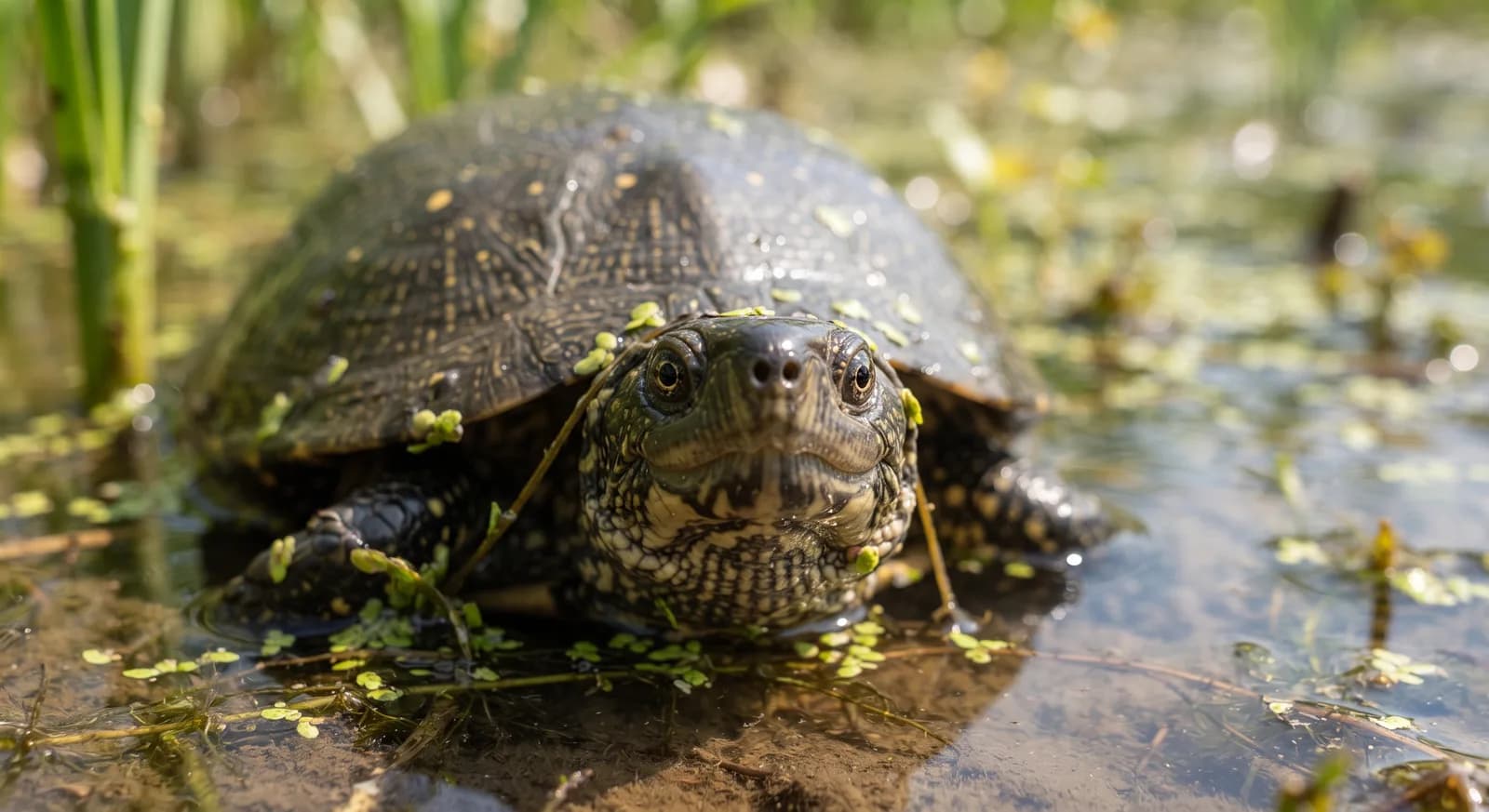 Near Threatened
European Pond Turtle
Emys orbicularis
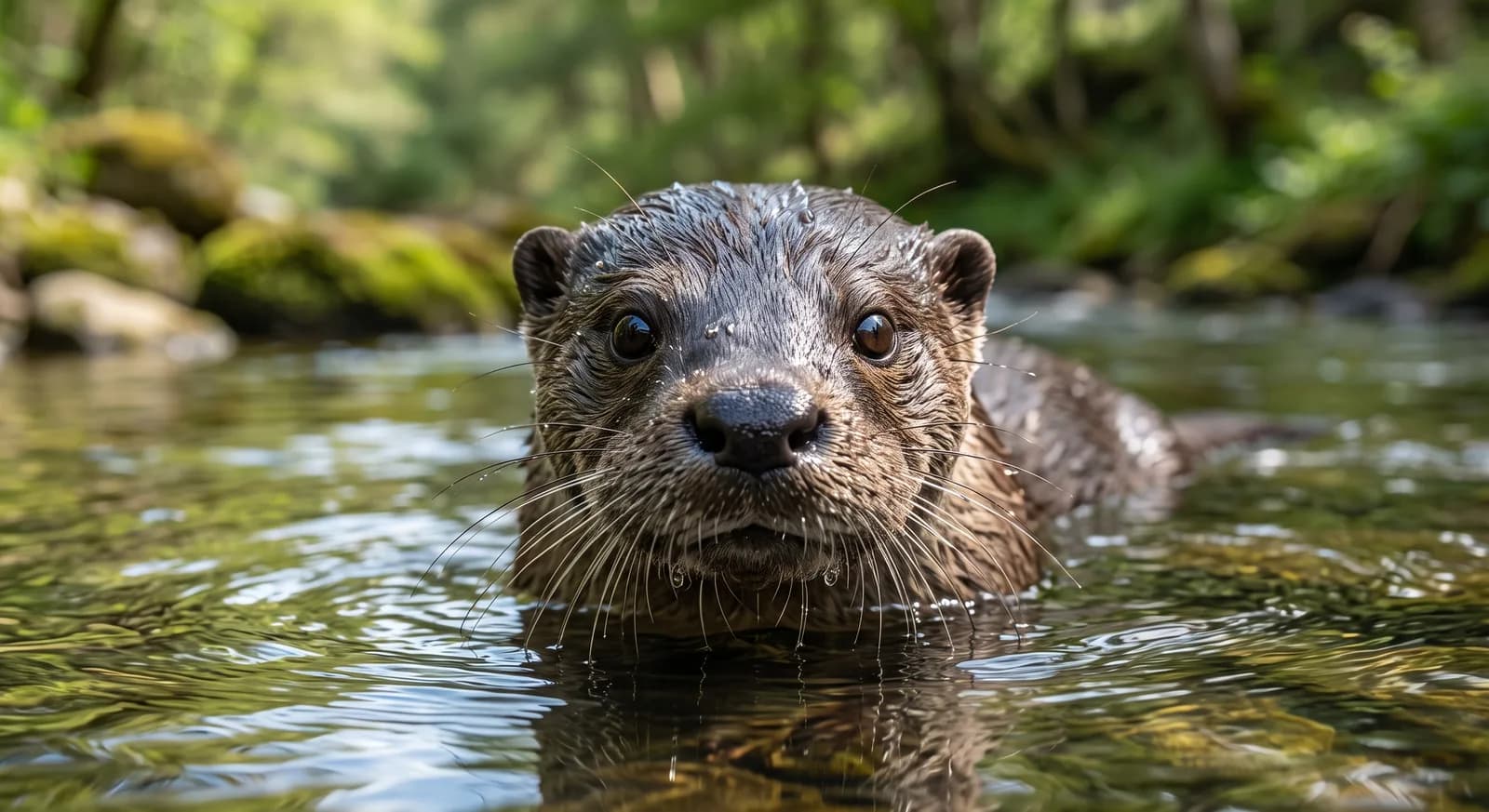 Near Threatened
European Otter
Lutra lutra
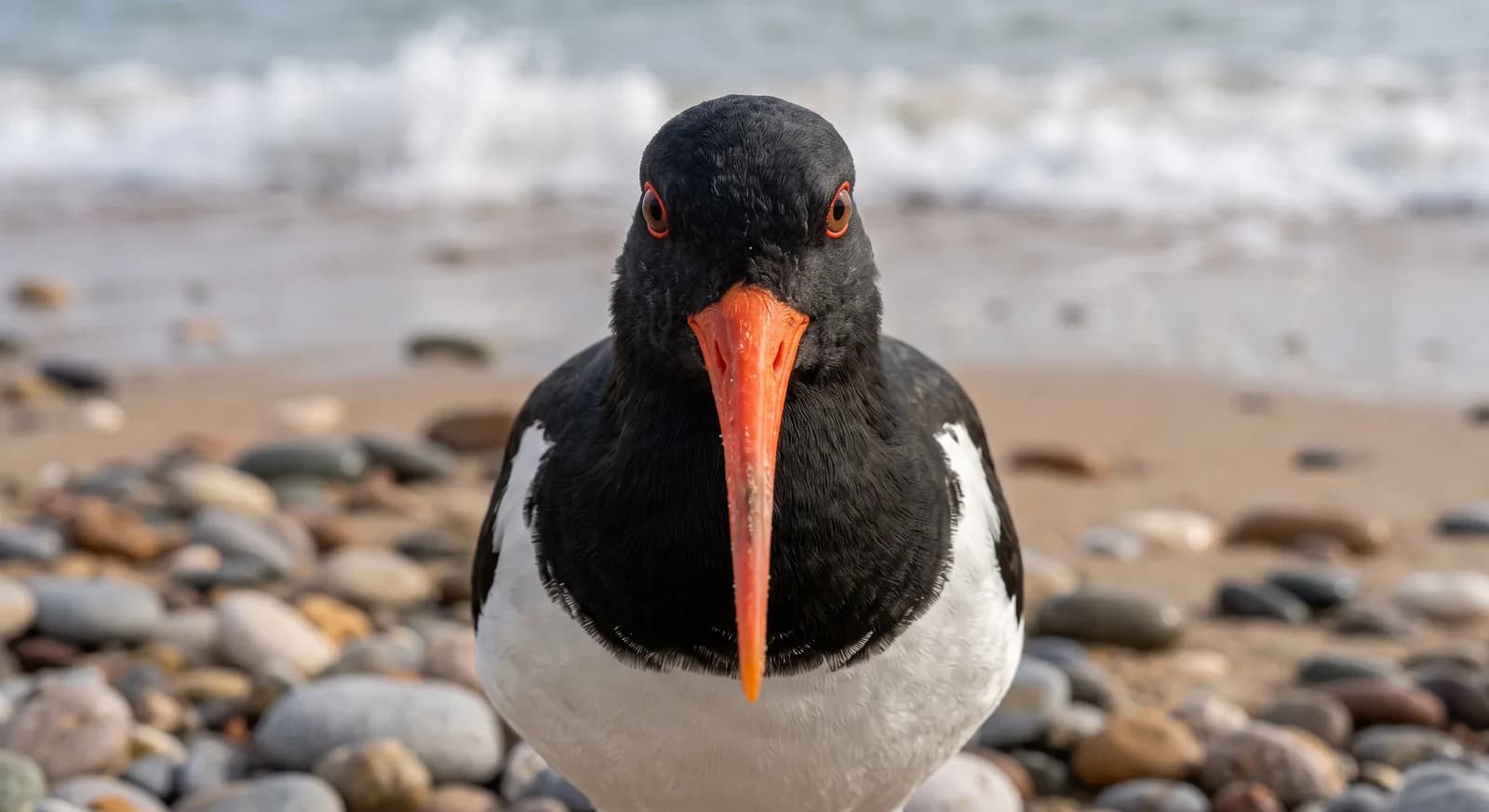 Near Threatened
Eurasian Oystercatcher
Haematopus ostralegus
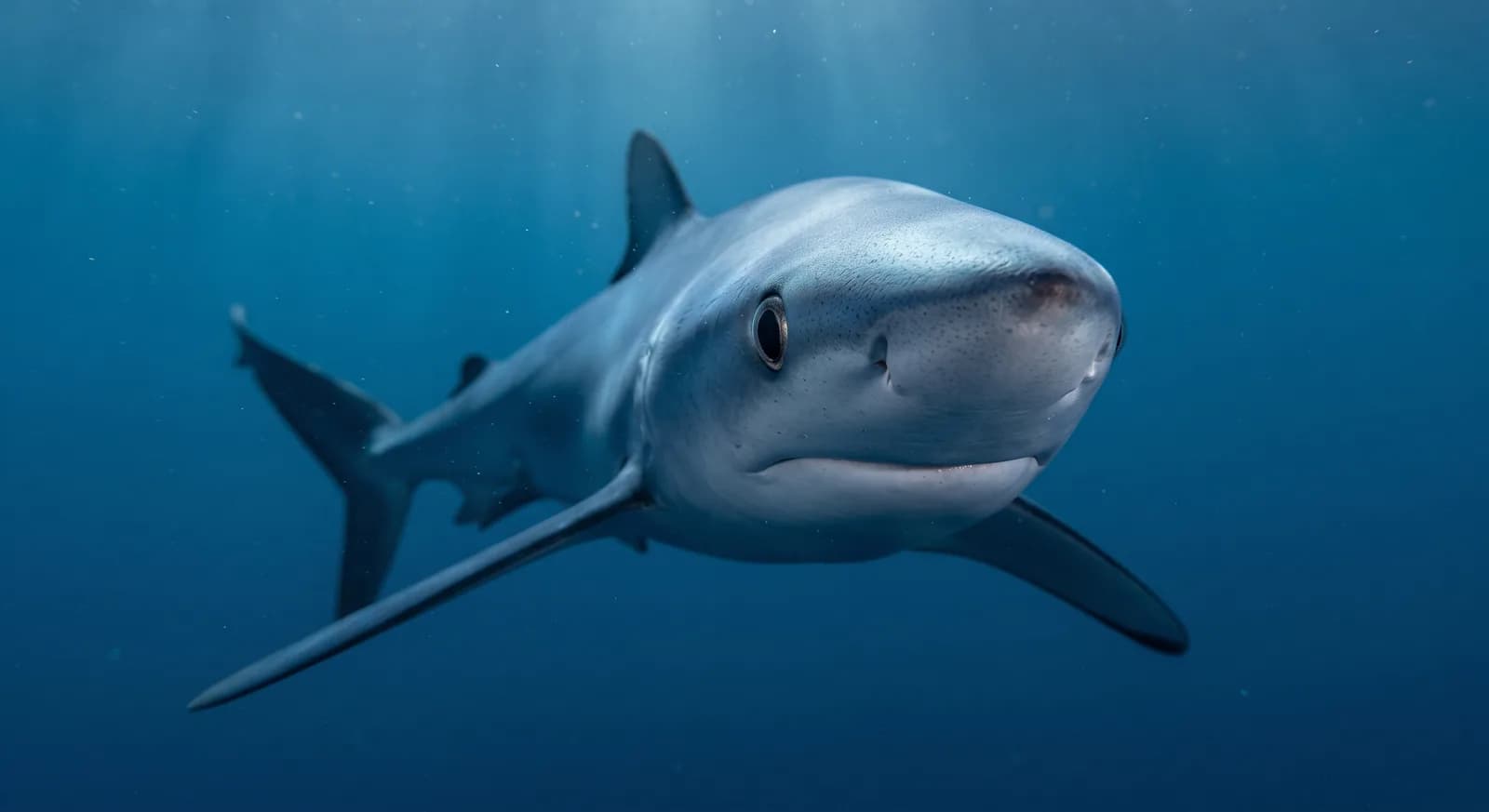 Near Threatened
Blue Shark
Prionace glauca
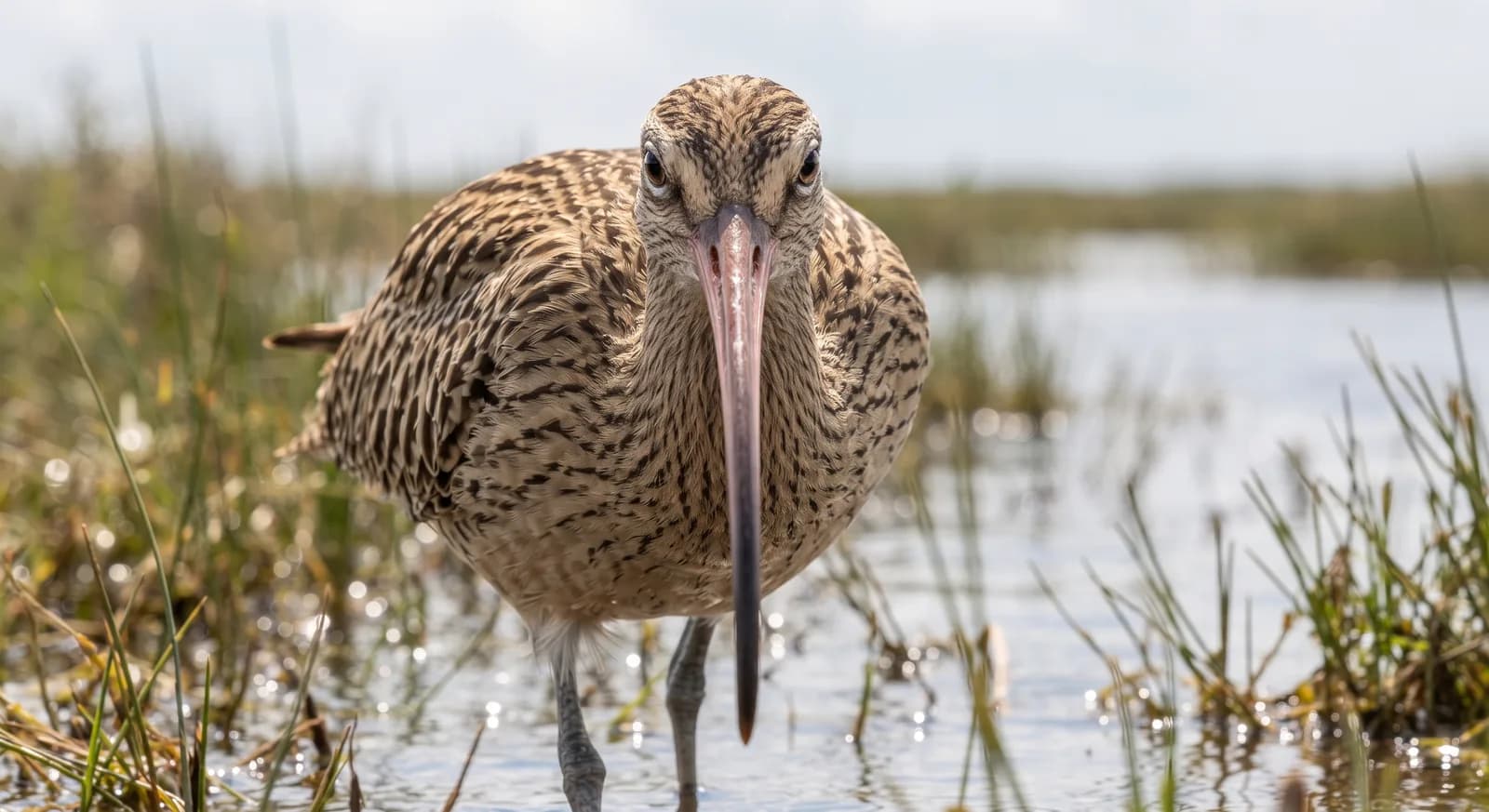 Near Threatened
Eurasian Curlew
Numenius arquata
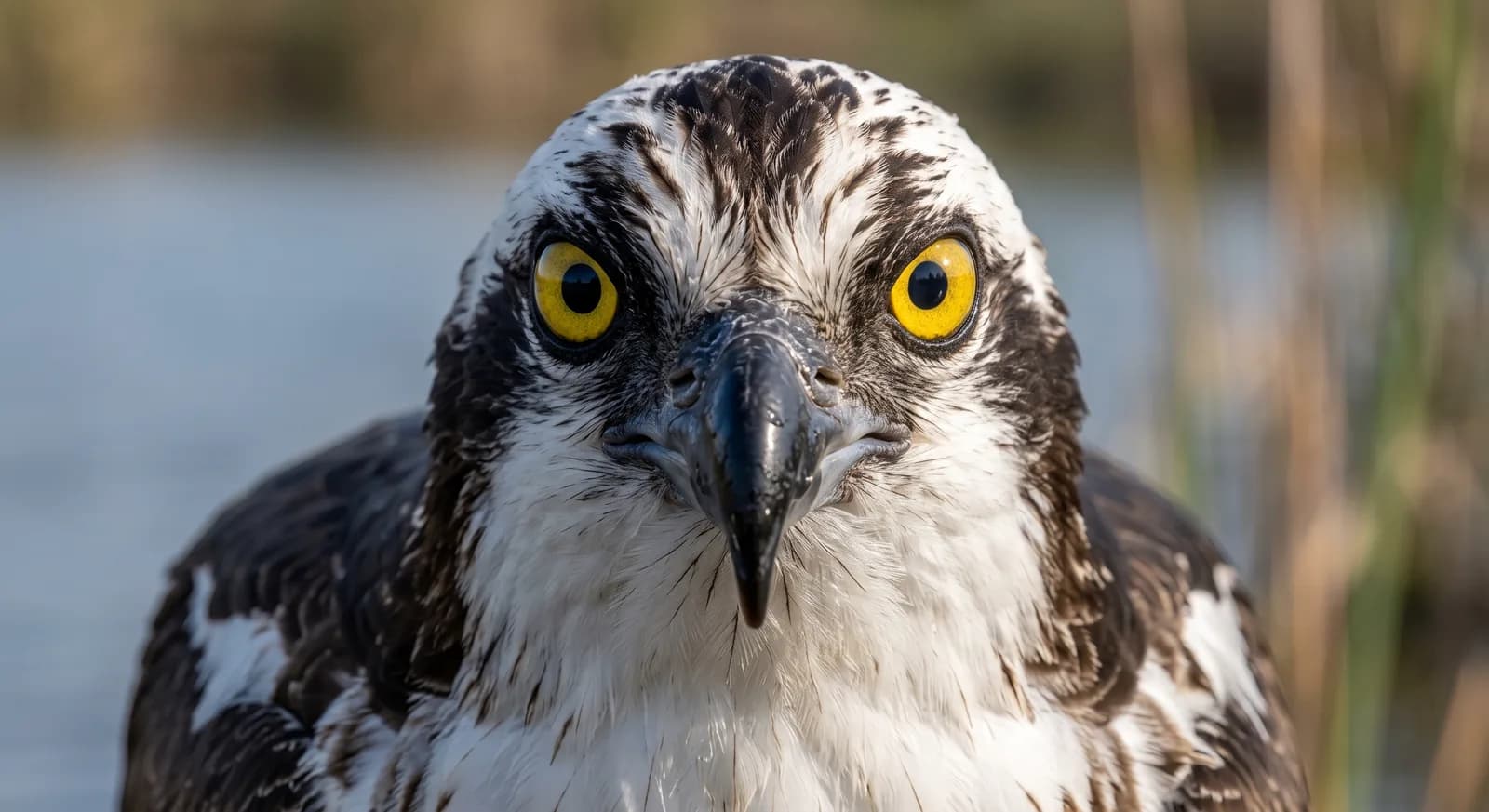 Least Concern
Osprey
Pandion haliaetus
 Least Concern
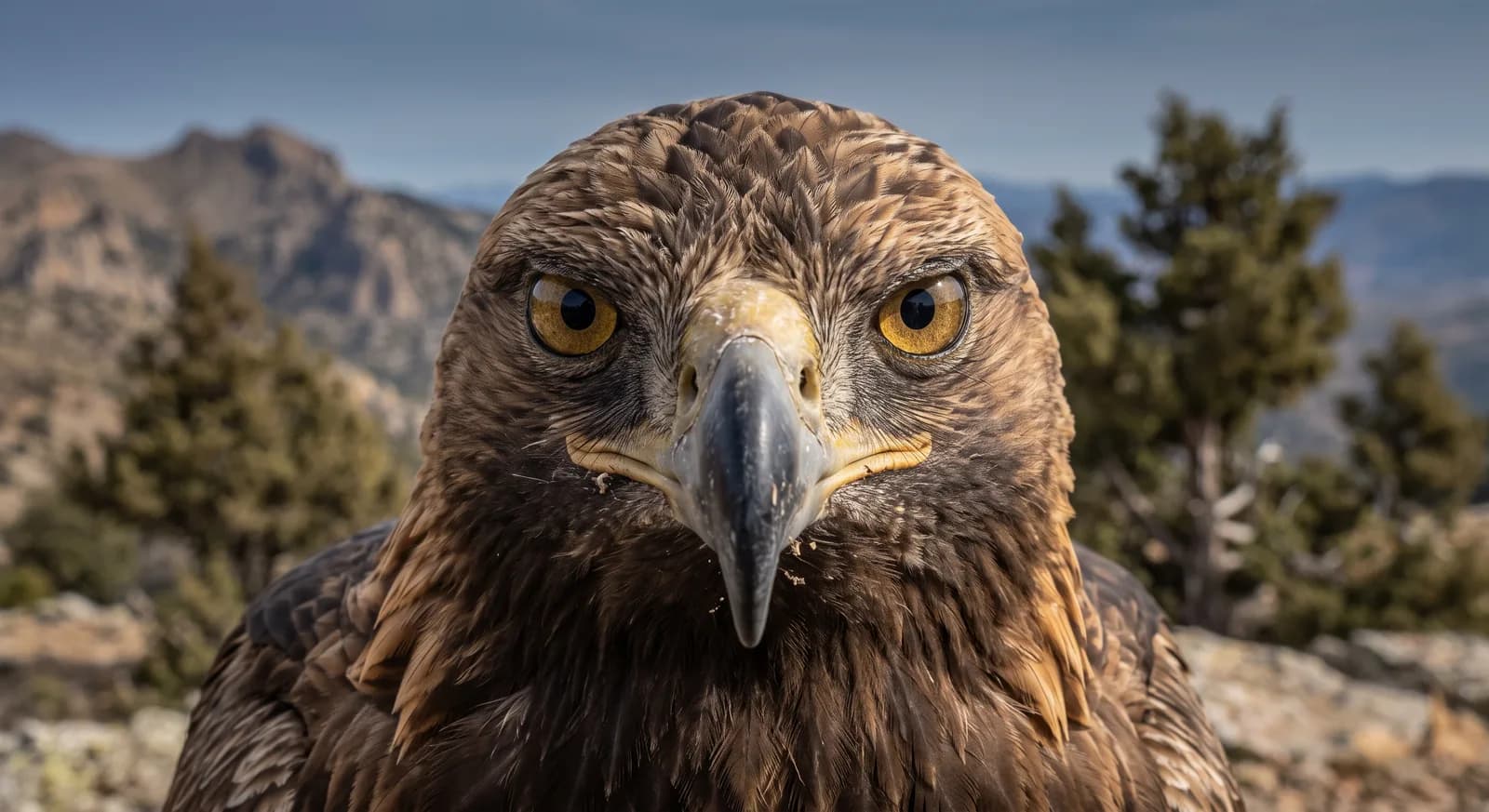
Golden Eagle
Aquila chrysaetos
 Least Concern
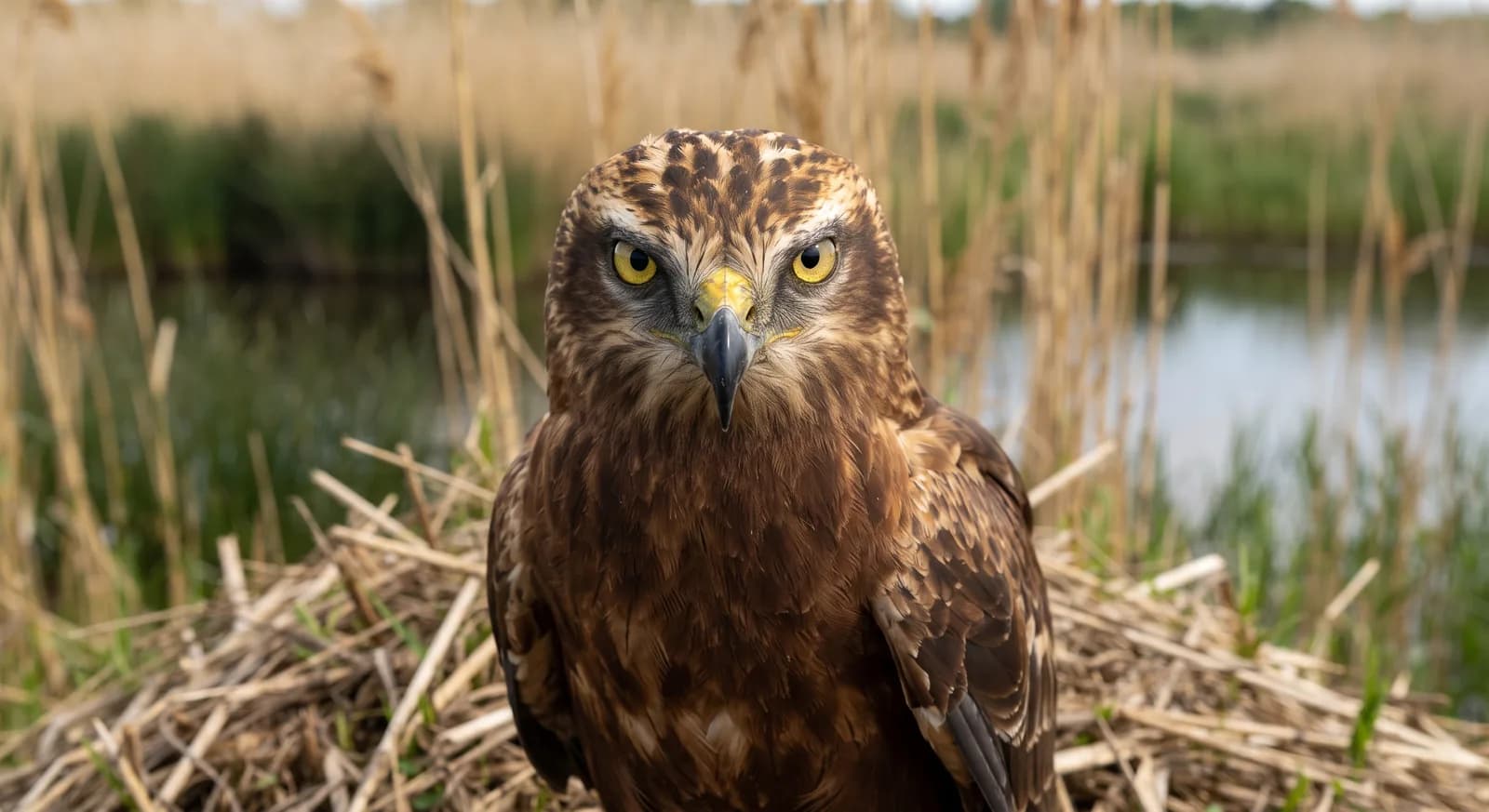
Western Marsh Harrier
Circus aeruginosus
 Least Concern
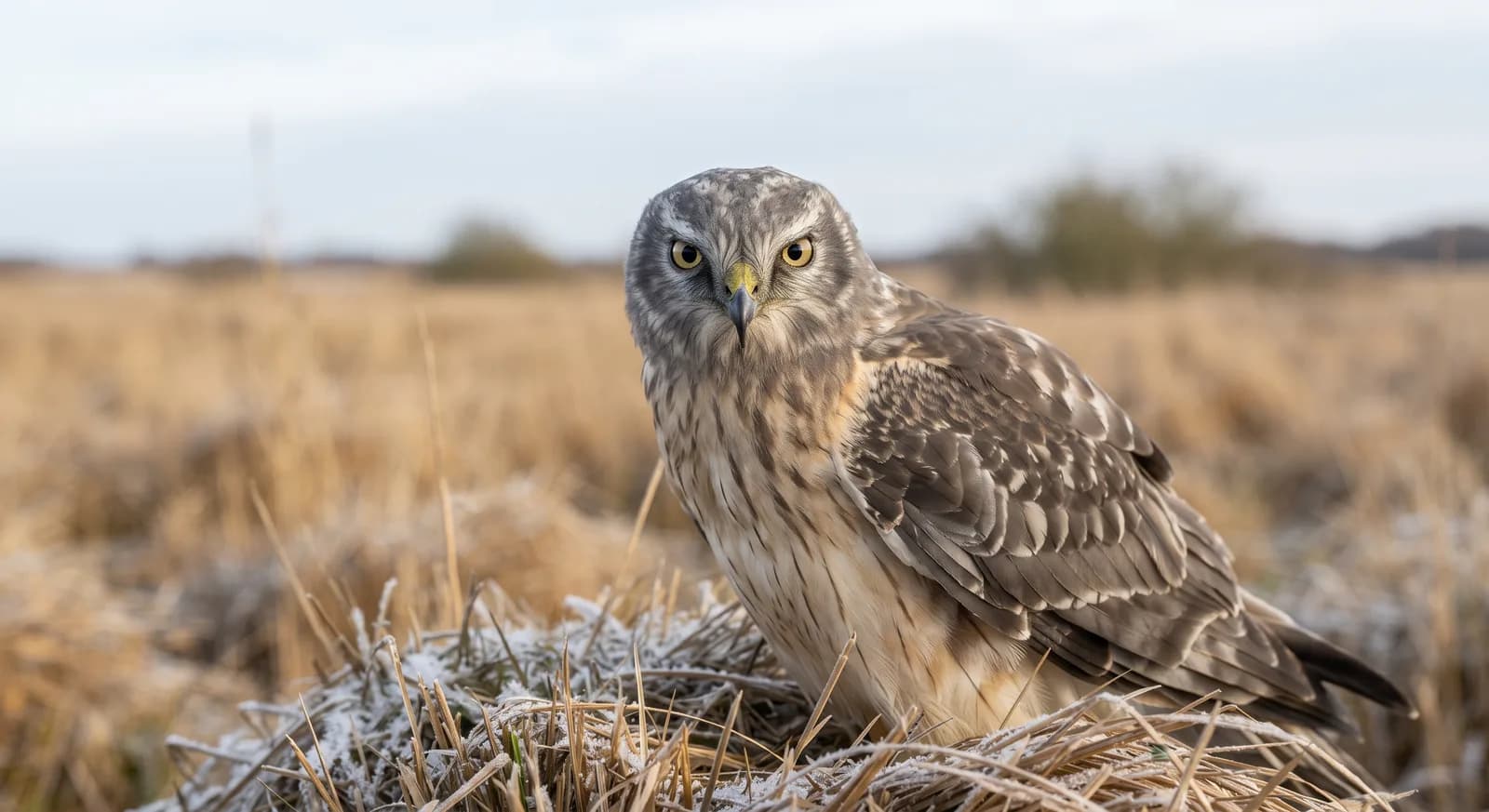
Hen Harrier
Circus cyaneus
 Least Concern
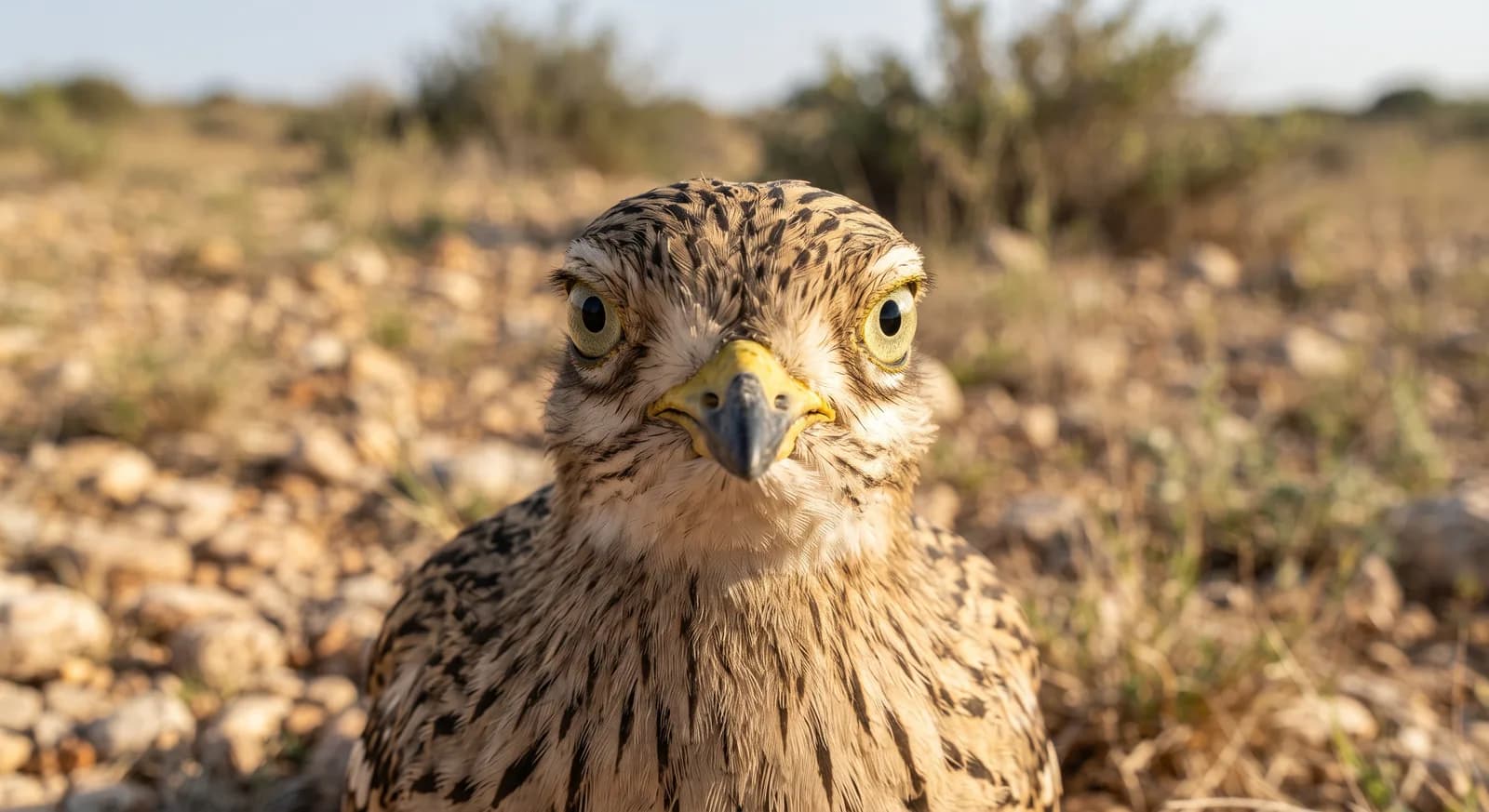
Eurasian Stone-Curlew
Burhinus oedicnemus
Keep exploring
Based on what we already know about Poland.