United Kingdom
Europa
The United Kingdom is an archipelago with an impoverished land fauna, the consequence of millennia of deforestation and the early loss of its large carnivores, but extraordinarily rich along the coast. Its cliffs and islands hold seabird colonies of global importance: gannets, puffins, guillemots and skuas gather in summer in Scotland, Wales and the islands of the North Atlantic. Inland, heather moorland, Highland grassland, relict Caledonian pine forest and the wetlands of the Broads and the Fens dominate. The Scottish wildcat is on the brink of extinction and the red squirrel is retreating before the North American grey squirrel, while the beaver, the red kite and the white-tailed eagle have returned through reintroduction. The waters of the Hebrides and Shetland bring together orcas, white-beaked dolphins and basking sharks in summer.
The nature of United Kingdom
National animal: The lion is the emblem of England and the unicorn that of Scotland; the European robin was voted Britain's national bird
Did you know?
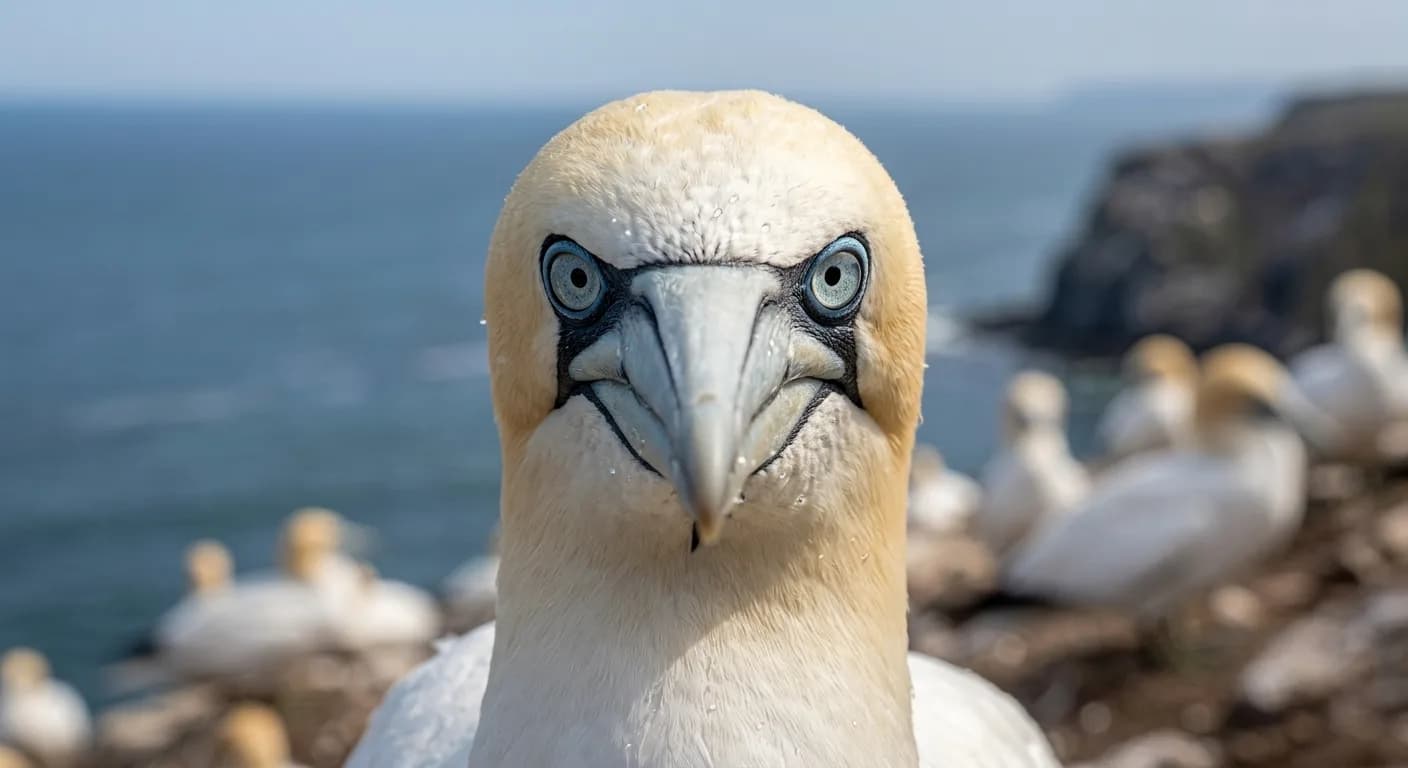
Bass Rock, a volcanic stack off the east coast of Scotland, holds one of the largest northern gannet colonies in the world, with on the order of 150,000 birds packed onto a few hectares. The link is so close that the species carries the name of the place in its scientific name, Morus bassanus, and the rock can be seen turning white from the shore.
Biodiversity profile
Climate
- •Oceanico templado (Cfb), lluvias distribuidas todo el año, veranos suaves e inviernos templados
Main biomes
- •Bosque caducifolio templado (remanentes fragmentados)
- •Brezal y turbera de montaña (Escocia, Gales)
- •Pastizal de tiza y humedales costeros
- •Páramo de brezo
- •Bosque caledonio de pinos
- •Acantilado marino
- •Humedal costero
- •Pradera calcárea
- •Turbera de cobertura
- •Estuario
Marine and coastal ecosystems
- •Aguas del Mar del Norte, Atlantico y Canal de la Mancha, con acantilados de anidacion de aves marinas
- •El 90% de la biodiversidad del Reino Unido en sentido amplio se encuentra en sus Territorios de Ultramar, incluidos puntos calientes globales en el Caribe, Malta y Chipre
Flagship wildlife
- •Tejon europeo
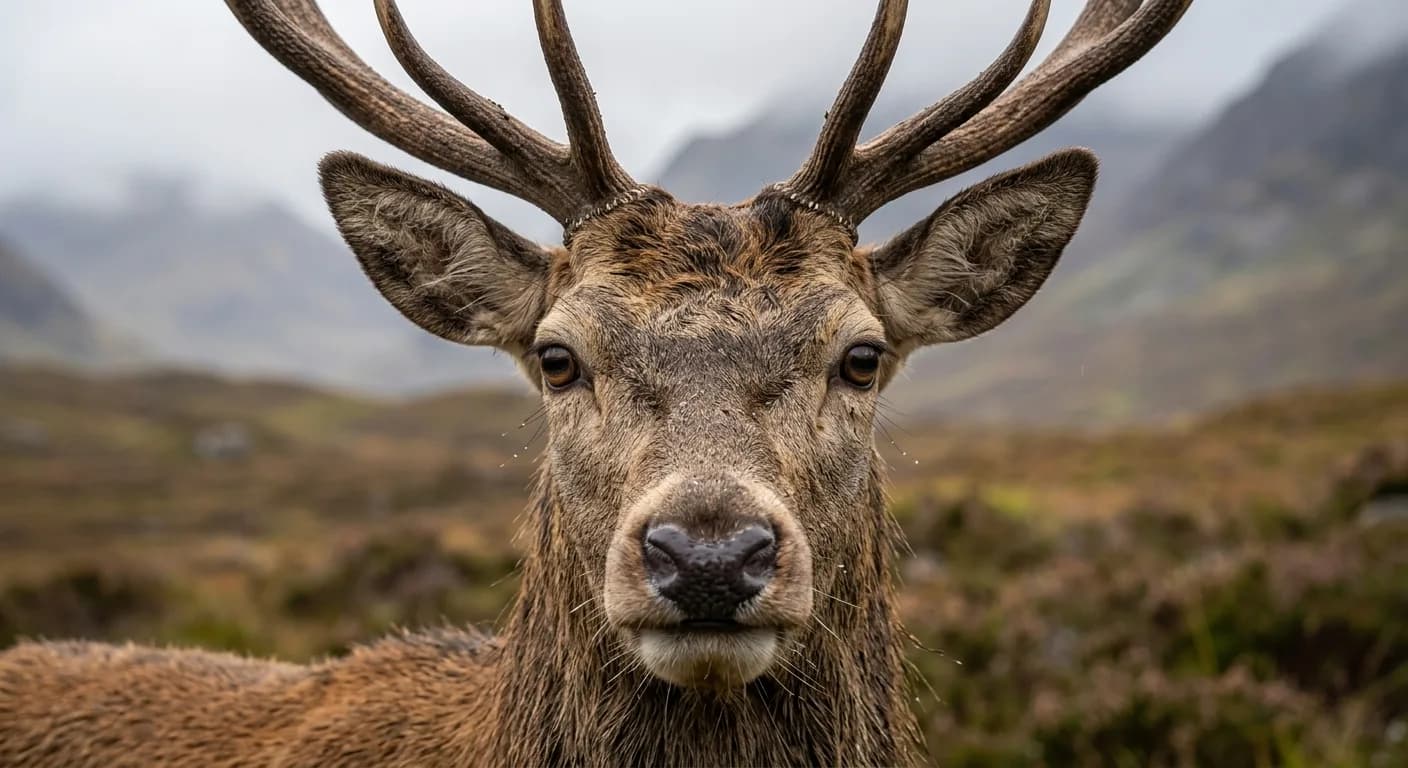
- •Ciervo rojo
- •Aguila real (Escocia)
- •Foca gris (colonias costeras)
- •Alcatraz atlántico
- •Frailecillo atlántico
- •Ardilla roja
- •Gato montés europeo
- •Nutria paleártica
- •Pigargo europeo
- •Milano real
- •Tiburón peregrino
Notable endemic species
- •Los Territorios de Ultramar britanicos concentran mas de 32.000 especies conjuntas, con al menos 517 globalmente amenazadas, y 33 especies de aves de la Lista Roja, mas que toda la Europa continental
- •Ratón de campo de Saint Kilda
- •Piquituerto escocés
Notable threatened species
- •194 especies amenazadas conocidas en el Reino Unido continental (cifra que excluye 60.000 especies aun no catalogadas formalmente)
- •Aves y especies de pastizal en declive por intensificacion agricola, que ocupa mas del 70% del territorio
Notable protected areas
- •Parque Nacional de los Distritos de los Lagos (Patrimonio Mundial)
- •Costa Jurasica (Patrimonio Mundial geologico)
- •Reservas de aves marinas de las Islas Shetland y Orcadas
- •Parque Nacional de Cairngorms
- •Roca de Bass
- •Islas Farne
- •Reserva de Minsmere
- •Parque Nacional de Snowdonia
- •Archipiélago de Saint Kilda
Main conservation threats
- •Perdida de habitat y contaminacion por intensificacion agricola (mas del 70% del uso del suelo)
- •Especies invasoras
- •Cambio climatico sobre ecosistemas costeros y de turbera
Notable natural phenomena
- •El Reino Unido gestiona la quinta mayor extension oceanica del mundo a traves de sus territorios de ultramar, con areas marinas protegidas de gran escala en Pitcairn (Pacifico) y Ascension (Atlantico)
Conservation
The Scottish wildcat is in a critical situation because of hybridisation with domestic cats, and a reinforcement programme using captive-bred animals has begun. In parallel, the country leads large-scale rewilding projects such as Knepp.
Where and when to watch wildlife
Seabird colonies between May and July on the Farne Islands, Bass Rock and Skomer. The Cairngorms in September and October for the red deer rut. The Hebrides in summer for basking sharks and orcas.
Sources: BioDB.com - United Kingdom | Friends of the Earth - How well UK EU protecting nature
Natural phenomena in United Kingdom
- Berrea (celo) del ciervo rojo en Escocia — Septiembre a noviembre (pico finales sep-oct)
- Colonias de frailecillos en Escocia e Islandia — Abril a agosto (pico mayo-julio)
- Murmuraciones de estorninos en el Reino Unido — Octubre a marzo (pico nov-ene)
- Colonia de alcatraces atlánticos en Bass Rock — Finales de febrero a octubre (pico jun-ago)
Parks and reserves
Calzada del Gigante
Forty thousand basalt columns on the Antrim coast, formed as lava flows cooled some sixty million years ago.
View parkWorld Heritage Site (Natural)Costa de Dorset y Devon Oriental
The Jurassic Coast: 185 million years of Earth history exposed along 155 kilometres of cliffs.
View parkWorld Heritage Site (Natural)Isla Henderson
A raised coral atoll in the Pacific, virtually untouched on land and with the highest density of plastic in the world on its beaches.
View parkWorld Heritage Site (Natural)Islas Gough e Inaccesible
Two of the least disturbed temperate islands on the planet, with one of the largest seabird colonies in the world.
View parkNational ParkNorthumberland
Crossed by Hadrian's Wall, the northernmost fortified frontier of the Roman Empire
View parkWorld Heritage Site (Mixed)St Kilda
The United Kingdom's only mixed property: a volcanic archipelago uninhabited since 1930, with the largest seabird colony in Europe.
View parkNational ParkBannau Brycheiniog (Brecon Beacons)
It recovered its traditional Welsh name in 2023, leaving behind the colonial English name Brecon Beacons
View parkNational Park (protected landscape)Cairngorms
Britain's largest national park; relict Caledonian forest
View parkNational ParkDartmoor
Granite moorland studded with prehistoric stone circles, with more megalithic monuments than any other region in England
View parkNational ParkExmoor
One of the few places in England with official Dark Sky Reserve status from the International Dark-Sky Association
View parkDiving and snorkelling
Scapa Flow
A deep natural anchorage that was the base of the British Grand Fleet in both world wars. On 21 June 1919, Rear Admiral Ludwig von Reuter ordered the scuttling of the German High Seas Fleet interned there — 74 ships — wrongly convinced that the peace negotiations had broken down and that the British were about to seize the vessels. Some 50 ships went to the bottom within hours.
View dive siteCold rocky reefFarne Islands
A wildlife reserve famous for interactive diving with playful grey seals.
View dive siteRemote volcanic/NestingAscension Island
A remote volcanic island halfway between Africa and South America, with one of the largest green turtle colonies in the Atlantic.
View dive siteCold rocky reef/WreckFarne Islands (Longstone)
The northern end of the Farne archipelago, with the historic Longstone lighthouse and a large seal colony.
View dive siteWreck/Rocky reefIsles of Scilly
An archipelago with more shipwrecks per square mile than almost anywhere else in the world, thanks to its treacherous reefs.
View dive siteCold freshwater lakeLoch Ness
The most famous loch in the world for its legendary monster; water darkened by peat sediment, a challenge for dark-water divers.
View dive siteRocky reef/ReserveLundy Island
The first Marine Conservation Zone designated in the United Kingdom (2010), with a notable population of curious grey seals.
View dive siteWreck/Rocky reefPlymouth Sound (pecios)
A historic Royal Navy bay with several ships deliberately scuttled as artificial diving reefs.
View dive siteCold rocky reefSt Abbs
A voluntary marine reserve on the east coast of Scotland, a benchmark for cold-water diving in the United Kingdom.
View dive siteFauna que puedes ver ahora
¿Qué merece la pena observar este mes en United Kingdom?
 Least Concern
Red Deer
Cervus elaphus
Ahora es buena época: Berrea (celo) del ciervo rojo en Escocia (Septiembre a noviembre (pico finales sep-oct))
 Least Concern
Northern Gannet
Morus bassanus
Ahora es buena época: Colonia de alcatraces atlánticos en Bass Rock (Finales de febrero a octubre (pico jun-ago))
Países similares
¿A dónde más podría interesarme viajar?
Misma región: Europa Occidental
Misma región: Europa Occidental
Misma región: Europa Occidental
Misma región: Europa Occidental
Especies documentadas en United Kingdom
658 species found
 Least Concern
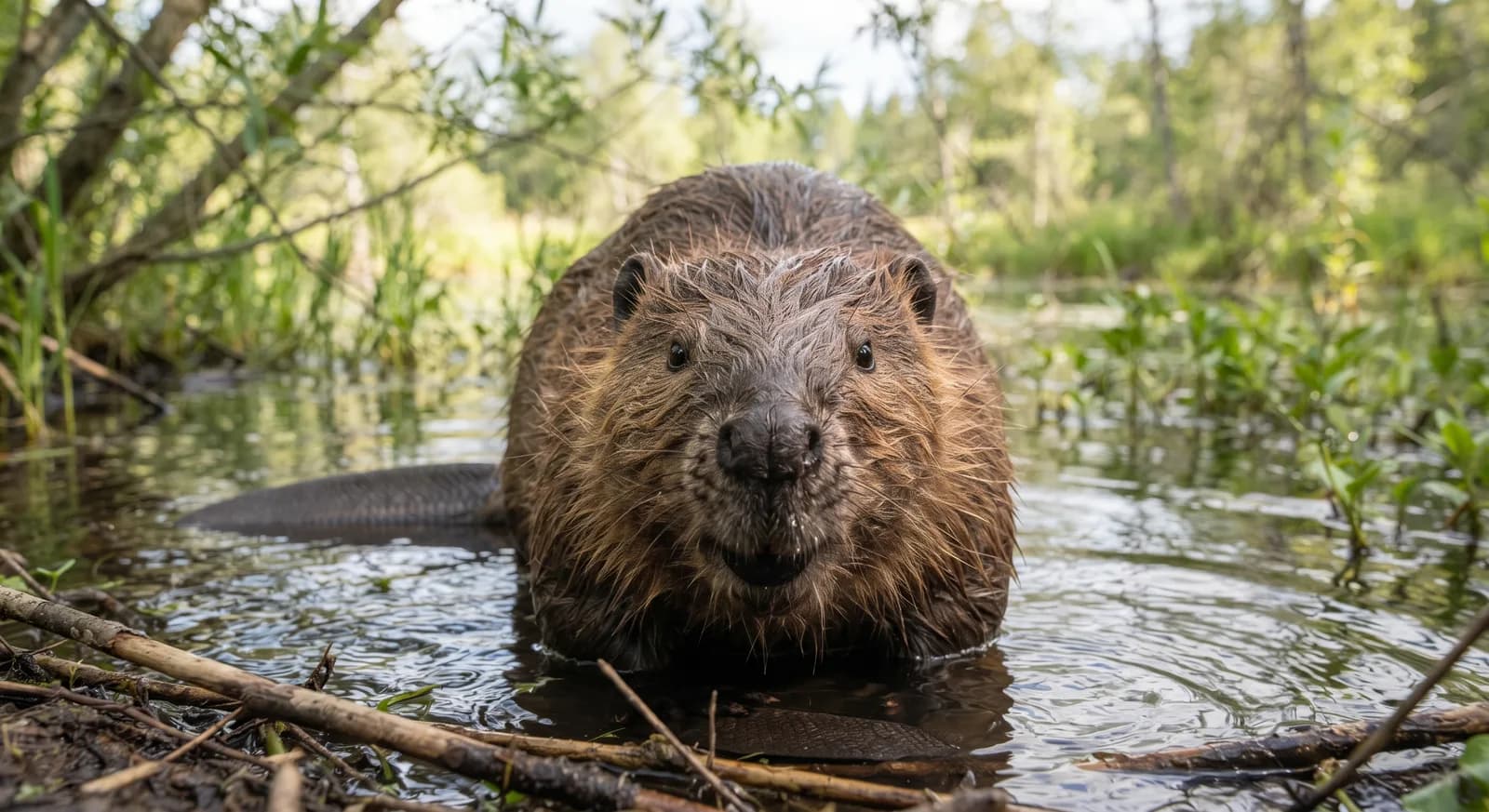
Eurasian Beaver
Castor fiber
 Least Concern
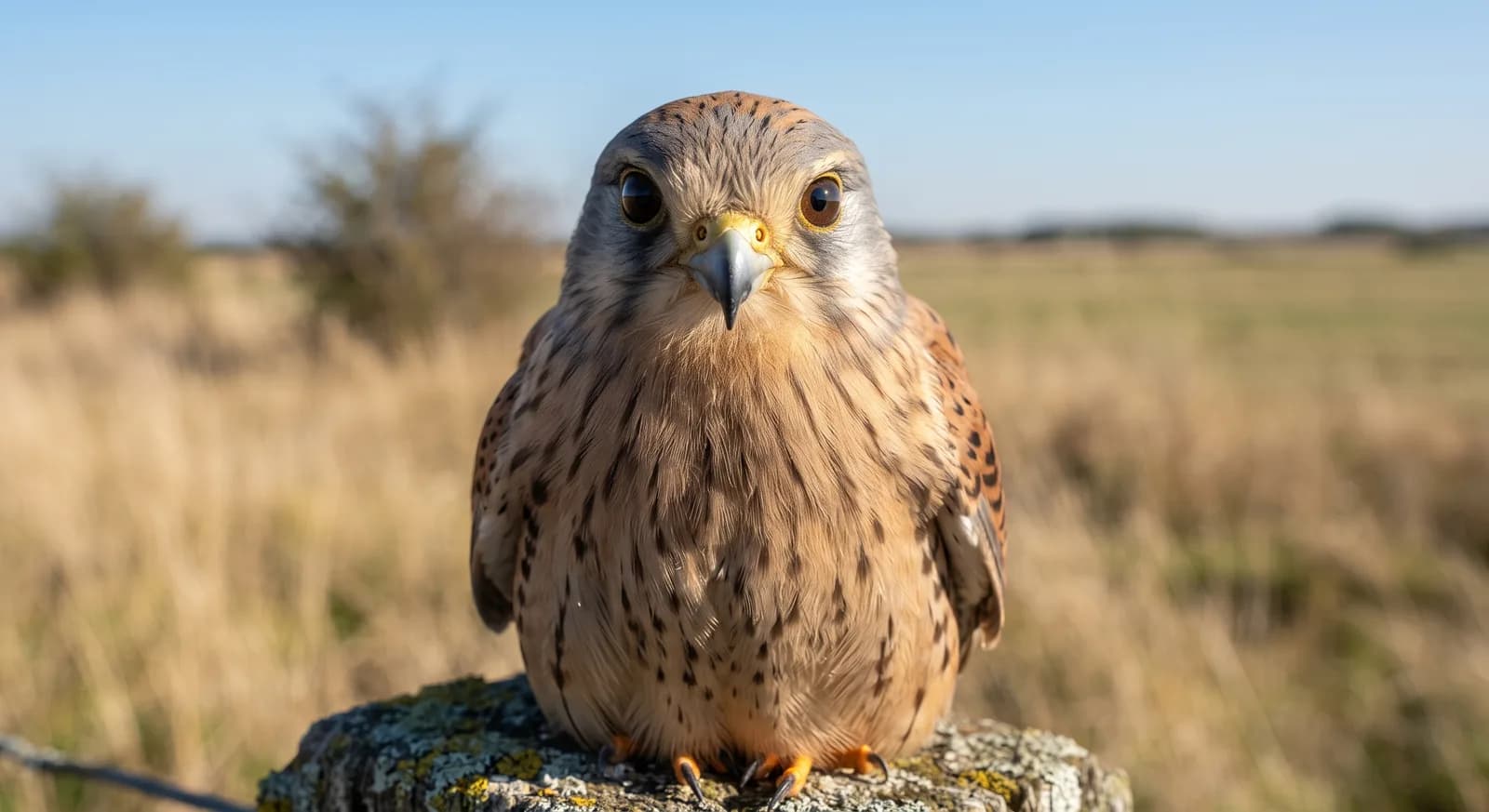
Common Kestrel
Falco tinnunculus
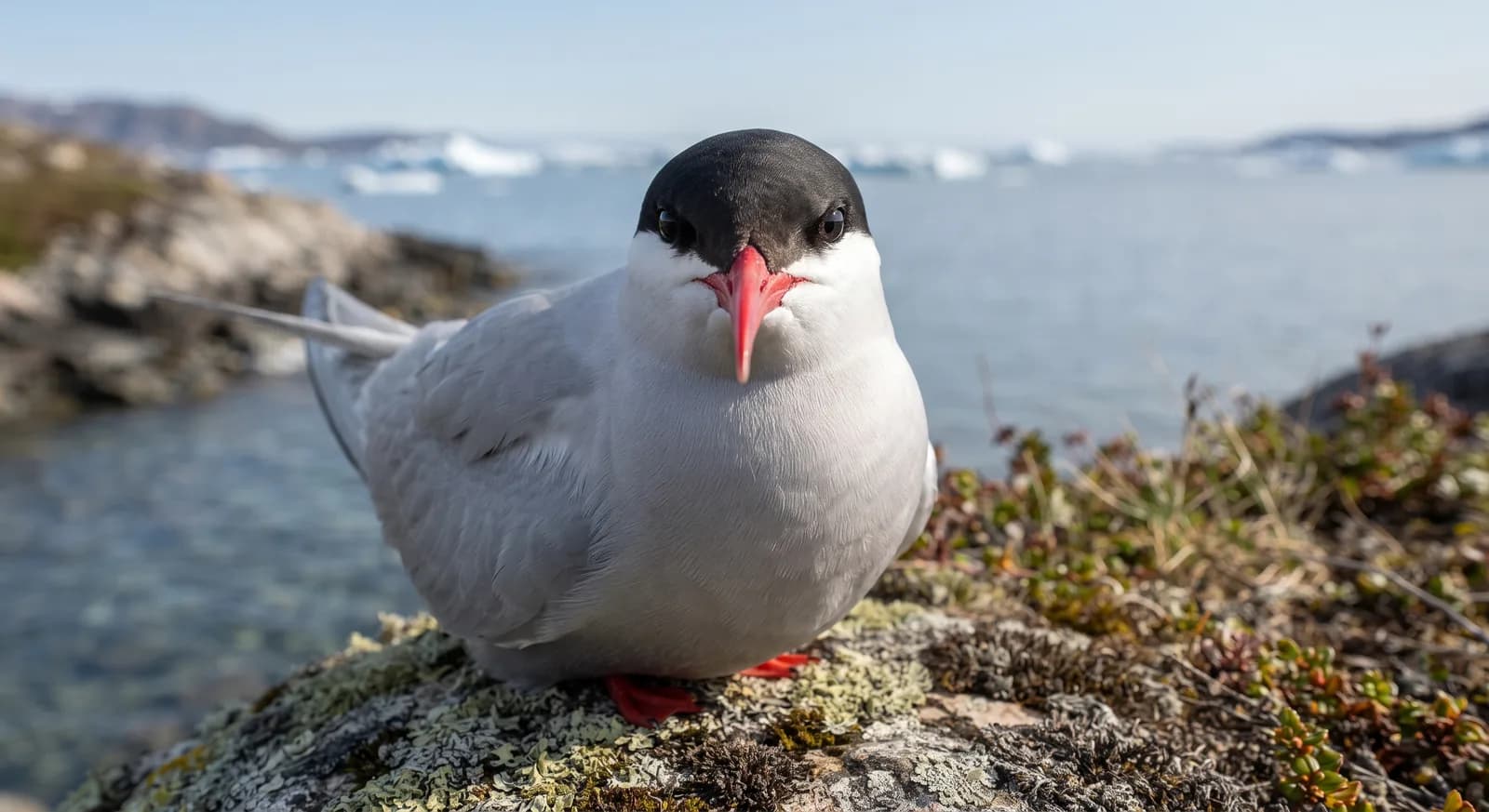 Least Concern
Arctic Tern
Sterna paradisaea
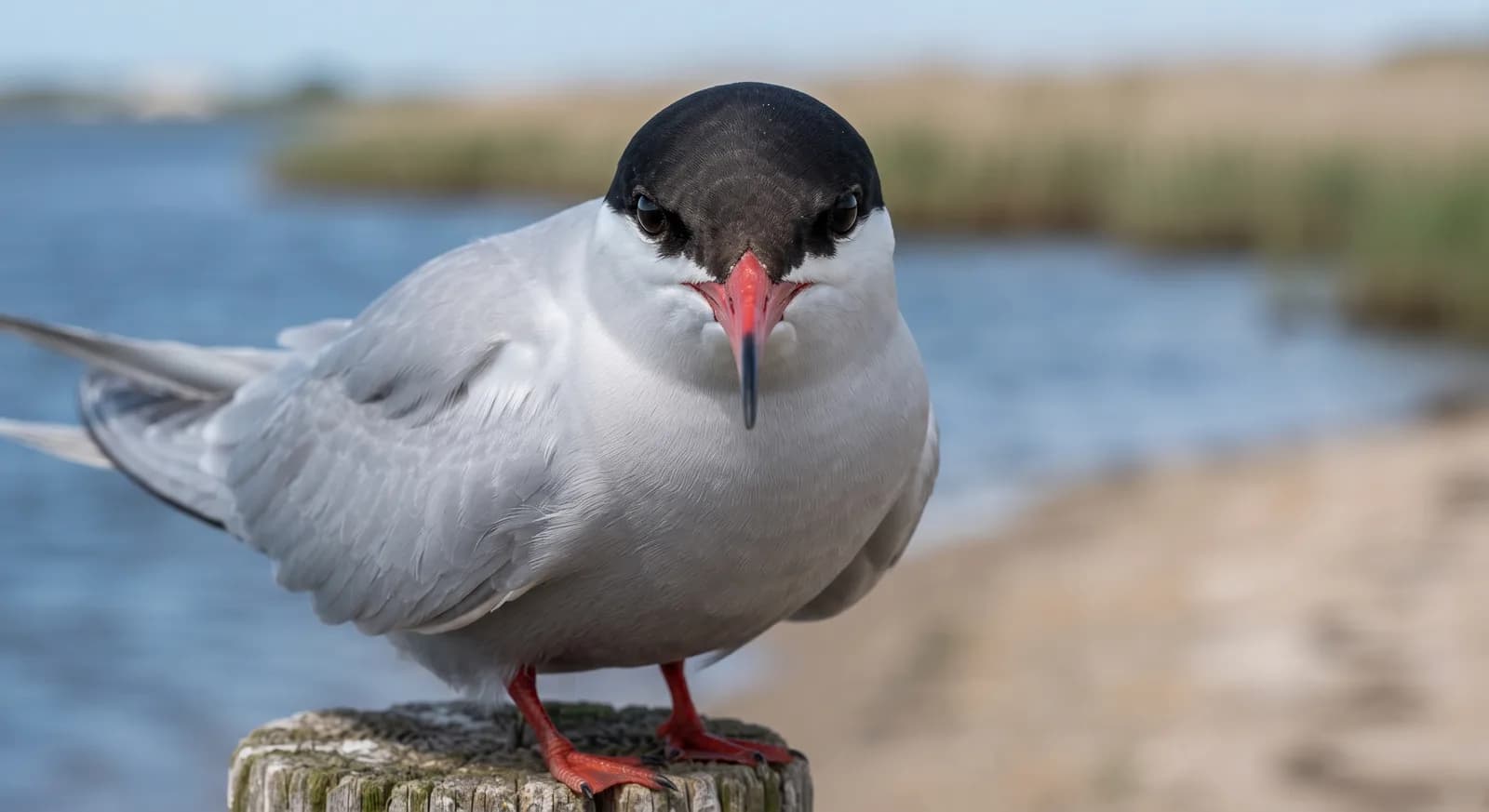 Least Concern
Common Tern
Sterna hirundo
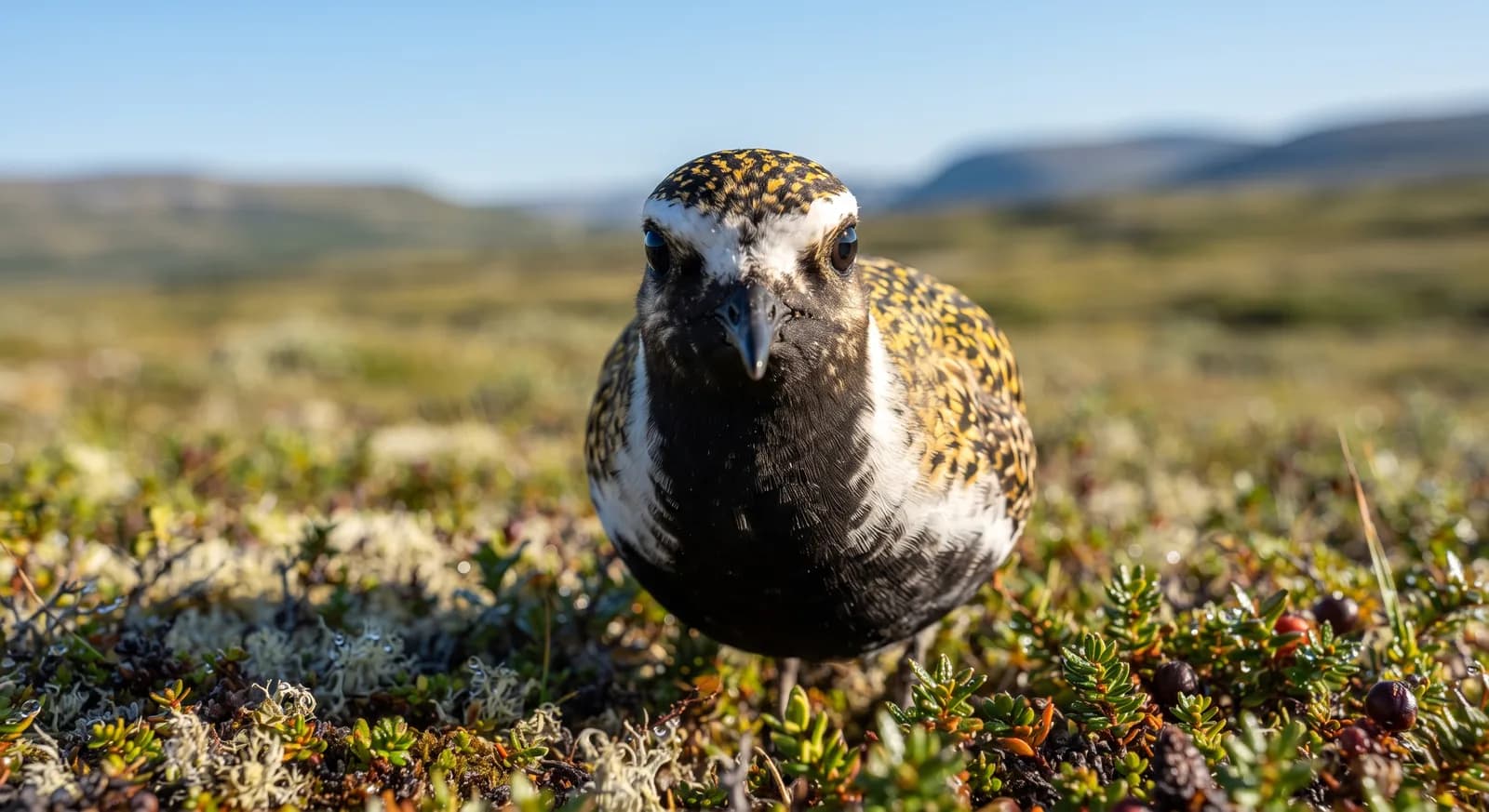 Least Concern
European Golden Plover
Pluvialis apricaria
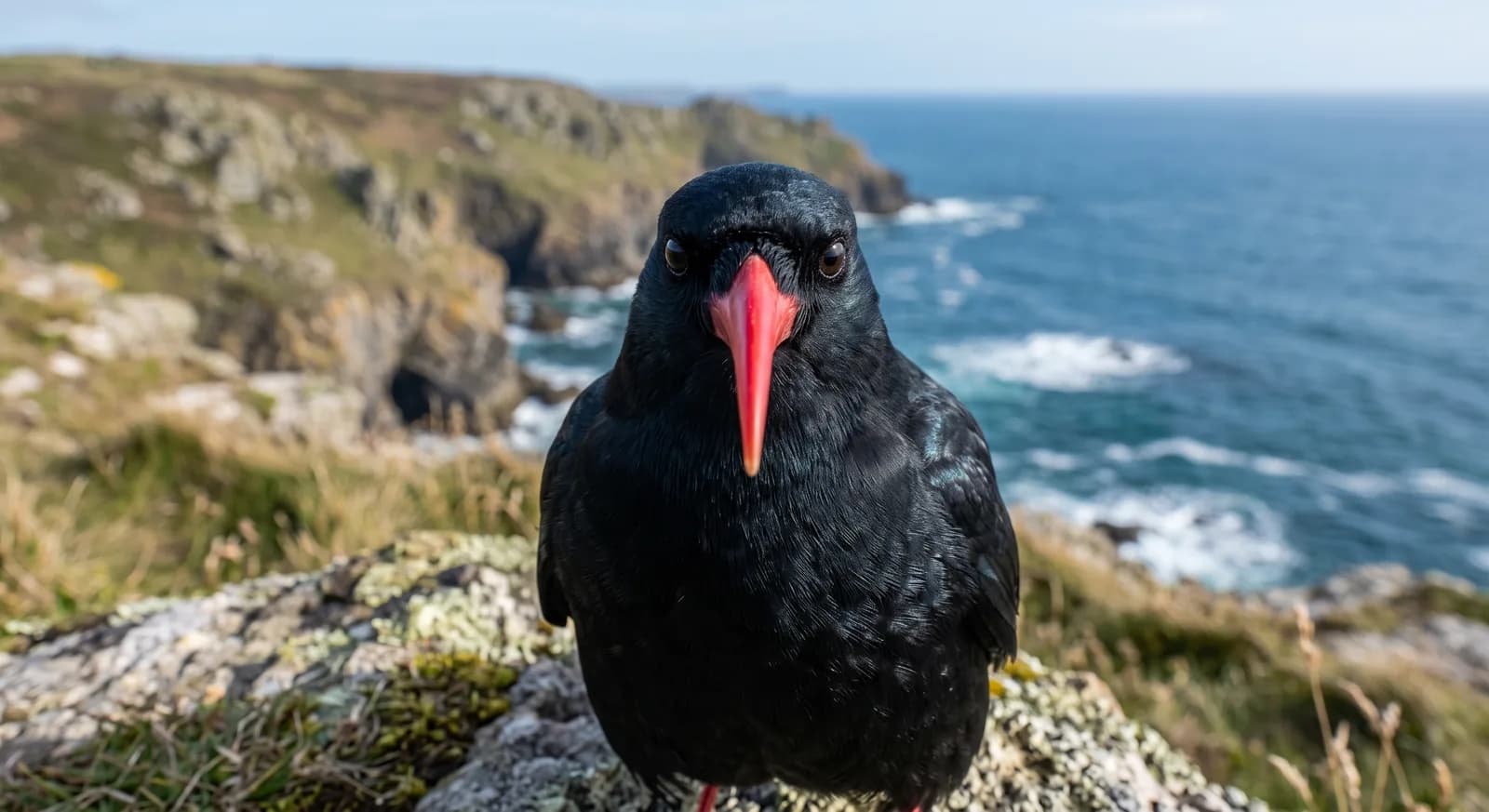 Least Concern
Red-billed Chough
Pyrrhocorax pyrrhocorax
Least ConcernRed Deer
Cervus elaphus
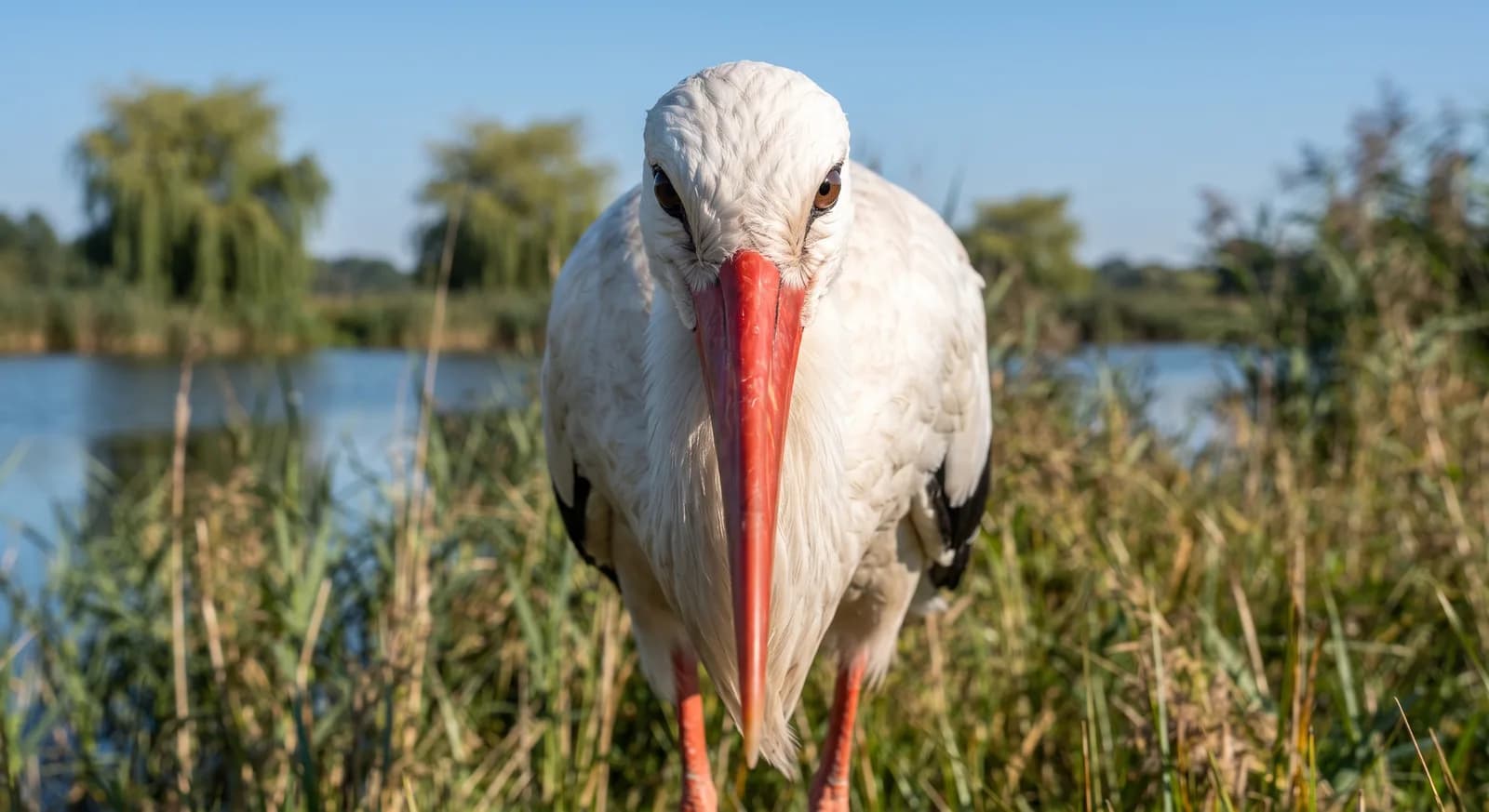 Least Concern
White Stork
Ciconia ciconia
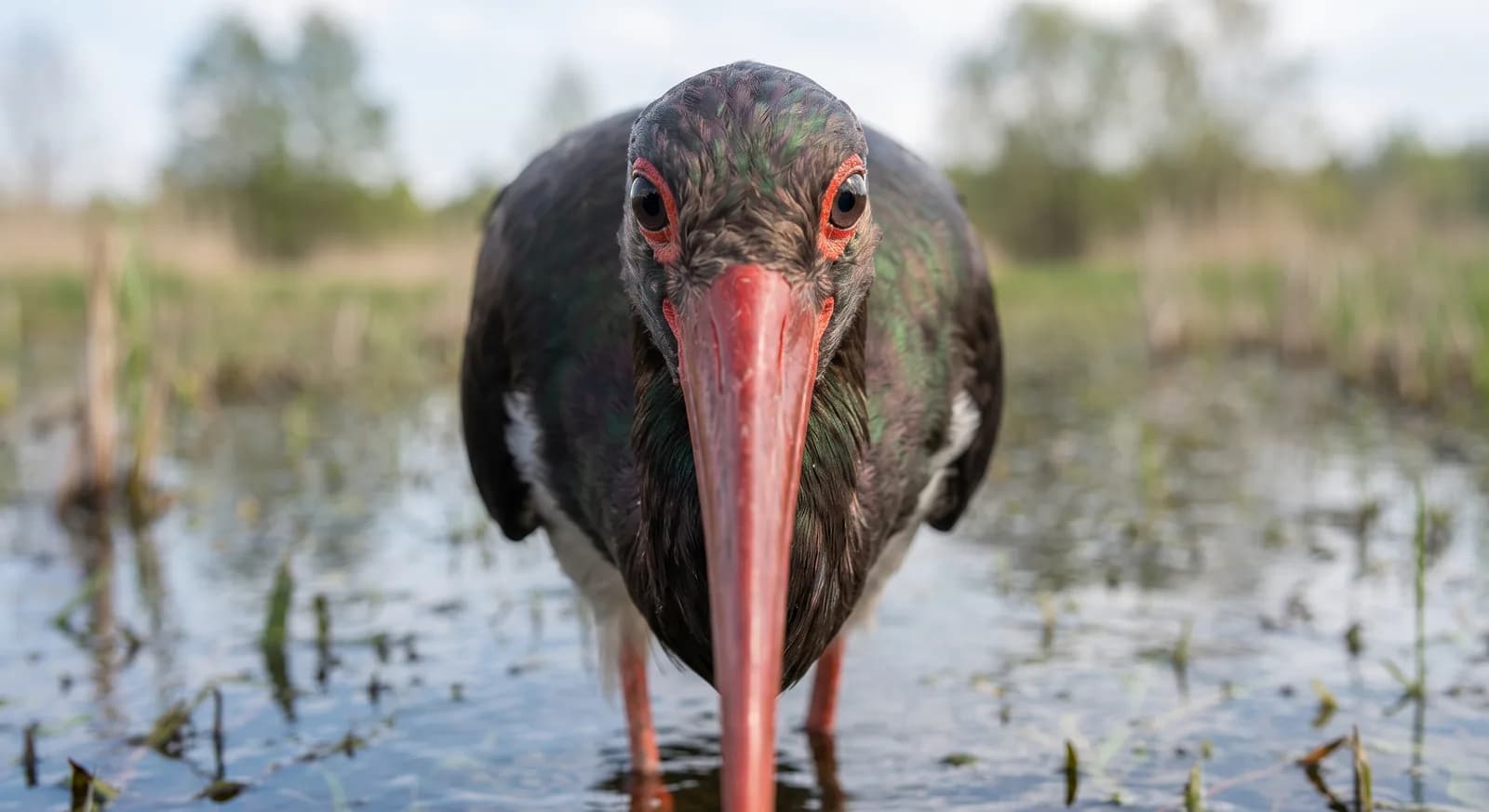 Least Concern
Black Stork
Ciconia nigra
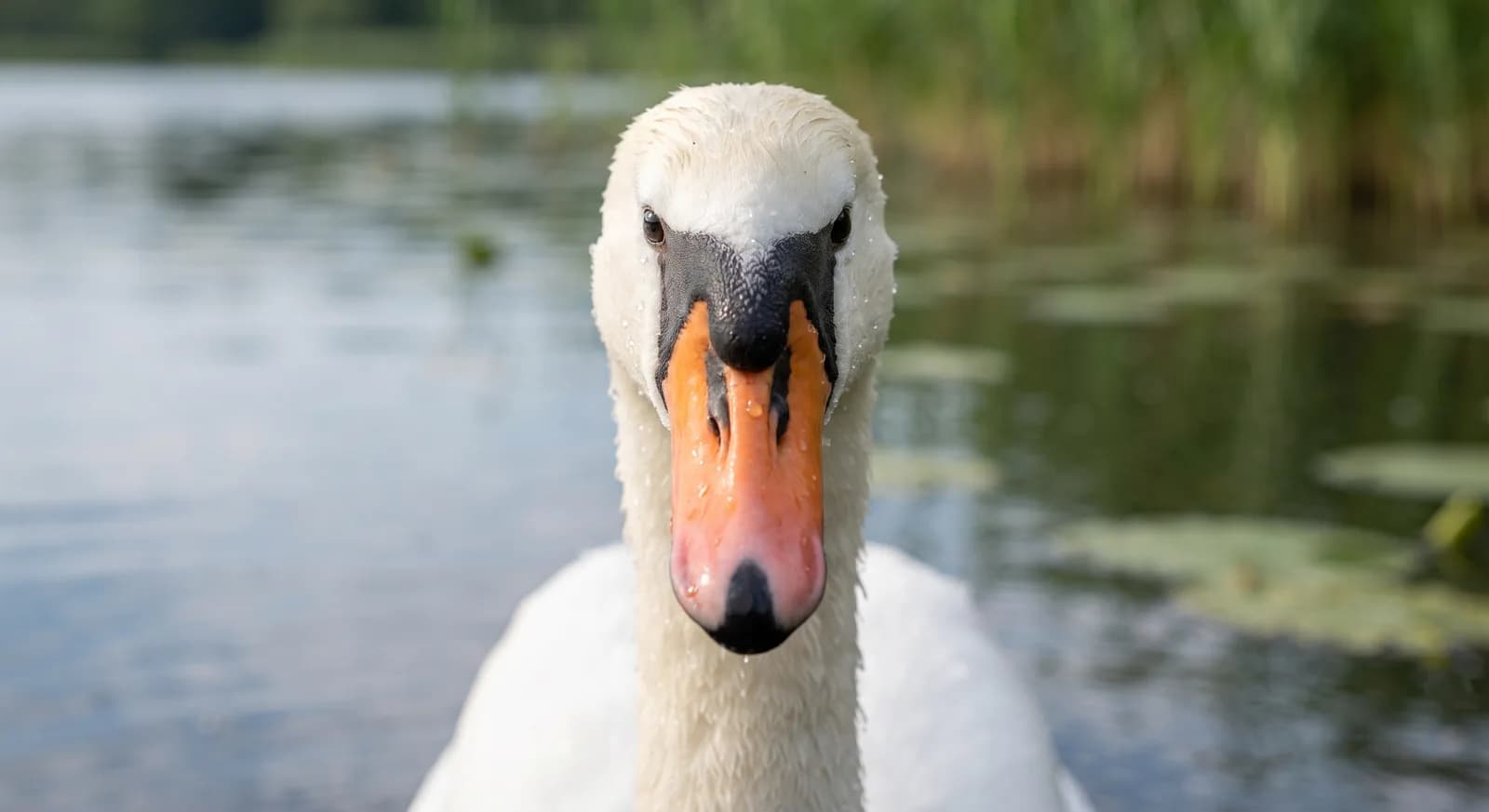 Least Concern
Mute Swan
Cygnus olor
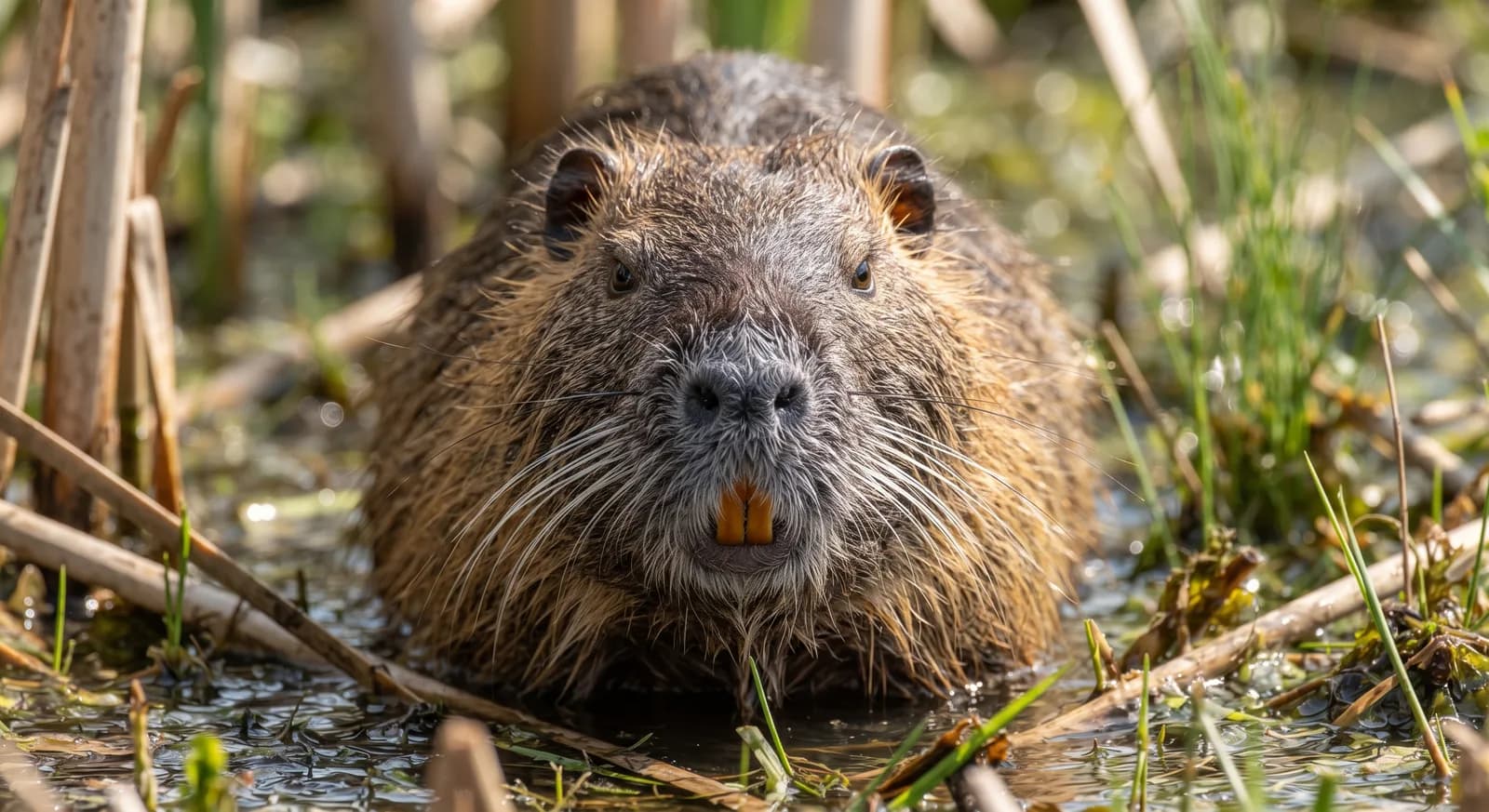 Least Concern
Coypu
Myocastor coypus
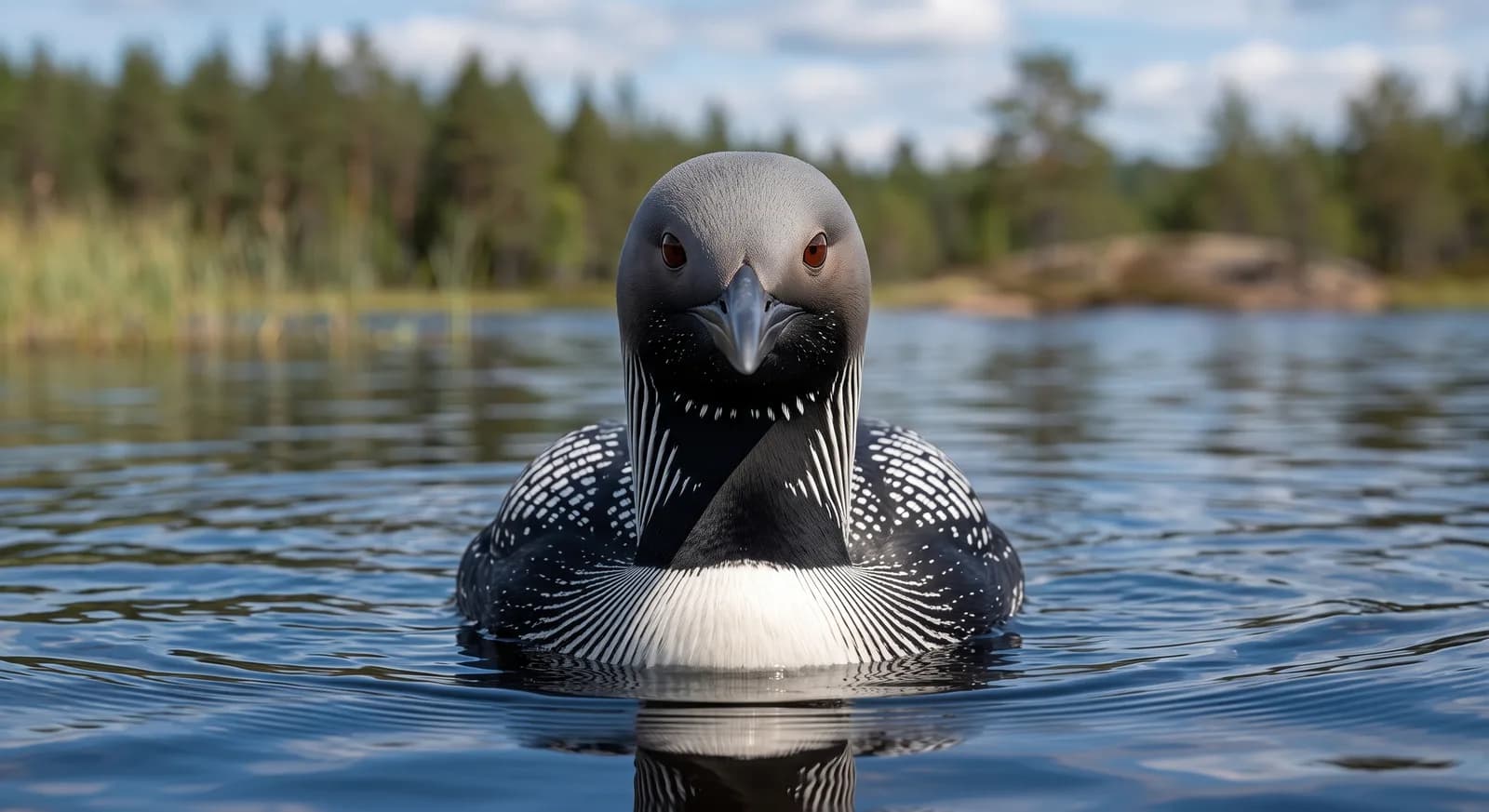 Least Concern
Black-throated Diver
Gavia arctica
Keep exploring
Based on what we already know about United Kingdom.