United States
América del Norte
The United States runs from the Arctic of Alaska to the tropical reefs of Florida and Hawaii, and that range takes in deserts, prairies, temperate forests, subtropical wetlands and some of the highest mountains in North America. In 1872 it created Yellowstone, the world's first national park, launching a model of protection since copied on every continent. California's redwood forests hold the tallest trees on the planet, the Everglades form a river of grass kilometres wide and a few centimetres deep, and the Pacific kelp forests are among the most productive marine ecosystems in existence. The Great Plains still keep fragments of the prairie that once supported immense herds of bison.
The nature of United States
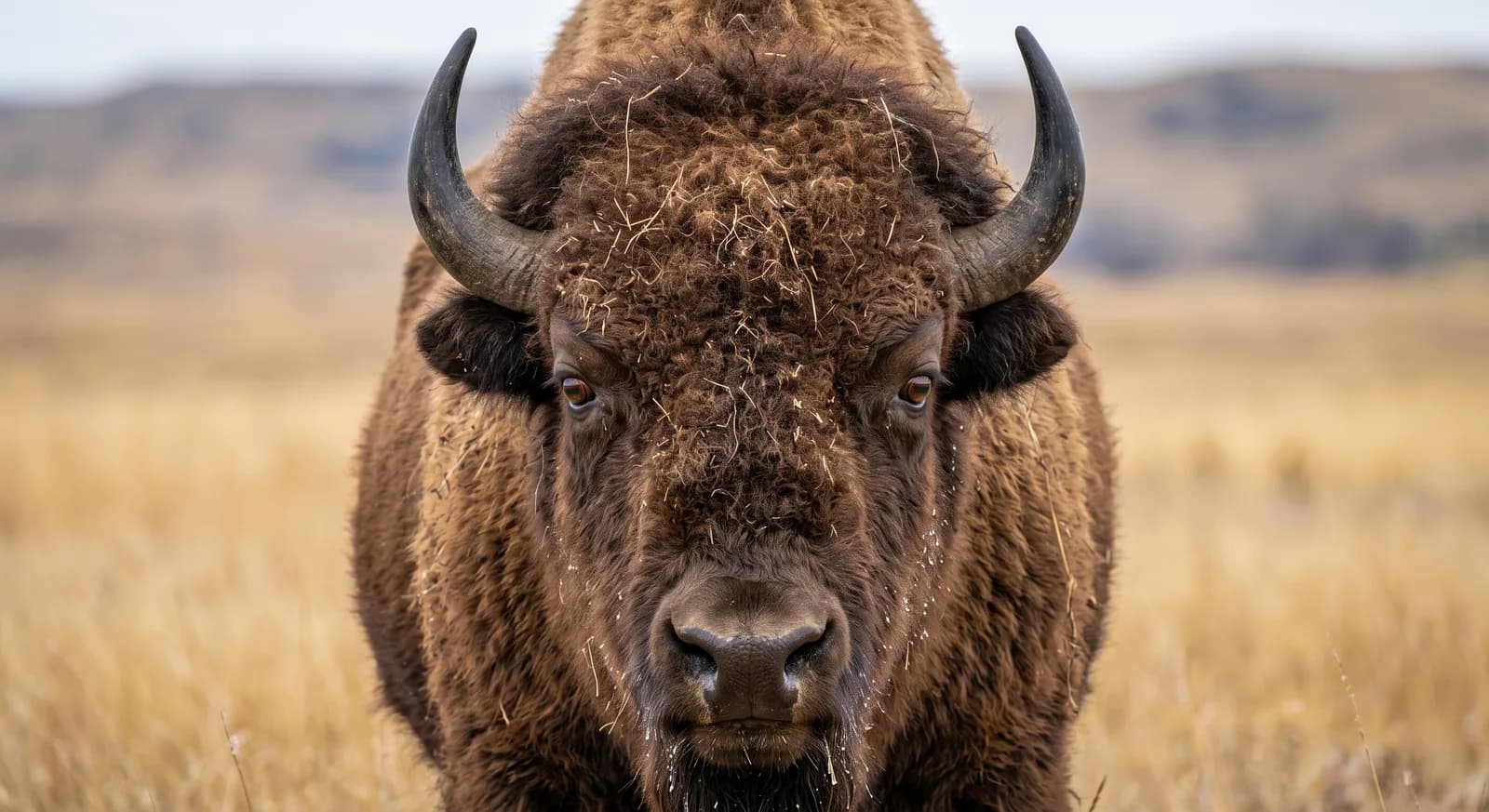
National animal: The bald eagle is the national bird and the American bison the national mammal, designated in 2016
Did you know?
In 1987 there were twenty-two California condors left in the world, and a drastic decision was taken: to capture every last wild bird and breed them in captivity. The gamble paid off, and more than five hundred fly again today, many of them free. Their main threat is still the lead from ammunition they swallow while feeding on carrion, so many birds are caught periodically for treatment.
Biodiversity profile
Climate
- •Continental humedo (Dfa/Dfb) en el noreste y medio oeste
- •Subtropical humedo (Cfa) en el sureste
- •Arido y semiarido (BWh/BSk) en el suroeste
- •Mediterraneo (Csb) en California
- •Oceanico templado (Csb/Cfb) en el noroeste pacifico
- •Polar/subartico en Alaska
- •Tropical humedo en Hawai y Florida sur
Main biomes
- •Bosque templado caducifolio (este)
- •Praderas centrales (Great Plains)
- •Desierto (Sonora, Mojave, Chihuahua)
- •Bosque de coniferas del Pacifico noroeste (secuoyas y abetos)
- •Tundra artica y bosque boreal (Alaska)
- •Humedales subtropicales (Everglades, Florida)
- •Pradera de hierbas altas
- •Bosque de secuoyas
- •Desierto de Sonora
- •Humedal subtropical de los Everglades
- •Bosque de laminarias
- •Tundra de Alaska
- •Bosque caducifolio de los Apalaches
Marine and coastal ecosystems
- •Arrecifes de coral de los Cayos de Florida
- •Grandes Lagos (mayor sistema de lagos de agua dulce del mundo)
- •Costas del Golfo de Mexico y ambos oceanos con extensos humedales costeros
Flagship wildlife
- •Aguila calva (ave nacional)
- •Bisonte americano
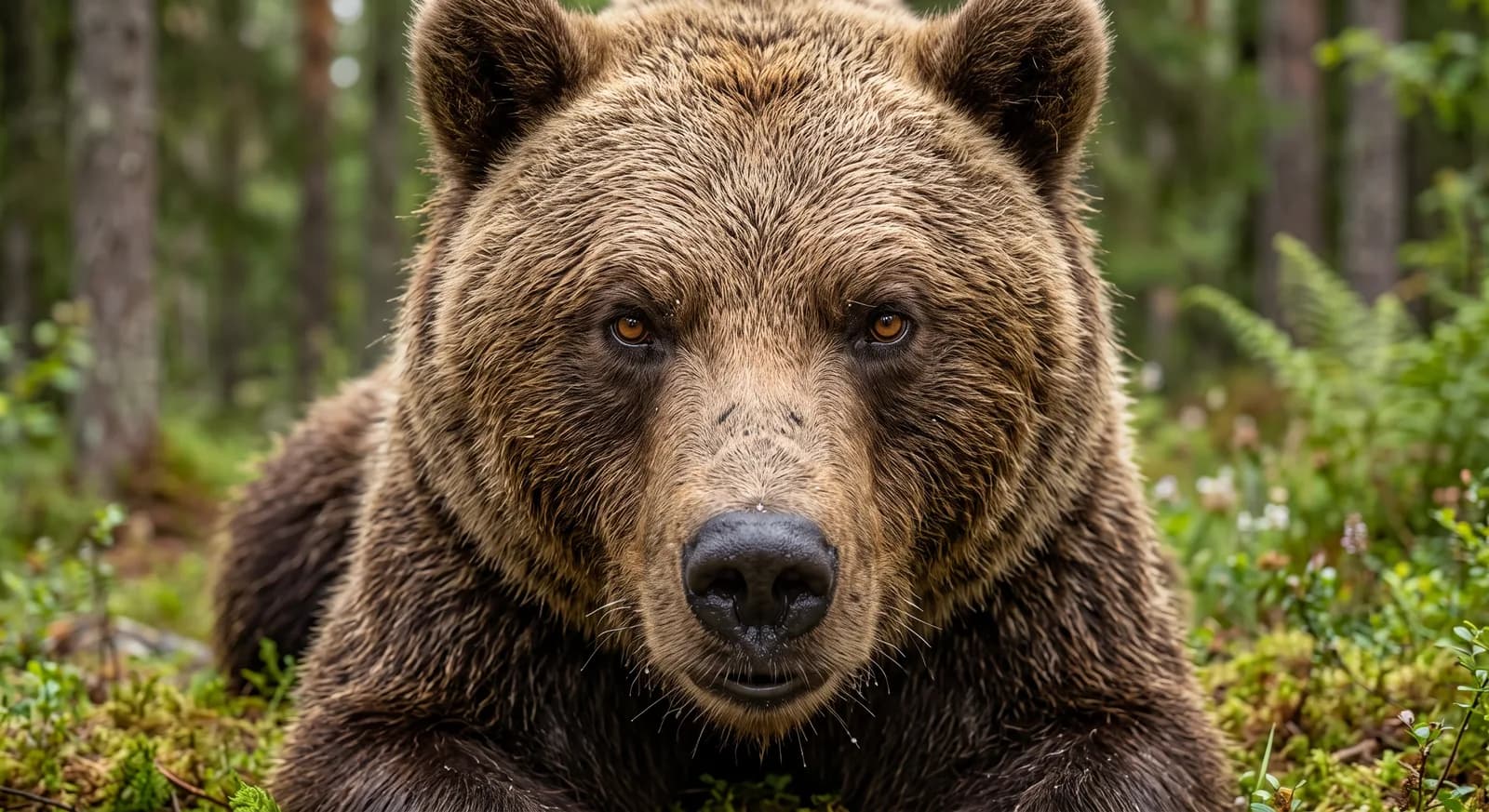
- •Oso pardo grizzly
- •Caiman americano
- •Condor de California
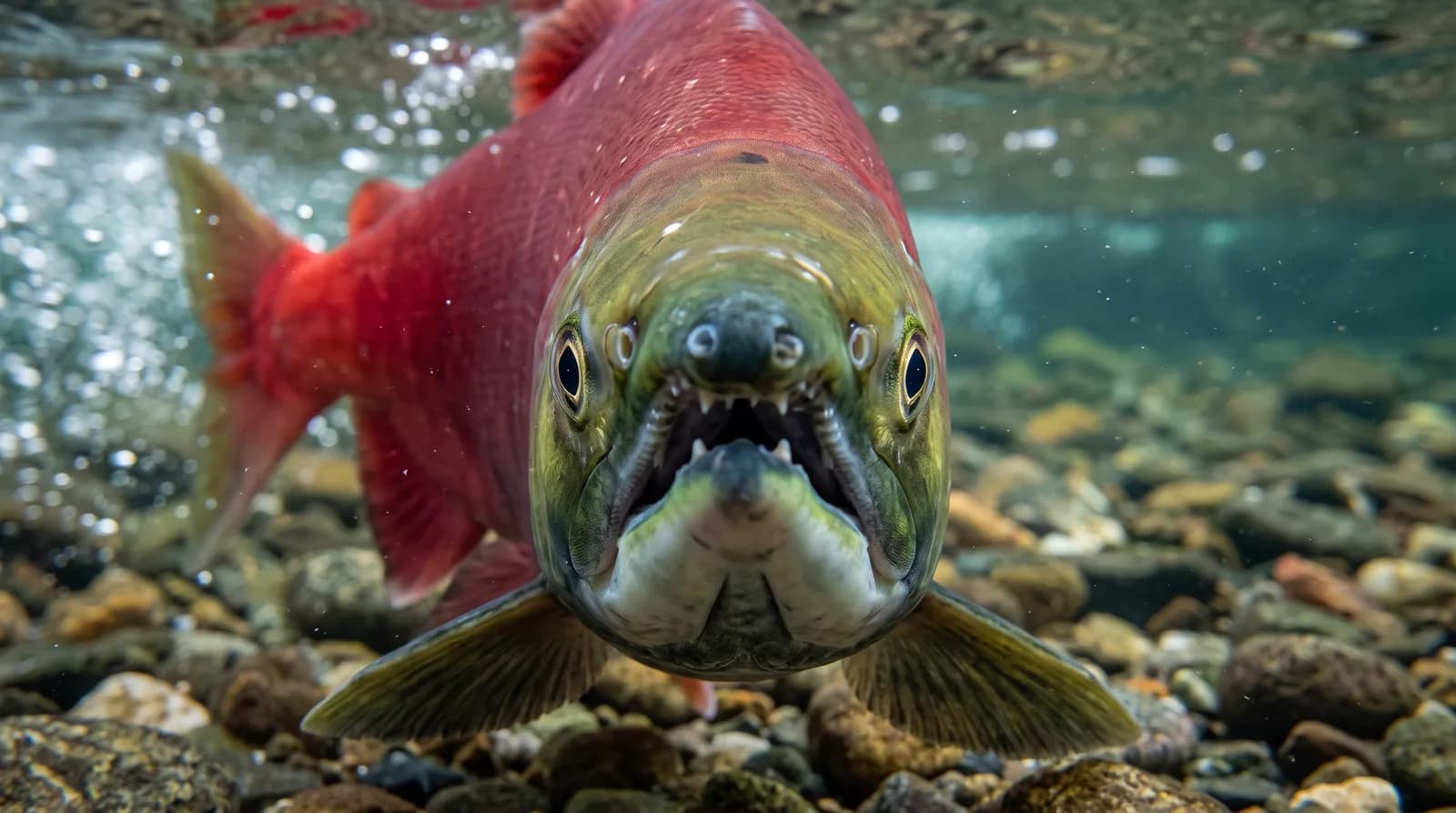
- •Salmon del Pacifico
- •Lobo gris
- •Oso grizzly
- •Nutria marina
- •Manatí del Caribe
- •Alce americano
- •Ballena jorobada
Notable endemic species
- •Provincia Floristica de California (hotspot mundial): mas de 3.500 especies de plantas, casi 60% endemicas
- •Salamandra de Shenandoah (Apalaches)
- •Mas de 6.000 especies de plantas vasculares en los Apalaches, muchas exclusivas de la region
- •Numerosas especies endemicas en Hawai (aves melifagidos hawaianos)
- •Cóndor de California
- •Hurón patinegro
- •Ganso de Hawái
- •Foca monje de Hawái
- •Perrito de las praderas de cola negra
Notable threatened species
- •40% de las especies animales y 34% de las especies vegetales del pais enfrentan riesgo de extincion segun BioDB
- •41% de los ecosistemas del pais en riesgo de colapso
- •Condor de California (En Peligro Critico, recuperado mediante cria en cautividad)
- •Mas del 70% del habitat original de la Provincia Floristica de California ya se ha perdido
Notable protected areas
- •Parque Nacional Yellowstone (primer parque nacional del mundo)
- •Parque Nacional Yosemite
- •Parques Nacionales de los Cayos de Florida (Everglades)
- •Parque Nacional de Yellowstone
- •Parque Nacional de Yosemite
- •Parque Nacional de los Everglades
- •Parque Nacional del Gran Cañón
- •Parque Nacional de Denali
- •Refugio Nacional del Ártico
Main conservation threats
- •Urbanizacion, agricultura e incendios forestales agravados por el cambio climatico (Provincia Floristica de California)
- •Fragmentacion de habitat: cientos de especies en peligro critico carecen de proteccion legal federal o estatal
- •Cambios proyectados en ecorregiones que podrian dejar sin cobertura climatica adecuada a gran parte de la red actual de areas protegidas
Notable natural phenomena
- •Migracion anual del salmon del Pacifico hacia rios de desove
- •Incendios forestales estacionales cada vez mas intensos en el oeste, vinculados al cambio climatico
Conservation
The reintroduction of the wolf to Yellowstone in 1995, after seventy years of absence, changed elk behaviour, allowed riverside willows and cottonwoods to regenerate, and has become the most cited trophic cascade in the world. The black-footed ferret was rediscovered in 1981 after being given up for extinct.
Where and when to watch wildlife
Yellowstone in May and June for wolves and bison calves. The Everglades between December and April for waterbirds and alligators. The California coast between December and April for gray whales.
Sources: BioDB.com - United States | EcoHubMap - Environmental Hotspots USA | E.O. Wilson Biodiversity Foundation - biodiversity risk map | PNAS - US protected lands mismatch biodiversity priorities
Natural phenomena in United States
- Temporada de ballenas jorobadas en Hawái — Mediados dic. a mediados abril (pico ene-mar)
- Luciérnagas sincronizadas de los Great Smoky Mountains — Finales de mayo a principios de junio
- Osos pardos pescando salmón en Brooks Falls — Junio a septiembre (pico en julio)
- Época de cría de elefantes marinos en California — Diciembre a marzo (pico enero)
- Migración de la grulla canadiense en el río Platte — Febrero a abril (pico mediados-finales de marzo)
- Colonia urbana de murciélagos en el puente de Congress Avenue — Marzo a noviembre (pico verano)
- Super floración de flores del desierto en Anza-Borrego — Febrero a abril (pico marzo)
- Temporada de apareamiento del caimán americano — Abril a junio
- Desove del cangrejo bayoneta y llegada del correlimos en la bahía de Delaware — Finales de abril a principios de junio (pico mayo)
- Reunión de morsas en la isla Round — Mayo a agosto (permiso hasta 15 agosto)
- Ballenas francas boreales se alimentan en la bahía de Cape Cod — Enero a mayo (pico feb-abr)
- Migración del colibrí garganta rubí — Marzo a mayo (migración de primavera)
Parks and reserves
Everglades
The largest subtropical wetland in North America, the only place where alligators and crocodiles live side by side
View parkNational ParkGlacier
Part of Waterton-Glacier, the world's first International Peace Park, shared with Canada
View parkNational ParkGreat Smoky Mountains
The most visited national park in the United States; the greatest diversity of salamanders in the world
View parkNational ParkMammoth Cave
The longest known cave system in the world, with over 686 km mapped
View parkNational ParkOlympic
The only park in the United States with temperate rainforest, wild coast and alpine glaciers in one place
View parkNational ParkYellowstone National Park
The world's first national park, celebrated for the reintroduction of the grey wolf and for its bison herds.
View parkNational ParkRedwood
It protects the tallest coast redwoods in the world, some of them over 110 metres
View parkNational ParkYosemite
Among the highest waterfalls in North America, and monolithic granite walls such as El Capitan and Half Dome
View parkNational ParkCarlsbad Caverns
Found by a teenage cowboy who followed a column of bats at dusk to the cave mouth in 1898
View parkNational ParkGran Cañón
A gorge almost two kilometres deep carved by the Colorado River, laying bare close to two billion years of geological history.
View parkDiving and snorkelling
Channel Islands National Park
Giant kelp forests in the cold waters of the Pacific, with one of the greatest densities of temperate marine life in North America.
View dive siteReef/Submerged statueChrist of the Abyss (Key Largo)
A replica of the Italian statue Cristo degli Abissi, installed in 1965 at barely 8 m; an icon of American diving.
View dive siteWreckDuane Wreck (Key Largo)
A United States coastguard cutter of some 100 m, deliberately sunk in 1987 alongside the USCGC Bibb to create artificial reefs. She sits upright, with the upper decks accessible at around 21 m. She lies in open water, so current is the norm.
View dive siteSalt dome/ReefFlower Garden Banks
It holds the northernmost coral reefs in the United States. Underlying salt domes pushed the seabed upwards and formed oceanic banks and mounds; conditions in the Gulf allowed the reef to begin building between ten and fifteen thousand years ago. It comprises East Flower Garden Bank, West Flower Garden Bank and, since 1996, Stetson Bank, which are not contiguous.
View dive siteReef/Shallow caveFrench Reef (Key Largo)
Part of the Florida Keys Sanctuary, with small shallow caves and tunnels ideal for beginners.
View dive siteRocky reef/ReserveGray's Reef
A national marine sanctuary of live rock outcrops, the only habitat of its kind on the east coast of the United States.
View dive siteCoral reefLooe Key
Part of the Florida Keys Marine Sanctuary, with one of the best preserved hard coral reefs in southern Florida.
View dive siteReefMolasses Reef
A reef within the sanctuary's Key Largo Management Area and classified as a Sanctuary Preservation Area, the strictest level of protection. The shallow formations make it suitable for beginners, and there are stretches dropping towards 18 m.
View dive siteOuter crater wallMolokini Crater
A crescent-shaped volcanic crater, partly submerged, rising some 49 m above the water. It is what remains of one of the area's prehistoric volcanoes. Inside the sheltered bay there is a shallow, calm hard coral garden; outside, the back wall is a vertical drop dived as a drift.
View dive siteCoral reefRainbow Reef (Key Largo)
A shallow reef within the Florida Keys Marine Sanctuary, with a notable diversity of soft corals.
View dive siteFauna que puedes ver ahora
¿Qué merece la pena observar este mes en United States?
 Least Concern
Brown Bear
Ursus arctos
Ahora es buena época: Osos pardos pescando salmón en Brooks Falls (Junio a septiembre (pico en julio))
 Least Concern
Sockeye Salmon
Oncorhynchus nerka
Ahora es buena época: Osos pardos pescando salmón en Brooks Falls (Junio a septiembre (pico en julio))
Especies documentadas en United States
713 species found
 Near Threatened
American Bison
Bison bison
 Near Threatened
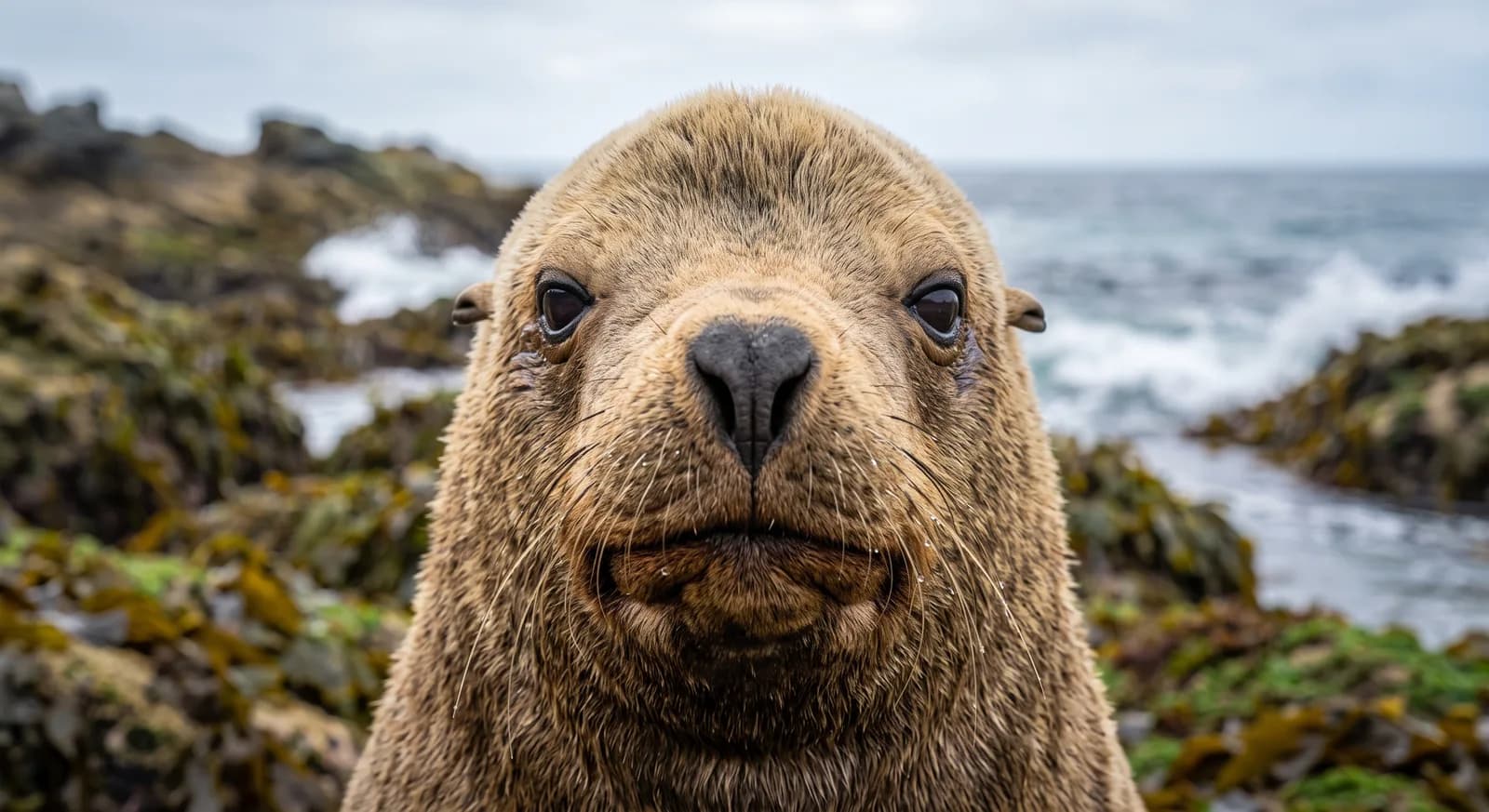
Steller Sea Lion
Eumetopias jubatus
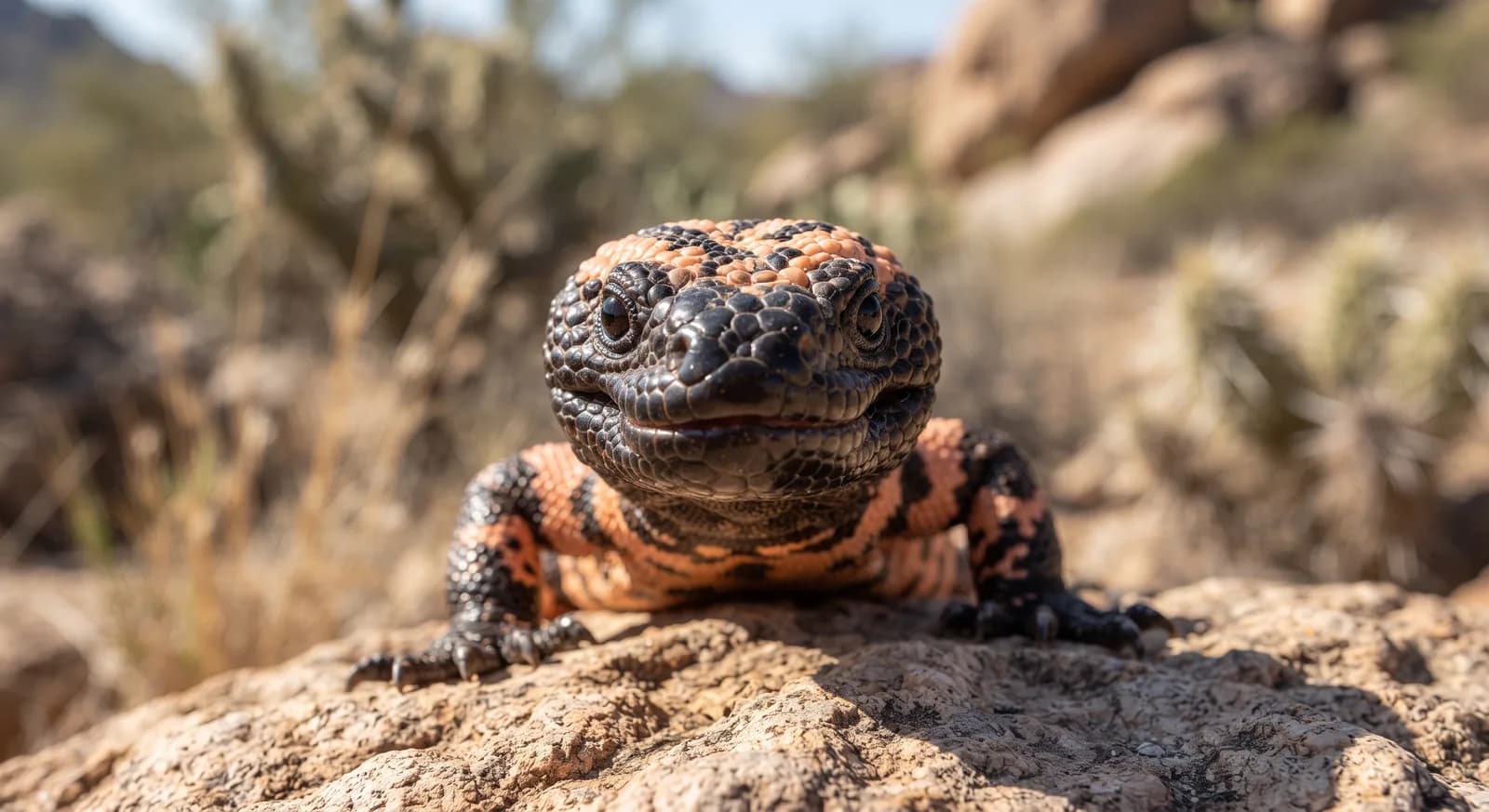 Near Threatened
Gila Monster
Heloderma suspectum
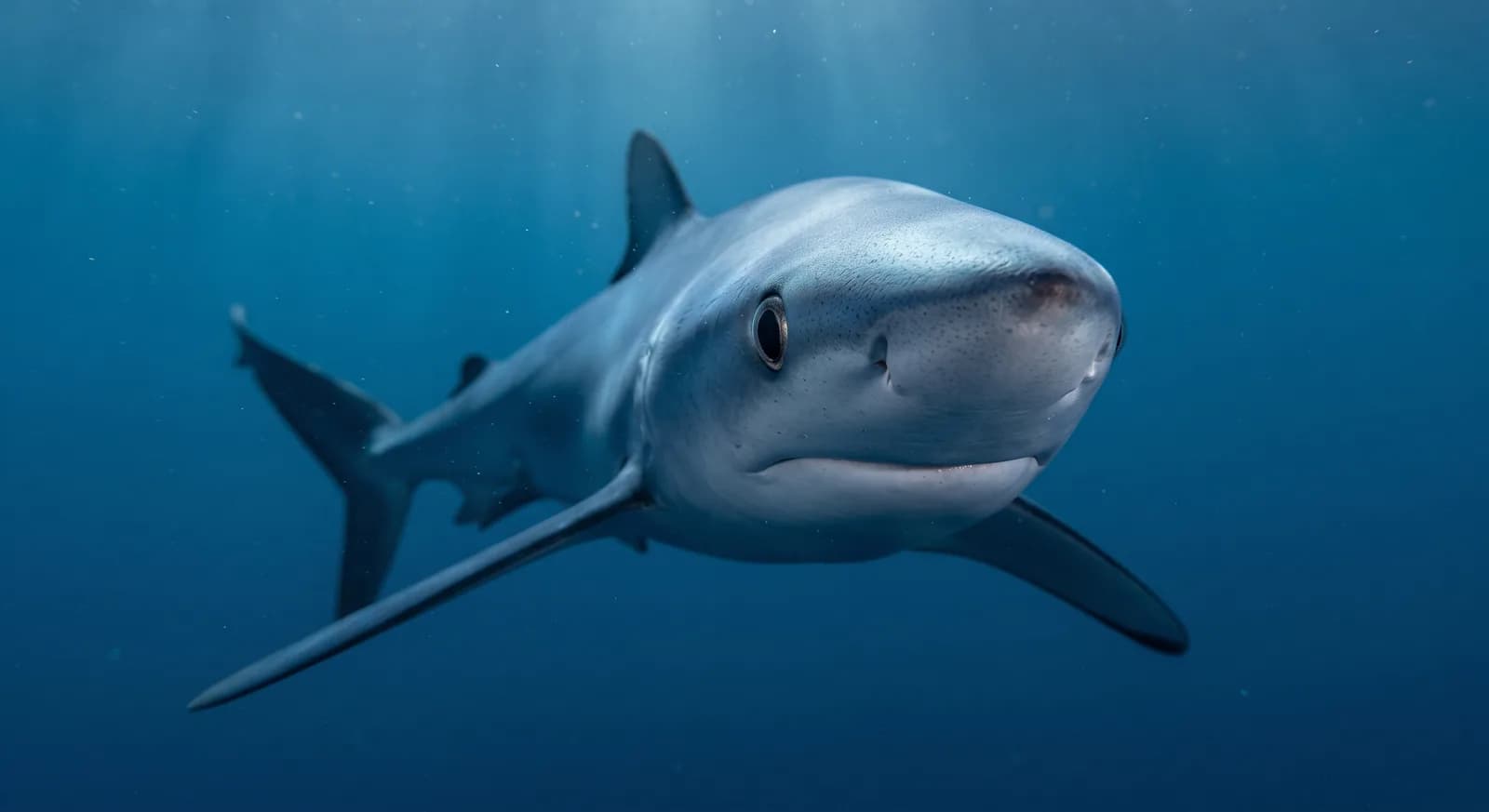 Near Threatened
Blue Shark
Prionace glauca
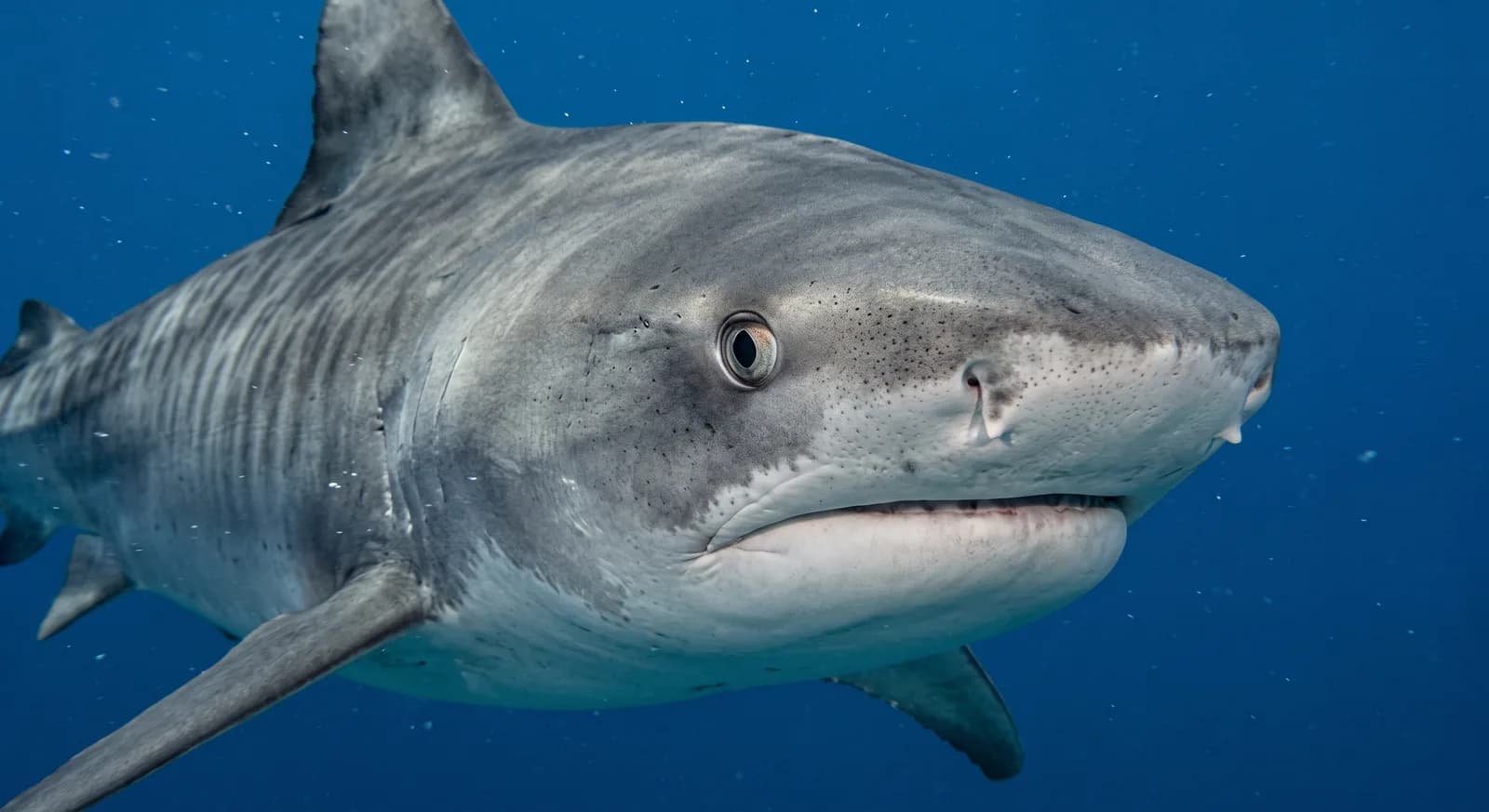 Near Threatened
Tiger Shark
Galeocerdo cuvier
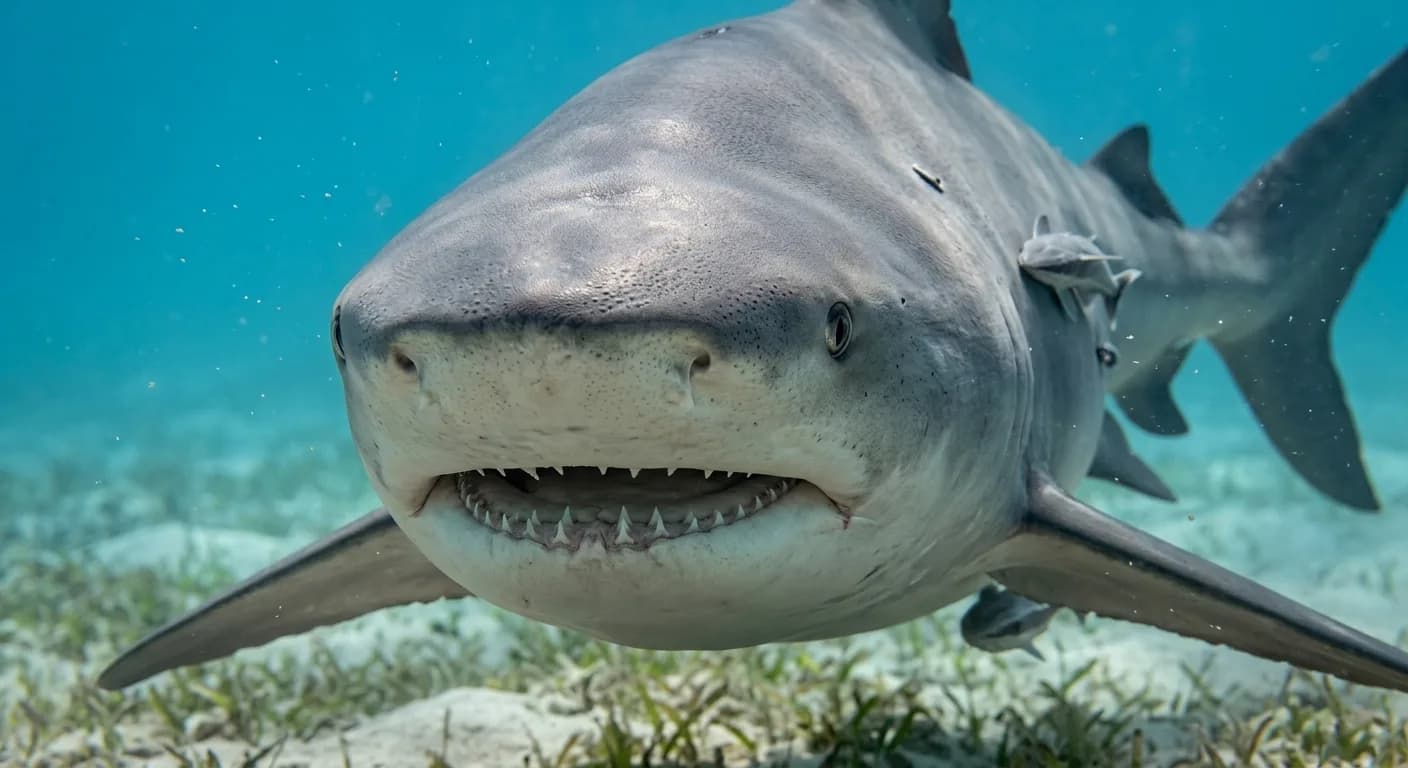 Near Threatened
Bull Shark
Carcharhinus leucas
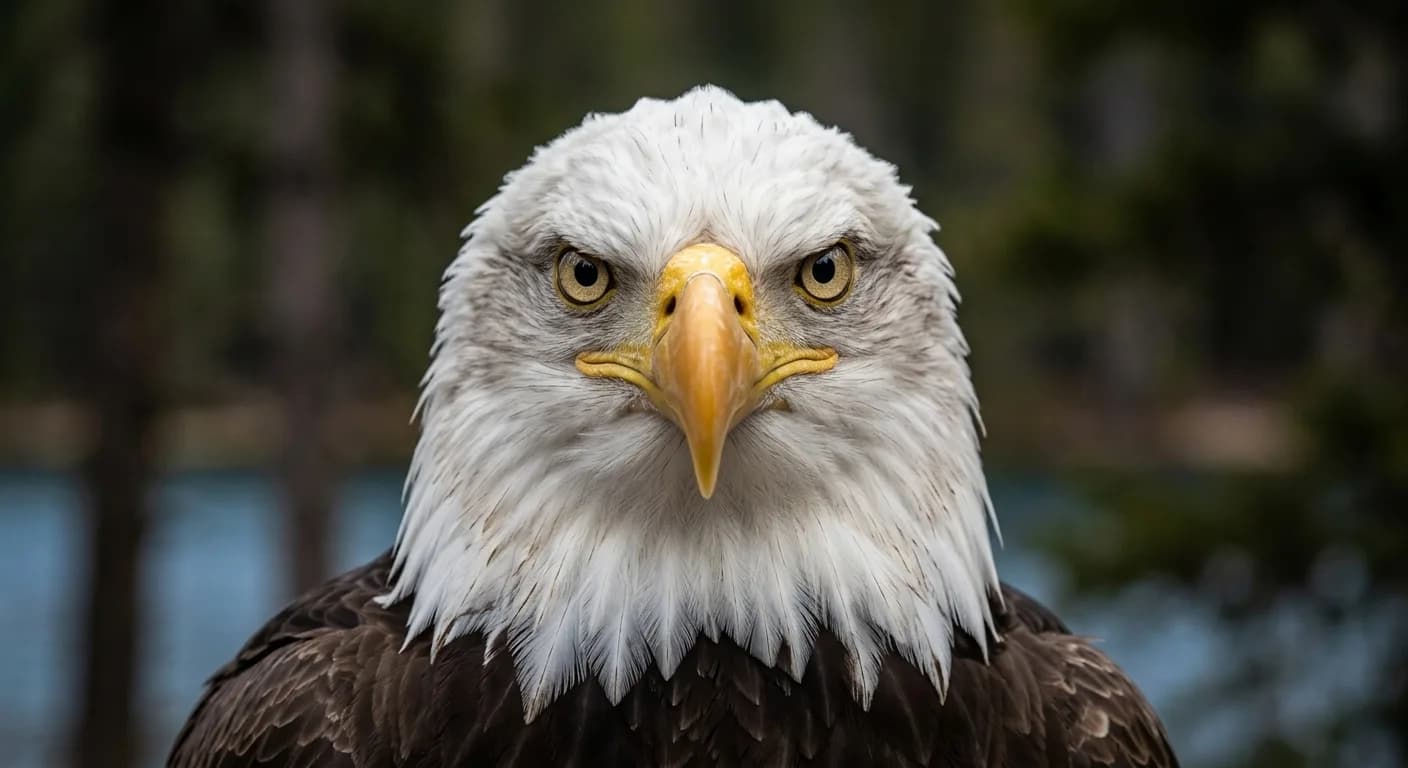 Least Concern
Bald Eagle
Haliaeetus leucocephalus
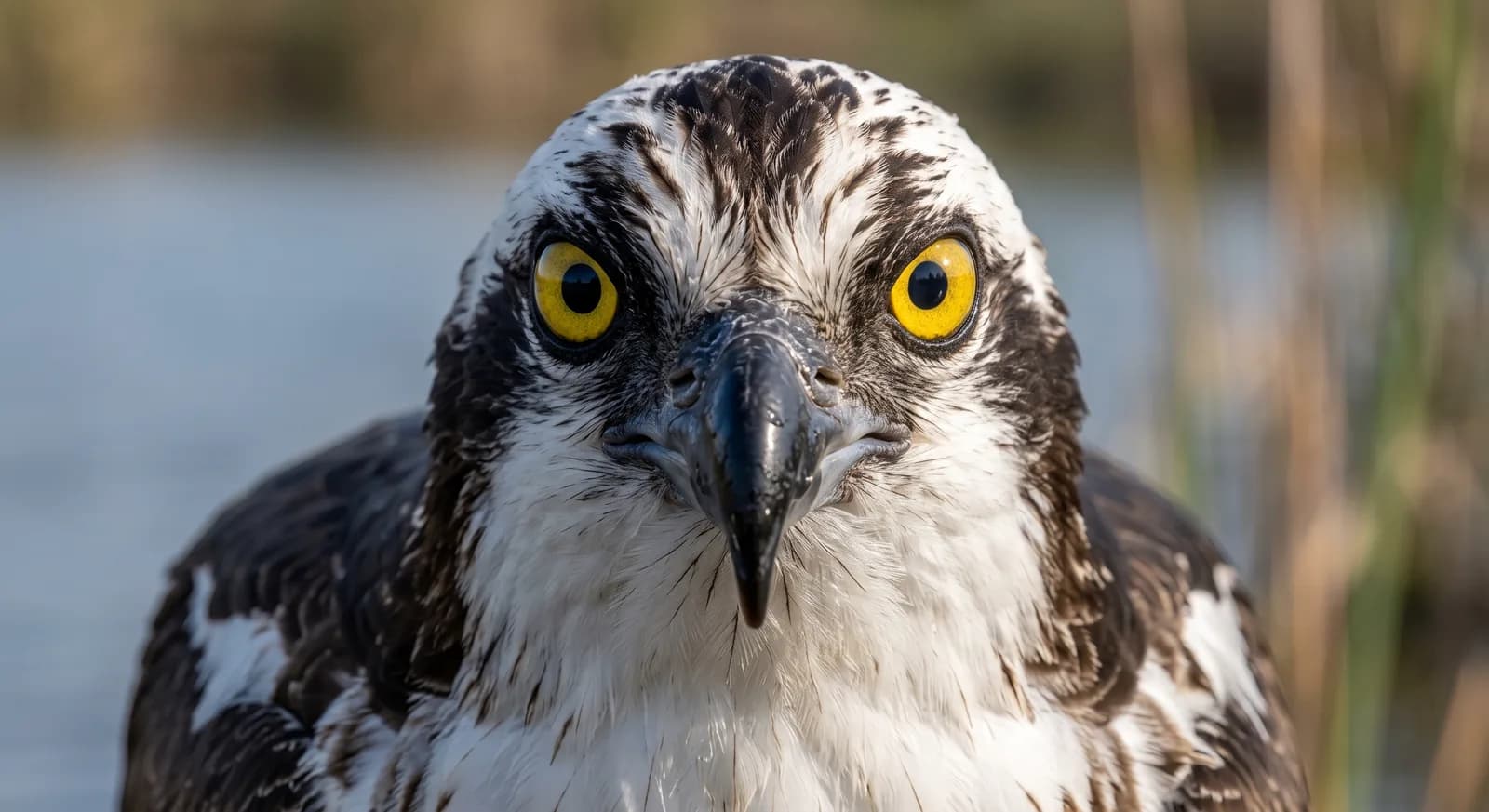 Least Concern
Osprey
Pandion haliaetus
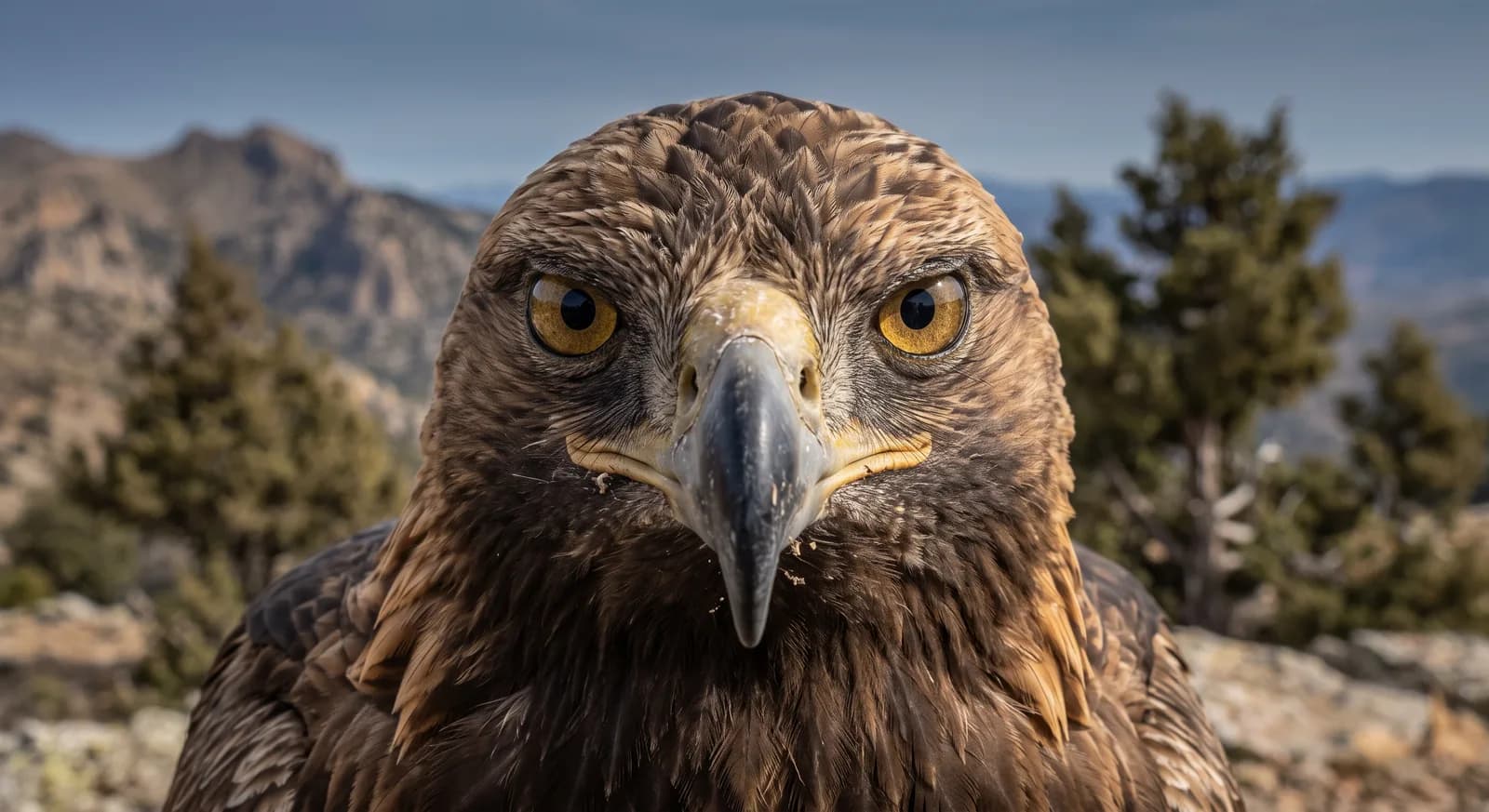 Least Concern
Golden Eagle
Aquila chrysaetos
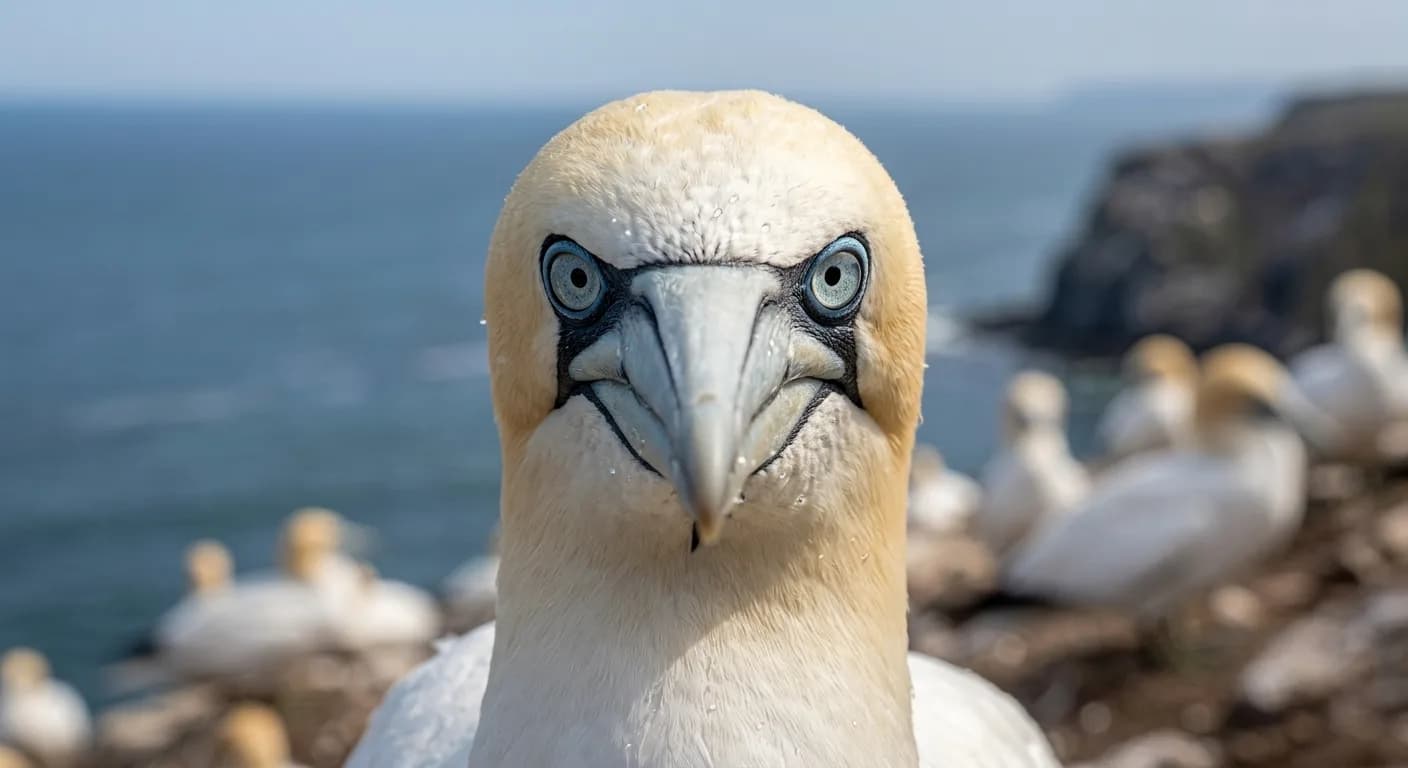 Least Concern
Northern Gannet
Morus bassanus
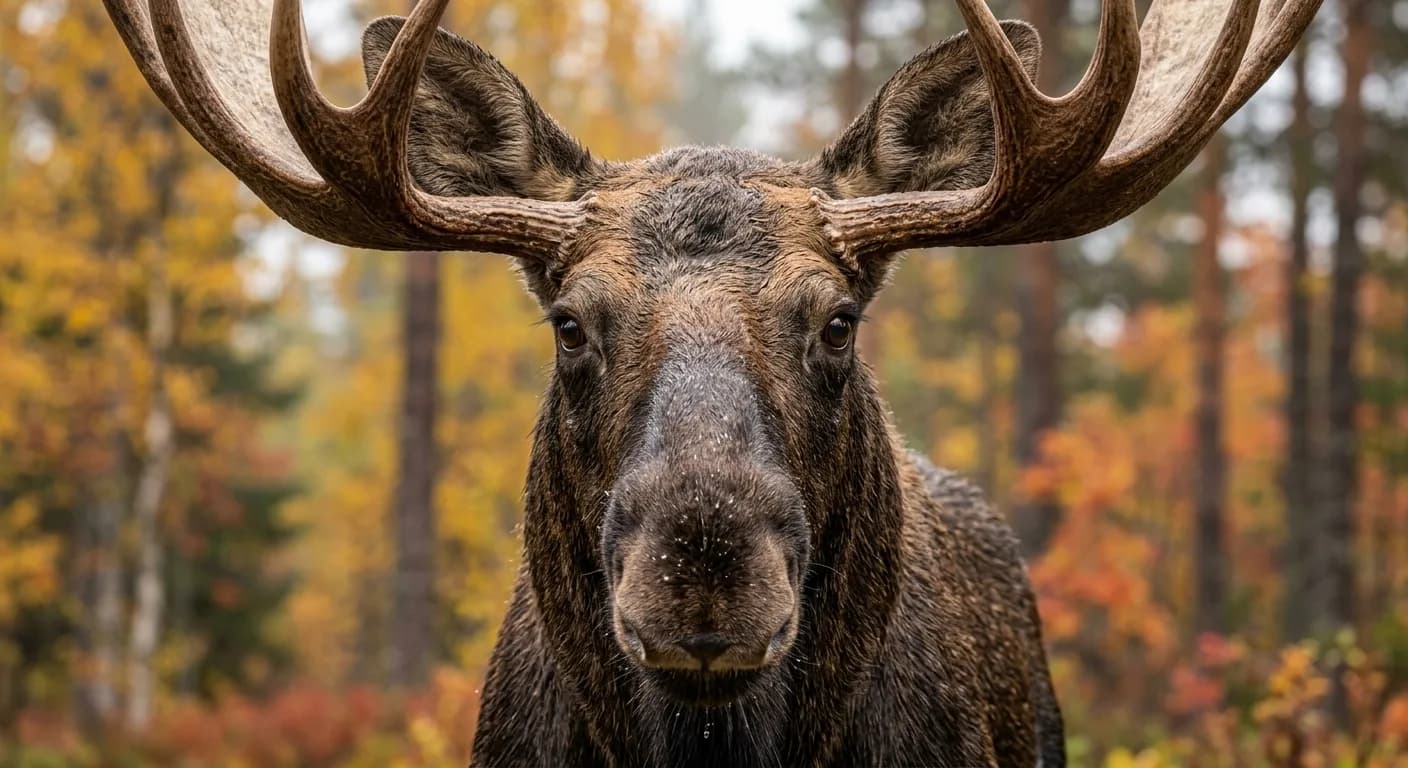 Least Concern
Moose
Alces alces
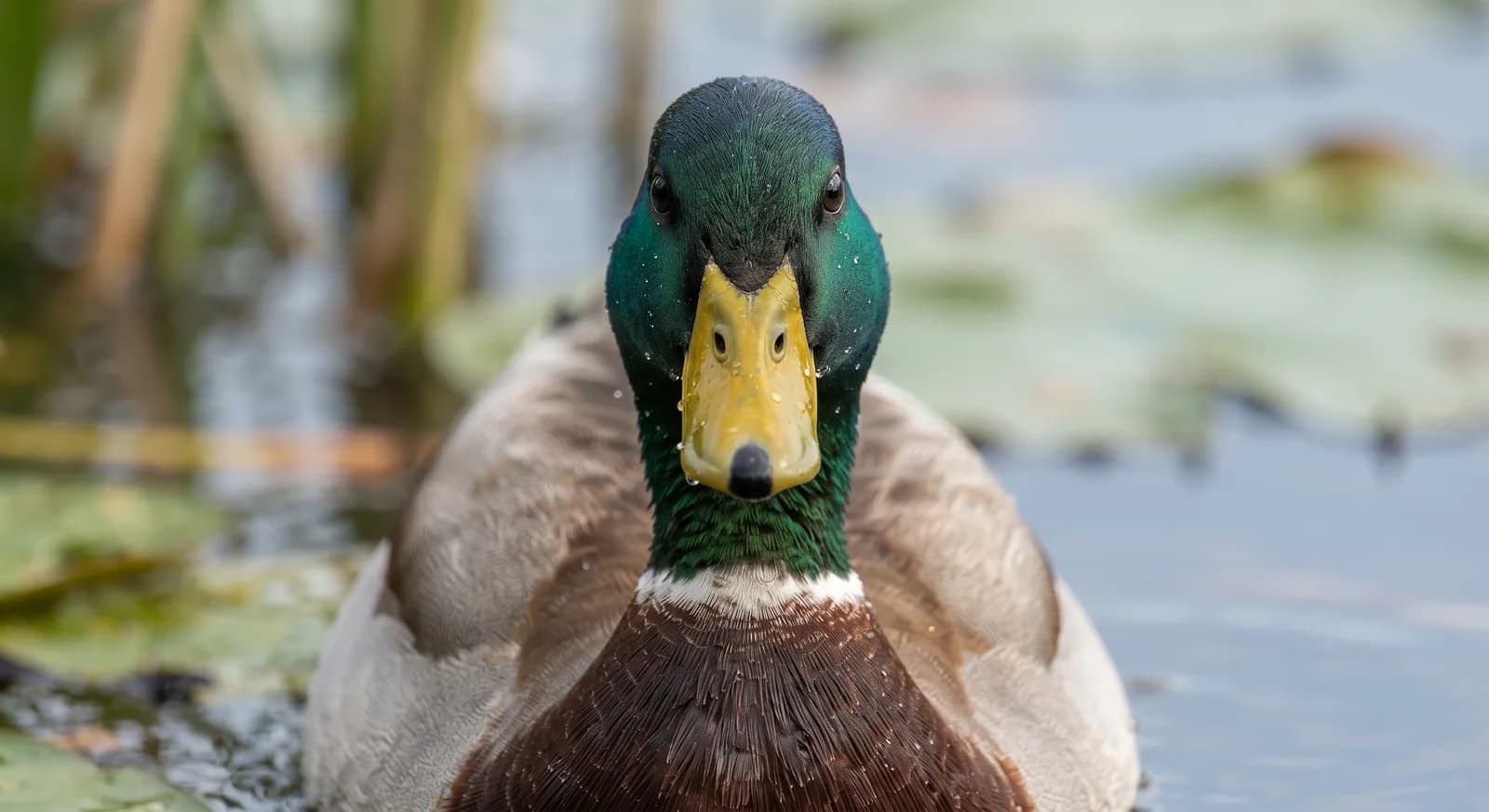 Least Concern
Mallard
Anas platyrhynchos
Keep exploring
Based on what we already know about United States.