Skip to content
WAnimals
  • Map
  • Species
  • Parks
  • Diving
Log inCreate account
WAnimals

The guide for travellers and animal lovers: discover, plan and share your wild adventures around the world.

Discover wildlife

  • Species
  • Ecosystems
  • Glossary
  • Tags

Explore places

  • Map
  • Countries
  • Parks
  • Diving

Plan experiences

  • Guides

Learn

  • Blog

Resources

  • Help centre
  • Contact
  • Install the app

Follow us

Account

  • Log in
  • Create account

© 2026 WAnimals. All rights reserved.

About usHow we build our profilesTerms of servicePrivacyLegal notice
MapSpeciesParksDiving
  1. Home
  2. Species
  3. Anhinga
Anhinga (Anhinga anhinga)

Birds · Suliformes · Anhingidae

Anhinga

Anhinga anhinga

Least Concern

The species is abundant and widely distributed; it faces no significant short-term risk.

Spotted something wrong?

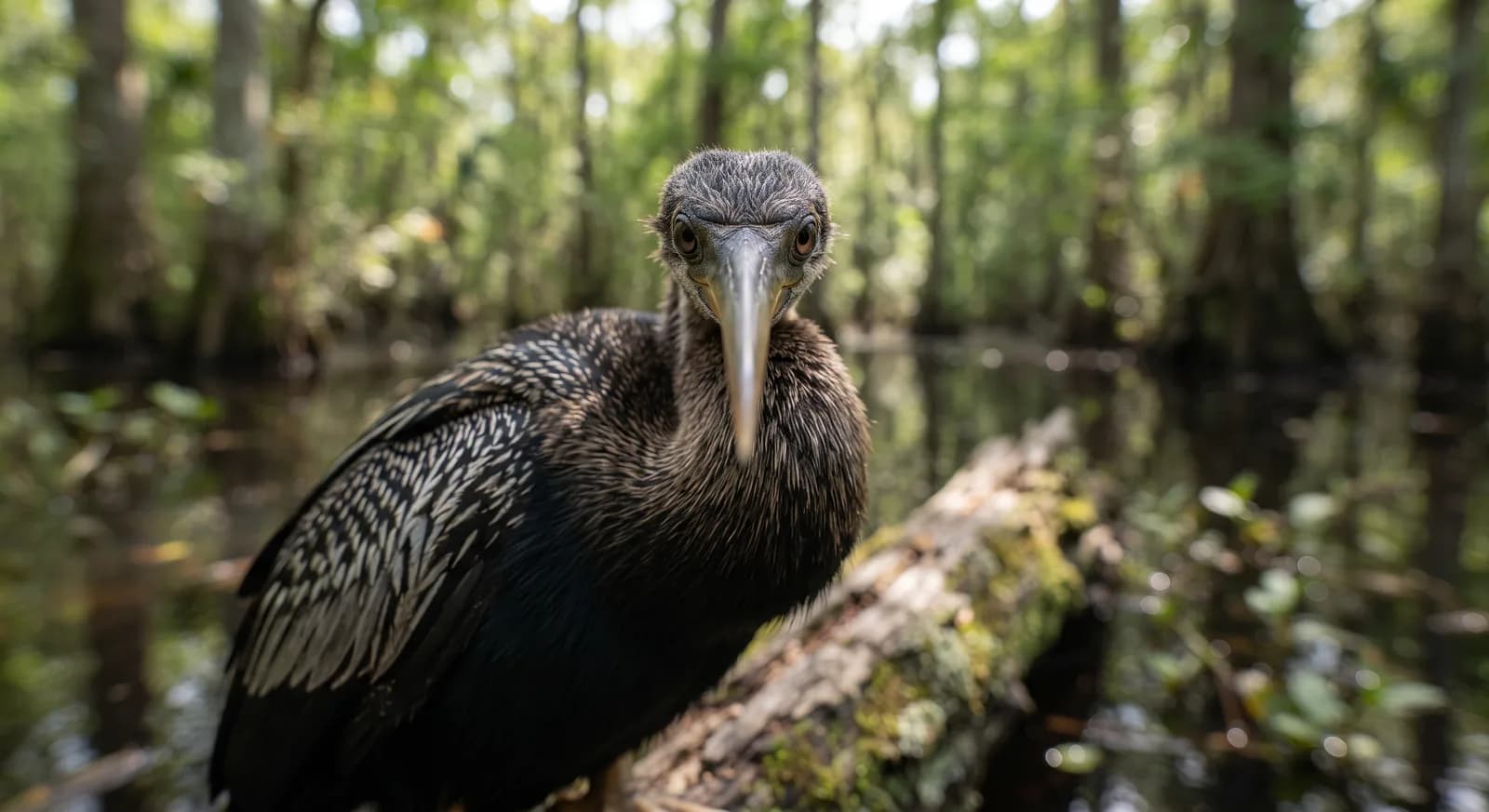
The anhinga or snakebird is a waterbird with a long, flexible neck and a straight, sharp bill. It swims with its body submerged and only its neck out of the water, which gives it the look of a snake gliding along. It does not chase fish with its bill open: it spears them with an explosive movement of the neck, thanks to a modified cervical joint that works like a spring.

Weight

1 kg – 1.4 kg

Size

75 cm – 95 cm

Life expectancy

16 years
Diet

Carnivore

Feeds mainly on other animals.

Activity

Diurnal

Active mainly during the day.

Social structure

Colony

Lives in large concentrations, often for breeding reasons.

Sighting difficulty

Easy

RainforestFreshwater
22countries11parks

AI-generated images: illustrations, not photographs.

Fun facts

  • adaptaciónIt swims almost entirely submerged, only its neck and head above water, since its feathers are not waterproof and soak through, which reduces its buoyancy as it fishes.
  • comportamientoIt spreads its wings in the sun after swimming to dry its non-waterproof plumage, a characteristic pose that may also help regulate its body temperature.
  • It spears its prey: a modified cervical vertebra acts as a spring and shoots the bill forward in a fraction of a second, running the fish through; the bird then shakes it off the bill and swallows it head first.
  • Its plumage is not waterproof, which reduces buoyancy and makes diving easier, but forces it to spend hours with its wings spread in the sun to dry: without that, it cannot fly.
  • It swims with its body submerged and only its sinuous neck out of the water, a silhouette that has earned it the name snakebird in almost every language of its range.

Life cycle and biology

Skeleton type
Vertebrate - internal bony skeleton (bird)
Habitat and environment
Slow fresh water with vegetation: swamps, mangroves, lagoons and rivers of tropical and subtropical America
Sexual maturity
2 years
Gestation / incubation
28 days
Litter / clutch size
4

Sources consulted: https://en.wikipedia.org/wiki/Anhinga

Where to find it

Loading map…

The pins mark the parks where its presence is documented.

Where to see it

Parks and dive sites where this species has been documented — showing 10 of 11.

Related species

Other species in the catalogue with the most in common with Anhinga — same habitat, park, country, tags or family.

Shares a park
Shares a park
Shares a park
Shares a park
Shares a park
Shares a park

Keep exploring

Based on what we already know about anhinga.

Comments

Share an experience, a fun fact or a tip for seeing the anhinga.

Be the first to comment.

See full glossary
This page in other languages: Español · Deutsch · Français · Português · Italiano
See its range on the interactive map→
EvergladesUnited States
Sian Ka'anMexico
CalakmulMexico
Sumidero CanyonMexico
CongareeUnited States
BiscayneUnited States
Assateague IslandUnited States
Hot SpringsUnited States
HuatulcoMexico
Lagunas de MontebelloMexico
See all 11 parks
Least Concern

Greater Bulldog Bat

Noctilio leporinus

Least Concern

Smooth-billed Ani

Crotophaga ani

Least Concern

Great Blue Heron

Ardea herodias

Black VultureLeast Concern

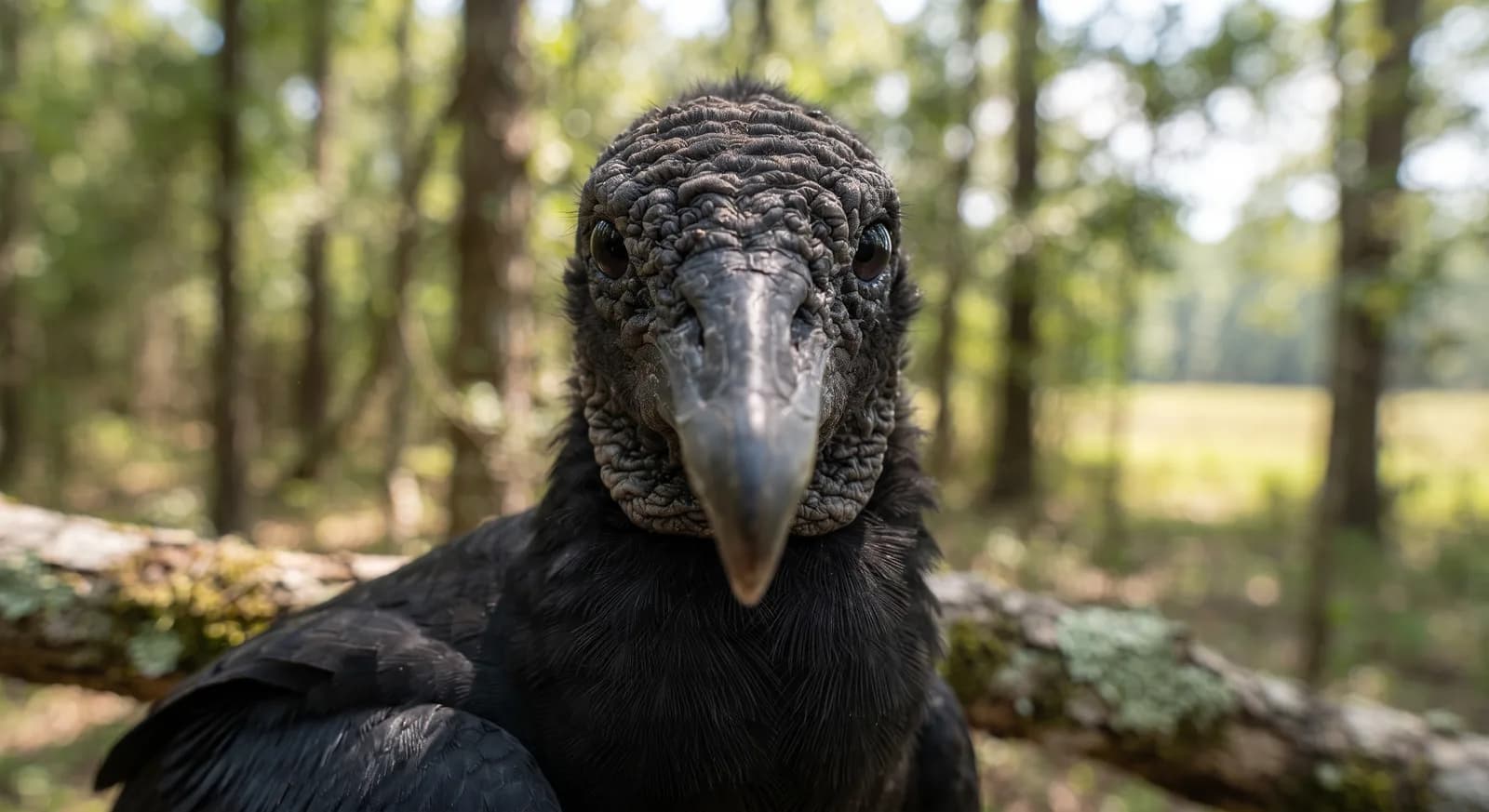
Black Vulture

Coragyps atratus

Turkey VultureLeast Concern

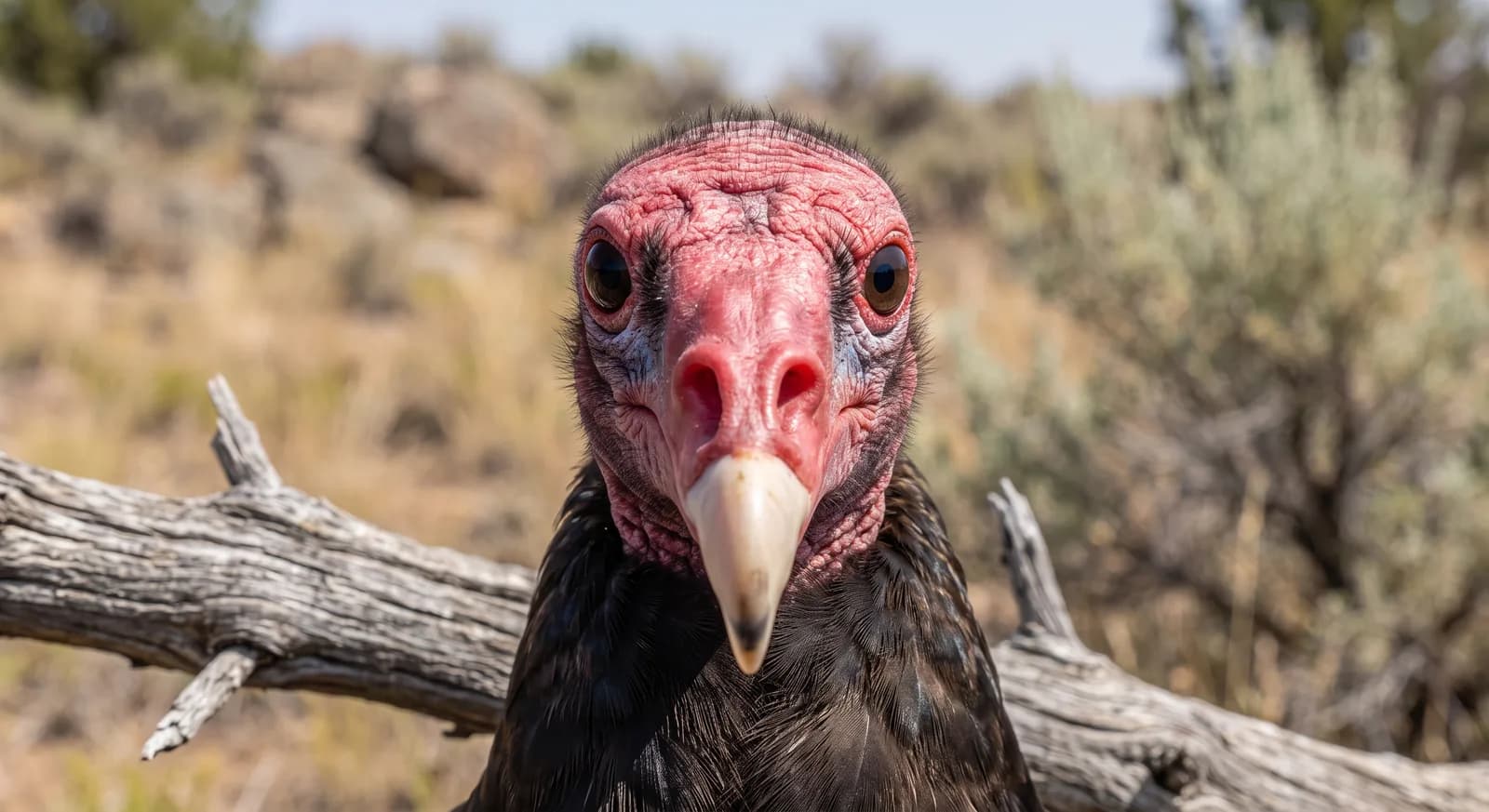
Turkey Vulture

Cathartes aura

Belted KingfisherLeast Concern

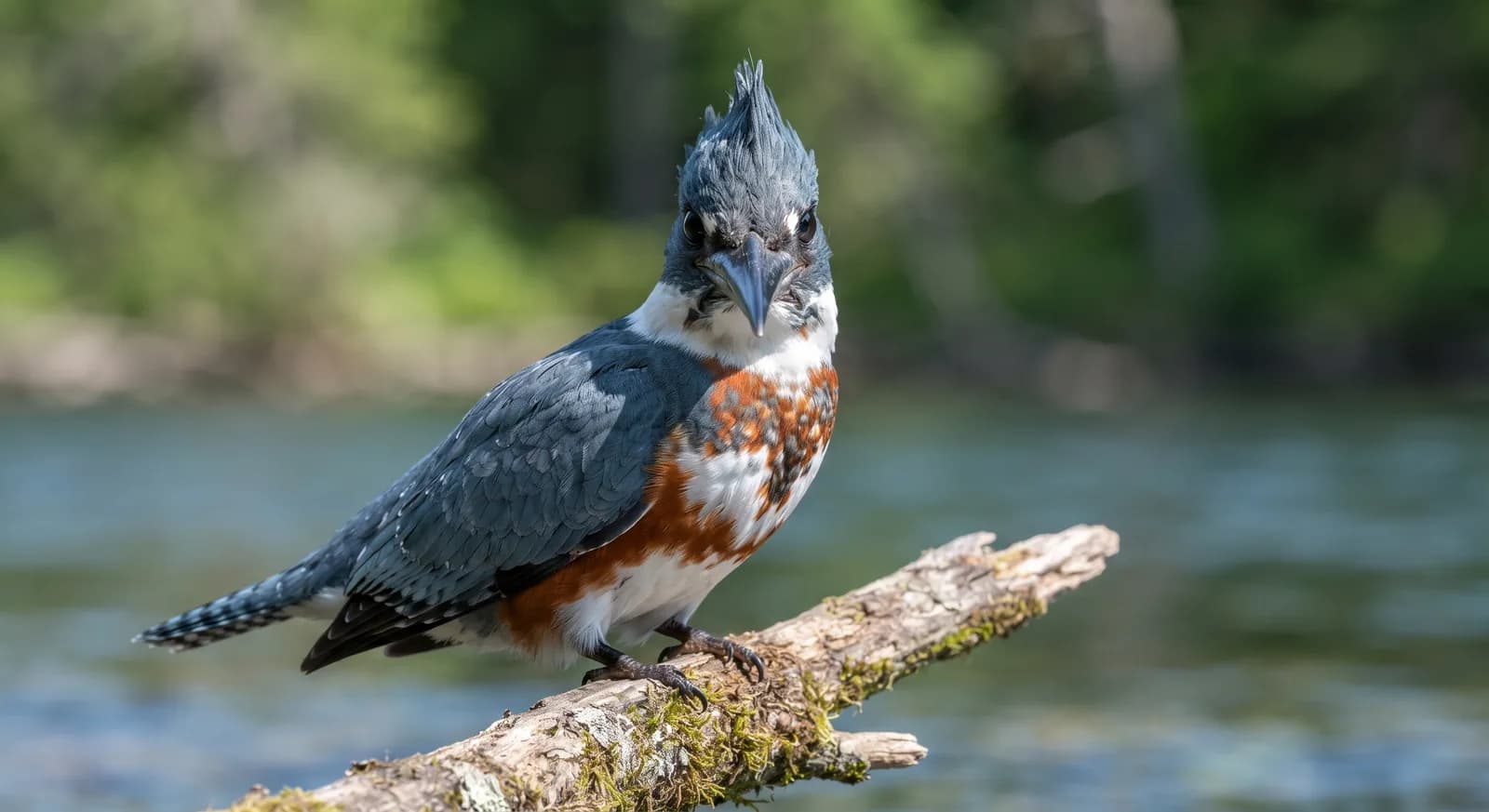
Belted Kingfisher

Megaceryle alcyon

CountriesMexico
ParksEvergladesUnited States
TagsCarnivore
Carnivore
Diurnal
Colonial
Bird
Rainforest
Freshwater

North America11

South America11

Mexico
United States
Argentina
Belize
Bolivia
Brazil
Belize
Costa Rica
Cuba
El Salvador
Guatemala
Honduras
Mexico
Nicaragua
Panama
Trinidad and Tobago
United States
Argentina
Bolivia
Brazil
Colombia
Ecuador
French Guiana
Guyana
Paraguay
Peru
Suriname
Venezuela