Skip to content
WAnimals
  • Map
  • Species
  • Parks
  • Diving
Log inCreate account
WAnimals

The guide for travellers and animal lovers: discover, plan and share your wild adventures around the world.

Discover wildlife

  • Species
  • Ecosystems
  • Glossary
  • Tags

Explore places

  • Map
  • Countries
  • Parks
  • Diving

Plan experiences

  • Guides

Learn

  • Blog

Resources

  • About us
  • How we build our profiles
  • Help centre
  • Contact
  • Install the app

Follow us

Account

  • Log in
  • Create account

© 2026 WAnimals. All rights reserved.

Terms of servicePrivacyCookiesLegal notice
MapSpeciesParksDiving
  1. Home
  2. Species
  3. Cliff Swallow

One of the 3 swallows on WAnimals
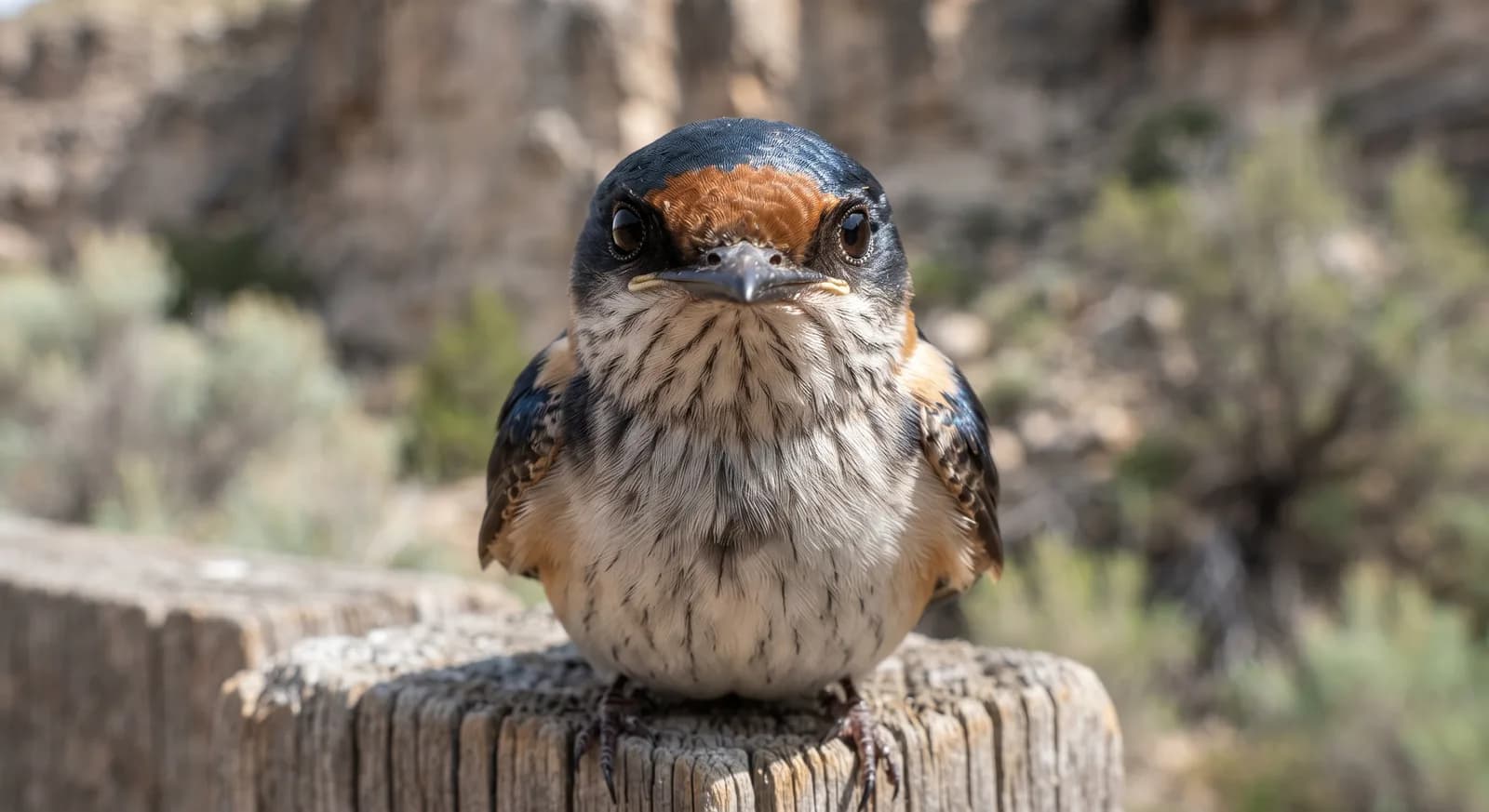
Cliff Swallow (Petrochelidon pyrrhonota)

Birds · Passeriformes · Hirundinidae

Cliff Swallow

Petrochelidon pyrrhonota

Least Concern

The species is abundant and widely distributed; it faces no significant short-term risk.

Spotted something wrong?

A small swallow with a square rather than forked tail, which tells it apart instantly from the barn swallow. Reddish face, white patch on the forehead, pale reddish rump very visible in flight and dark blue back.

Weight

19 g – 34 g

Size

13 cm – 14 cm

Diet

Insectivore

Feeds mainly on insects and other invertebrates.
Activity

Diurnal

Active mainly during the day.

Social structure

Colony

Lives in large concentrations, often for breeding reasons.

20countries1parks5same family

AI-generated images: illustrations, not photographs.

Fun facts

  • It is the subject of the "swallows returning to San Juan Capistrano" every 19 March, one of the best-known natural history traditions in California.
  • It competes for nests with the barn swallow and converts them to its own design.
  • Faced with a predator it gives a warning call to the whole colony and they all pour out in a mass flock; the predator realises it has been spotted and moves off. The larger the colony, the sooner the threat is detected.

Life cycle and biology

Skeleton type
Vertebrate - internal bony skeleton (bird)
Habitat and environment
Open country and savanna, above all near running water. It nests under bridges, culverts, cliffs and eaves. It winters in South America, from Paraguay and central and south-eastern Brazil to central Argentina
Size at birth
Eggs of about 20 mm, white, cream or pinkish white with brown speckles
Sexual maturity
12 months
Gestation / incubation
14-16 days, with both sexes incubating. The chicks are altricial and fledge at 21-24 days
Litter / clutch size
4-5 eggs, sometimes 3 to 6, with one brood a year and occasionally two or three. The nest, made of mud pellets and shaped like a gourd, with a tubular entrance to a spherical chamber, takes 5 to 14 days to build and is often repaired and reused

Sources consulted: IUCN Red List · Animal Diversity Web (Universidad de Michigan) · Stanford Birds (Universidad de Stanford) · National Wildlife Foundation · Brown y Brown (Universidad de Tulsa, investigación sobre evolución rápida) · Vieillot

Where to find it

Best time: Spring and summer in North America; it winters in South America

Loading map…

The pins mark the parks where its presence is documented.

Where to see it

Parks and dive sites where this species has been documented.

Related species

Other species in the catalogue with the most in common with Cliff Swallow — same habitat, park, country, tags or family.

Same taxonomic family
Shares a park
Shares a park
Shares a park
Shares a park
Shares a park

Keep exploring

Based on what we already know about cliff swallow.

Share an experience, a fun fact or a tip for seeing the cliff swallow.
See full glossary
This page in other languages: Español · Deutsch · Français · Português · Italiano
See its range on the interactive map→
Carlsbad CavernsUnited States
Barn SwallowLeast Concern

Barn Swallow

Hirundo rustica

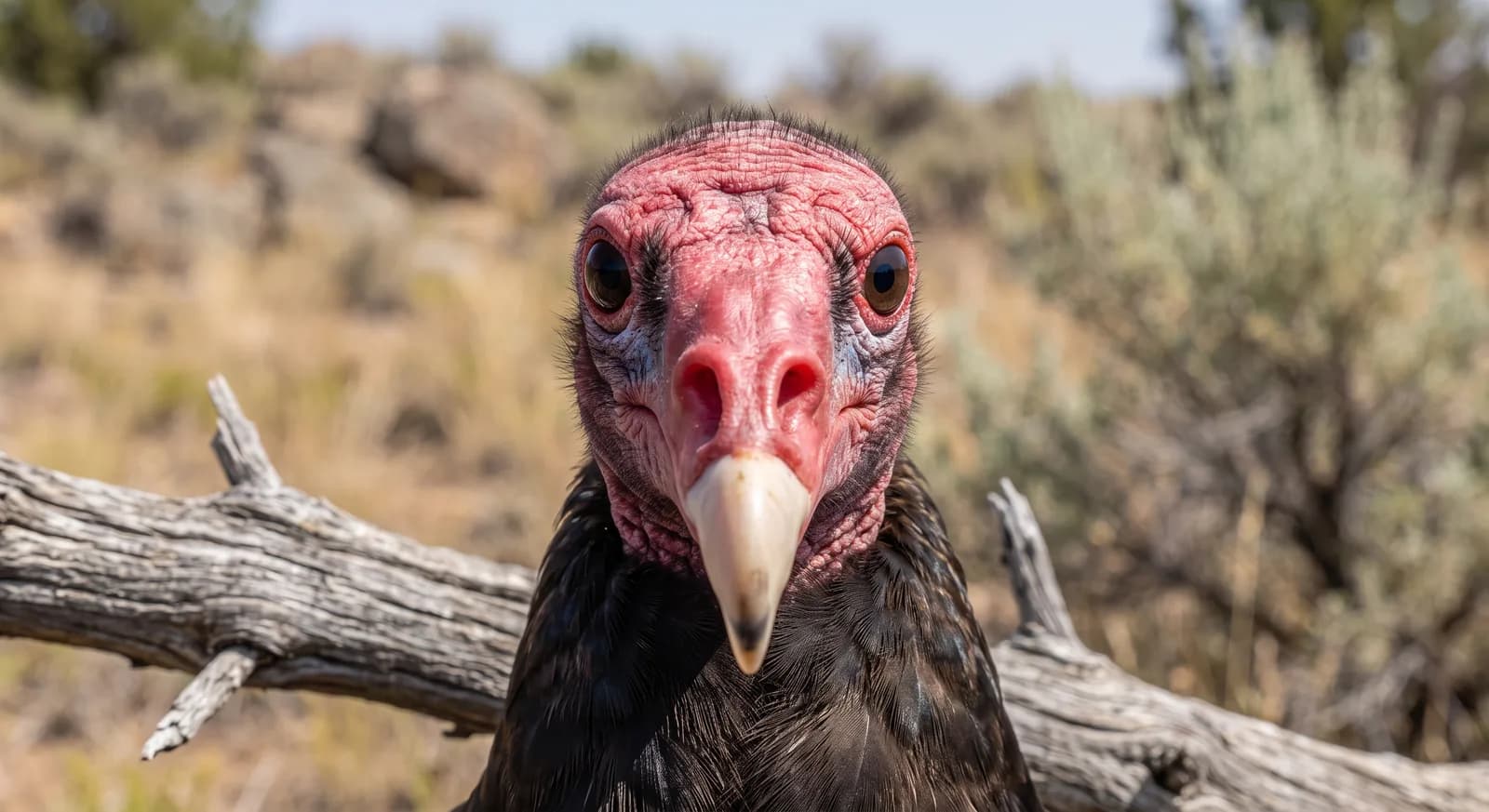
Turkey VultureLeast Concern

Turkey Vulture

Cathartes aura

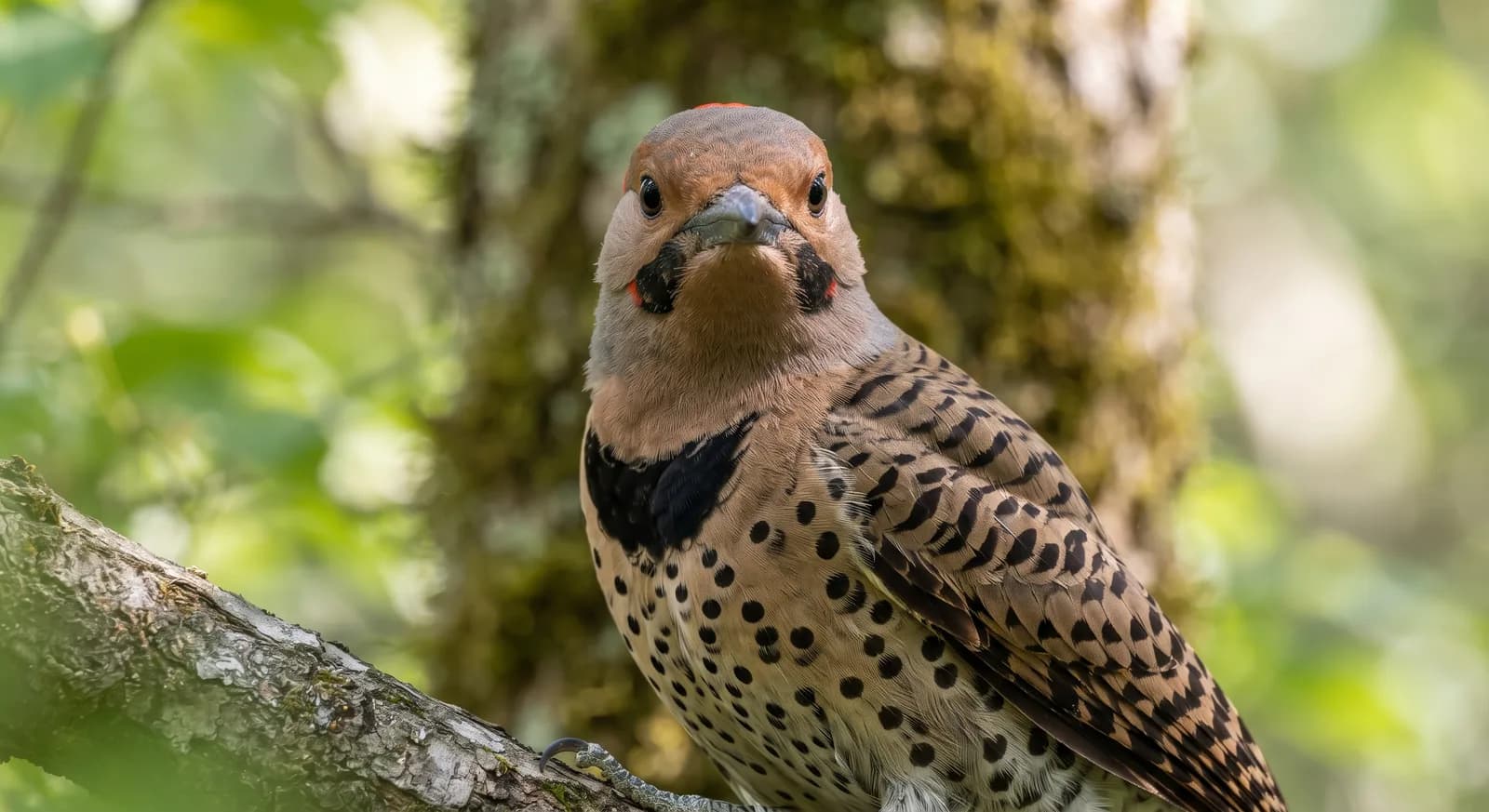
Northern FlickerLeast Concern

Northern Flicker

Colaptes auratus

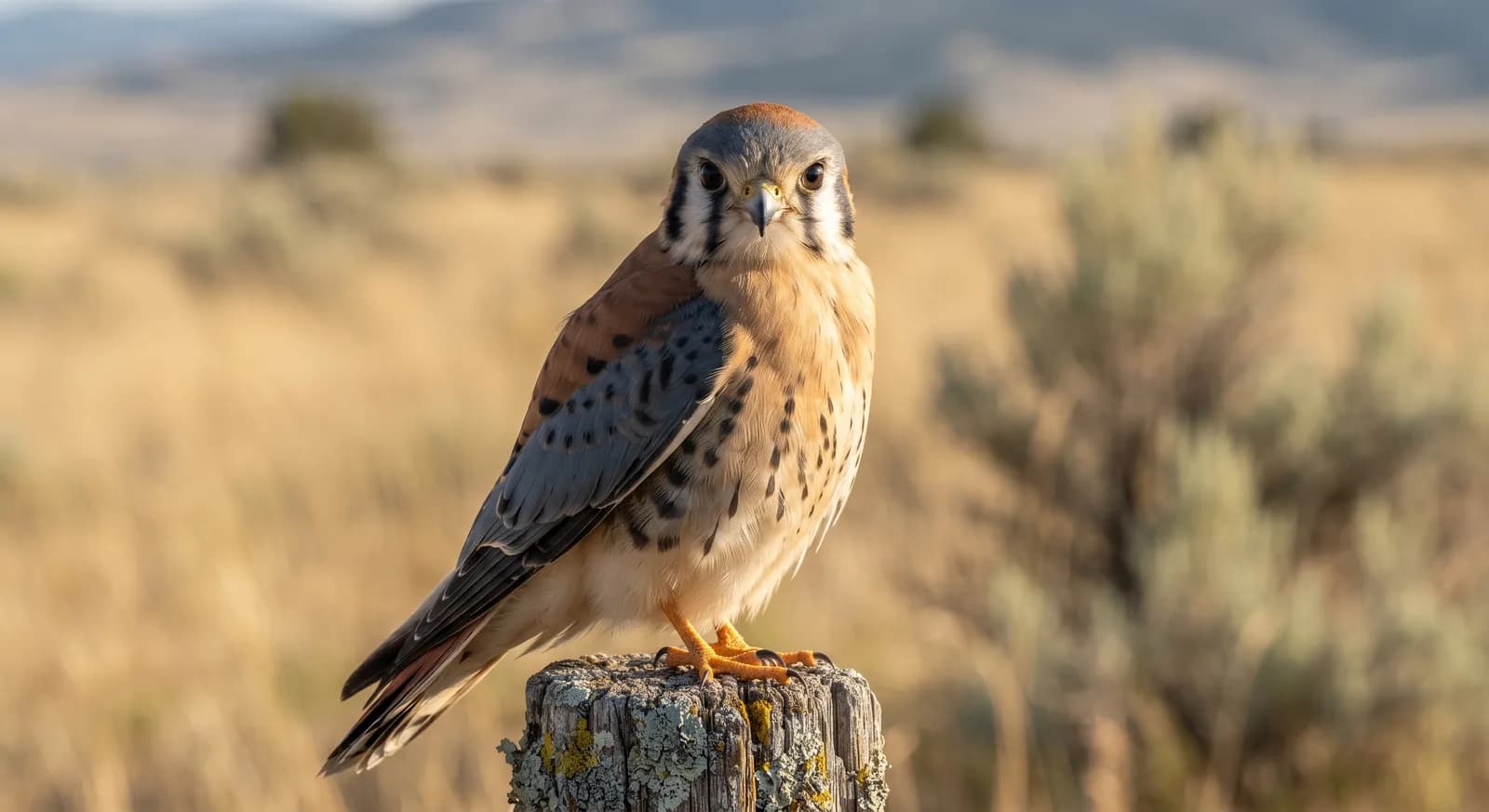
American KestrelLeast Concern

American Kestrel

Falco sparverius

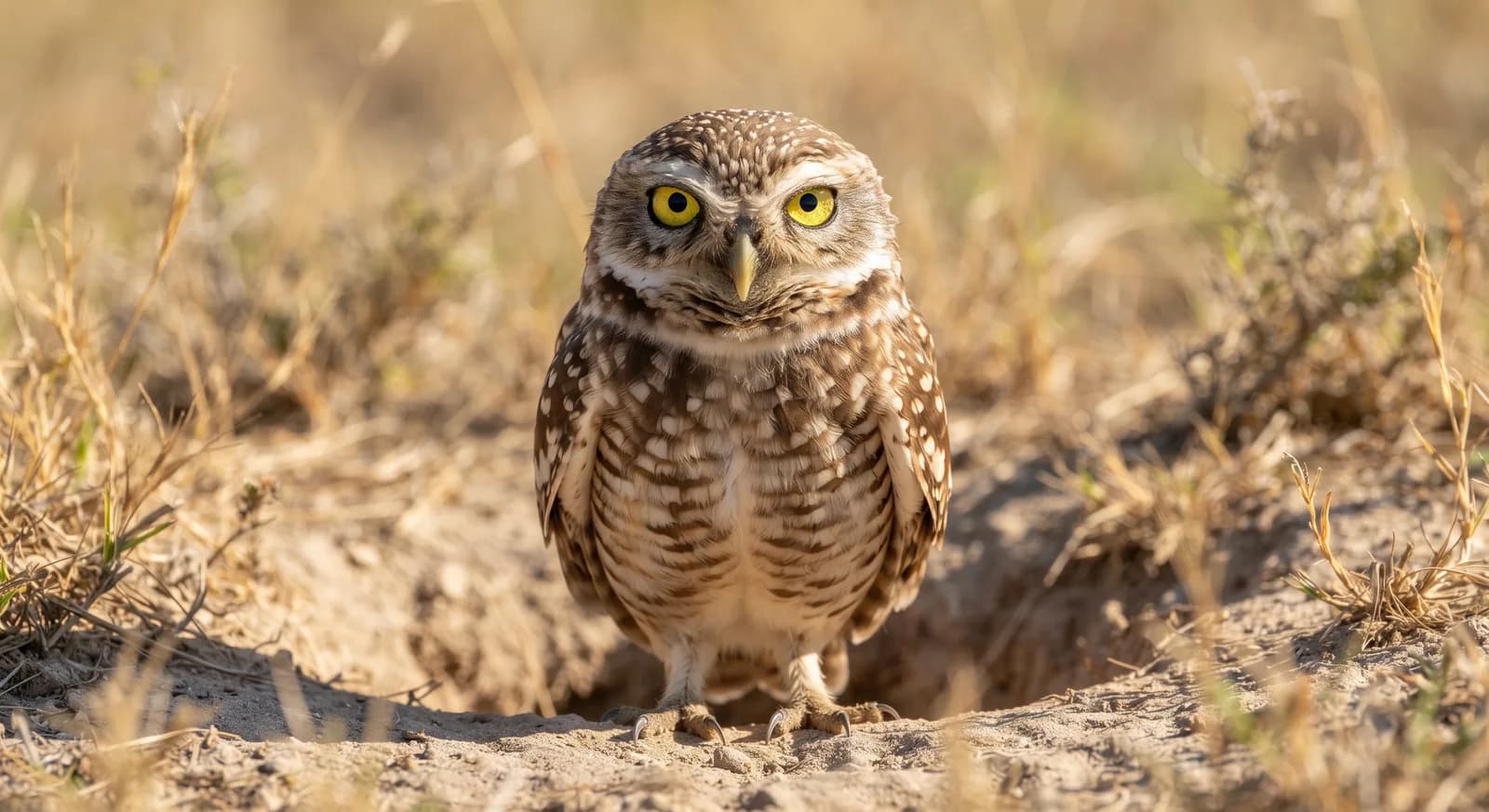
Burrowing OwlLeast Concern

Burrowing Owl

Athene cunicularia

Great-tailed GrackleLeast Concern

Great-tailed Grackle

Quiscalus mexicanus

CountriesUnited States
ParksCarlsbad CavernsUnited States
TagsInsectivore
Insectivore
Diurnal
Colonial
Bird

North America10

South America10

United States
Argentina
Belize
Bolivia
Brazil
Canada
Belize
Canada
Costa Rica
El Salvador
Guatemala
Honduras
Mexico
Nicaragua
Panama
United States
Argentina
Bolivia
Brazil
Chile
Colombia
Ecuador
Paraguay
Peru
Uruguay
Venezuela