 Not Evaluated
Soldier Beetle
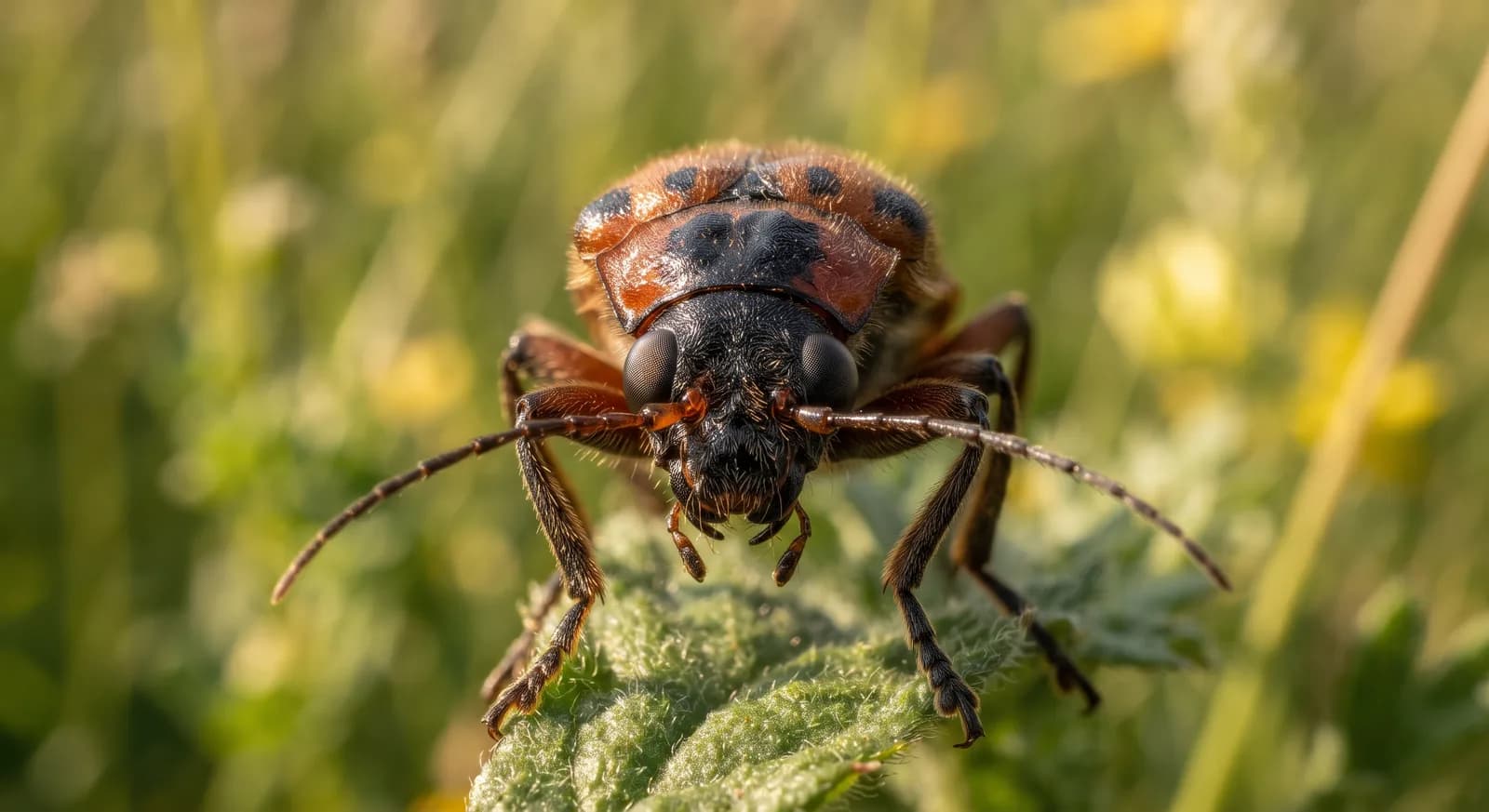
Cantharis rustica
40 countries123 parks
Species group · Insects
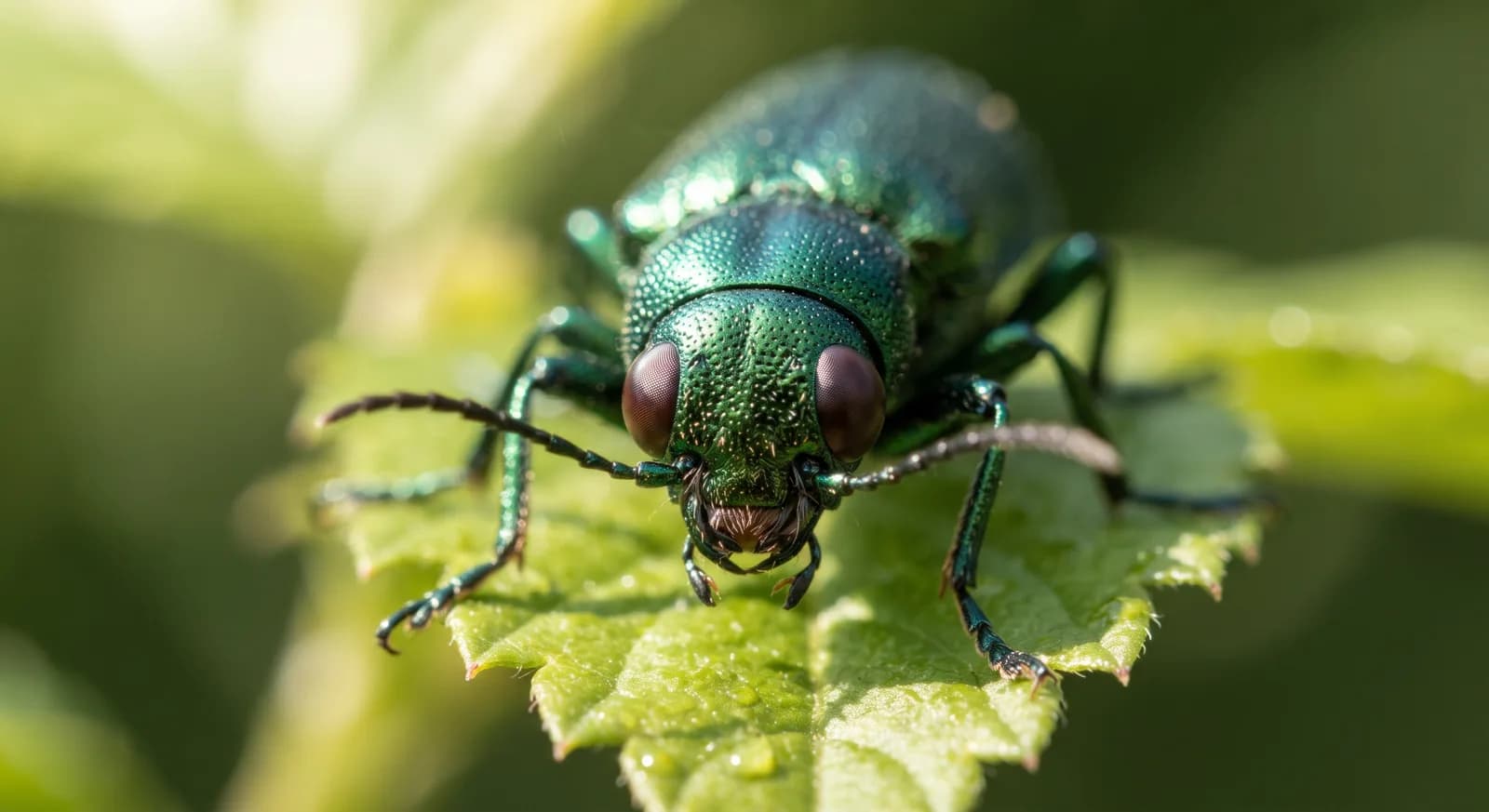
WAnimals has 2 species of blister beetle, spread across 2 families (Cantharidae, Meloidae).
Ranges calculated from the profiles that record the figure, not from all 2.
Each one has its own full profile. This group does not replace them: it brings them together.
No species documented in this group is genuinely at risk according to the IUCN, with the data available today.
Recorded in 54 countries. The ones with the most species in the group:
Despite its Spanish name cantárida roja, it has nothing to do with the poisonous cantharidin of the blister beetles: it is a harmless predator and a useful one in crops and gardens.
From
Its elytra are soft and flexible rather than rigid as in most beetles, which makes it look almost like a winged larva.
From
The larvae hunt in the soil even under snow, and are sometimes seen walking on top of it in winter.
From
It is the source of so-called Spanish fly, a preparation with a reputation as an aphrodisiac that is in fact a poison: cantharidin irritates the urinary tract and has caused numerous deaths from minute doses.
From
Cantharidin has been used in dermatology to remove warts, applied under controlled conditions.
From
Its larvae are parasitic: they seek out the nests of solitary bees and devour the provisions and the brood.
From
·