 Not Evaluated
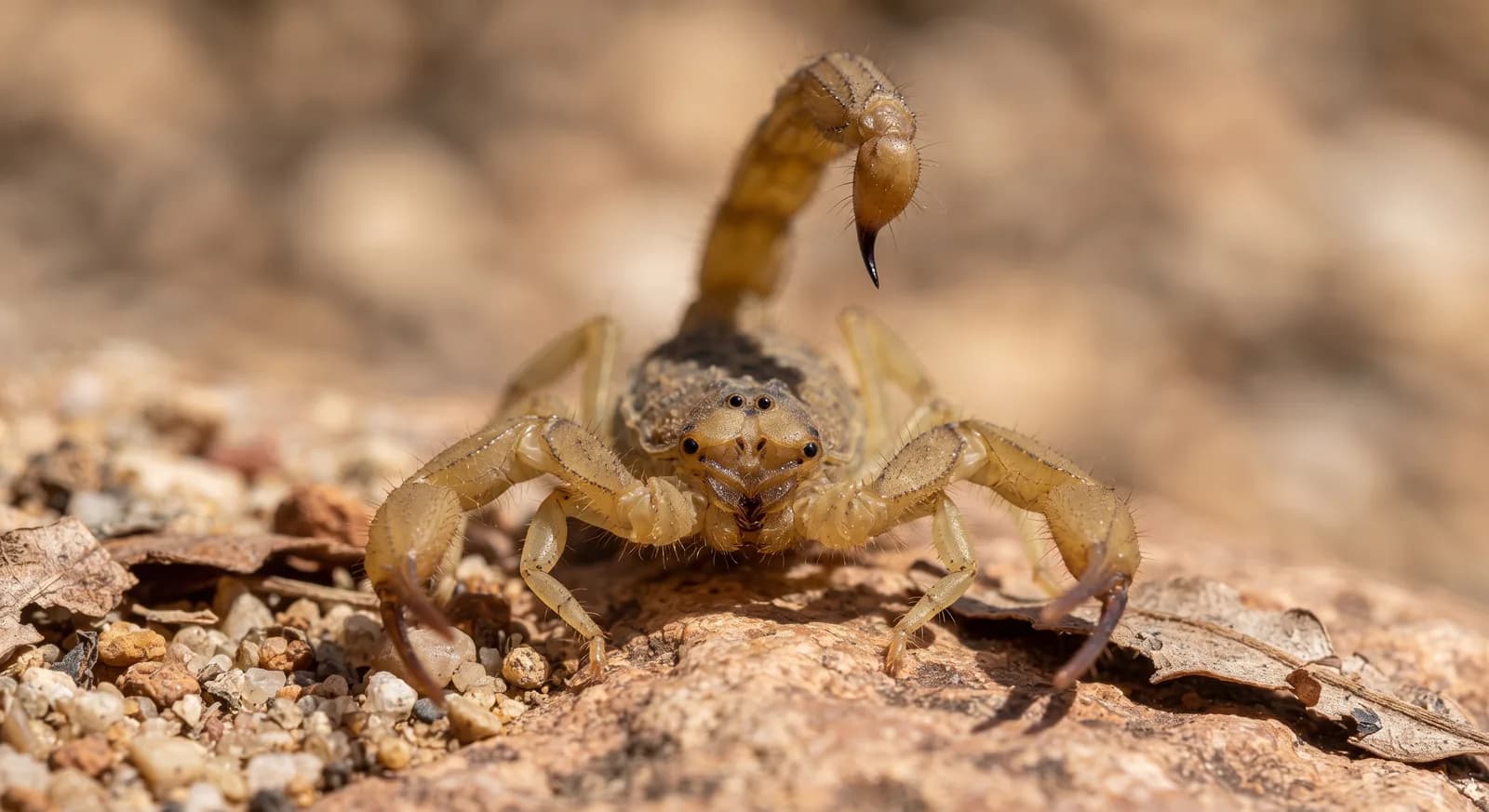
Common Yellow Scorpion
Buthus occitanus
50 countries104 parks
Species group · Arachnids
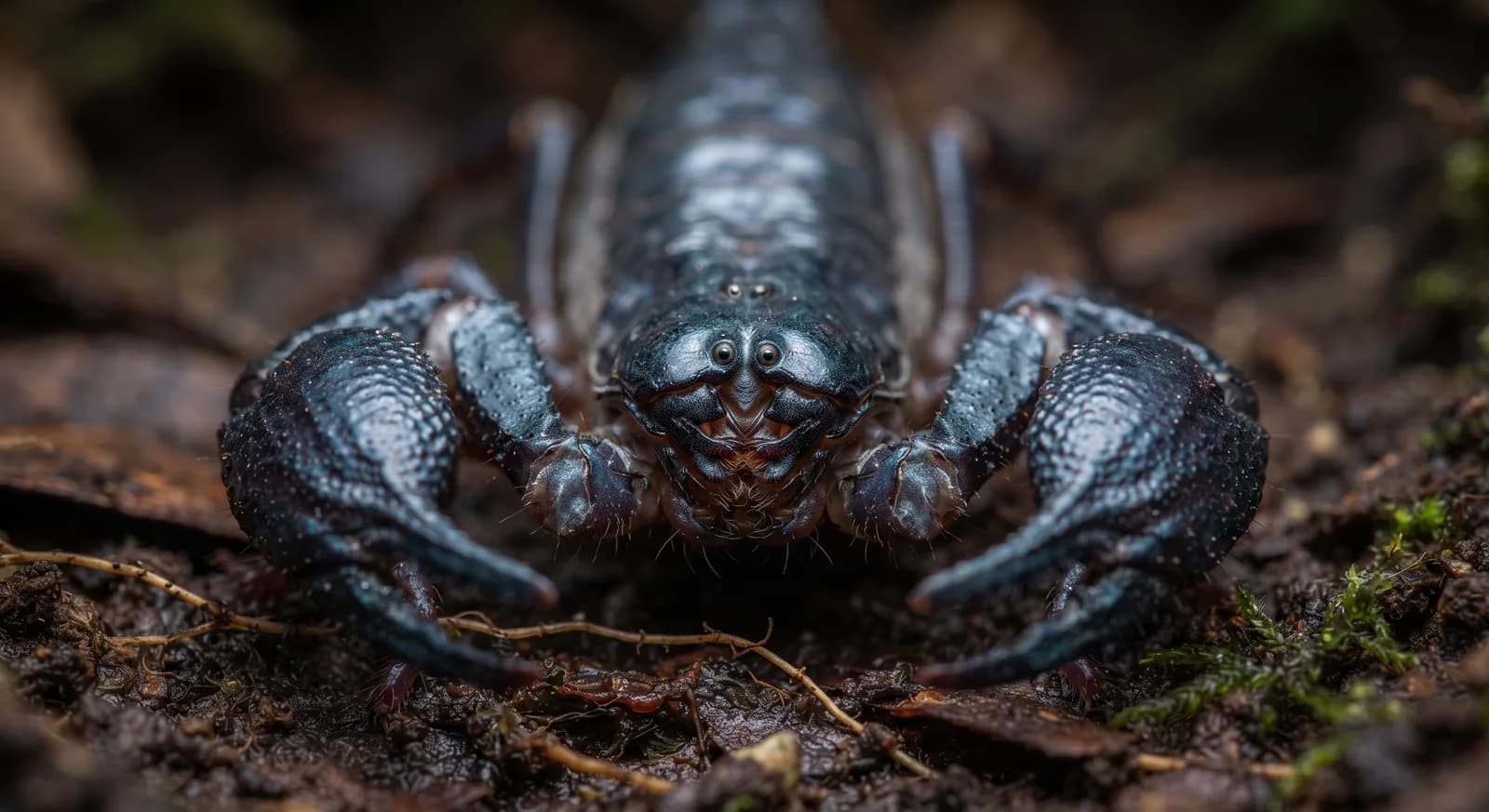
WAnimals has 7 species of scorpion, spread across 5 families (Bothriuridae, Buthidae, Diplocentridae, Scorpionidae, Vaejovidae).
Ranges calculated from the profiles that record the figure, not from all 7.
Each one has its own full profile. This group does not replace them: it brings them together.
No species documented in this group is genuinely at risk according to the IUCN, with the data available today.
Recorded in 115 countries. The ones with the most species in the group:
The commonest scorpion in Iberia; its sting is painful but not deadly.
From
Like all scorpions, it glows a fluorescent blue-green under ultraviolet light, a phenomenon whose function is still debated.
From
The females give birth to live young that climb onto their back and ride there until the first moult.
From
It has been listed in CITES Appendix II since 1995, because demand from the pet trade once meant hundreds of thousands of animals were exported a year.
From
It is one of the few scorpions with any social life: mothers and young may share a burrow, and family groups have been seen hunting together.
From
The females give birth to live white young that climb onto their back, where they stay until the first moult.
From
Its scientific name literally means man-killer.
From
It withstands doses of radiation that would be lethal to a mammal, a tolerance documented in several desert scorpions.
·
From