Skip to content
WAnimals
  • Map
  • Species
  • Parks
  • Diving
Log inCreate account
WAnimals

The guide for travellers and animal lovers: discover, plan and share your wild adventures around the world.

Discover wildlife

  • Species
  • Ecosystems
  • Glossary
  • Tags

Explore places

  • Map
  • Countries
  • Parks
  • Diving

Plan experiences

  • Guides

Learn

  • Blog

Resources

  • Help centre
  • Contact
  • Install the app

Follow us

Account

  • Log in
  • Create account

© 2026 WAnimals. All rights reserved.

About usHow we build our profilesTerms of servicePrivacyLegal notice
MapSpeciesParksDiving
  1. Home
  2. Species
  3. Common Yellow Scorpion

One of the 7 scorpions on WAnimals
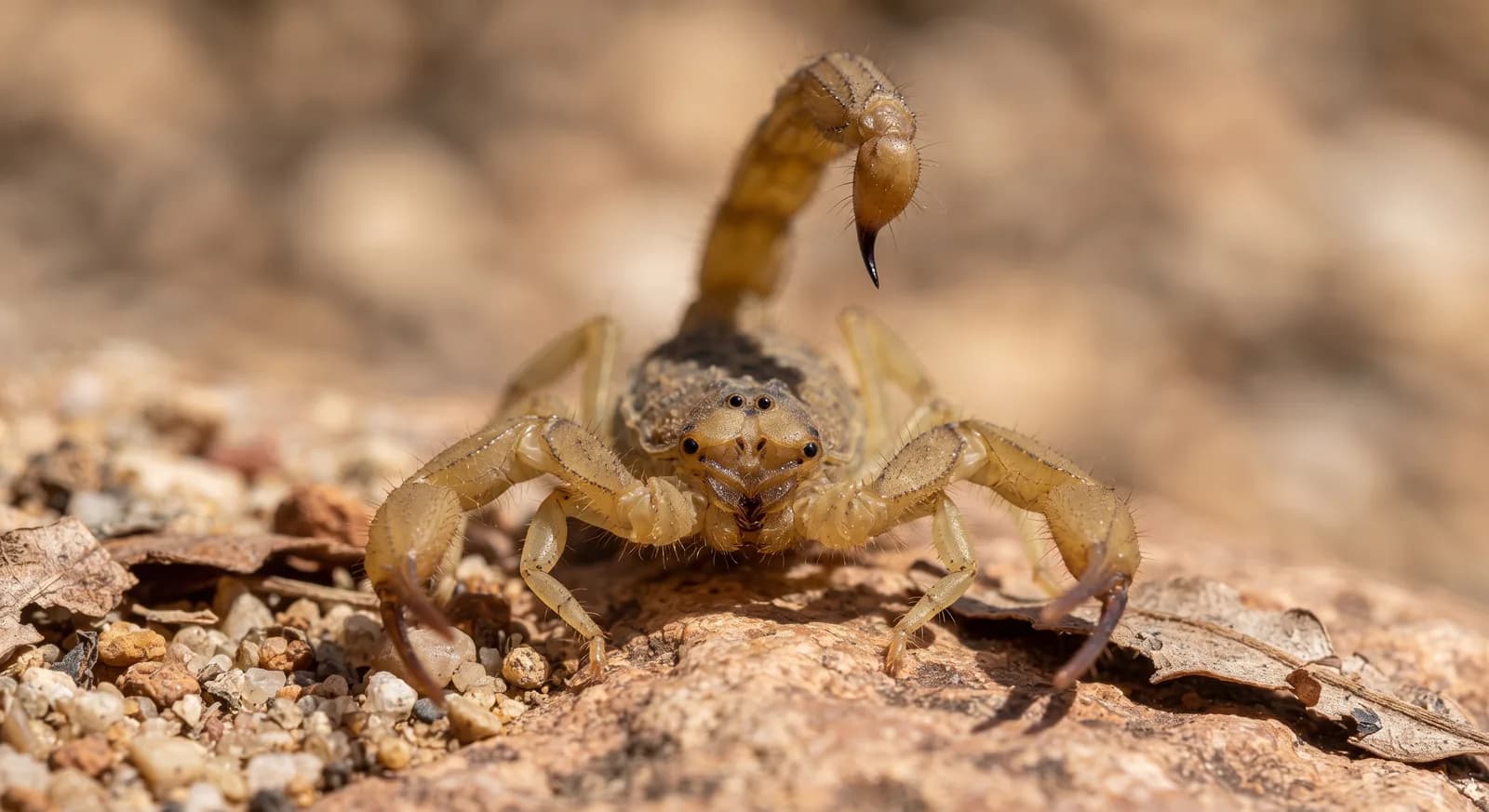
Common Yellow Scorpion (Buthus occitanus)

Arachnids · Scorpiones · Buthidae

Common Yellow Scorpion

Buthus occitanus

Not Evaluated

It has not yet been assessed against the IUCN criteria.

Spotted something wrong?

The common scorpion of the Iberian Peninsula and North Africa, yellowish and with a relatively thick tail. It lives on dry slopes, scree and Mediterranean scrub, where it digs small burrows under stones and hunts insects and spiders at night.

Size

5 cm – 8 cm

Diet

Carnivore

Feeds mainly on other animals.

Activity

Nocturnal

Active mainly at night.
Social structure

Solitary

Lives and hunts alone, joining others only to breed.

Sighting difficulty

Unknown

Grassland
50countries104parks2same family

AI-generated images: illustrations, not photographs.

Fun facts

  • GeneralThe commonest scorpion in Iberia; its sting is painful but not deadly.
  • Like all scorpions, it glows a fluorescent blue-green under ultraviolet light, a phenomenon whose function is still debated.
  • The females give birth to live young that climb onto their back and ride there until the first moult.
  • It is the common yellow scorpion, the species of greatest medical importance in southern Europe and the only genuinely dangerous one on the continent.
  • In Spain its sting is painful but rarely serious; in North Africa, by contrast, the local populations cause serious envenomations and deaths, above all in children. The same species has very different consequences depending on the region.
  • That contrast has led to its taxonomy being revised: what used to be called Buthus occitanus turned out to be a complex of several species, and the Iberian and Maghrebi populations have been split into distinct species.
  • It is an ambush hunter and detects its prey by ground vibrations, with sensory organs in its legs.
  • It is viviparous, like all scorpions: the young are born fully formed and climb onto their mother's back, where they remain until their first moult.
  • The antivenoms developed in Morocco against the fat-tailed scorpion also protect against this species.

Life cycle and biology

Skeleton type
Invertebrate - chitin exoskeleton (arachnid)
Habitat and environment
Dry slopes, scree and Mediterranean scrub

Sources consulted: Sousa et al., filogeografía de Buthus; Darkaoui et al. (2023), Toxins; Fauna Ibérica

Where to find it

Loading map…

Where to see it

Parks and dive sites where this species has been documented — showing 10 of 104.

Related species

Other species in the catalogue with the most in common with Common Yellow Scorpion — same habitat, park, country, tags or family.

Shares a park
Shares a park
Shares a park
Shares a park
Shares a park
Shares a park

Keep exploring

Based on what we already know about common yellow scorpion.

Comments

Share an experience, a fun fact or a tip for seeing the common yellow scorpion.

Be the first to comment.

See full glossary
This page in other languages: Español · Deutsch · Français · Português · Italiano

The pins mark the parks where its presence is documented.

See its range on the interactive map→
Picos de EuropaSpain
Ordesa y Monte PerdidoSpain
Aiguestortes i Estany de Sant MauriciSpain
Peneda-GeresPortugal
CévennesFrance
CalanquesFrance
Abruzzo, Lazio and MoliseItaly
Cinque TerreItaly
Alta MurgiaItaly
Mount OlympusGreece
See all 104 parks
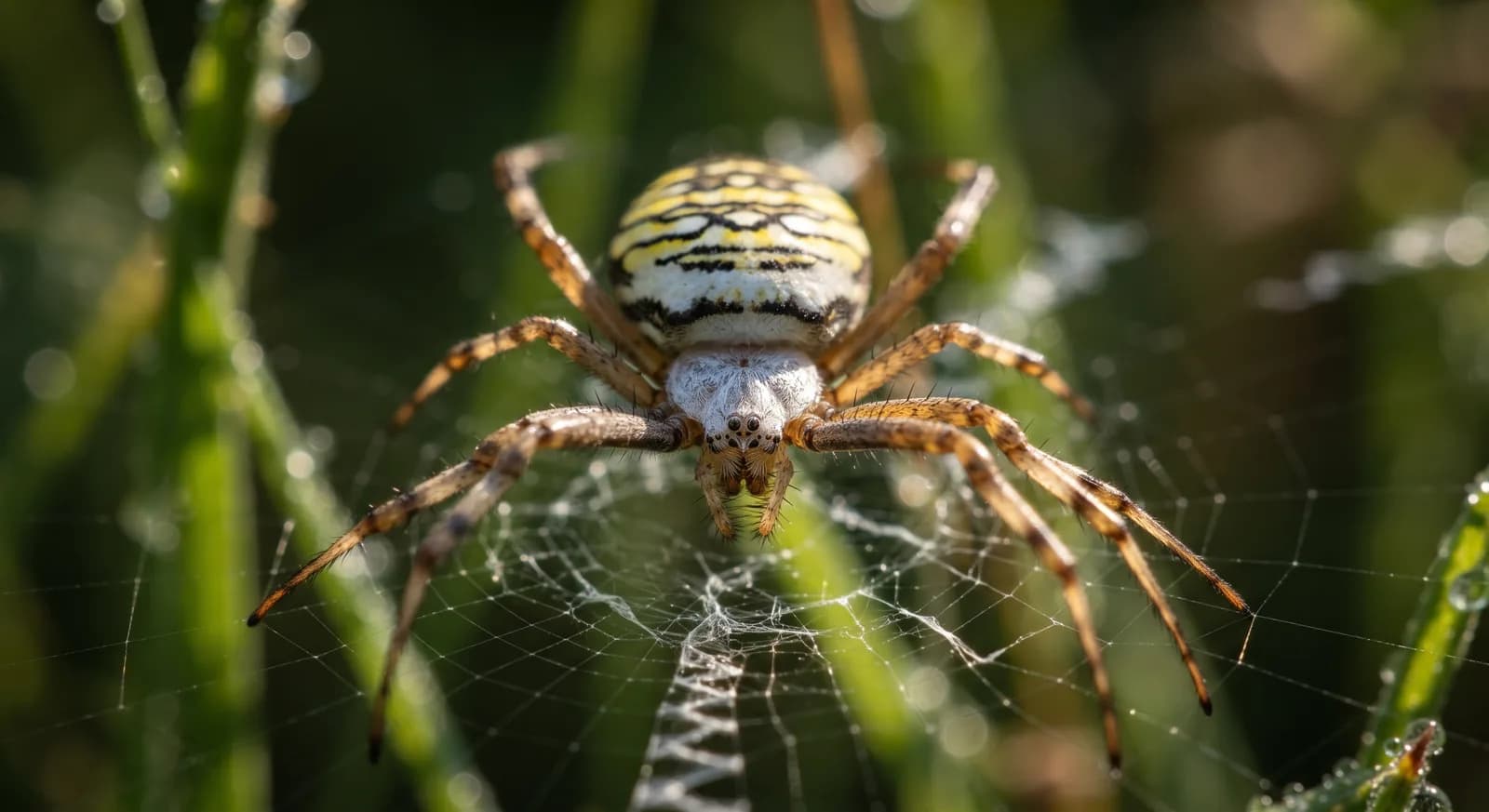
Wasp SpiderNot Evaluated

Wasp Spider

Argiope bruennichi

Not Evaluated

European Wolf Spider

Lycosa tarantula

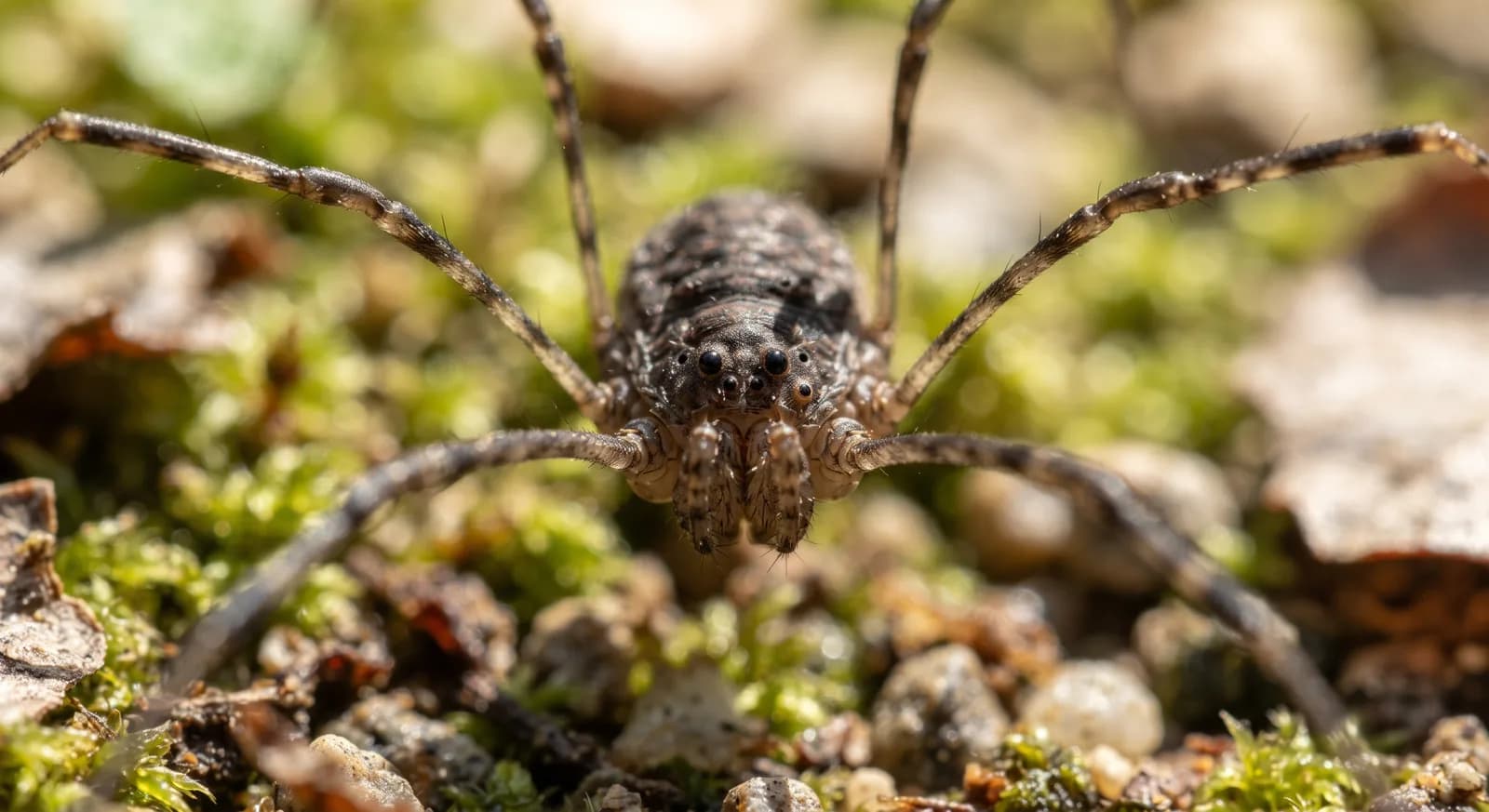
European HarvestmanNot Evaluated

European Harvestman

Phalangium opilio

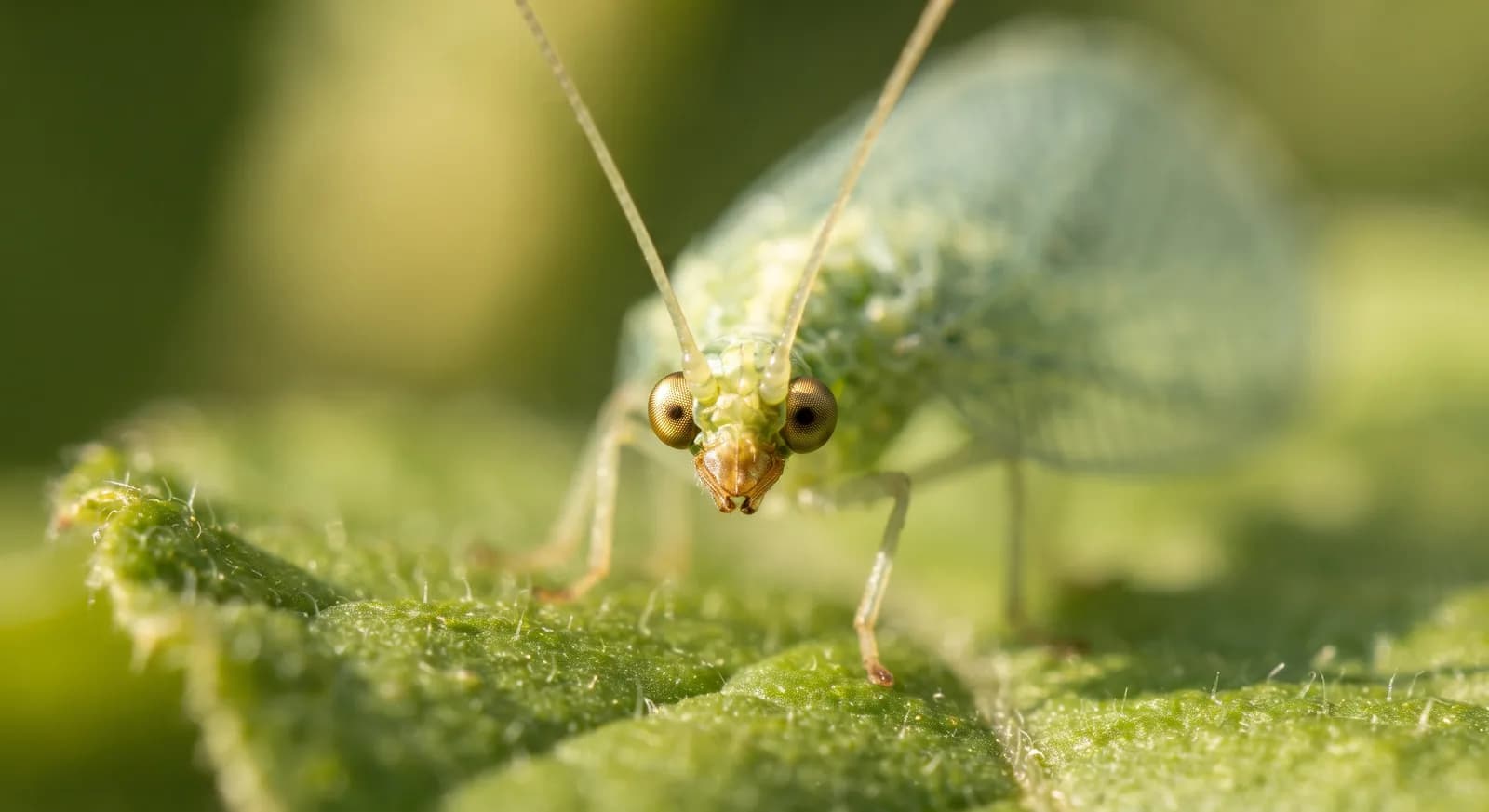
Common Green LacewingNot Evaluated

Common Green Lacewing

Chrysoperla carnea

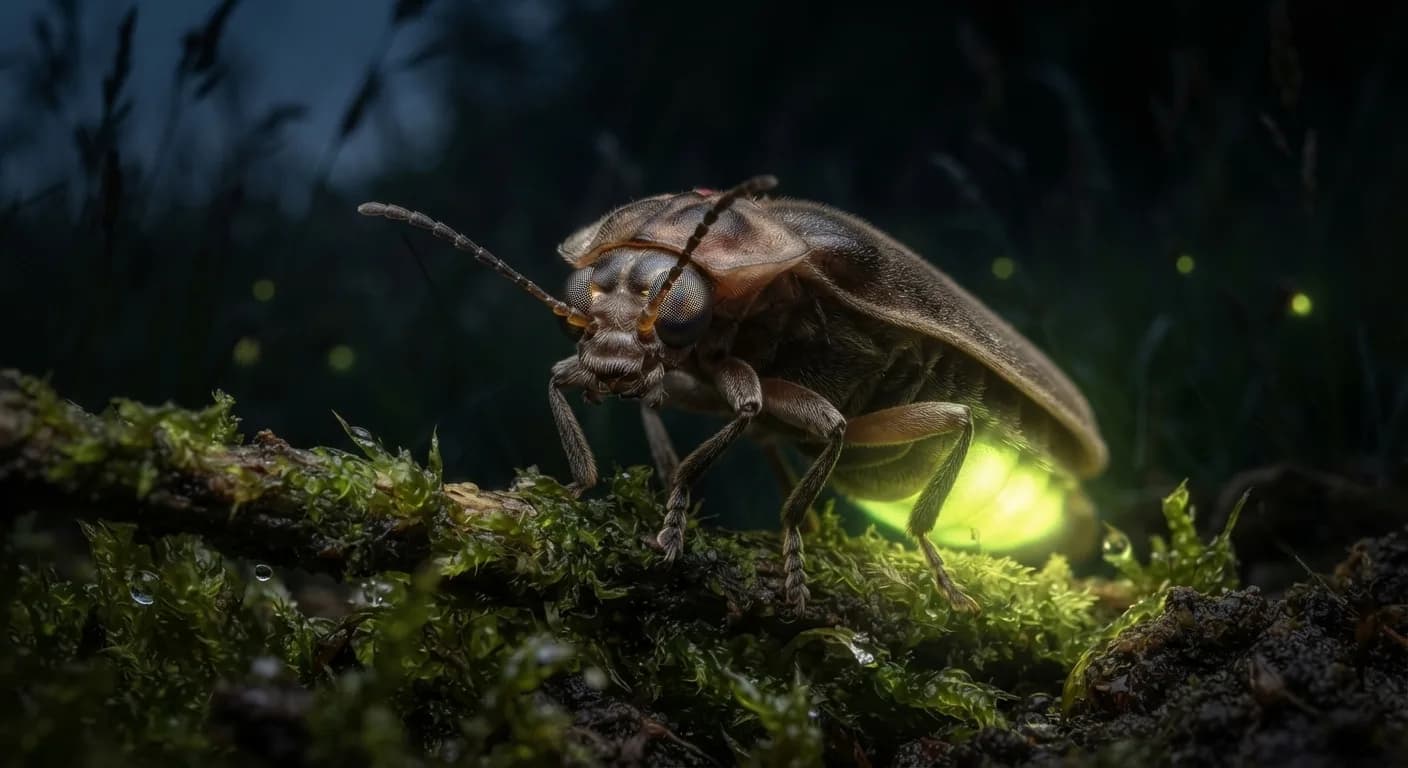
Glow-wormNot Evaluated

Glow-worm

Lampyris noctiluca

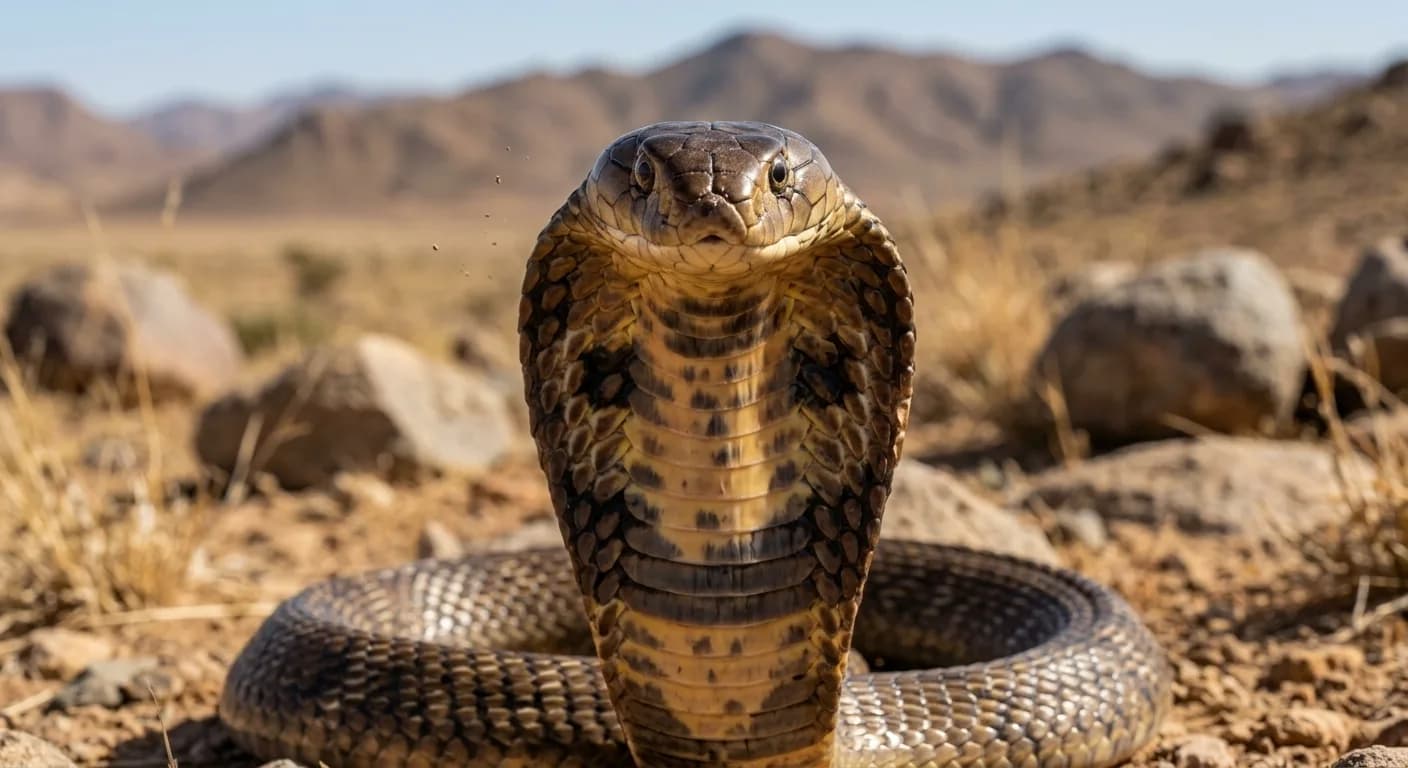
Egyptian CobraLeast Concern

Egyptian Cobra

Naja haje

CountriesSpain
ParksPicos de EuropaSpain
TagsCarnivore
Carnivore
Nocturnal
Solitary
Grassland
Arachnid

Europe36

Asia9

Africa5

Spain
Italy
Greece
Croatia
France
Portugal
Albania
Andorra
Austria
Belarus
Belgium
Bosnia and Herzegovina
Bulgaria
Croatia
Cyprus
Czechia
France
Germany
Gibraltar
Greece
Hungary
Italy
Kosovo
Liechtenstein
Luxembourg
Malta
Moldova
Monaco
Montenegro
Netherlands
North Macedonia
Poland
Portugal
Romania
San Marino
Serbia
Slovakia
Slovenia
Spain
Switzerland
Ukraine
United Kingdom
Armenia
Azerbaijan
Georgia
Israel
Jordan
Lebanon
Palestine
Syria
Türkiye
Algeria
Egypt
Libya
Morocco
Tunisia