Skip to content
WAnimals
  • Map
  • Species
  • Parks
  • Diving
Log inCreate account
WAnimals

The guide for travellers and animal lovers: discover, plan and share your wild adventures around the world.

Discover wildlife

  • Species
  • Ecosystems
  • Glossary
  • Tags

Explore places

  • Map
  • Countries
  • Parks
  • Diving

Plan experiences

  • Guides

Learn

  • Blog

Resources

  • About us
  • How we build our profiles
  • Help centre
  • Contact
  • Install the app

Follow us

Account

  • Log in
  • Create account

© 2026 WAnimals. All rights reserved.

Terms of servicePrivacyCookiesLegal notice
MapSpeciesParksDiving
  1. Home
  2. Species
  3. Species groups
  4. Wagtails

Species group · Birds

Wagtails

WAnimals has 3 species of wagtail, in the family Motacillidae.

3 species
1 family
47 countries
267 parks
Weight
16 g – 27 g
Length
15 cm – 19 cm
Lifespan
3 – 5 years

Ranges calculated from the profiles that record the figure, not from all 3.

All 3 species of wagtails on WAnimals

Each one has its own full profile. This group does not replace them: it brings them together.

Conservation status

3 Least Concern

No species documented in this group is genuinely at risk according to the IUCN, with the data available today.

Where they live

Recorded in 47 countries. The ones with the most species in the group:

Where to see them

Did you know…?

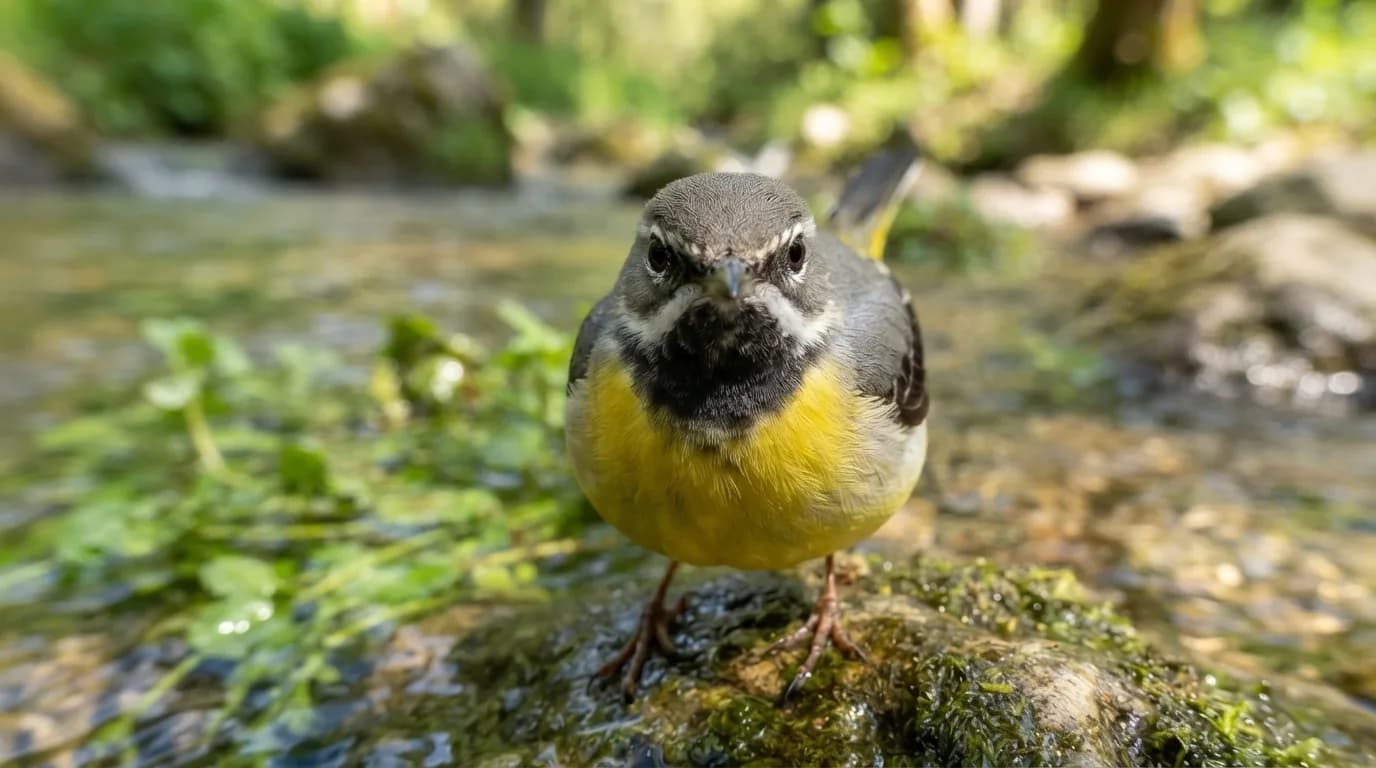
  • Always tied to running water; it bobs its tail constantly on the stones.

    From

  • It is the wagtail most tied to running water: it prefers stretches of river with rapids and waterfalls, which is where its Spanish name comes from.

    From

  • It goes higher than the yellow wagtail: it can live up to 2,000 m, while that species does not usually pass 800.

    From

  • It follows livestock to catch the insects they put up as they graze.

    From

  • Its Spanish name comes from its habit of moving among cattle looking for the insects they flush; "lavandera", washerwoman, refers to its living beside water.

    From

  • Its scientific name conceals a medieval misunderstanding: motacilla is in fact a diminutive of motare, "to move", but it was read as though cilla meant "tail".

    From

  • It associates with livestock to take the larvae of the insects that lay their eggs in the dung.

    From

  • It is one of the regular hosts of the common cuckoo in central Europe.

Ecosystems

·

From

Grey WagtailLeast Concern

Grey Wagtail

Motacilla cinerea

45 countries236 parks
Least Concern

Western Yellow Wagtail

Motacilla flava

45 countries195 parks
Least Concern

White Wagtail

Motacilla alba

47 countries261 parks
Albania3
Andorra3
Armenia3
Austria3
Azerbaijan3
Belarus3
Belgium3
Bosnia and Herzegovina3
Bulgaria3
Croatia3
Czechia3
Denmark3
Estonia3
Finland3
France3
Georgia3
Germany3
Greece3
Hungary3
Ireland3
Italy3
Kosovo3
Latvia3
Liechtenstein3
Abisko3 species
Arrábida3 species
Aukštaitija National Park3 species
Babiogórski3 species
Bannau Brycheiniog (Brecon Beacons)3 species
Białowieża3 species
Biebrzański3 species
Bieszczady3 species
Biogradska Gora3 species
Bjeshkët e Nemuna3 species
Børgefjell3 species
Bory Tucholskie3 species
Grey Wagtail
Grey Wagtail
Grey Wagtail
Western Yellow Wagtail
White Wagtail
Freshwater2
Mountain1
See every species group
Explore the species one by one
This page in other languages: Español · Deutsch · Français · Português · Italiano
White Wagtail