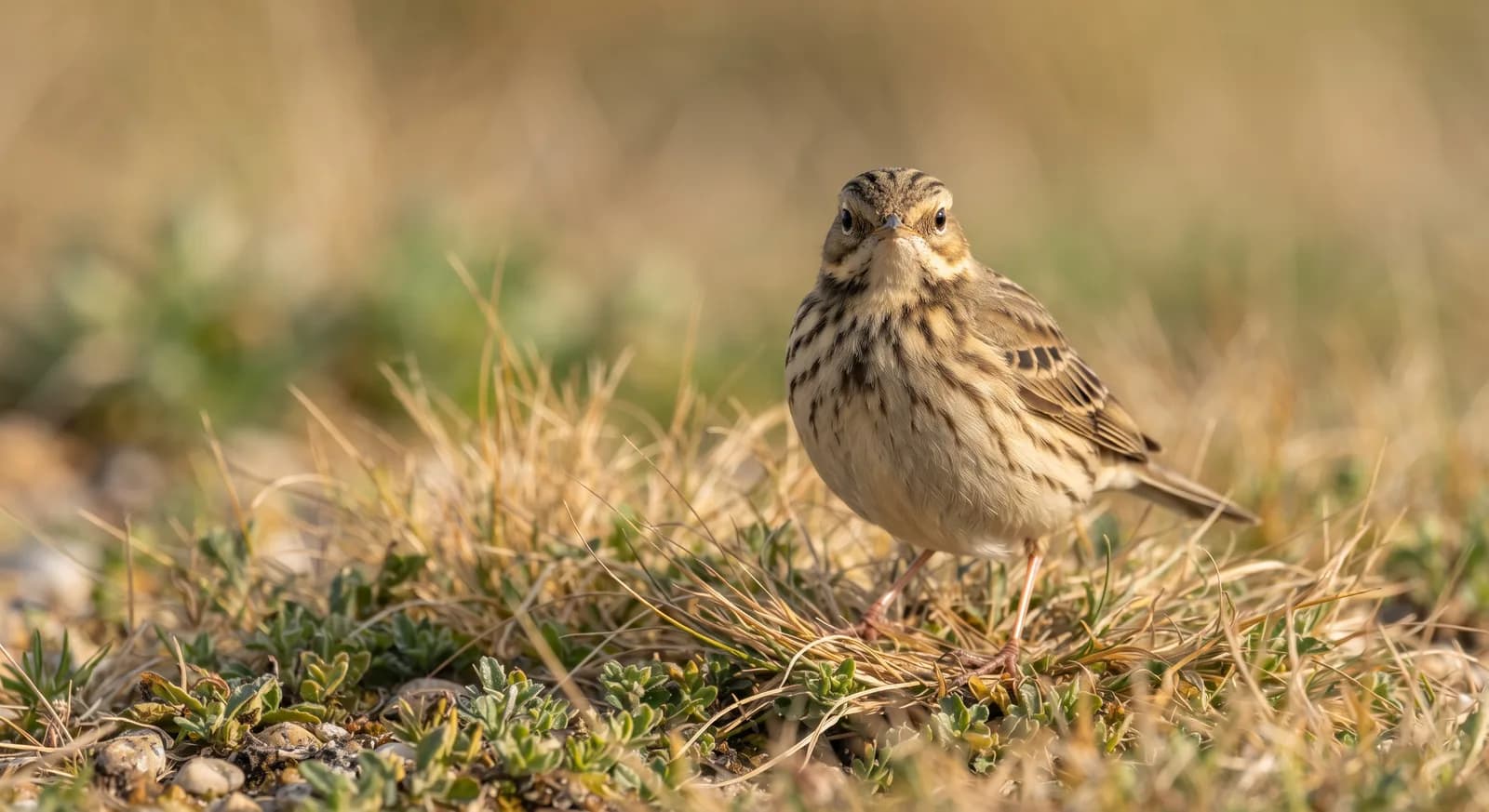
One of the 3 wagtails on WAnimals
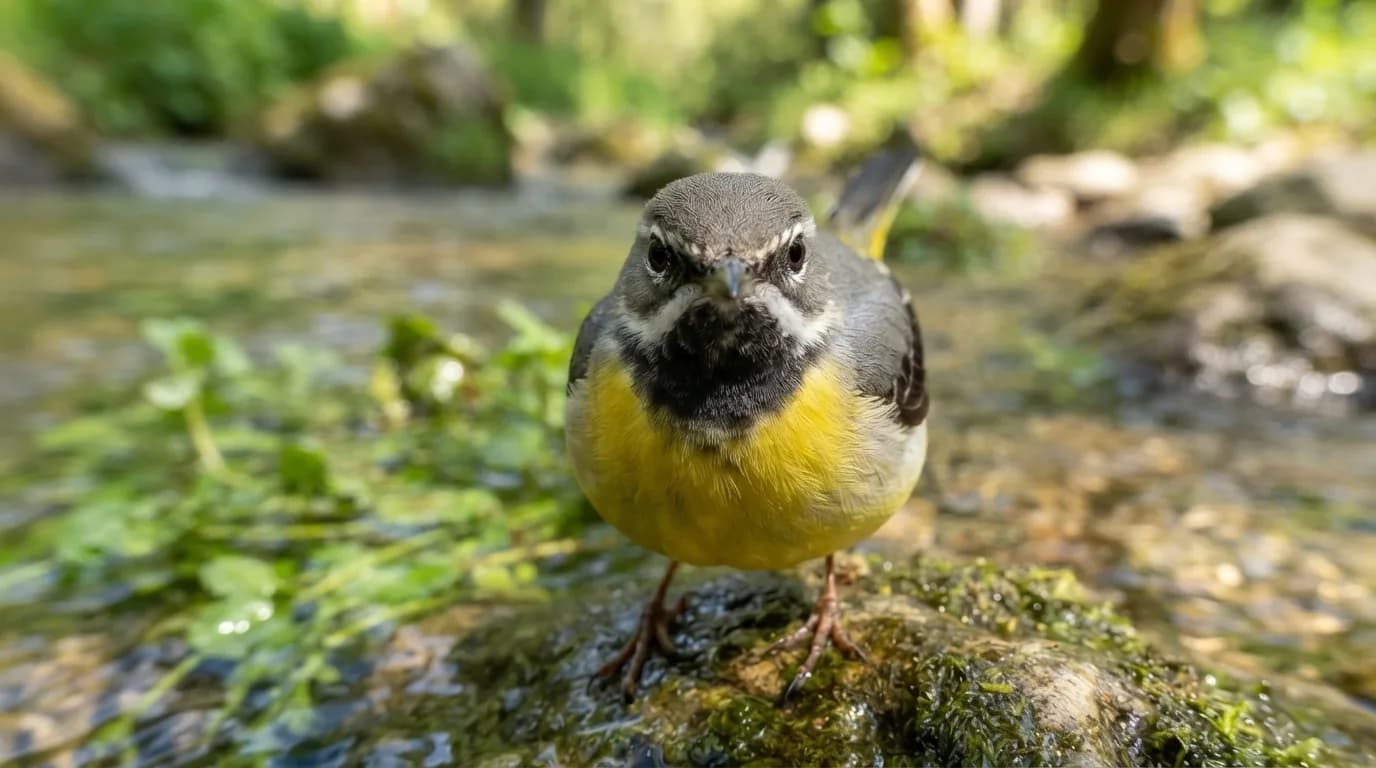
Birds · Passeriformes · Motacillidae
Motacilla cinerea
The species is abundant and widely distributed; it faces no significant short-term risk.
A long-tailed wagtail, with a grey back and a yellow rump, which separates it from the yellow wagtail, whose back is greenish. It is more slender and longer-tailed than its Iberian relatives.
Weight
17 g on average
Size
19 cm on average
Life expectancy
3 years
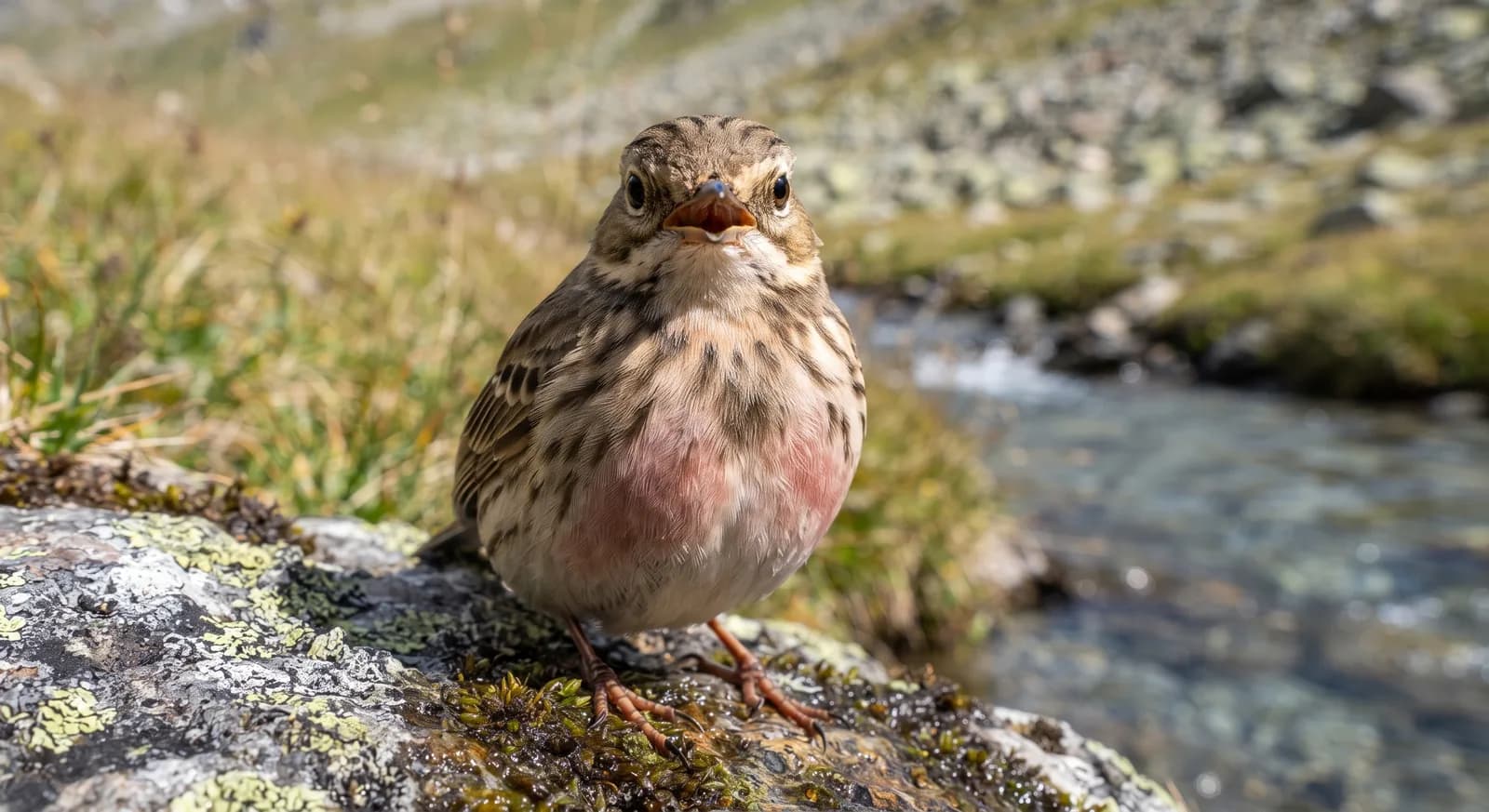
Diet
Insectivore
Feeds mainly on insects and other invertebrates.
Activity
Diurnal
Active mainly during the day.
Social structure
In pairs
Usually lives in pairs, sometimes for life.
AI-generated images: illustrations, not photographs.
Sources consulted: IUCN Red List · SEO/BirdLife (ficha) · Waste Magazine · Fauna Ibérica · Vertebrados Ibéricos · ACBC Canaria · Yang et al. 2022, ZooKeys 1109 · Tunstall 1771
Best time: All year round beside permanent watercourses; in winter it moves down to the lowlands
Parks and dive sites where this species has been documented — showing 10 of 236.
Other species in the catalogue with the most in common with Grey Wagtail — same habitat, park, country, tags or family.
Based on what we already know about grey wagtail.
The pins mark the parks where its presence is documented.