 Not Evaluated
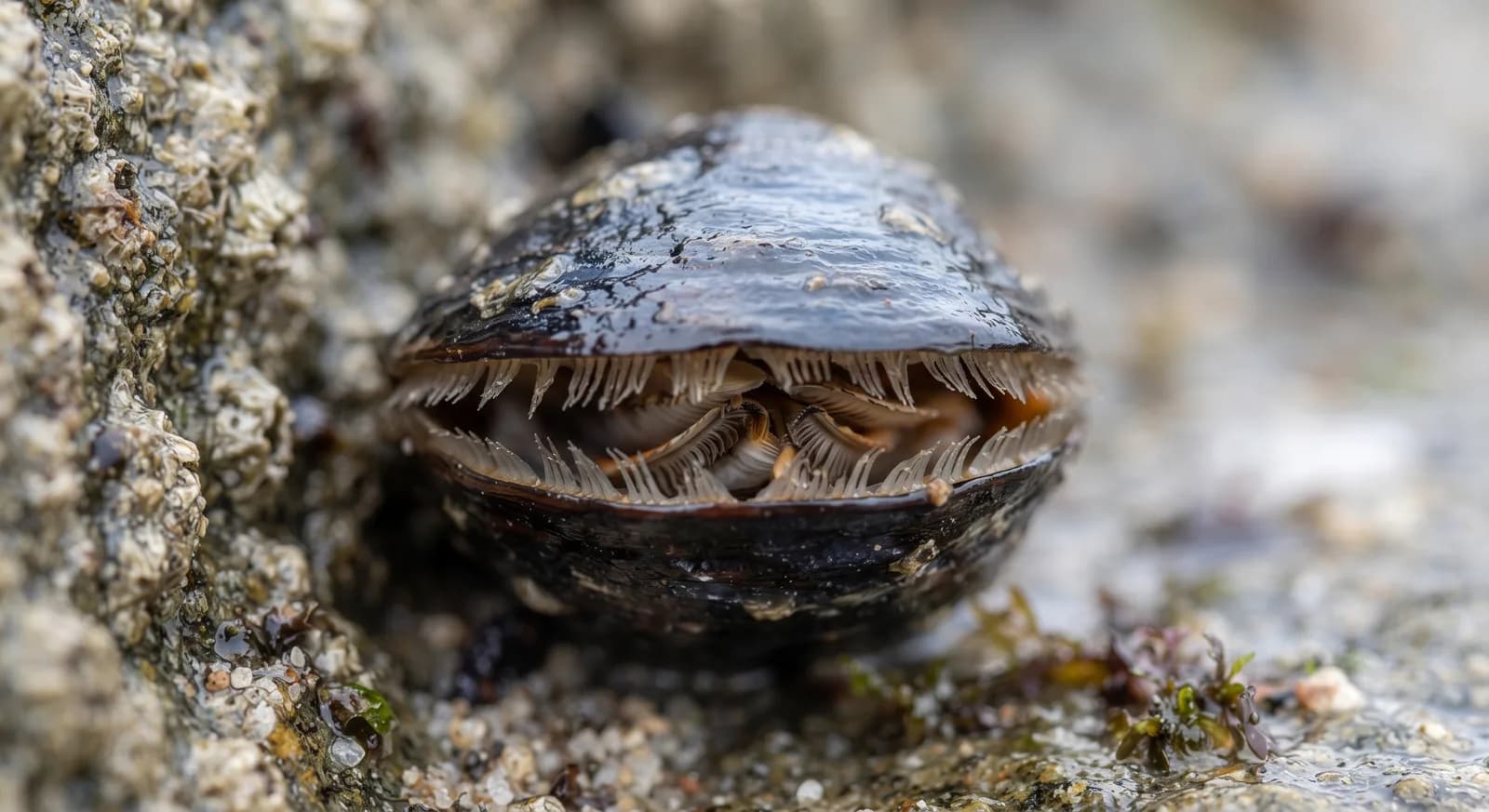
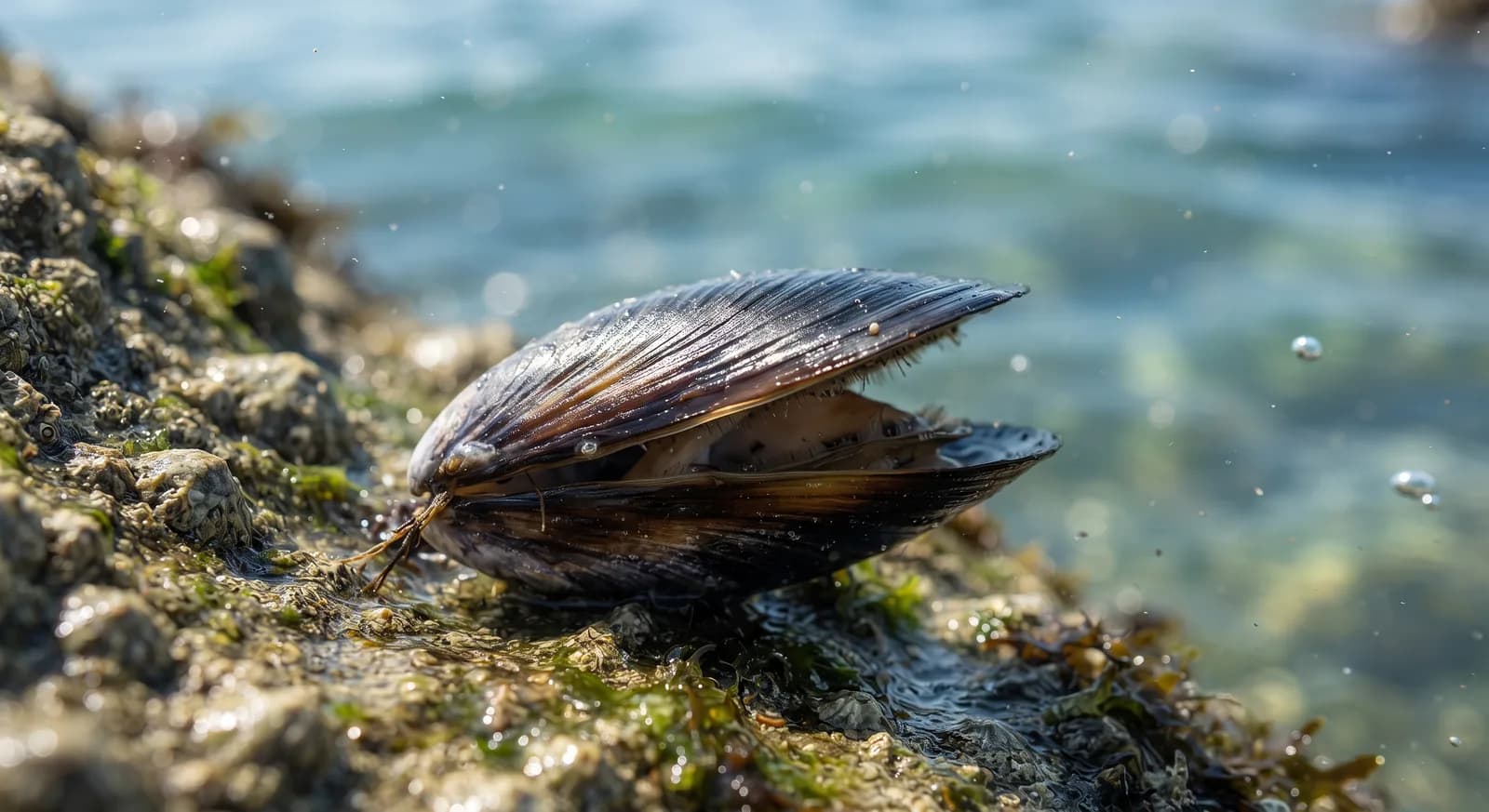
Blue Mussel
Mytilus edulis
19 countries21 parks23 dive sites
Species group · Bivalves
WAnimals has 3 species of mussel, spread across 2 families (Dreissenidae, Mytilidae).
Ranges calculated from the profiles that record the figure, not from all 3.
Each one has its own full profile. This group does not replace them: it brings them together.
No species documented in this group is genuinely at risk according to the IUCN, with the data available today.
Recorded in 70 countries. The ones with the most species in the group:
It chemically detects the release of gametes by other mussels nearby.
From
It forms dense beds anchored to the rocks by byssus threads.
From
It can live up to 24 years in good conditions.
From
It is on the IUCN list of the 100 most damaging invasive alien species in the world for its ability to displace native mussels wherever it has been introduced.
From
The byssus threads stick underwater to almost any surface and have inspired the design of surgical adhesives.
From
Its beds create a three-dimensional microhabitat that shelters dozens of species of small invertebrates.
From
An invader that clogs pipes and channels; it reached the Ebro in 2001.
From
It is the only freshwater bivalve that attaches to hard surfaces with a byssus, as marine mussels do, and that is the key to its success as an invader: it colonises pipes, screens and hulls, which native freshwater clams do not.
·
From Zebra Mussel