 Least Concern
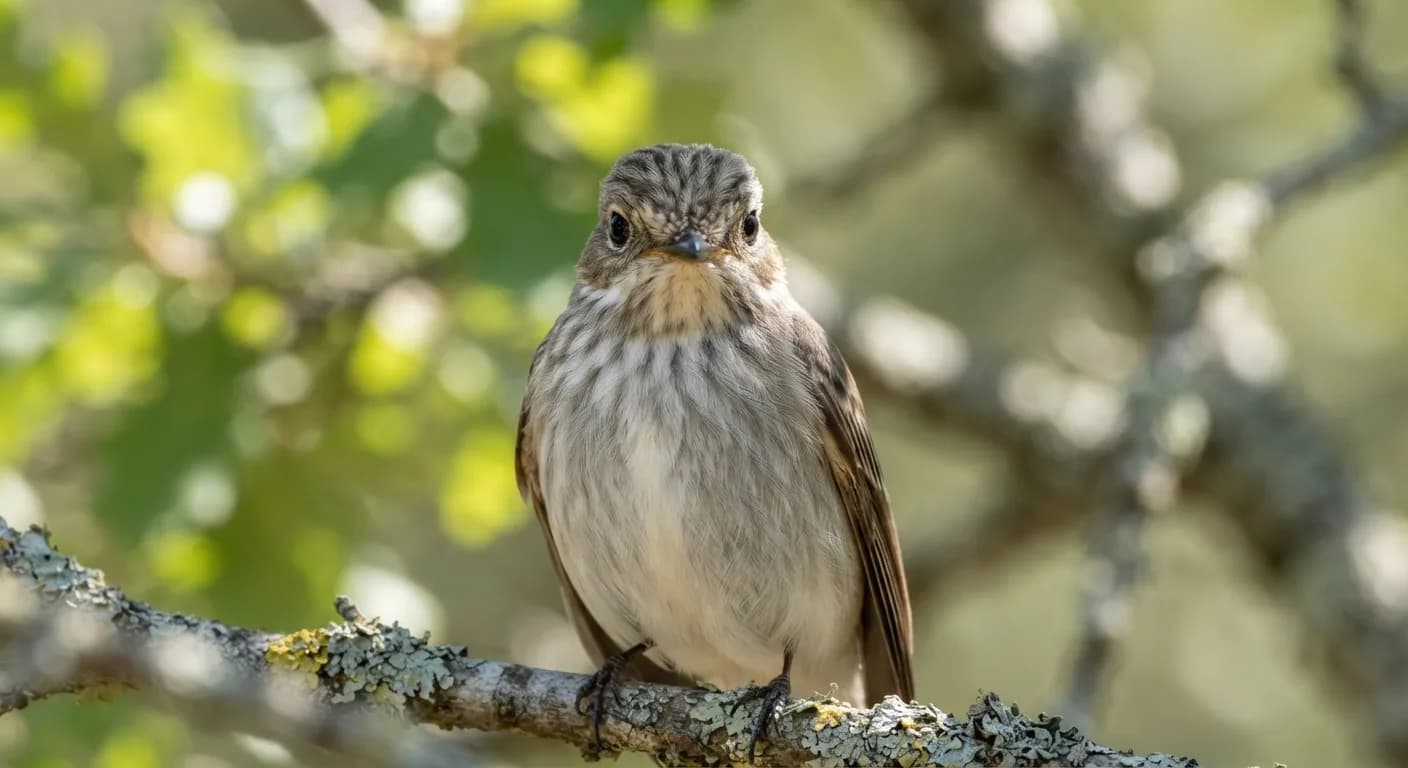
Spotted Flycatcher
Muscicapa striata
50 countries261 parks
Species group · Birds
WAnimals has 3 species of flycatcher, in the family Muscicapidae.
Ranges calculated from the profiles that record the figure, not from all 3.
Each one has its own full profile. This group does not replace them: it brings them together.
No species documented in this group is genuinely at risk according to the IUCN, with the data available today.
Recorded in 51 countries. The ones with the most species in the group:
It takes insects on the wing from a branch and always returns to the same perch.
From
Its hunting technique is unmistakable: it waits upright on a visible perch, darts out in a short, acrobatic flight to catch an insect in mid-air, and returns to exactly the same spot, repeating it dozens of times an hour.
From
It is one of the last migrants to arrive in Spain in spring, often well into May, because it depends on flying insects being plentiful.
From
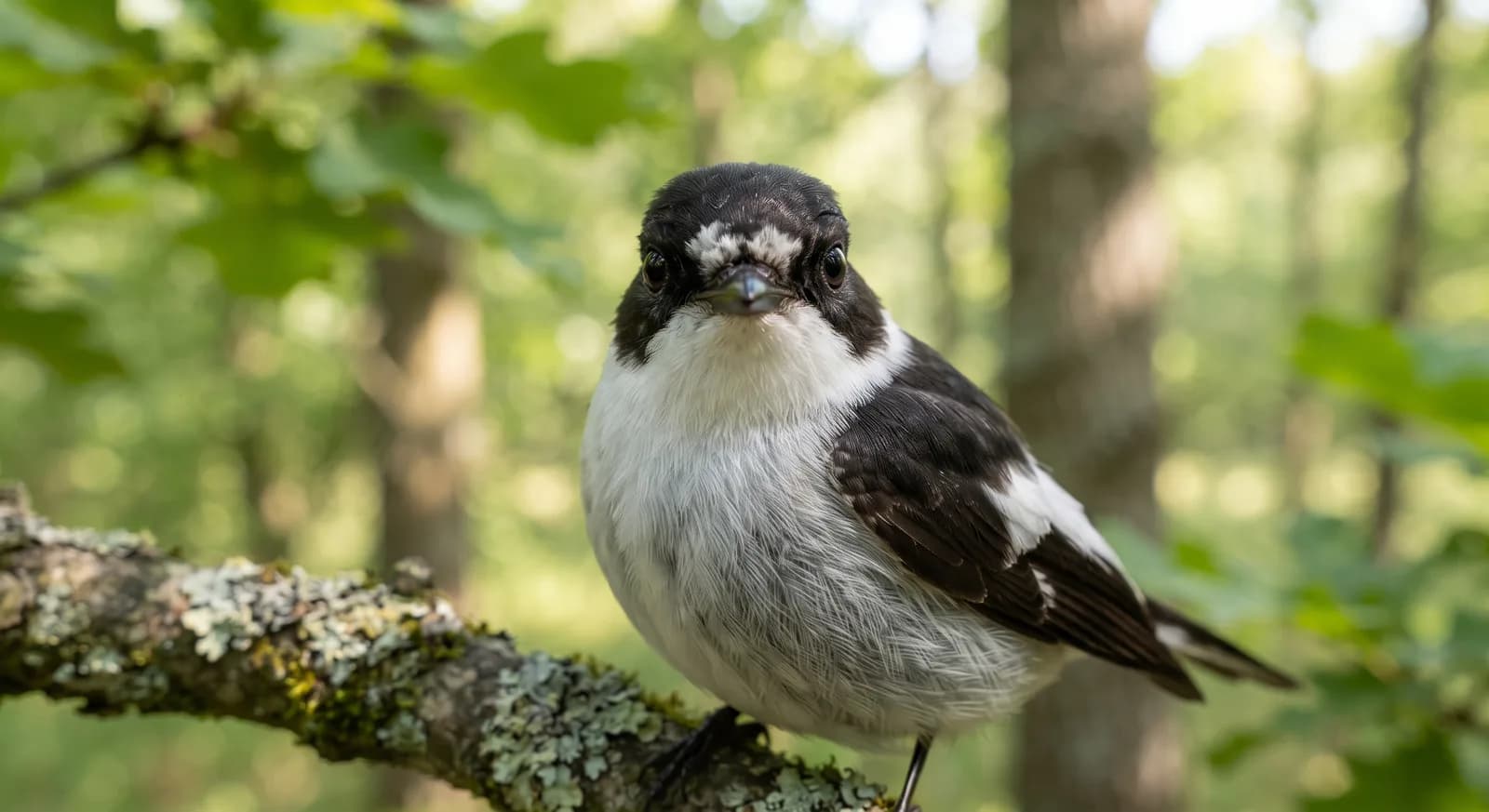
It is one of the four black-and-white flycatcher species of the western Palaearctic, and where it overlaps with the pied flycatcher it hybridises with it to a limited extent.
From
Its song consists of slow whistles, very different from those of the pied flycatcher, but in mixed populations pied flycatchers will imitate it.
From
A case of triparental care has been documented: two females and one male feeding a single brood.
From
It is a hole-nester and takes to nest boxes very readily, to the point that putting them up is the main measure used to help its populations.
·
From
It practises polygyny, usually bigamy: the male travels long distances to win a second female and then returns to the first to help raise the brood.
From