 Endangered
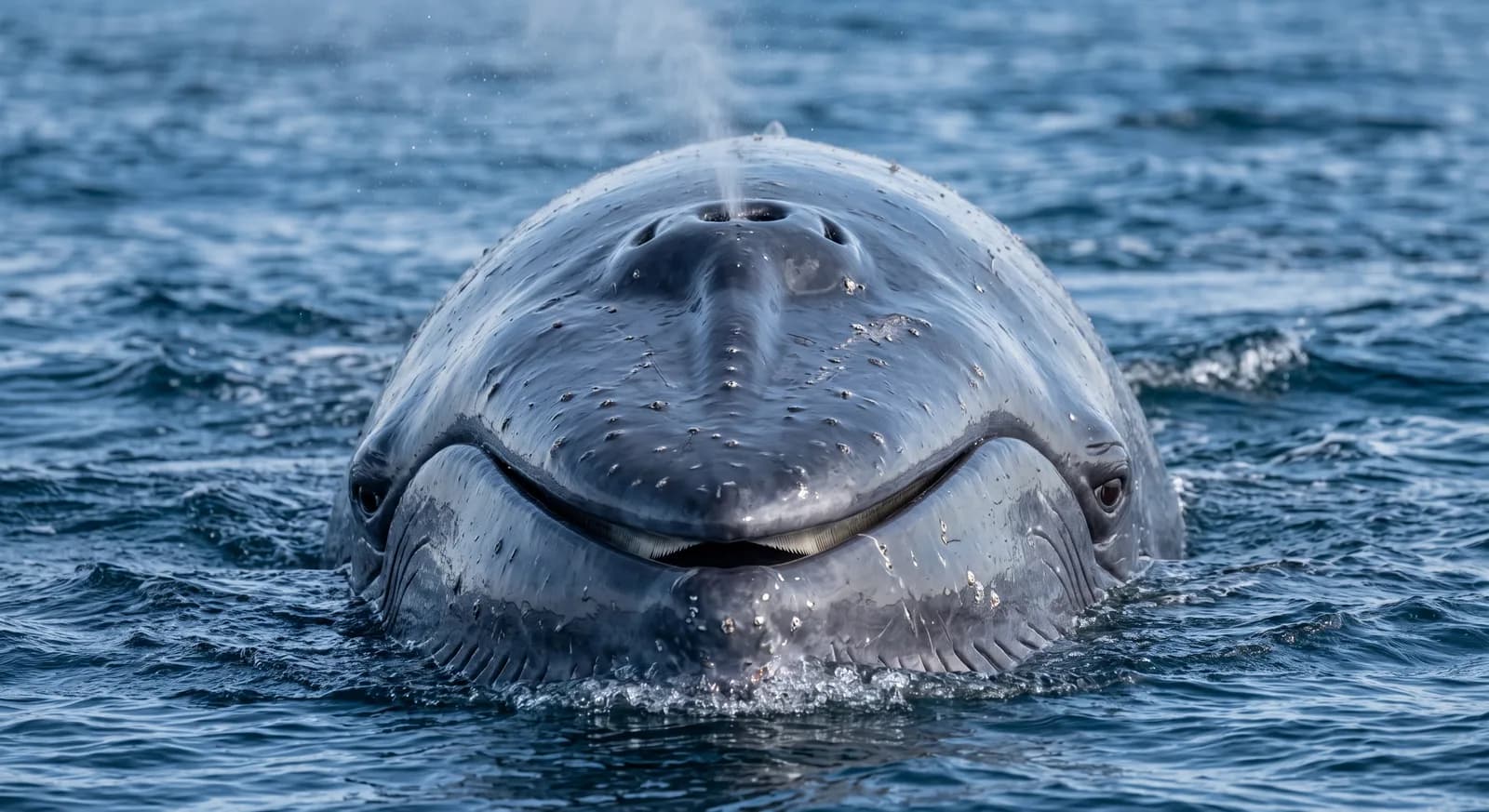
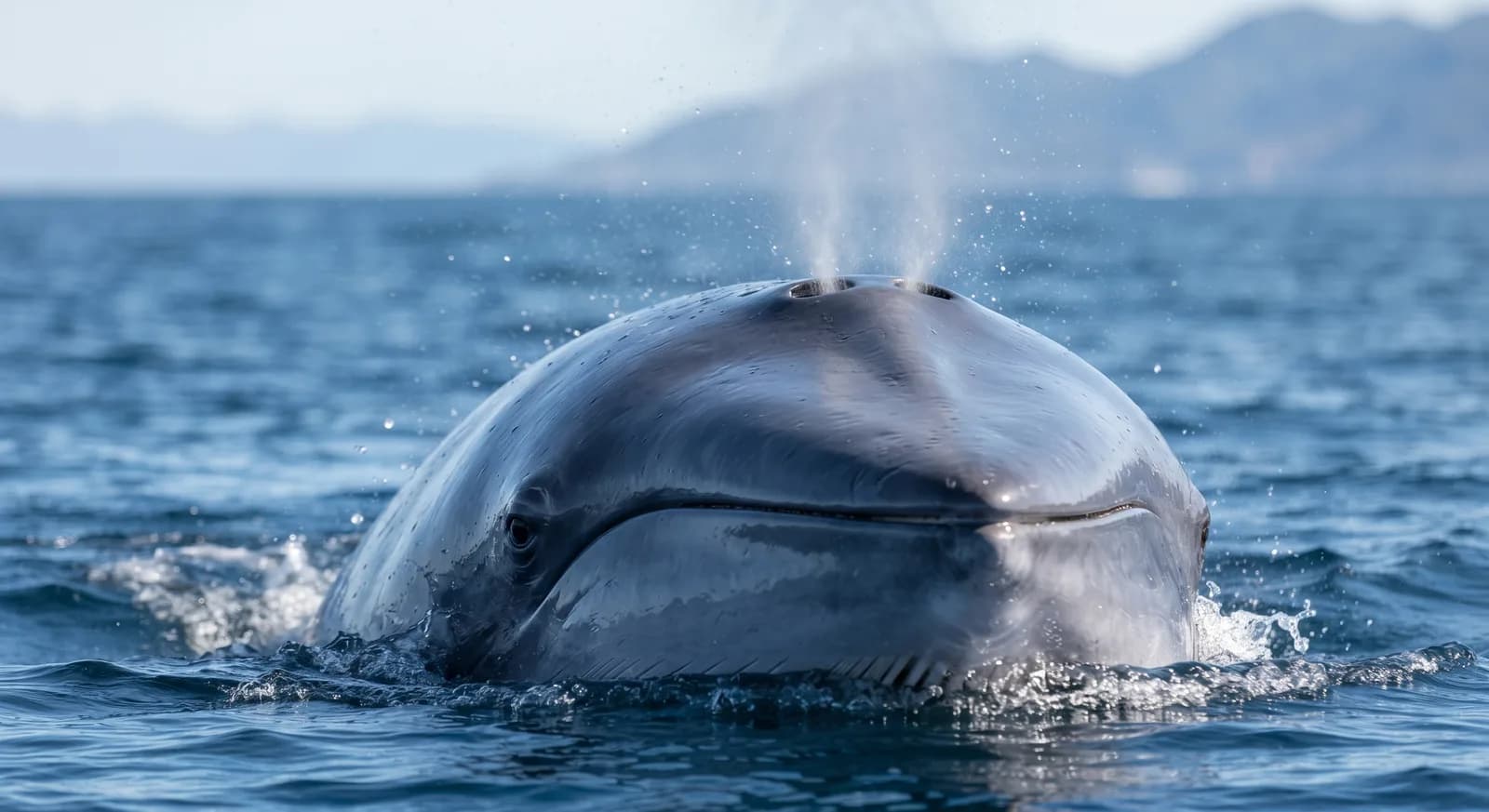
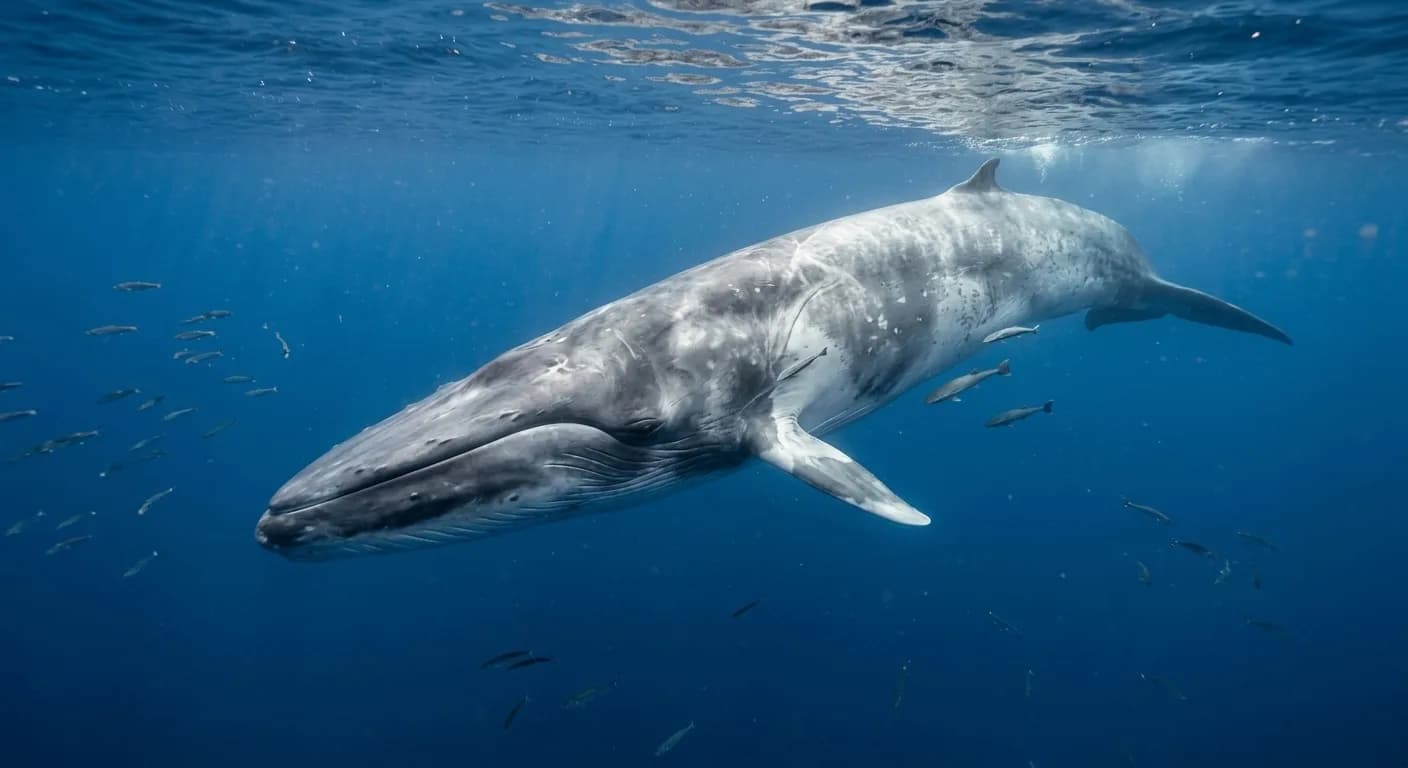
Fin Whale
Balaenoptera physalus
49 countries4 parks28 dive sites
Species group · Mammals
WAnimals has 4 species of rorqual, in the family Balaenopteridae.
Ranges calculated from the profiles that record the figure, not from all 4.
Each one has its own full profile. This group does not replace them: it brings them together.
2 species in this group are in a threatened category according to the IUCN.
Recorded in 115 countries. The ones with the most species in the group:
Its skull has particular acoustic properties that channel low-frequency sound straight to the ear bones, a hearing mechanism uncovered through three-dimensional computer modelling.
From
Unlike most rorquals it makes no great seasonal migration to the poles, staying all year in warm and temperate water.
From
It is the only large rorqual that does not migrate: it lives all year in warm water, and can therefore breed in any season rather than following the rigid calendar of its polar relatives.
From
It has three parallel ridges on its rostrum, while all other rorquals have just one: it is the feature that allows it to be identified with certainty at sea.
From
It is one of the fastest whales known and can reach remarkably high speeds over short distances, quite against the popular image of whales as slow animals.
From
It is the fastest of the great cetaceans: it can hold more than 50 kilometres an hour over a short burst, a dolphin's speed in a twenty-tonne animal.
From
Unlike its relatives, which gulp down enormous mouthfuls of water, it feeds by swimming on its side at the surface with its mouth ajar, straining plankton continuously as the right whales do.
·
From
Its annual calving rate is over 90%.
From