One of the 3 anemones on WAnimals
Anthozoans · Actiniaria · Stichodactylidae
Giant Anemone
Stichodactyla gigantea
It has not yet been assessed against the IUCN criteria. See full glossary
Stichodactyla gigantea is a sea anemone belonging to the family Stichodactylidae. It is one of the so-called host anemones, which maintain a mutualistic relationship with other animals, in its case with several clownfish species: Amphiprion akindynos, Amphiprion bicinctus, Amphiprion clarkii, Amphiprion ocellaris, Amphiprion percula, Amphiprion perideraion and Amphiprion polymnus, which inhibit the discharge of the stinging cells in its tentacles, establishing a relationship of coexistence.
Size
20 cm – 50 cm
Lifespan
100 years
Diet
Carnivore
Feeds mainly on other animals.
Social structure
Solitary
Lives and hunts alone, joining others only to breed.
Sighting difficulty
Unknown
Fun facts
- It hosts clownfish that shelter among its tentacles: the fish acquires a coating on its mucus that stops the anemone recognising it as prey, and in return it defends the anemone from the butterflyfish that nibble at it.
- Its sting is among the most powerful of any anemone and can inflict painful burns on a diver.
- It contracts until it disappears into the sand when it feels threatened, leaving only a hole in the bottom.
- It is one of the ten anemone species that host clownfish, and among the most sought after by them: it takes in at least seven different species.
- The clownfish is no matter of indifference to it. They clean its tentacles, supply nutrients in their droppings and drive off butterflyfish, which eat anemones.
- Its tentacles are short and densely packed, which gives it the look of a carpet, and they are stickier than those of other host anemones.
- It is the hardest of all the host anemones to keep in an aquarium, and its collection for the aquarium trade is a serious local threat.
- Like corals, it hosts symbiotic zooxanthellae that supply much of its energy by photosynthesis.
Life cycle & biology
- Habitat & environment
- Lagoons and shallow reefs of the Indo-Pacific, over sand and rubble bottoms
Sources consulted: https://es.wikipedia.org/wiki/Stichodactyla_gigantea
Where to find it
See its range on the interactive mapWhere to watch it
Parques y spots de buceo donde se ha documentado esta especie — se muestran 20 de 266 documentados.
Related species
Other species in the catalogue with the most in common with Giant Anemone — same habitat, park, country, tags or family.
Ritteri Anemone
Heteractis magnifica
Box Jelly
Chironex fleckeri
Common Mushroom Coral
Fungia fungites
Irukandji
Carukia barnesi
Flatback
Natator depressus
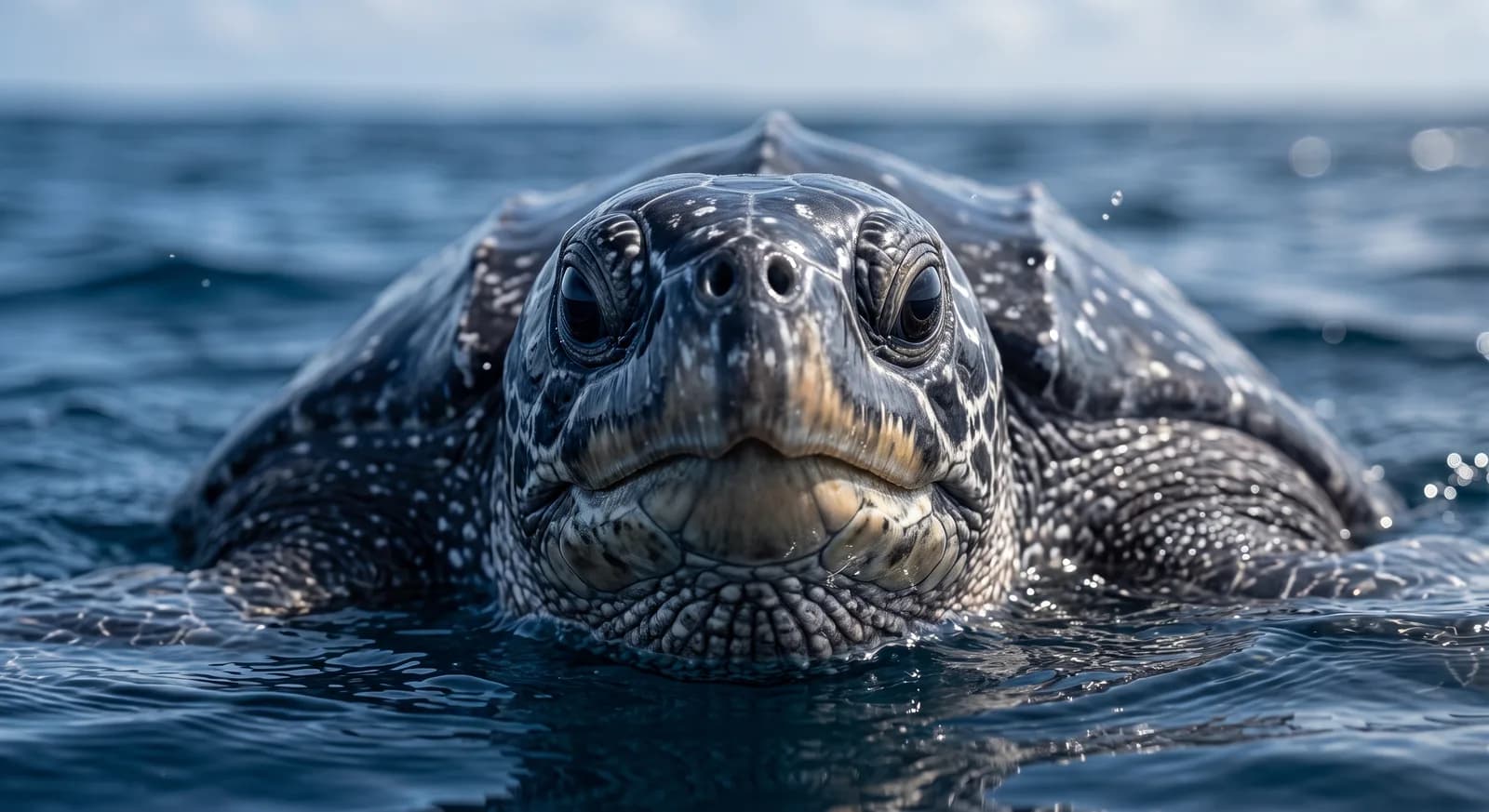 Vulnerable
Leatherback Sea Turtle
Dermochelys coriacea
Keep exploring
Based on what we already know about giant anemone.
Comments
Share an experience, a fun fact or a tip for seeing the giant anemone.
Be the first to comment.