One of the 3 anemones on WAnimals
Anthozoans · Actiniaria · Actiniidae
Ritteri Anemone
Heteractis magnifica
It has not yet been assessed against the IUCN criteria. See full glossary
It is the most photographed anemone in the world and a regular host to several clownfish species, which are immune to its potent nematocysts thanks to a protective layer of mucus.
Size
20 cm – 1 m
Lifespan
60 years
Diet
Carnivore
Feeds mainly on other animals.
Activity
Irregular activity
Active at irregular times, by day or night depending on circumstances.
Social structure
Solitary
Lives and hunts alone, joining others only to breed.
Sighting difficulty
Unknown
Fun facts
- It is the second largest anemone in the world, with an oral disc up to a metre across in exceptional specimens.
- It eats small invertebrates and young fish, along with nutrients produced by symbiotic zooxanthellae.
- It resists cellular ageing remarkably well, with documented individuals over 60 to 80 years old.
- It is the largest of the anemones that host clownfish and one of the showiest: its column is an intense magenta, blue or green, and often shows beneath the disc of tentacles.
- It hosts more than ten species of clownfish, more than any other anemone, and a single specimen can shelter an entire group.
- It closes into a compact ball when it feels threatened or at night, hiding its tentacles completely, and its clownfish are left without shelter until it opens again.
- It reproduces by fission: it splits in two, so a group of neighbouring anemones may in fact be a single cloned individual.
- It harbours zooxanthellae and depends on them, so it bleaches as the water warms just as corals do; and when it bleaches it loses its fish.
- Collection for the aquarium trade has reduced its populations in accessible areas, and it is difficult to keep in captivity.
Life cycle & biology
- Skeleton type
- Invertebrate - no skeleton (soft-bodied cnidarian)
- Habitat & environment
- Coral reefs of the tropical Indo-Pacific, from the Red Sea to Polynesia, in shallow, well-lit water
- Birth weight
- Microscopic planula larva after fertilisation
- Size at birth
- Microscopic planula larva after fertilisation
- Litter / clutch size
- Numerous eggs and sperm released into the water at once (sexual reproduction), alongside asexual reproduction by fission
Sources consulted: Animal Diversity Web; CreationWiki; MonsterFishKeepers; Seaunseen; Reeflings Care Guide; Animalia.bio; A-Z Animals (sea anemone); Bay Nature; AnimalFact.com
Where to find it
See its range on the interactive mapWhere to watch it
Parques y spots de buceo donde se ha documentado esta especie — se muestran 20 de 270 documentados.
Related species
Other species in the catalogue with the most in common with Ritteri Anemone — same habitat, park, country, tags or family.
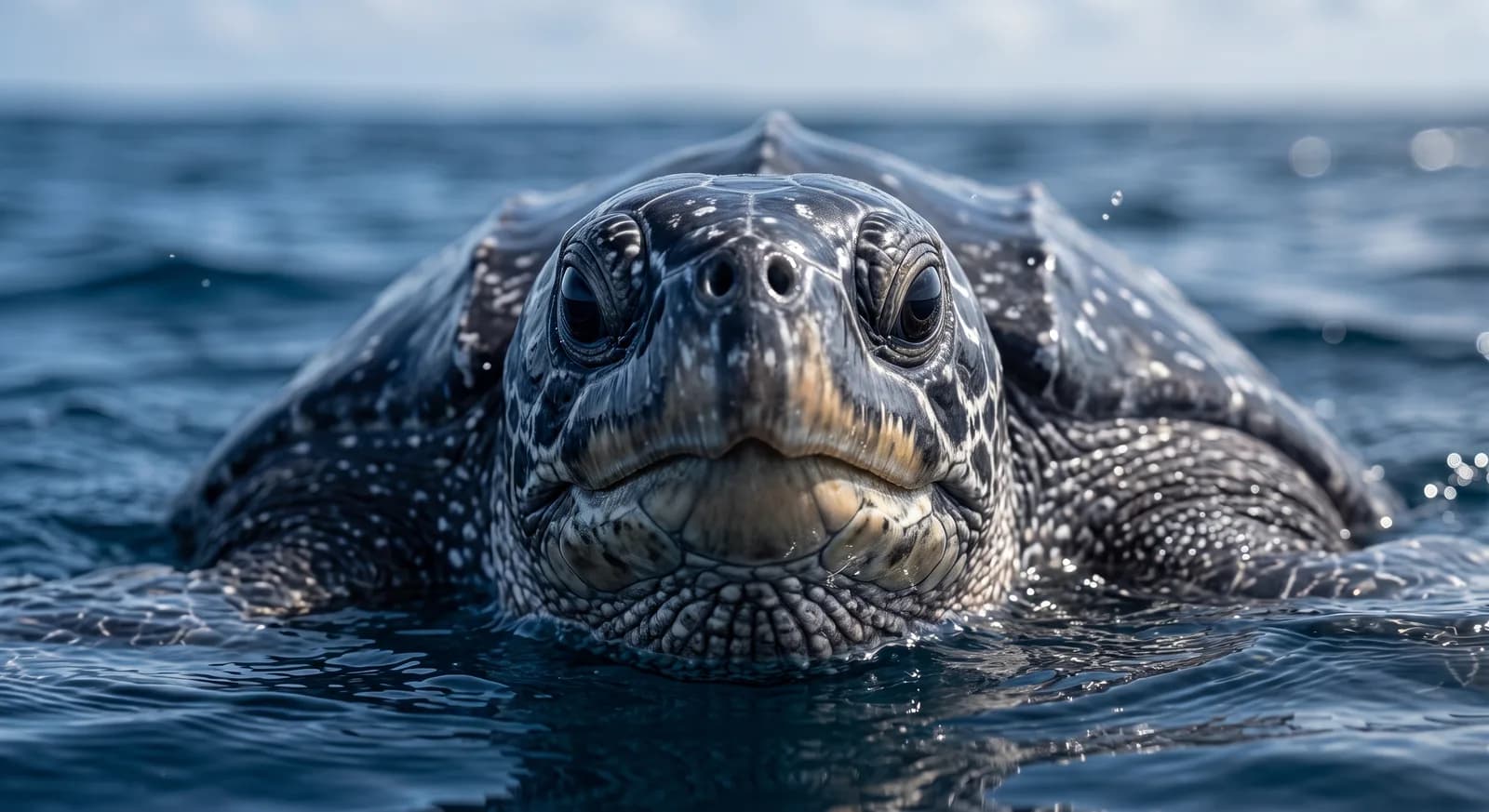 Vulnerable
Leatherback Sea Turtle
Dermochelys coriacea
Yellow-bellied Sea Snake
Hydrophis platurus
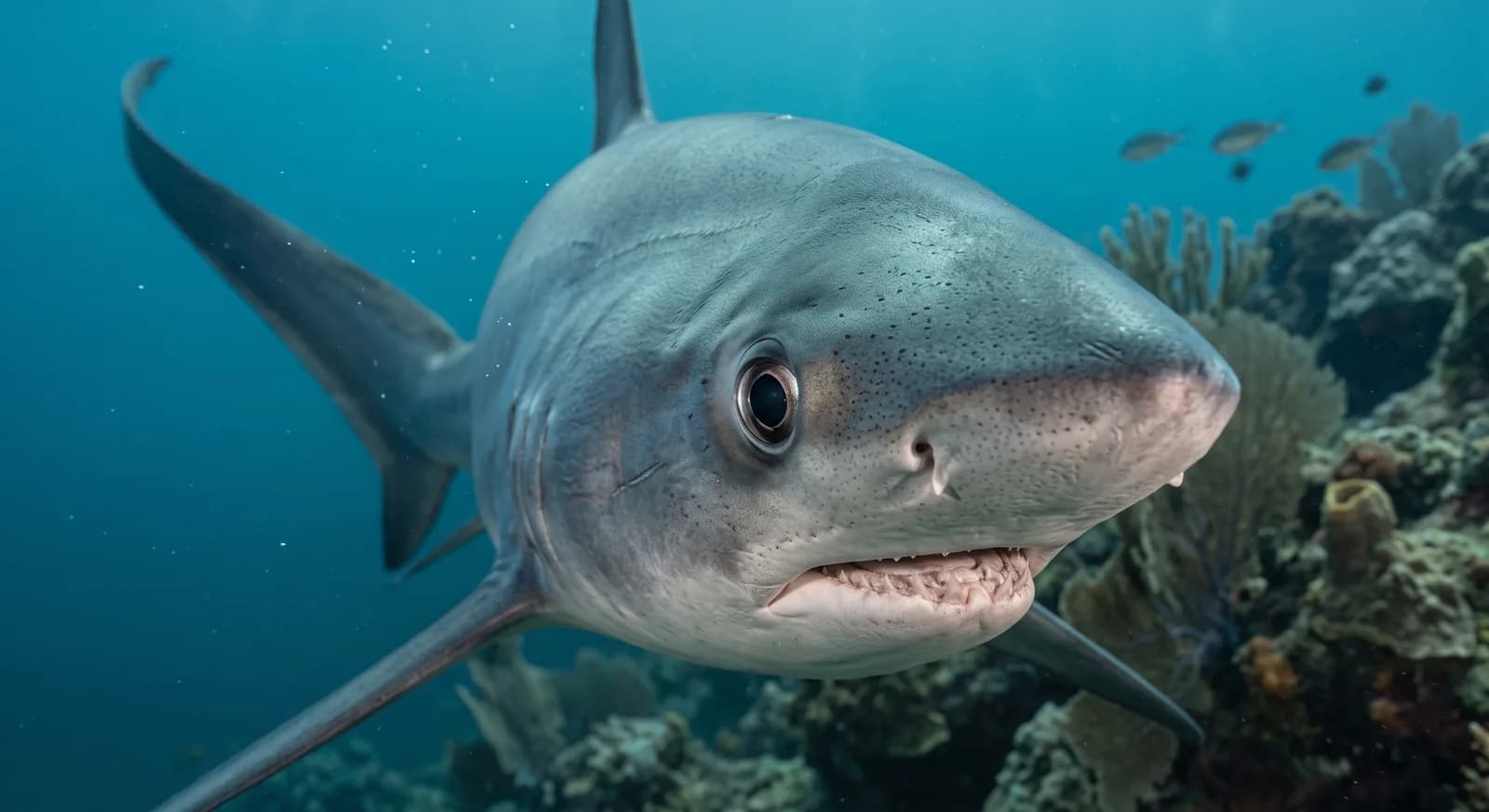 Vulnerable
Grayfish
Alopias vulpinus
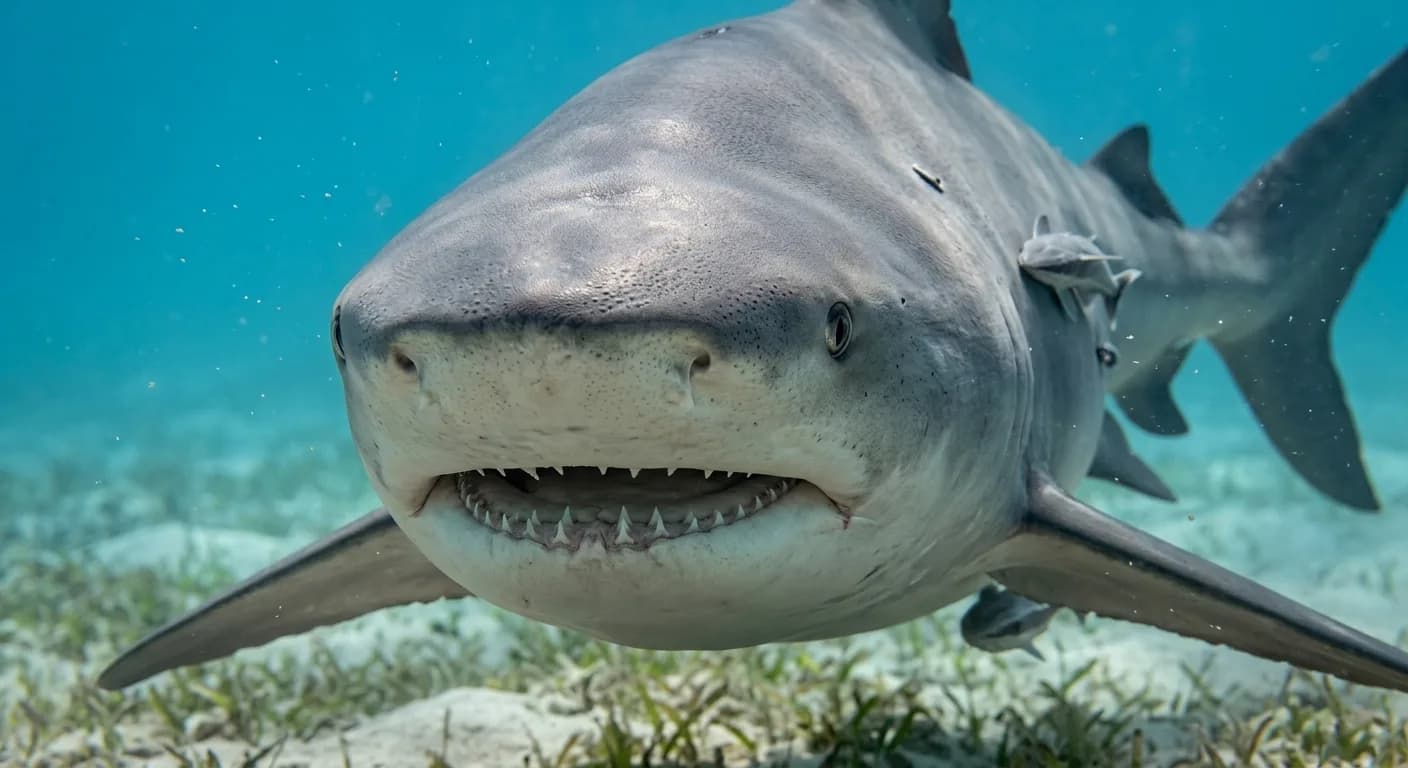 Near Threatened
Bull Shark
Carcharhinus leucas
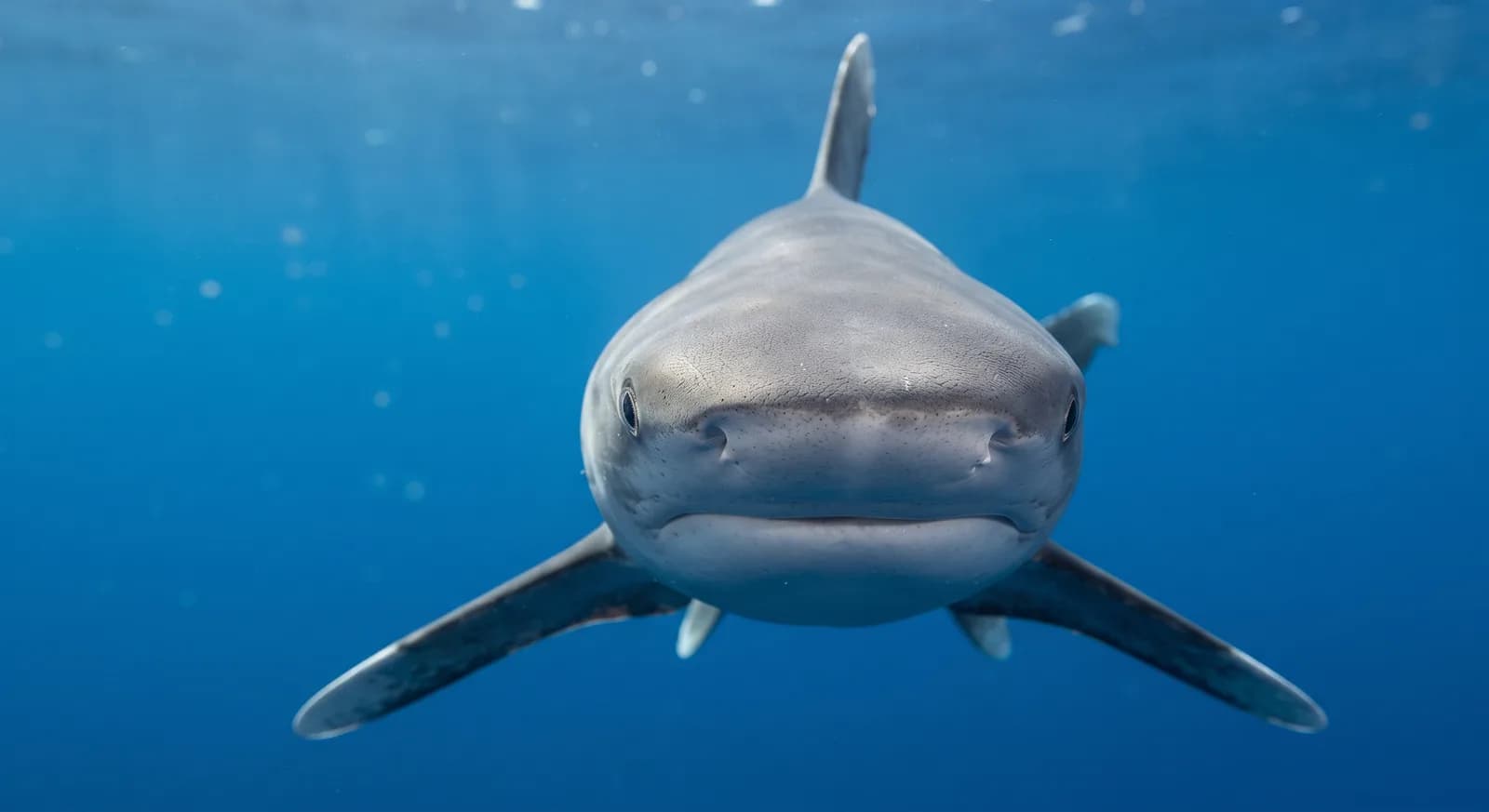
 Near Threatened
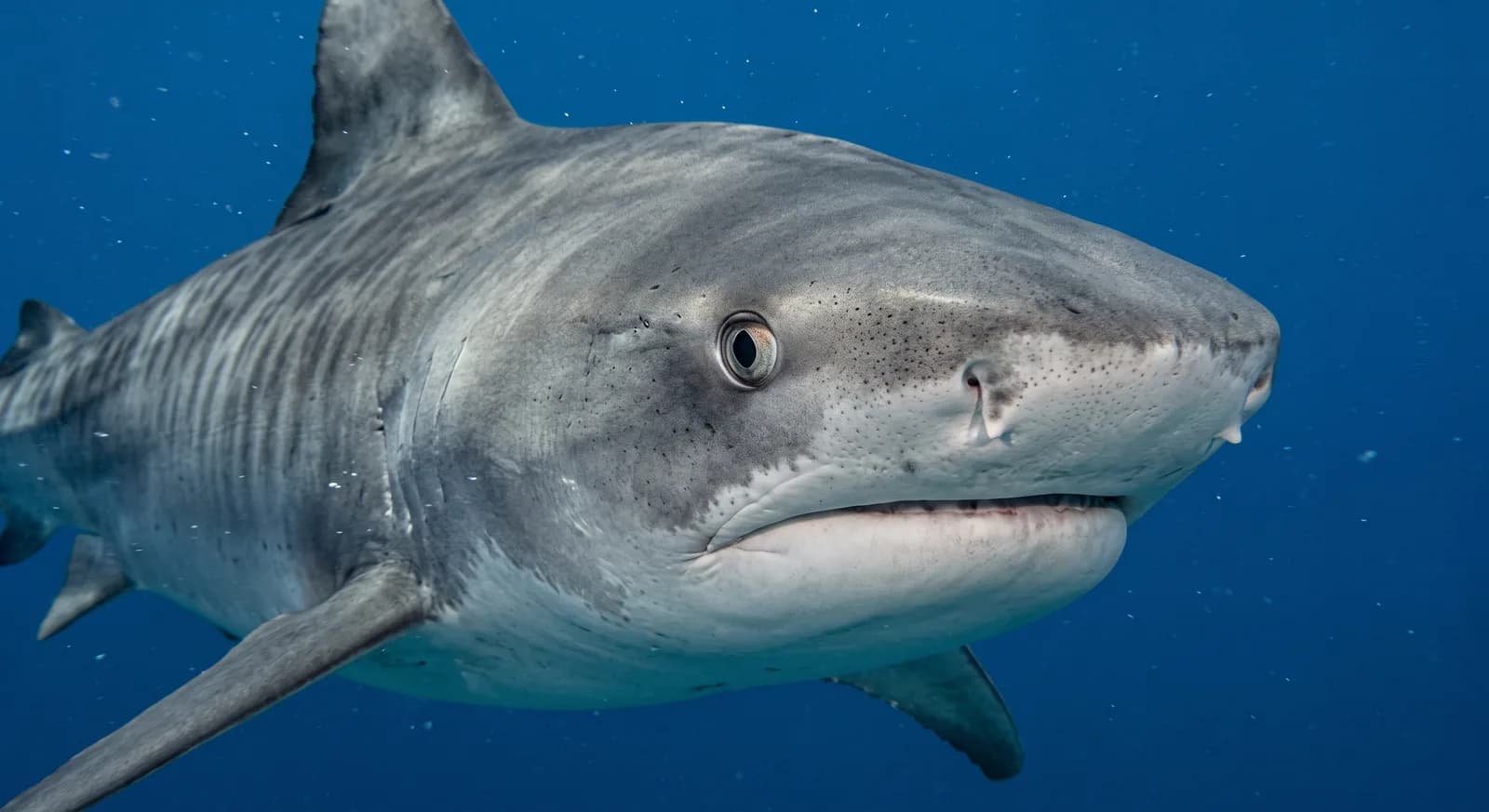
Tiger Shark
Galeocerdo cuvier
Keep exploring
Based on what we already know about ritteri anemone.
Comments
Share an experience, a fun fact or a tip for seeing the ritteri anemone.
Be the first to comment.