One of the 7 starfish on WAnimals
Starfish · Valvatida · Oreasteridae
Horned Sea Star
Protoreaster nodosus
It has not yet been assessed against the IUCN criteria. See full glossary
The chocolate chip sea star, robust and cream to reddish, with a row of dark conical tubercles along each arm. It lives on sandy bottoms and seagrass meadows, where it feeds on detritus, sponges and small invertebrates.
Size
15 cm – 30 cm
Diet
Omnivore
Combines animal and plant food depending on availability.
Social structure
Solitary
Lives and hunts alone, joining others only to breed.
Sighting difficulty
Unknown
Fun facts
- It is one of the most heavily collected sea stars in the world, sold dried as a tourist souvenir, a pressure that has wiped out whole populations in South-East Asia.
- Its tubercles often house small commensal shrimps and worms that live nowhere else.
- Like all sea stars, it moves on hundreds of hydraulic tube feet driven by a system of pressurised water canals.
- Its dark conical tubercles on a pale ground give it the name chocolate chip sea star and make it unmistakable.
- It is collected in bulk for the souvenir and ornament trade: they are dried and sold, and that pressure has cut its populations in several areas.
- It hosts commensals on its own body, among them shrimps and scale worms that live between its tubercles.
- Like all starfish, it digests outside its body: it everts its stomach over prey or sediment and absorbs the organic matter.
Life cycle & biology
- Habitat & environment
- Seagrass meadows and shallow sandy bottoms of the Indo-Pacific
Sources consulted: Linneo (1758); Bos et al. (2008); Smithsonian Marine Station
Where to find it
See its range on the interactive mapWhere to watch it
Parques y spots de buceo donde se ha documentado esta especie — se muestran 10 de 35 documentados.
Related species
Other species in the catalogue with the most in common with Horned Sea Star — same habitat, park, country, tags or family.
Snake Sea Cucumber
Synapta maculata
Golden Sandfish
Holothuria scabra
 Endangered
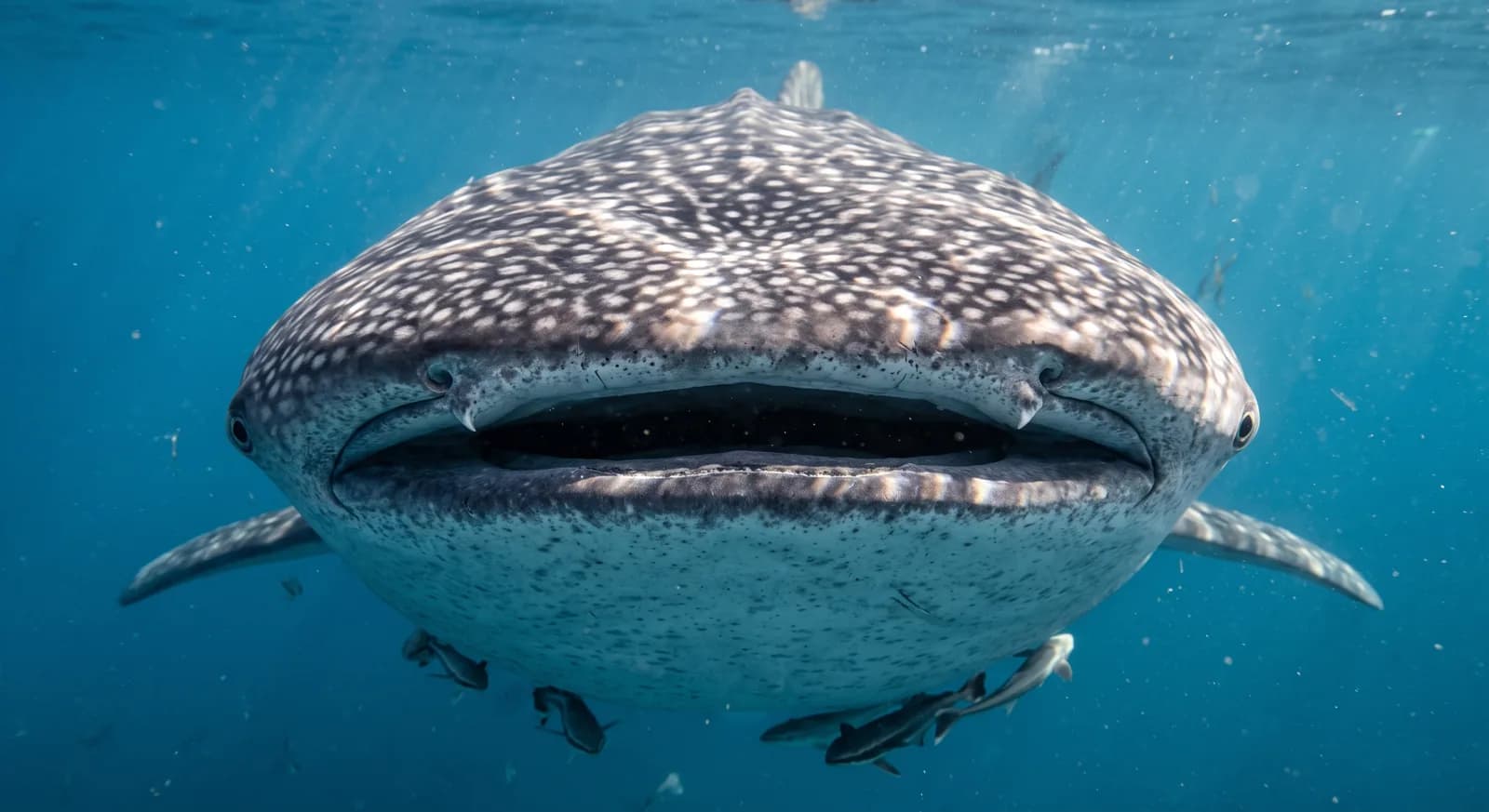
Whale Shark
Rhincodon typus
 Least Concern
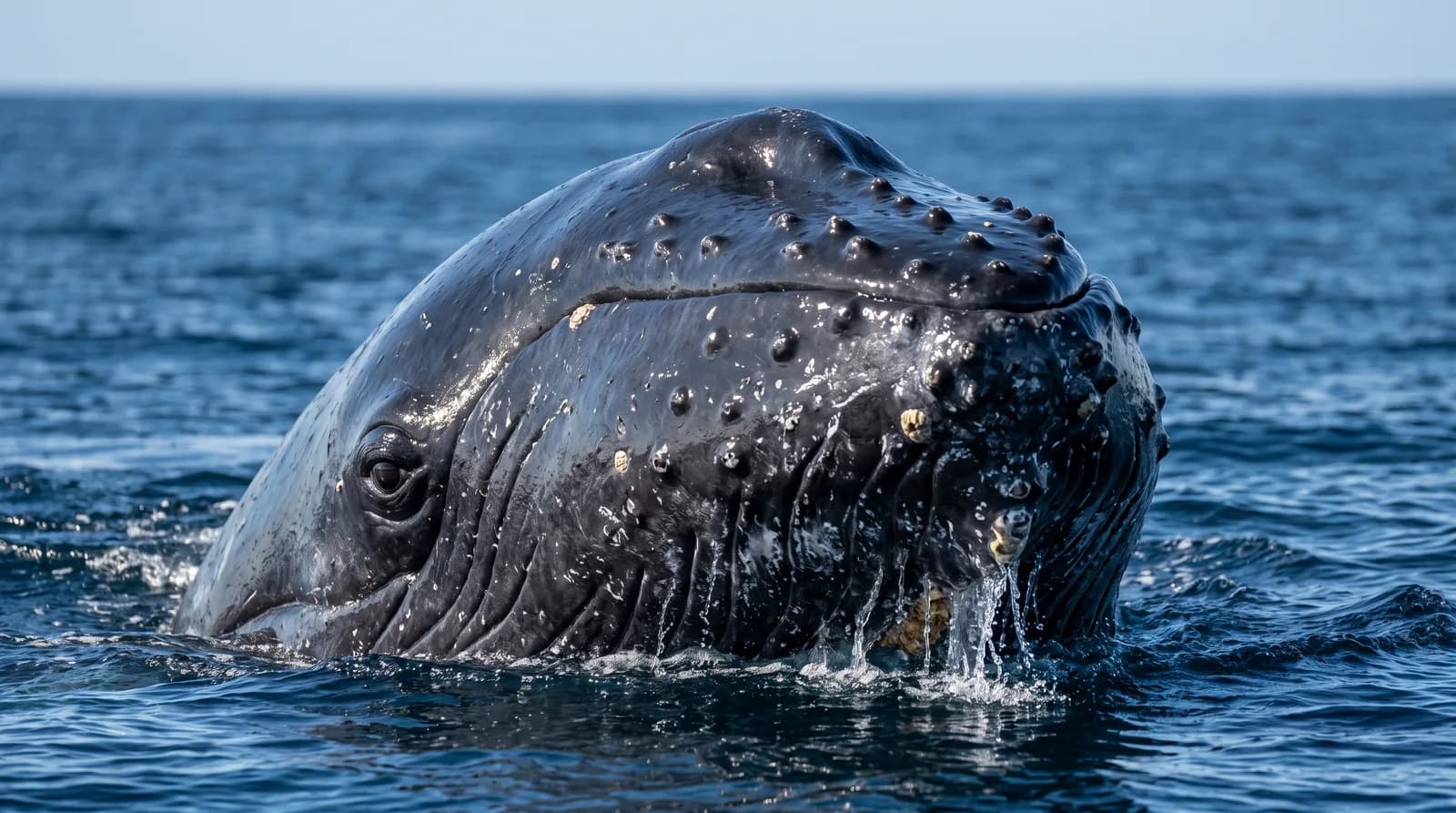
Humpback Whale
Megaptera novaeangliae
 Endangered
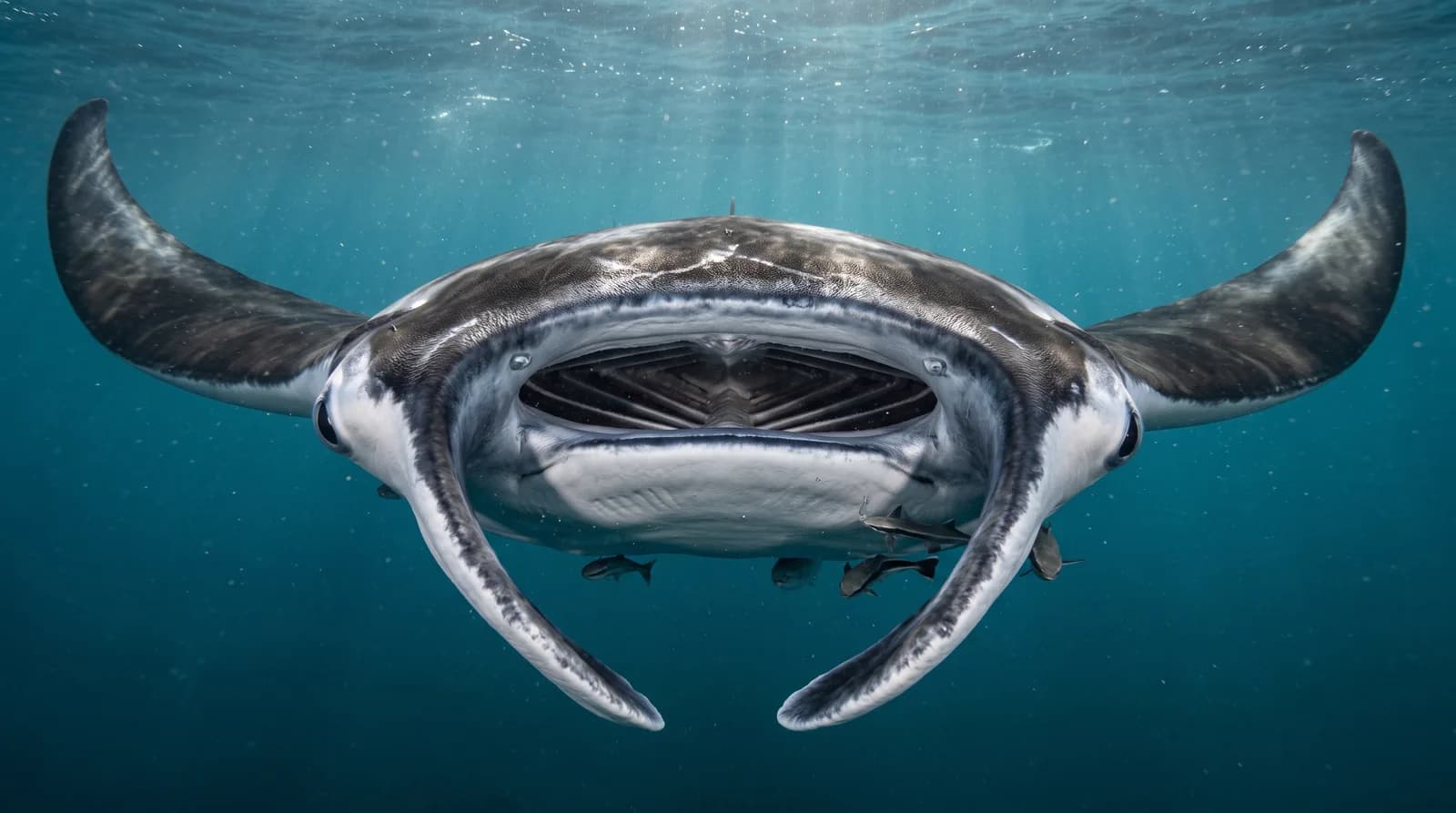
Giant Manta
Mobula birostris
Asian Tiger Shrimp
Penaeus monodon
Keep exploring
Based on what we already know about horned sea star.
Comments
Share an experience, a fun fact or a tip for seeing the horned sea star.
Be the first to comment.