One of the 15 flies on WAnimals
Insects · Diptera · Oestridae
Torsalo
Dermatobia hominis
It has not yet been assessed against the IUCN criteria. See full glossary
The torsalo — known in Spanish as rezno, ura or tórsalo (Dermatobia hominis) — is a brachyceran fly. It is the only bot fly, or oestrid, that parasitises humans, and it also parasitises many other mammals. It is the only species in the genus Dermatobia.
Size
up to 1.8 cm
Diet
Carnivore
Feeds mainly on other animals.
Social structure
Solitary
Lives and hunts alone, joining others only to breed.
Sighting difficulty
Unknown
Fun facts
- GeneralIt sticks its eggs to other insects so that they deposit them on the skin of mammals and people.
- It does not lay its eggs on the host: it catches mosquitoes and other biting insects in flight and glues its eggs to their bodies. When the mosquito lands on a warm-blooded animal, the heat of the skin makes them hatch. That strategy is called phoresy.
- It does this because the adult is large, loud and conspicuous, and could not approach without being noticed.
- The larva settles under the skin and breathes through a small central hole; the lesion is often mistaken for a bacterial boil and does not respond to antibiotics.
- The adult looks like a bumblebee: yellow face, metallic blue abdomen and orange legs covered in dense hair.
Life cycle & biology
- Skeleton type
- Invertebrate - chitin exoskeleton (insect)
- Habitat & environment
- Rainforest and rural tropical country
- Gestation / incubation
- The larva spends between 5 and 10 weeks under the host's skin; the full cycle takes about three or four months
- Litter / clutch size
- From 100 to 400 eggs, spread among different mosquitoes over 8 or 9 days
Sources consulted: https://es.wikipedia.org/wiki/Dermatobia_hominis
Where to find it
See its range on the interactive mapRelated species
Other species in the catalogue with the most in common with Torsalo — same habitat, park, country, tags or family.
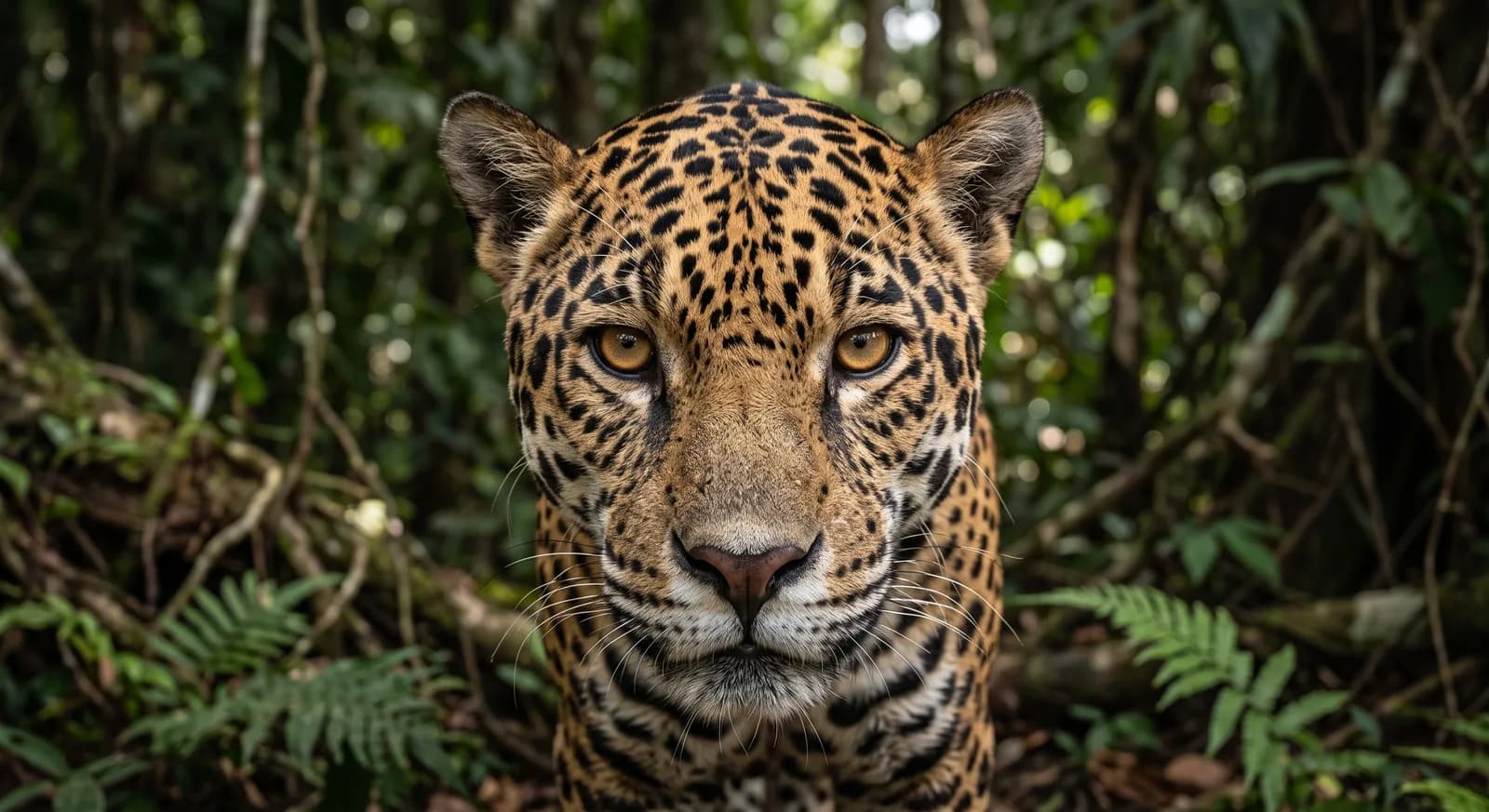 Near Threatened
Jaguar
Panthera onca
Water Opossum
Chironectes minimus
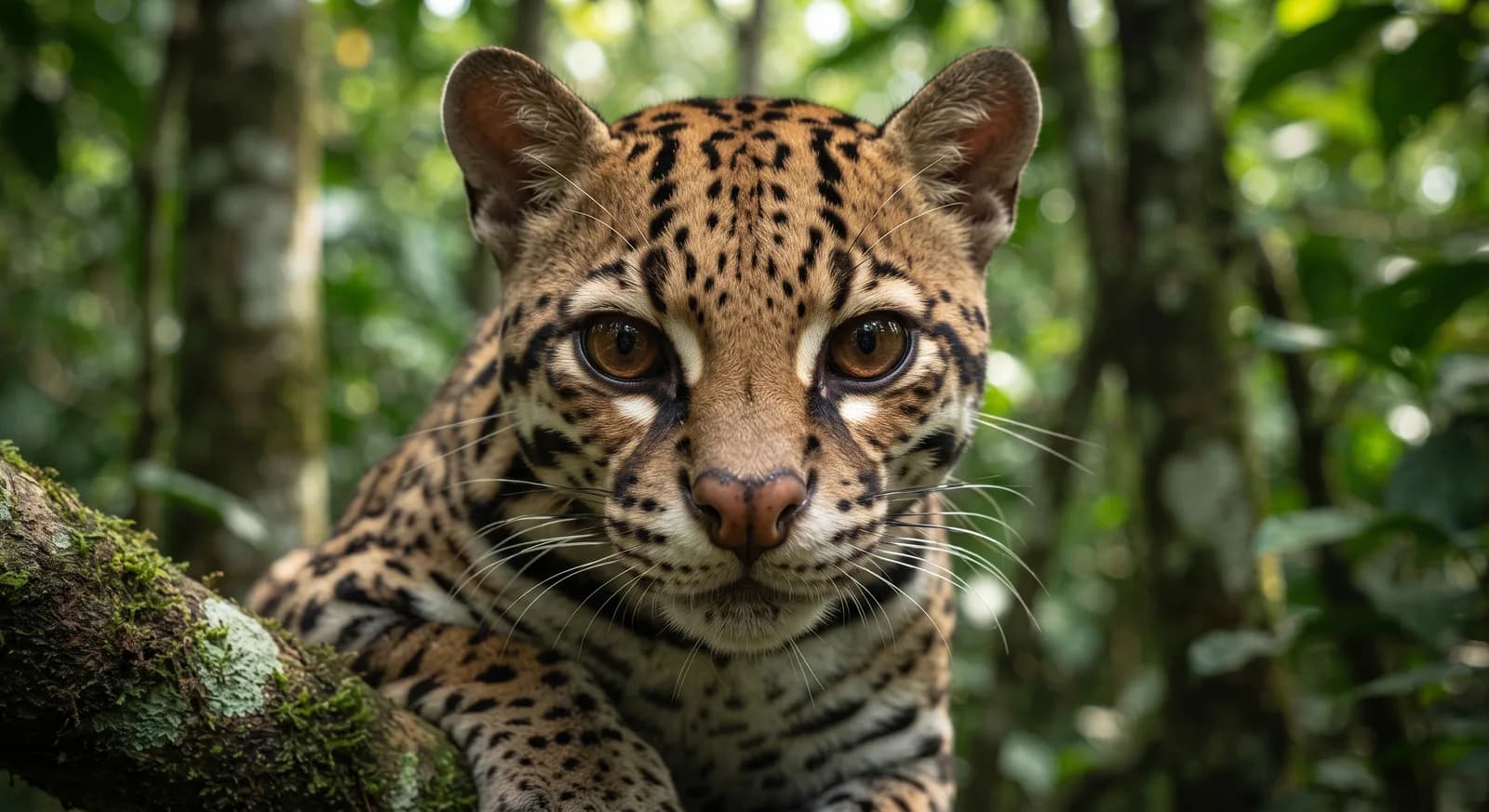 Least Concern
Ocelot
Leopardus pardalis
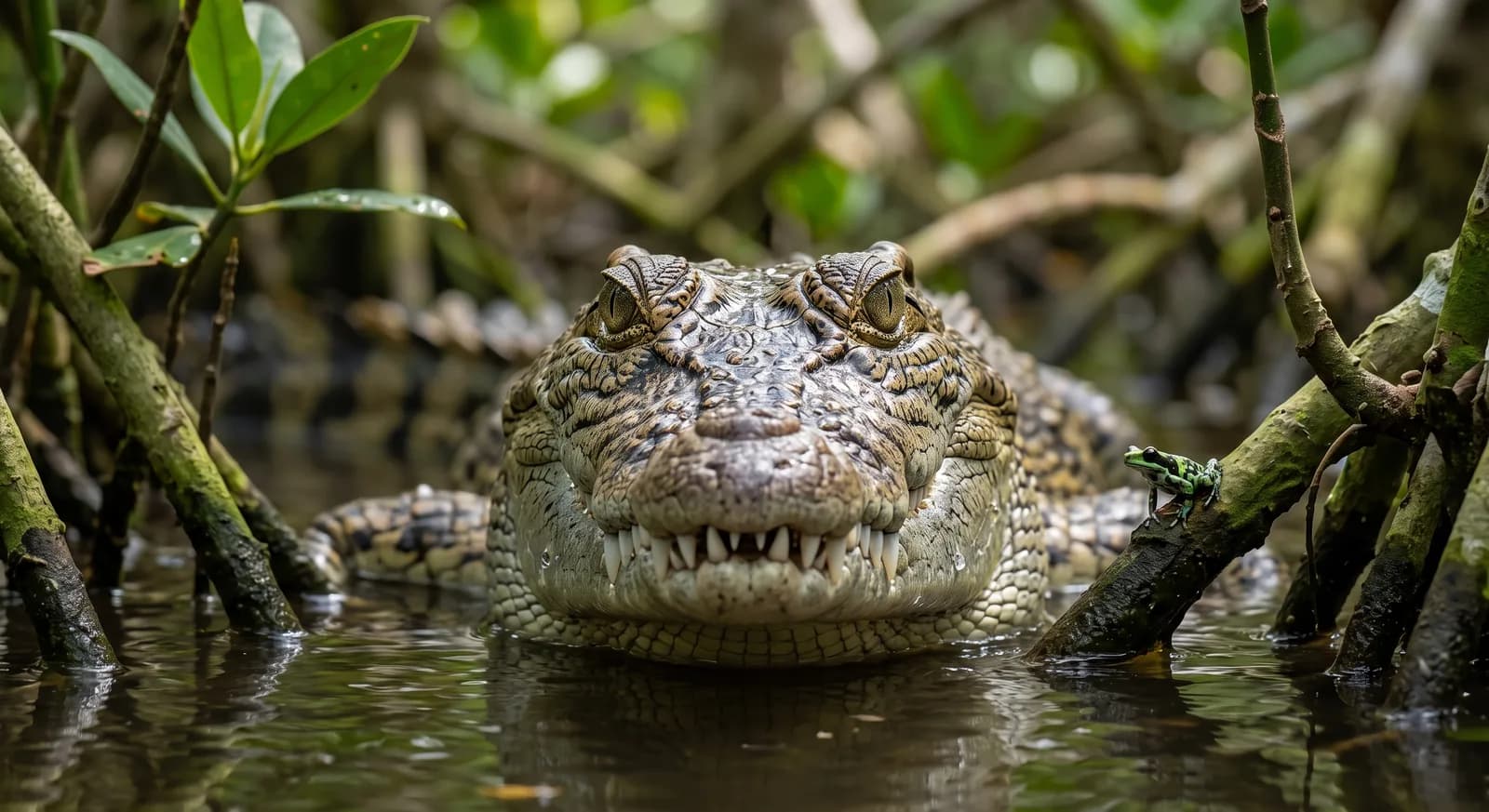 Least Concern
Morelet's Crocodile
Crocodylus moreletii
Dwarf Caiman
Paleosuchus palpebrosus
Burmese Python
Python bivittatus
Keep exploring
Based on what we already know about torsalo.
Comments
Share an experience, a fun fact or a tip for seeing the torsalo.
Be the first to comment.