Luxembourg
Europa
Despite its small size, Luxembourg keeps more than a third of its surface under forest, a high proportion for western Europe. The north, the Oesling, is part of the Ardennes massif: slate relief, valleys cut deep by the Our and Sûre rivers, and beech and oak woods where red deer, roe deer, wild boar and a well-established population of European wildcat live, one of the best studied on the continent thanks to genetic monitoring by hair traps. The south, the Gutland, is gentler and agricultural, with sandstone outcrops in the Mullerthal region that form damp, shady gorges, a refuge for amphibians, ferns and mosses. The wetlands of Haff Réimech, former gravel pits in the Moselle valley, have been turned into the country's main bird reserve, with more than two hundred species recorded.
The nature of Luxembourg
National animal: No official national animal; the red lion is the heraldic emblem
Did you know?
Luxembourg was one of the first countries to build wildlife overpasses designed specifically for the European wildcat, whose territories were being cut in two by the motorways. Genetic studies have shown that hybridisation with domestic cats is lower here than in neighbouring countries, which makes its population a genetic reserve of real importance for the species on a European scale.
Biodiversity profile
Climate
- •Oceanico templado (Cfb), con matices continentales hacia el este
Main biomes
- •Bosque caducifolio templado (cubre una porcion significativa del territorio)
- •Valles fluviales y bosques de ribera
- •Bosque de hayas
- •Valle fluvial encajado
- •Desfiladero de arenisca
- •Humedal de gravera
- •Prado de siega
- •Viñedo de ladera
- •Bosque ribereño
Marine and coastal ecosystems
- •No aplica (pais sin litoral)
Flagship wildlife
- •Ciervo rojo
- •Jabali europeo
- •Especies forestales tipicas de Europa Central (aves de bosque, pequeños mamiferos)
- •Gato montés europeo
- •Corzo
- •Jabalí
- •Nutria paleártica
- •Cigüeña negra
- •Milano real
- •Martín pescador
- •Salamandra común
- •Murciélago de herradura
Notable endemic species
- •Endemismo estricto no significativo dado el reducido tamaño y la homogeneidad biogeografica del territorio con la region circundante de Europa Occidental
Notable threatened species
- •Dato no disponible con precision agregada especifica en fuentes verificadas consultadas
Notable protected areas
- •Red de sitios Natura 2000 que cubren mas de la mitad del territorio nacional
- •Parque Natural del Our
- •Parque Natural de la Haute-Sûre
- •Región del Mullerthal
- •Reserva Natural Haff Réimech
- •Valle del Mosela
- •Reserva Natural Grunewald
Main conservation threats
- •Presion urbana en un territorio muy reducido y densamente poblado en su capital
- •Fragmentacion de habitat pese a la alta cobertura formal de proteccion
Conservation
One of the countries with the highest traffic density in Europe, it has committed to ecological corridors and wildlife crossings. The water quality of the Sûre and the Alzette conditions the otter's recovery.
Where and when to watch wildlife
The Our valley in autumn for the red deer rut. Haff Réimech between October and March for wintering waterbirds. The Mullerthal in spring for amphibians and woodland birds.
Sources: biodiversity.europa.eu - Luxembourg country profile | biodiversity.europa.eu - Coverage representativity
Países similares
¿A dónde más podría interesarme viajar?
Misma región: Europa Occidental
Misma región: Europa Occidental
Misma región: Europa Occidental
Misma región: Europa Occidental
Especies documentadas en Luxembourg
390 species found
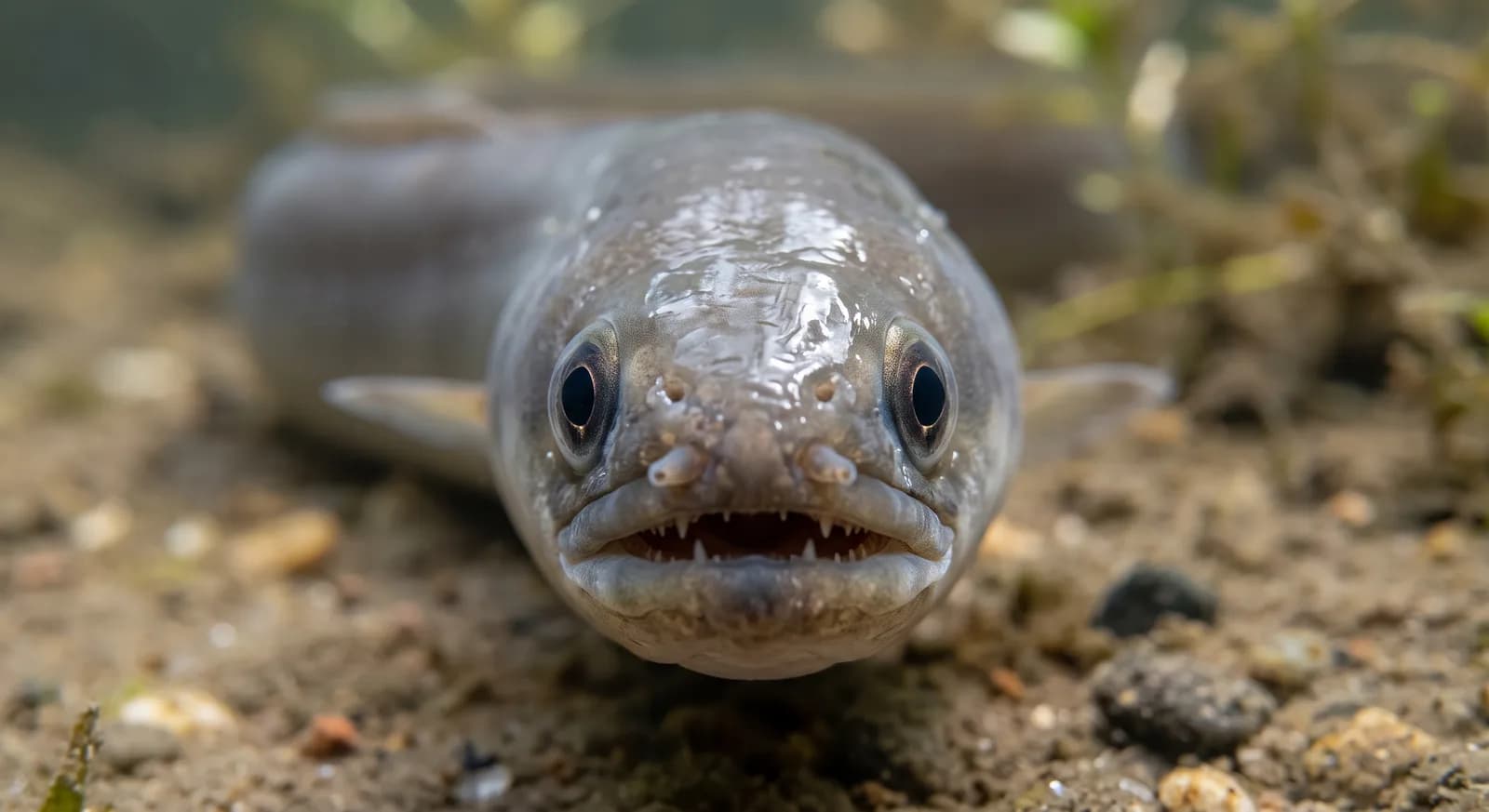 Critically Endangered
European Eel
Anguilla anguilla
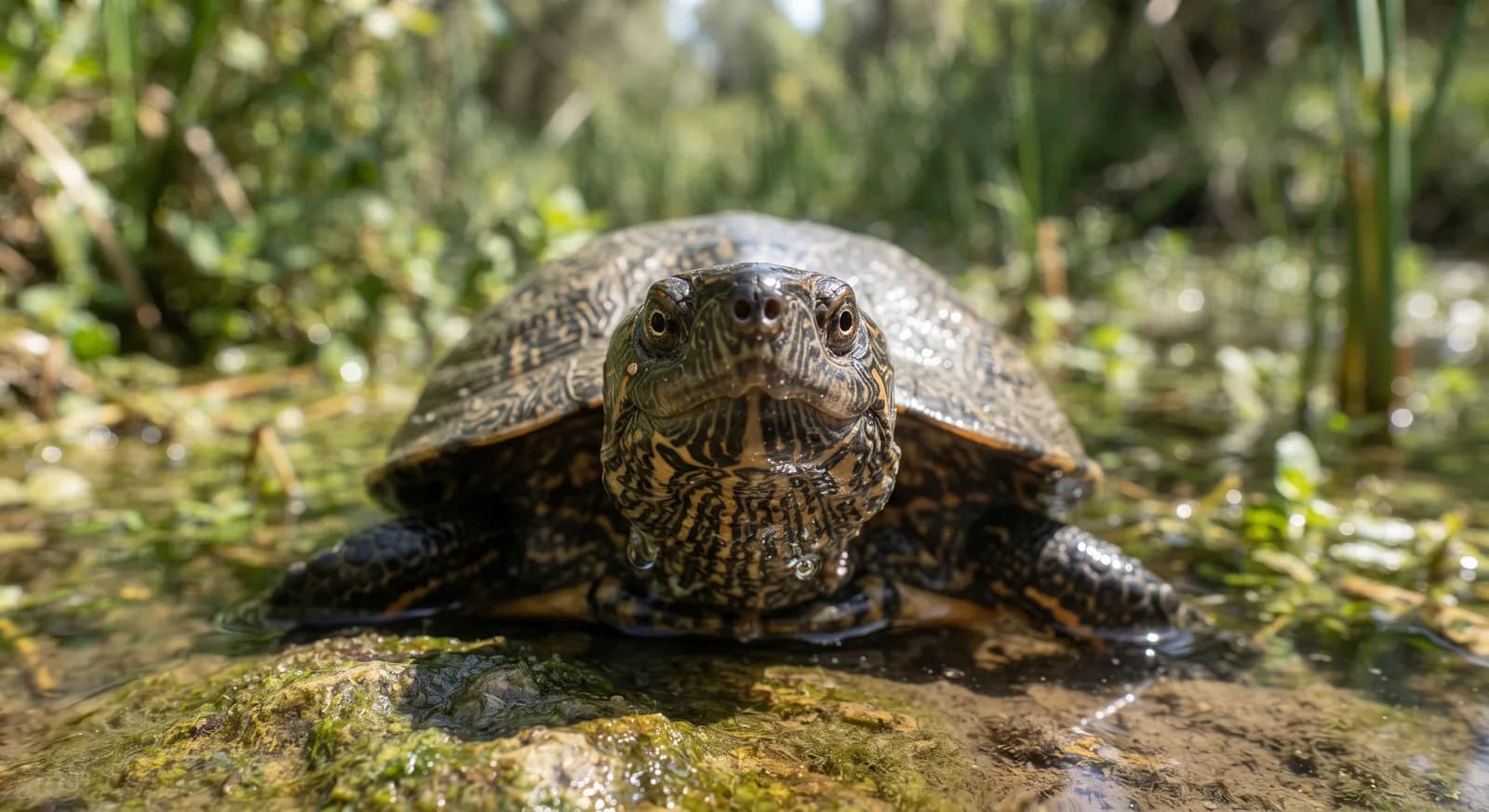 Vulnerable
Spanish Terrapin
Mauremys leprosa
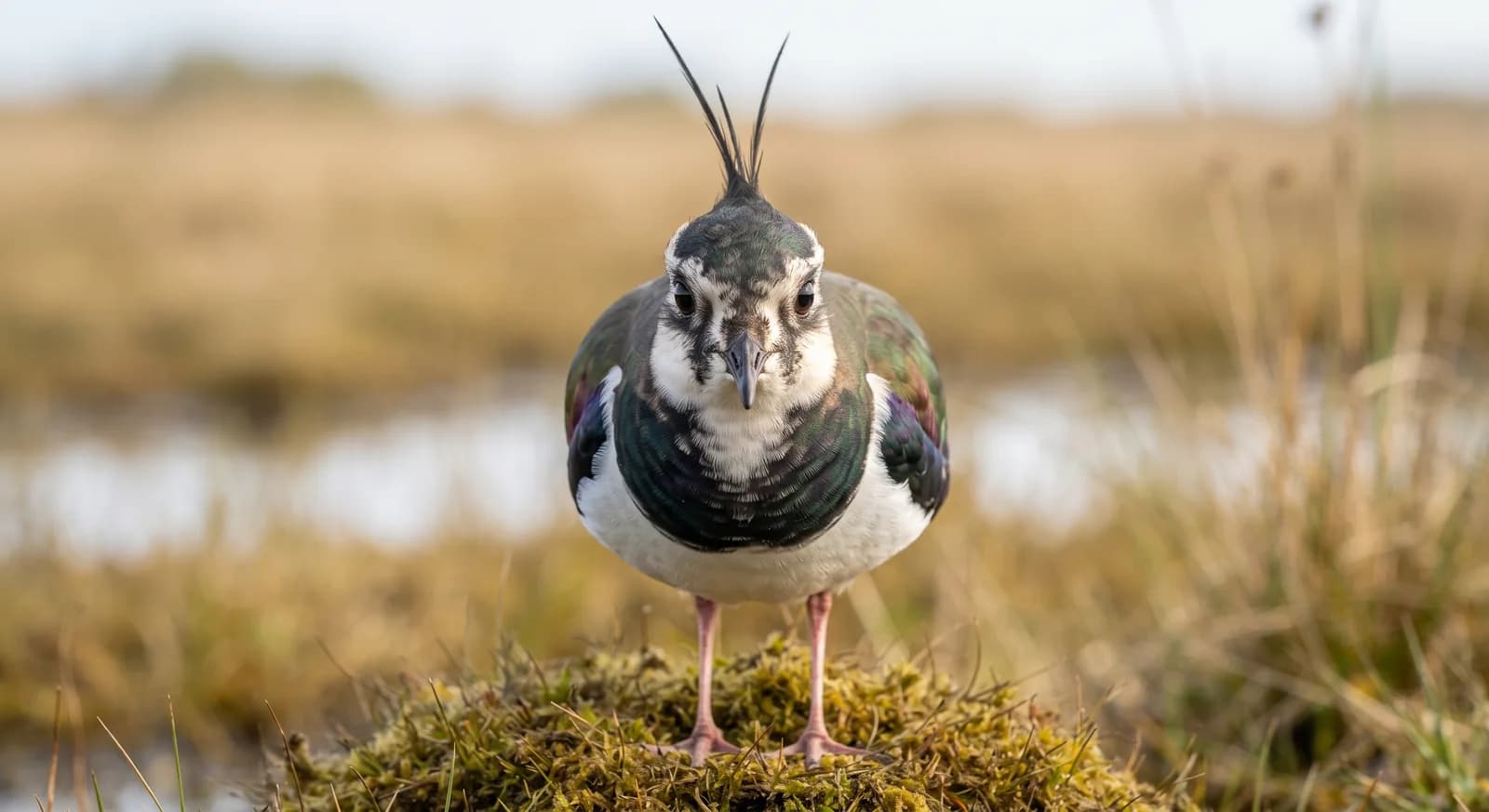 Near Threatened
Northern Lapwing
Vanellus vanellus
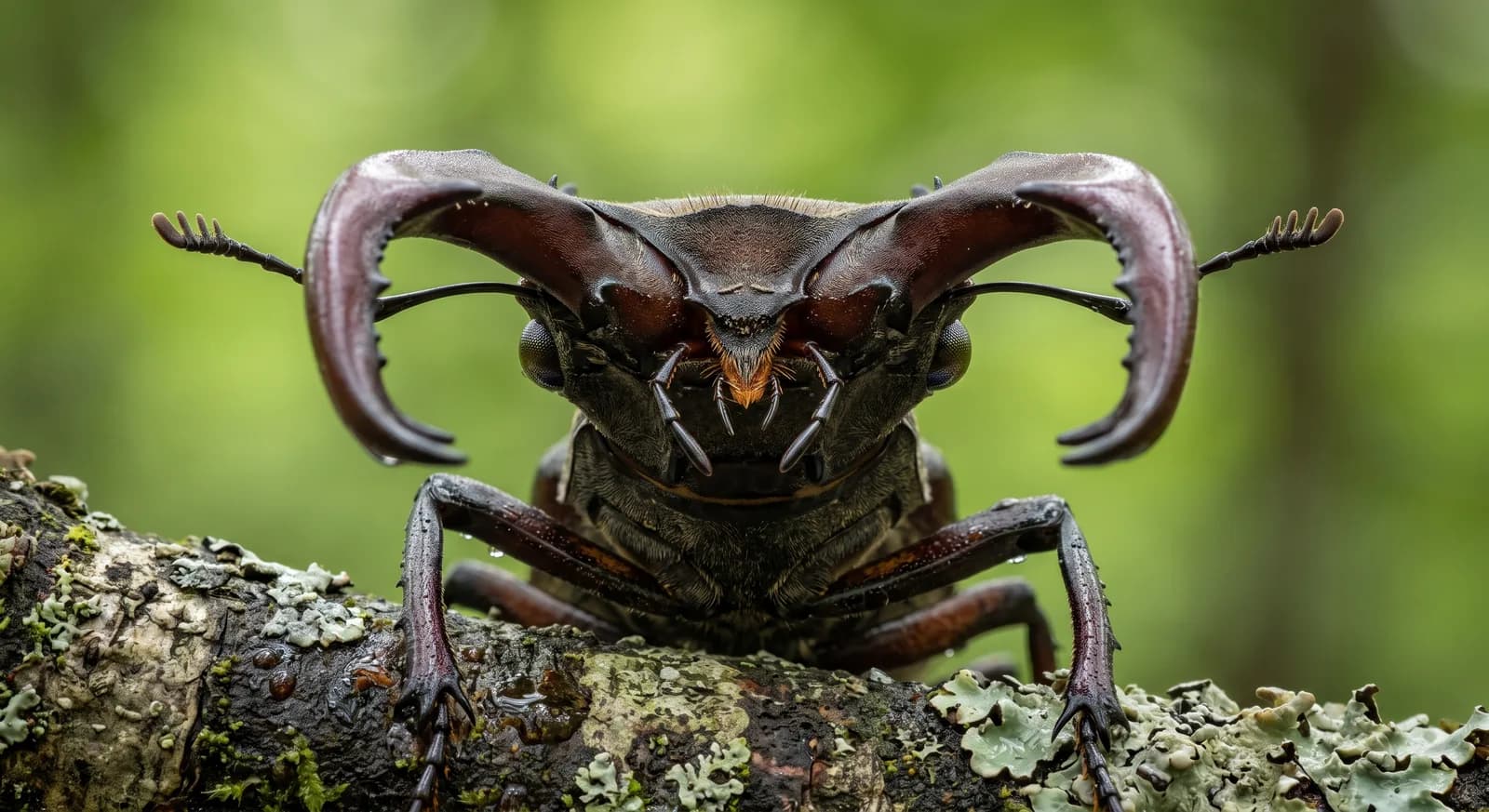 Near Threatened
Stag Beetle
Lucanus cervus
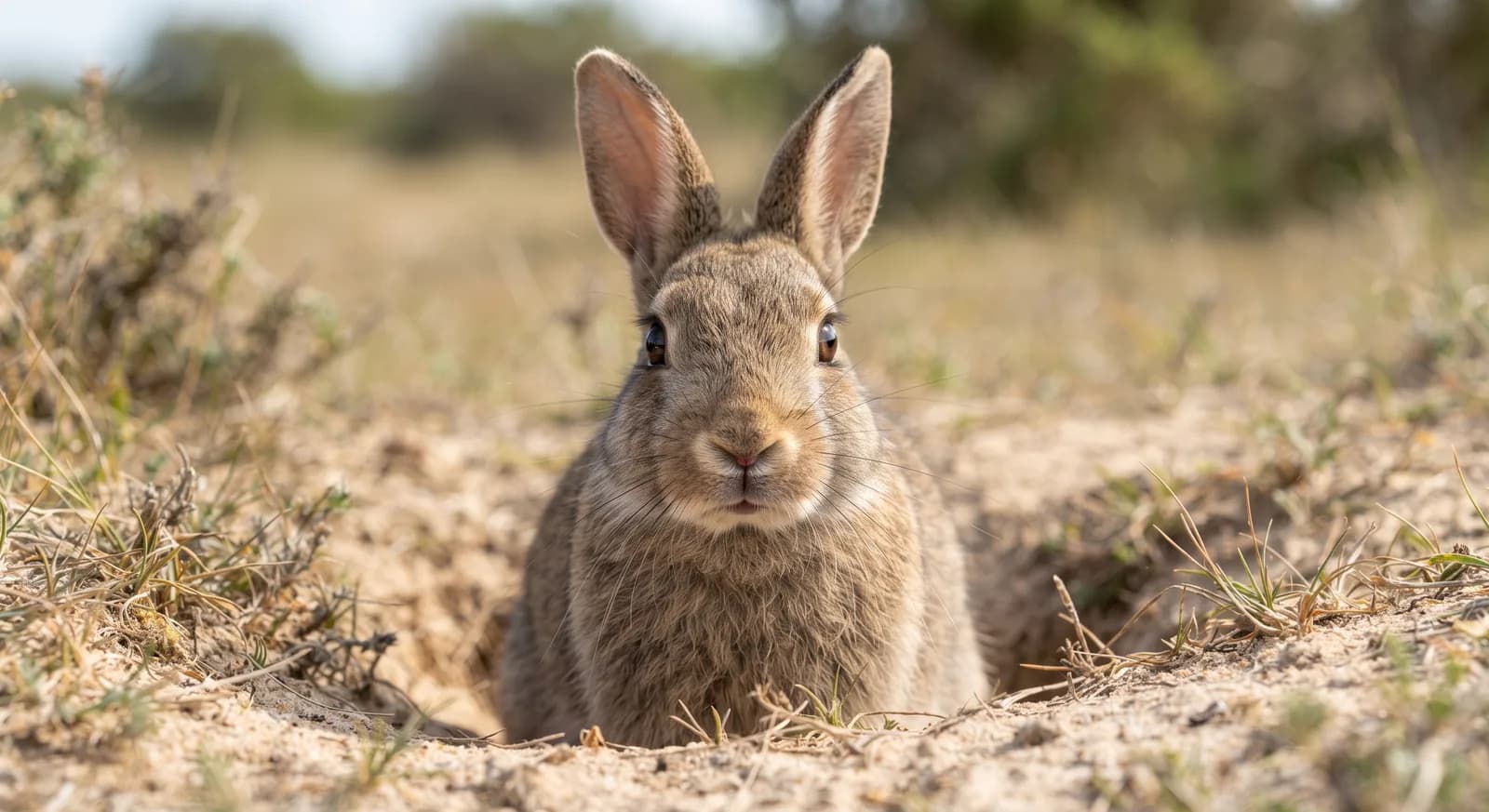 Near Threatened
European Rabbit
Oryctolagus cuniculus
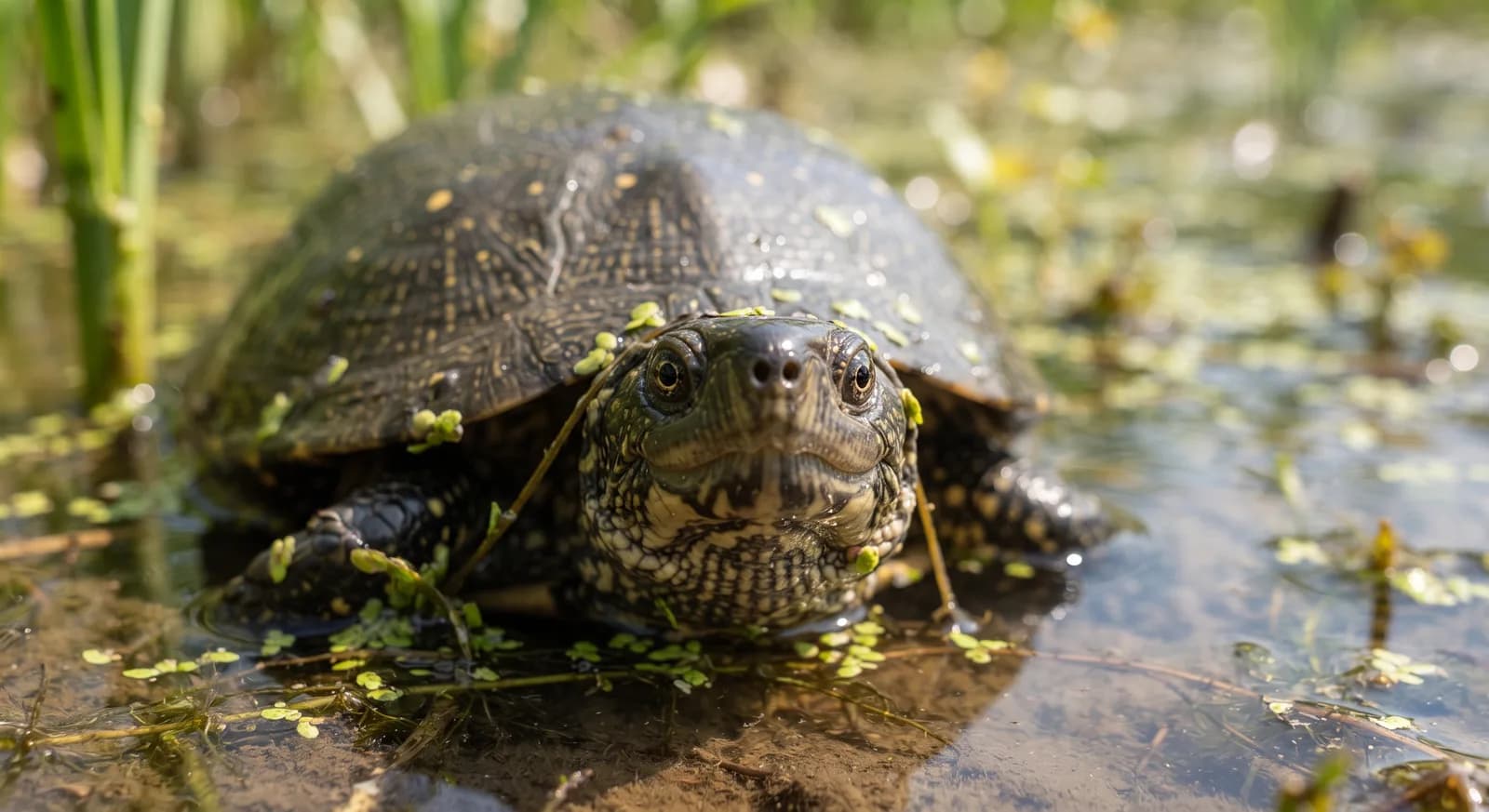 Near Threatened
European Pond Turtle
Emys orbicularis
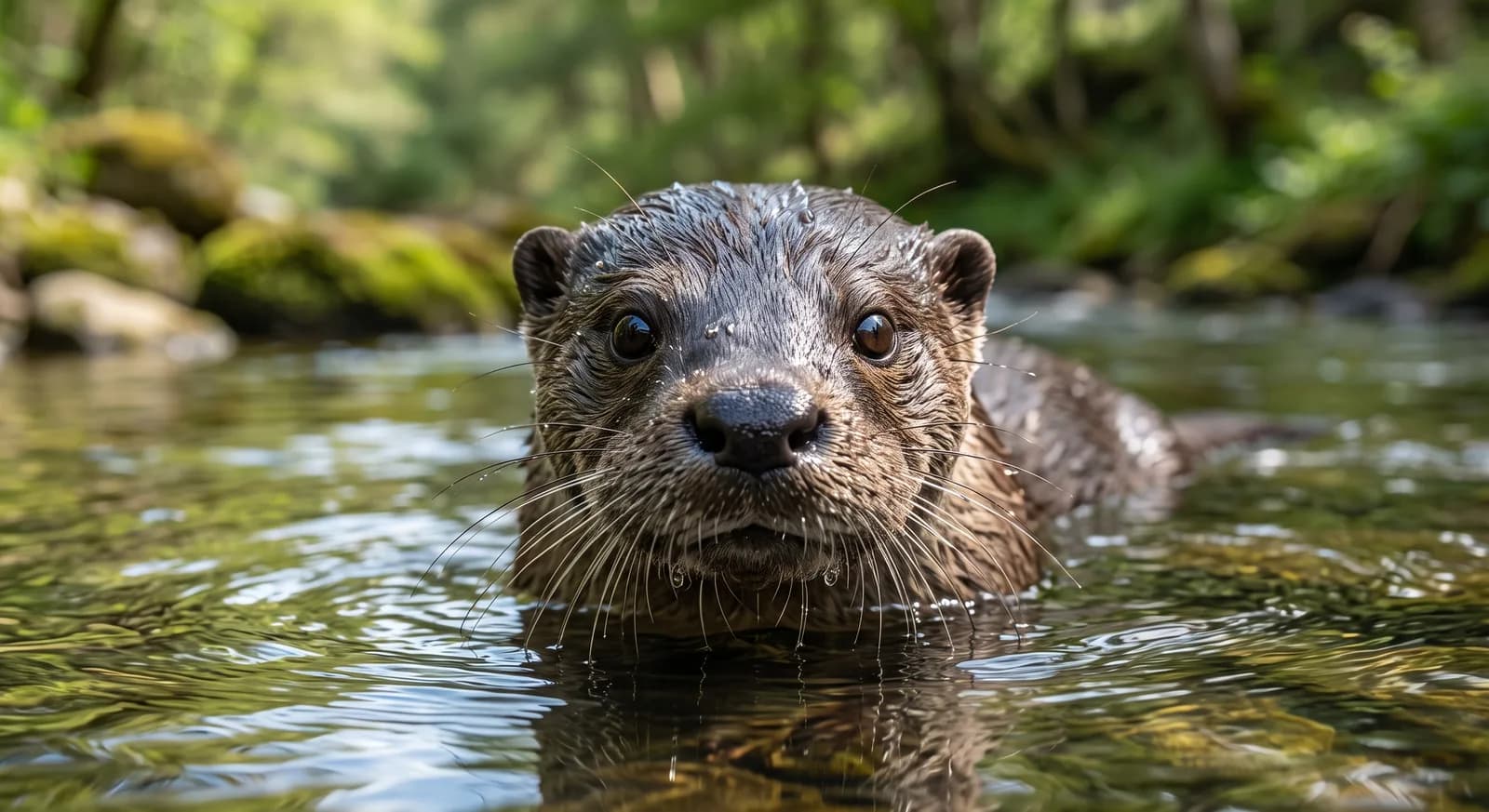 Near Threatened
European Otter
Lutra lutra
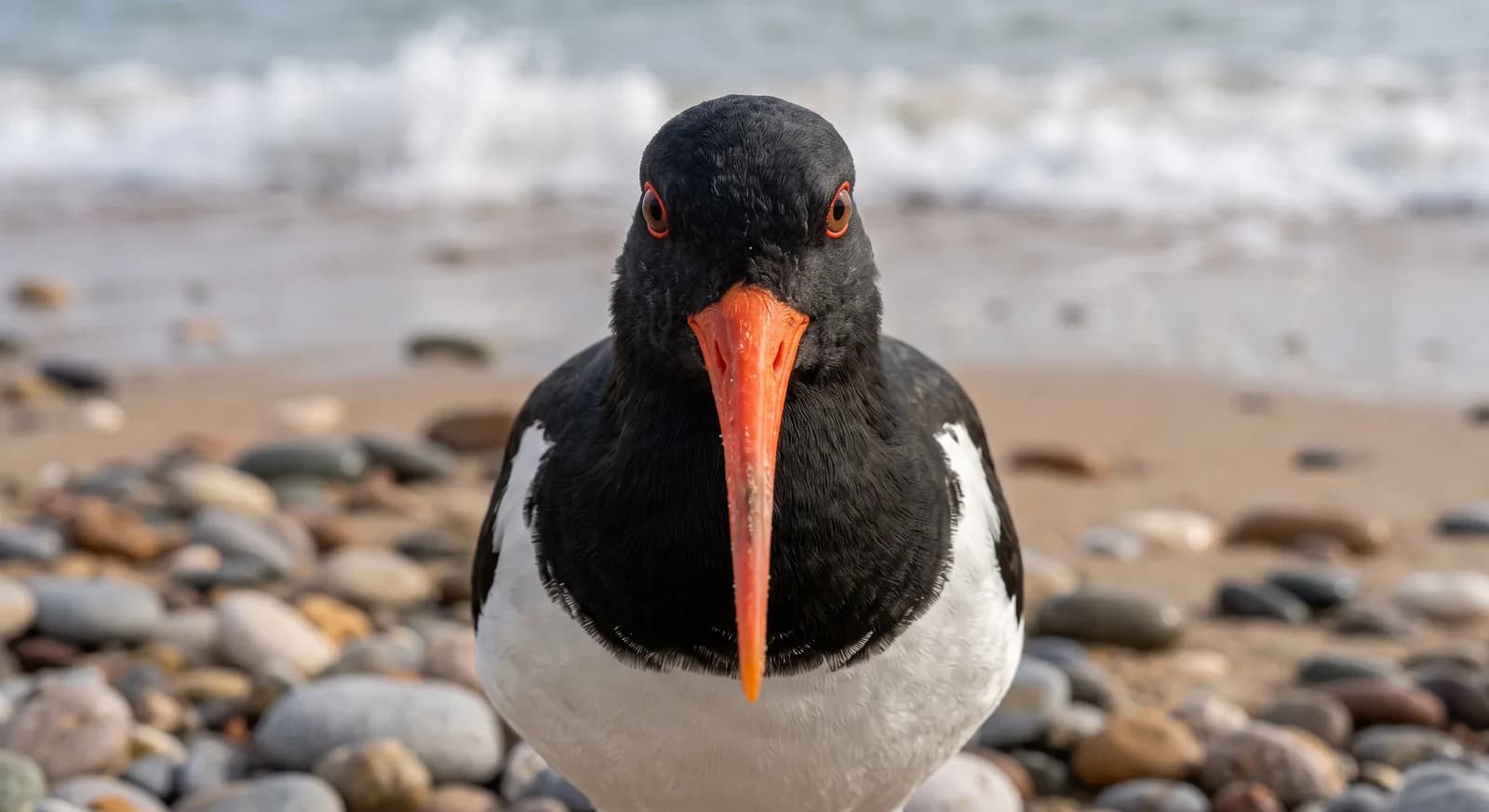 Near Threatened
Eurasian Oystercatcher
Haematopus ostralegus
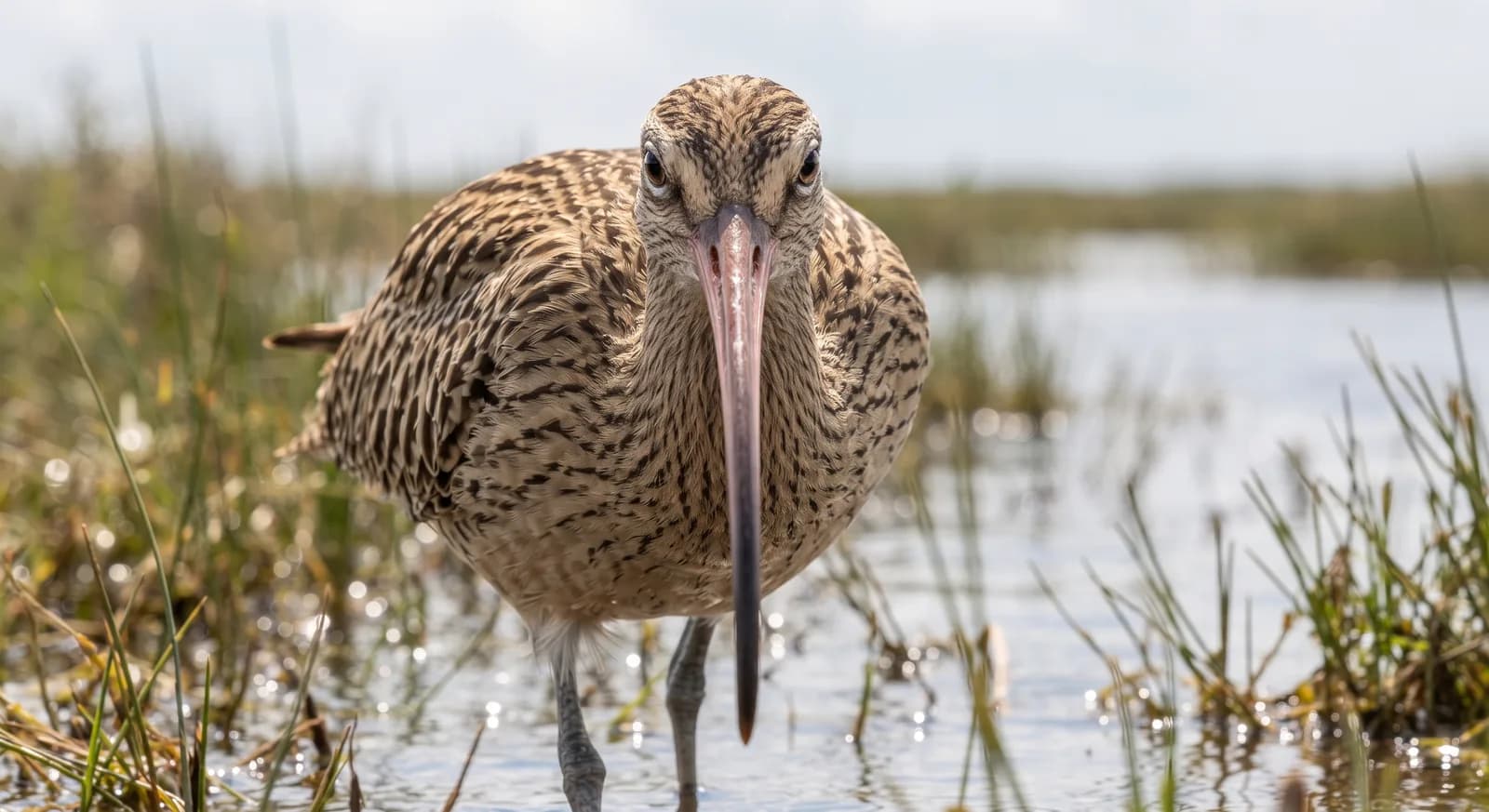 Near Threatened
Eurasian Curlew
Numenius arquata
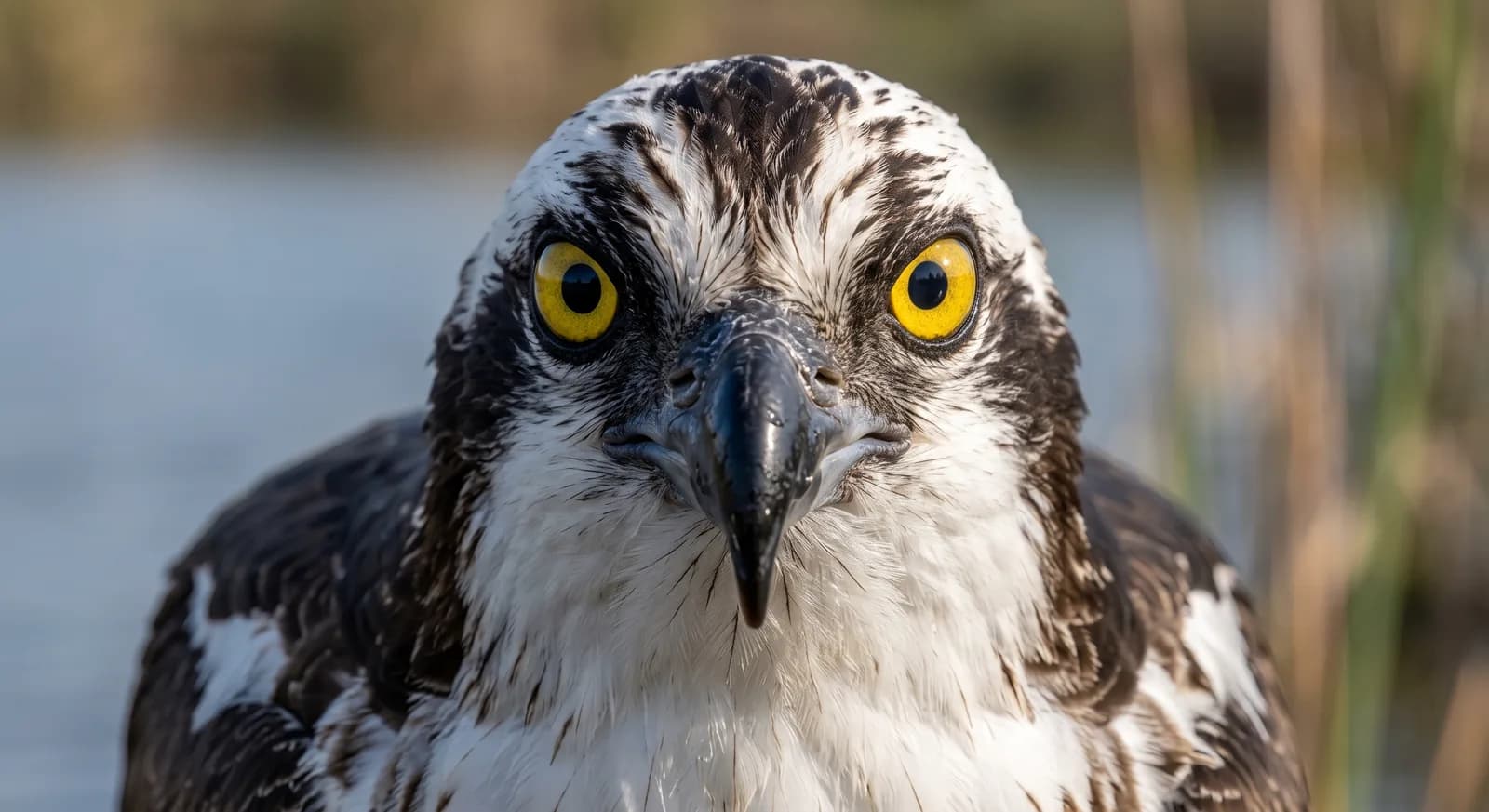 Least Concern
Osprey
Pandion haliaetus
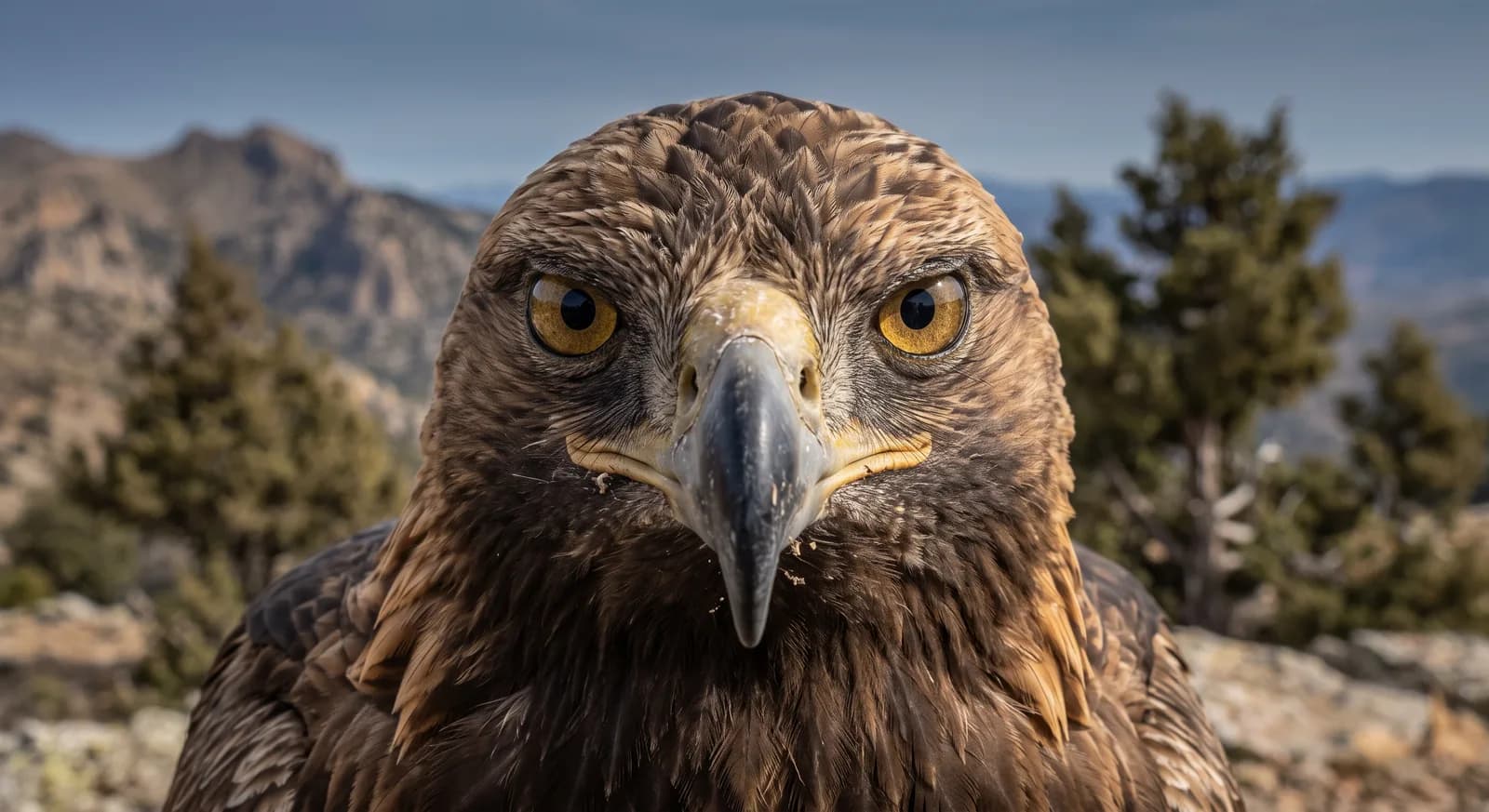 Least Concern
Golden Eagle
Aquila chrysaetos
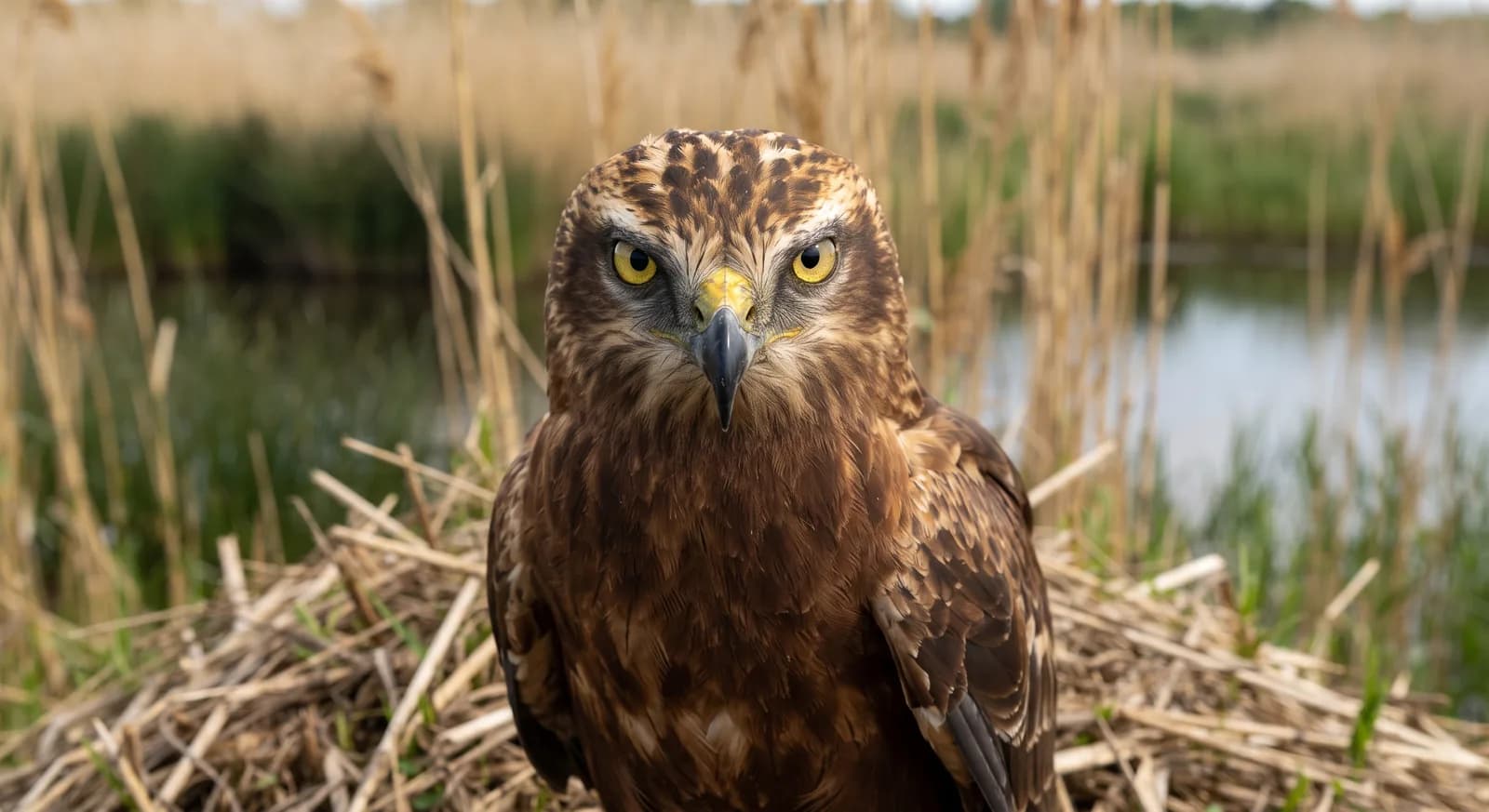 Least Concern
Western Marsh Harrier
Circus aeruginosus
Keep exploring
Based on what we already know about Luxembourg.