Montenegro
Europa
Montenegro packs high mountains, extreme canyons, glacial lakes, primeval forest and Mediterranean coast into less than fourteen thousand square kilometres. The canyon of the Tara river reaches close to 1,300 metres deep and is the deepest in Europe, cut into the limestone of the Durmitor massif. Biogradska Gora protects one of the last primeval forests on the continent, with trees half a millennium old around a glacial lake. Lake Skadar, the largest in the Balkans and shared with Albania, is a mosaic of reedbeds, water lilies and shallow water that works as one of the most important wetlands in the Mediterranean. On the coast, the Ulcinj salt pans concentrate tens of thousands of migrating birds each year between Europe and Africa, flamingos among them.
The nature of Montenegro
National animal: No official national animal; the double-headed eagle is the state's heraldic emblem
Did you know?
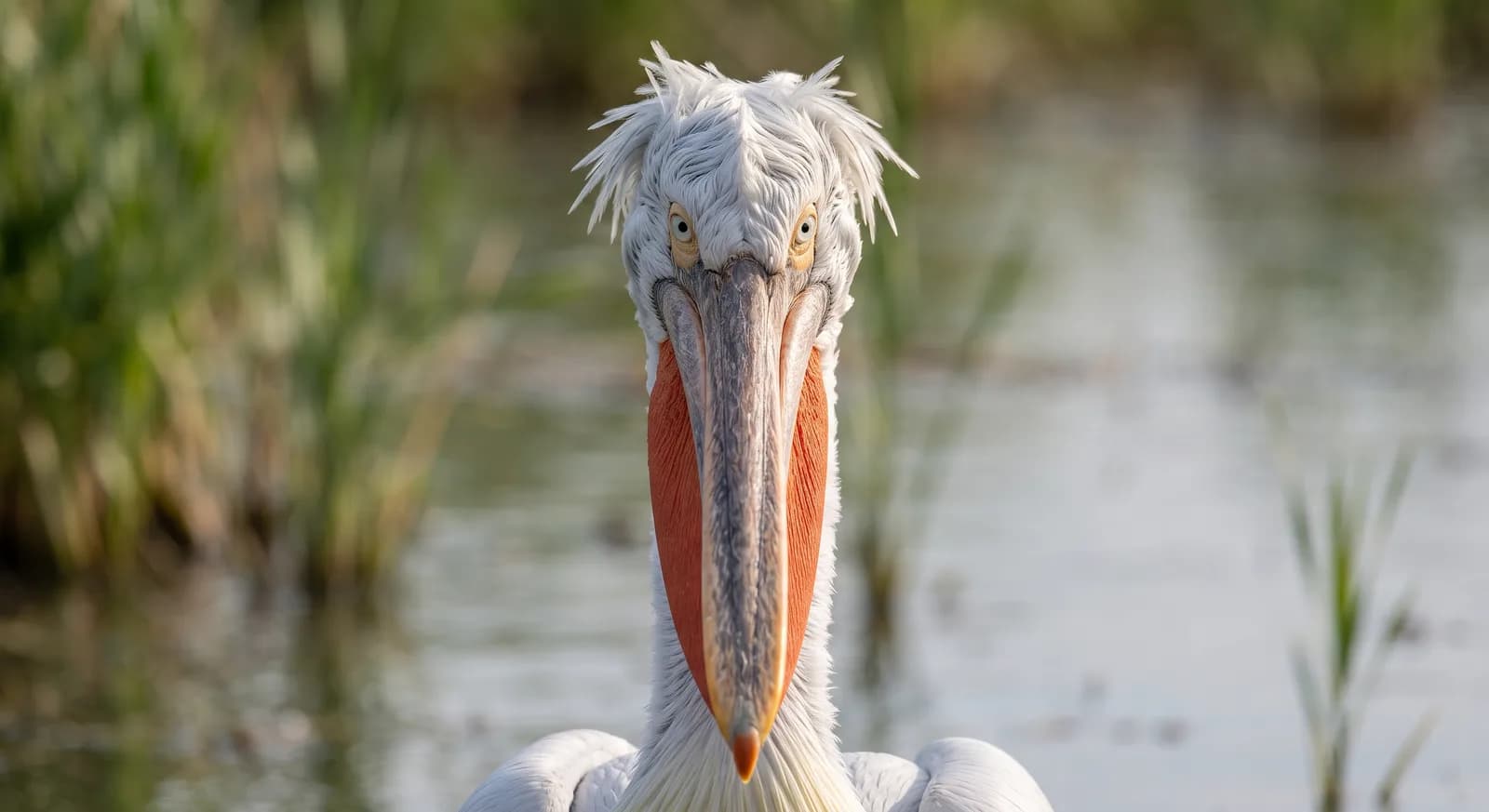
The Dalmatian pelican, the heaviest flying bird in the world along with the great bustard, breeds on Lake Skadar in one of the very few colonies left in Europe. Its local population fell to a handful of pairs and recovered thanks to floating nesting platforms, sheltered from floods and disturbance, on which the birds now raise their chicks.
Biodiversity profile
Climate
- •Mediterraneo (Csa) en la costa adriatica
- •Clima de montaña en el interior (Alpes Dinaricos, Durmitor)
Main biomes
- •Bosque de coniferas y mixto dinarico (48,4% de cobertura forestal, entre las mas altas de los Balcanes)
- •Matorral mediterraneo costero
- •Alta montaña karstica (macizo del Durmitor)
- •Cañón fluvial profundo
- •Bosque primario templado
- •Lago kárstico somero
- •Alta montaña dinárica
- •Salina litoral
- •Lago glaciar
- •Matorral mediterráneo
Marine and coastal ecosystems
- •Costa adriatica con el Lago de Skadar/Shkodra (mayor lago de los Balcanes, compartido con Albania) en su desembocadura
Flagship wildlife
- •Oso pardo y lobo gris (Durmitor y Alpes Dinaricos)
- •Pelicano dalmata (Lago de Skadar)
- •Gamuza balcanica
- •Lince balcanico (considerado actualmente improbable en el pais segun evaluaciones recientes)
- •Pelícano ceñudo
- •Cormorán pigmeo
- •Flamenco común
- •Oso pardo
- •Lobo gris
- •Rebeco
- •Águila real
- •Nutria paleártica
- •Garza imperial
Notable endemic species
- •Los Alpes Dinaricos de Montenegro comparten el elevado endemismo floristico regional ("flora ilirica") con Bosnia, Croacia y Albania
- •El macizo del Durmitor, Patrimonio Mundial, es uno de los centros de biodiversidad y geomorfologia mas importantes de los Balcanes
- •Lince balcánico
- •Trucha del Skadar
Notable threatened species
- •Pelicano dalmata (Casi Amenazado, poblacion reproductora en el Lago de Skadar/Shkodra, compartido con Albania)
- •Se considera actualmente improbable la presencia de lince balcanico reproductor en Montenegro segun evaluaciones de la Union Internacional para la Conservacion de la Naturaleza
Notable protected areas
- •Parque Nacional Durmitor (Patrimonio Mundial)
- •Parque Nacional Biogradska Gora (bosque primario)
- •Lago de Skadar/Shkodra (compartido con Albania, humedal Ramsar)
- •Parque Nacional de Durmitor
- •Parque Nacional del Lago Skadar
- •Parque Nacional de Biogradska Gora
- •Parque Nacional de Lovćen
- •Salinas de Ulcinj
- •Parque Nacional de Prokletije
Main conservation threats
- •Baja cobertura relativa de areas protegidas transfronterizas (4,1%) en comparacion con Albania (13%) y Kosovo (10,68%)
- •Presion de desarrollo turistico costero e infraestructura en zonas de montaña
Notable natural phenomena
- •El Lago de Skadar/Shkodra, compartido con Albania, es el mayor lago de los Balcanes y varia drasticamente de tamaño segun la estacion
Conservation
Montenegro declared itself an ecological state in 1991, a commitment that has since coexisted with conflicts over hydroelectric schemes on the Tara and development on the coast. The Ulcinj salt pans won legal protection in 2019 after a long conservation campaign.
Where and when to watch wildlife
Skadar between April and June for pelicans and heron colonies. Ulcinj in spring and autumn for flamingos and waders. Durmitor in summer for chamois and golden eagle.
Sources: MDPI - Importance EU Integration Biodiversity Nature Conservation Transboundary Protected Areas Western Balkan | One Earth - Dinaric Mountains Mixed Forests | seerural.org - Sustainable Forest Management Western Balkan Region
Parks and reserves
Durmitor
Deep canyons and glaciated Dinaric peaks
View parkNational ParkBiogradska Gora
One of the last virgin forests in Europe, protected since 1878 by King Nikola and holding beeches more than five hundred years old.
View parkNational ParkLago Skadar
The largest lake in the Balkans, shared with Albania, and one of Europe's main refuges for the Dalmatian pelican.
View parkNational ParkLovcen
The mausoleum of the poet and ruler Petar II Petrović-Njegoš stands on its summit, reckoned the most sacred place in Montenegrin national identity
View parkNational ParkProkletije
The "Accursed Mountains", the most alpine massif in the Balkans, at the triple border with Albania and Kosovo.
View parkDiving and snorkelling
Países similares
¿A dónde más podría interesarme viajar?
Misma región: Balcanes
Misma región: Balcanes
Misma región: Balcanes
Misma región: Balcanes
Especies documentadas en Montenegro
556 species found
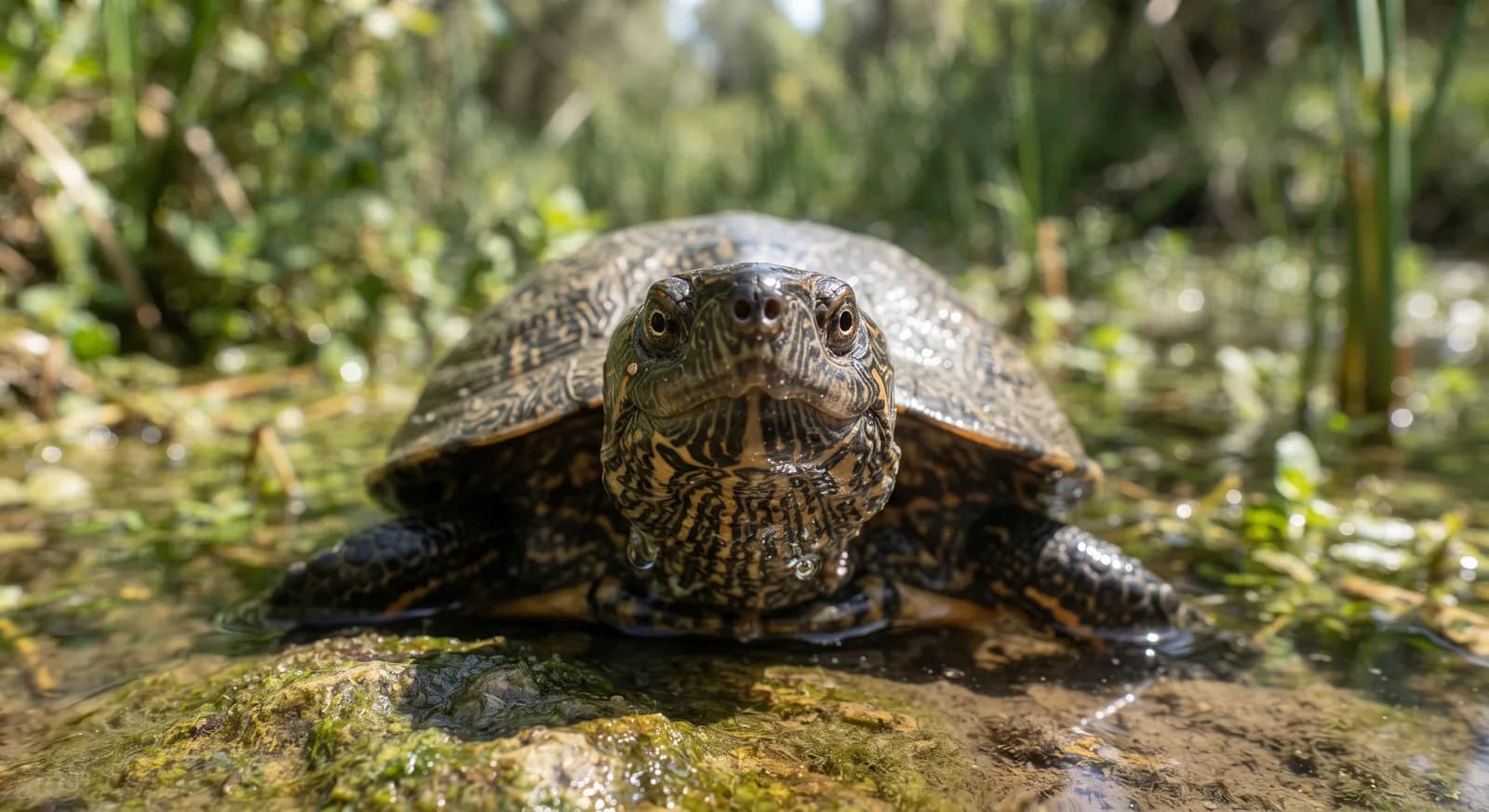 Vulnerable
Spanish Terrapin
Mauremys leprosa
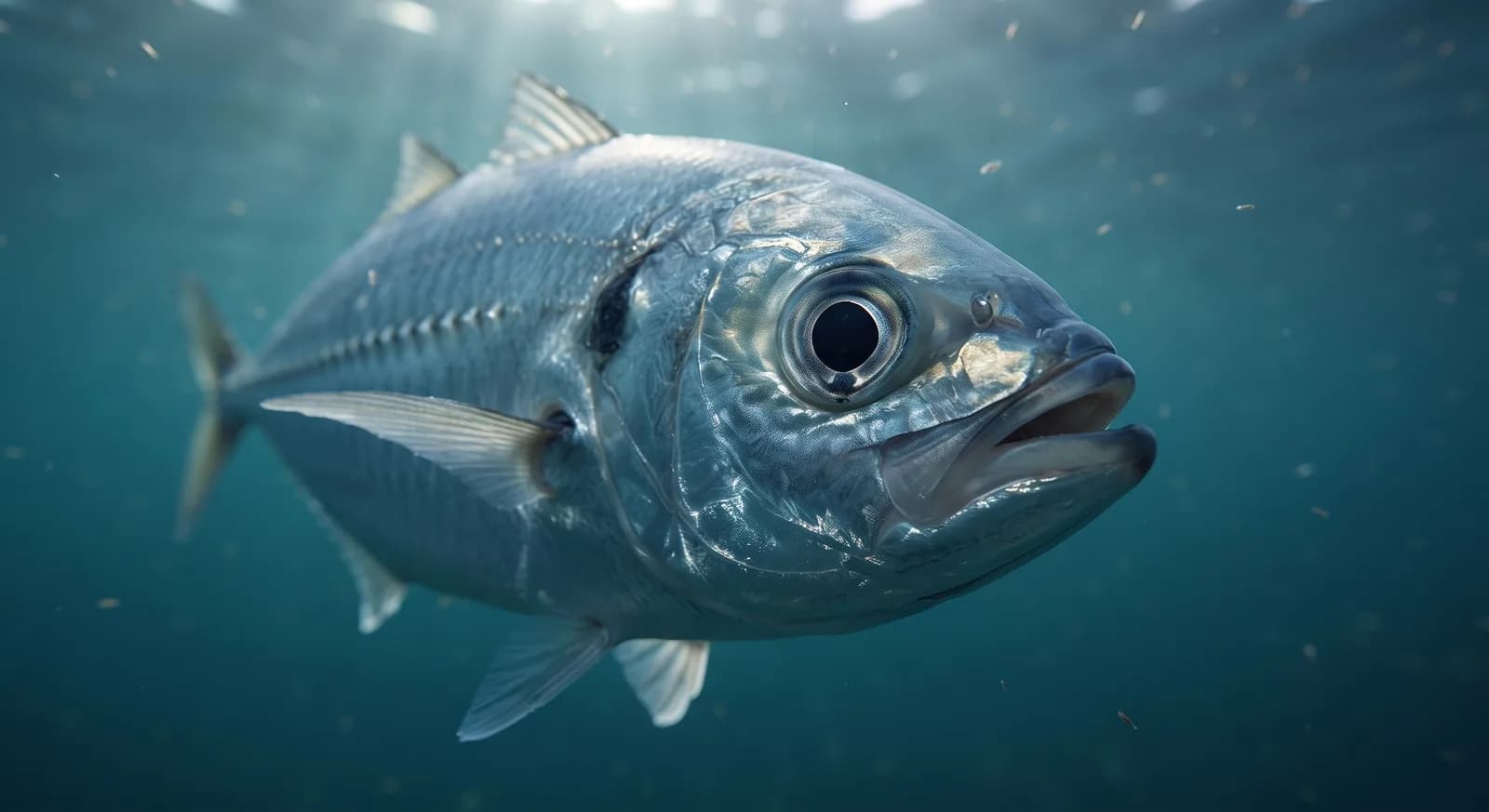 Vulnerable
Horse Mackerel
Trachurus trachurus
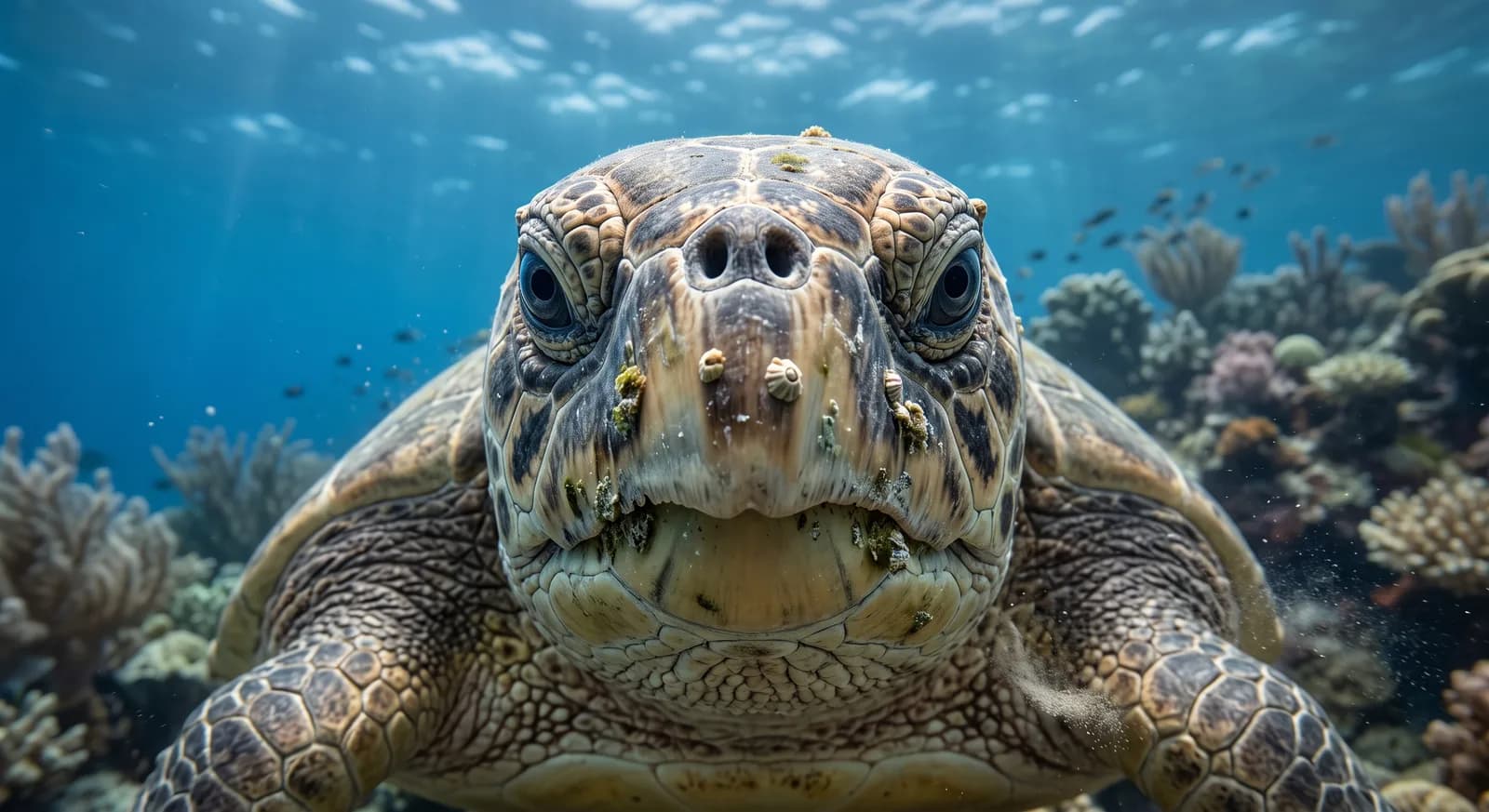 Vulnerable
Loggerhead Turtle
Caretta caretta
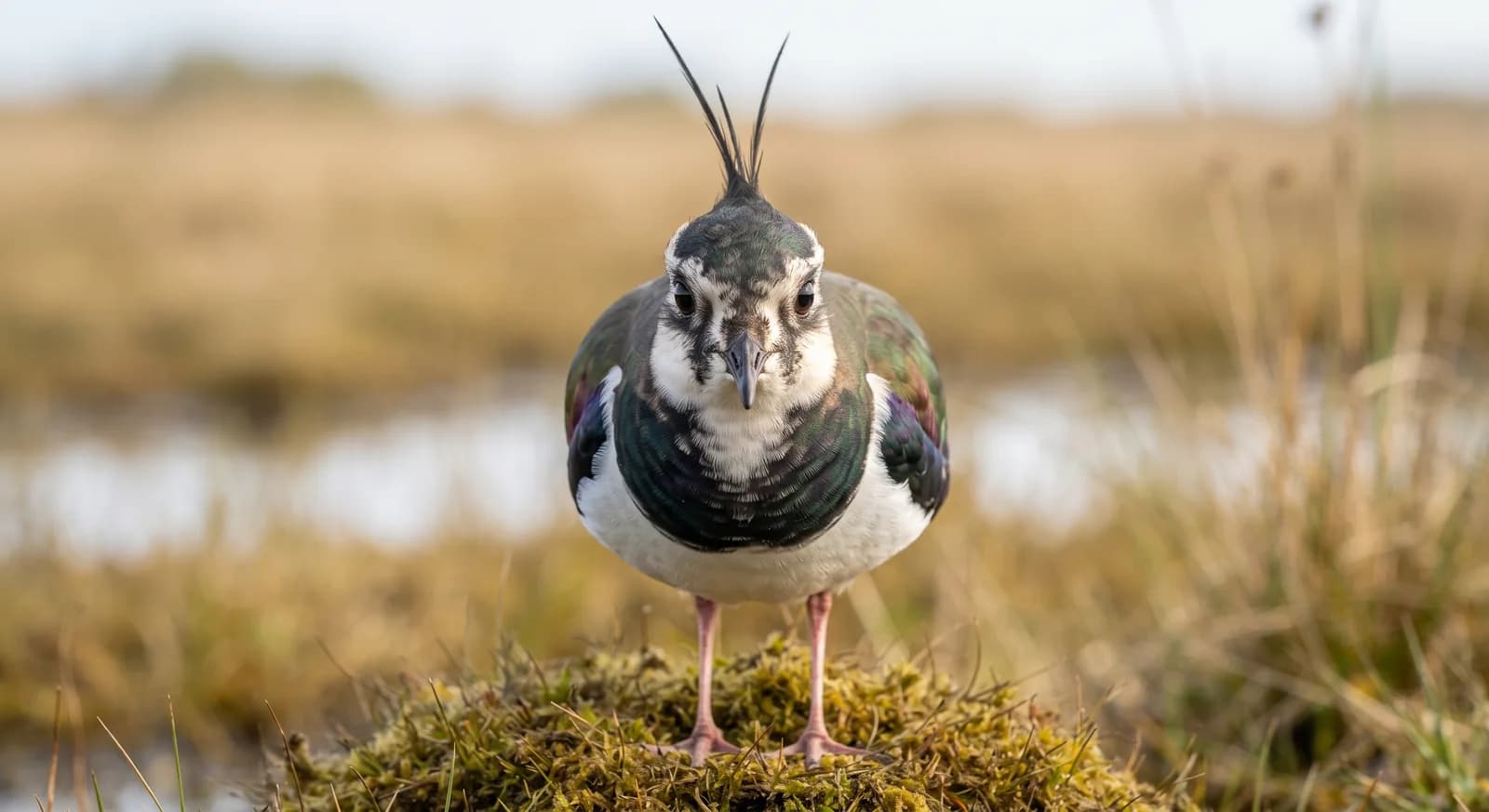 Near Threatened
Northern Lapwing
Vanellus vanellus
 Near Threatened
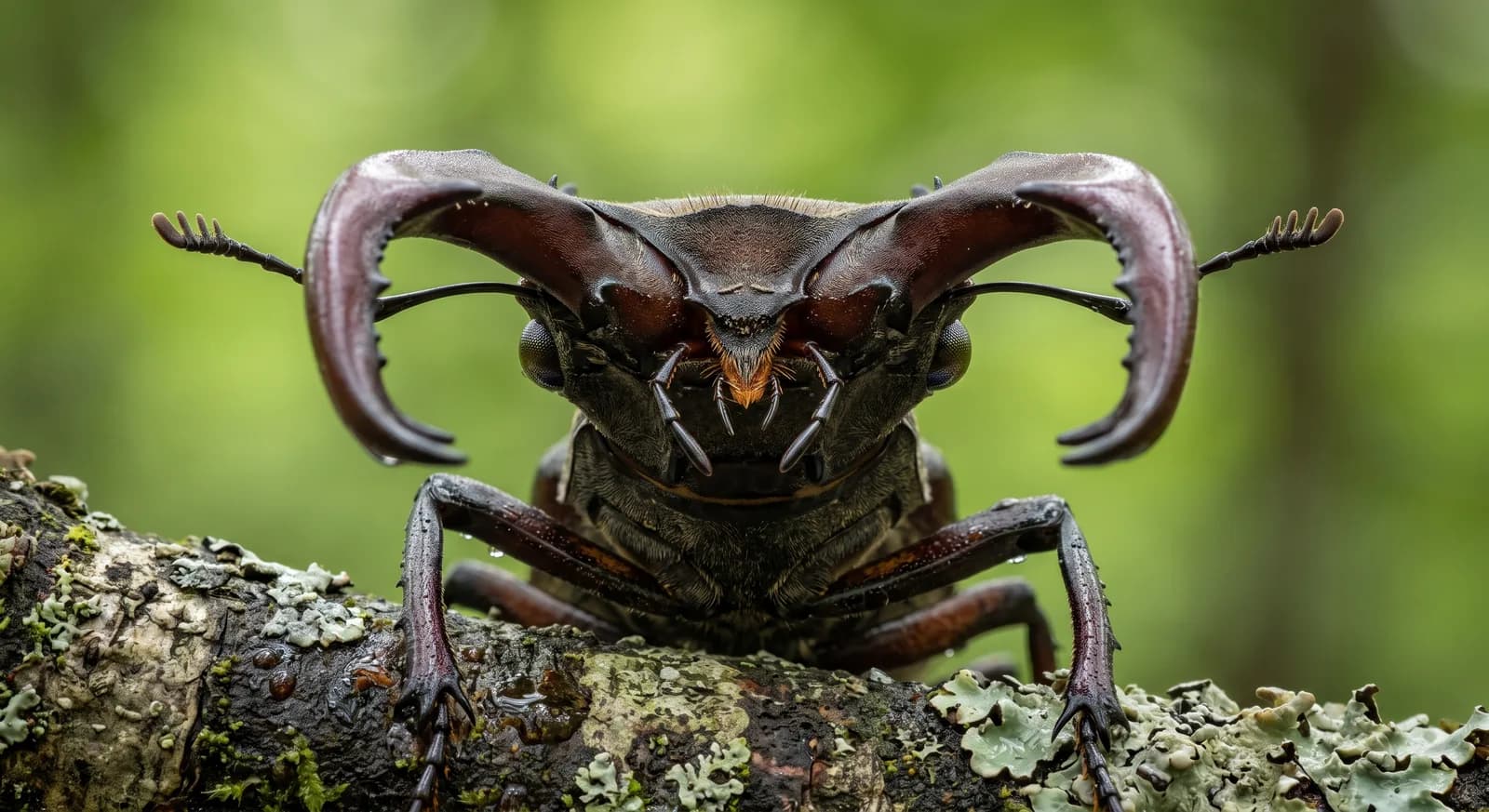
Stag Beetle
Lucanus cervus
 Near Threatened
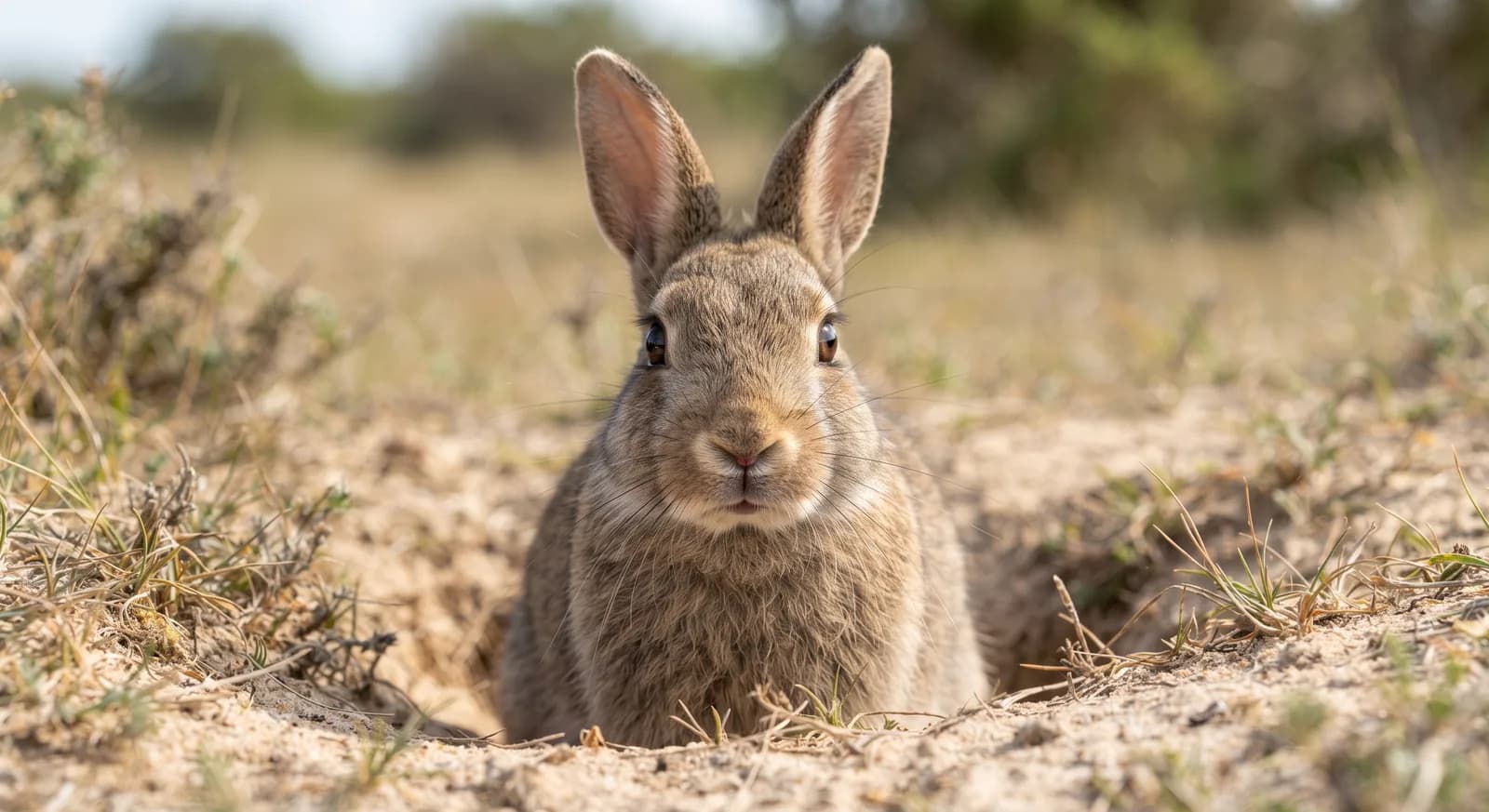
European Rabbit
Oryctolagus cuniculus
 Near Threatened
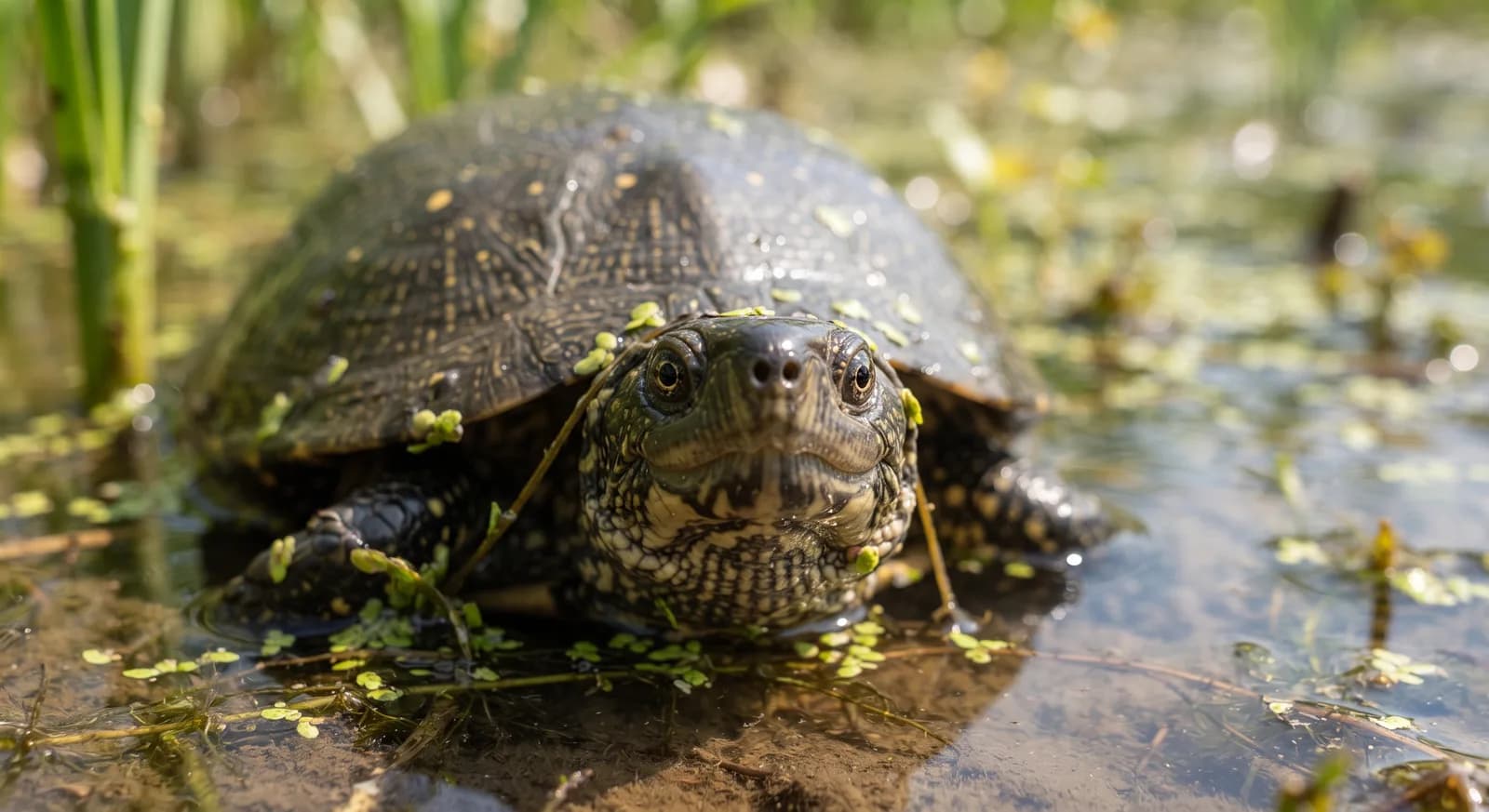
European Pond Turtle
Emys orbicularis
 Near Threatened
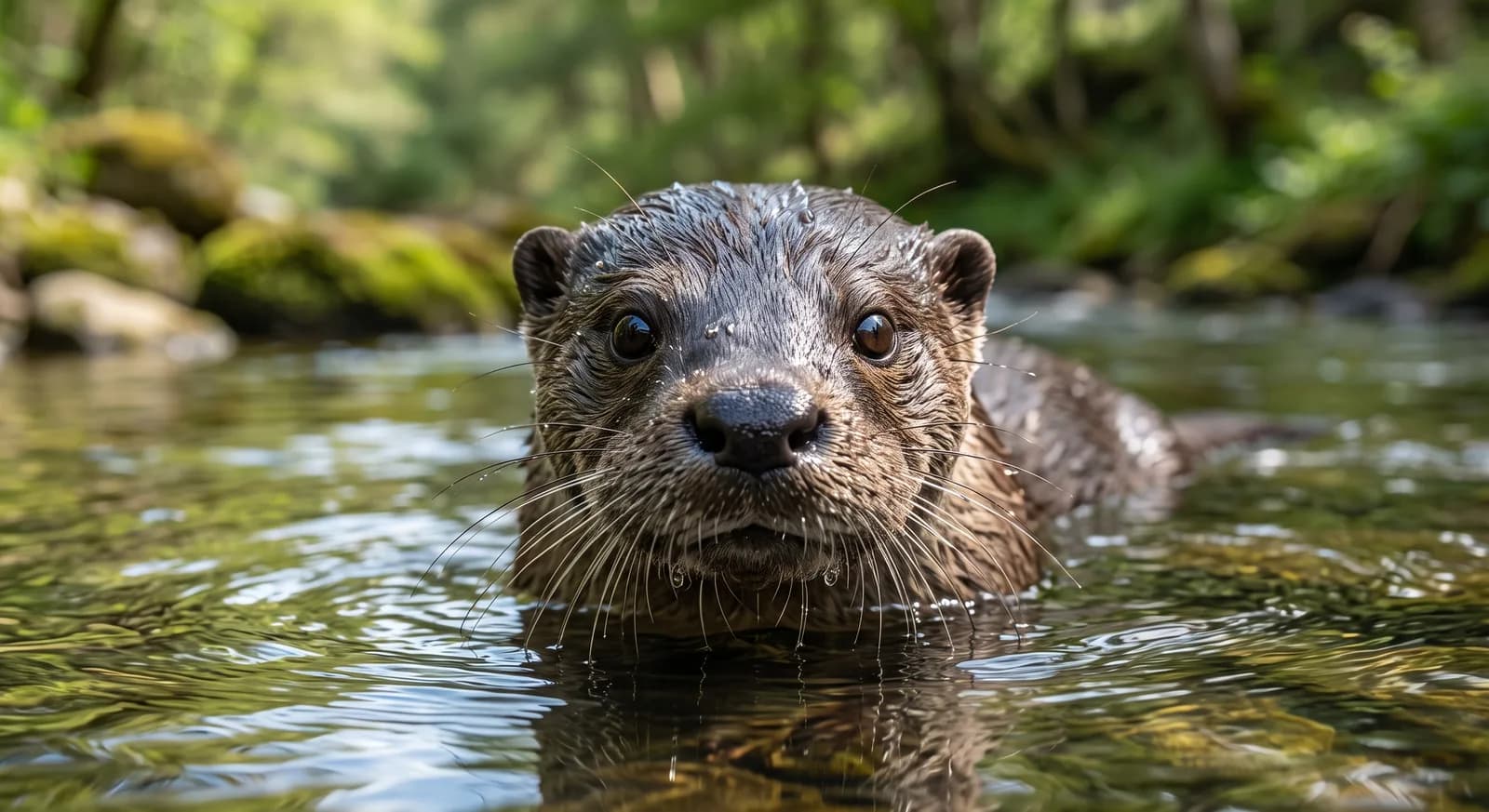
European Otter
Lutra lutra
 Near Threatened
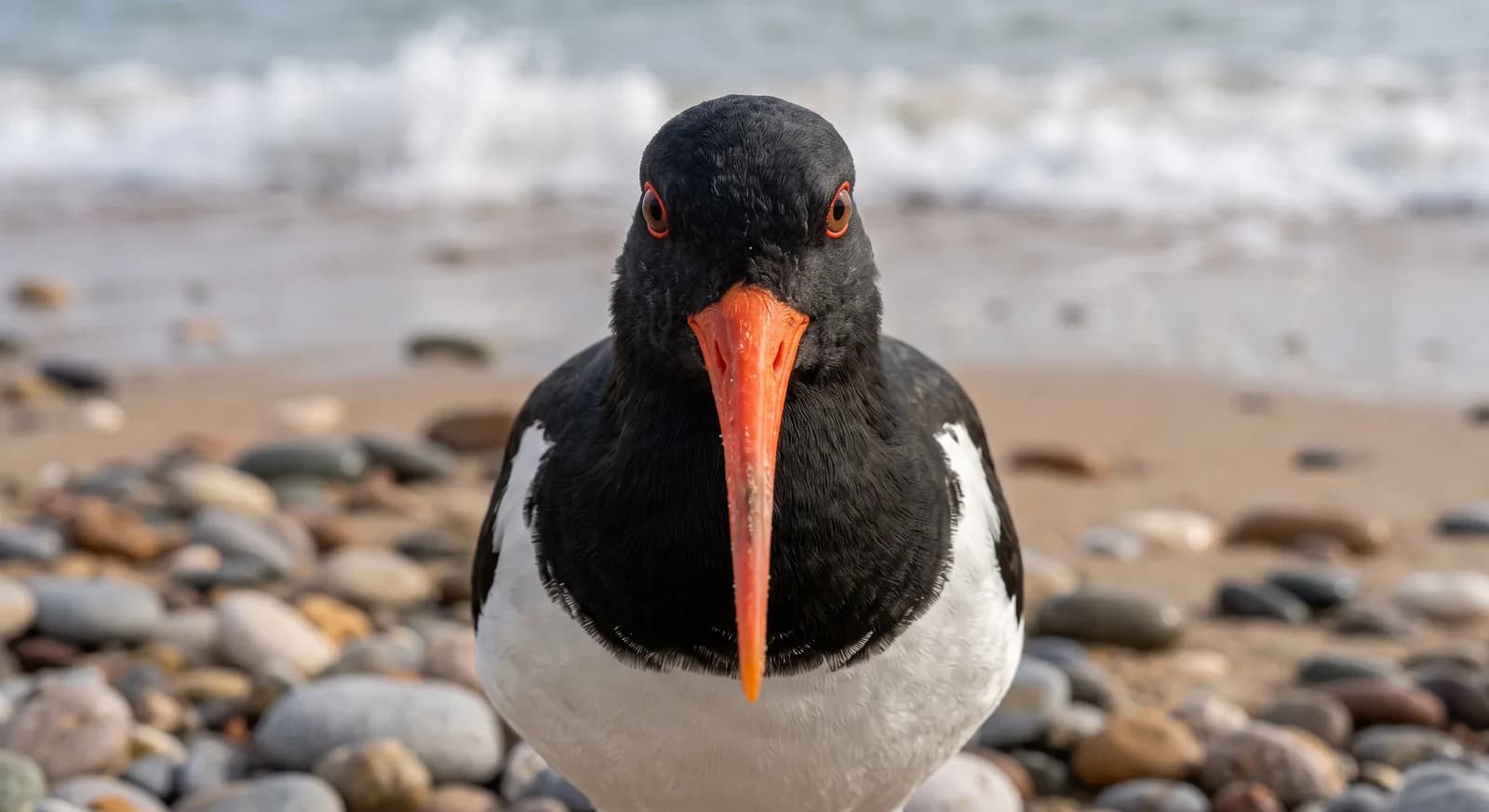
Eurasian Oystercatcher
Haematopus ostralegus
 Near Threatened
Dalmatian Pelican
Pelecanus crispus
 Near Threatened
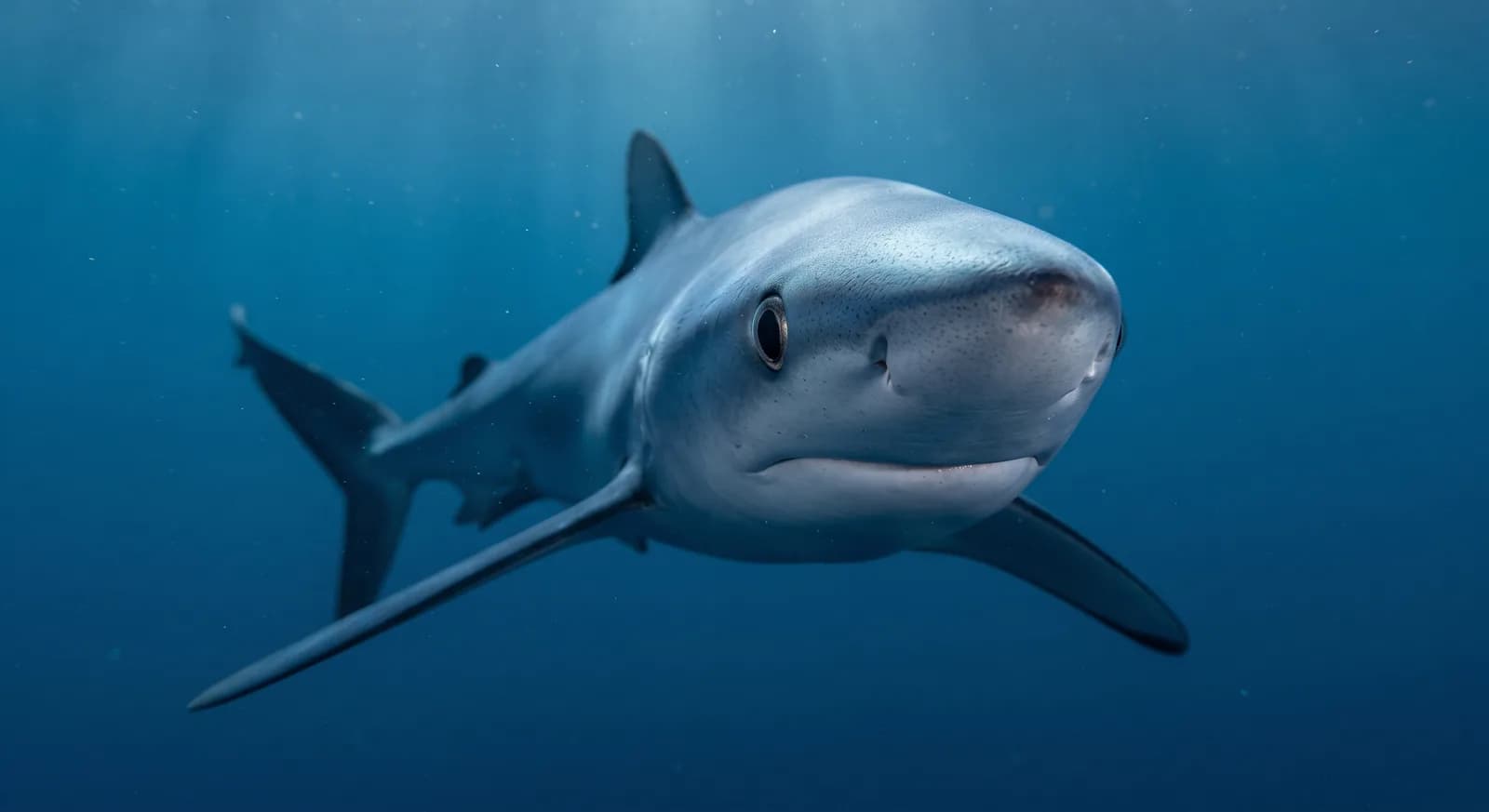
Blue Shark
Prionace glauca
 Near Threatened
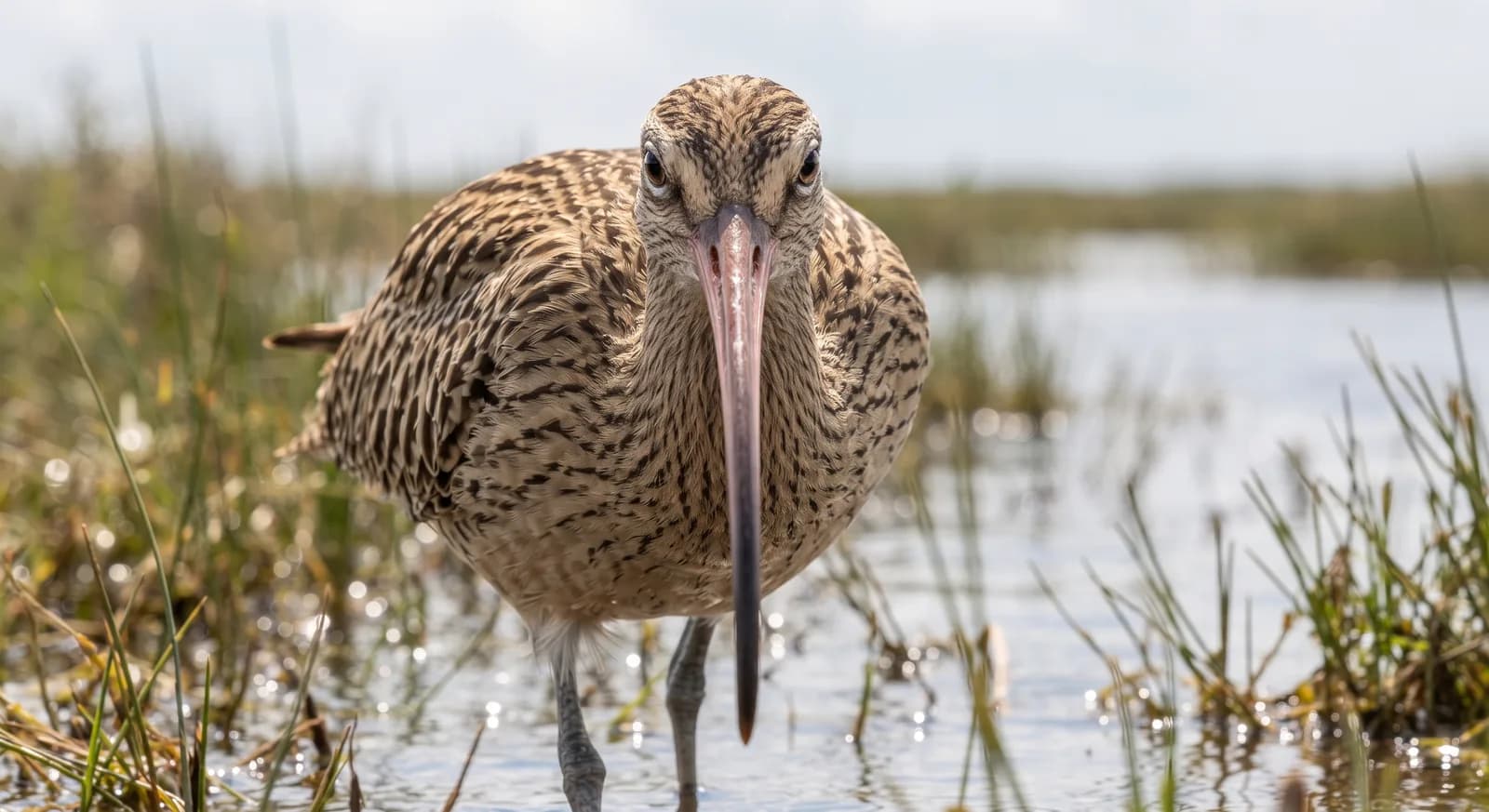
Eurasian Curlew
Numenius arquata
Keep exploring
Based on what we already know about Montenegro.