Türkiye
Asia
Turkey is a biogeographical bridge between three continents and brings together territories as different as the Mediterranean coast, the steppe plateau of central Anatolia, the humid temperate forests of the Black Sea and the eastern mountains that rise above five thousand metres. That variety makes it one of the richest countries in plant species in the whole western Palaearctic, with thousands of endemics. The Bosphorus and Dardanelles straits, together with the Mediterranean coast, funnel enormous flows of storks and raptors between Europe and Africa. Inland wetlands such as the Sultan marshes and the Kızılırmak delta support colonies of flamingos and pelicans, while Lake Van, saline and closed, has a fish of its own that runs up the streams to spawn. In the east the fauna turns Caucasian, with bears, wolves, lynx and bezoar goats.
The nature of Türkiye
National animal: The grey wolf is the traditional symbolic animal; the Anatolian shepherd and the Kangal are the national dogs
Did you know?
The northern bald ibis, a black bird with a bare head and curved bill that was once common in central Europe, died out on the continent centuries ago and today survives in only a handful of places in the world. One of them is Birecik, on the banks of the Euphrates, where the colony is kept under a singular regime: the birds are taken into enclosures over winter to stop them setting out on a migration from which almost none returned, and released again in spring to breed.
Biodiversity profile
Climate
- •Mediterraneo (Csa) en la costa sur y oeste
- •Oceanico templado humedo en la costa del Mar Negro
- •Continental semiarido y estepario (BSk) en el interior de Anatolia
Main biomes
- •Estepa de Anatolia central (391.597 km2 de estepas seminaturales)
- •Bosque mediterraneo costero
- •Bosque templado humedo del Mar Negro (uno de los mas ricos de Europa en biodiversidad)
- •Bosque de roble seco del este de Anatolia
- •Estepa de Anatolia
- •Bosque templado del mar Negro
- •Lago salino cerrado
- •Delta fluvial
- •Matorral mediterráneo
- •Alta montaña anatolia
- •Humedal estepario
Marine and coastal ecosystems
- •Costas del Mediterraneo, Egeo, Marmara y Mar Negro, con playas de anidacion de tortuga boba (Caretta caretta) y foca monje mediterranea
Flagship wildlife
- •Foca monje del Mediterraneo (Vulnerable)
- •Oso pardo
- •Lobo gris
- •Ibis eremita del norte (poblacion semisalvaje reintroducida en Birecik)
- •Caracal
- •Ibis eremita
- •Tortuga verde
- •Flamenco común
- •Pelícano ceñudo
- •Cabra bezoar
- •Lince caracal
- •Cigüeña blanca
Notable endemic species
- •Un tercio de las mas de 9.000 especies de plantas vasculares nativas de Turquia son endemicas
- •3.035 especies endemicas solo en las estepas de Anatolia
- •215 de 427 especies de peces de agua dulce (50,4%) son endemicas, principalmente ciprinidos confinados en cuencas anatolicas aisladas
- •Mas de 100 especies de vertebrados endemicos, predominantemente peces de agua dulce
- •Pez inci kefali del lago Van
- •Ciervo de Anatolia
- •Rata topo de Anatolia
- •Salamandra de Anatolia
Notable threatened species
- •1.130 especies de ambientes esteparios catalogadas como amenazadas, casi amenazadas o con datos insuficientes a nivel nacional
- •Solo el 16,2% de las especies amenazadas de las estepas anatolicas estan cubiertas por la red de areas protegidas (94,1% en aves, pero solo 12,9% en plantas vasculares)
- •Turquia ocupa el puesto 140 de 163 paises en conservacion de biodiversidad y habitat segun un indice internacional
Notable protected areas
- •40 parques nacionales, 189 parques naturales, 31 areas de reserva natural, 80 areas de proteccion de vida silvestre y 109 monumentos naturales en todo el pais
- •Parque Nacional de Kaçkar
- •Marjales de Sultan
- •Delta del Kızılırmak
- •Parque Nacional de Köprülü
- •Lago Van
- •Playa de Iztuzu
Main conservation threats
- •Conversion agricola y sobrepastoreo que amenazan a las estepas, con impacto sobre el 66,6% de sus especies endemicas
- •Desertificacion agravada por el cambio climatico
- •Mas de 4.000 represas, desvios y centrales hidroelectricas planificadas para 2023, con fuerte impacto sobre rios y humedales
Notable natural phenomena
- •La "Diagonal Anatolica", una frontera biogeografica clave que separa el norte y oeste mas humedos de las estepas continentales del interior, ha modelado patrones de especiacion en multiples grupos taxonomicos
Conservation
Draining inland wetlands for irrigation has made entire lakes on the Anatolian plateau disappear. On the coast, the programmes protecting loggerhead turtle nests at Iztuzu and Dalyan are a Mediterranean benchmark.
Where and when to watch wildlife
The Bosphorus in September for passing storks and raptors. Iztuzu between June and August for turtles. Eastern Anatolia in summer for high-mountain wildlife and steppe birds.
Sources: ScienceDirect - Turkey's globally important biodiversity in crisis | Academia.edu - Biodiversity Conservation Status Steppes Anatolian Region | Grokipedia - Fauna of Turkey | CBD - Turkey Fifth National Report
Parks and reserves
Göreme National Park
The heart of Cappadocia, a volcanic landscape of fairy chimneys carved by erosion over millennia.
View parkNational ParkBeydağları
The Lycian coast and the high Taurus, with the eternal flames of the Chimaera and the ancient city of Olympos.
View parkNational ParkDilek Yarımadası
A mountainous peninsula above the Aegean beside the Menderes delta, with Mediterranean maquis and a military past that preserved it.
View parkNational ParkKaçkar Dağları
The high mountains of the eastern Pontic range, with glaciers, lakes and the yayla culture of the Hemşin.
View parkNational ParkKöprülü Kanyon
A fourteen-kilometre canyon in the Taurus holding the largest natural Mediterranean cypress forest in the world.
View parkNational ParkKuş Cenneti
The "bird paradise" of Lake Manyas, one of Turkey's first national parks and a holder of the European Diploma.
View parkNational ParkMunzur Vadisi
Turkey's largest national park, in the Munzur valley, with one of the richest endemic floras in the country.
View parkNational ParkUludağ
The Mysian Olympus, Bursa's mountain, with glacial lakes, fir forest and Turkey's oldest ski resort.
View parkNational ParkYedigöller
Seven lakes formed by landslides in a deciduous forest in Bolu, famous for its autumn colours.
View parkDiving and snorkelling
Bodrum (aircraft wreck)
The Turkish Aegean coast with numerous wrecks and underwater archaeological remains protected by the Museum of Underwater Archaeology.
View dive siteCave/WreckFethiye
The Turquoise Coast with sea caves and several aircraft and ship wrecks accessible at every level.
View dive siteWall/CaveKas
One of the best diving destinations in Turkey, with vertical walls and caves of turquoise water.
View dive siteRocky reef/WreckMarmaris
A Turkish port where the Aegean meets the Mediterranean, with a notable variety of artificial wrecks.
View dive sitePaíses similares
¿A dónde más podría interesarme viajar?
Misma región: Oriente Medio y Asia Occidental
Misma región: Oriente Medio y Asia Occidental
Misma región: Oriente Medio y Asia Occidental
Misma región: Oriente Medio y Asia Occidental
Especies documentadas en Türkiye
623 species found
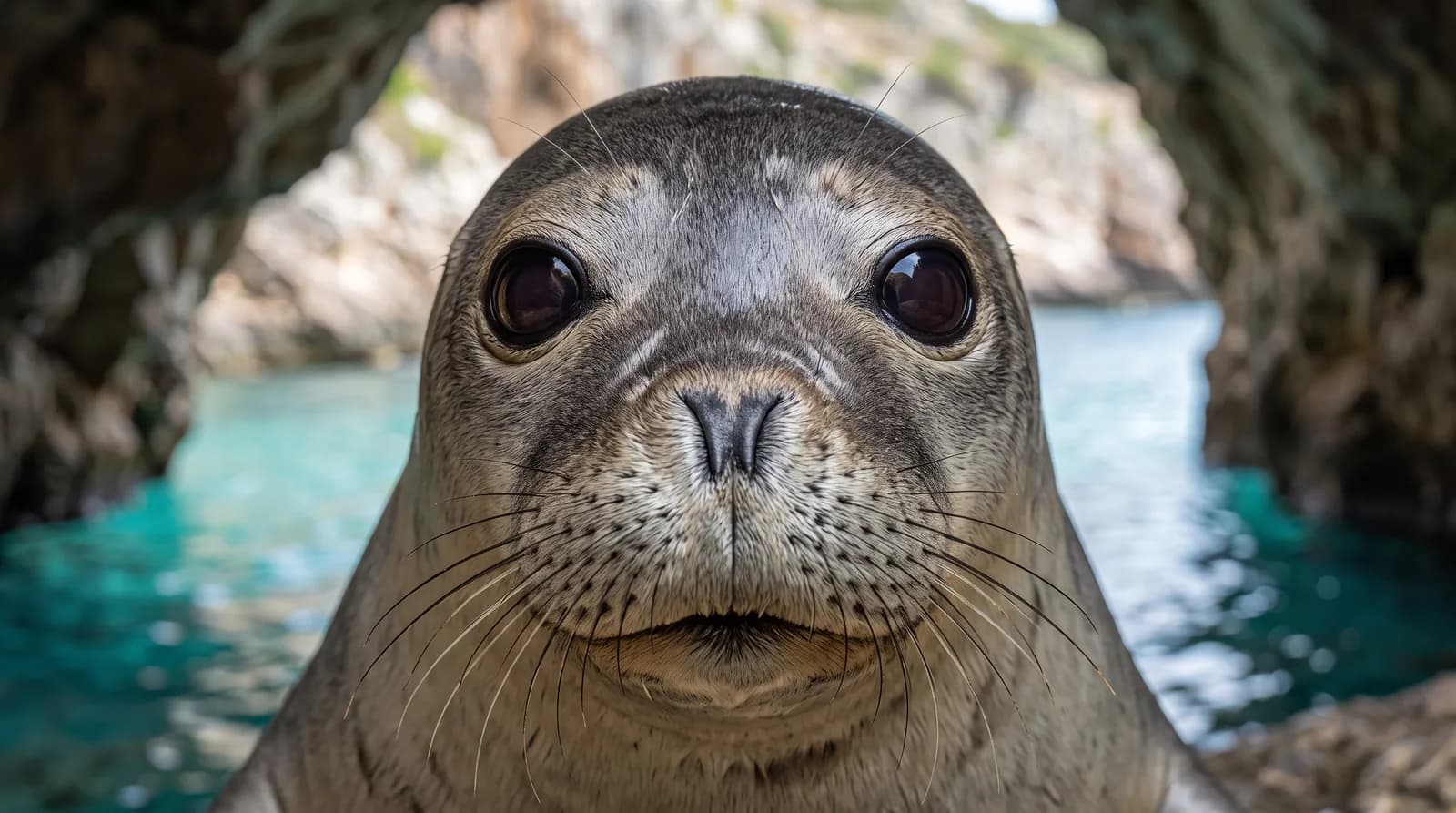 Vulnerable
Mediterranean Monk Seal
Monachus monachus
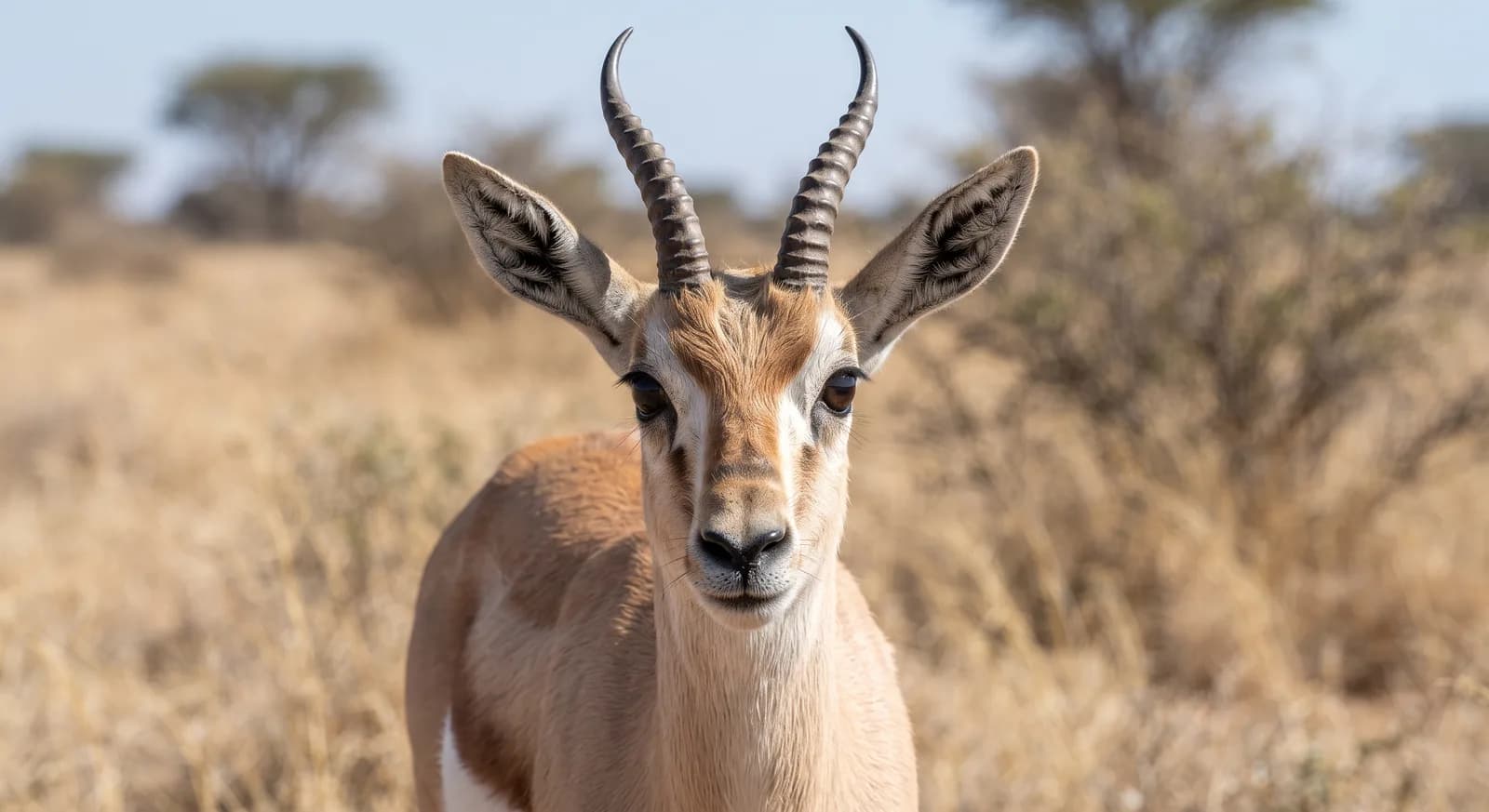 Vulnerable
Dorcas Gazelle
Gazella dorcas
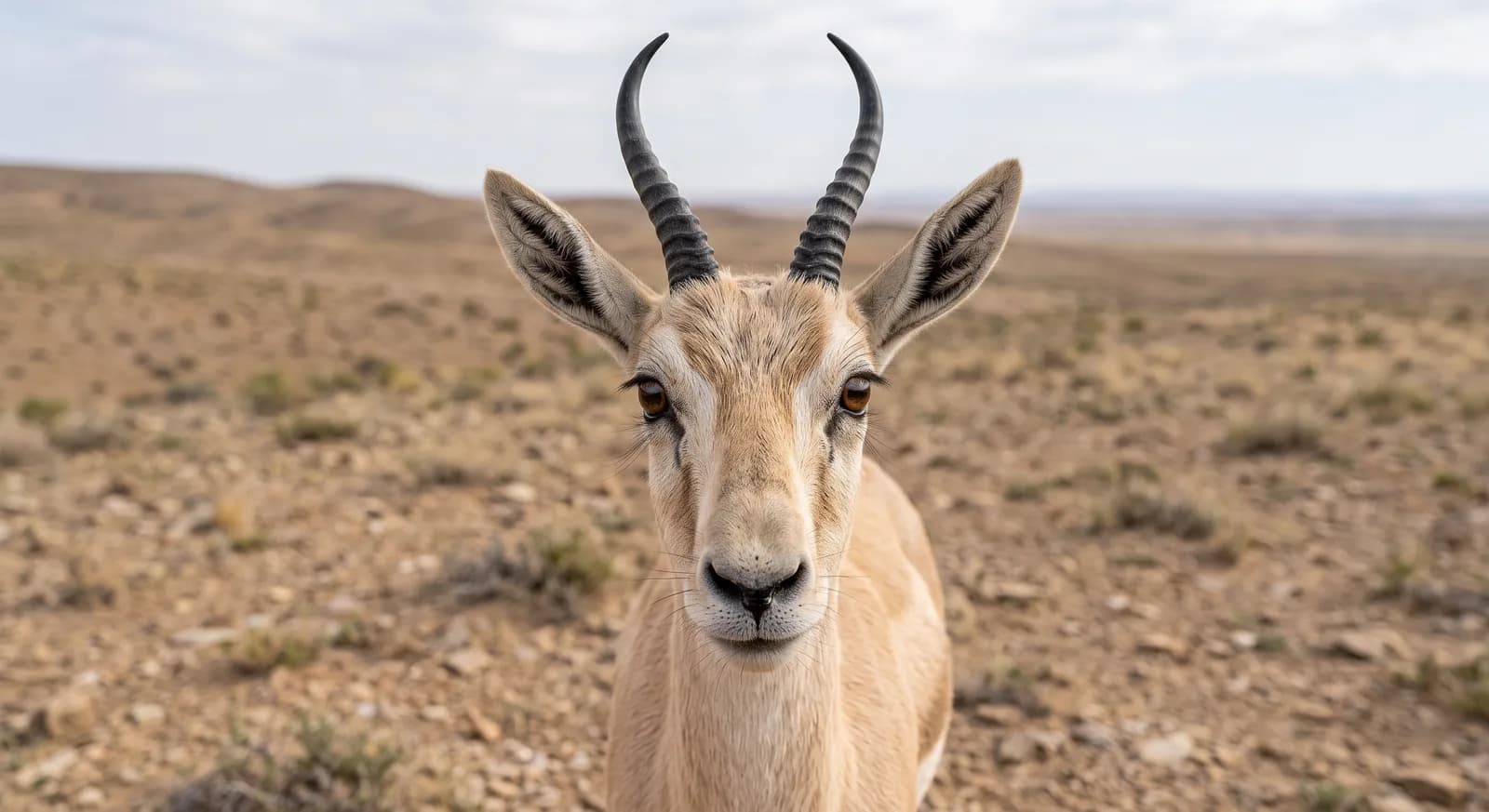 Vulnerable
Goitered Gazelle
Gazella subgutturosa
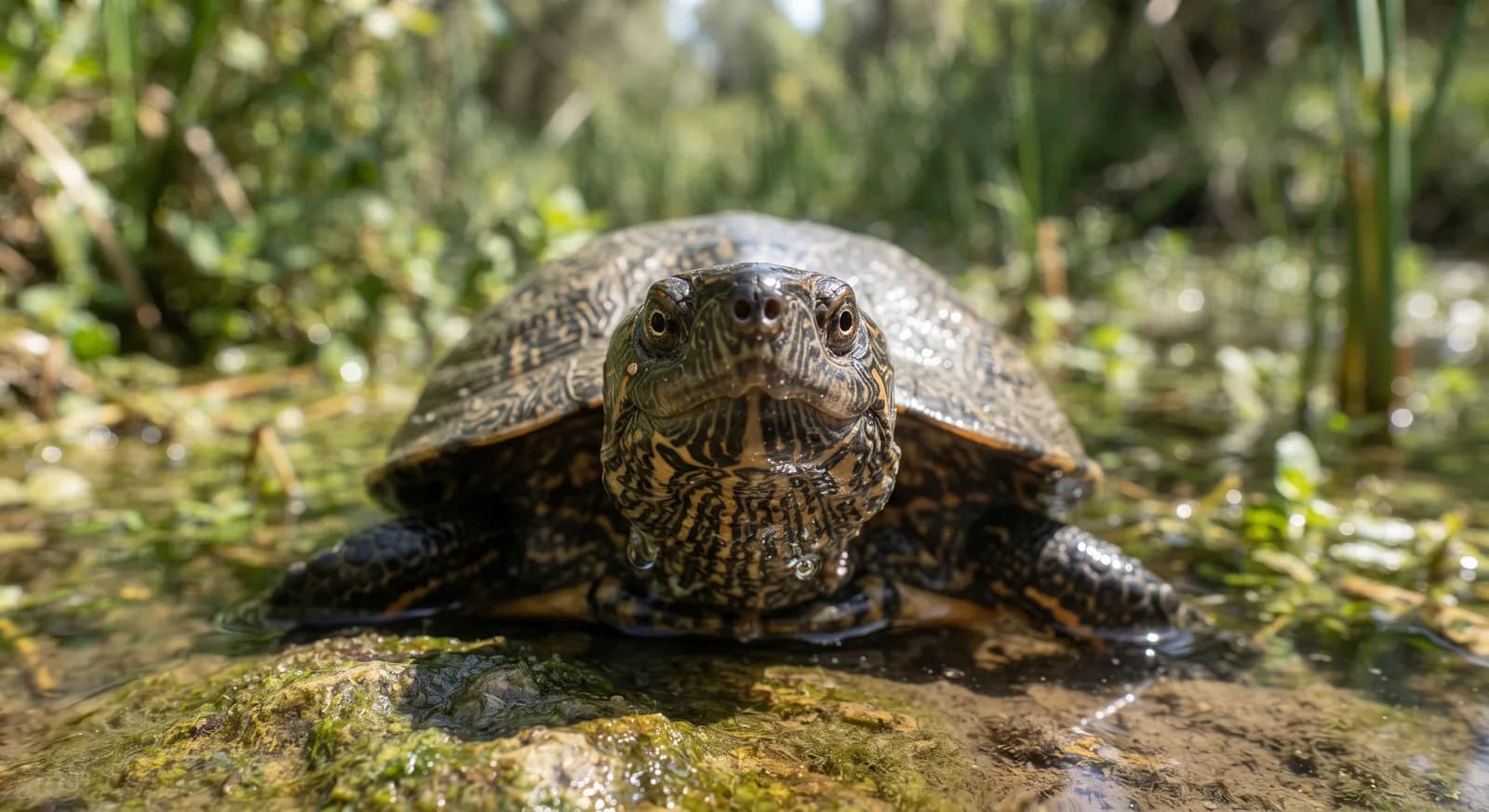 Vulnerable
Spanish Terrapin
Mauremys leprosa
 Vulnerable
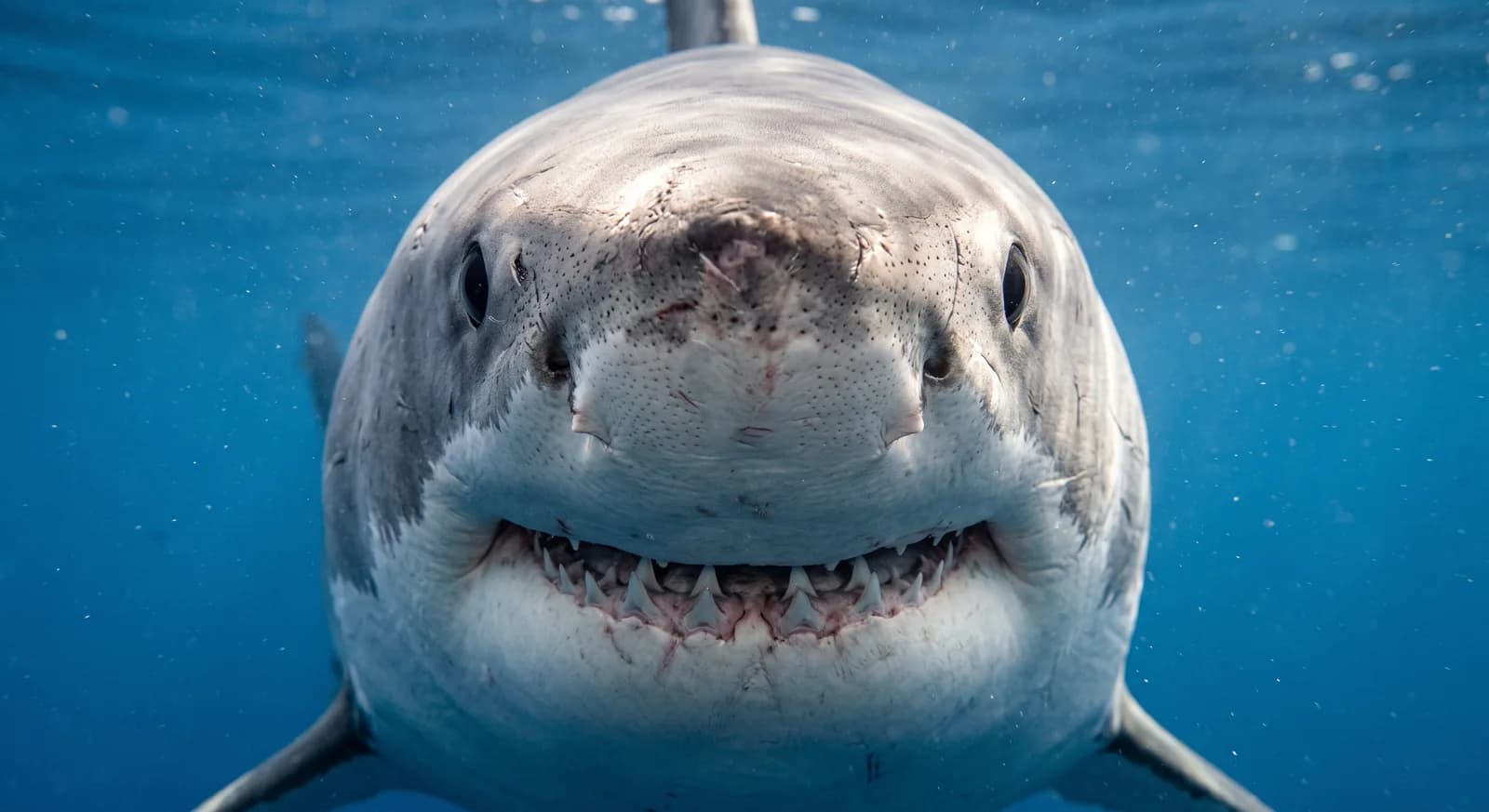
Great White Shark
Carcharodon carcharias
 Vulnerable
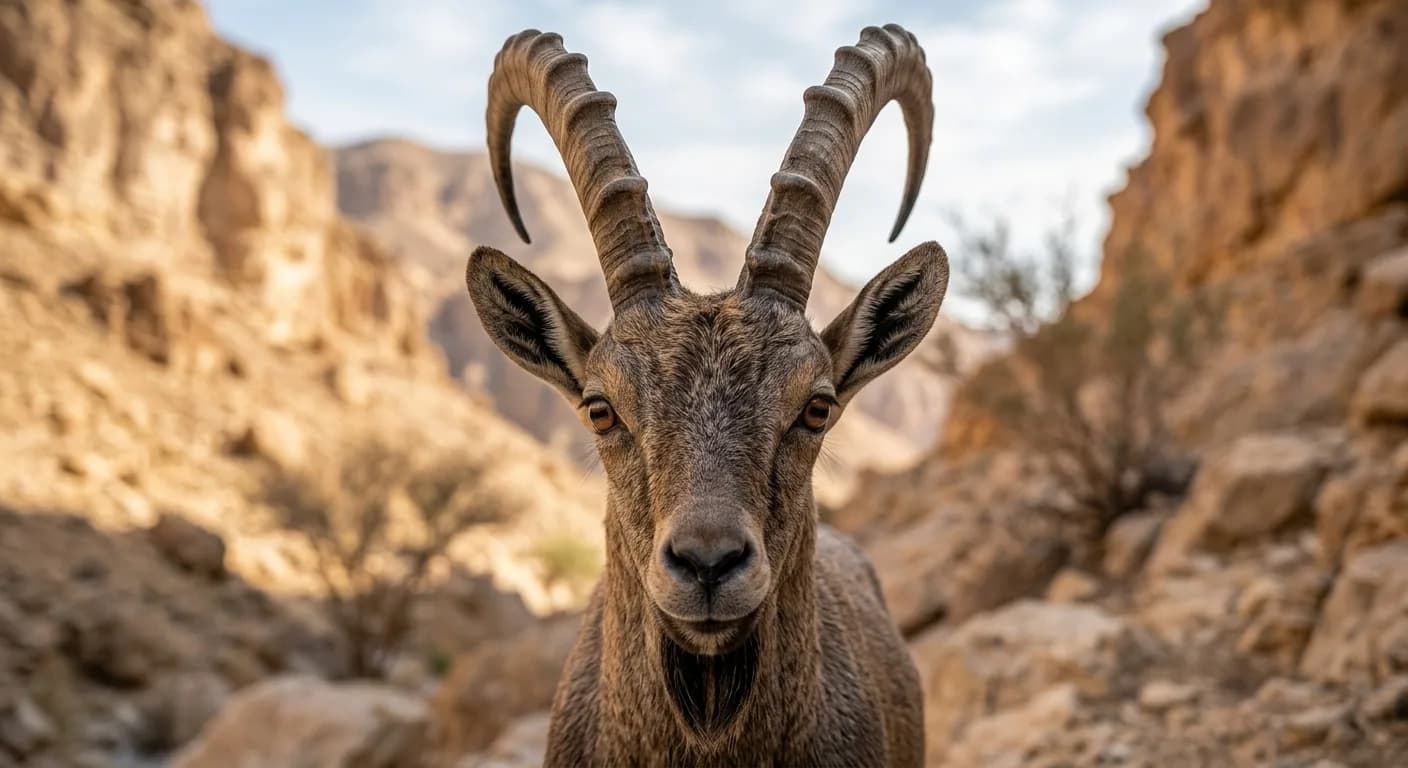
Nubian Ibex
Capra nubiana
 Vulnerable
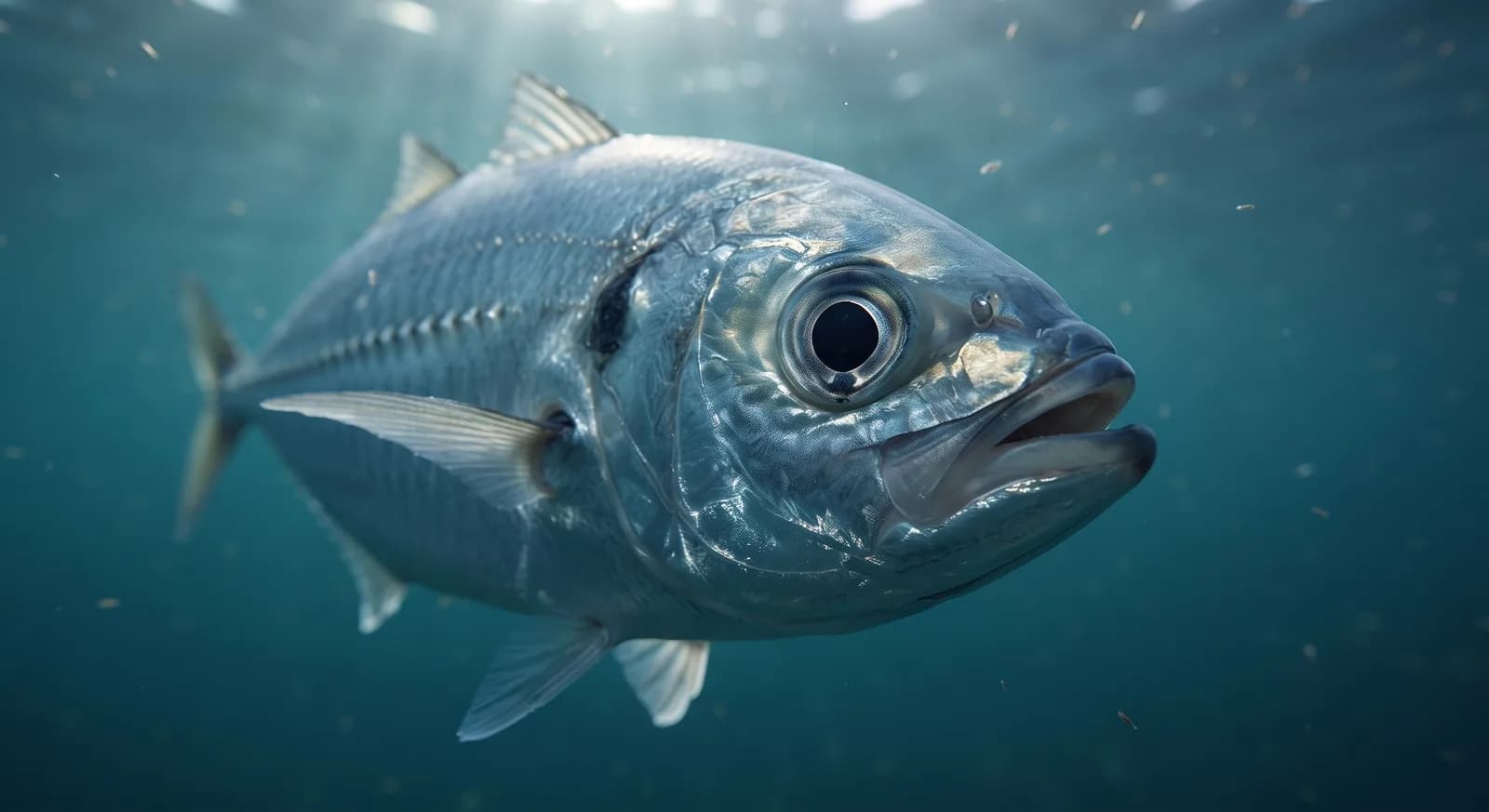
Horse Mackerel
Trachurus trachurus
 Vulnerable
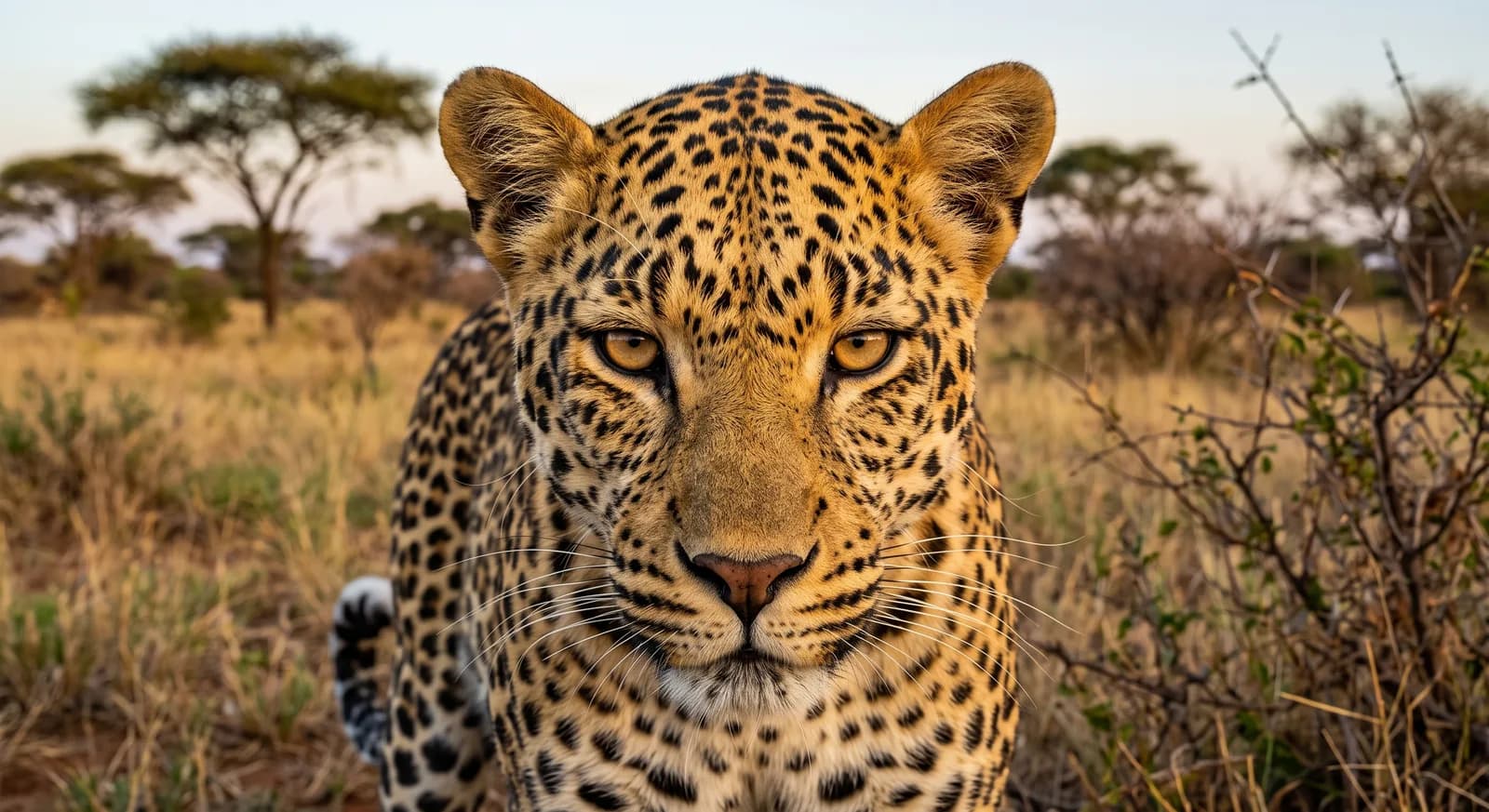
Leopard
Panthera pardus
 Vulnerable
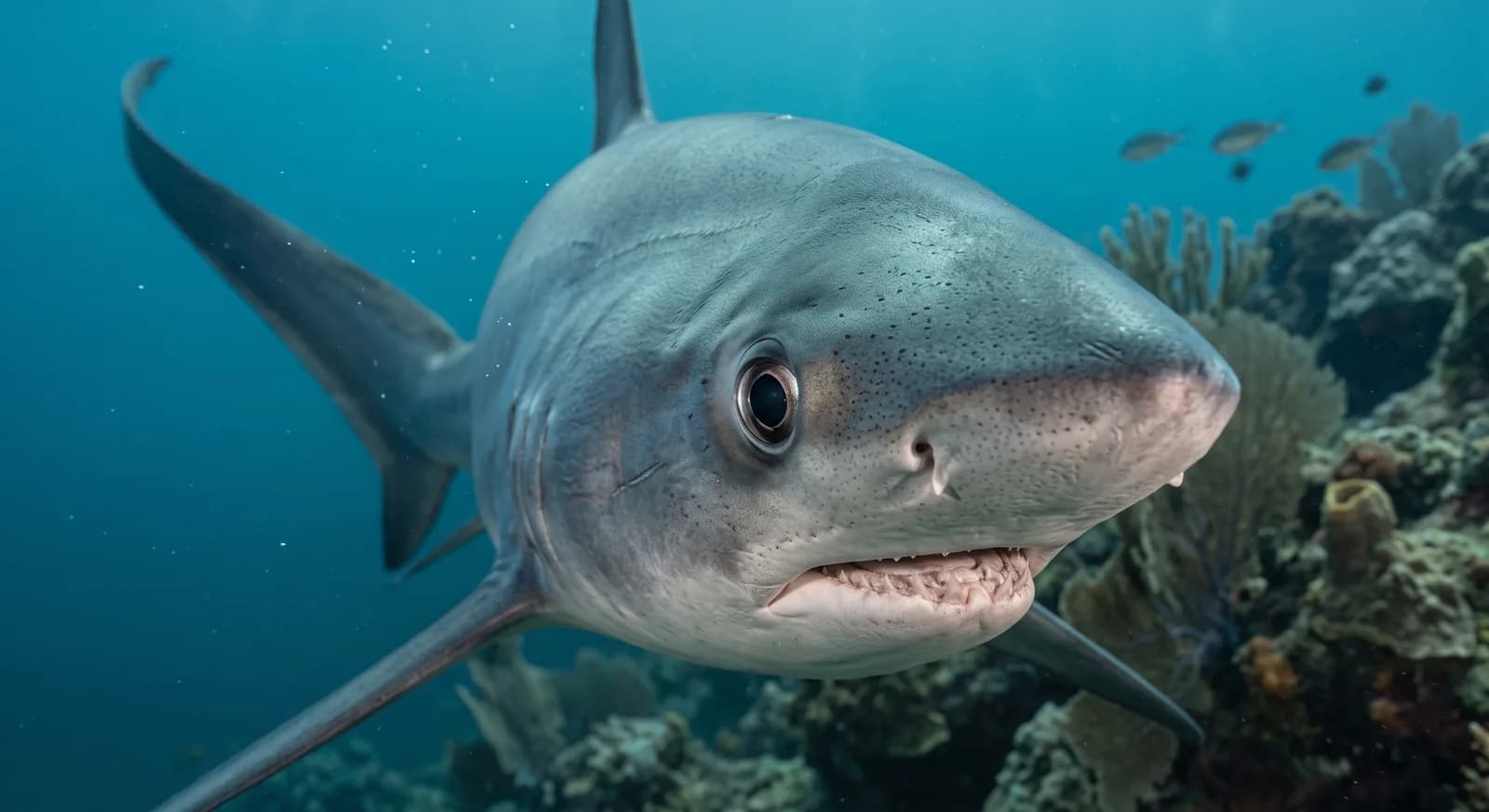
Grayfish
Alopias vulpinus
 Vulnerable
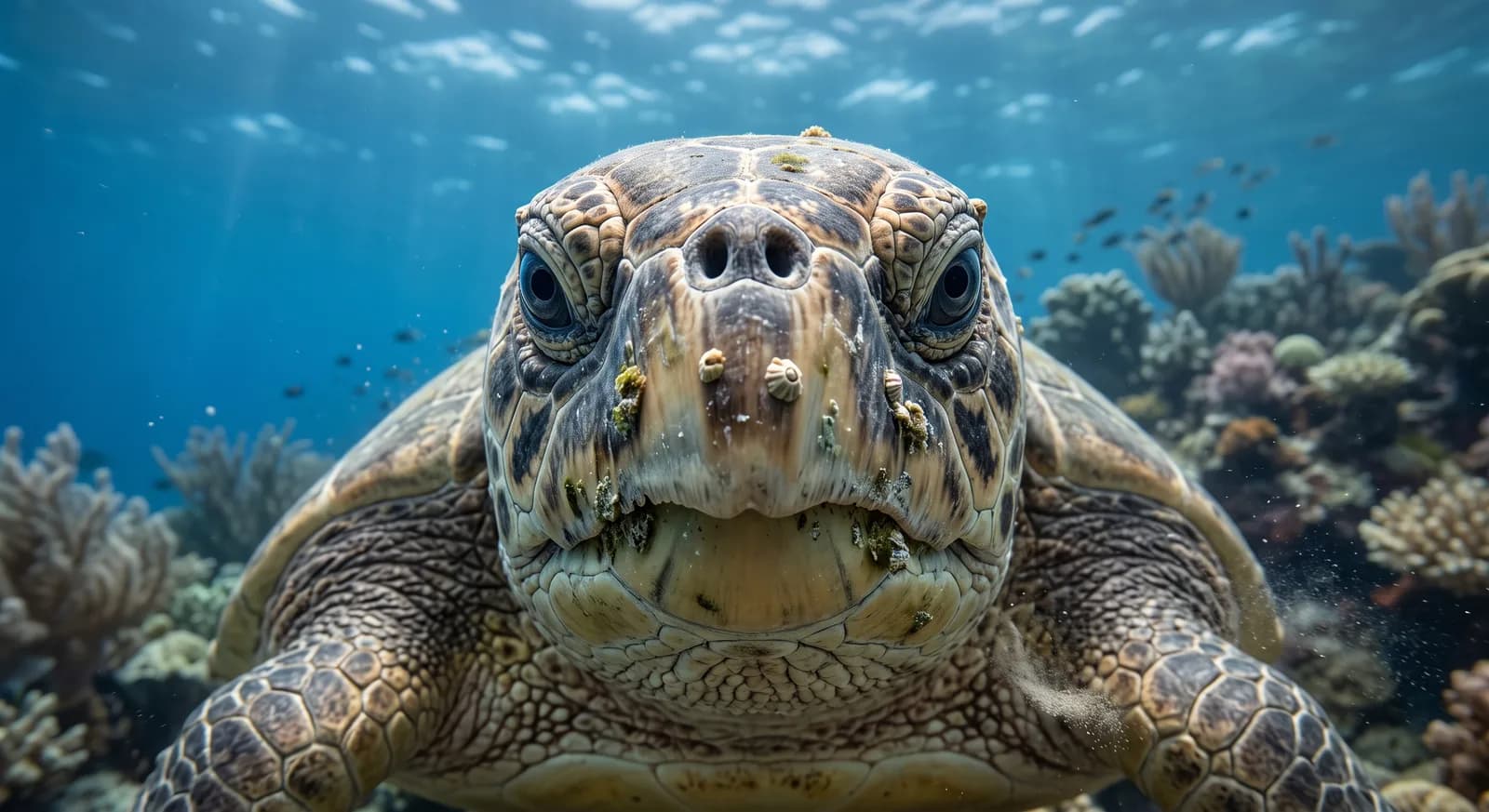
Loggerhead Turtle
Caretta caretta
 Near Threatened
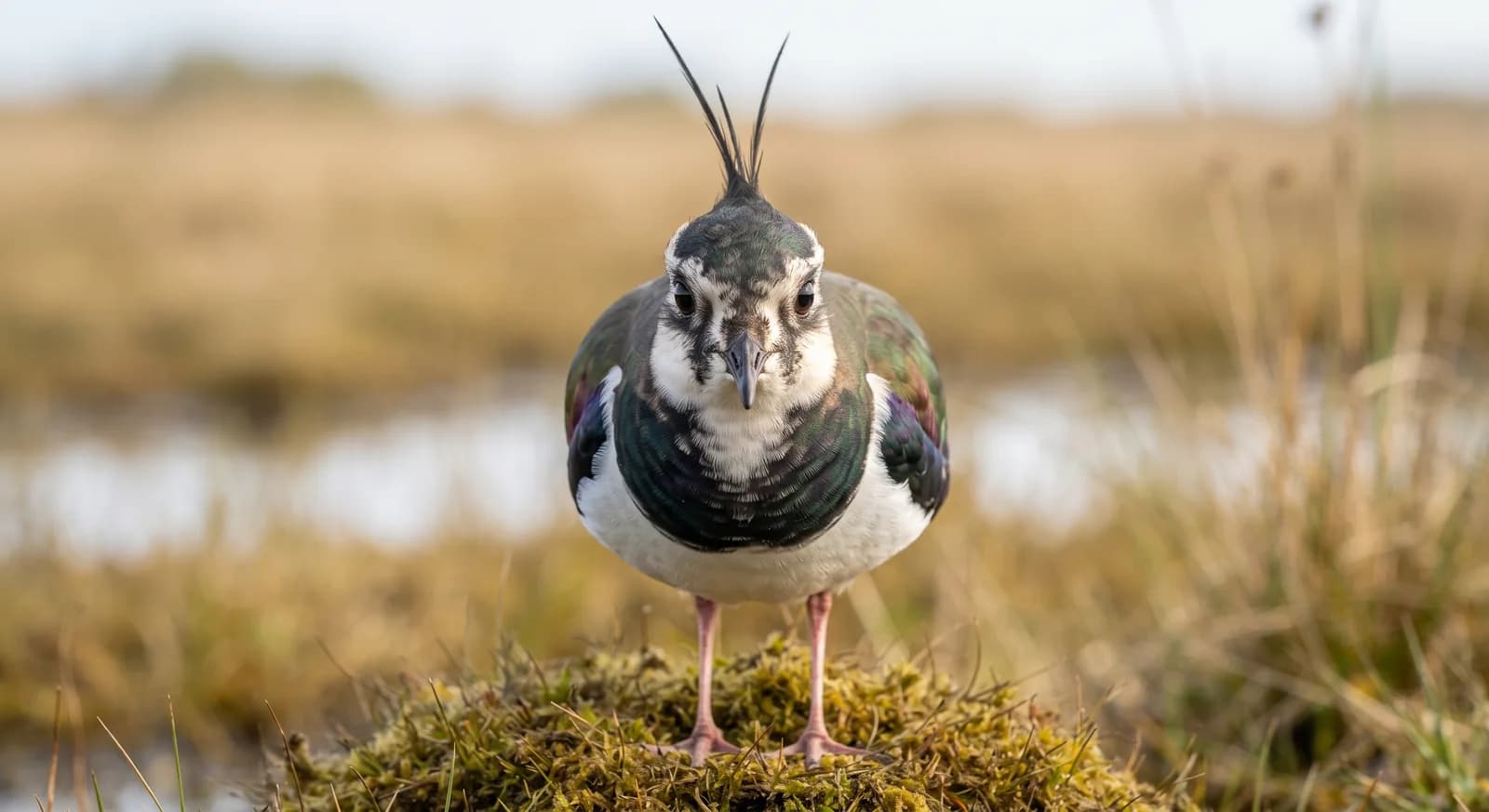
Northern Lapwing
Vanellus vanellus
 Near Threatened
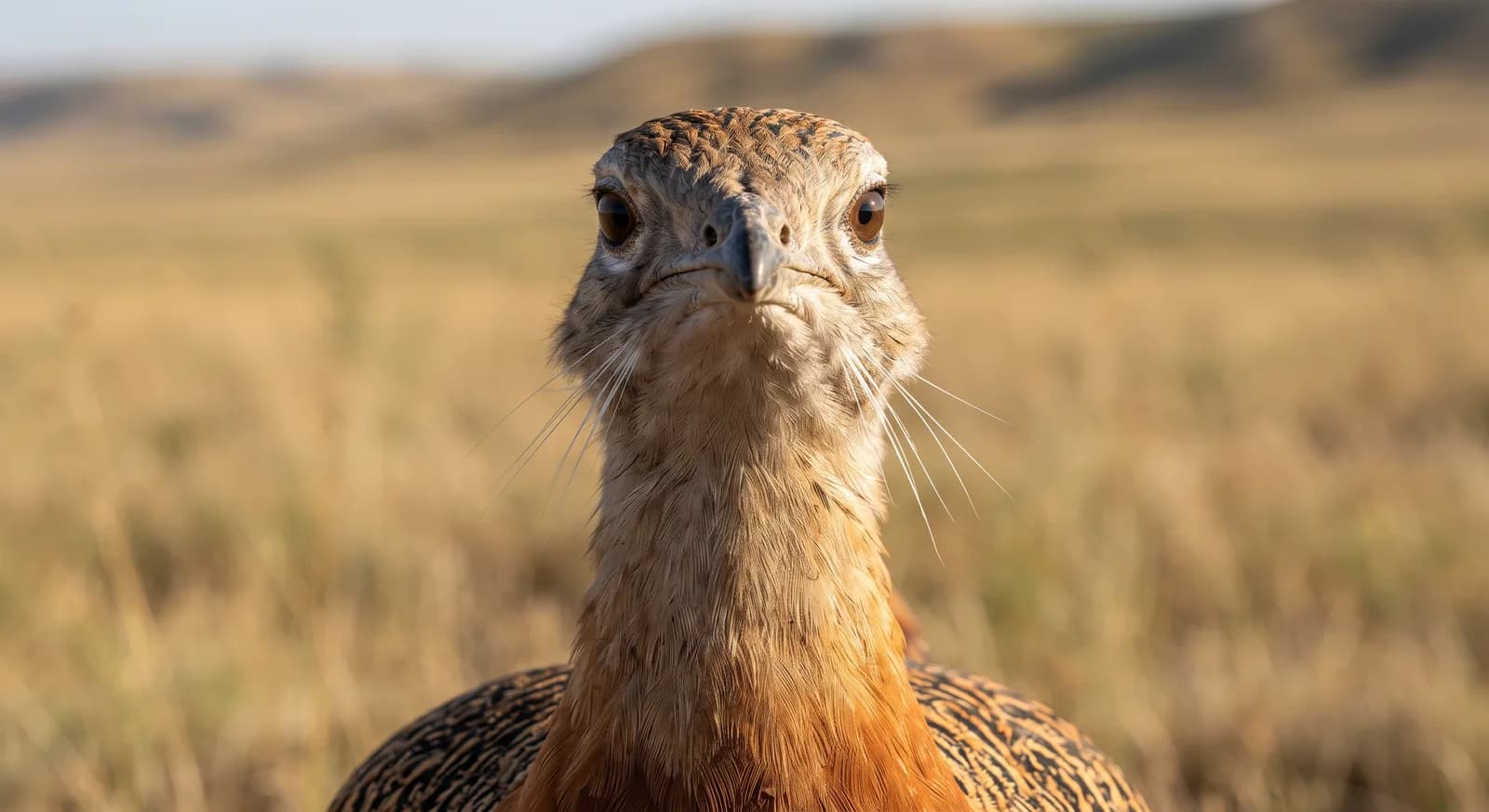
Great Bustard
Otis tarda
Keep exploring
Based on what we already know about Türkiye.