Venezuela
América del Sur
Venezuela combines four great natural regions: the Andes in the west, the Coastal Range along the Caribbean, the Orinoco Llanos in the centre and, south of the river, the Guiana Shield, one of the oldest rock formations on the planet. There rise the tepuis, sandstone tabletops with vertical walls that emerge from the forest like islands in the air and that have spent millions of years isolated from one another. From one of them falls Angel Falls, the highest waterfall in the world. The Llanos, by contrast, flood every year and in the dry season concentrate one of the highest wildlife densities on the continent, with capybaras, caimans, anacondas and waterbirds by the thousand.
The nature of Venezuela
National animal: The Venezuelan troupial, the country's national bird
Did you know?
On the summits of the tepuis lives a tiny toad that can neither swim nor jump well. When a tarantula threatens it, it does something extraordinary: it tucks itself into a compact ball, lets go of the rock and bounces down the slope like a rubber ball until it is out of the predator's reach, at which point it unfolds and walks away without any injury at all.
Biodiversity profile
Climate
- •Tropical de sabana (Aw) en los Llanos
- •Ecuatorial humedo (Af) en el Amazonas venezolano y Guayana
- •Clima caribeño en la costa norte
- •Clima de paramo en los Andes venezolanos
Main biomes
- •Llanos (sabana tropical, gran cuenca del Orinoco)
- •Selva amazonica y del Escudo Guayanes (con los tepuyes, mesetas unicas)
- •Bosque andino y paramo
- •Manglares y cayos caribeños
- •Tepuy de arenisca
- •Sabana inundable de los Llanos
- •Selva amazónica
- •Bosque nuboso andino
- •Páramo
- •Manglar del Caribe
- •Arrecife de coral
Marine and coastal ecosystems
- •Parque Nacional Morrocoy (arrecifes de coral, manglares y cayos del Caribe)
- •Zonas de anidacion de tortugas marinas
Flagship wildlife
- •Jaguar
- •Perezoso
- •Tucan
- •Anaconda
- •Capibara
- •Guacamayo
- •Delfin de rio (tonina)
- •Sapito rodador de los tepuyes
- •Turpial
- •Cóndor andino
- •Delfín rosado del Amazonas
- •Anaconda verde
- •Caimán del Orinoco
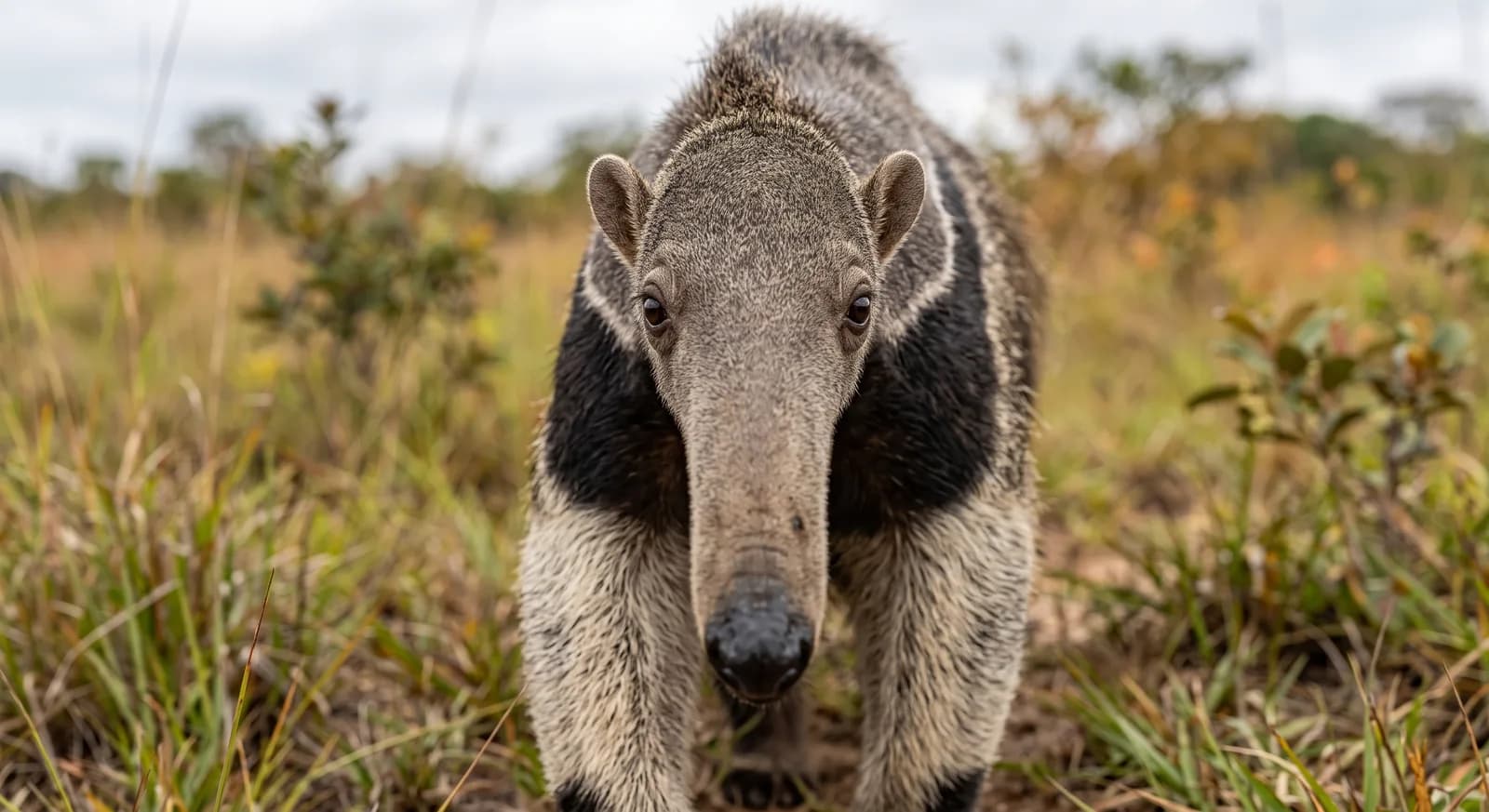
- •Oso hormiguero gigante
- •Tortuga arrau
Notable endemic species
- •Alto endemismo en los tepuyes del Escudo Guayanes (flora y fauna exclusivas de estas mesetas aisladas, ej. plantas carnivoras endemicas)
- •Venezuela forma parte del hotspot de los Andes Tropicales en su extremo norte
- •Sapito rodador de los tepuyes
- •Caimán del Orinoco
- •Colibrí del Roraima
- •Ranas de los tepuyes
Notable threatened species
- •Dato no disponible con precision agregada en fuentes verificadas consultadas para el conjunto del pais; alta vulnerabilidad de especies de tepuyes por su distribucion sumamente restringida
Notable protected areas
- •Parque Nacional Canaima (tepuyes, incluye el Salto Angel, la catarata mas alta del mundo)
- •Parque Nacional Morrocoy (Caribe)
- •Parque Nacional Sierra Nevada
- •Parque Nacional Henri Pittier
- •Parque Nacional Los Roques
- •Parque Nacional Aguaro-Guariquito
- •Parque Nacional Médanos de Coro
Main conservation threats
- •Mineria (incluido el arco minero del Orinoco)
- •Deforestacion
- •Crisis institucional que ha debilitado la gestion de areas protegidas segun multiples fuentes de conservacion internacional
- •Contaminacion de cuerpos de agua
Notable natural phenomena
- •El Salto Angel, la catarata mas alta del mundo, ubicada en el Parque Nacional Canaima
- •Formaciones geologicas unicas de los tepuyes, algunas con mas de mil millones de años de antigüedad
Conservation
The Orinoco crocodile, one of the most endangered crocodilians in the world, was hunted almost to disappearance for its skin and survives thanks to programmes breeding and releasing juveniles. Canaima is a World Heritage Site and protects the most extensive set of tepuis on the planet.
Where and when to watch wildlife
The Llanos between January and April, at the height of the dry season, for capybaras, caimans and waterbirds. Canaima in the rainy season for the falls in full flow. Henri Pittier in spring for the bird migration.
Informacion cuantitativa (porcentaje protegido, especies amenazadas totales) especialmente limitada para Venezuela en las fuentes consultadas; se recomienda una busqueda dedicada adicional en una revision posterior.
Sources: BioDB.com - Venezuela | National Geographic Education - Biodiversity Hotspots
Natural phenomena in Venezuela
- Bola de apareamiento de la anaconda verde — Marzo a mayo (estación seca)
Parks and reserves
Canaima
Angel Falls, the highest uninterrupted waterfall in the world, drops from the top of the Auyán-tepui
View parkNational ParkHenri Pittier
The first national park in Venezuela and, by some accounts, in the whole of South America, named after the Swiss naturalist who drove its creation
View parkNational ParkLos Roques
A coral archipelago of turquoise water reckoned among the most beautiful in the Caribbean, with tightly restricted access
View parkNational ParkMédanos de Coro
A field of shifting dunes on the isthmus that joins the Paraguaná peninsula to the Venezuelan mainland.
View parkNational ParkMochima
A coast of bays, islands and reefs in north-eastern Venezuela, between the Caribbean and the coastal range.
View parkNational ParkMorrocoy
An archipelago of mangrove and white sand cays only a few hours from Caracas, very popular with Venezuelan domestic tourism
View parkNational ParkSierra Nevada de Mérida
It holds Pico Bolívar, the highest in Venezuela, and the highest and longest cable car in the world until it closed for maintenance
View parkDiving and snorkelling
Los Roques
An archipelago of pristine coral with more than 300 islets, a national park of crystalline turquoise water.
View dive siteLagoon reefMedia Luna (Los Roques)
A crescent-shaped cay within Los Roques national park, with one of the most photogenic lagoons in the Caribbean.
View dive siteLagoon reefMorrocoy National Park
A national park of coral cays and islets with shallow lagoons ideal for introductory diving.
View dive siteEspecies documentadas en Venezuela
367 species found
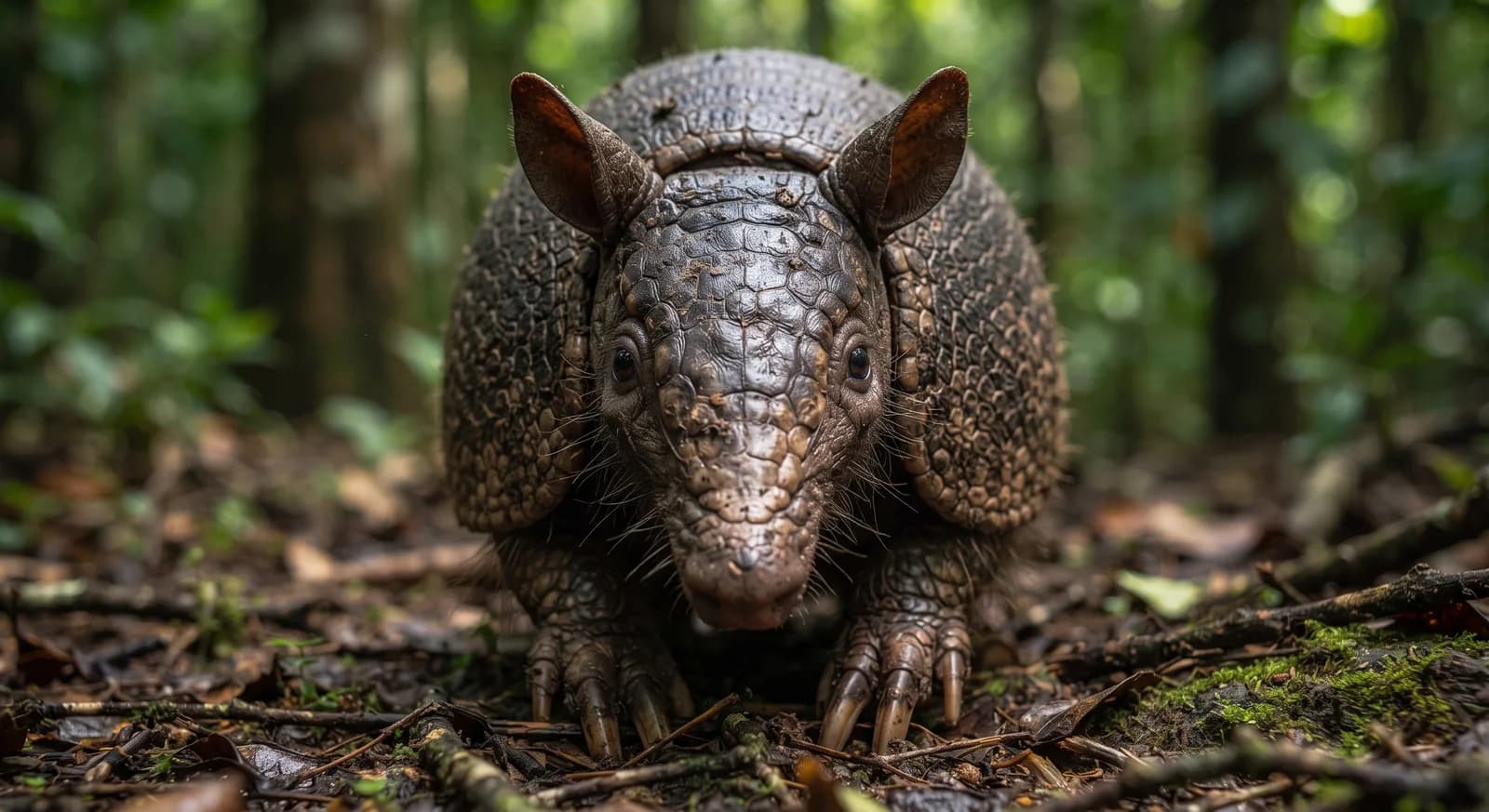 Vulnerable
Giant Armadillo
Priodontes maximus
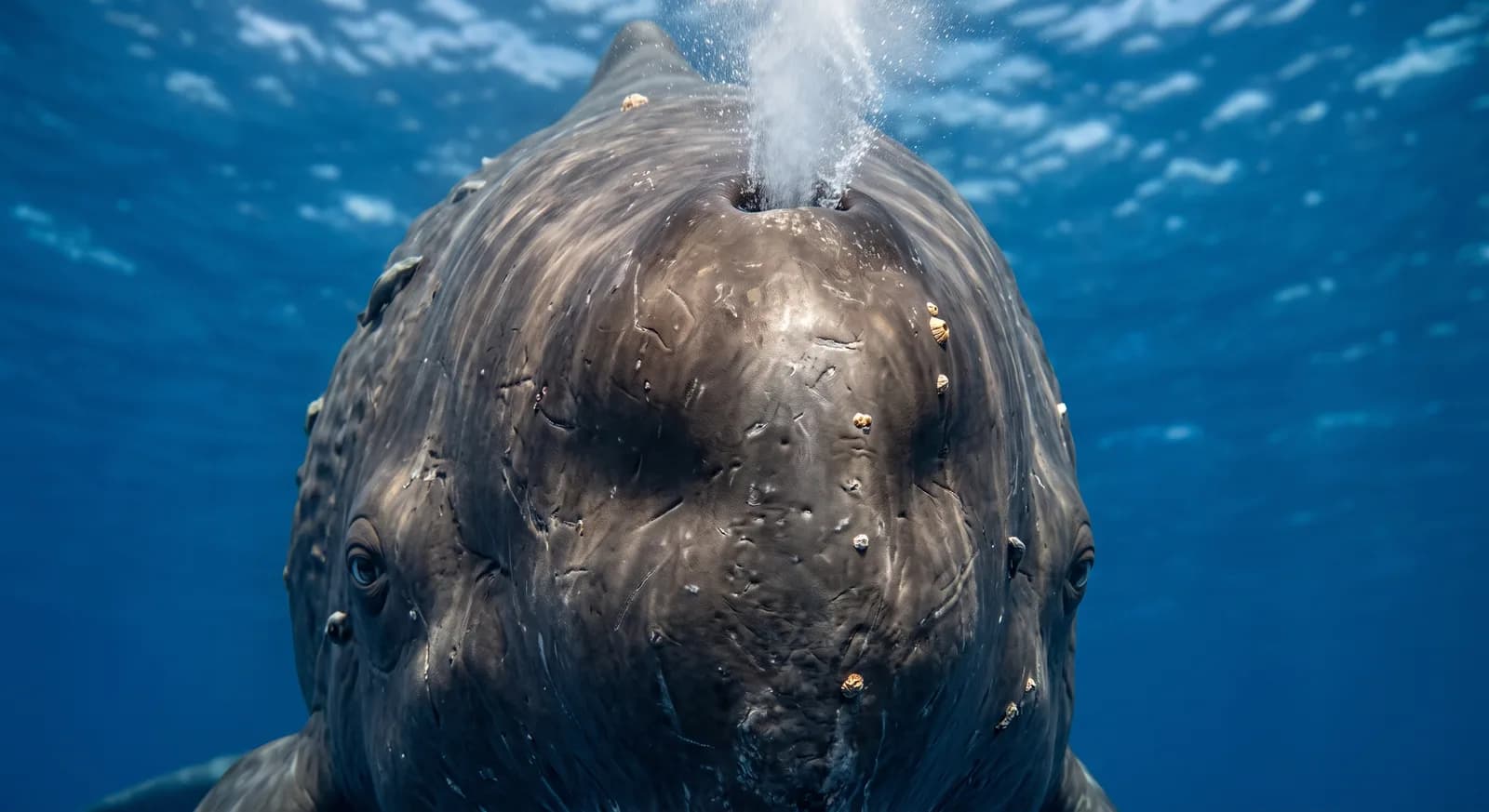 Vulnerable
Sperm Whale
Physeter macrocephalus
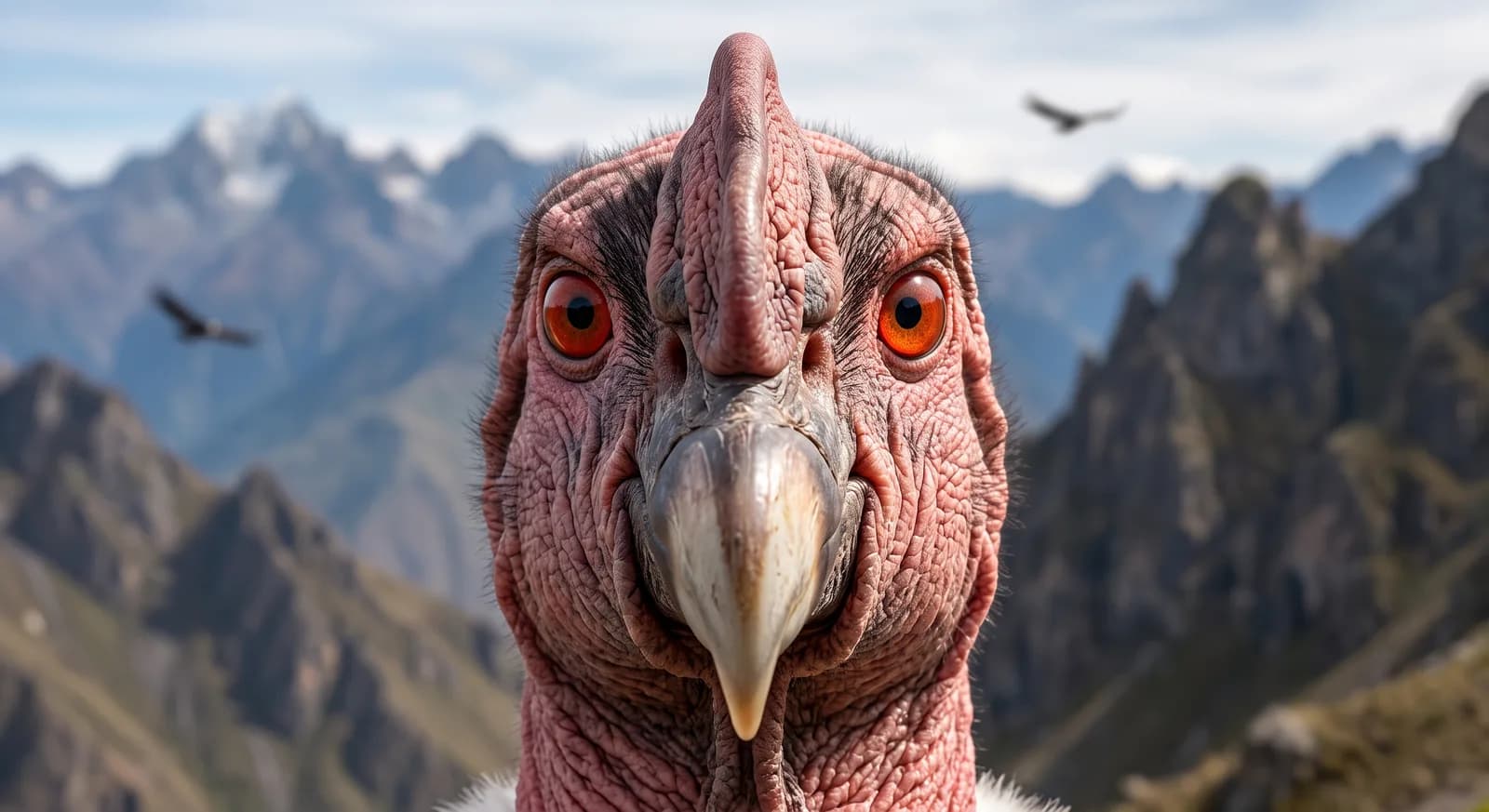 Vulnerable
Andean Condor
Vultur gryphus
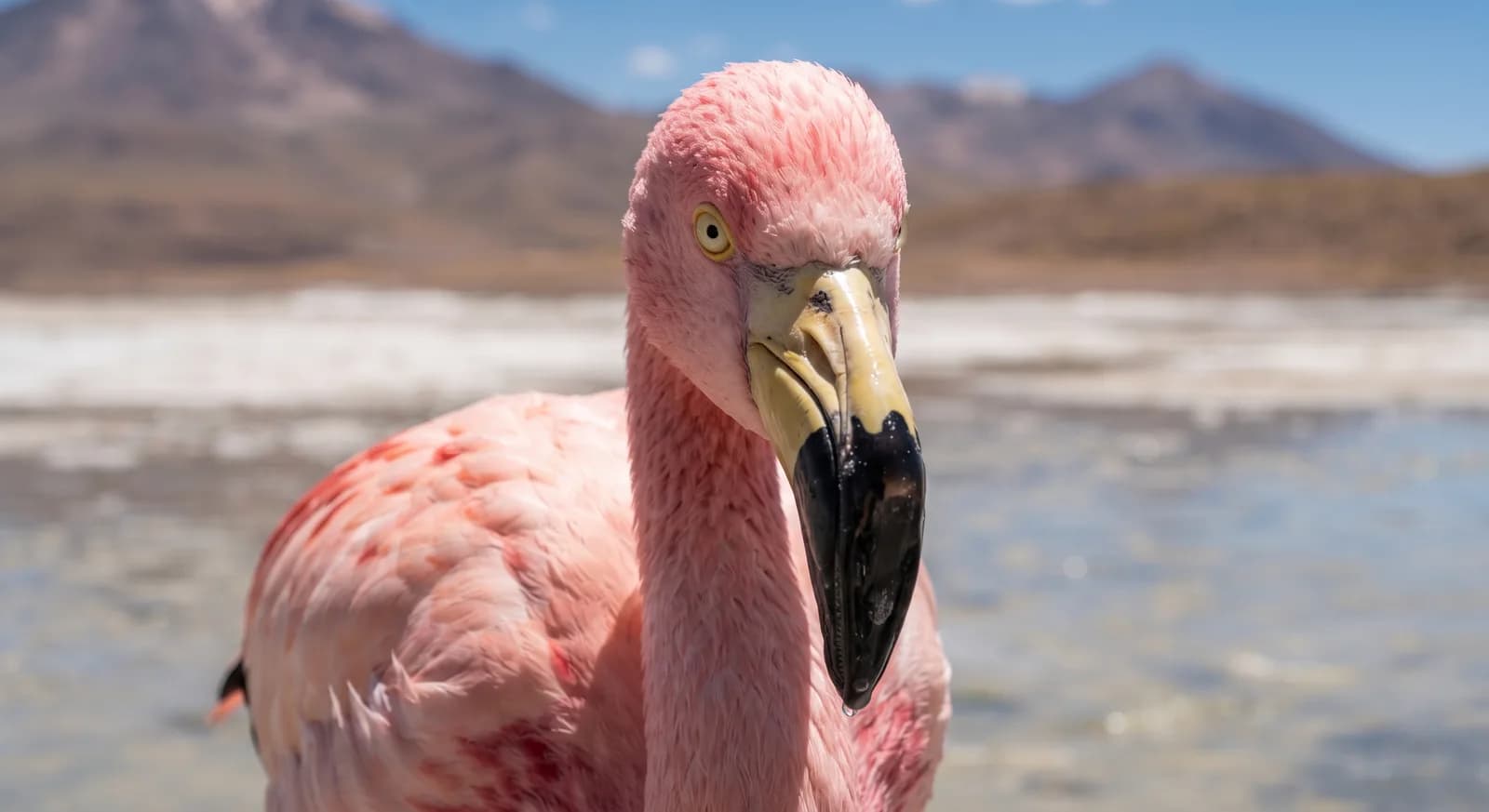 Vulnerable
Andean Flamingo
Phoenicoparrus andinus
 Vulnerable
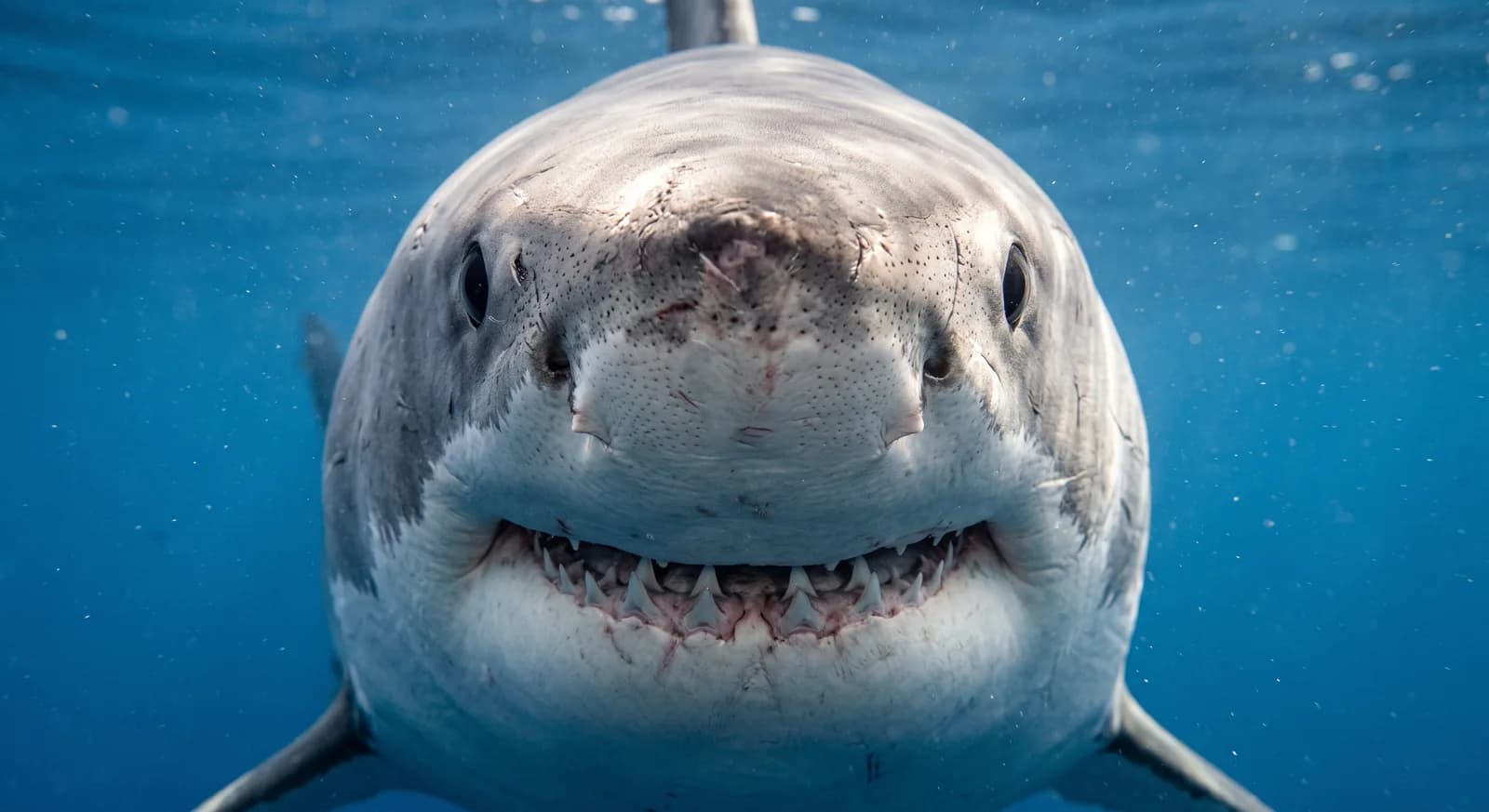
Great White Shark
Carcharodon carcharias
 Vulnerable
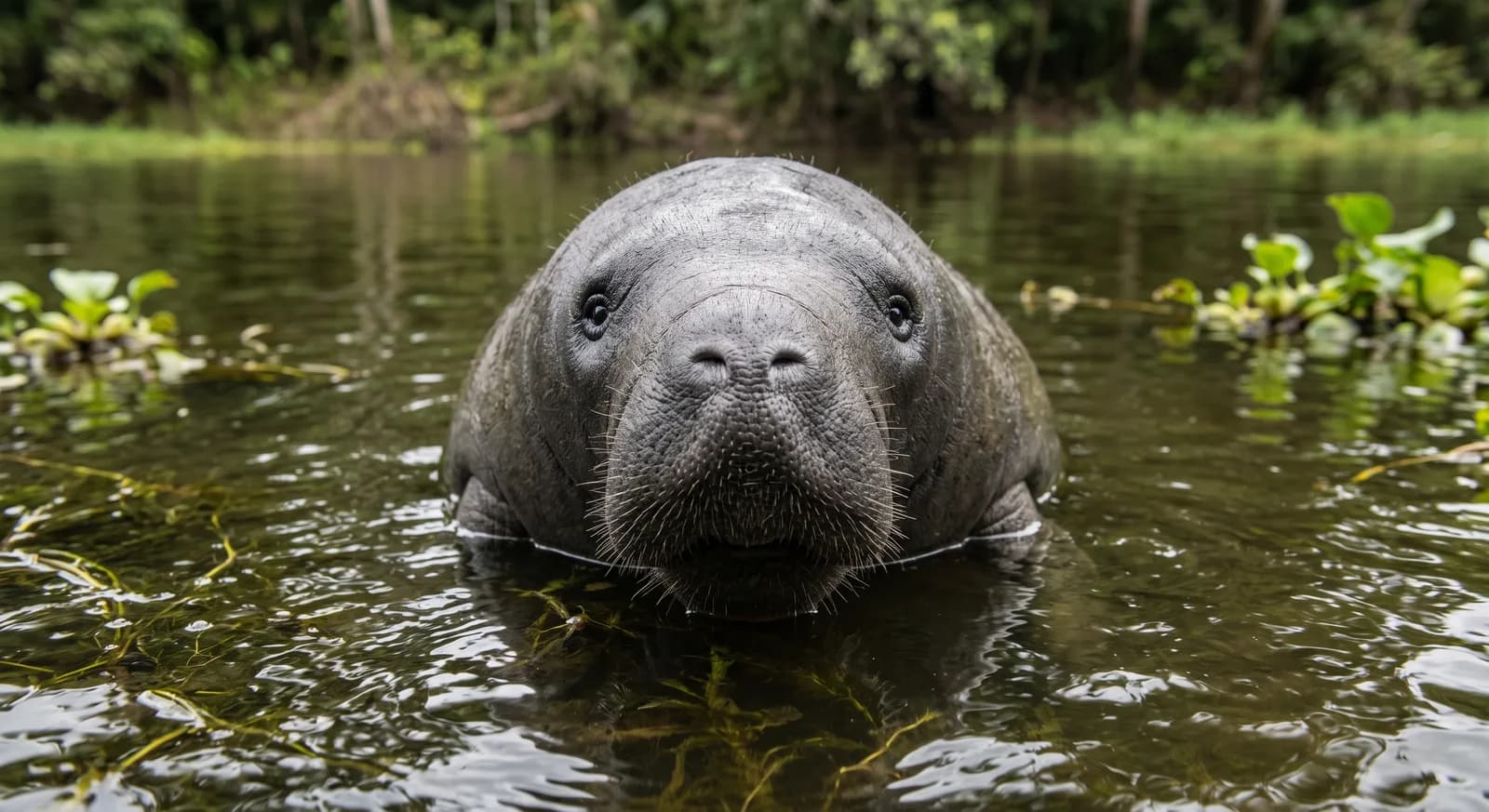
Amazonian Manatee
Trichechus inunguis
 Vulnerable
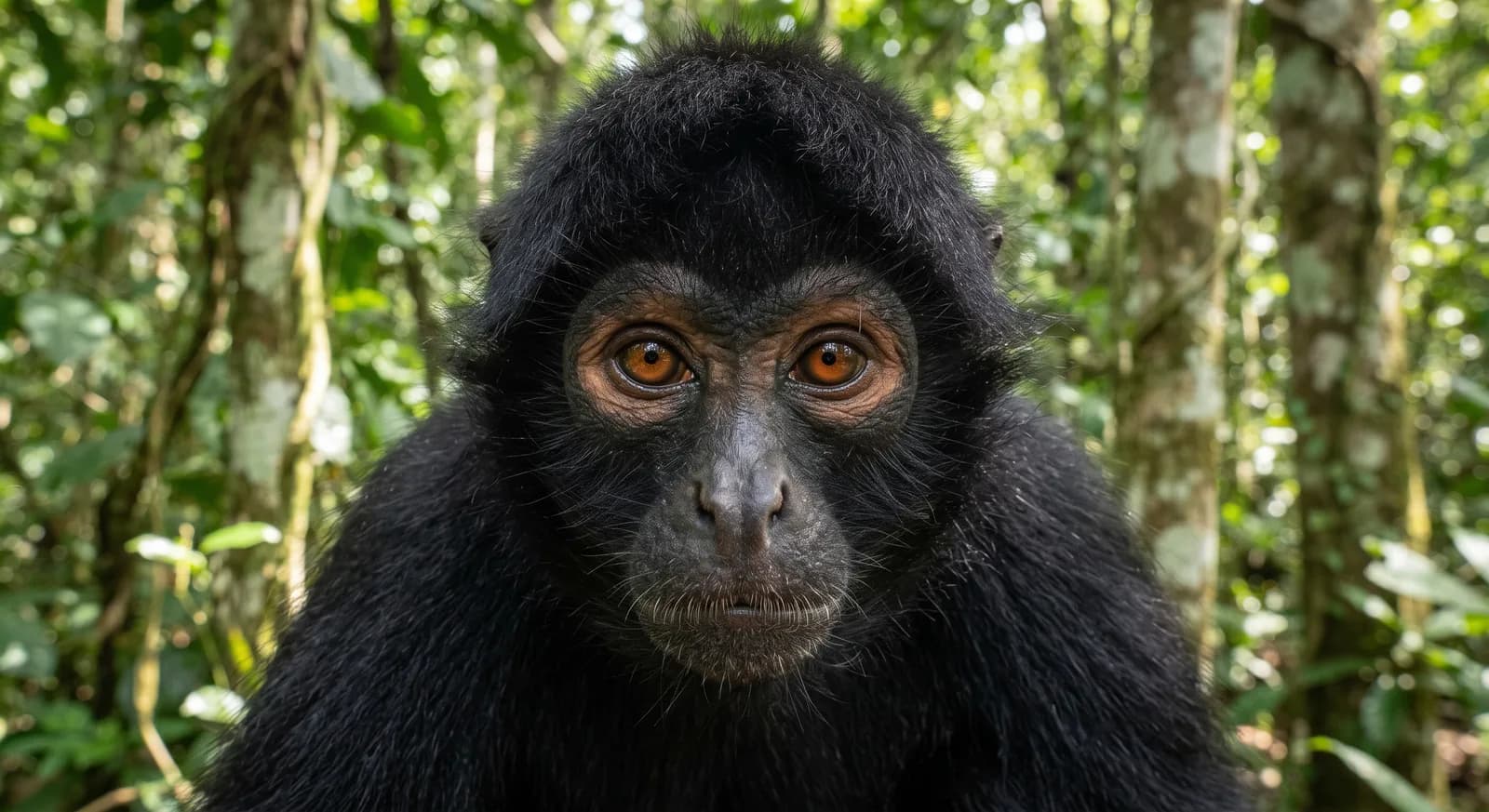
Red-faced Black Spider Monkey
Ateles paniscus
 Vulnerable
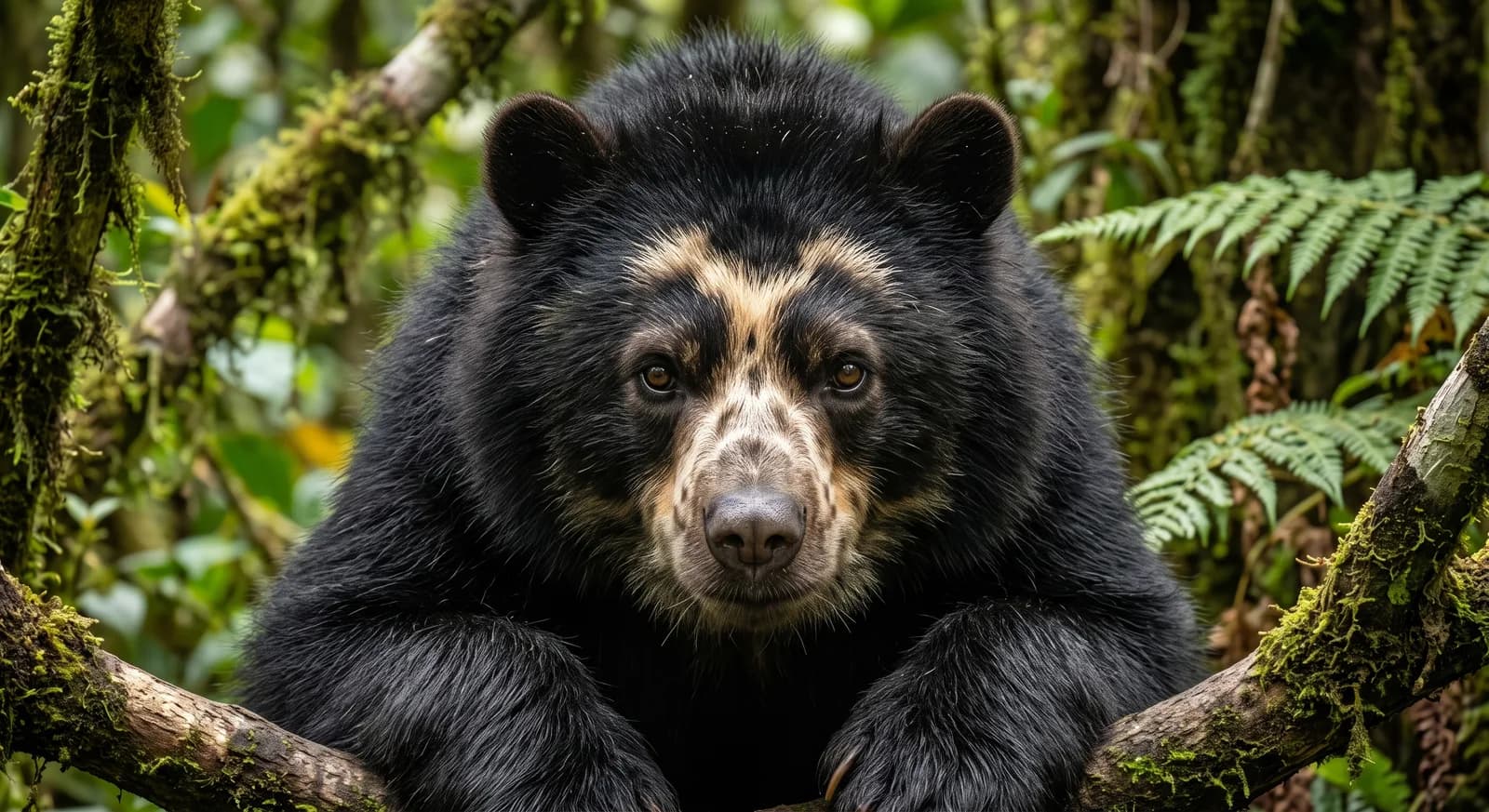
Andean Bear
Tremarctos ornatus
 Vulnerable
Giant Anteater
Myrmecophaga tridactyla
 Vulnerable
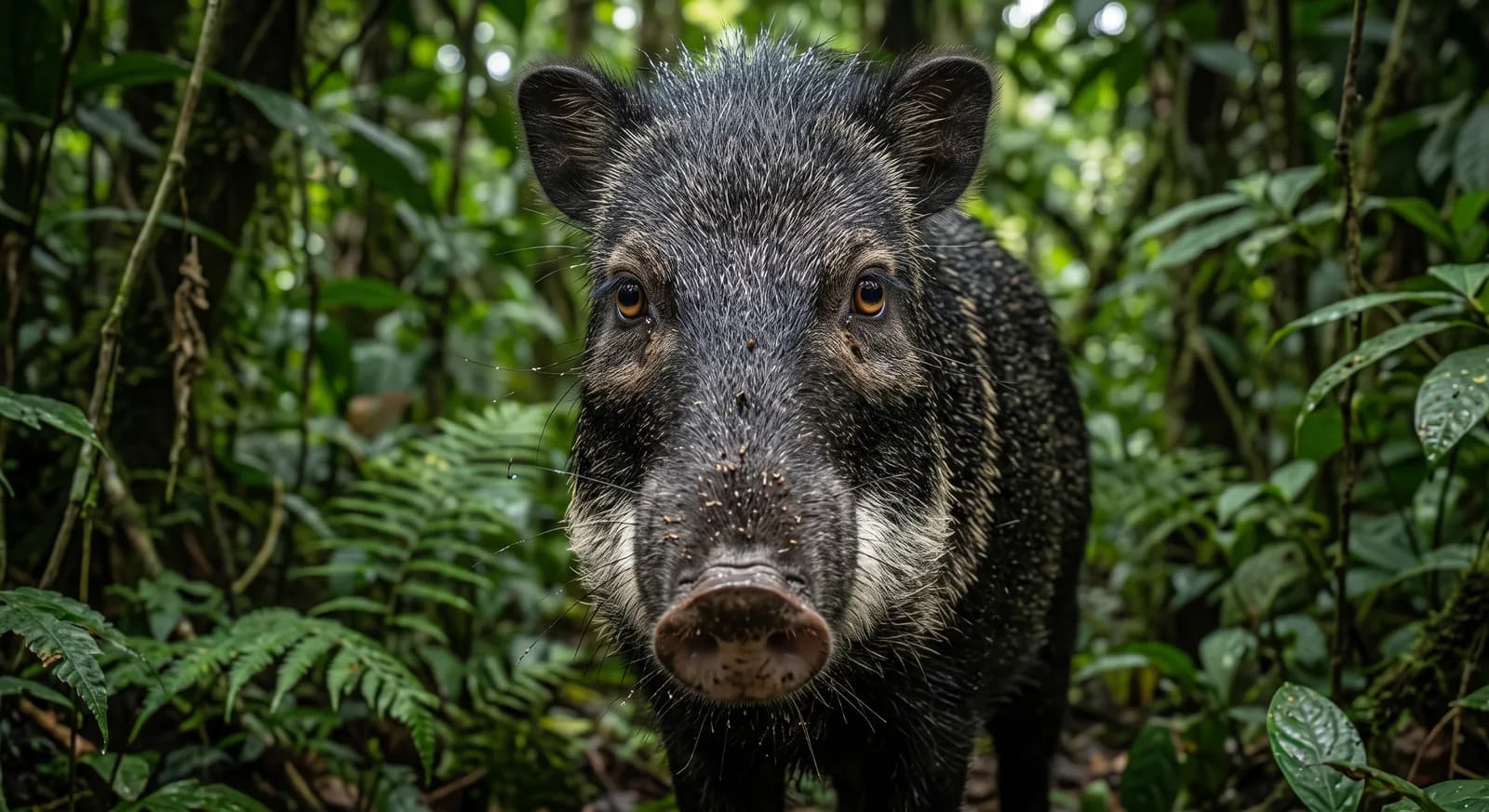
White-Lipped Peccary
Tayassu pecari
 Vulnerable
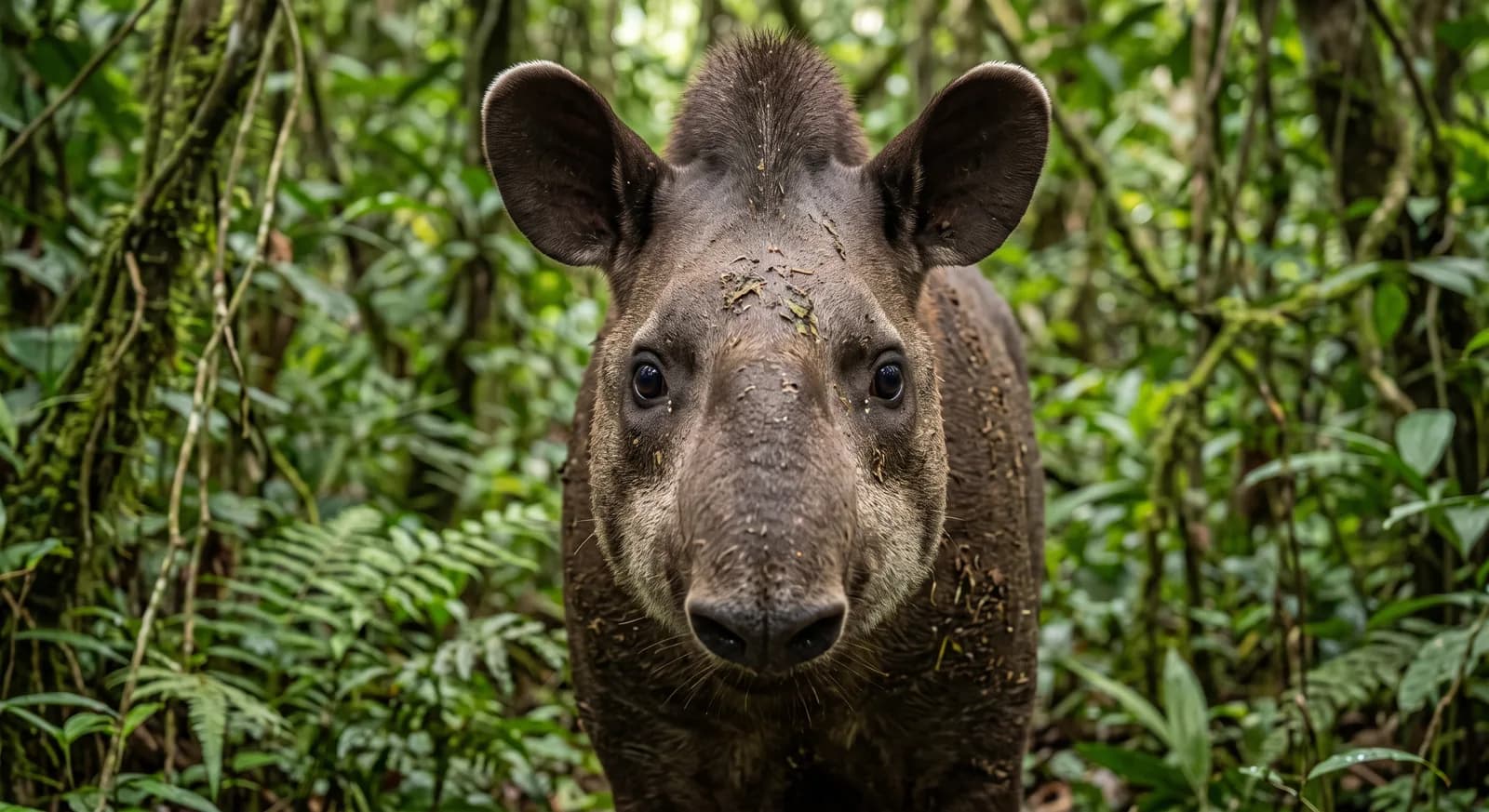
Lowland Tapir
Tapirus terrestris
 Vulnerable
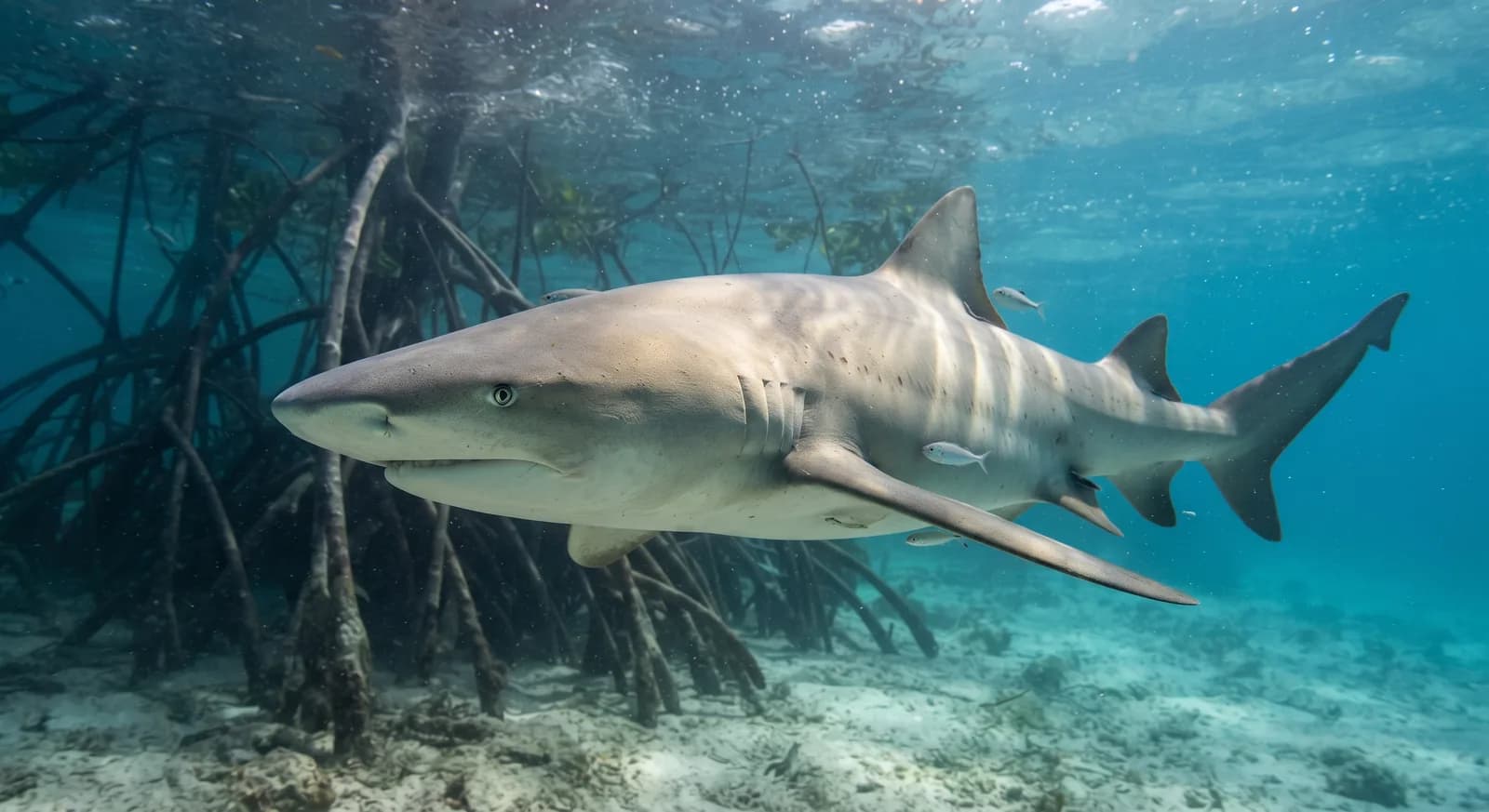
Lemon Shark
Negaprion brevirostris
Keep exploring
Based on what we already know about Venezuela.