 Not Evaluated
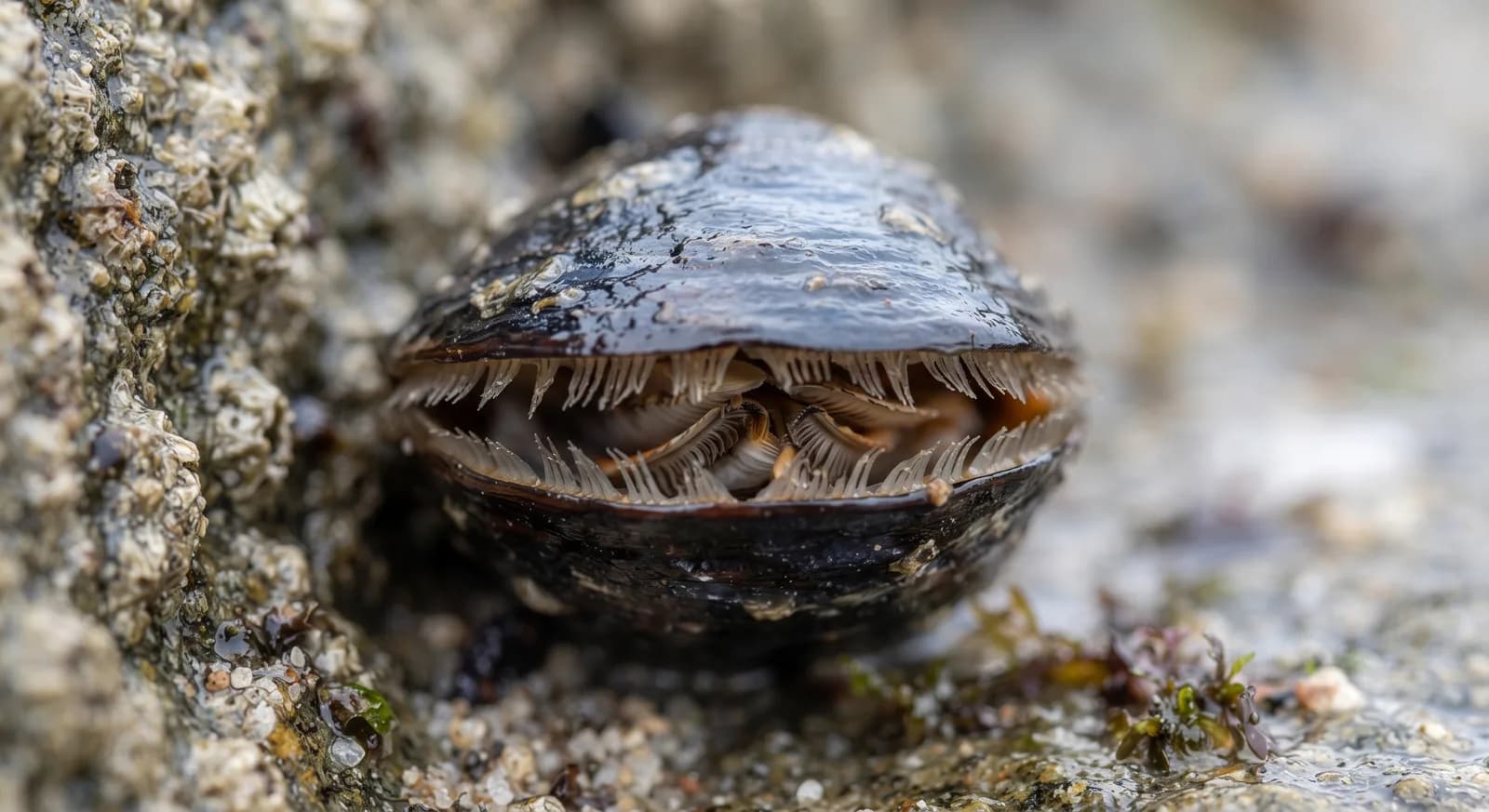
Mediterranean Mussel
Mytilus galloprovincialis
Bivalves · Venerida · Veneridae
Chamelea gallina
It has not yet been assessed against the IUCN criteria.
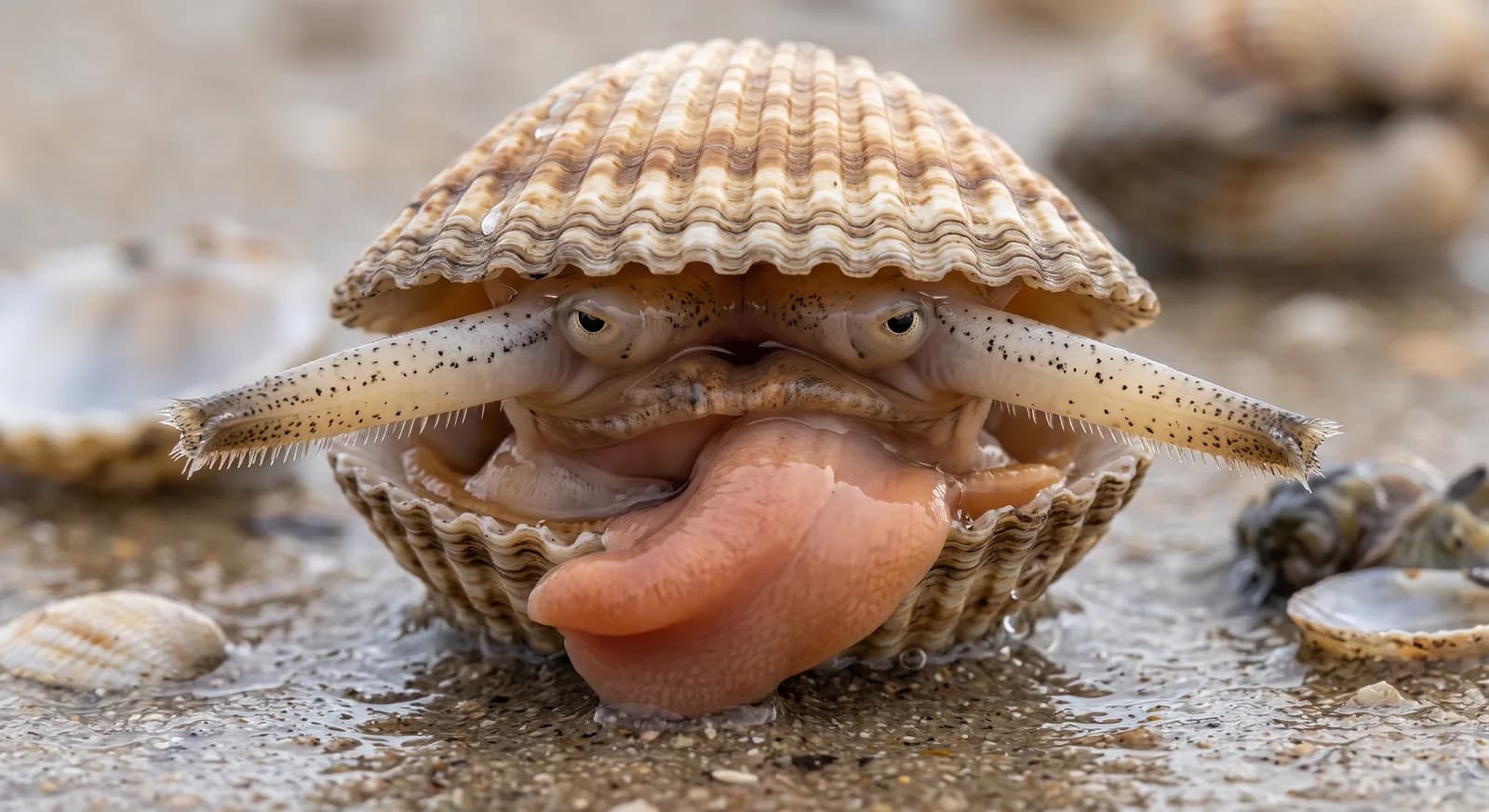
The chicken venus (Chamelea gallina) is a saltwater bivalve mollusc of the family Veneridae. It lives in the sandy sediments of the coast, at shallow depths ranging from a few centimetres to 20 metres. It feeds on plankton filtered from the water. Its range extends from the Mediterranean to the Atlantic coast of Europe, including the North Sea and the coasts of Portugal, Morocco and Spain, and it is very abundant in the Adriatic. It is about 25 mm long and has characteristic concentric lines on its valves. Its fishery is commercially valuable; world catches in 1995 were reckoned at some 42,000 tonnes.
Size
up to 4.5 cm
Life expectancy
10 years
Diet
Omnivore
Combines animal and plant food depending on availability.
Social structure
Solitary
Lives and hunts alone, joining others only to breed.
Sources consulted: Wikipedia (es): Chamelea gallina · ScienceDirect (Hughes 1989) · Science Advances, How colonial animals evolve · Wikipedia, Zooid
Parks and dive sites where this species has been documented — showing 20 of 100.
Other species in the catalogue with the most in common with Chicken Venus — same habitat, park, country, tags or family.
Based on what we already know about chicken venus.
The pins mark the parks and dive sites where its presence is documented.