 Least Concern
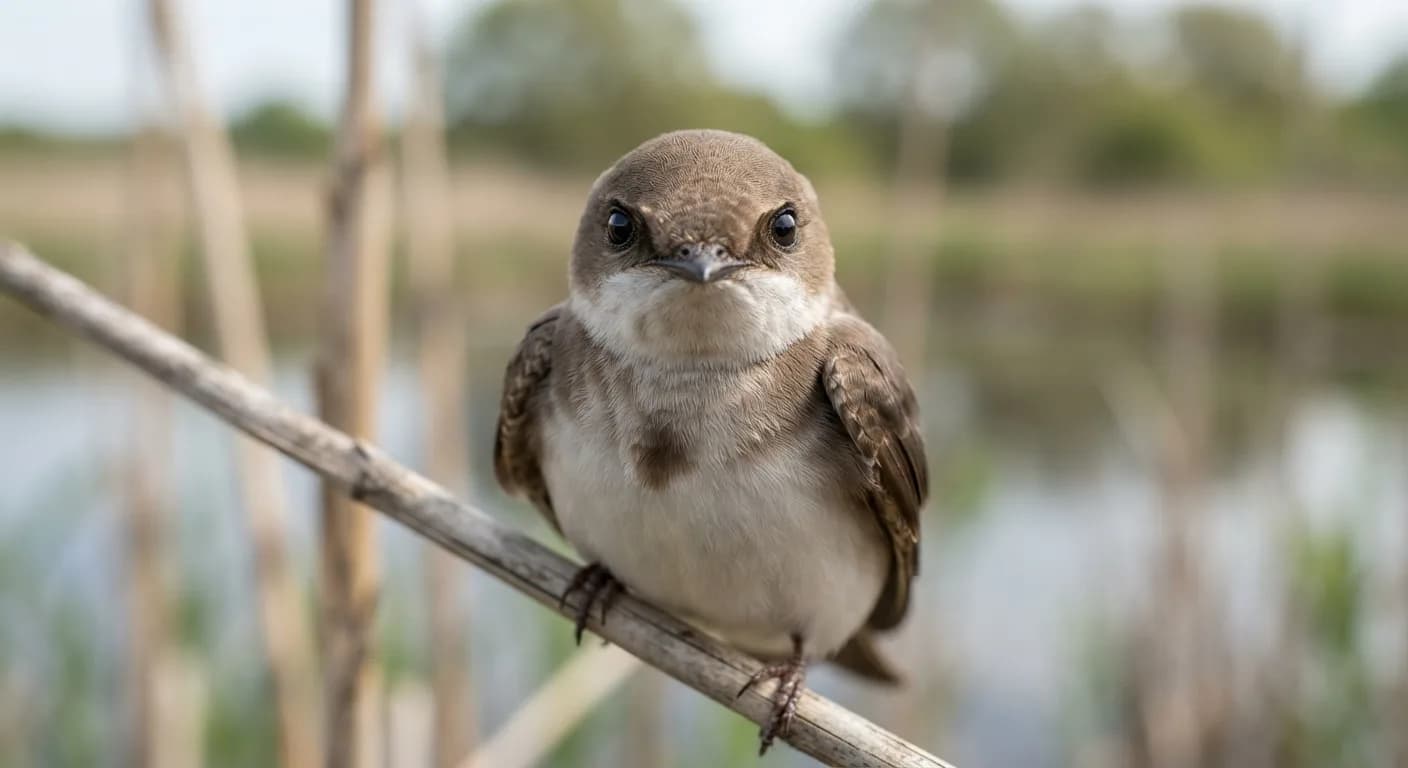
Sand Martin
Riparia riparia
45 countries170 parks
Species group · Birds
WAnimals has 3 species of martin, in the family Hirundinidae.
Ranges calculated from the profiles that record the figure, not from all 3.
Each one has its own full profile. This group does not replace them: it brings them together.
No species documented in this group is genuinely at risk according to the IUCN, with the data available today.
Recorded in 51 countries. The ones with the most species in the group:
It digs burrows up to 1 m into sandy banks to breed in colonies.
From
Its scientific name comes from the Latin ripa, riverbank; in the Americas it is called the bank swallow.
From
The chicks gather in crèches during the day and at night may sleep in neighbouring burrows: the parents recognise their own by individual calls.
From
It is the least migratory of Europe's swallows and martins: many winter in Iberia.
From
It is the only hirundine that can be seen on the Iberian Peninsula all year round.
From
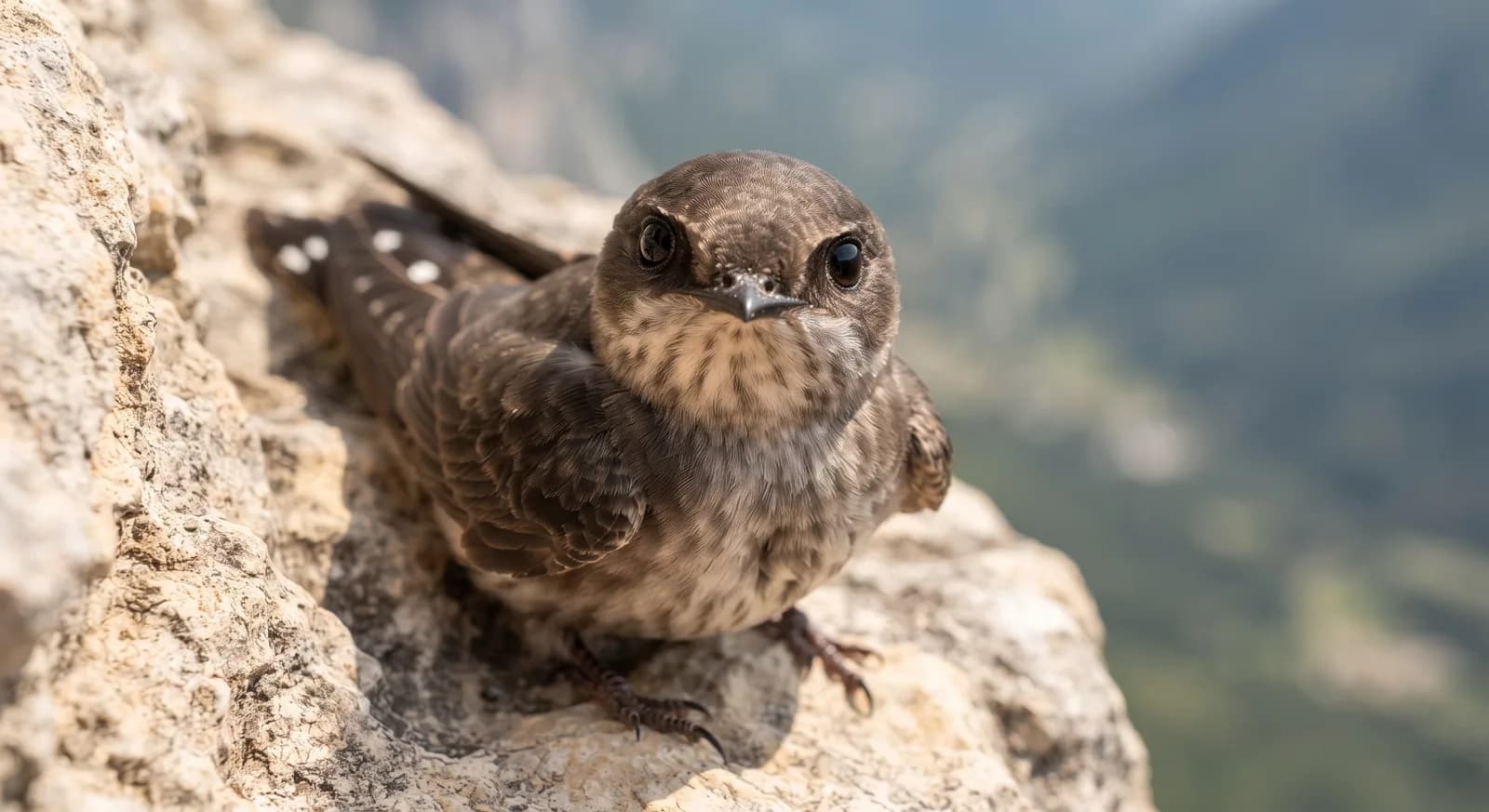
It flies with remarkable precision close in to vertical rock faces, working along them a few centimetres out and at great speed.
From
Its nest is a closed half-sphere of mud pellets with a small entrance at the top, put up by the pair in about ten days over hundreds of trips.
From
A study in Scotland found that 15% of the chicks were not the offspring of the male raising them, and that 32% of broods contained at least one chick by another father.
·
From