 Least Concern
Brent Goose
Branta bernicla
17 countries27 parks
Species group · Birds
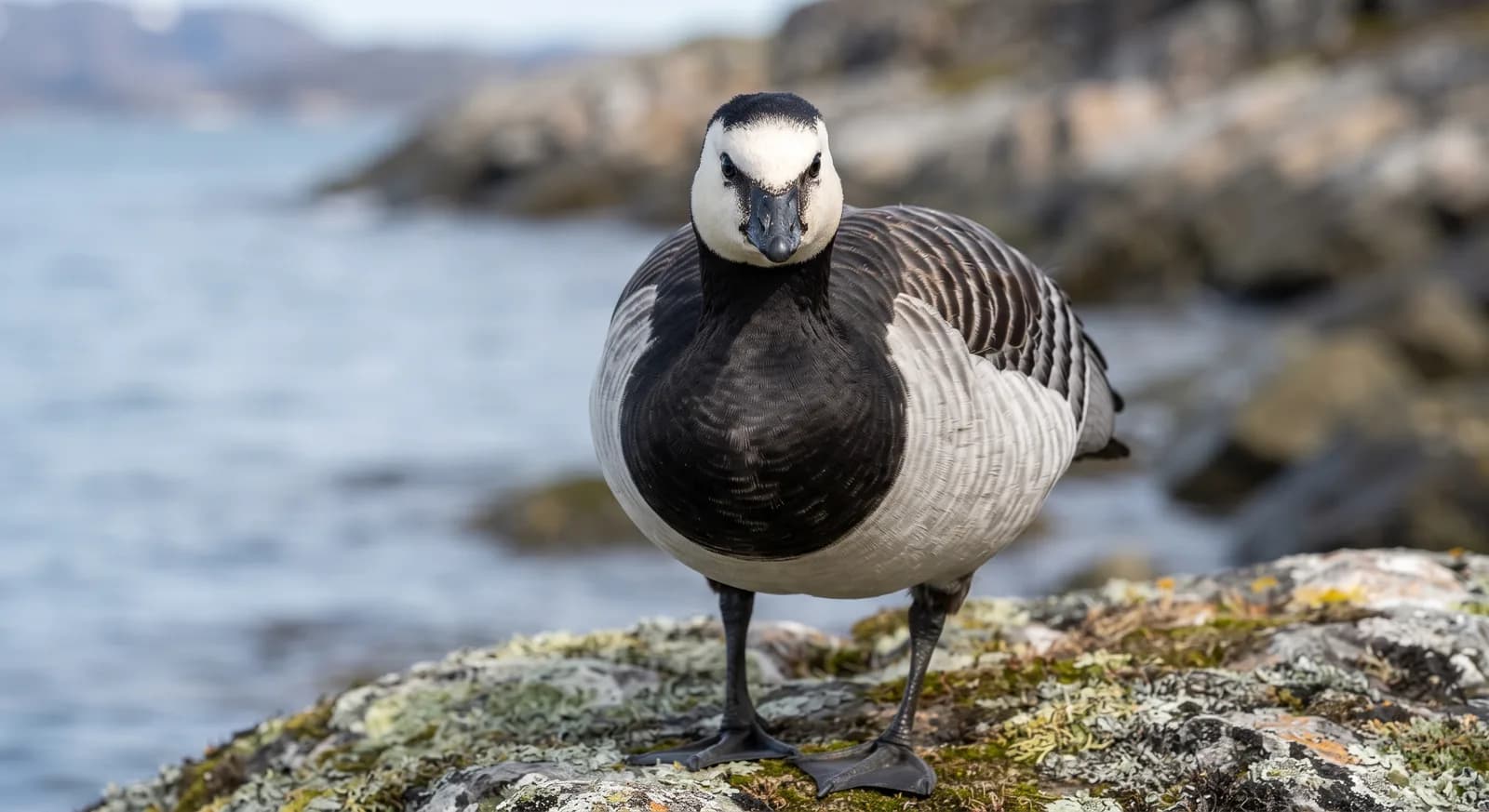
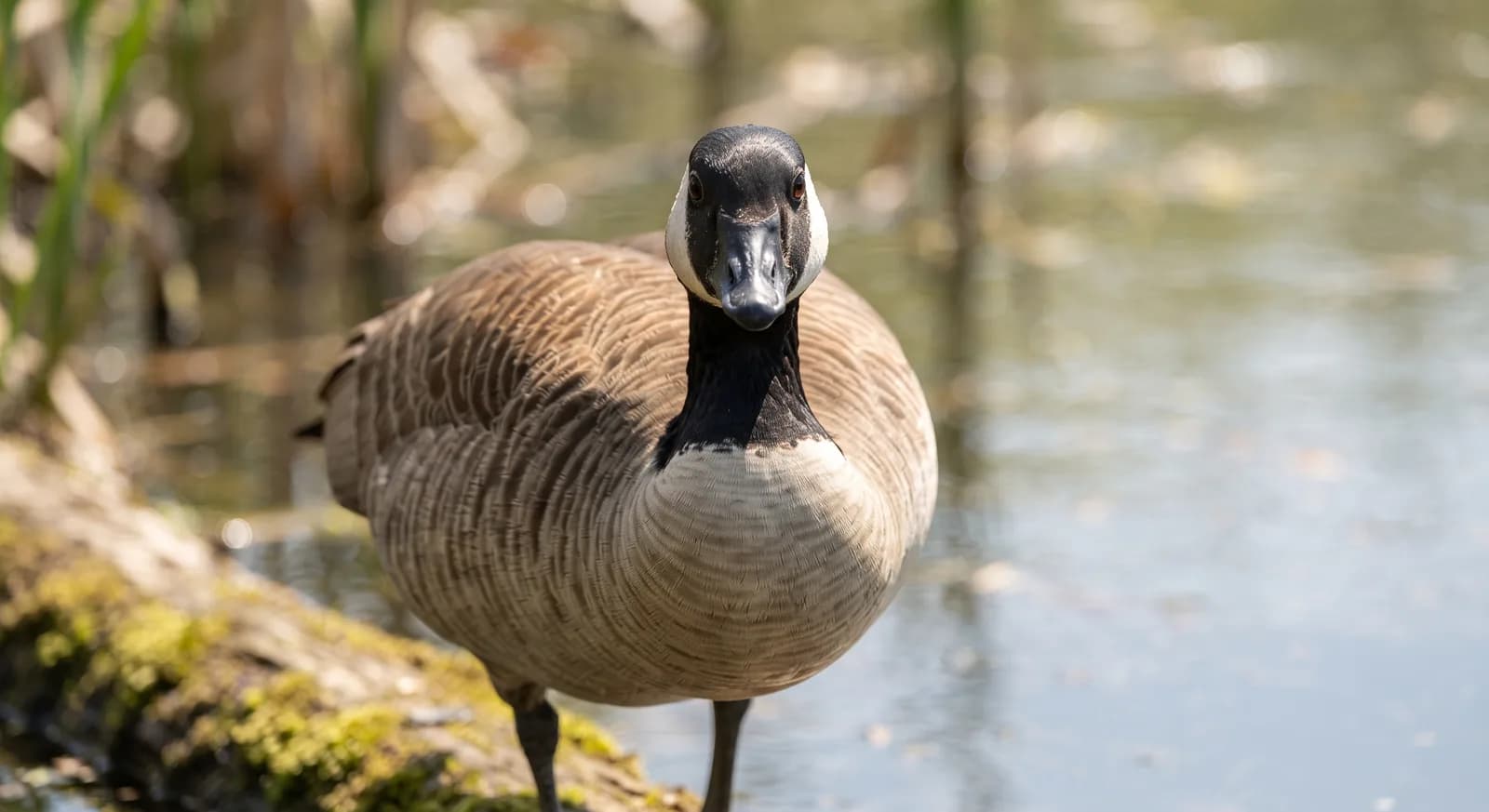
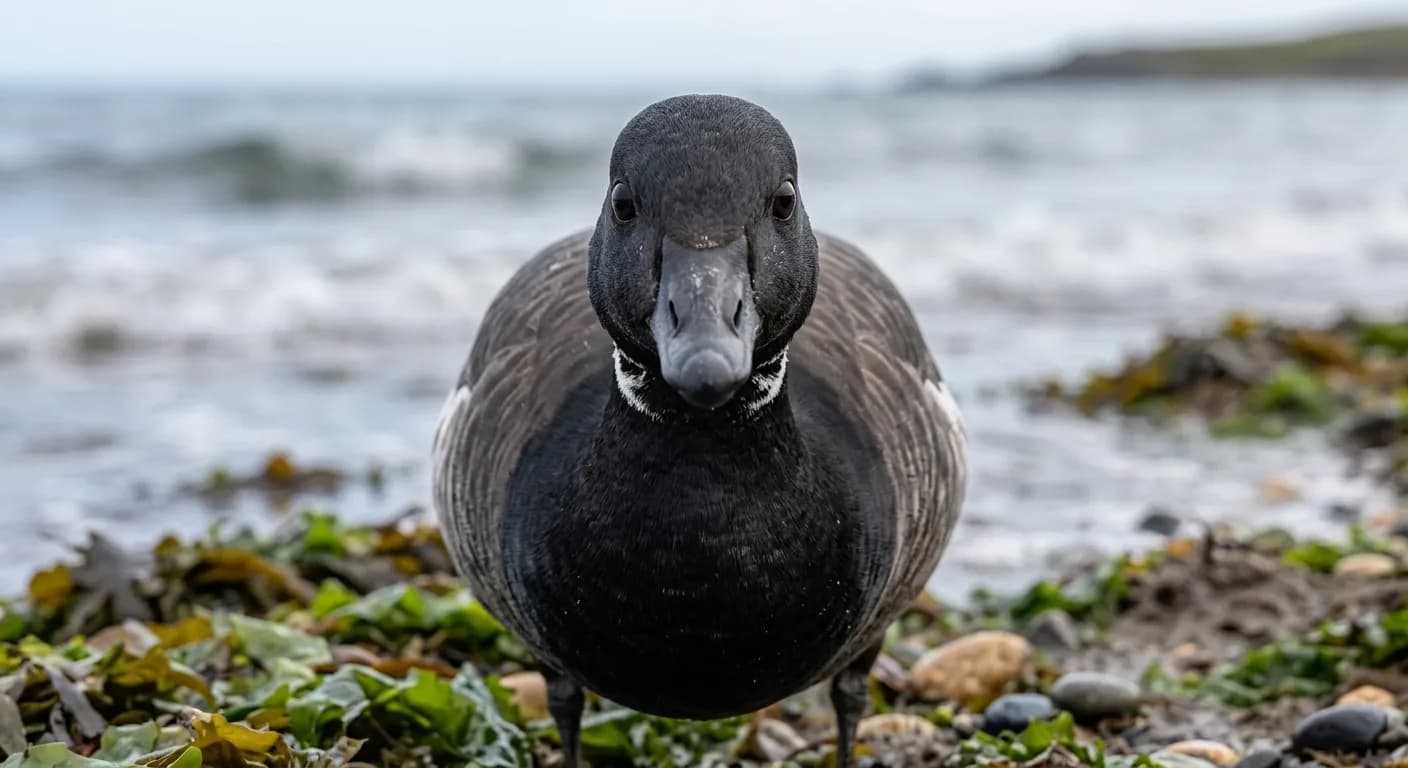
WAnimals has 3 species of black goose, in the family Anatidae.
Ranges calculated from the profiles that record the figure, not from all 3.
Each one has its own full profile. This group does not replace them: it brings them together.
No species documented in this group is genuinely at risk according to the IUCN, with the data available today.
Recorded in 20 countries. The ones with the most species in the group:
In winter it depends almost entirely on eelgrass beds.
From
It is the type species of the genus Branta, created by Scopoli in 1769.
From
Its scientific name, bernicla, and the English name of its relative the barnacle goose both come from the same medieval myth about goose barnacles.
From
Its chicks throw themselves off cliffs up to 100 m high within days of hatching, to reach the grass below.
From
In Greenland it nests high on inaccessible cliffs to escape the Arctic fox and the polar bear, but that leaves the goslings far from food: since the adults do not feed them, three-day-old goslings throw themselves off the cliff and survive the fall thanks to their tiny weight and their down.
From
Its name comes from a medieval belief: they were thought to be born from goose barnacle shells, because nobody knew they bred in the Arctic. The myth is documented from at least the 12th century.
From
It pairs for life and flies in its characteristic V formation.
From
·
There is a marked variation in size across its 7 recognised subspecies.
From