 Not Evaluated
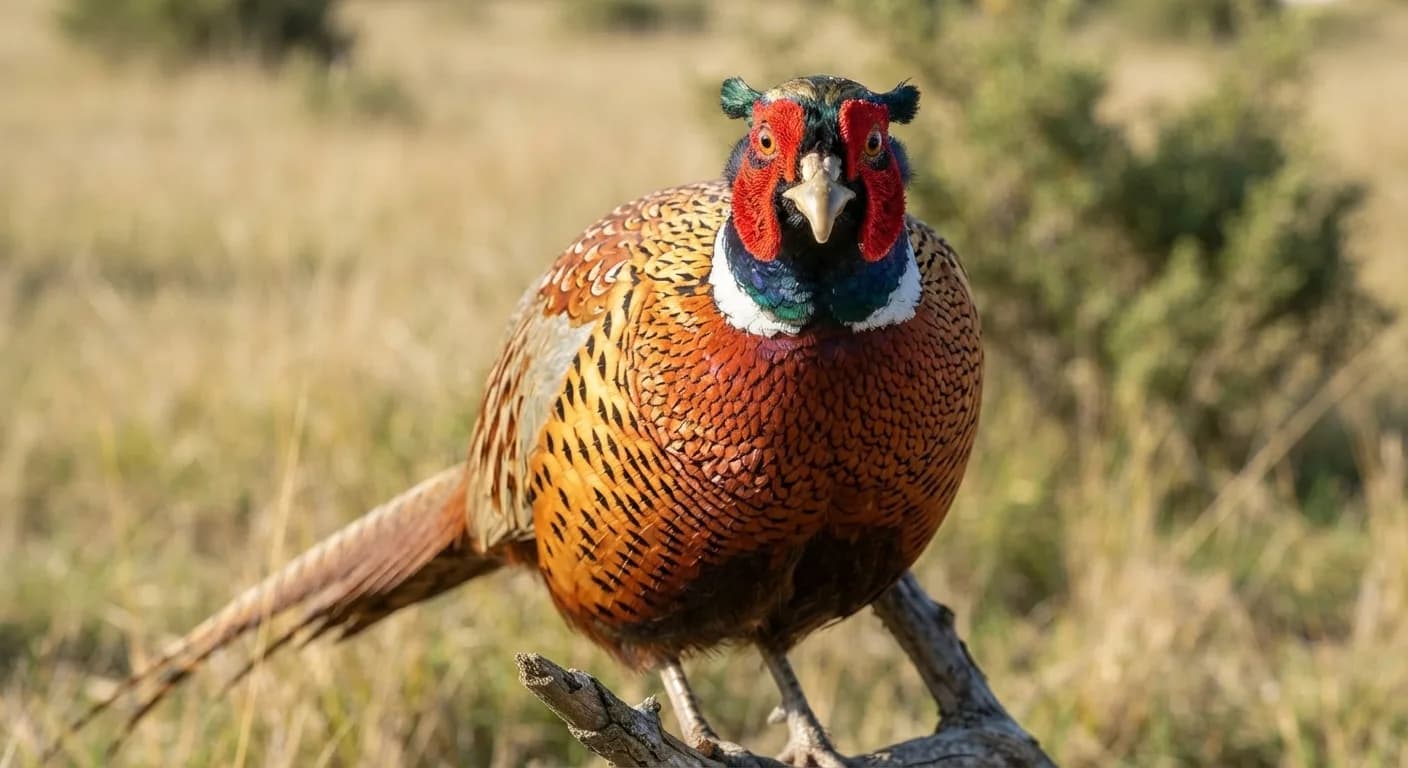
Common Pheasant
Phasianus colchicus
47 countries31 parks
Species group · Birds
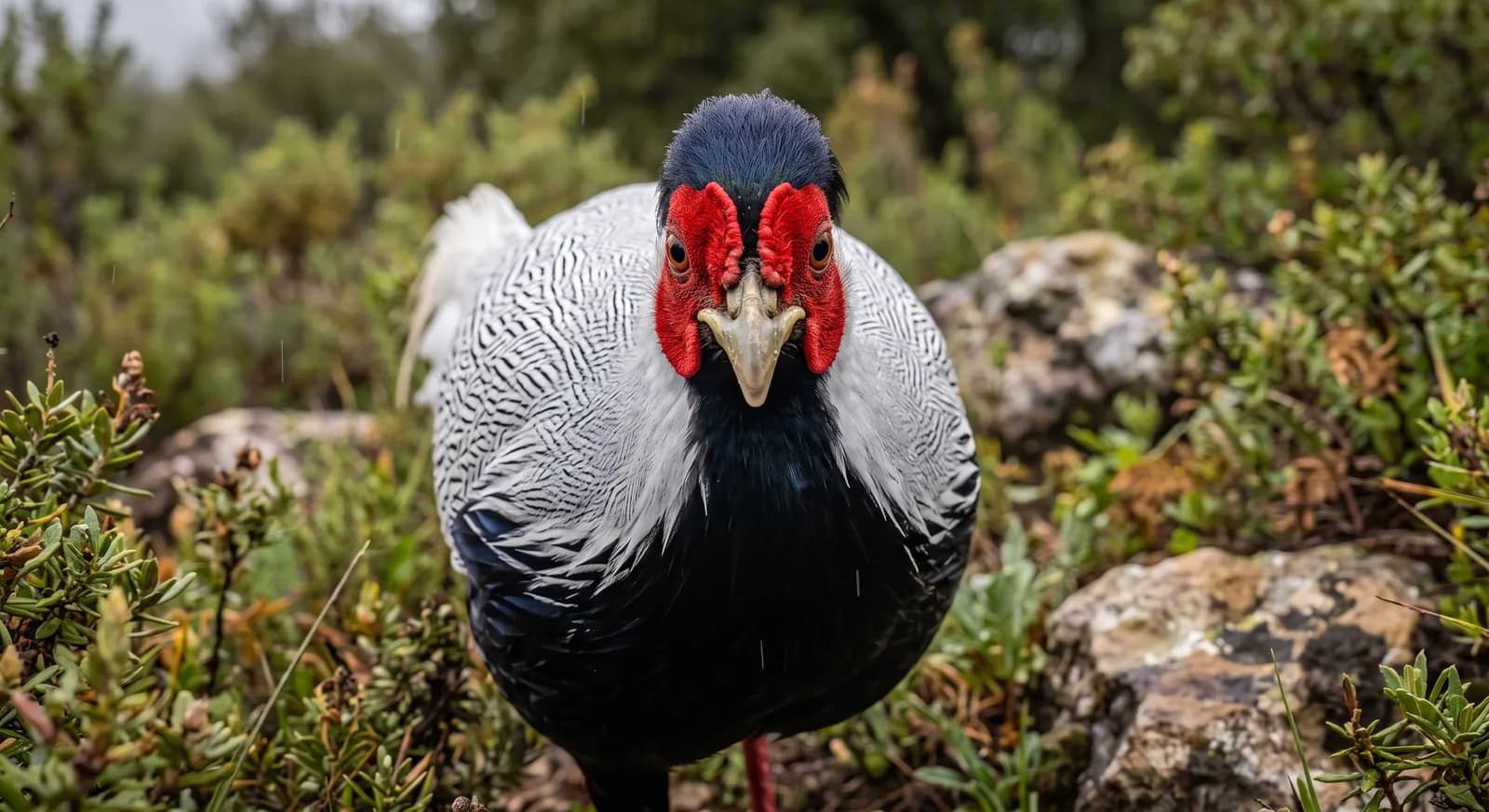
WAnimals has 3 species of pheasant, in the family Phasianidae.
Ranges calculated from the profiles that record the figure, not from all 3.
Each one has its own full profile. This group does not replace them: it brings them together.
No species documented in this group is genuinely at risk according to the IUCN, with the data available today.
Recorded in 53 countries. The ones with the most species in the group:
It is polygynous: a single male may hold a harem of as many as twelve females, which he defends fiercely through the breeding season.
From
It eats seeds, grain, shoots and berries, supplemented with insects and small invertebrates.
From
Only 5% of birds survive to three years old in the wild.
From
It has been one of the commonest pheasants in aviculture collections worldwide since the 18th century, to the point that feral populations exist in several countries outside its natural range.
From
The wild populations vary so much from one mountain range to another that more than a dozen subspecies have been described, some with an almost black rather than silvery back.
From
Its orange-and-black cape can be spread: the male opens it like a sideways fan that covers half his face during courtship, showing the female only one eye as he positions himself beside her.
From
Despite plumage that seems impossible to conceal, it is extremely elusive in the wild: it lives in dense bamboo and would rather run crouched than fly.
From
·
It has been bred in captivity in the West since the 18th century and there are feral populations in the United Kingdom, though always small and in decline.
From