 Not Evaluated
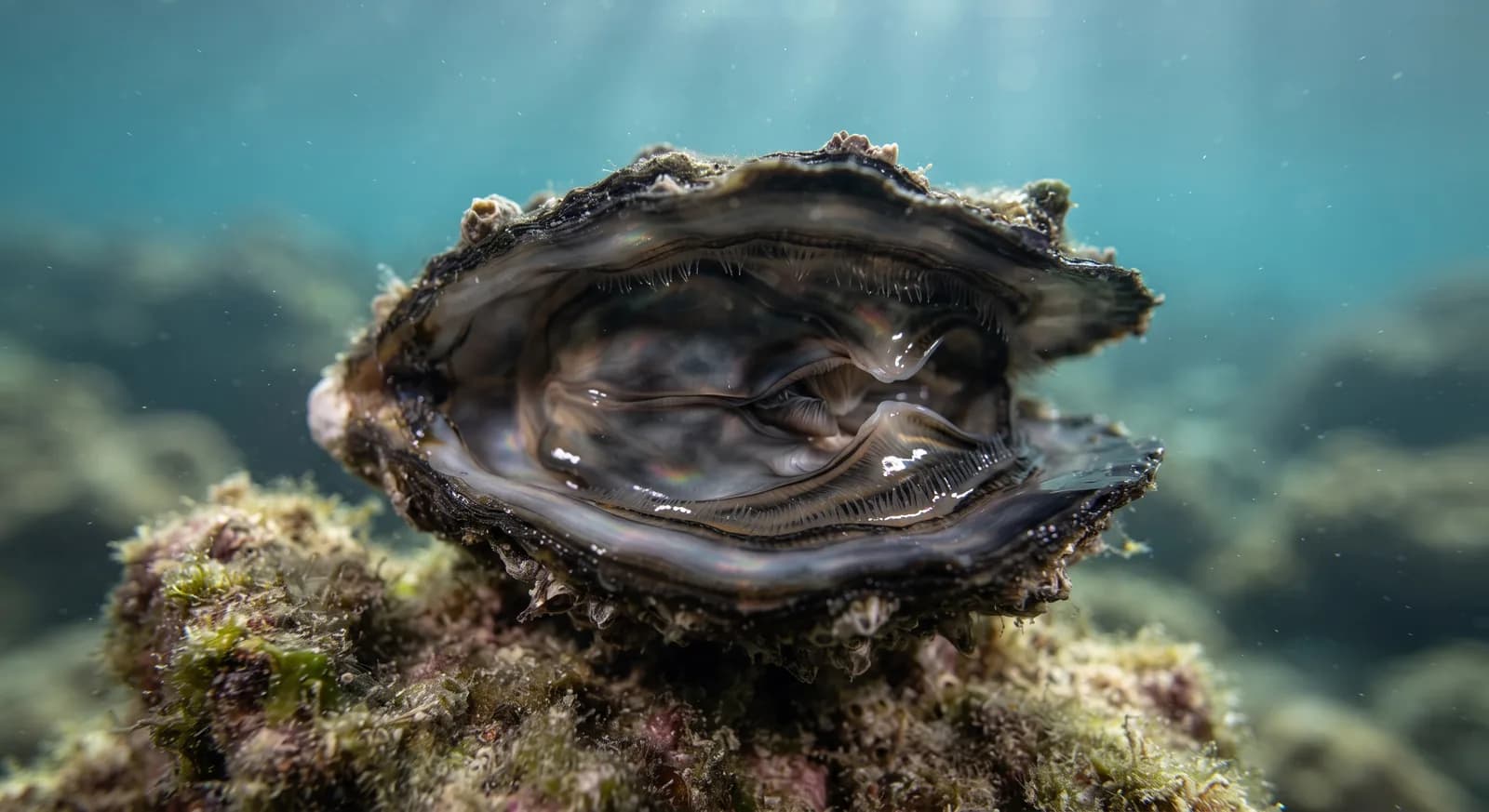
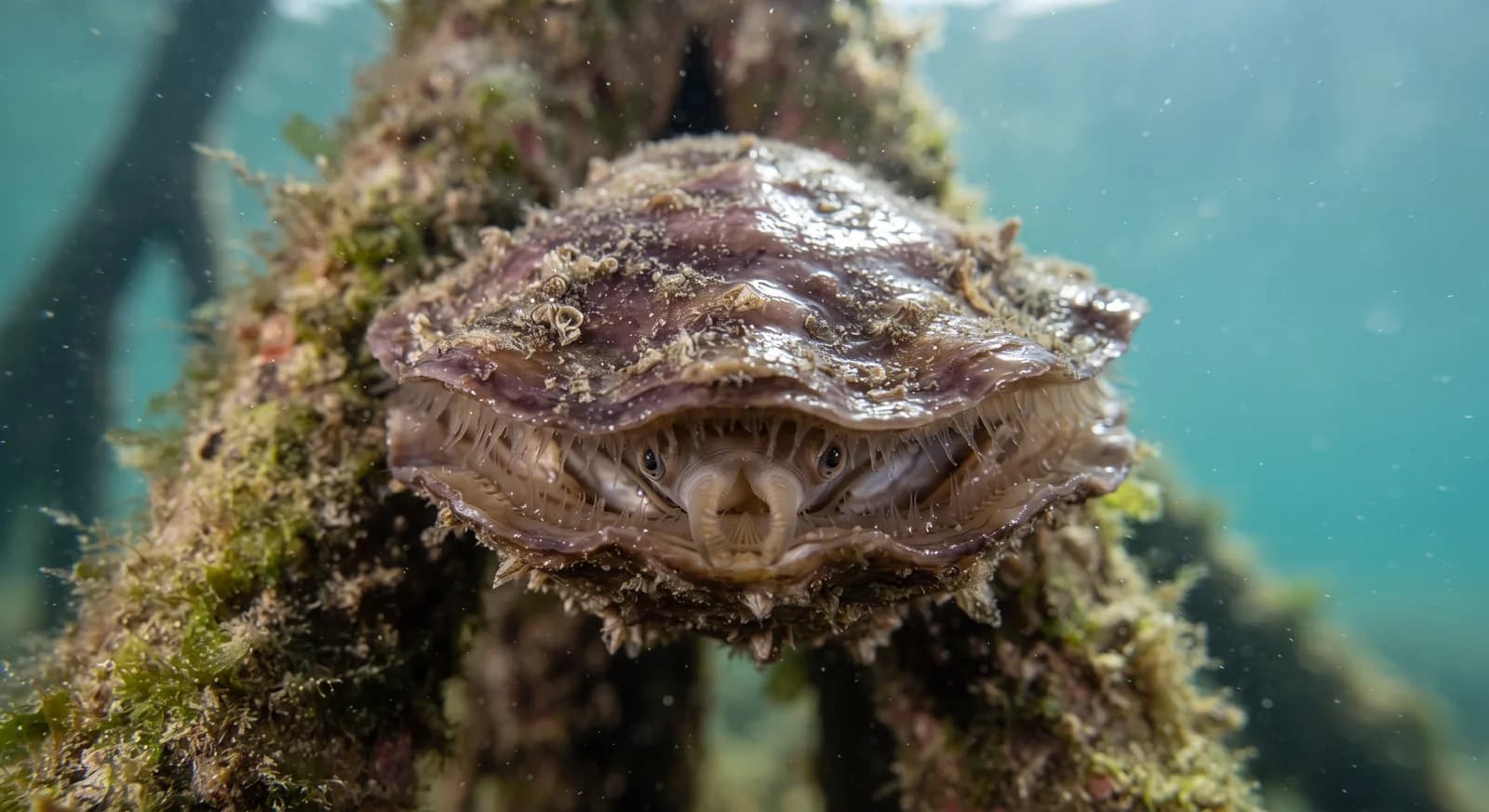
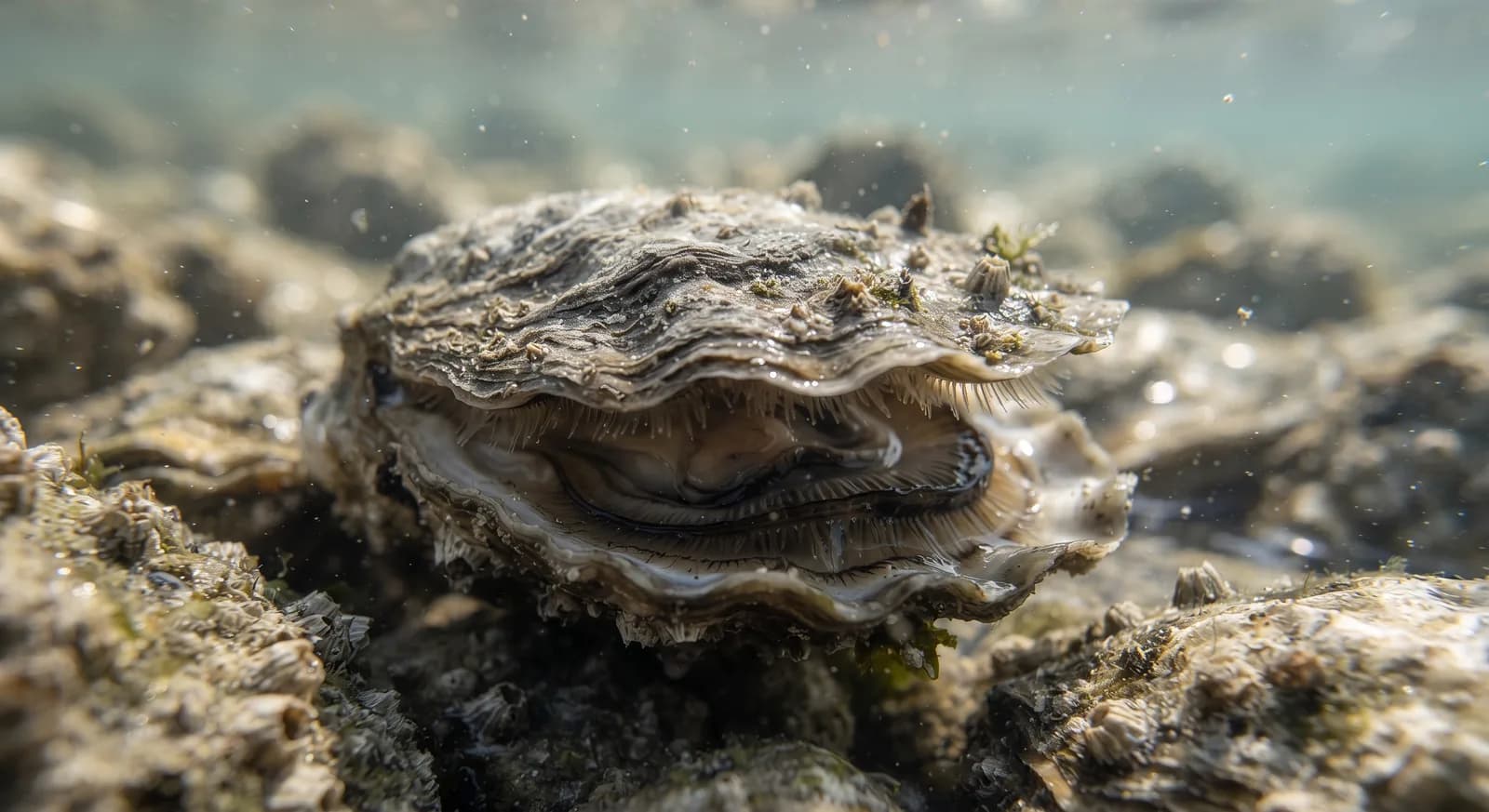
Common Oyster
Ostrea edulis
37 countries49 parks83 dive sites
Species group · Bivalves
WAnimals has 4 species of oyster, spread across 3 families (Isognomonidae, Ostreidae, Pteriidae).
Ranges calculated from the profiles that record the figure, not from all 4.
Each one has its own full profile. This group does not replace them: it brings them together.
No species documented in this group is genuinely at risk according to the IUCN, with the data available today.
Recorded in 152 countries. The ones with the most species in the group:
It broods its larvae for 7 to 10 days inside its own mantle cavity before releasing them.
From
Its European populations have been in steep historical decline.
From
Every oyster is born male and can change sex several times in its life.
From
It is the source of Tahitian black pearls, the economic mainstay of much of French Polynesia.
From
The dark border of the nacre, from which it takes its name, is what gives the pearls their green, grey and aubergine tones.
From
Before pearl farming it was harvested on a huge scale for its shell, the raw material for buttons and marquetry.
From
Its clusters on mangrove roots create microhabitat for crabs, worms and juvenile fish.
From
The straight hinge with a row of parallel grooves makes its valves very easy to identify on the beach.
From
·