Skip to content
WAnimals
  • Map
  • Species
  • Parks
  • Diving
Log inCreate account
WAnimals

The guide for travellers and animal lovers: discover, plan and share your wild adventures around the world.

Discover wildlife

  • Species
  • Ecosystems
  • Glossary
  • Tags

Explore places

  • Map
  • Countries
  • Parks
  • Diving

Plan experiences

  • Guides

Learn

  • Blog

Resources

  • About us
  • How we build our profiles
  • Help centre
  • Contact
  • Install the app

Follow us

Account

  • Log in
  • Create account

© 2026 WAnimals. All rights reserved.

Terms of servicePrivacyCookiesLegal notice
MapSpeciesParksDiving
  1. Home
  2. Species
  3. Pacific Pearl-oyster

One of the 4 oysters on WAnimals
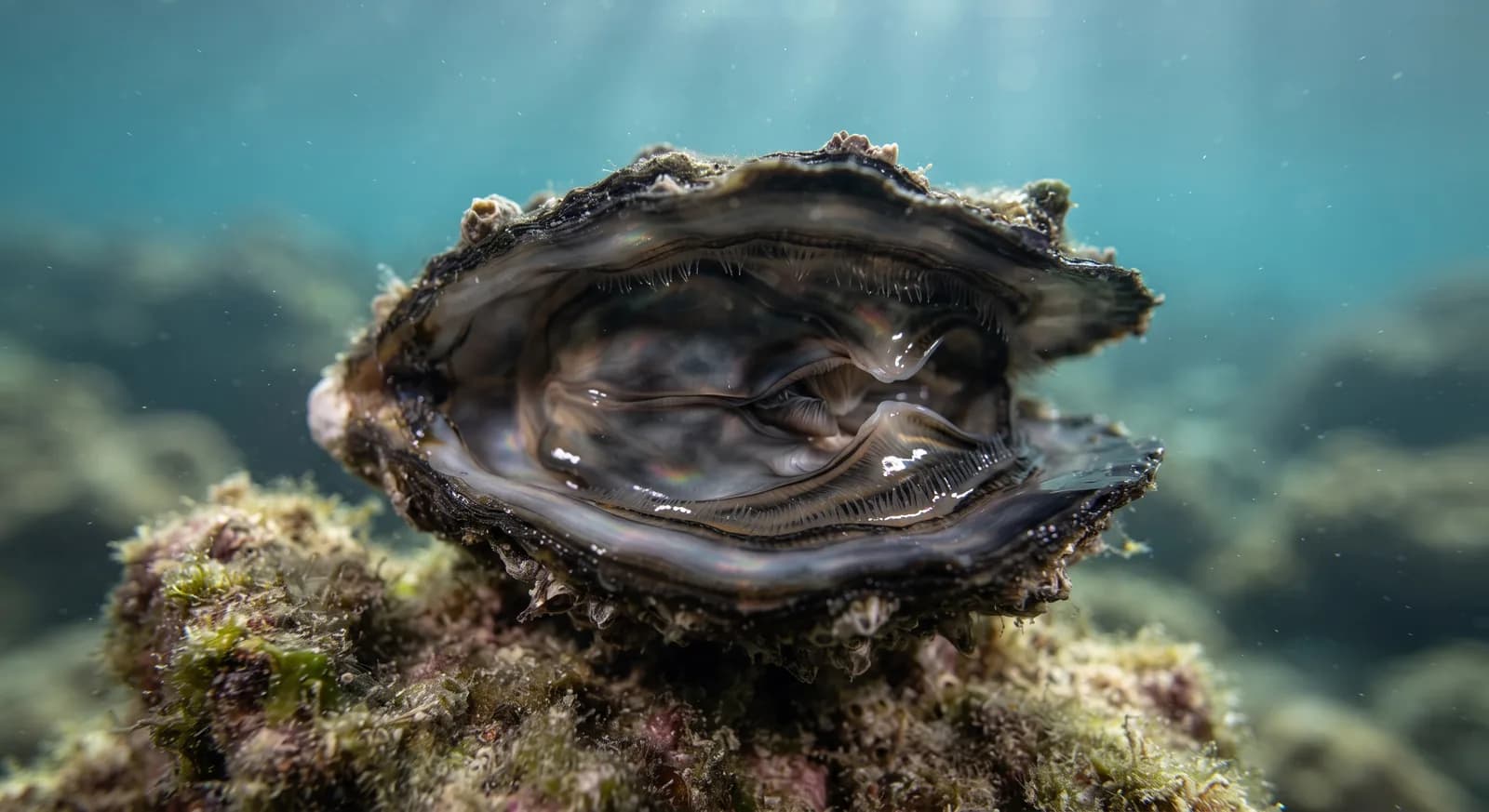
Pacific Pearl-oyster (Pinctada margaritifera)

Bivalves · Pterioida · Pteriidae

Pacific Pearl-oyster

Pinctada margaritifera

Not Evaluated

It has not yet been assessed against the IUCN criteria.

Spotted something wrong?

Pinctada margaritifera, commonly known as the black-lipped pearl oyster, is a pearl oyster, a marine bivalve mollusc of the family Pteriidae. This species is common in the Indo-Pacific on tropical coral reefs.

Weight

up to 9 kg

Size

15 cm – 30 cm

Life expectancy

30 years
Diet

Omnivore

Combines animal and plant food depending on availability.

Social structure

Colony

Lives in large concentrations, often for breeding reasons.

Ocean
64countries31parks234dive sites

AI-generated images: illustrations, not photographs.

Fun facts

  • It is the source of Tahitian black pearls, the economic mainstay of much of French Polynesia.
  • The dark border of the nacre, from which it takes its name, is what gives the pearls their green, grey and aubergine tones.
  • Before pearl farming it was harvested on a huge scale for its shell, the raw material for buttons and marquetry.
  • This is the oyster of the Tahitian black pearl. The dark rim of its shell carries the same pigment as the nacre, so the colour of the pearl forms inside the animal and is never dyed.
  • The pearl is obtained by grafting in a nacre nucleus and a piece of donor mantle; the oyster coats it over twelve to twenty-four months.
  • It is one of the giant shells of tropical seas: an adult reaches 30 cm and weighs more than 5 kg, and there are individuals of up to 9.
  • Together with Pinctada maxima it produces around half the world market in cultured pearls.
  • Its farming has been an economic mainstay of French Polynesia and the Cook Islands since the 1990s; in 2000 the Cooks exported 18 million dollars' worth of pearls, a figure that later fell because of the international price and an epidemic on Manihiki.
  • The larva lives between sixteen and thirty days in the plankton before settling.

Life cycle and biology

Habitat and environment
Indo-Pacific reefs and coral lagoons, from 0 to 40 m

Sources consulted: Wikipedia (es): Pinctada margaritifera

Where to find it

Loading map…

Where to see it

Parks and dive sites where this species has been documented — showing 20 of 265.

Related species

Other species in the catalogue with the most in common with Pacific Pearl-oyster — same habitat, park, country, tags or family.

Shares a park
Shares a park
Shares a park
Shares a park
Shares a park
Shares a park

Keep exploring

Based on what we already know about pacific pearl-oyster.

Share an experience, a fun fact or a tip for seeing the pacific pearl-oyster.
See full glossary
This page in other languages: Español · Deutsch · Français · Português · Italiano

The pins mark the parks and dive sites where its presence is documented.

See its range on the interactive map→
KomodoIndonesia
AldabraSeychelles
YakushimaJapan
Great Barrier ReefAustralia
NingalooAustralia
Rock Islands of PalauPalau
East RennellSolomon Islands
FakaravaFrench Polynesia
Lagoons of New CaledoniaNew Caledonia
Mohéli Marine National ParkComoros
Blue Hole DahabEgypt
Ras Mohammed National ParkEgypt
Thistlegorm wreckEgypt
Elphinstone ReefEgypt
Brothers Islands (El Akhawein)Egypt
Sha'ab Rumi (Cousteau)Sudan
Musandam PeninsulaOman
Daymaniyat IslandsOman
Raja AmpatIndonesia
Komodo National ParkIndonesia
See all 31 parks
See all 234 dive sites
Banded HumbugLeast Concern

Banded Humbug

Dascyllus aruanus

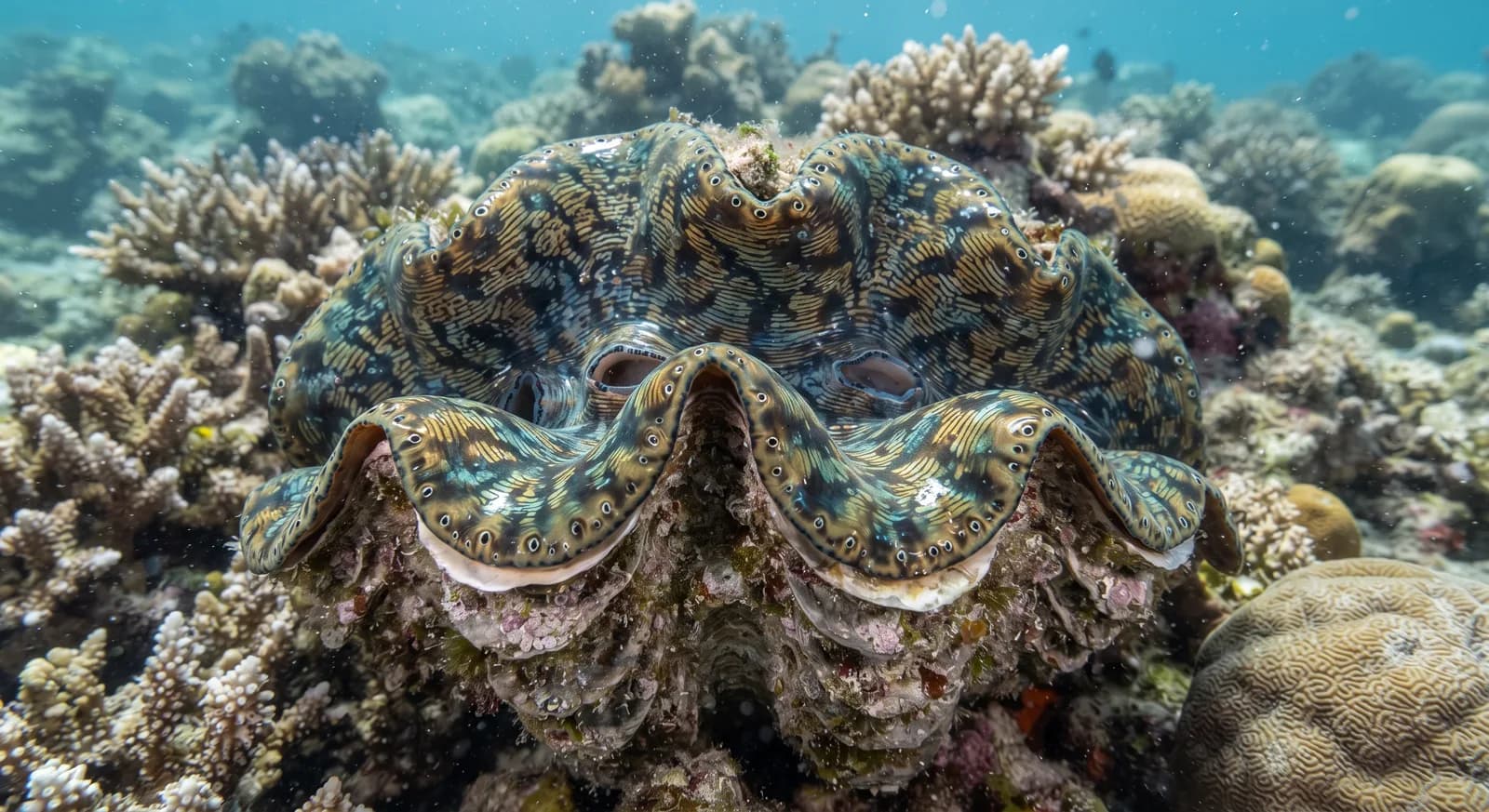
Giant ClamCritically Endangered

Giant Clam

Tridacna gigas

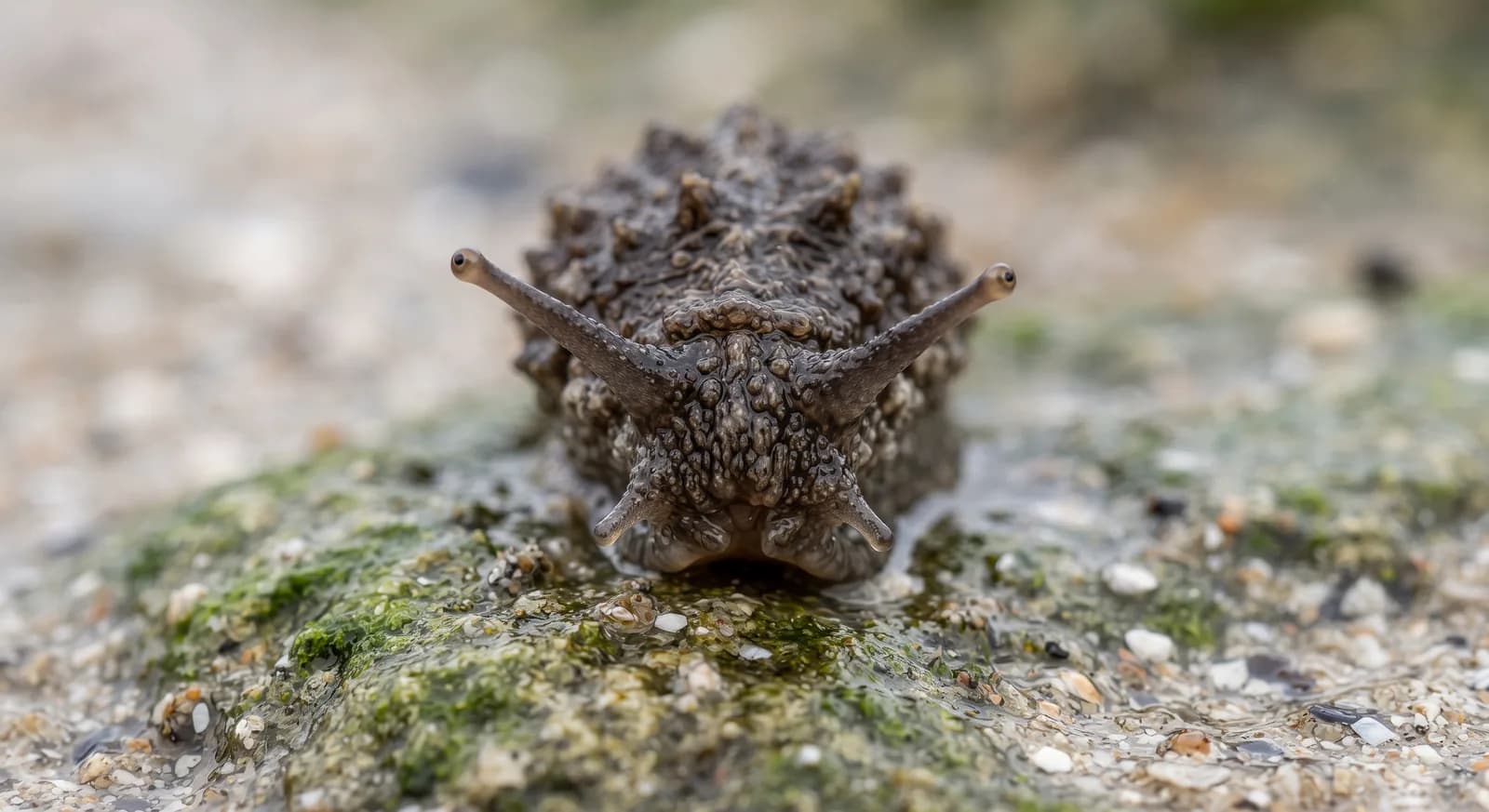
Warty SlugNot Evaluated

Warty Slug

Onchidium verruculatum

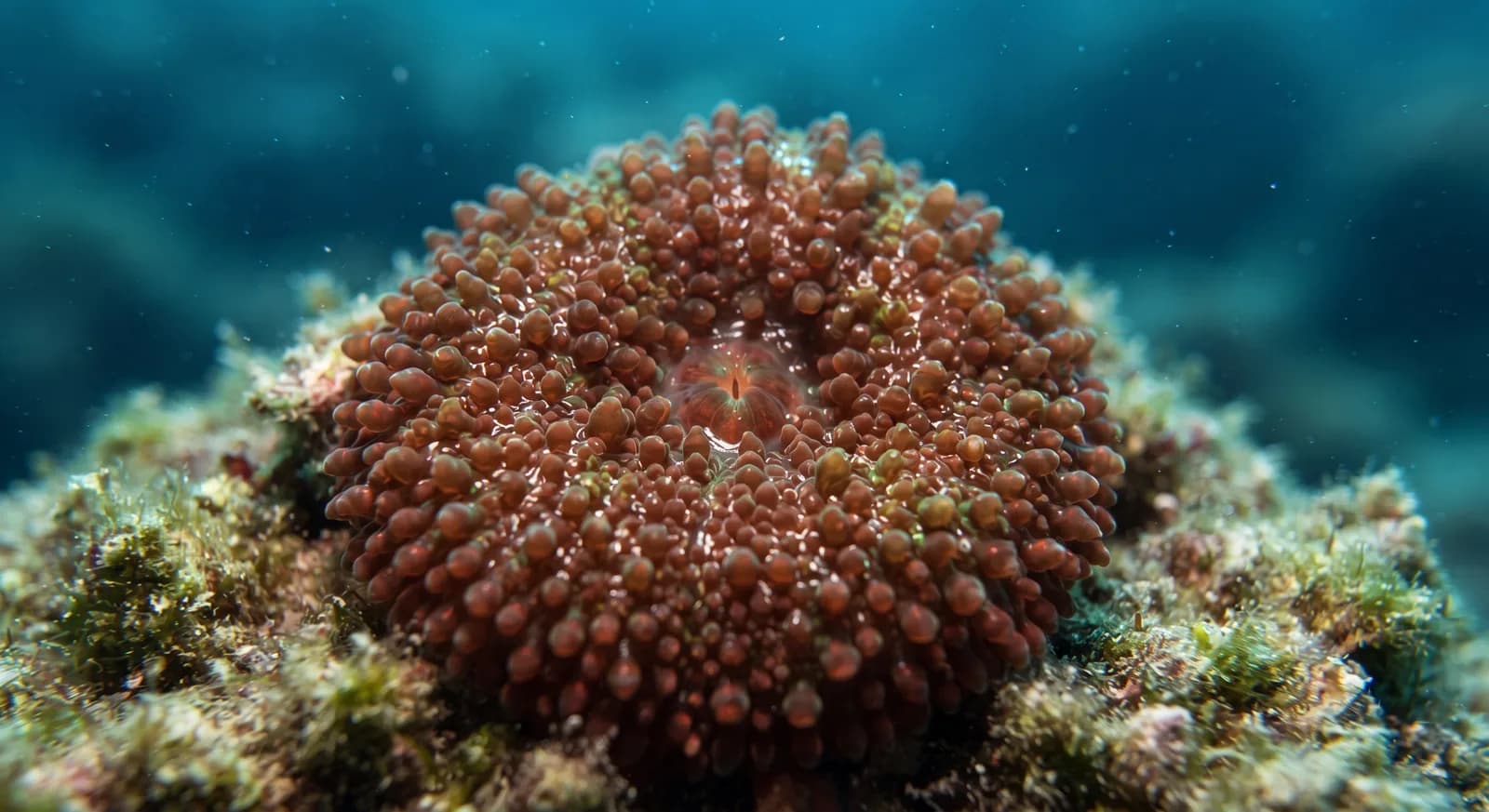
Disc AnemoneNot Evaluated

Disc Anemone

Discosoma nummiforme

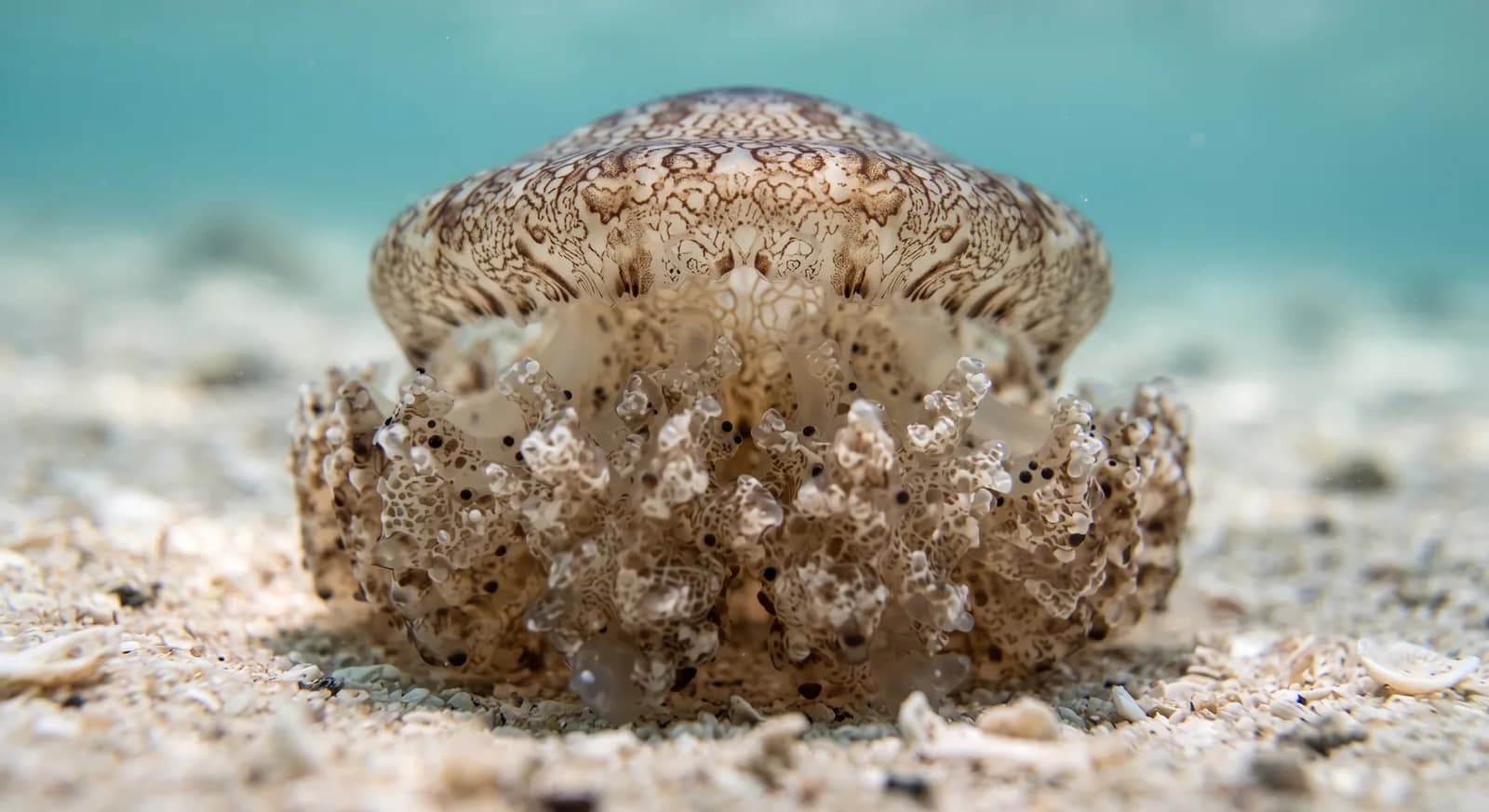
Upside-down JellyfishNot Evaluated

Upside-down Jellyfish

Cassiopea andromeda

Tiger CowrieNot Evaluated

Tiger Cowrie

Cypraea tigris

CountriesIndonesia
ParksKomodoIndonesia
TagsOmnivore
Omnivore
Colonial
Ocean
Mollusc

Asia27

Oceania17

Africa15

North America3

Europe1

South America1

Indonesia
Egypt
Philippines
Australia
Thailand
Fiji
Bahrain
Bangladesh
Brunei
Cambodia
China
India
Indonesia
Iran
Iraq
Japan
Kuwait
Malaysia
Maldives
Myanmar
Oman
Pakistan
Philippines
Qatar
Saudi Arabia
Singapore
Sri Lanka
Taiwan
Thailand
Timor-Leste
United Arab Emirates
Vietnam
Yemen
Australia
Cook Islands
Fiji
French Polynesia
Guam
Kiribati
Marshall Islands
Micronesia
New Caledonia
New Zealand
Northern Mariana Islands
Palau
Papua New Guinea
Samoa
Solomon Islands
Tonga
Vanuatu
Comoros
Djibouti
Egypt
Eritrea
Kenya
Madagascar
Mauritius
Mayotte
Mozambique
Réunion
Seychelles
Somalia
South Africa
Sudan
Tanzania
Costa Rica
Mexico
Panama
France
Ecuador