Species group · Insects
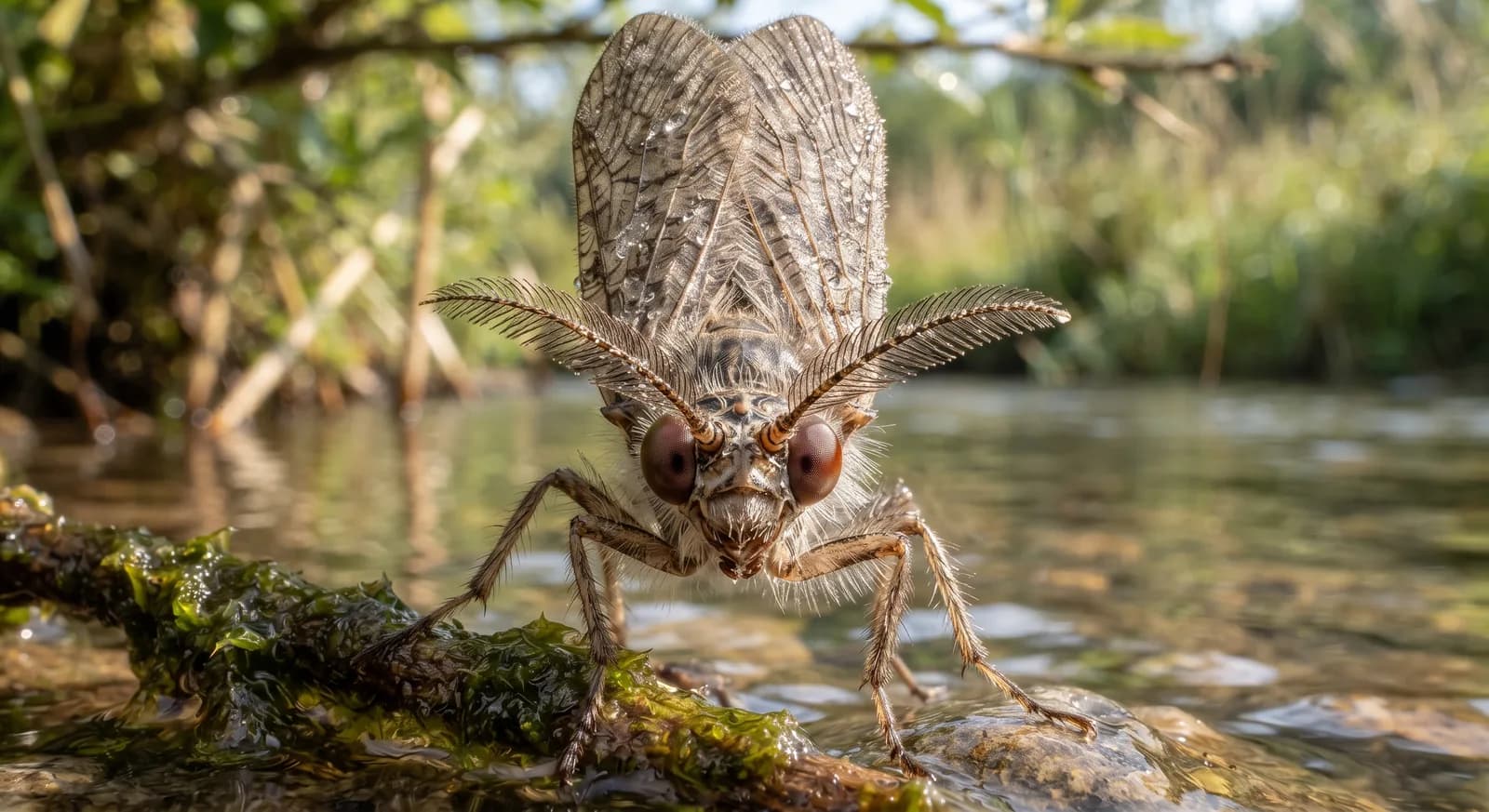
Sedges
WAnimals has 2 species of sedge, spread across 2 families (Limnephilidae, Phryganeidae).
- 2 species
- 2 families
- 46 countries
- 139 parks
- Length
- 1 cm – 2.8 cm
- Lifespan
- 1 years
Ranges calculated from the profiles that record the figure, not from all 2.
All 2 species of sedges on WAnimals
Each one has its own full profile. This group does not replace them: it brings them together.
Conservation status
2 Not Evaluated
No species documented in this group is genuinely at risk according to the IUCN, with the data available today.
Where they live
Recorded in 46 countries. The ones with the most species in the group:
Where to see them
- Abisko1 species
- Aggtelek1 species
- Aiako Harria1 species
- Aiguestortes i Estany de Sant Maurici1 species
- Aizkorri-Aratz1 species
- Aralar1 species
- Archipelago (Saaristomeri)1 species
- Armañón1 species
- Aukštaitija National Park1 species
- Balaton-felvidék1 species
- Bannau Brycheiniog (Brecon Beacons)1 species
- Bardenas Reales1 species
Did you know…?
Caddisflies are the only group of aquatic insects to have made silk a central part of their way of life, and that innovation explains why they are the most species-rich order of aquatic insects: some 14,500 described in 45 families.
From Great Red Sedge
Each larva builds its own portable case from silk and material off the bottom, and drags it along as it feeds.
From Great Red Sedge
They are related to the Lepidoptera: butterflies and caddisflies share a common ancestor.
From Great Red Sedge
The larva weaves a silk tube and coats it with fragments of leaves, stems and grains of sand gathered from the bottom, forming a portable house that it drags along and withdraws into when threatened.
From Cinnamon Sedge
A French artist gave caddisfly larvae gold, pearls and precious stones instead of sand, and the larvae built cases from them that are exhibited as works of art.
From Cinnamon Sedge
It is an essential decomposer of the leaf litter that falls into rivers and ponds, and a key prey for fish and amphibians.
From Cinnamon Sedge