Skip to content
WAnimals
  • Map
  • Species
  • Parks
  • Diving
Log inCreate account
WAnimals

The guide for travellers and animal lovers: discover, plan and share your wild adventures around the world.

Discover wildlife

  • Species
  • Ecosystems
  • Glossary
  • Tags

Explore places

  • Map
  • Countries
  • Parks
  • Diving

Plan experiences

  • Guides

Learn

  • Blog

Resources

  • About us
  • How we build our profiles
  • Help centre
  • Contact
  • Install the app

Follow us

Account

  • Log in
  • Create account

© 2026 WAnimals. All rights reserved.

Terms of servicePrivacyCookiesLegal notice
MapSpeciesParksDiving
  1. Home
  2. Species
  3. Netted Dog Whelk

Gastropods · Neogastropoda · Nassariidae

Netted Dog Whelk

Nassarius reticulatus

Not Evaluated

It has not yet been assessed against the IUCN criteria.

Spotted something wrong?

A small scavenging snail with a shell engraved in a lattice, which spends its time buried in the sand with only its siphon showing. When it detects the smell of a dead animal it emerges and moves rapidly towards it, sometimes in groups of dozens. Its current scientific name is Tritia reticulata.

Size

2 cm – 3.5 cm

Diet

Carnivore

Feeds mainly on other animals.

Social structure

Solitary

Lives and hunts alone, joining others only to breed.

Ocean
24countries

Fun facts

  • It detects carrion several metres away thanks to its siphon, which works as a steerable smelling tube.
  • It is one of the species in which imposex was documented — the masculinisation of females caused by tributyltin antifouling paint on ships' hulls.
  • It is a specialised scavenger. It buries itself in the sand leaving only its siphon out, and when it smells a dead animal it emerges en masse: within seconds there can be dozens of them on the carcass.
  • It has been widely used as a bioindicator of tributyltin pollution, because it develops imposex just as the common whelk does.
  • Its shell, with a lattice of crossing spiral and axial cords, gives it the name netted dog whelk.

Life cycle and biology

Skeleton type
Invertebrate - external calcareous shell (mollusc)
Habitat and environment
Intertidal and shallow sandy and muddy bottoms

Sources consulted: Linneo (1758) · Barroso et al. (2002) · Marine Life Information Network · ScienceDirect (Hughes 1989) · Science Advances, How colonial animals evolve · Wikipedia, Zooid · anatomia de Gastropoda

Where to find it

Loading map…

Related species

Other species in the catalogue with the most in common with Netted Dog Whelk — same habitat, park, country, tags or family.

Related to
Related to
Related to
Related to
Related to
Related to

Keep exploring

Based on what we already know about netted dog whelk.
Share an experience, a fun fact or a tip for seeing the netted dog whelk.
See full glossary
This page in other languages: Español · Deutsch · Français · Português · Italiano
See its range on the interactive map→
Not Evaluated

Common Whelk

Buccinum undatum

Least Concern

Great Black-backed Gull

Larus marinus

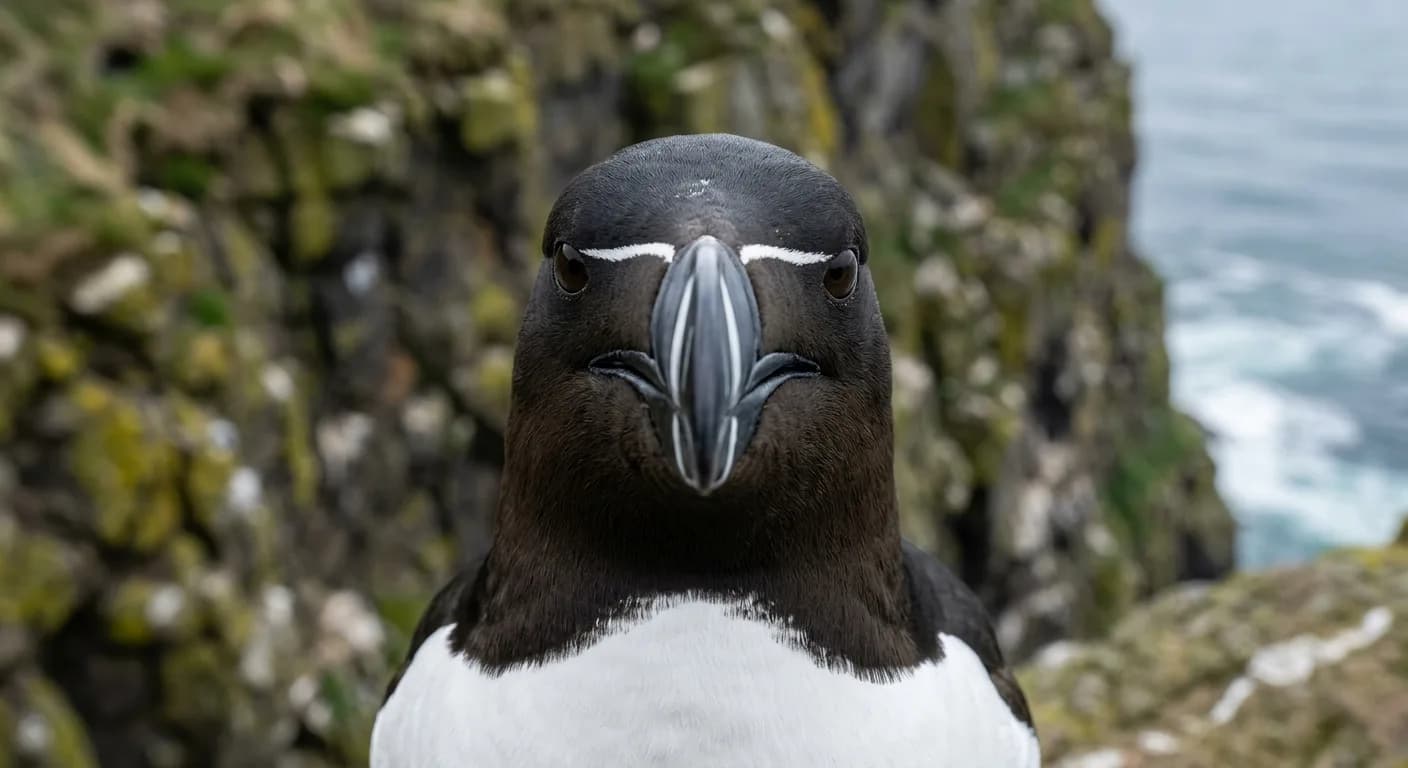
RazorbillLeast Concern

Razorbill

Alca torda

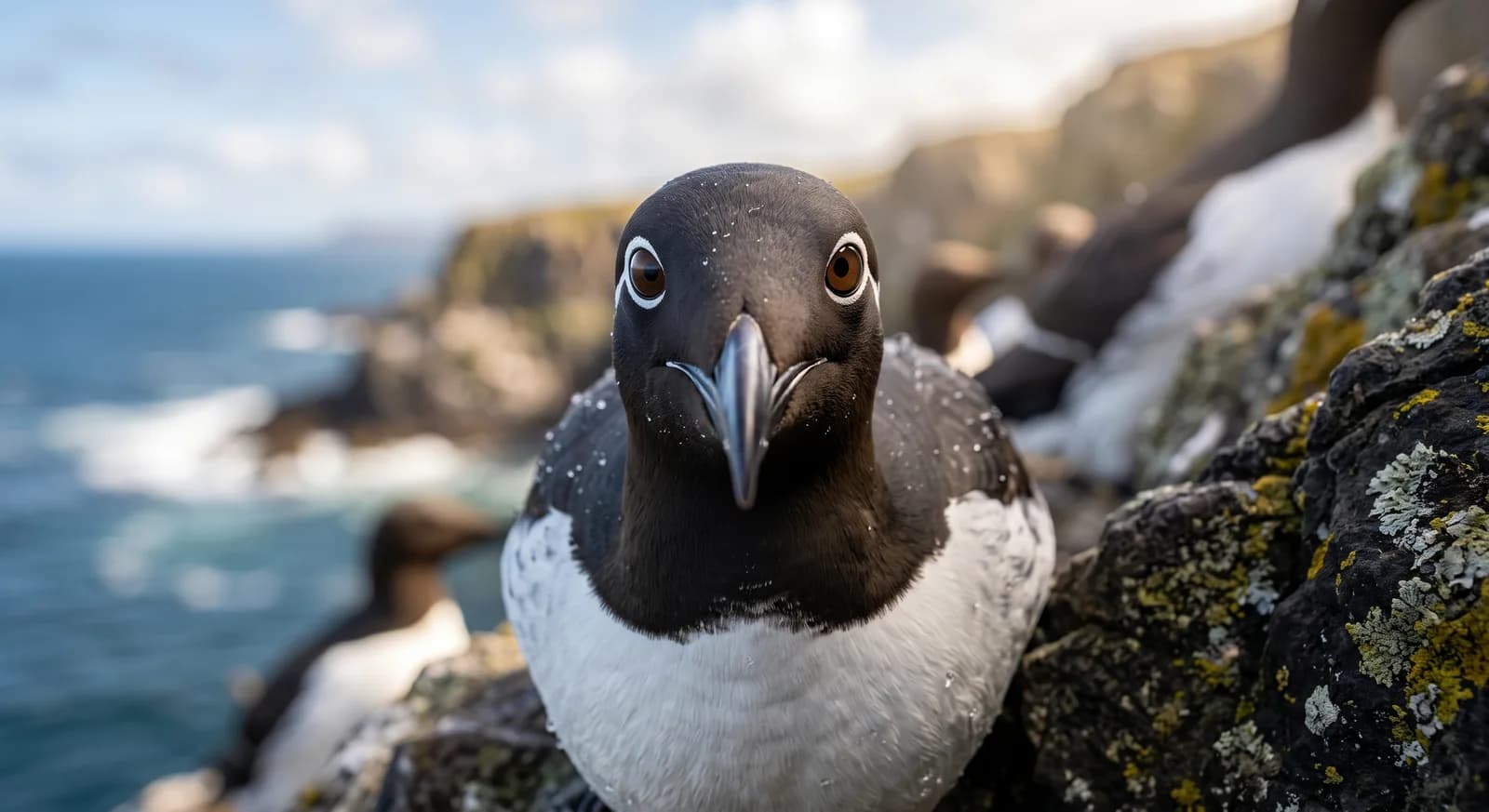
Common MurreLeast Concern

Common Murre

Uria aalge

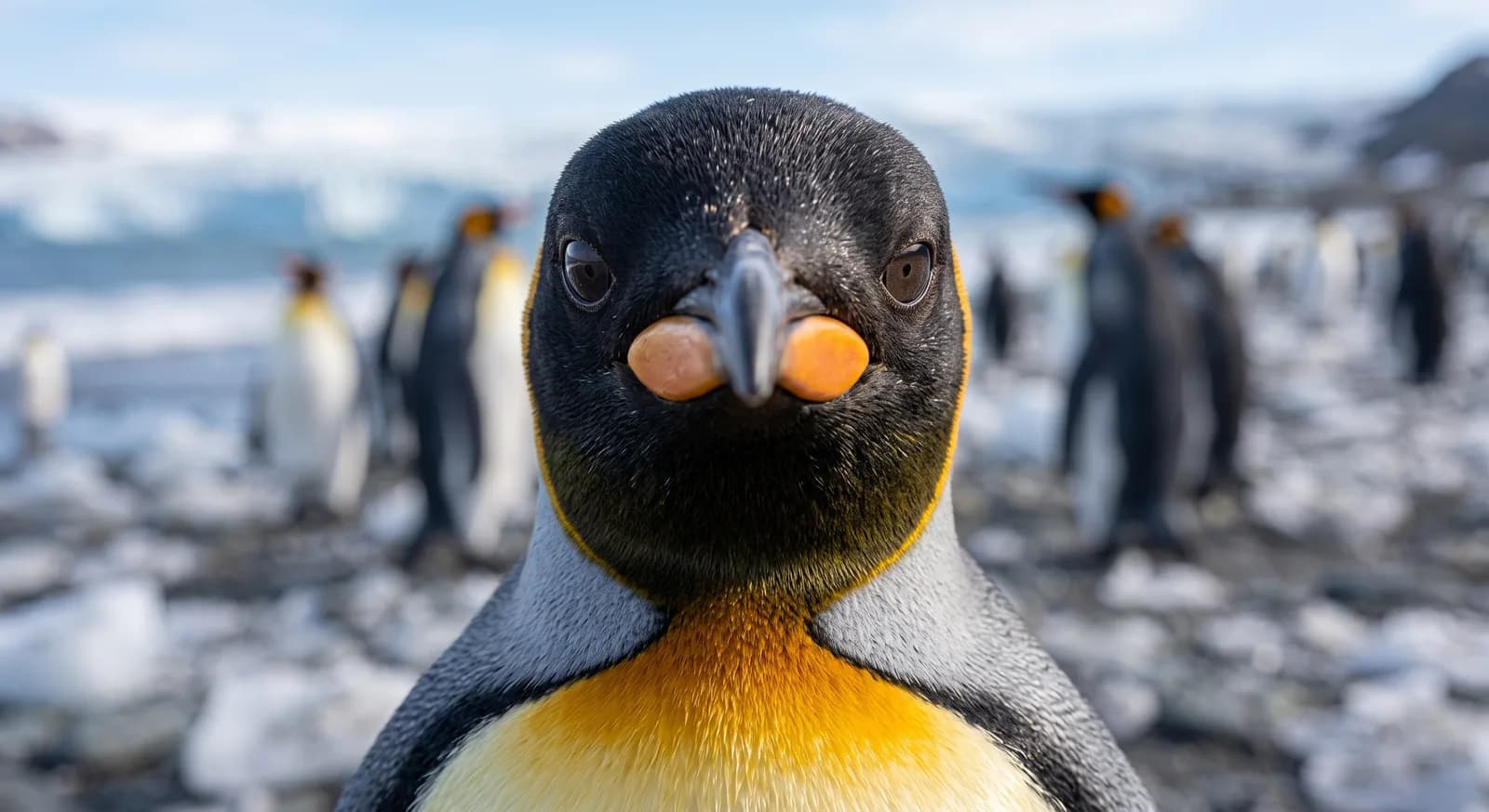
King PenguinLeast Concern

King Penguin

Aptenodytes patagonicus

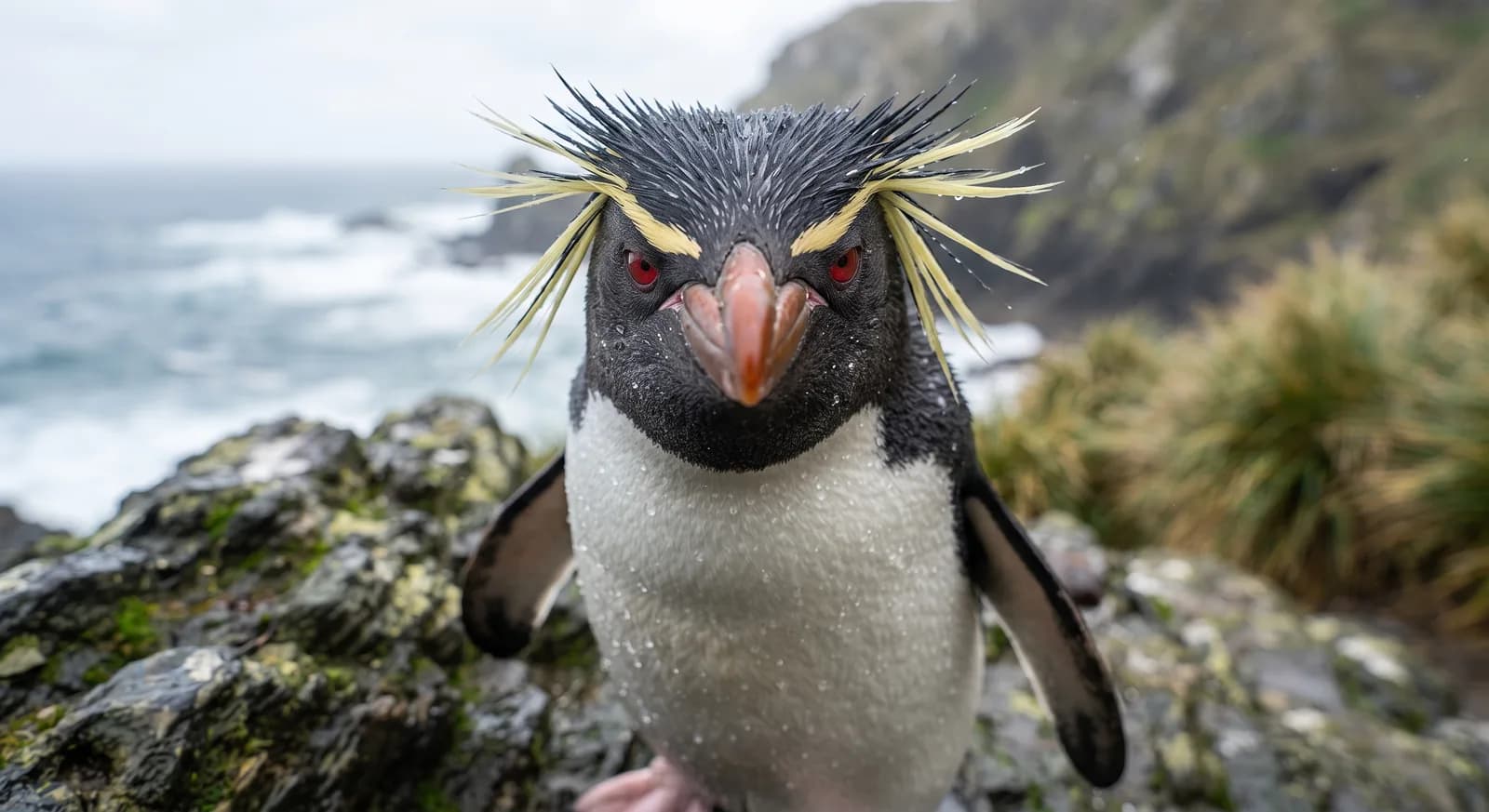
Southern Rockhopper PenguinVulnerable

Southern Rockhopper Penguin

Eudyptes chrysocome

CountriesAlbania
TagsCarnivore
Carnivore
Colonial
Ocean
Mollusc

Europe15

Africa5

Asia4

Albania
Algeria
Bosnia and Herzegovina
Croatia
Cyprus
Egypt
Albania
Bosnia and Herzegovina
Croatia
Cyprus
France
Greece
Italy
Malta
Monaco
Montenegro
Norway
Portugal
Slovenia
Spain
United Kingdom
Algeria
Egypt
Libya
Morocco
Tunisia
Israel
Lebanon
Syria
Türkiye