Arachnids · Amblypygi · Phrynidae
Whip-spider
Damon variegatus
It has not yet been assessed against the IUCN criteria. See full glossary
An African whip spider with a flattened body, extremely long legs and two spiny pedipalps with which it seizes its prey. It is neither a spider nor a scorpion: it belongs to an order of its own, with no venom and no silk glands. By day it hides pressed flat into crevices and under bark, and at night it hunts insects.
Size
up to 4.5 cm
Diet
Carnivore
Feeds mainly on other animals.
Activity
Nocturnal
Active mainly at night.
Social structure
Solitary
Lives and hunts alone, joining others only to breed.
Sighting difficulty
Unknown
Fun facts
- Its first pair of legs is not used for walking: it has become two extremely fine, extremely long feelers with which it probes the ground and locates prey in total darkness.
- It has no venom and produces no silk, and it is completely harmless to people despite its intimidating appearance.
- Some species in the group have been shown to recognise their own kind, and the mothers care for the young for weeks.
- It is neither a spider nor a scorpion: the amblypygids are an order of their own, with no venom, no silk and no tail. They are completely harmless.
- It walks on six legs. The first pair has been transformed into extremely long, fine feelers, which can span several times the width of the body and which it uses to explore the ground by touch in the dark.
- Its pedipalps are spiny and raptorial: it thrusts them forward to impale prey and hold it fast.
- It navigates with those feelers in a surprising way: experiments have shown it can return to its refuge from several metres away in total darkness, guided by chemical and tactile cues, a remarkable navigational ability in an arachnid.
- It is gregarious and tolerant: several individuals may share the same crevice, and mothers care for their young, which ride on their backs.
- Its looks have made it famous: it is the species that appears in a Harry Potter film, which sent its presence in the terrarium trade soaring.
Life cycle & biology
- Skeleton type
- Invertebrate - chitin exoskeleton (arachnid)
- Habitat & environment
- Rock crevices, bark and caves in savannah and scrub of southern and eastern Africa
Sources consulted: Weygoldt, Whip Spiders: Their Biology, Morphology and Systematics; Hebets et al., trabajos sobre navegación en amblipigios; Universidad de Cornell
Where to find it
See its range on the interactive mapWhere to watch it
Parques y spots de buceo donde se ha documentado esta especie — se muestran 10 de 55 documentados.
Related species
Other species in the catalogue with the most in common with Whip-spider — same habitat, park, country, tags or family.
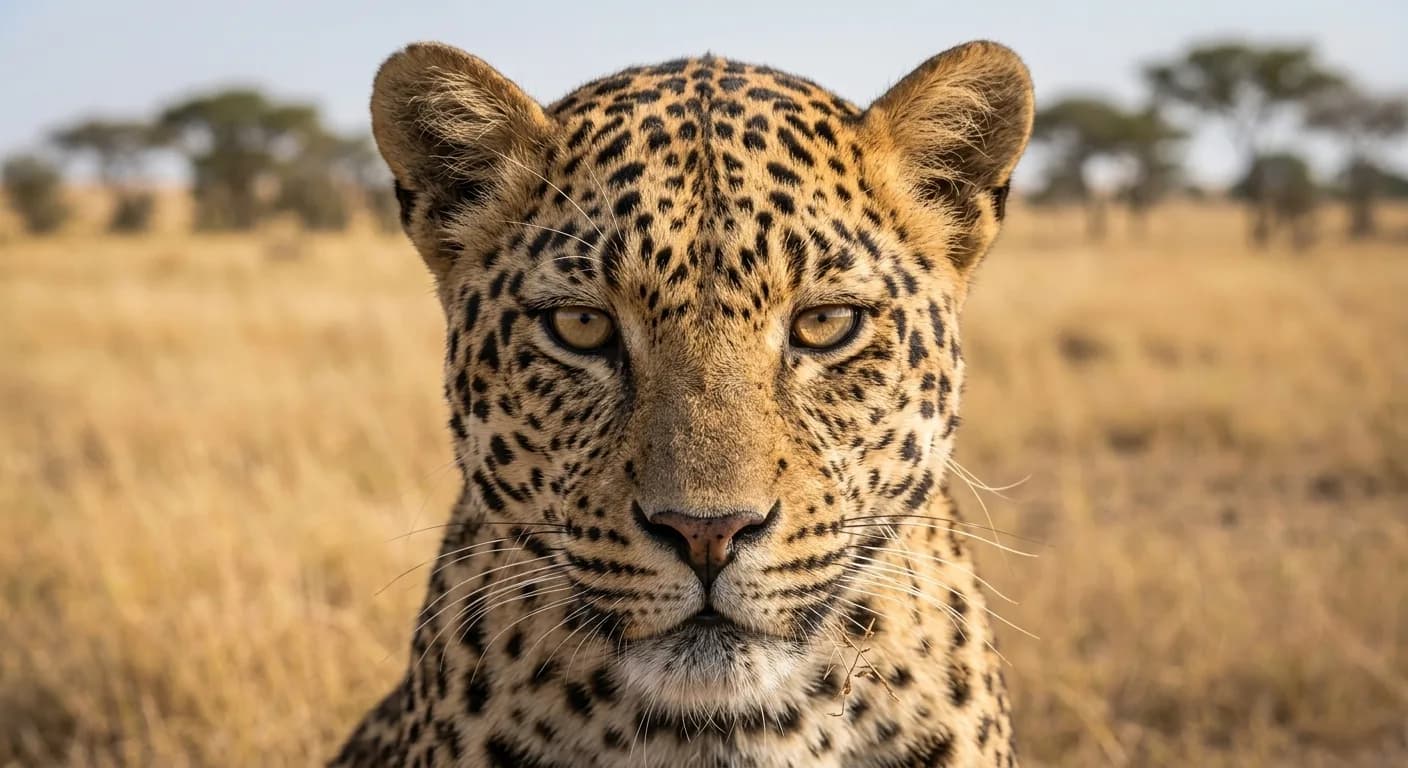 Vulnerable
African Leopard
Panthera pardus pardus
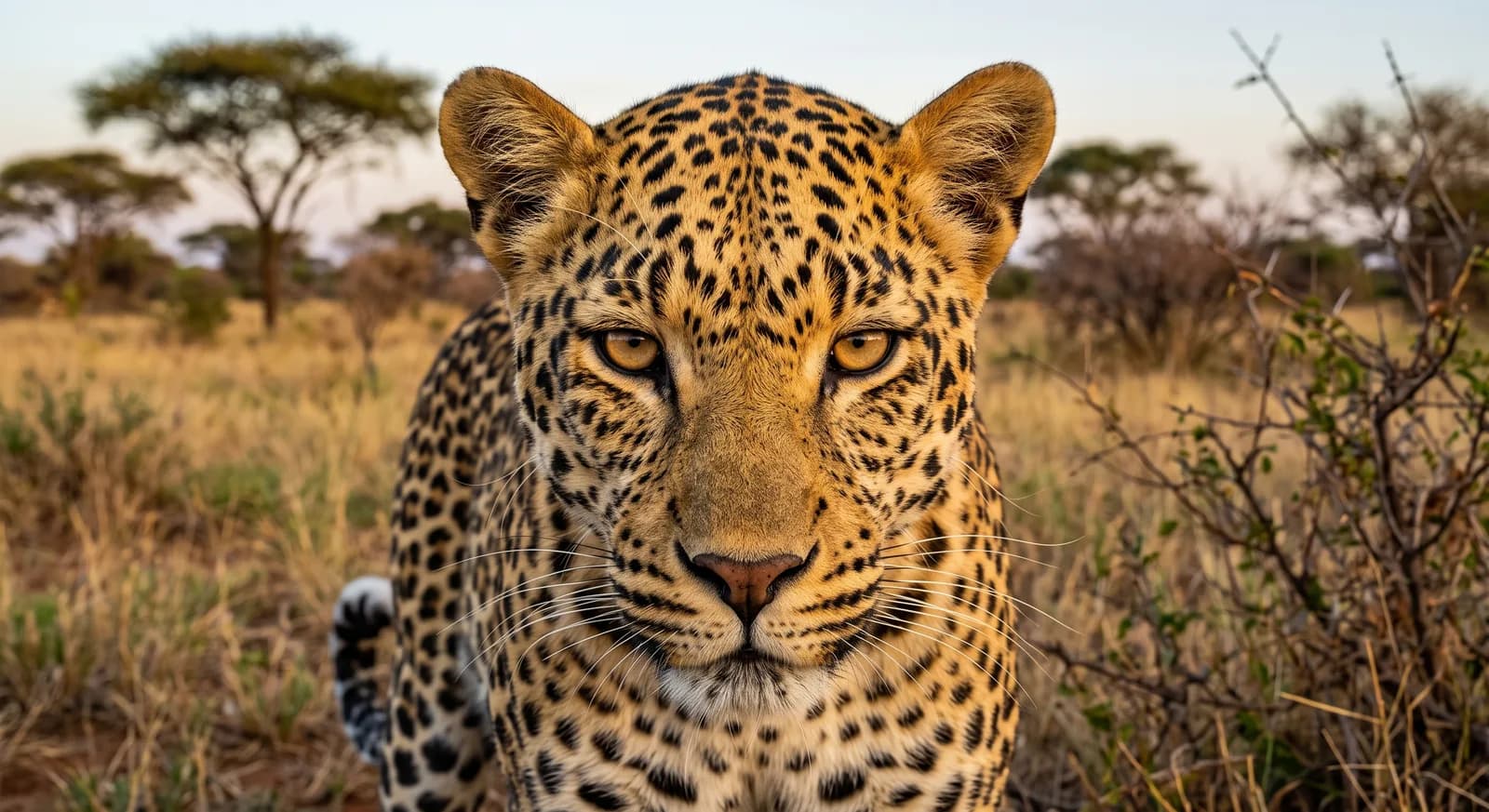 Vulnerable
Leopard
Panthera pardus
Ball Python
Python regius
Puff Adder
Bitis arietans
Black-necked Spitting Cobra
Naja nigricollis
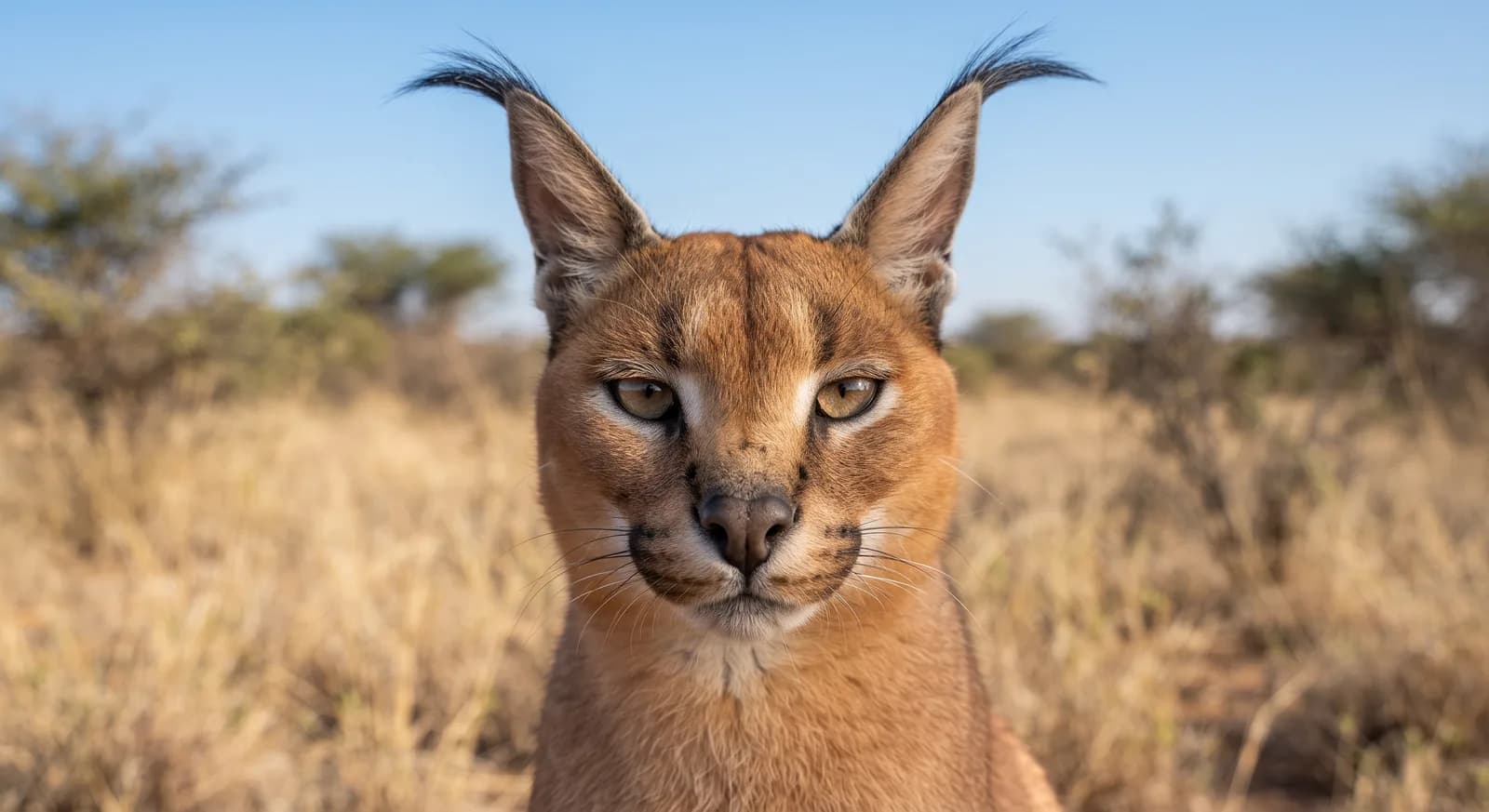 Least Concern
Caracal
Caracal caracal
Keep exploring
Based on what we already know about whip-spider.
Comments
Share an experience, a fun fact or a tip for seeing the whip-spider.
Be the first to comment.