Birds · Ciconiiformes · Ciconiidae
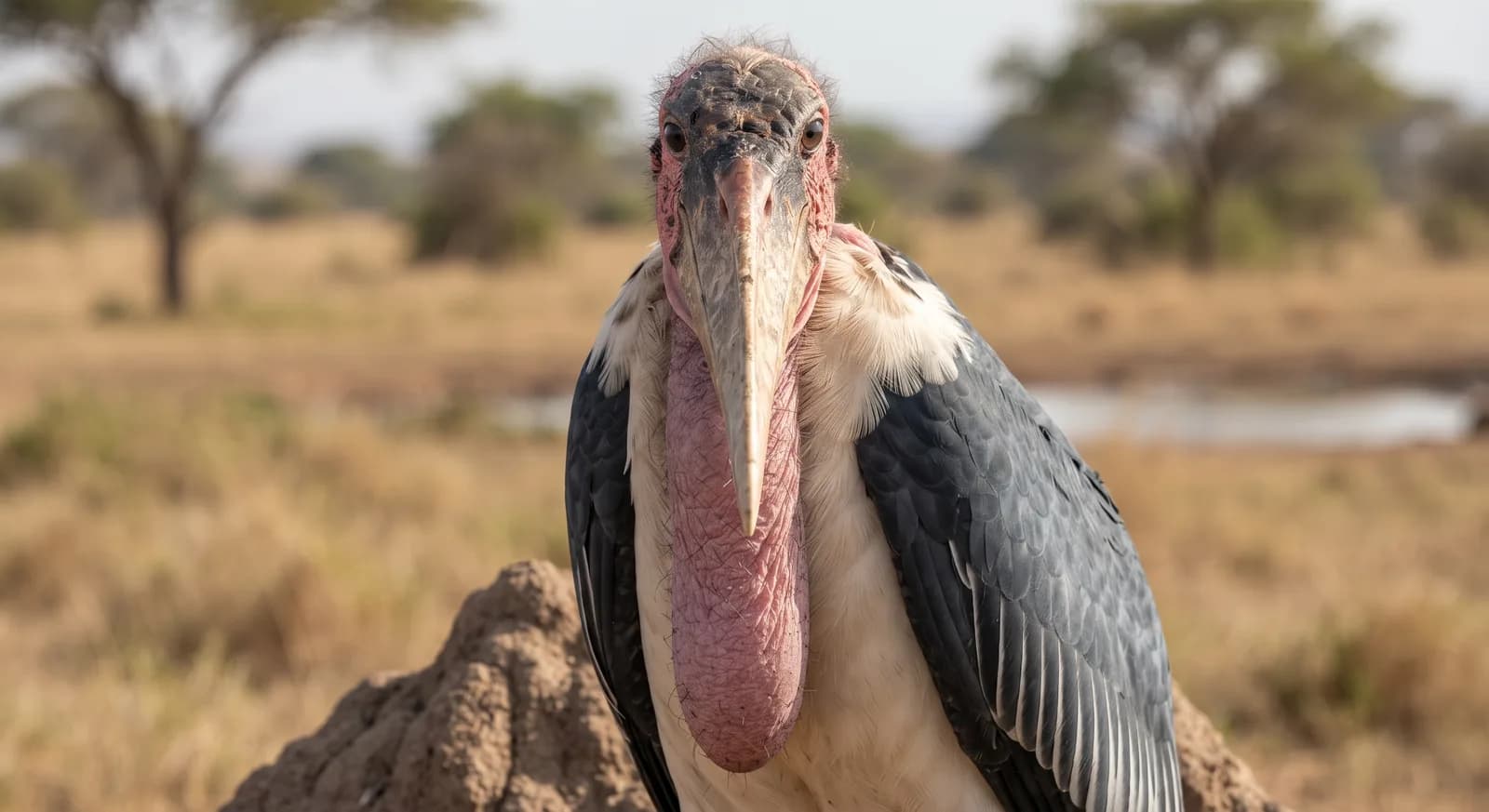
Marabou Stork
Leptoptilos crumenifer
The species is abundant and widely distributed; it faces no significant short-term risk. See full glossary
An enormous and unmistakable stork: black back and wings, white underparts, a bare pinkish head and neck, a massive dagger-shaped bill, a ruff of white feathers on the neck and a hanging pink gular sac at the throat. Its legs are white from urohidrosis.
Weight
9 kg on average
Diet
Carnivore
Feeds mainly on other animals.
Activity
Diurnal
Active mainly during the day.
Social structure
Colony
Lives in large concentrations, often for breeding reasons.
Sighting difficulty
Easy
Estimated population
Between 100,000 and 300,000 individuals according to Namibia's Environmental Information Service; another source cites between 200,000 and 500,000 in 2006
Fun facts
- It is credited with the largest wingspan of any land bird alongside the Andean condor, though the figures of more than 3.19 m in circulation have never been verified.
- Its bare head and neck are an adaptation to scavenging, the same one the vultures it usually eats alongside have: feathers there would become matted with blood.
- In English it is called the 'undertaker bird' for its silhouette from behind, with its wings like a cloak and its thin white legs.
Life cycle & biology
- Skeleton type
- Vertebrate - internal bony skeleton (bird)
- Habitat & environment
- Marshland and savannah of sub-Saharan Africa, both wet and arid, often near human settlements and especially at rubbish dumps
Sources consulted: IUCN Red List; Hancock, Kushlan y Kahl 1992, Storks, Ibises and Spoonbills of the World; Wood 1983, The Guinness Book of Animal Facts and Feats; eBird; Environmental Information Service Namibia
Where to find it
See its range on the interactive mapBest time: All year round in sub-Saharan Africa
Where to watch it
Parques y spots de buceo donde se ha documentado esta especie — se muestran 10 de 66 documentados.
Related species
Other species in the catalogue with the most in common with Marabou Stork — same habitat, park, country, tags or family.
 Least Concern
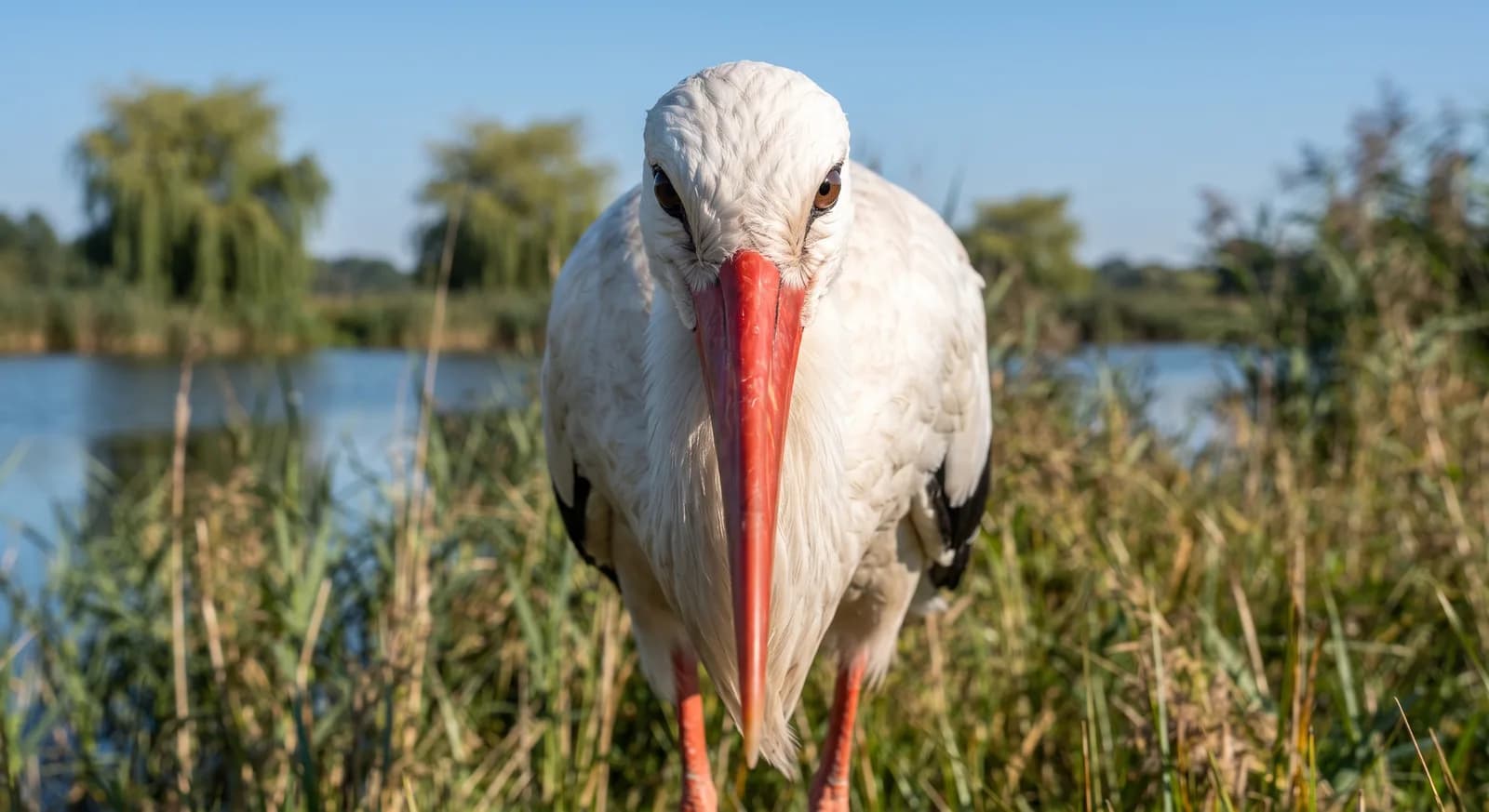
White Stork
Ciconia ciconia
 Least Concern
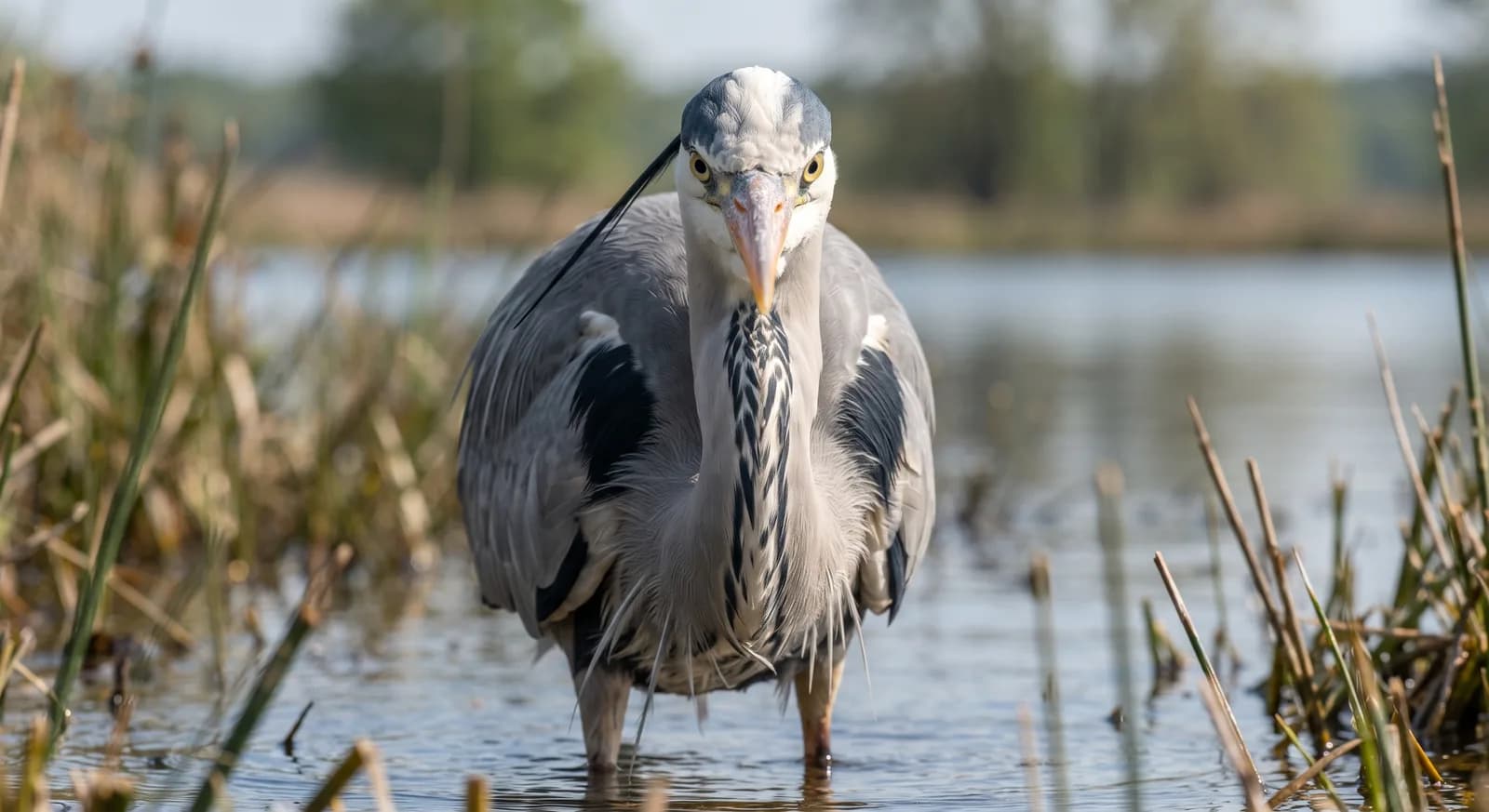
Grey Heron
Ardea cinerea
Little Egret
Egretta garzetta
 Least Concern
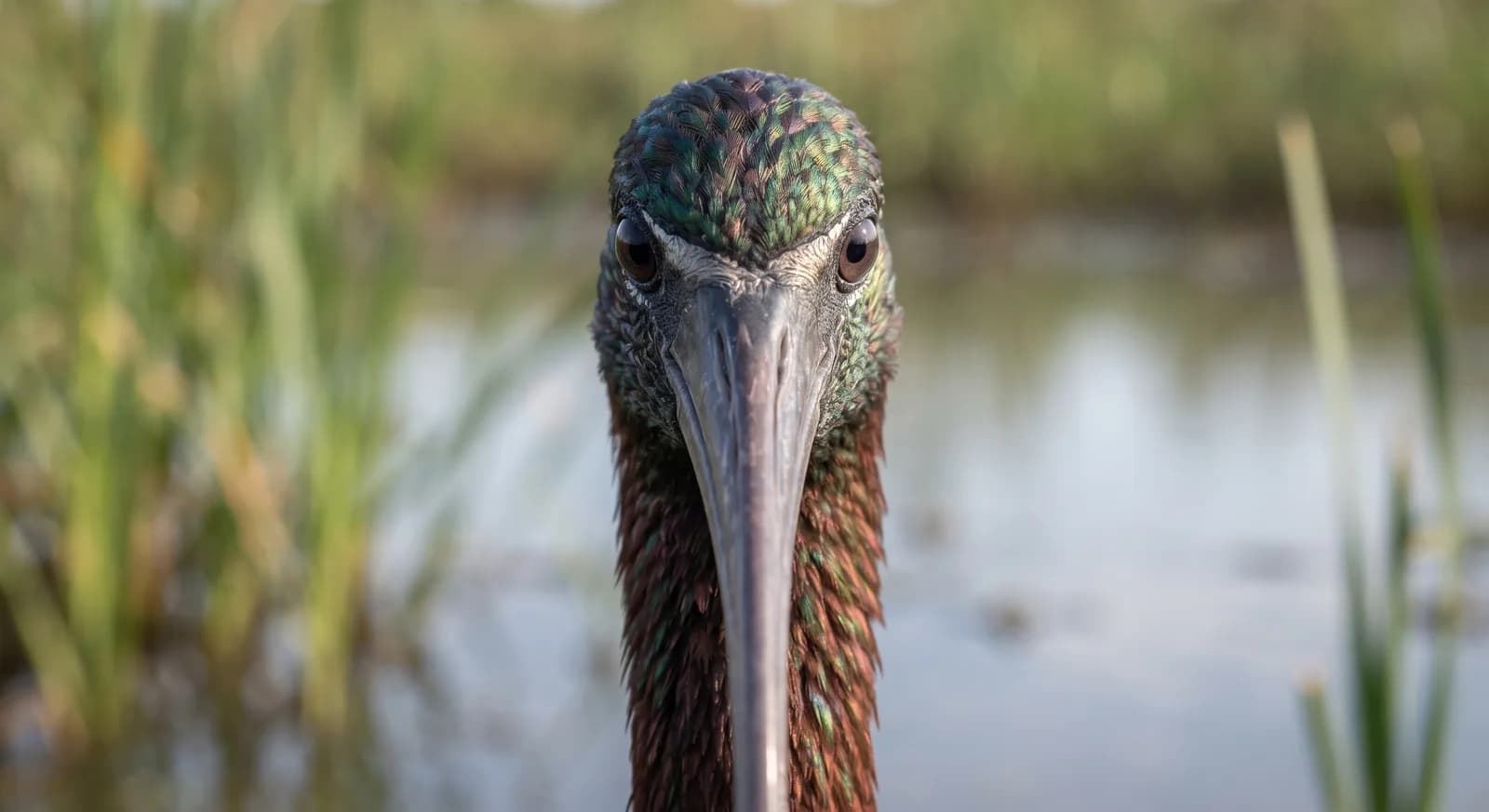
Glossy Ibis
Plegadis falcinellus
Montagu's Harrier
Circus pygargus
Sandwich Tern
Thalasseus sandvicensis
Keep exploring
Based on what we already know about marabou stork.
Comments
Share an experience, a fun fact or a tip for seeing the marabou stork.
Be the first to comment.