Belize
América del Norte
Belize keeps a very high proportion of forest for the region and protects around a third of its territory, between land and marine reserves. Off its coast runs the longest barrier reef in the western hemisphere, with cayes, atolls and the Great Blue Hole, an underwater sinkhole more than three hundred metres across formed when the sea level was far lower. Inland, the Maya Mountains and the Chiquibul forest hold jaguars, tapirs, pumas and Belize's only scarlet macaw population, while the northern lowlands combine savannahs, lagoons and mangroves. The underground rivers running through the limestone formed caves that the Maya considered entrances to the underworld.
The nature of Belize
National animal: Baird's tapir is the national animal; the keel-billed toucan is the national bird
Did you know?
The Cockscomb basin was declared in 1986 the first protected area in the world created specifically to conserve the jaguar. The initiative grew out of the fieldwork of a zoologist who spent two years tracking the cats through the Belizean forest, and the model has since been replicated in several American countries with the aim of keeping a continuous corridor for the species from Mexico to Argentina.
Biodiversity profile
Climate
- •Tropical humedo (Af/Am), con estacion seca marcada en el norte
Main biomes
- •Bosque tropical de la Peninsula de Yucatan
- •Bosque de pino de tierras bajas y premontano (Belizean pine forests)
- •Manglares costeros (Belizean Coast mangroves)
- •Arrecife barrera
- •Selva tropical húmeda
- •Manglar costero
- •Sabana de pinos
- •Karst y cueva
- •Laguna costera
- •Bosque ribereño
Marine and coastal ecosystems
- •Sistema Arrecifal Mesoamericano (segundo arrecife de barrera mas grande del mundo tras la Gran Barrera australiana, Patrimonio Mundial)
- •Habitat clave para tortugas marinas y manaties
Flagship wildlife
- •Jaguar
- •Tapir centroamericano (animal nacional)
- •Manati antillano
- •Guacamayo escarlata
- •Tucan pico multicolor
- •Manatí del Caribe
- •Guacamaya roja
- •Tucán pico iris
- •Mono aullador negro
- •Cocodrilo americano
- •Tortuga carey
- •Tiburón ballena
- •Puma
Notable endemic species
- •El bosque de pino de Belice comparte especies con Mexico y Guatemala, con endemismo moderado tipico de bosques de coniferas neotropicales
Notable threatened species
- •Manati antillano (Vulnerable, poblacion importante en cayos y lagunas costeras)
- •Tortugas marinas (varias especies En Peligro, dependientes del Sistema Arrecifal Mesoamericano)
Notable protected areas
- •Parque Nacional Chiquibul (mas de 1.000 km2 de selva)
- •Gran Arrecife Azul (Blue Hole, Patrimonio Mundial)
- •Santuario de Vida Silvestre de Cockscomb Basin
- •Sistema de Reservas de la Barrera de Arrecife
- •Gran Agujero Azul
- •Reserva Forestal de Chiquibul
- •Santuario de Babuinos de la Comunidad
- •Reserva Marina de Hol Chan
Main conservation threats
- •El bosque de pino de Belice tiene estatus de conservacion critico/en peligro segun WWF
- •Expansion agricola y ganadera
- •Huracanes frecuentes (Belice forma parte del corredor de huracanes centroamericano)
- •Degradacion de manglares por desarrollo costero
Notable natural phenomena
- •Alta frecuencia historica de huracanes (65 huracanes/tormentas tropicales en 60 años en la region fronteriza con Guatemala y Honduras)
Conservation
The community howler monkey sanctuary, created by private landowners who agreed to keep strips of forest on their holdings, allowed the species to recover and to be reintroduced elsewhere in the country. The reef came off the List of World Heritage in Danger in 2018 after oil prospecting was banned.
Where and when to watch wildlife
Cockscomb year-round for jaguar tracks and forest birds. Hol Chan and Gladden Spit between March and June for whale sharks. The northern lagoons in the dry season for manatees.
Sources: EBSCO Research Starters - Ecosystems of Central America and the Caribbean | Wikipedia - Belizean Coast mangroves / Belizean pine forests | CEPF - Mesoamerica hotspot
Parks and reserves
Great Blue Hole (Blue Hole National Park)
A circular submarine sinkhole 124 metres deep, one of the ten finest dive sites in the world according to Jacques Cousteau
View parkNational Park and Marine ReserveBacalar Chico
It protects the northern end of the Belize reef, part of the Mesoamerican Reef System
View parkNatural MonumentGran Agujero Azul
A circular marine sinkhole three hundred metres across, formed as a dry cave during the last glaciation.
View parkMarine Reserve SystemSistema Arrecifal de Belice
The largest barrier reef in the western hemisphere, taking in the celebrated Great Blue Hole
View parkWorld Heritage Site (Natural)Sistema de la Barrera de Arrecifes de Belice
The largest barrier reef in the northern hemisphere, removed from the List in Danger in 2018 after oil work was banned across Belizean waters.
View parkNational ParkChiquibul
Belize's largest national park, with the most extensive cave system in Central America and the Maya city of Caracol.
View parkWildlife SanctuaryCockscomb Basin
The first reserve in the world created specifically to protect the jaguar.
View parkWildlife SanctuaryCockscomb Basin
The world's first sanctuary dedicated specifically to protecting the jaguar, declared in 1986 after years of pioneering work by Alan Rabinowitz
View parkDiving and snorkelling
Glover's Reef
An oval coral formation rising from more than 660 m of water and enclosing a lagoon of some 260 km² with more than 700 patch reefs inside it. It is the least visited of the Belizean atolls and much of it remains unexplored.
View dive siteSinkholeGreat Blue Hole
A cave whose roof collapsed millennia ago and which then flooded. It forms an almost perfect circle some 300 m across at the surface and drops vertically to around 124-125 m. Recreational diving reaches 40 m, the depth at which the stalactites appear: the largest formations of their kind ever found underwater.
View dive siteWallHalf Moon Caye Wall
The wall at the south-eastern tip of Lighthouse Reef, reckoned one of the most beautiful in the Caribbean. The island that gives it its name is a mere 17 hectares.
View dive siteReef cut/ReserveHol Chan Marine Reserve
Belize's first marine park (1987); a natural cut in the reef concentrates exceptional biodiversity in a small area.
View dive siteReef/WallTurneffe Atoll
The largest of the three atolls and the closest to the Belizean coast. It is dominated by mangrove islands, which act as nurseries for almost all the reef's fauna. The Elbow, at its southern tip, is a legendary drift.
View dive siteReef/TunnelAmbergris Caye
Home of Shark Ray Alley and the Hol Chan Marine Reserve, with coral tunnels and guaranteed encounters with rays.
View dive siteSecondary sinkholeBlue Hole (Turneffe)
A smaller karst sinkhole within Turneffe Atoll, a less crowded alternative to the Great Blue Hole at Lighthouse Reef.
View dive sitePaíses similares
¿A dónde más podría interesarme viajar?
Misma región: Centroamérica y Caribe
Misma región: Centroamérica y Caribe
Misma región: Centroamérica y Caribe
Misma región: Centroamérica y Caribe
Especies documentadas en Belize
227 species found
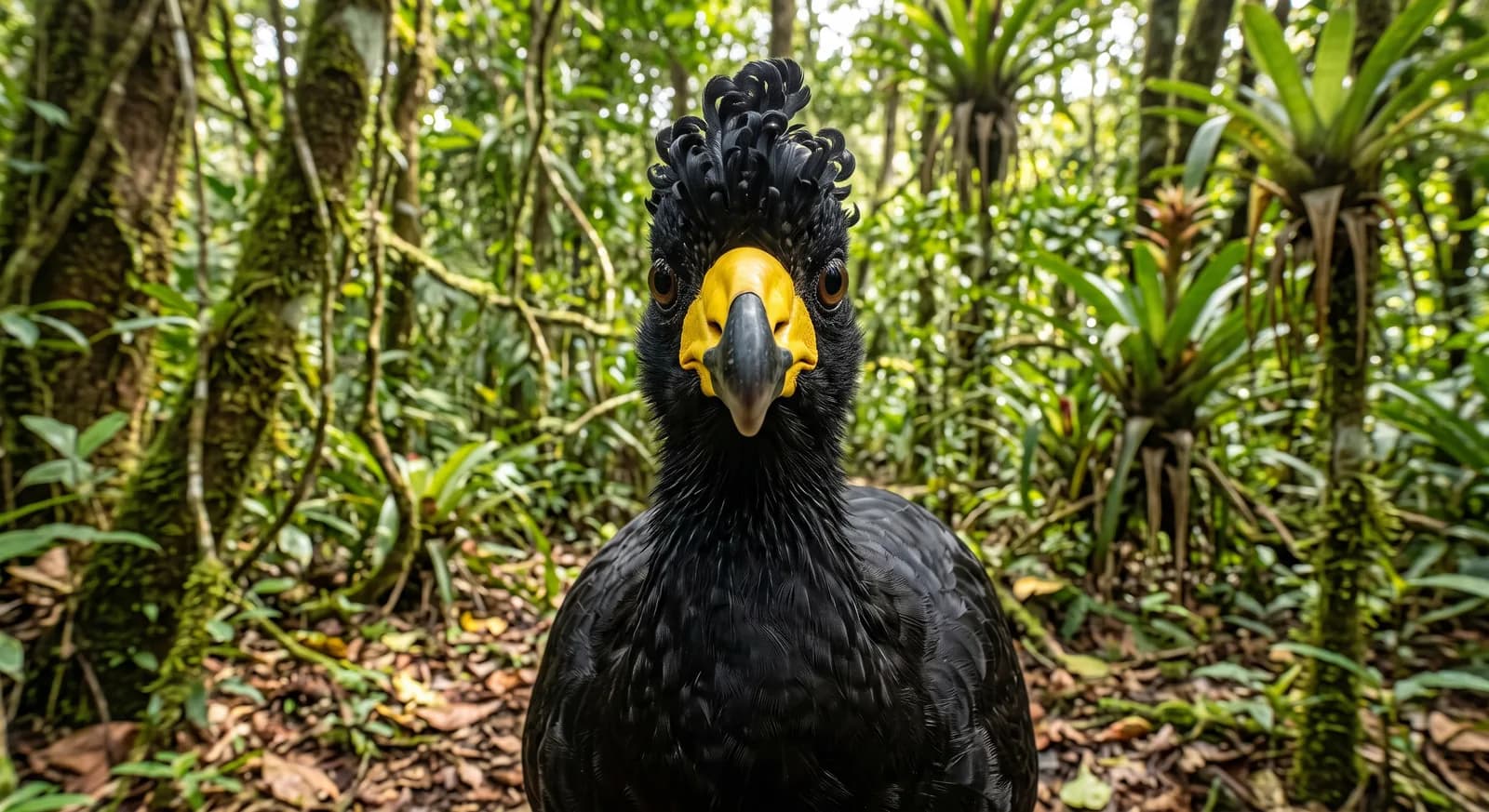 Vulnerable
Great Curassow
Crax rubra
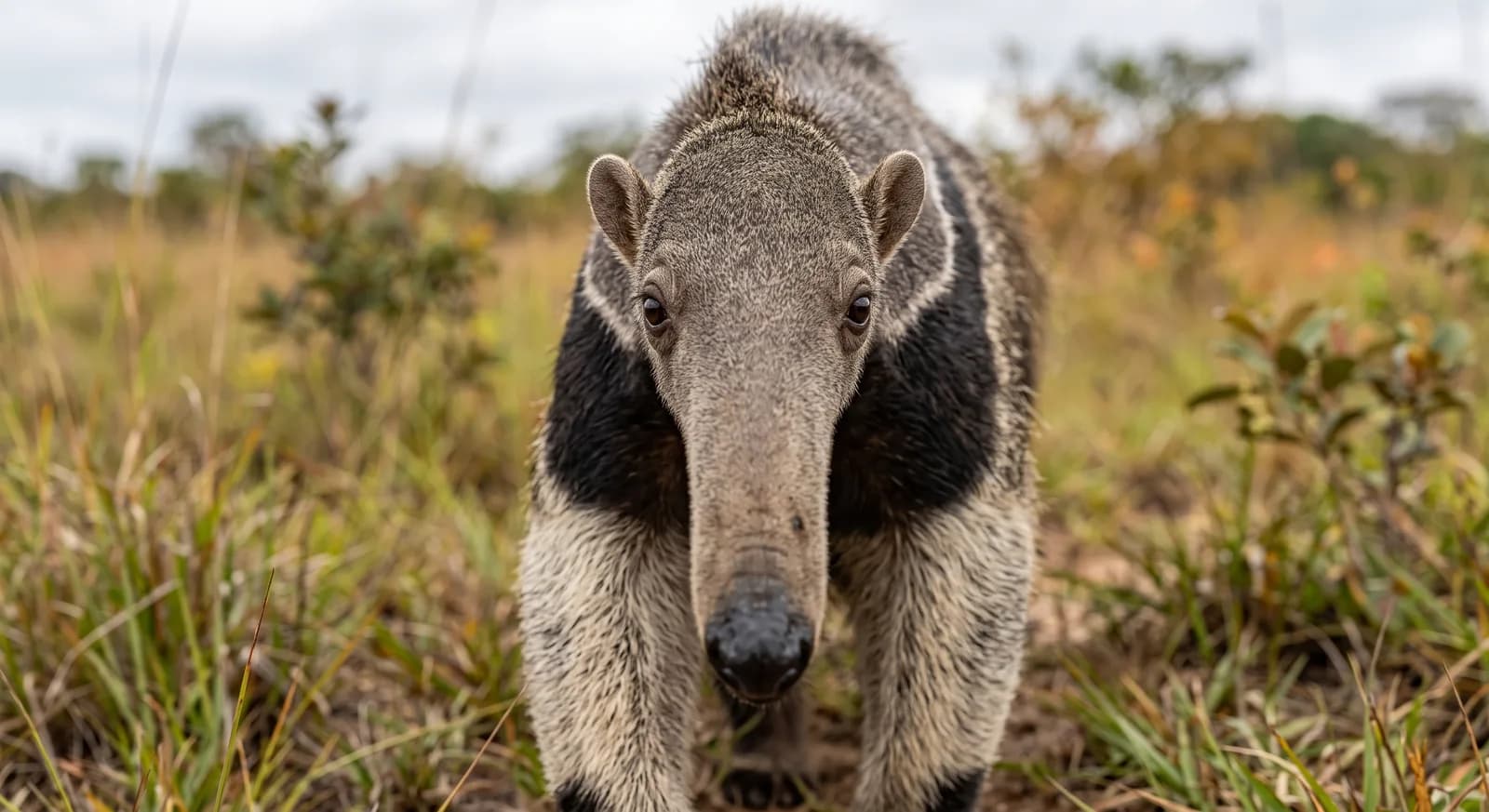 Vulnerable
Giant Anteater
Myrmecophaga tridactyla
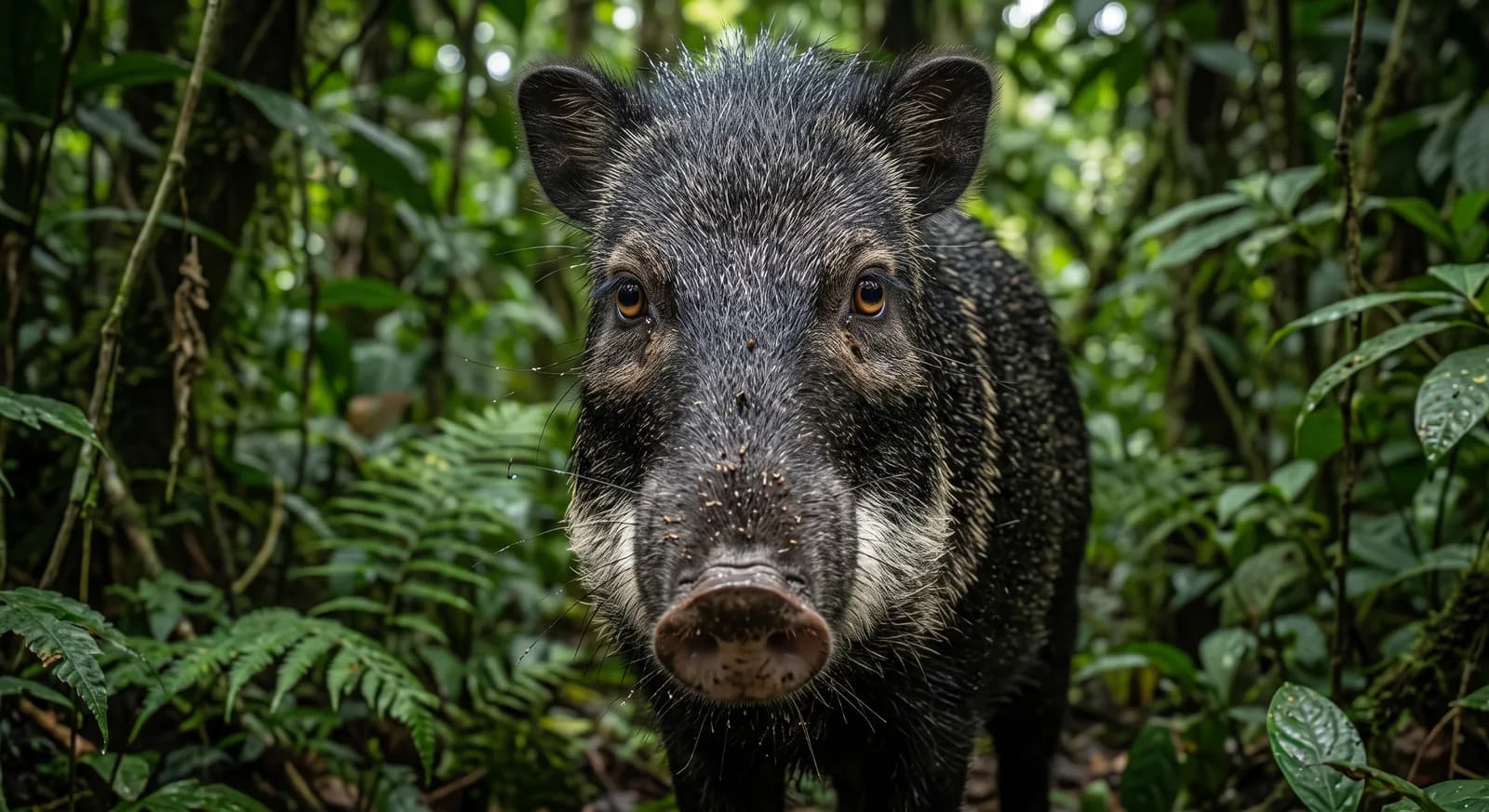 Vulnerable
White-Lipped Peccary
Tayassu pecari
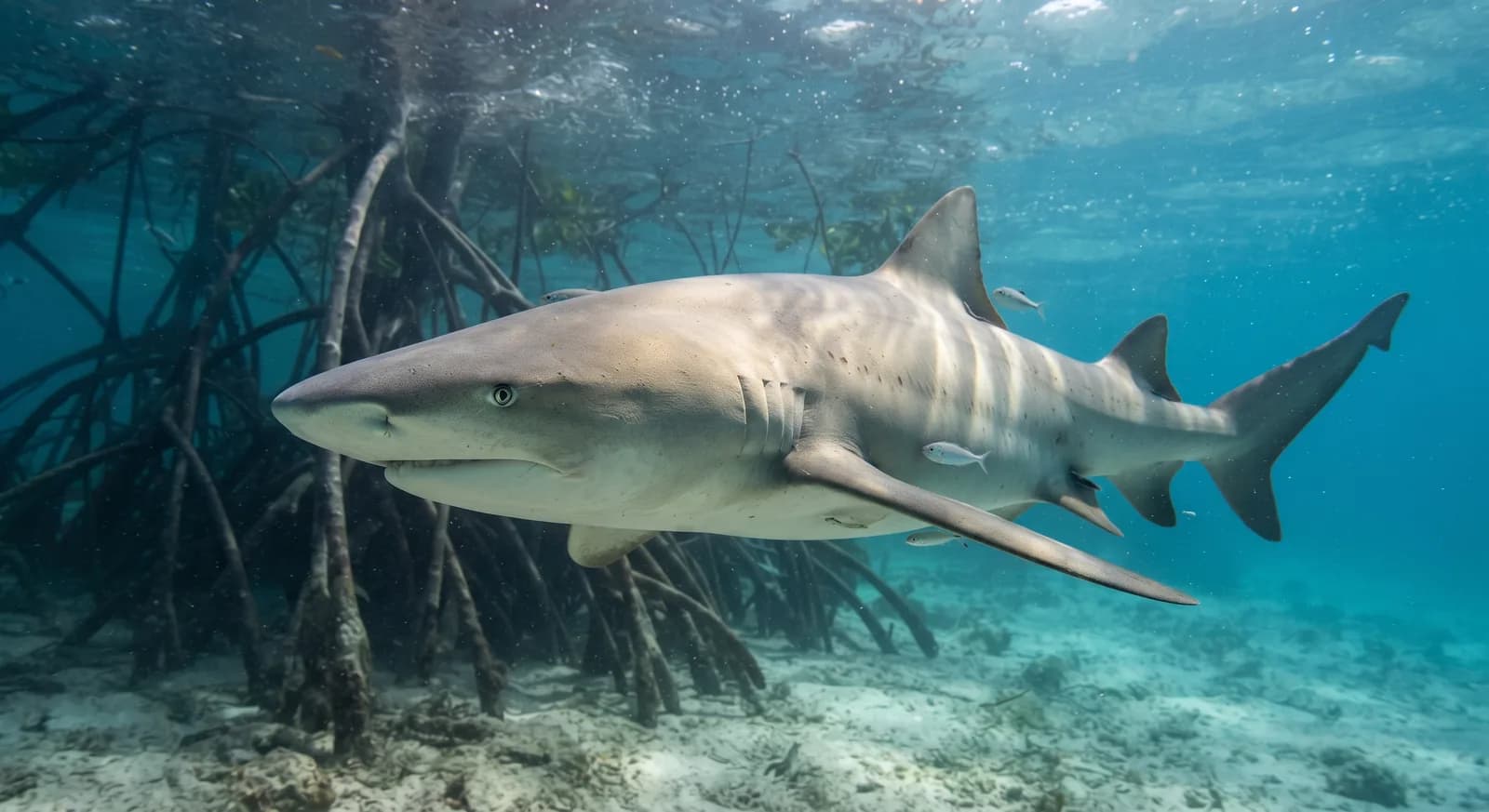 Vulnerable
Lemon Shark
Negaprion brevirostris
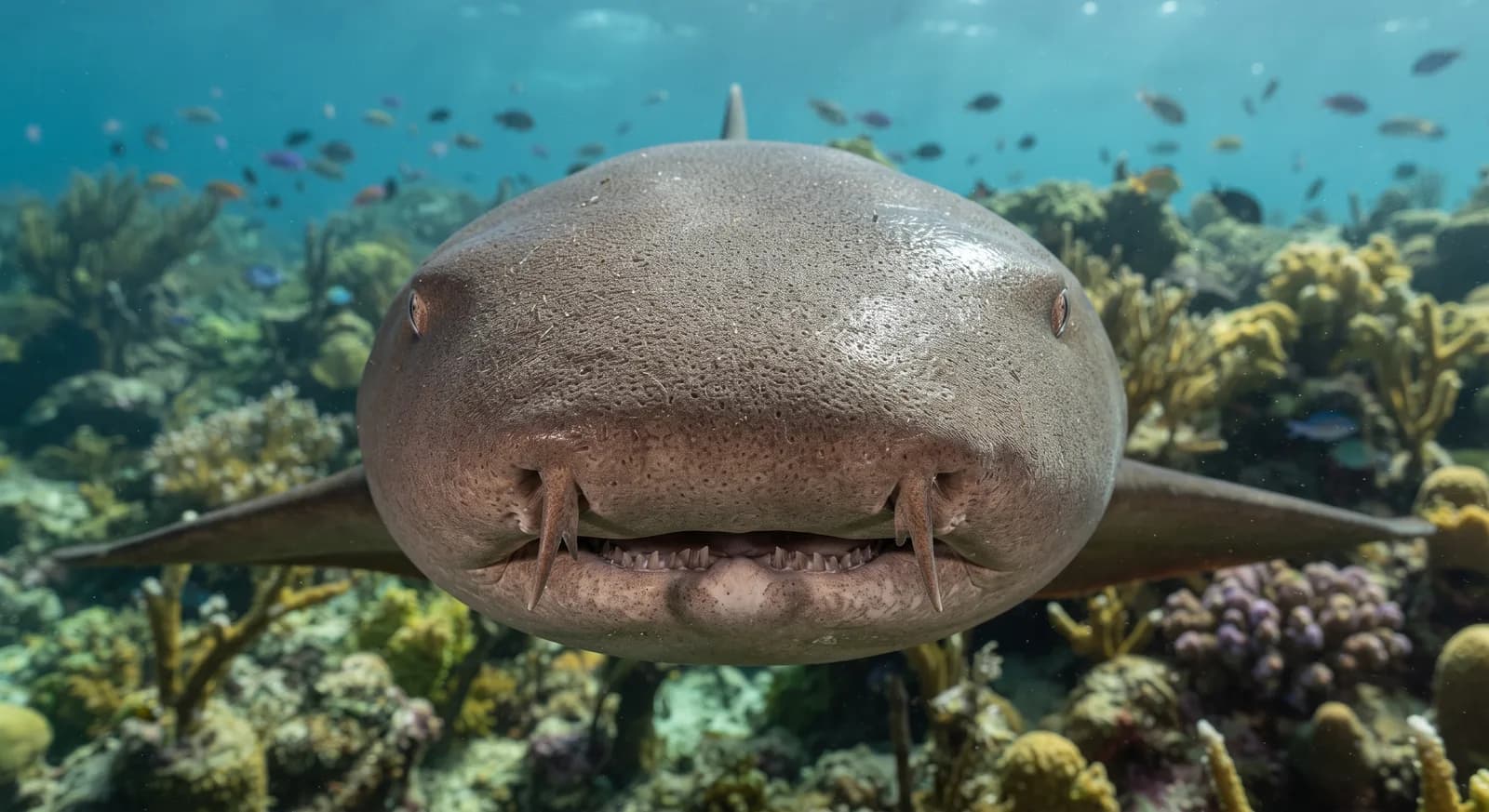 Vulnerable
Nurse Shark
Ginglymostoma cirratum
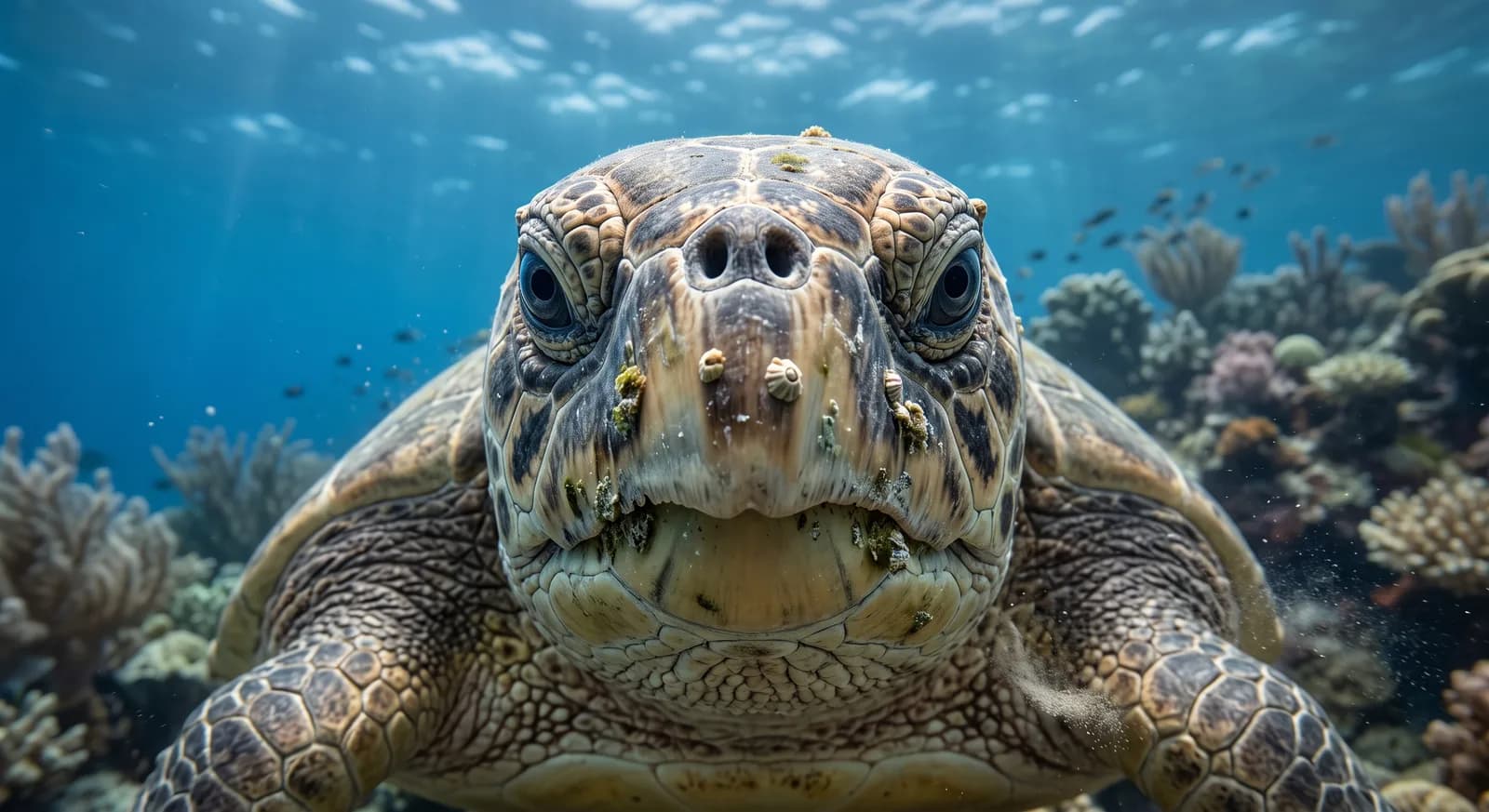 Vulnerable
Loggerhead Turtle
Caretta caretta
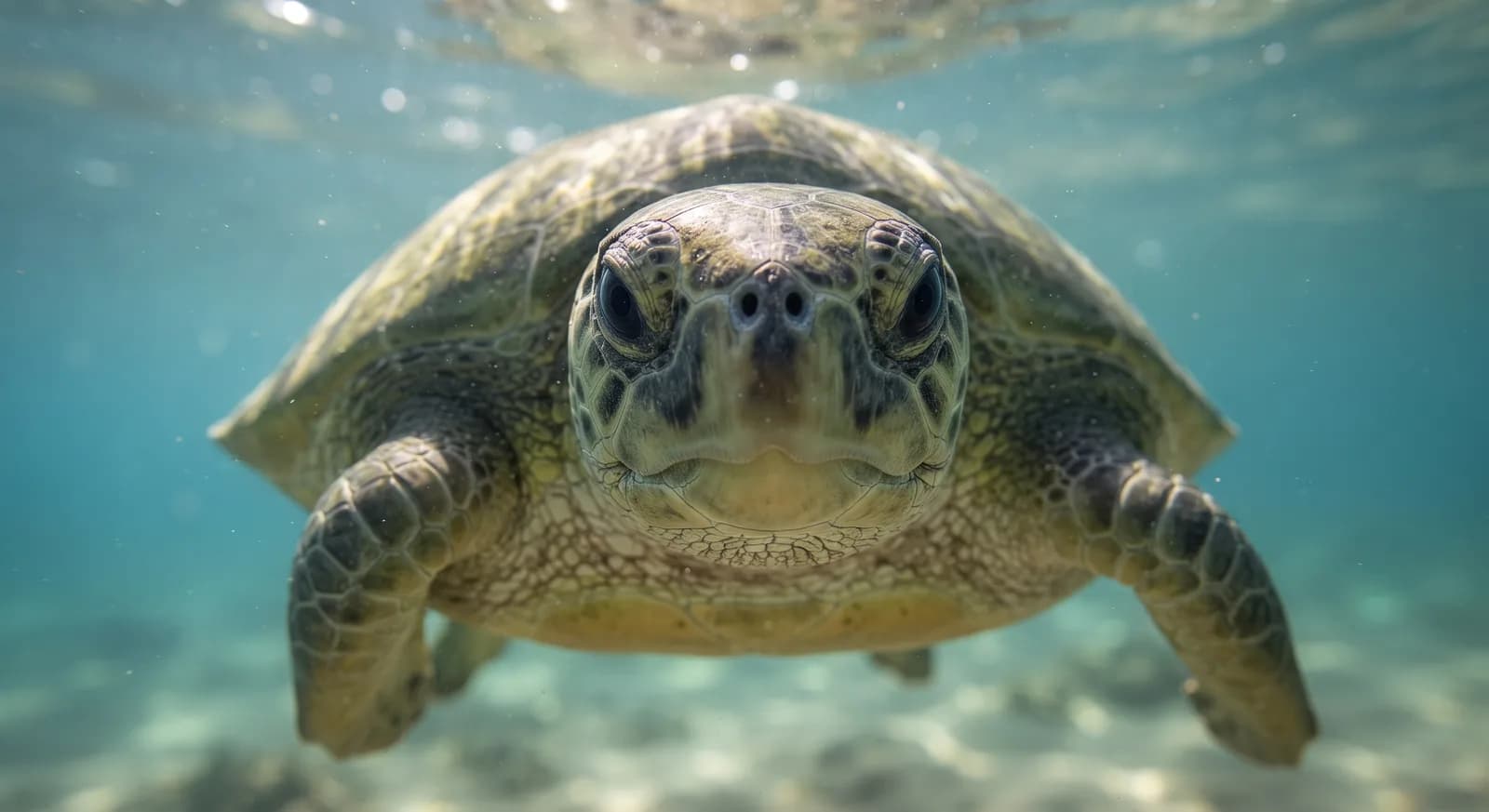 Vulnerable
Olive Ridley
Lepidochelys olivacea
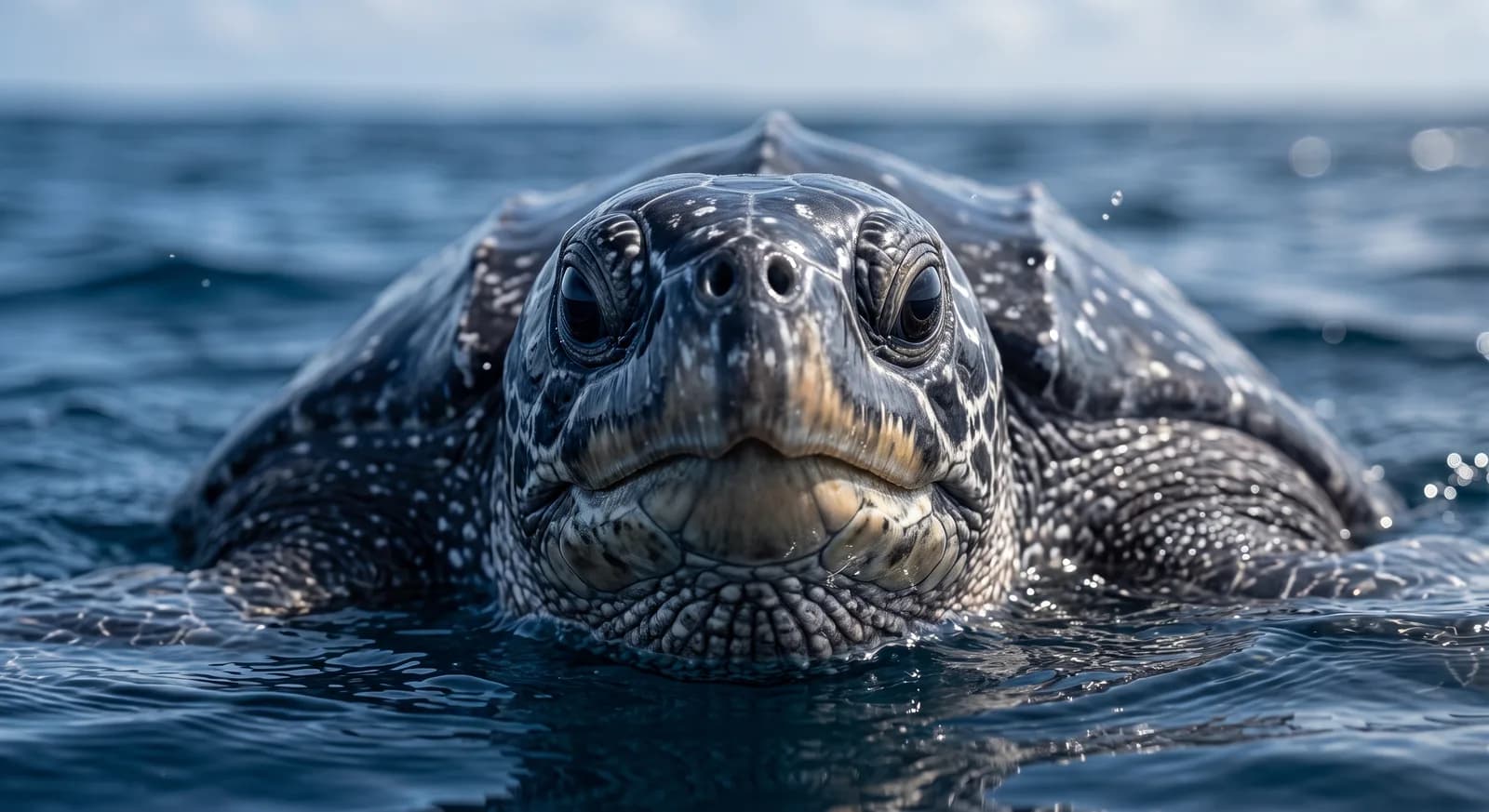 Vulnerable
Leatherback Sea Turtle
Dermochelys coriacea
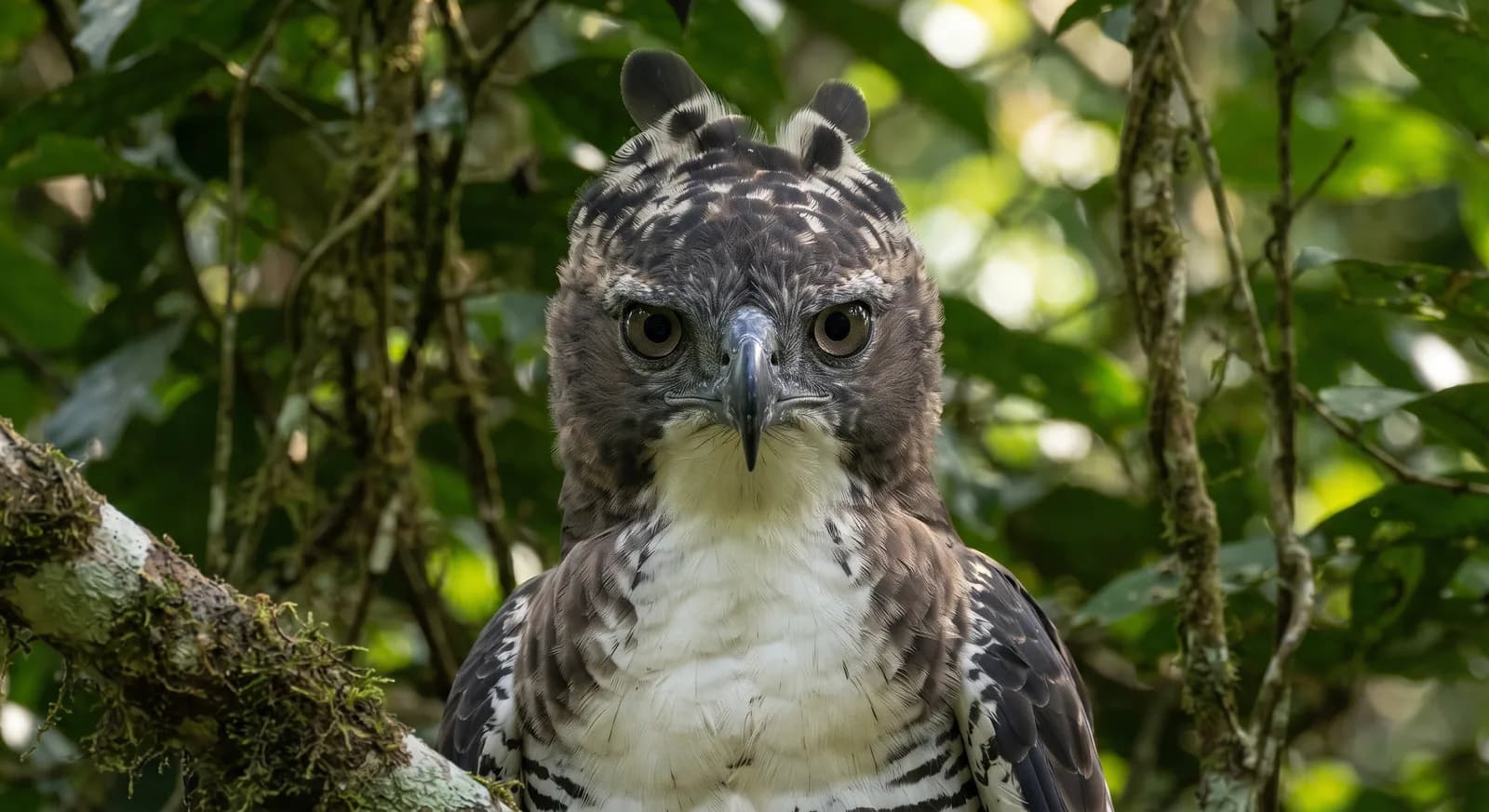 Near Threatened
Crested Eagle
Morphnus guianensis
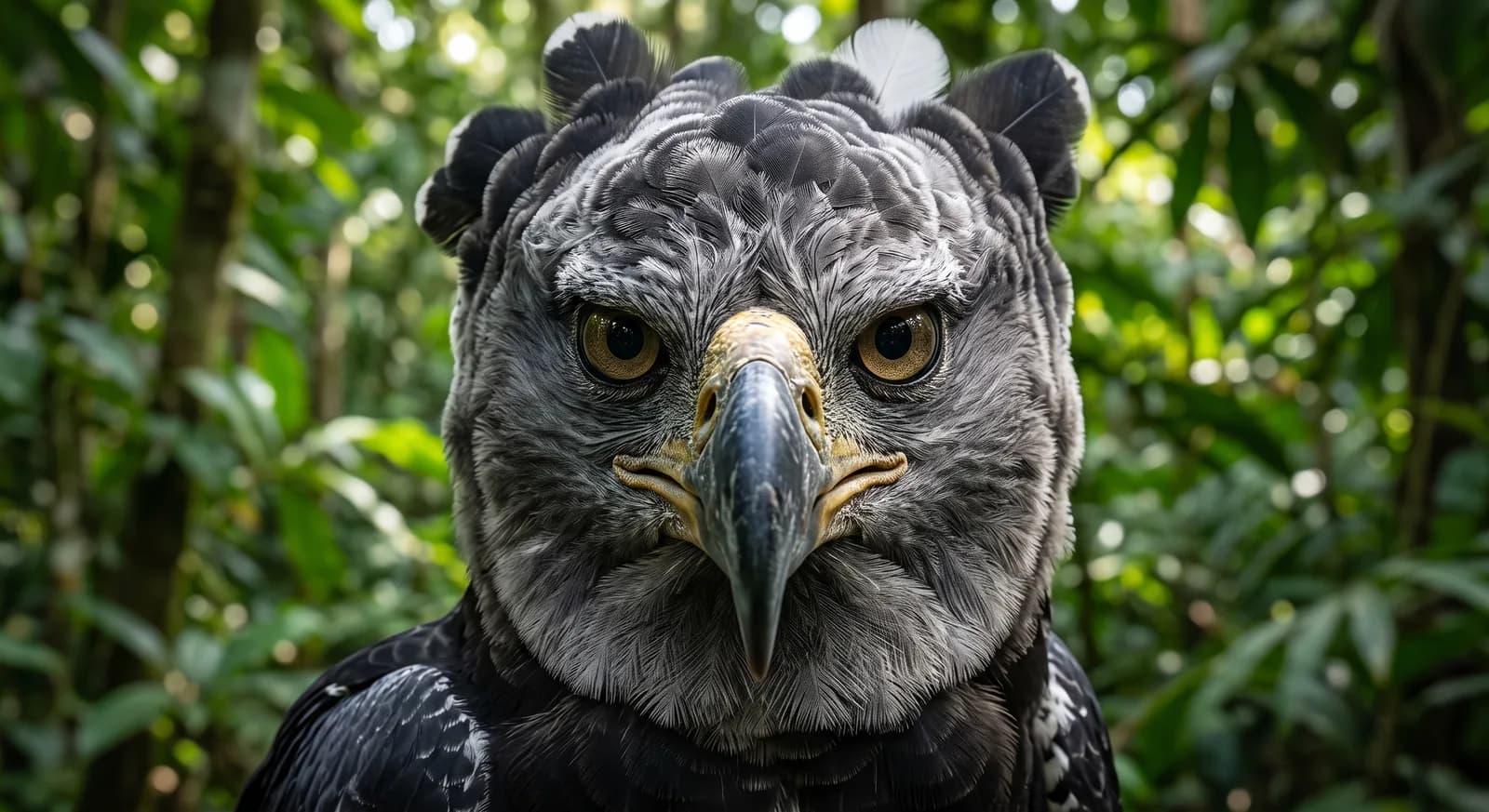 Near Threatened
Harpy Eagle
Harpia harpyja
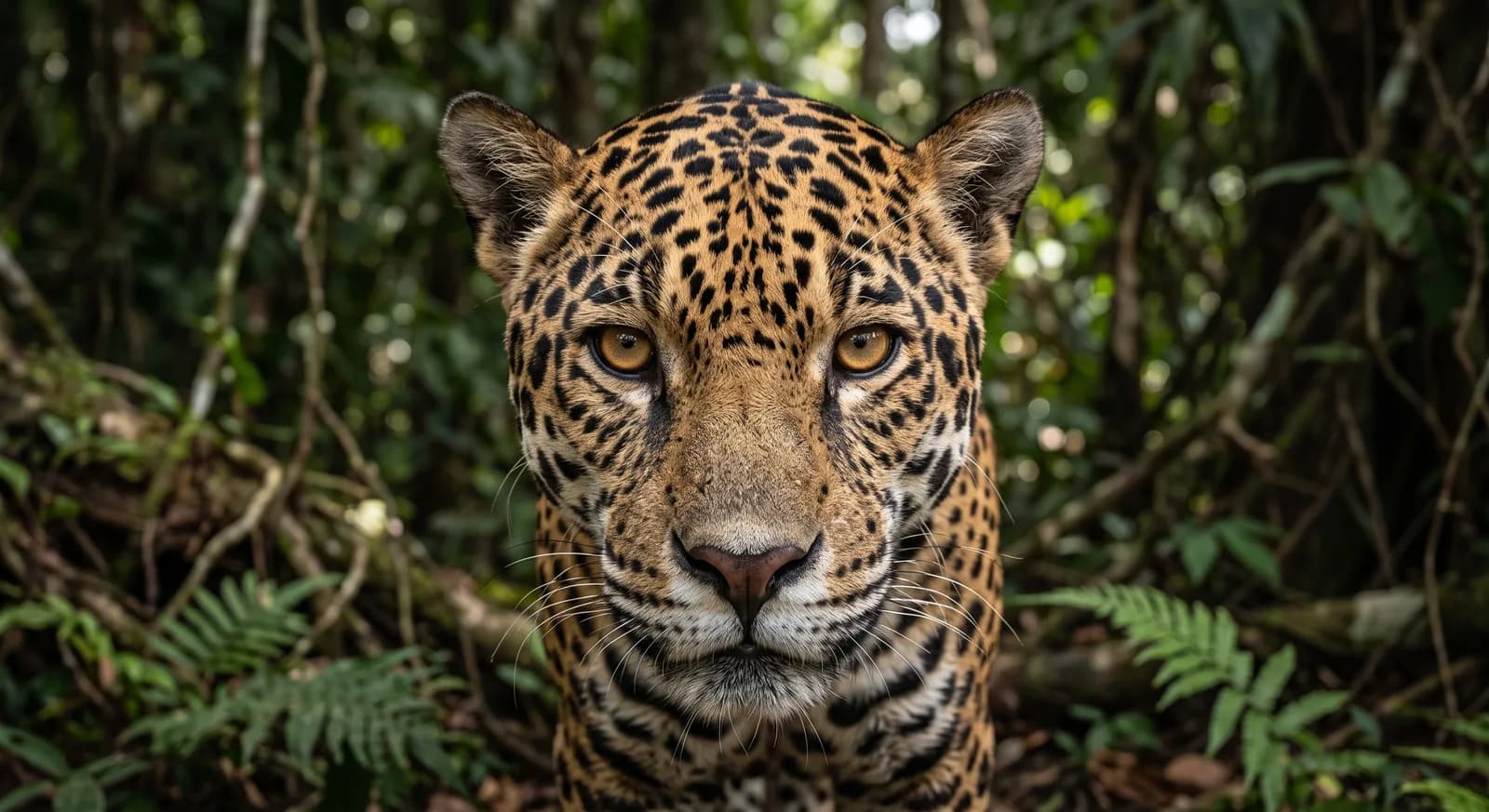 Near Threatened
Jaguar
Panthera onca
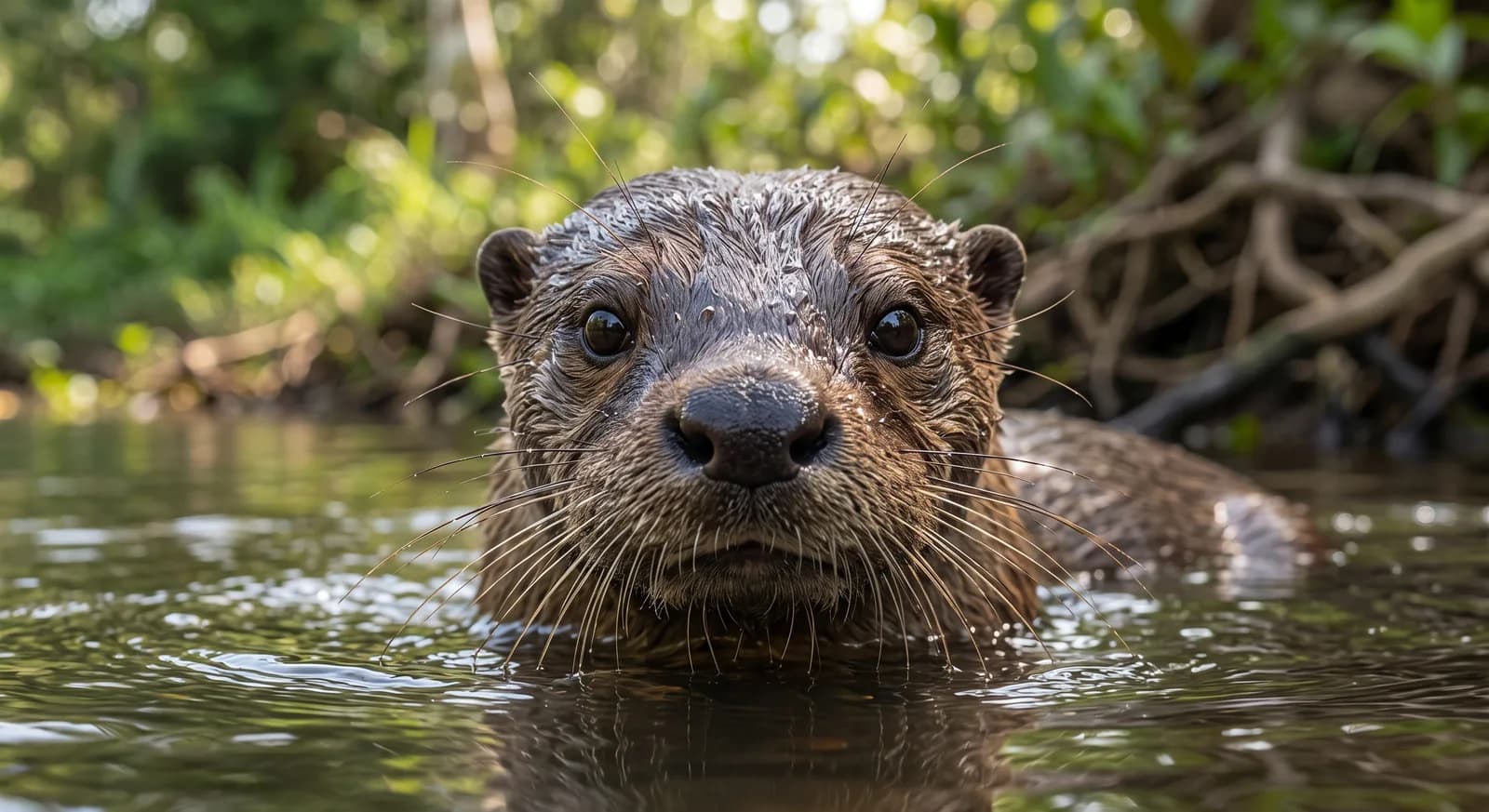 Near Threatened
Neotropical Otter
Lontra longicaudis
Keep exploring
Based on what we already know about Belize.