Chile
América del Sur
Chile is a narrow strip more than four thousand kilometres long wedged between the Andes and the Pacific, and that shape turns it into a biogeographical island: the desert to the north, the cordillera to the east and the ocean to the west have isolated its flora and fauna, producing very high endemism. In the north, the Atacama is the driest desert on the planet, with areas where no rain has been recorded in decades. The centre has a Mediterranean climate and is one of the world's biodiversity hotspots. To the south lies the Valdivian rainforest, a temperate wet woodland with thousand-year-old alerce trees, and beyond that the fjords, icefields and Patagonia. The Humboldt Current brings a cold and extraordinarily productive sea.
The nature of Chile
National animal: The huemul and the Andean condor, which together support the national coat of arms
Did you know?
Darwin's frog, discovered by Darwin himself during his journey through southern Chile, has a form of parental care shared with no other living vertebrate: the male swallows the eggs when they are about to hatch and houses them inside his vocal sac, where the tadpoles develop for weeks on their own yolk reserves. When they are ready, the father opens his mouth and fully formed miniature frogs hop out.
Biodiversity profile
Climate
- •Desertico (BWh) en el norte (Atacama, el mas arido del mundo)
- •Mediterraneo (Csb) en Chile central, hotspot de biodiversidad
- •Oceanico templado humedo (Cfb) en el sur
- •Tundra y clima polar en la Patagonia austral y Antartida chilena
Main biomes
- •Desierto de Atacama (hiperarido)
- •Matorral y bosque esclerofilo mediterraneo (Chile central, hotspot global)
- •Bosque templado lluvioso valdiviano (sur)
- •Estepa patagonica y altiplano (Puna)
- •Estepa patagónica
- •Matorral mediterráneo
- •Campo de hielo y fiordo
- •Altiplano y salares
- •Litoral de la corriente de Humboldt
Marine and coastal ecosystems
- •Corriente de Humboldt (una de las zonas marinas mas productivas del planeta)
- •Fiordos patagonicos
- •Archipielagos australes
Flagship wildlife
- •Puma
- •Condor andino
- •Pudu (ciervo mas pequeño del mundo)
- •Zorro culpeo
- •Chinchilla silvestre
- •Huemul del sur
- •Ballena azul (aguas del norte de la Patagonia)
- •Ranita de Darwin
- •Huemul
- •Pingüino de Humboldt
- •Guanaco
- •Zorro de Darwin
- •Flamenco andino
- •Lobo marino sudamericano
Notable endemic species
- •40% de las 4.655 especies nativas de plantas de Chile son endemicas, con 83-89 generos endemicos (uno de los mas altos del mundo)
- •Chile definido como 'isla biogeografica' por su aislamiento geografico (desierto, Andes, oceano, oceano austral)
- •Ranita de Darwin
- •Zorro de Darwin
- •Monito del monte
- •Picaflor de Juan Fernández
- •Lagartija de Atacama
Notable threatened species
- •Huemul del sur (En Peligro, compartido con Argentina, habitat pobremente representado en areas protegidas segun estudios con el modelo Maxent)
- •Pudu (Casi Amenazado/Vulnerable segun zona)
- •Mas del 50% de la flora endemica aun carece de estatus de amenaza oficial evaluado
Notable protected areas
- •Parque Nacional Torres del Paine (Patagonia)
- •Reserva Nacional Altos de Lircay (Andes centrales)
- •Monumento Natural Cerro Ñielol (bosque templado, La Araucania)
- •Parque Nacional Alerce Costero
- •Parque Nacional Rapa Nui
- •Archipiélago Juan Fernández
- •Parque Nacional Lauca
- •Reserva Nacional Pingüino de Humboldt
Main conservation threats
- •Deforestacion y expansion de industria forestal e inmobiliaria en Chile central (hotspot mediterraneo amenazado)
- •Cambio climatico (proyeccion de expansion del clima mediterraneo en 129-153% hacia el sur para fin de siglo)
- •Falta historica de financiamiento estatal para conservacion
- •Especies exoticas y sus patogenos
Notable natural phenomena
- •Floracion del desierto en el Atacama tras lluvias episodicas (desierto florido)
- •Migracion de ballenas azules en el norte de la Patagonia
Conservation
In 2018 Chile created the Route of Parks of Patagonia, a network of seventeen connected national parks stretching more than two thousand kilometres, after private land was donated to the state. The monito del monte, the sole survivor of an order of marsupials related to the Australian ones, is a living fossil of the Valdivian forest.
Where and when to watch wildlife
Torres del Paine between April and September for pumas. Chiloé and the Gulf of Corcovado between December and April for blue whales. Lauca and the northern salt flats for flamingos and vicuñas.
Sources: PMC - Evolutionary diversity of endemic genera of Chile flora | PMC - Correspondence habitat pudu and PA system Chile | biorxiv - Chilean bee diversity
Parks and reserves
Los Flamencos
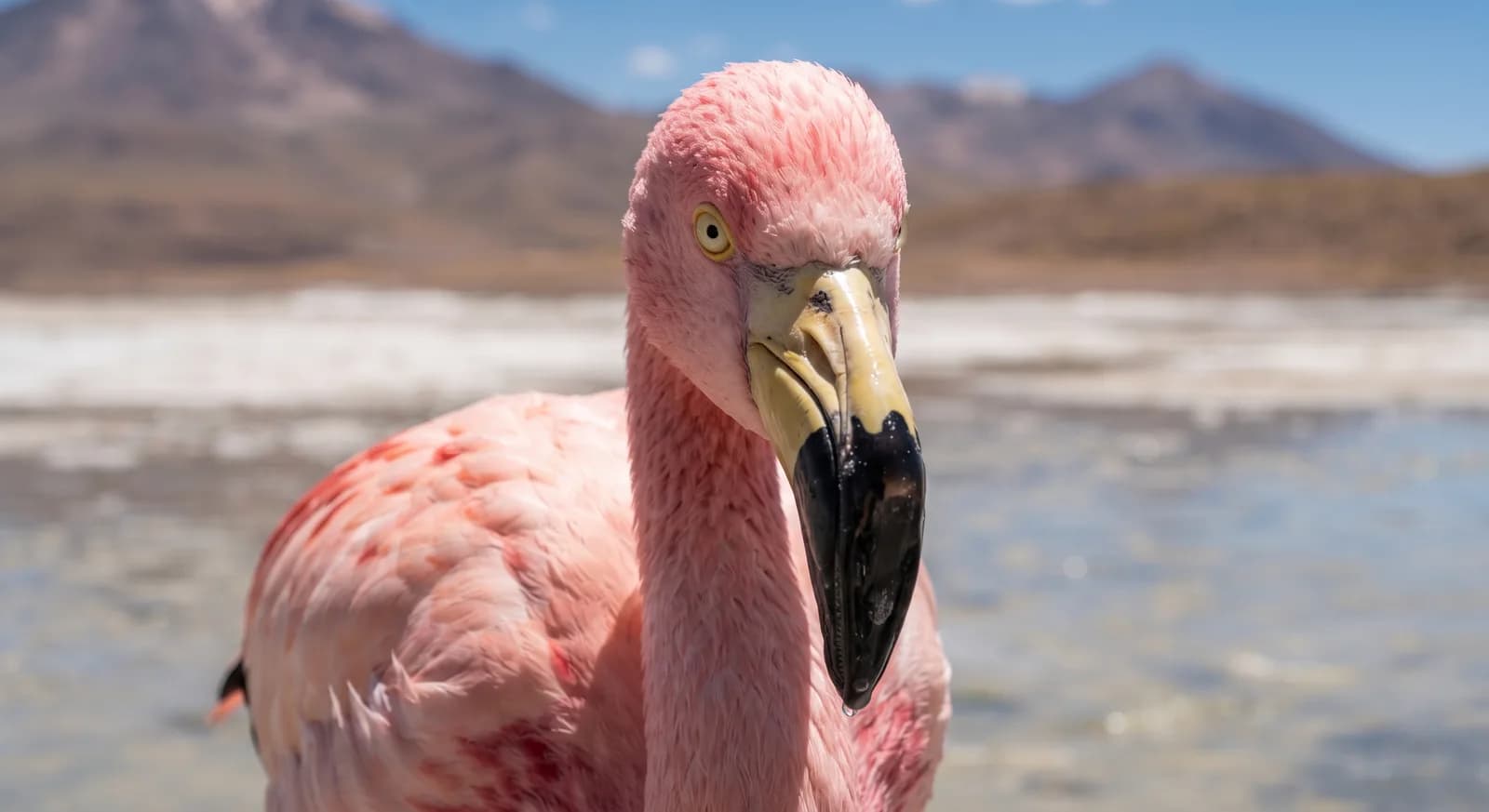
It holds three of the world's six flamingo species in the middle of the driest desert on the planet
View parkNational ParkRapa Nui
It protects the moai and the archaeological heritage of the Rapa Nui culture on Easter Island
View parkNational ParkLauca
Andean altiplano above 4,500 metres; Lake Chungará is one of the highest navigable lakes in the world
View parkNational ParkAlberto de Agostini
Fjords, glaciers and the Darwin range at the southern tip of the Americas, within the Cape Horn Biosphere Reserve.
View parkNational ParkJuan Fernández Archipelago
The island that inspired Daniel Defoe's Robinson Crusoe, after the real shipwreck of the Scottish sailor Alexander Selkirk in 1704
View parkNational ParkFray Jorge
A relict Valdivian forest that lives off the fog in the middle of semi-desert, Chile's first biosphere reserve.
View parkNational ParkHuerquehue
Thousand-year-old monkey puzzle trees and mountain lakes in La Araucanía, within the Araucarias Biosphere Reserve.
View parkNational ParkLa Campana
The largest Chilean wine palm grove in the world, on the hill Darwin climbed in 1834.
View parkNational ParkLaguna San Rafael
One of the most accessible tidewater glaciers in the southern hemisphere, with the Northern Patagonian Ice Field behind it
View parkNational ParkPuyehue
Valdivian forest and active volcanoes in Los Lagos, within the first transboundary biosphere reserve in the Americas.
View parkDiving and snorkelling
Robinson Crusoe Island (Juan Fernández)
A remote archipelago and UNESCO Biosphere Reserve, with an endemic fur seal species.
View dive siteCold rocky reefPunta de Choros
A marine reserve off Isla Damas, within the Humboldt Current, with wildlife endemic to the South Pacific.
View dive siteVolcanic/ArchaeologicalRapa Nui (Isla de Pascua)
Some of the best visibility in the world thanks to the absence of river sediment; it includes a submerged moai replica.
View dive siteEspecies documentadas en Chile
246 species found
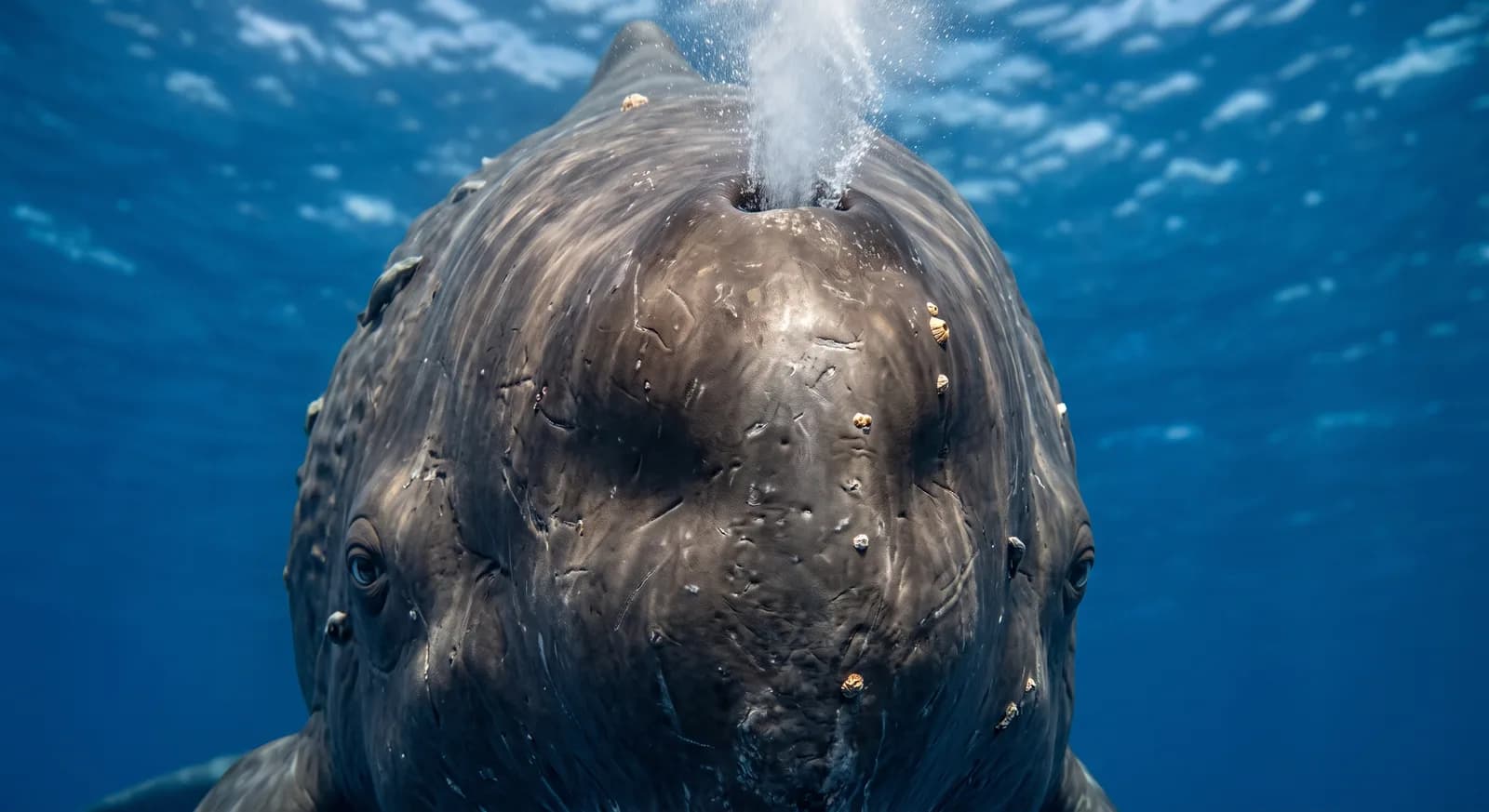 Vulnerable
Sperm Whale
Physeter macrocephalus
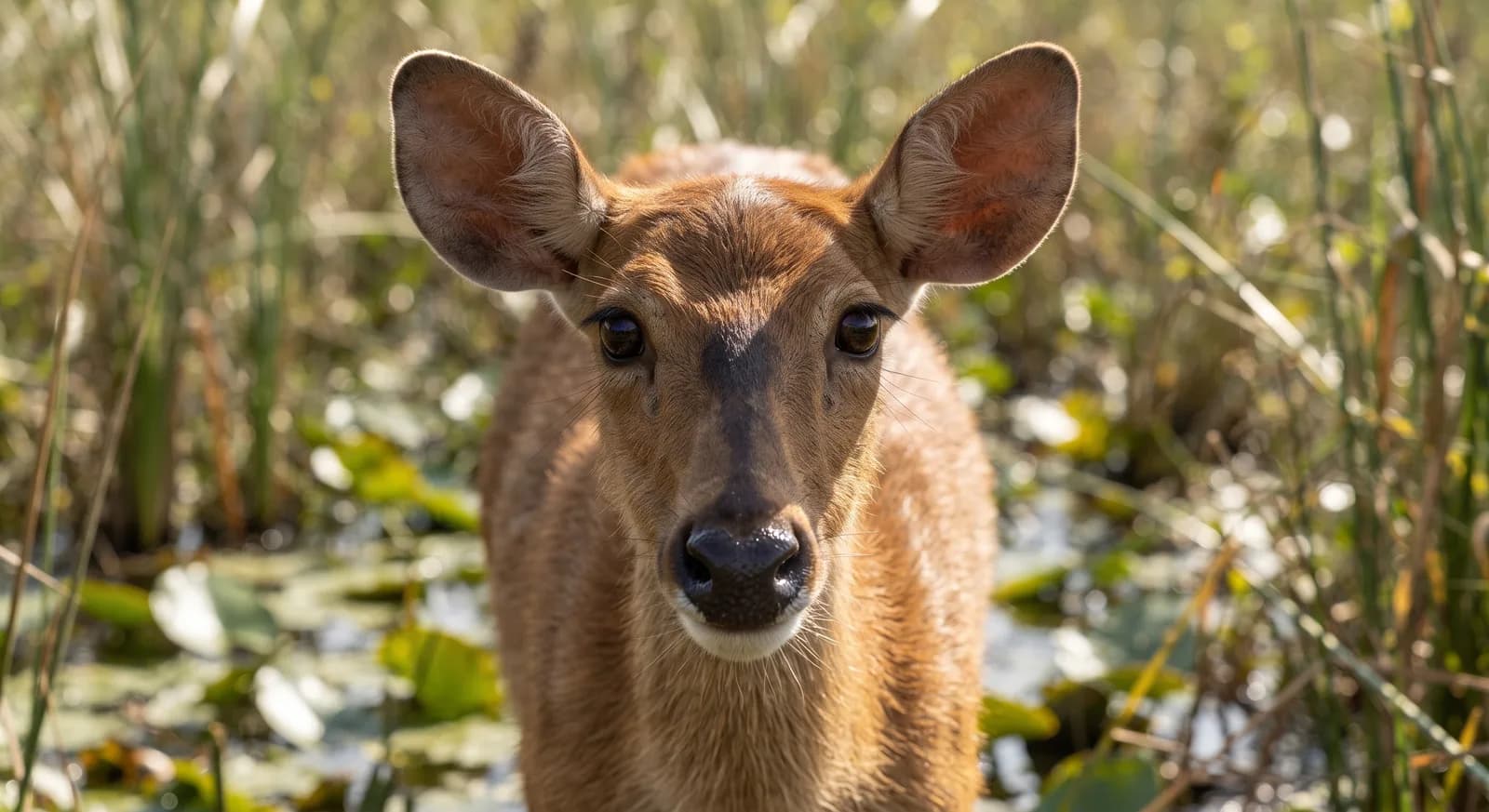 Vulnerable
Marsh Deer
Blastocerus dichotomus
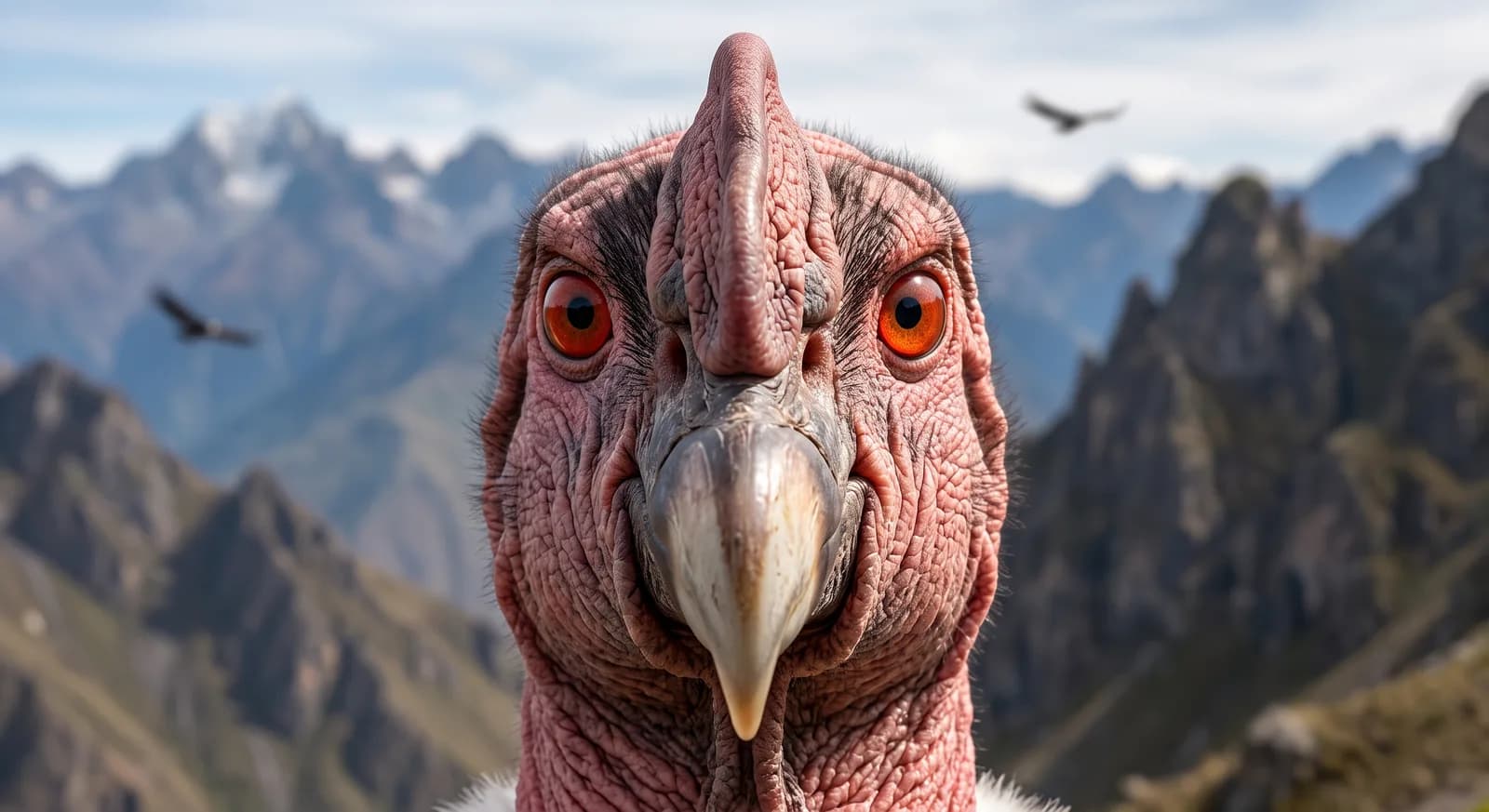 Vulnerable
Andean Condor
Vultur gryphus
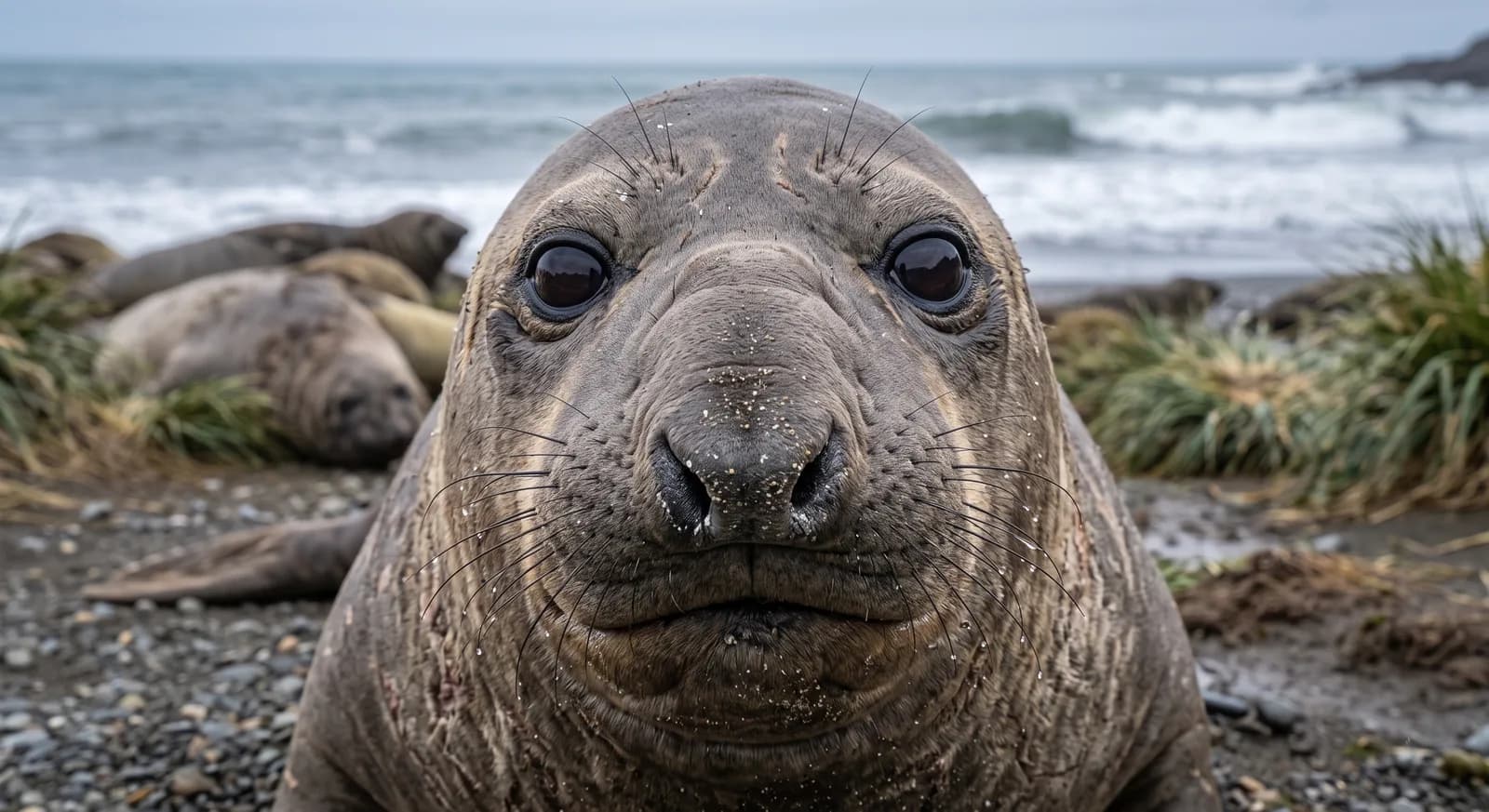 Vulnerable
Southern Elephant Seal
Mirounga leonina
 Vulnerable
Andean Flamingo
Phoenicoparrus andinus
 Vulnerable
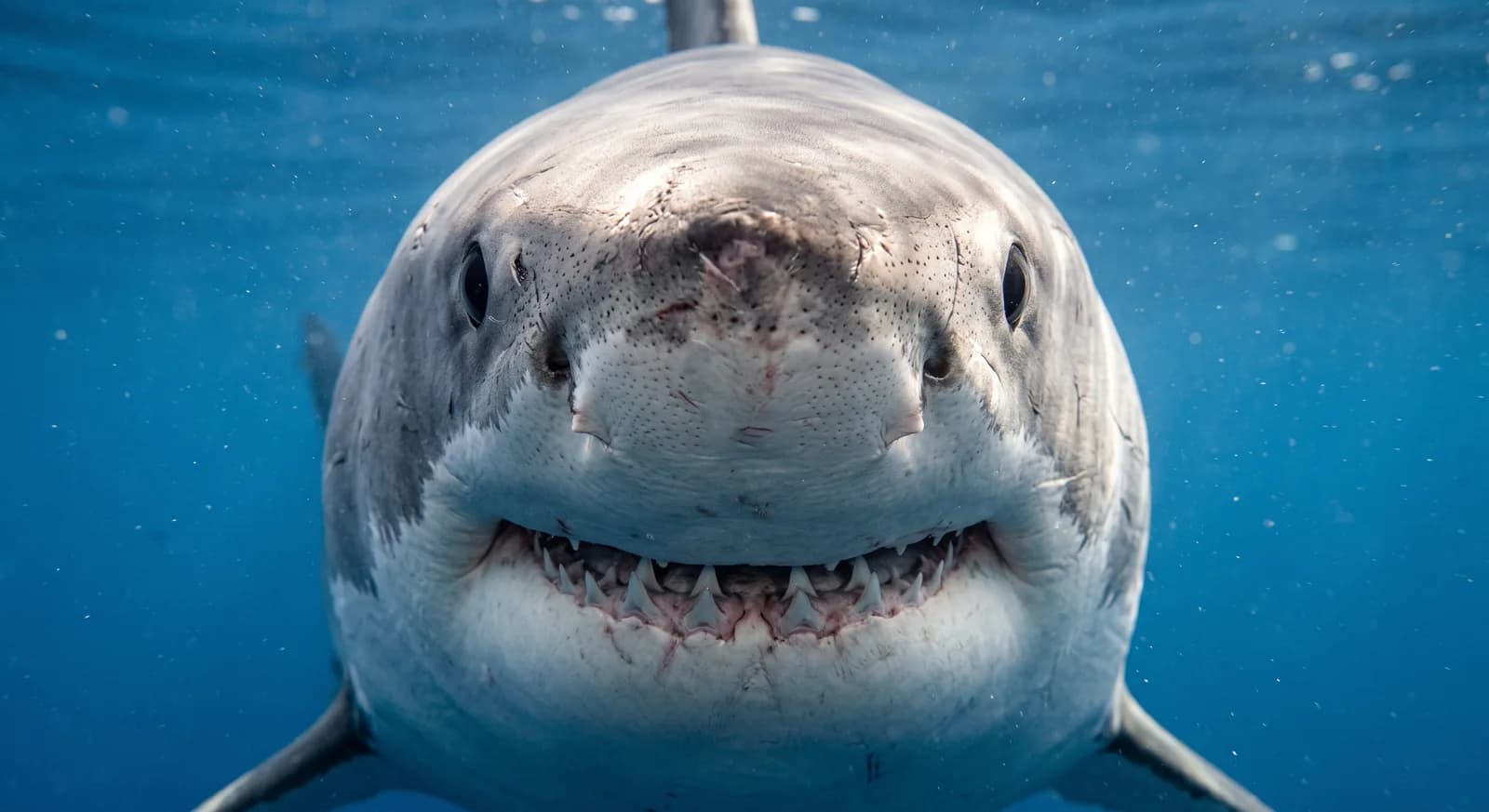
Great White Shark
Carcharodon carcharias
 Vulnerable
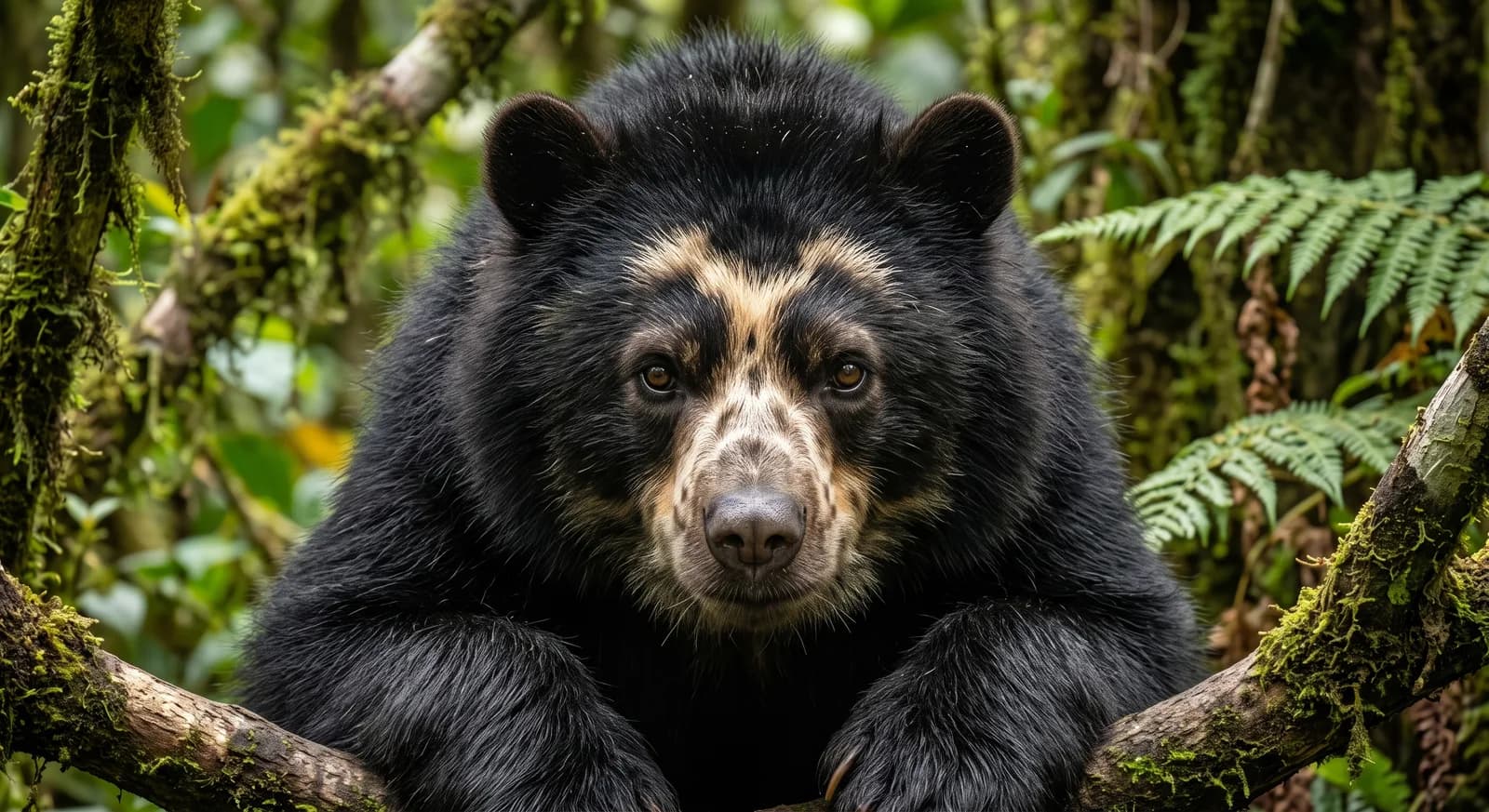
Andean Bear
Tremarctos ornatus
 Vulnerable
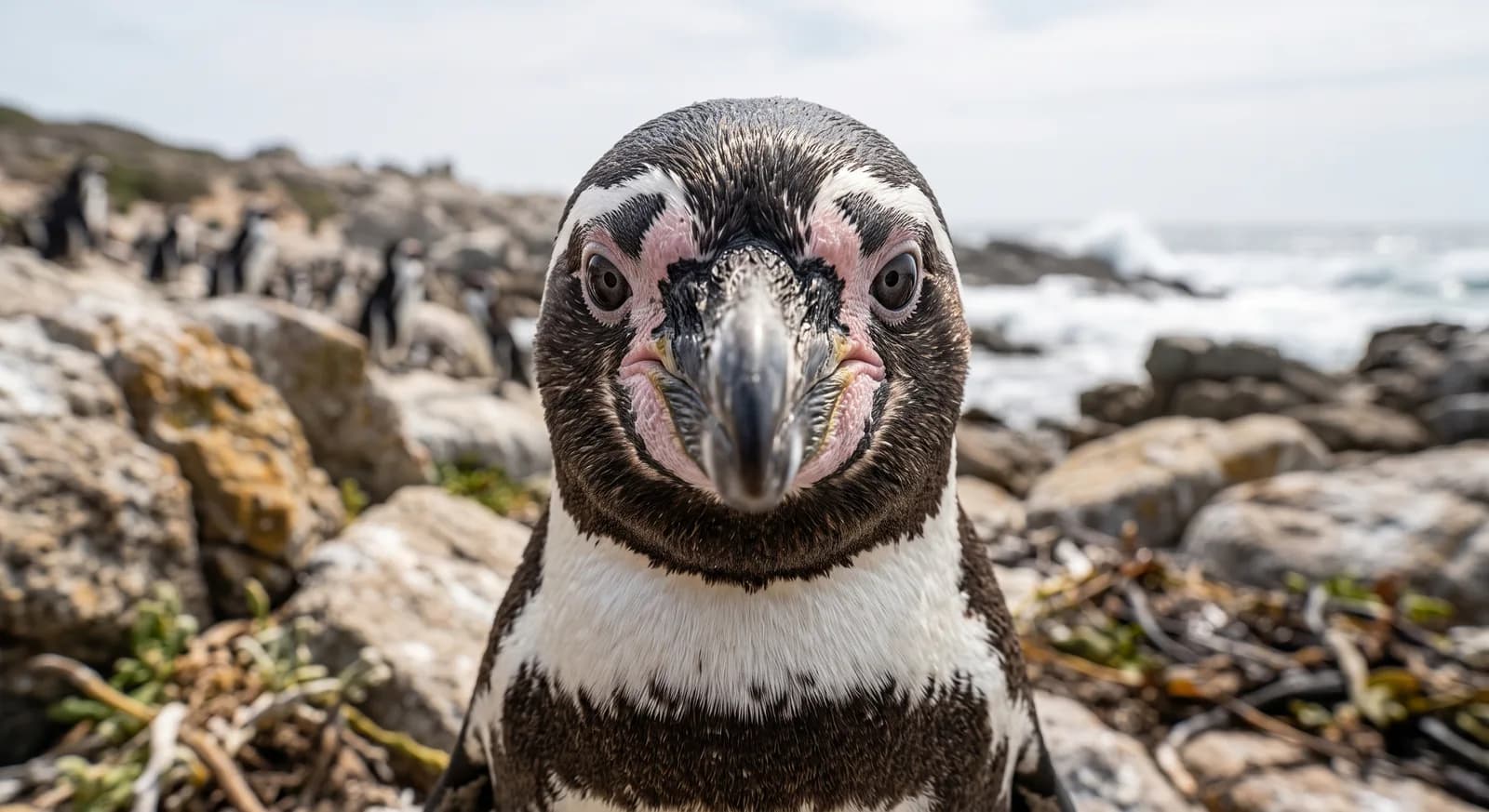
Humboldt Penguin
Spheniscus humboldti
 Vulnerable
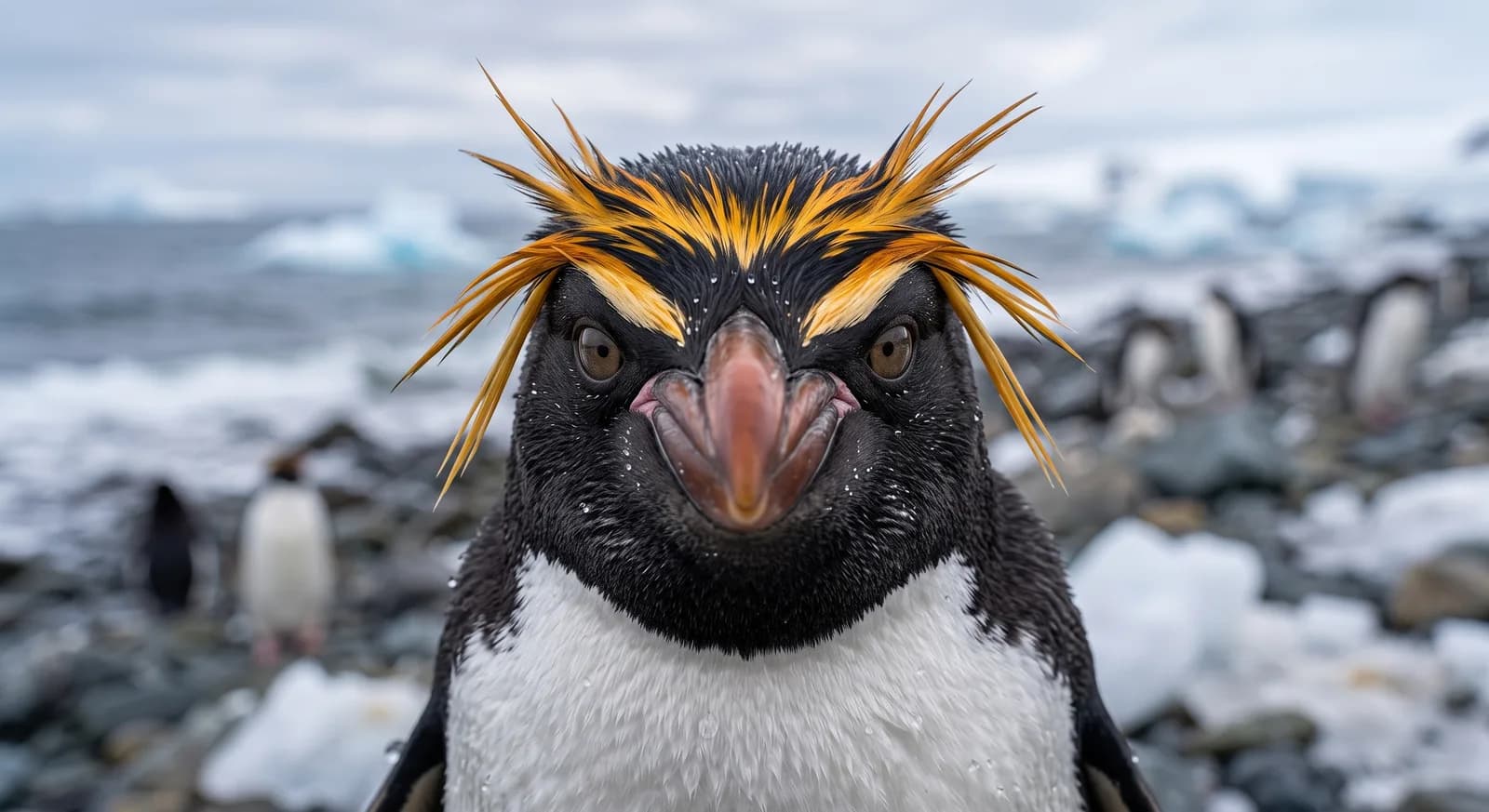
Macaroni Penguin
Eudyptes chrysolophus
 Vulnerable
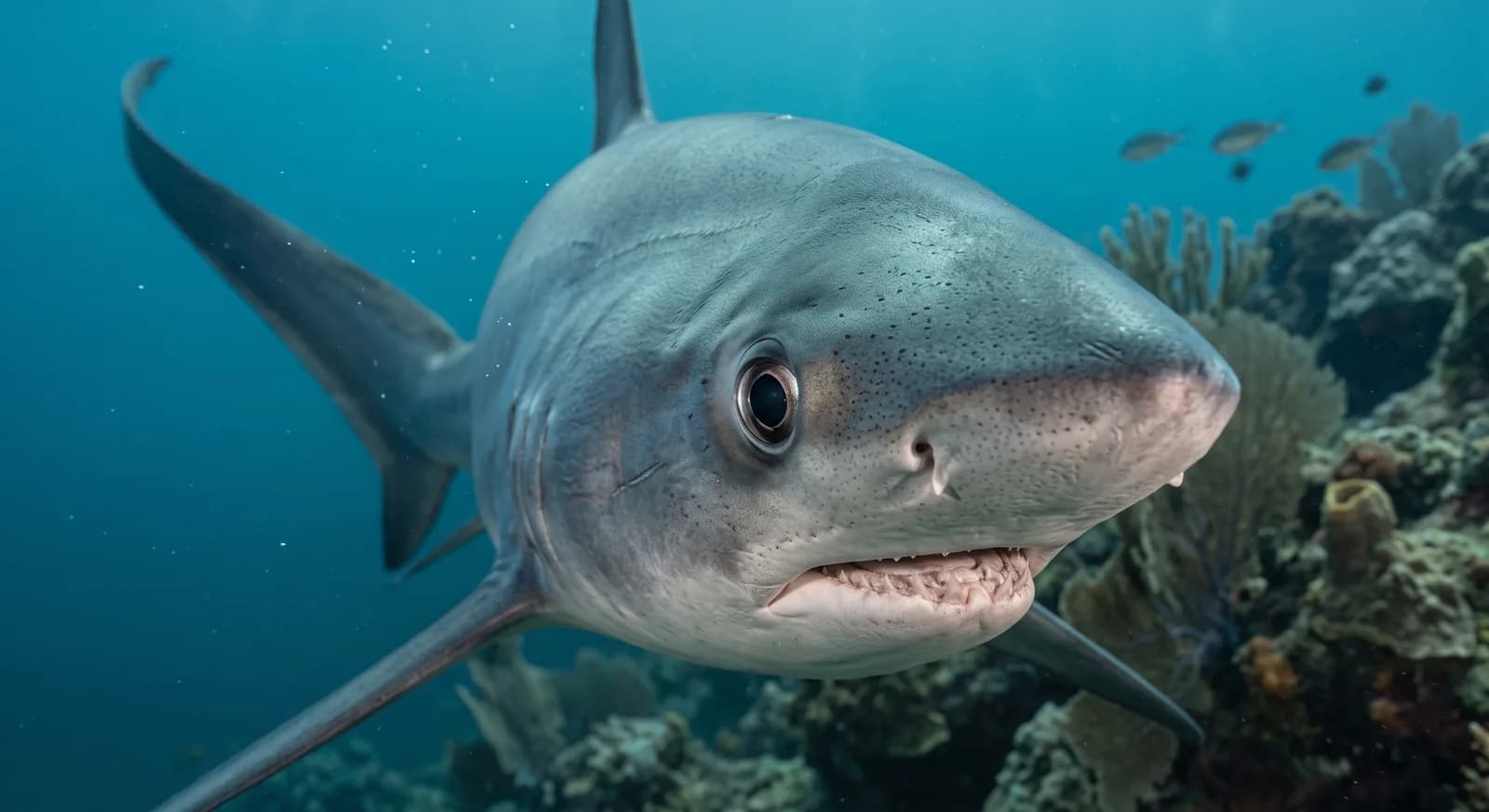
Grayfish
Alopias vulpinus
 Near Threatened
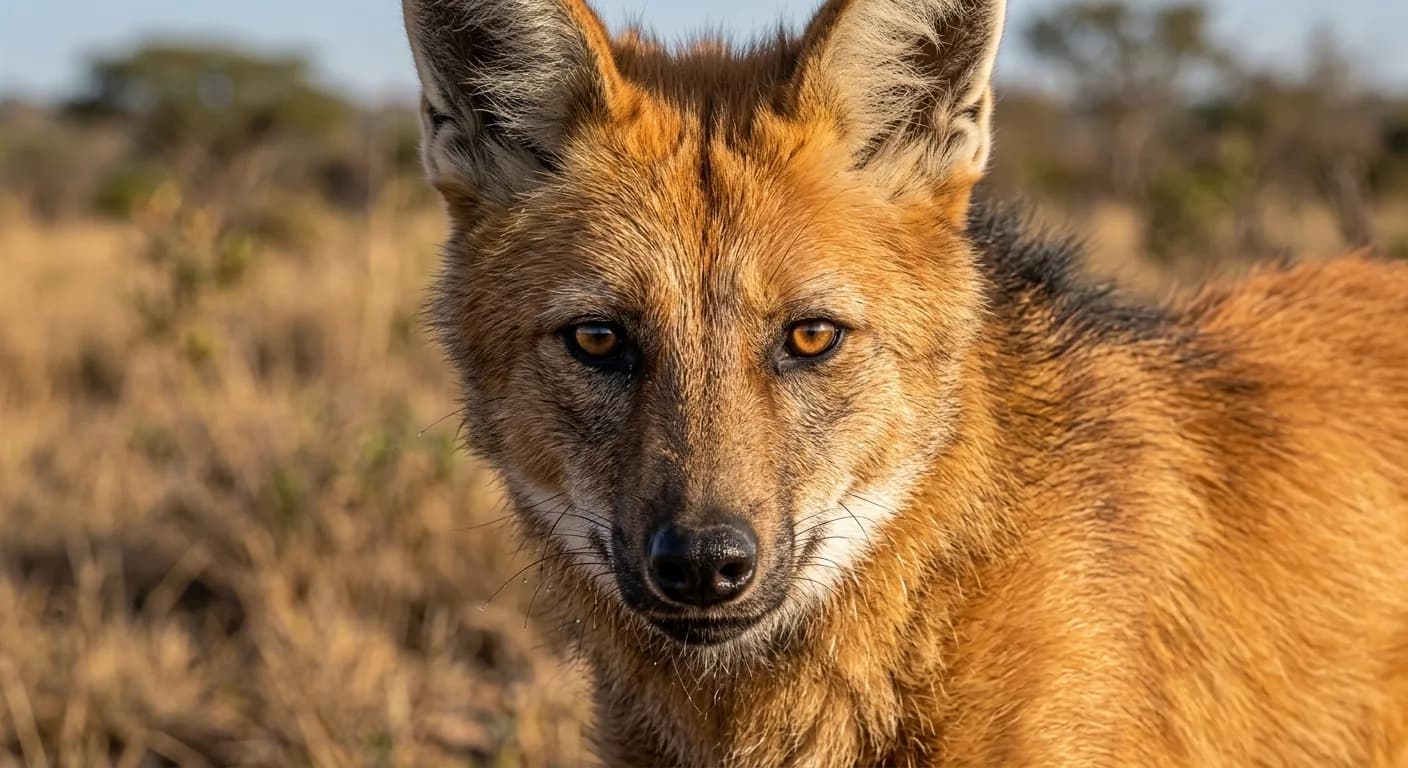
Maned Wolf
Chrysocyon brachyurus
 Near Threatened
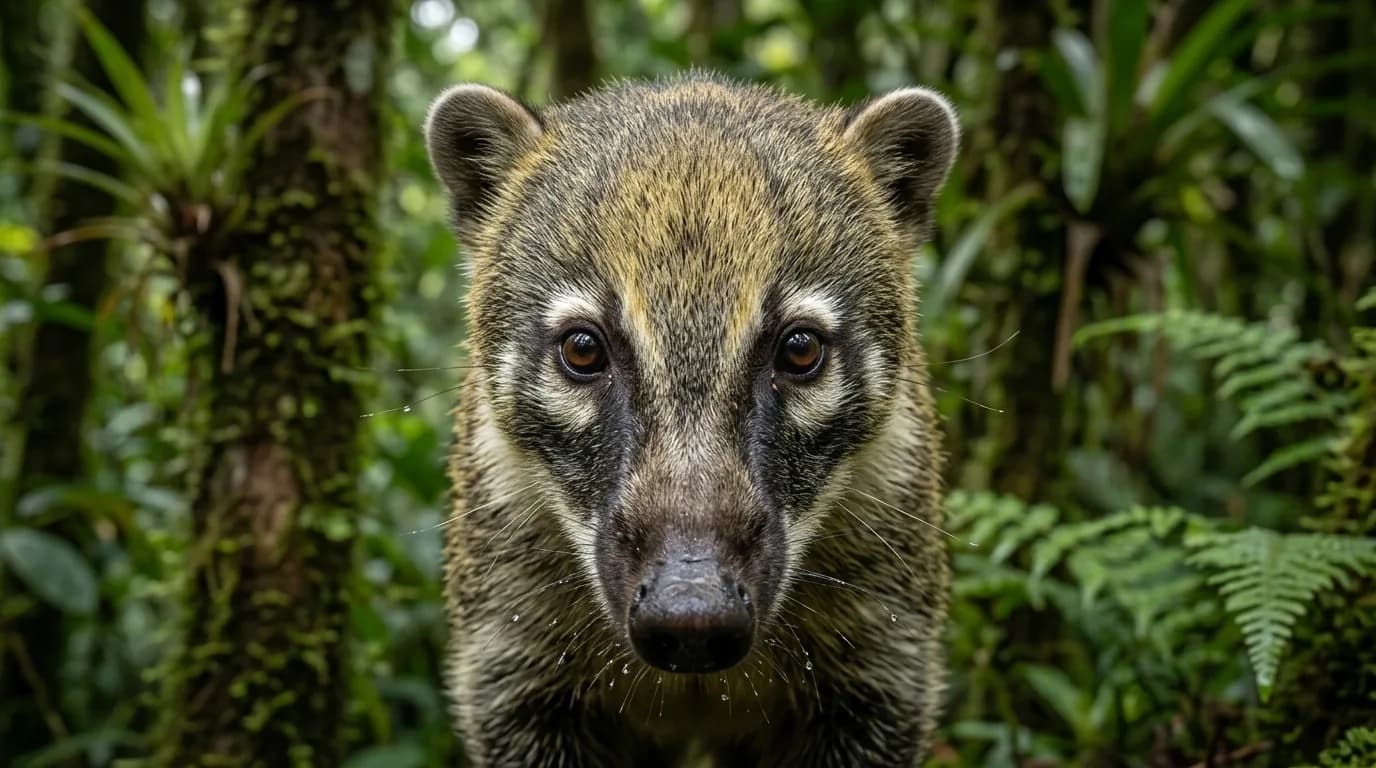
Mountain Coati
Nasua olivacea
Keep exploring
Based on what we already know about Chile.