Indonesia
Asia
Indonesia is the largest archipelago in the world, with more than seventeen thousand islands spread across five thousand kilometres, and one of the two or three most biodiverse countries on the planet. Its territory is split by the Wallace Line, an invisible biogeographical frontier separating fauna of Asian origin, to the west, from that of Australian origin, to the east, which explains why neighbouring islands hold tigers and orangutans on one side and tree kangaroos and birds of paradise on the other. The country is part of the Coral Triangle, the richest marine region on the planet, and more coral species have been counted in Raja Ampat than anywhere else. Its active volcanoes, more than one hundred and thirty of them, constantly renew soils and landscapes.
The nature of Indonesia
National animal: The Komodo dragon, the national animal; the garuda, a mythical bird, is the emblem of the state
Did you know?
The Tapanuli orangutan was described in 2017, the first new great ape species identified in almost a century. It lives in a single block of forest in northern Sumatra, numbers fewer than eight hundred individuals and is therefore the rarest great ape in the world. It differs from its relatives in its coat, the shape of its skull and, above all, the long high-pitched call given by the males.
Biodiversity profile
Climate
- •Ecuatorial humedo (Af) en la mayor parte del pais
- •Tropical con estacion seca (Aw/Am) en zonas orientales (Nusa Tenggara)
Main biomes
- •Selva tropical humeda (Sumatra, Kalimantan/Borneo, Papua)
- •Bosque de transicion de Wallacea (Sulawesi, Nusa Tenggara, biogeografia unica entre Asia y Oceania)
- •Manglares (mayor extension del mundo junto con Brasil)
- •Arrecifes de coral del Triangulo de Coral
- •Arrecife del Triángulo de Coral
- •Volcán activo
- •Turbera tropical
- •Manglar costero
- •Sabana de las islas menores
- •Bosque de montaña de Papúa
Marine and coastal ecosystems
- •Nucleo del Triangulo de Coral (mayor diversidad marina del planeta)
- •Extensos manglares costeros en Sumatra y Kalimantan
Flagship wildlife
- •Orangutan de Sumatra y de Borneo
- •Dragon de Komodo
- •Tigre de Sumatra
- •Rinoceronte de Java (uno de los mamiferos mas amenazados del mundo)
- •Elefante pigmeo de Borneo
- •Orangután de Tapanuli
- •Orangután de Sumatra
- •Elefante de Sumatra
- •Ave del paraíso
- •Babirusa
- •Anoa
- •Tarsero espectral
Notable endemic species
- •Segundo pais mas biodiverso del mundo, con 2 de los 25 hotspots mundiales de biodiversidad y 24 Areas de Endemismo de Aves de BirdLife International
- •Dragon de Komodo (endemico de un puñado de islas)
- •Orangutan de Sumatra y de Borneo (especies distintas, ambas endemicas de sus respectivas islas)
- •Orangután de Tapanuli
- •Rinoceronte de Java
- •Babirusa
- •Ave del paraíso de Wilson
Notable threatened species
- •Rinoceronte de Java (En Peligro Critico, menos de 80 individuos, restringido al Parque Nacional Ujung Kulon)
- •Orangutan de Sumatra y de Borneo (En Peligro Critico)
- •Tigre de Sumatra (En Peligro Critico)
Notable protected areas
- •Parque Nacional Komodo (Patrimonio Mundial)
- •Parque Nacional Ujung Kulon (rinoceronte de Java)
- •Ecosistema de Leuser (Sumatra, unico lugar del mundo con orangutanes, tigres, rinocerontes y elefantes conviviendo)
- •Parque Nacional de Komodo
- •Parque Nacional de Gunung Leuser
- •Raja Ampat
- •Parque Nacional de Ujung Kulon
- •Parque Nacional de Lorentz
- •Parque Nacional de Tanjung Puting
Main conservation threats
- •Deforestacion por expansion de plantaciones de palma aceitera
- •Fragmentacion de habitat de grandes mamiferos (orangutan, tigre, rinoceronte, elefante)
- •Sobrepesca y degradacion de arrecifes de coral en el Triangulo de Coral
- •Alta presion de pesca en zonas prioritarias de conservacion segun estudios de biodiversidad marina
Notable natural phenomena
- •Wallacea, zona de transicion biogeografica unica entre las faunas asiatica y australiana, con altisimo endemismo insular
Conservation
The Javan rhinoceros survives only in Ujung Kulon, with a few dozen animals in a single park, which leaves it extremely vulnerable to an eruption or an epidemic. Peatland fires cleared for palm plantations are the country's largest cause of habitat destruction.
Where and when to watch wildlife
Komodo between April and June for the dragons. Raja Ampat between October and April for reefs and mantas. Tanjung Puting and Leuser year-round for orangutans.
Sources: Interactive Country Fiches (UNEP-GRID) - Biodiversity Indonesia | mundukmodingplantation.com - Exploring Biodiversity in Indonesia | PMC - Biodiversity Marine Mollusks Indo-Pacific Convergence Zone | Wikipedia - Mentawai Islands rain forests
Natural phenomena in Indonesia
- Temporada de apareamiento del dragón de Komodo — Mayo a agosto
Parks and reserves
Bukit Barisan Selatan
One of the three parks that make up the Tropical Rainforest Heritage of Sumatra, on the List in Danger since 2011.
View parkNational ParkGunung Leuser
One of the last places on the planet where the Sumatran orangutan, tiger, rhino and elephant still live side by side
View parkNational ParkKerinci Seblat
The largest national park in Sumatra; it holds Indonesia's highest active volcano
View parkNational ParkKomodo
The archipelago that gives its name to, and is the only home of, the largest living lizard on the planet.
View parkNational ParkLorentz
The largest national park in South-East Asia; the only place on the planet with permanent equatorial snow beside rainforest
View parkNational ParkUjung Kulon
The last refuge of the Javan rhinoceros, with fewer than 80 animals left on the planet, all of them in this one park
View parkNational ParkAlas Purwo
Java's "first forest", where legend says the land rose from the ocean, with mangroves, savannah and the G-Land wave.
View parkNational ParkBaluran
Java's "Africa": open savannah at the foot of a volcano, an oddity on an island of tropical forest.
View parkNational ParkBunaken
Vertical coral walls off Manado, one of Indonesia's first marine parks.
View parkNational ParkGunung Rinjani
Indonesia's second-highest volcano, with a caldera lake and an active cone inside it.
View parkDiving and snorkelling
Komodo National Park
The park combines two very different regimes: the north, warm and with high visibility, and the south, colder through upwelling and with an explosion of soft coral. The landmark sites are Castle Rock and Crystal Rock (pinnacles with pelagic action), Batu Bolong (iconic biodiversity), Manta Alley and Karang Makassar (manta cleaning), The Cauldron — also called Shotgun — for drift diving, Cannibal Rock in Horseshoe Bay south of Rinca, and Pillarsteen, a vertical limestone cliff on the south-west of Komodo riddled with swim-throughs and caverns.
View dive siteCoastal pelagicCenderawasih Bay (whale shark)
The only place in the world with a resident whale shark population all year round. The animals come to the bagan, floating fishing platforms, to feed on the small fish trapped in the nets suspended beneath. The encounter happens in a few metres of crystal-clear water, with the sharks circling the platform quite unbothered by the bubbles.
View dive sitePinnacle/Cleaning stationBlue Magic (Raja Ampat)
A seamount rising from deep water to form a shallow reef top — the crest sits at around 10 m — before falling away in a steep slope towards the blue. It is a compact but extremely dense reef: the nutrient-laden currents make it a gathering point, and along its edges are cleaning stations to which the manta rays return regularly.
View dive siteWallBunaken Marine Park
Wall diving in its purest form: vertical drops that begin at 2 m and disappear beyond 40, with dense hard coral cover. The typical plan is a multilevel dive spending the whole tank on a single stretch of wall. The park takes in five islands: Bunaken, Manado Tua, Mantehage, Nain and Siladen.
View dive siteSloping reefCape Kri
A submerged ridge running out from the eastern tip of Kri island, right in the middle of the Dampier Strait. It is the best-known site in Raja Ampat and holds one of the greatest densities of large fish in the north of the archipelago. Working depth is usually around 15 m along the wall and about 8 m on the spine of the ridge.
View dive siteBommie reefKri Island (Raja Ampat)
A living reef beginning some 6 m below the surface, with large table coral formations under which the wobbegongs rest and huge sea fans in which to look for pygmy seahorses. Sorido Wall, on the same island, is reckoned one of the best soft coral walls in the area.
View dive siteCleaning stationManta Ridge (Arborek)
A manta ray cleaning station on the ridge off Arborek. Together with Manta Sandy — shallower, between 5 and 8 m, and workable even on a breath-hold — it forms the most reliable pairing for manta encounters in the Coral Triangle. At Manta Sandy the protocol is to sit still on a patch of sand while the mantas let themselves be cleaned overhead; the encounters last between 15 and 30 minutes.
View dive siteWallMenjangan Island (Bali Barat)
Part of West Bali National Park, with pristine coral walls and some of the best visibility in Bali.
View dive sitePinnacle / Soft coral reefMisool (Boo Windows y Magic Mountain)
Misool is the least visited of Raja Ampat's four main islands and holds some of the richest reefs in the Coral Triangle. Boo Windows takes its name from two openings in the rock that pierce the pinnacle and frame the blue. Magic Mountain is a seamount with a plateau at around 15 m that works as a manta cleaning station and is spectacular even when they fail to show. The Fiabacet area completes the classic trio.
View dive siteReef/WallRaja Ampat
The epicentre of the Coral Triangle and the greatest marine biodiversity known on the planet: around 75 % of all described coral species and more than 1,500 species of fish. The Bird's Head Seascape that contains it covers more than 4.5 million hectares of reef, mangrove and island. Water temperature runs at 27-30 °C, with occasional thermoclines of 22 °C at the deep sites in the south.
View dive sitePaíses similares
¿A dónde más podría interesarme viajar?
Misma región: Sudeste Asiático
Misma región: Sudeste Asiático
Misma región: Sudeste Asiático
Misma región: Sudeste Asiático
Especies documentadas en Indonesia
339 species found
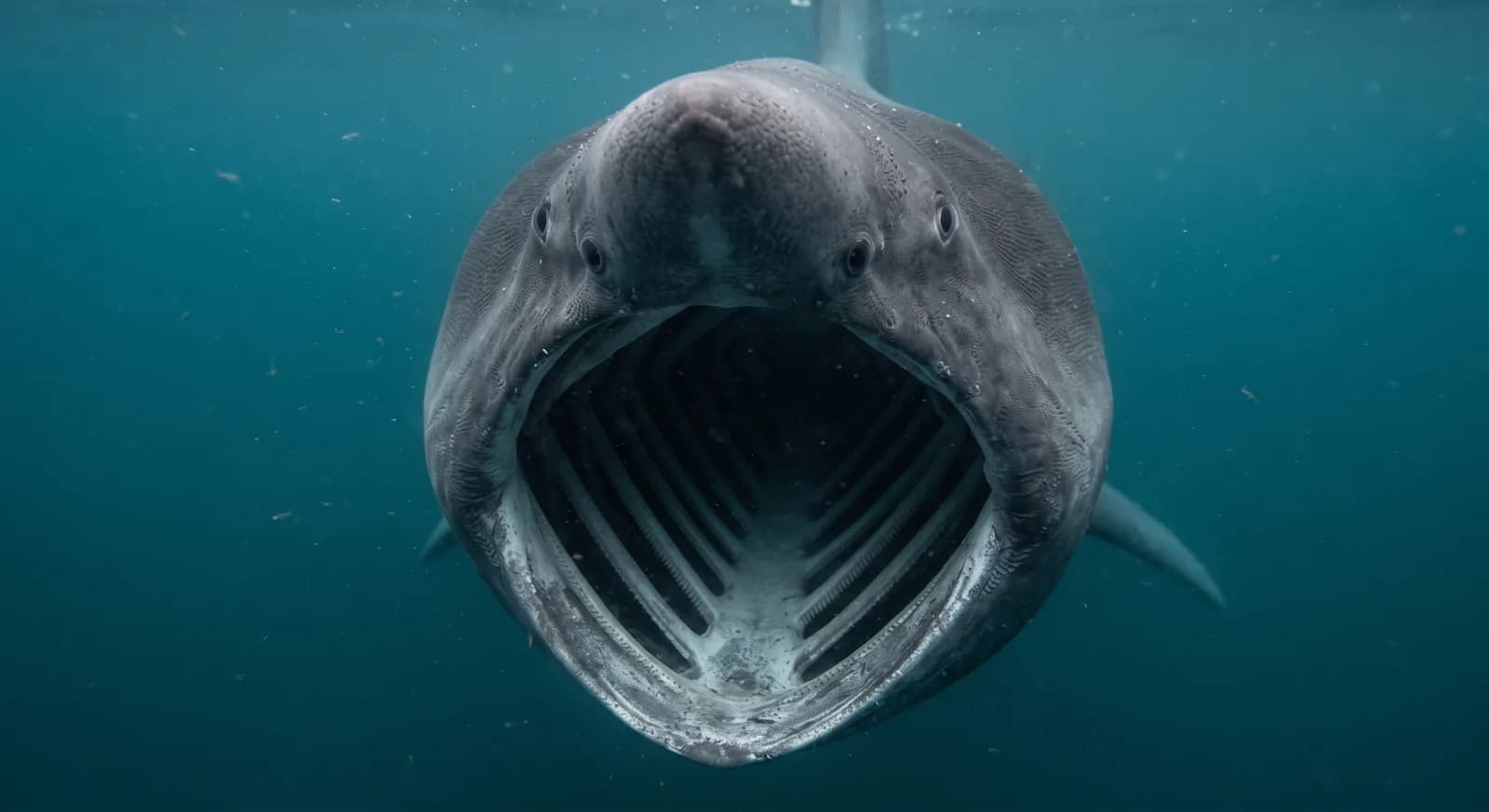 Endangered
Basking Shark
Cetorhinus maximus
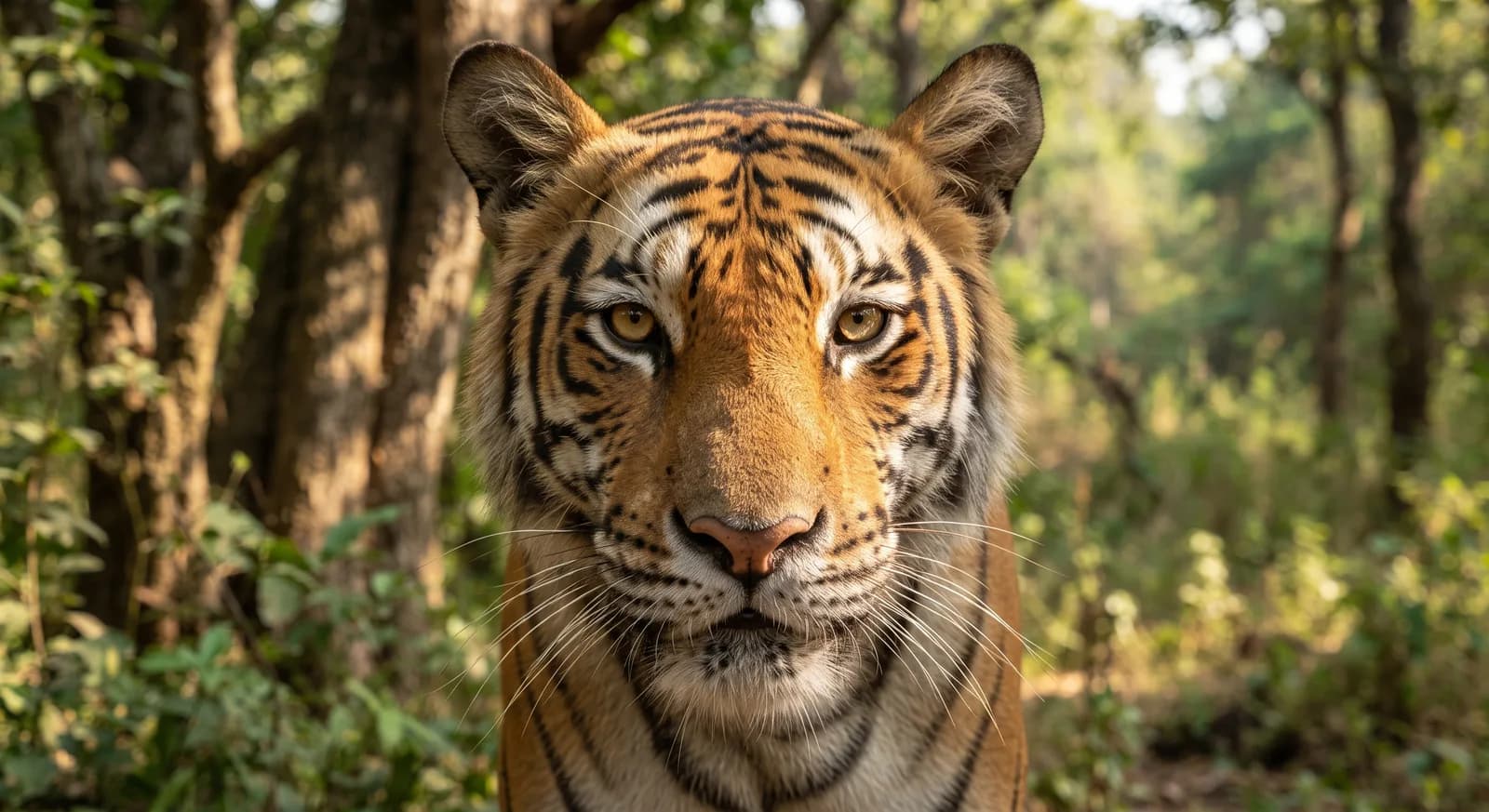 Endangered
Tiger
Panthera tigris
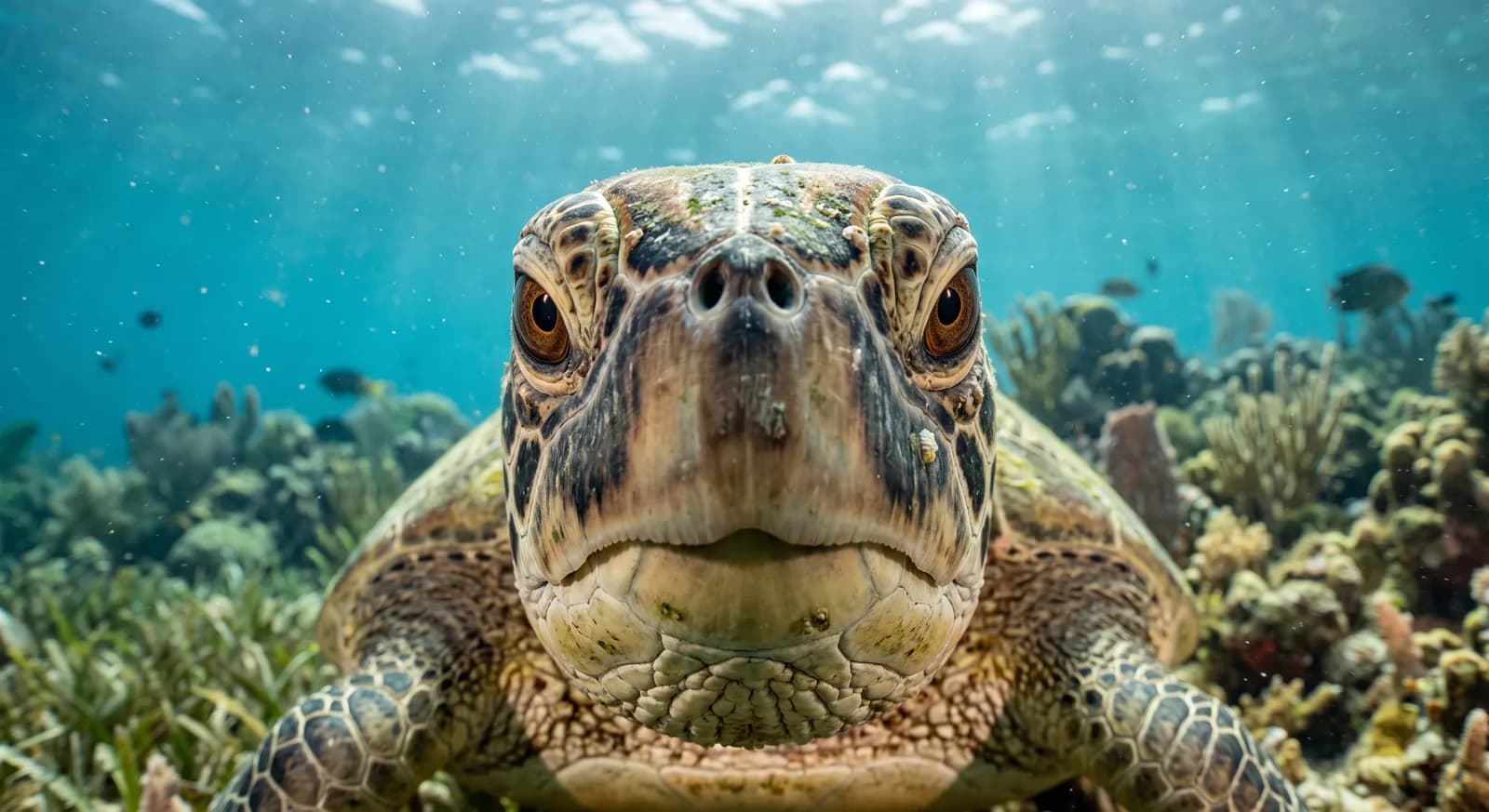 Endangered
Green Turtle
Chelonia mydas
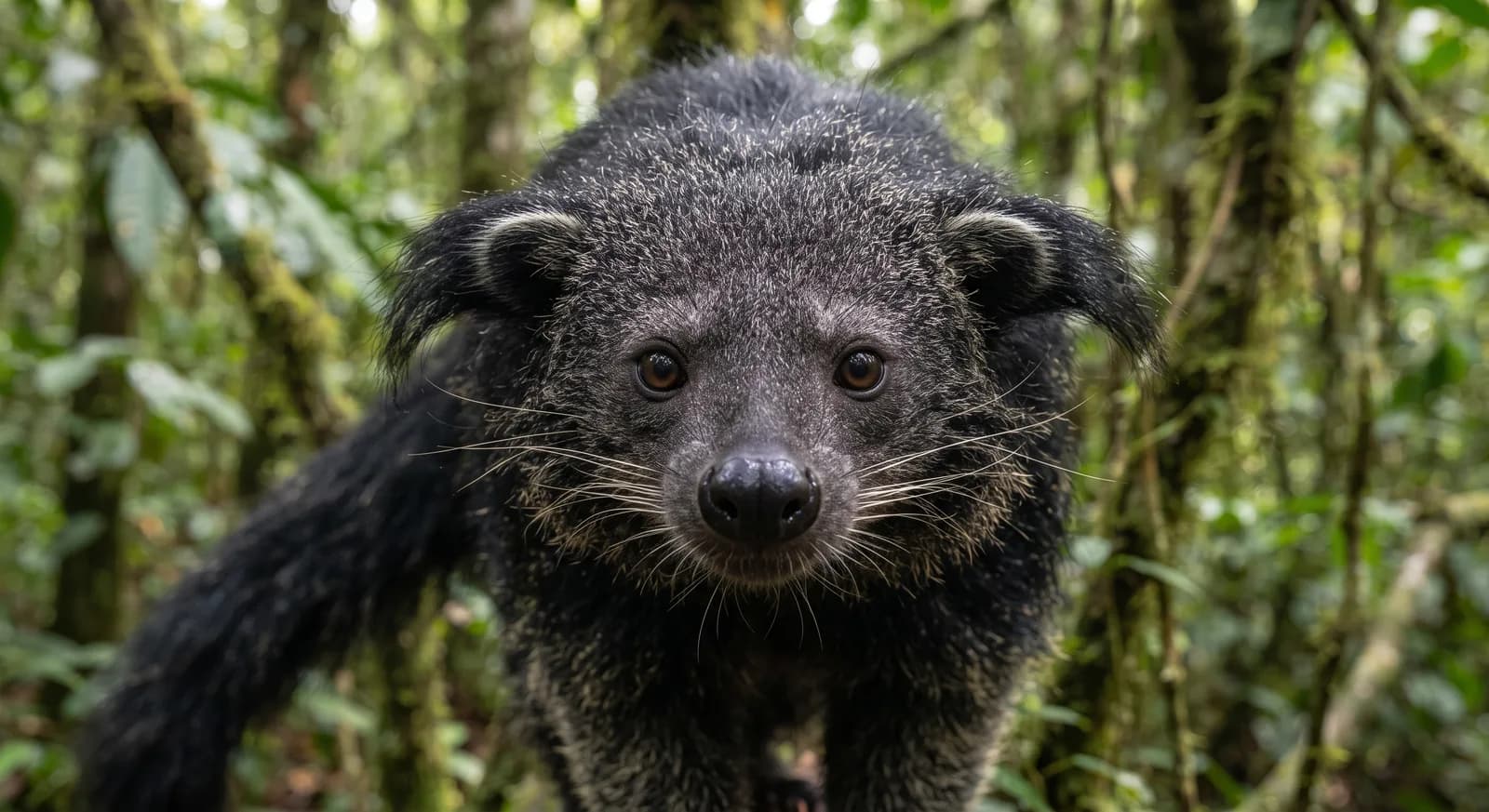 Vulnerable
Binturong
Arctictis binturong
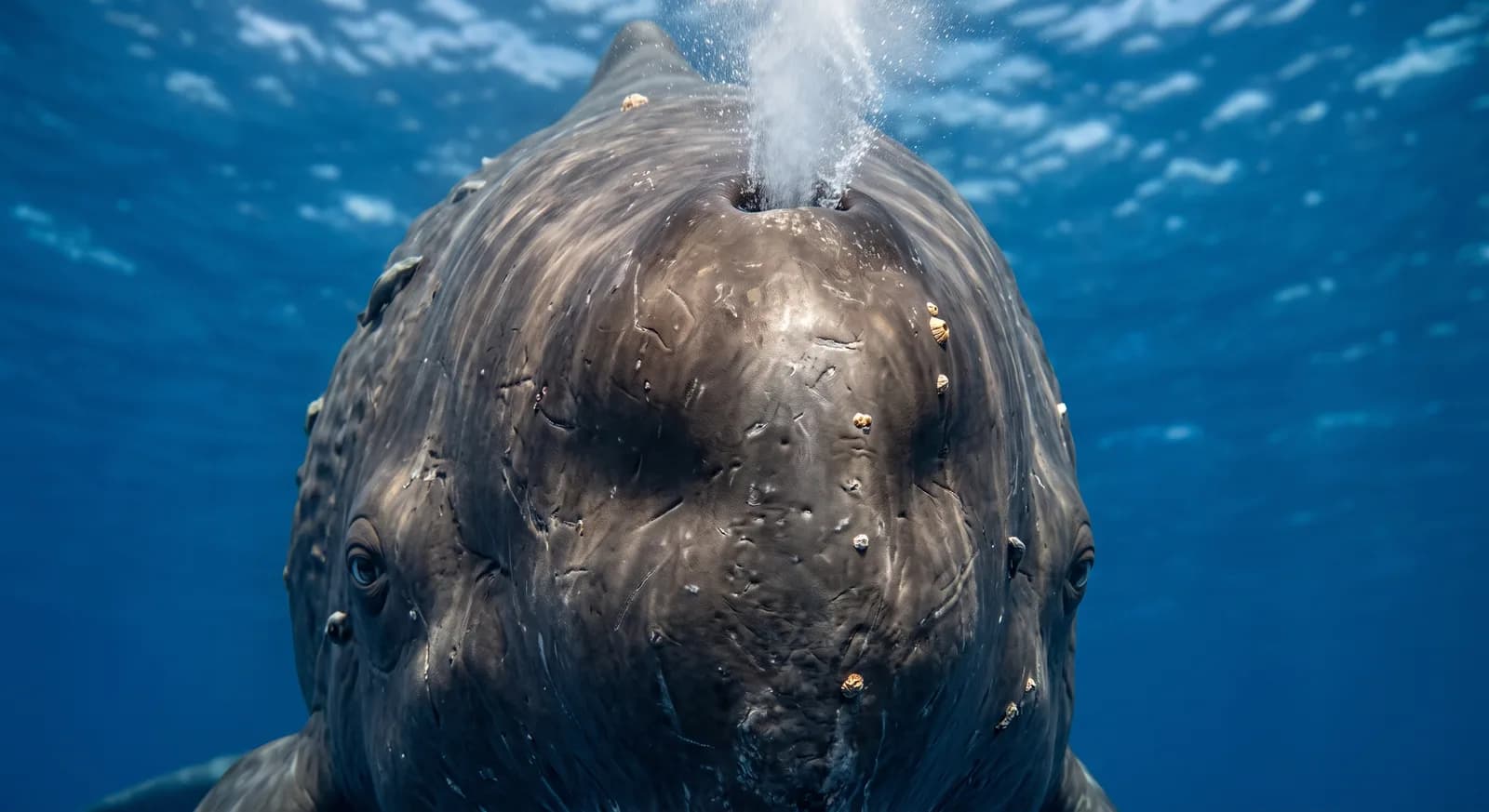 Vulnerable
Sperm Whale
Physeter macrocephalus
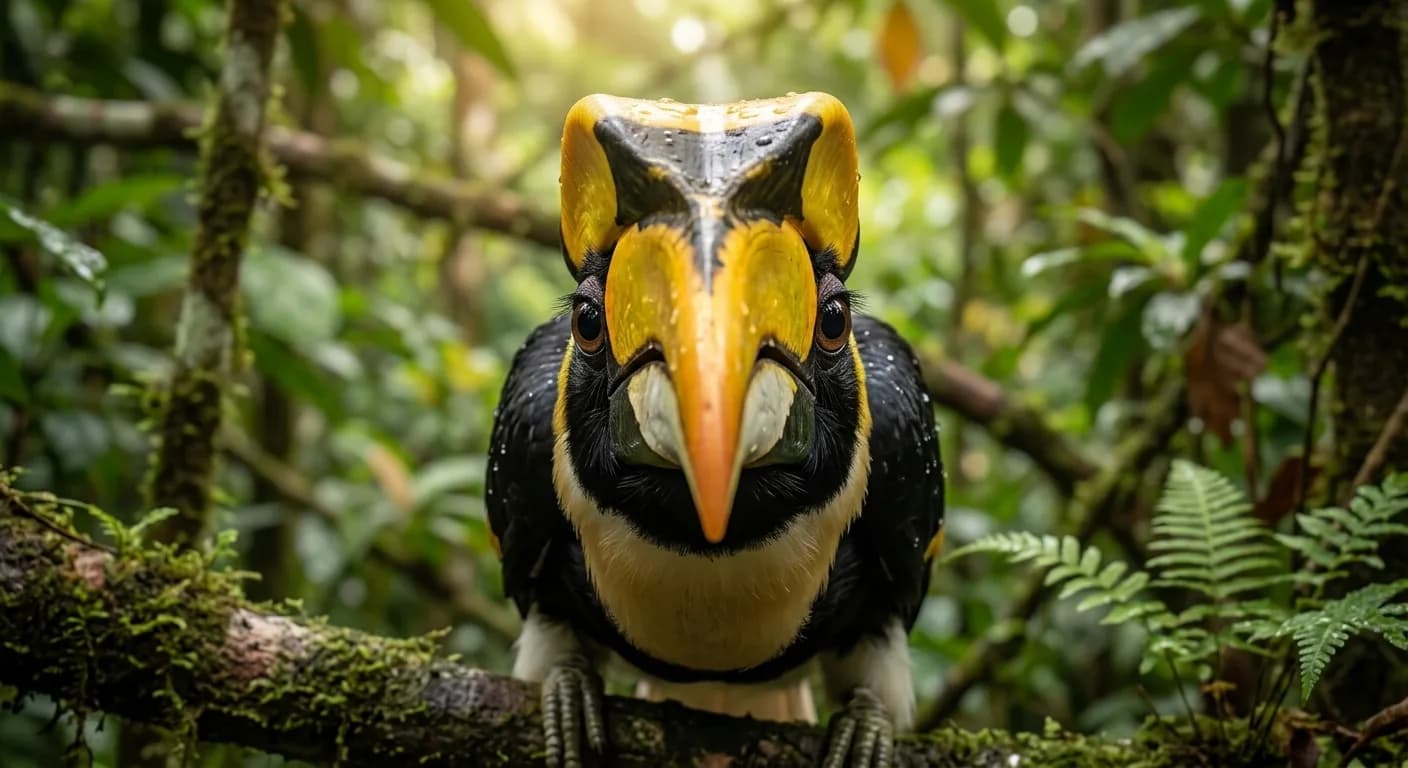 Vulnerable
Great Hornbill
Buceros bicornis
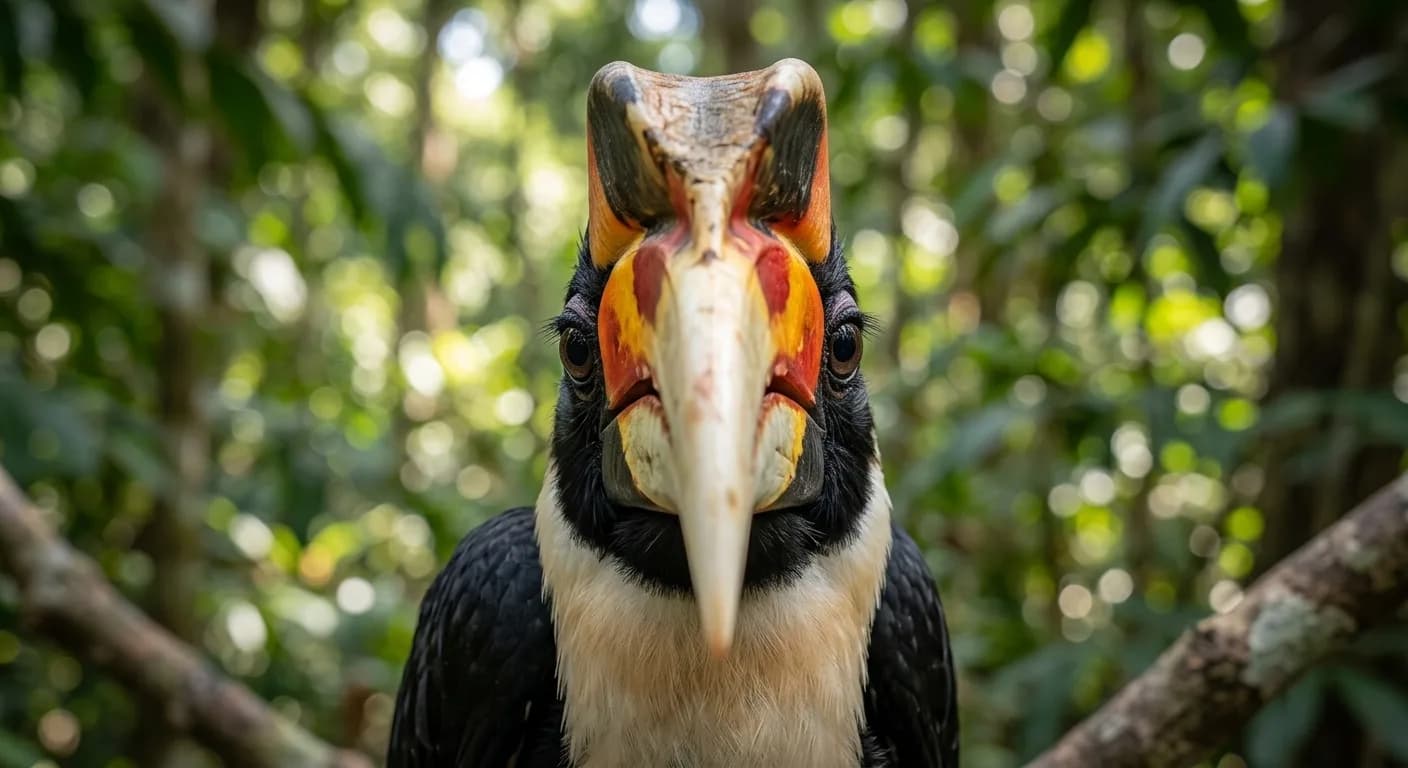 Vulnerable
Rhinoceros Hornbill
Buceros rhinoceros
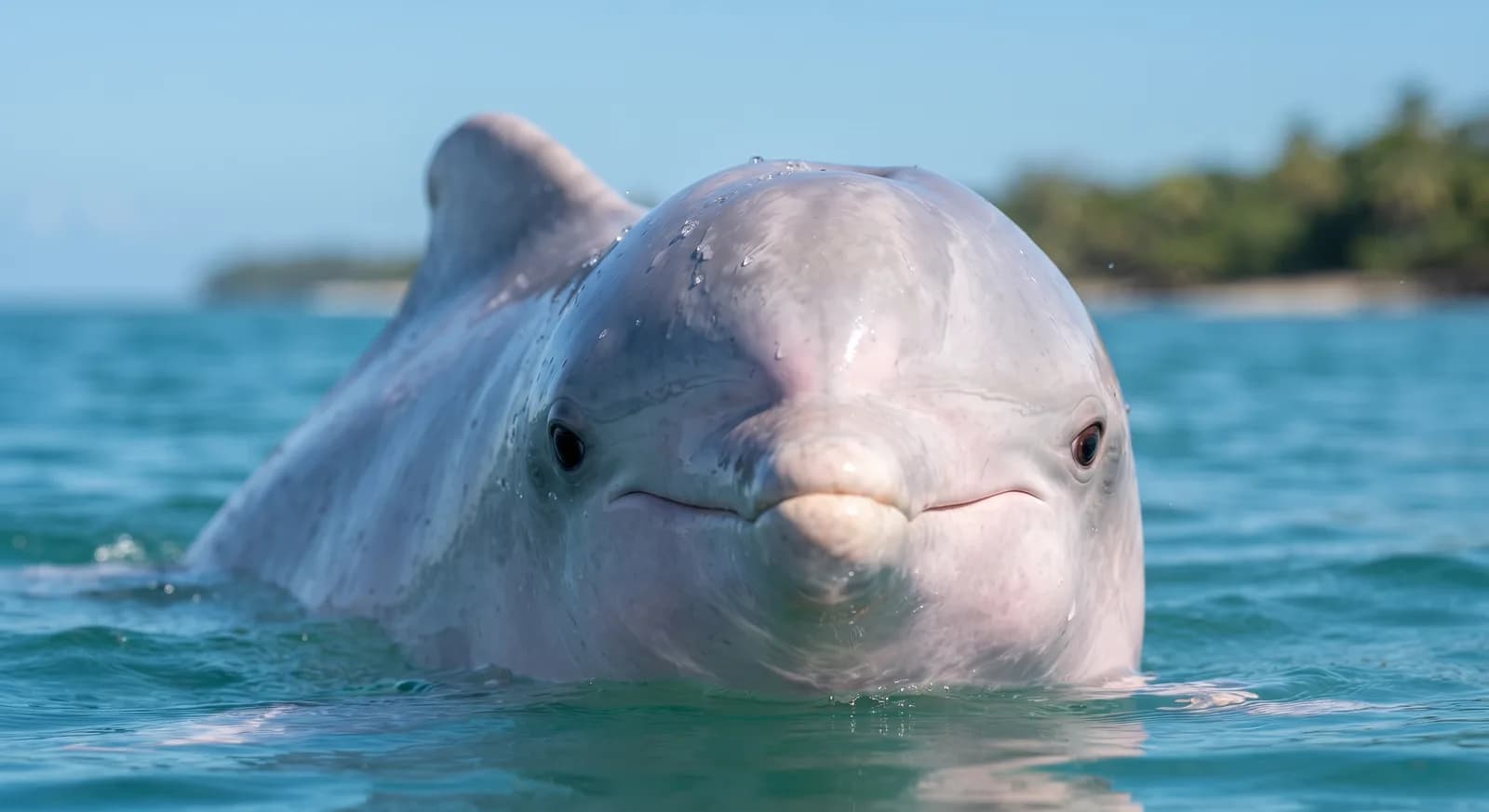 Vulnerable
Indo-Pacific Humpback Dolphin
Sousa chinensis
 Vulnerable
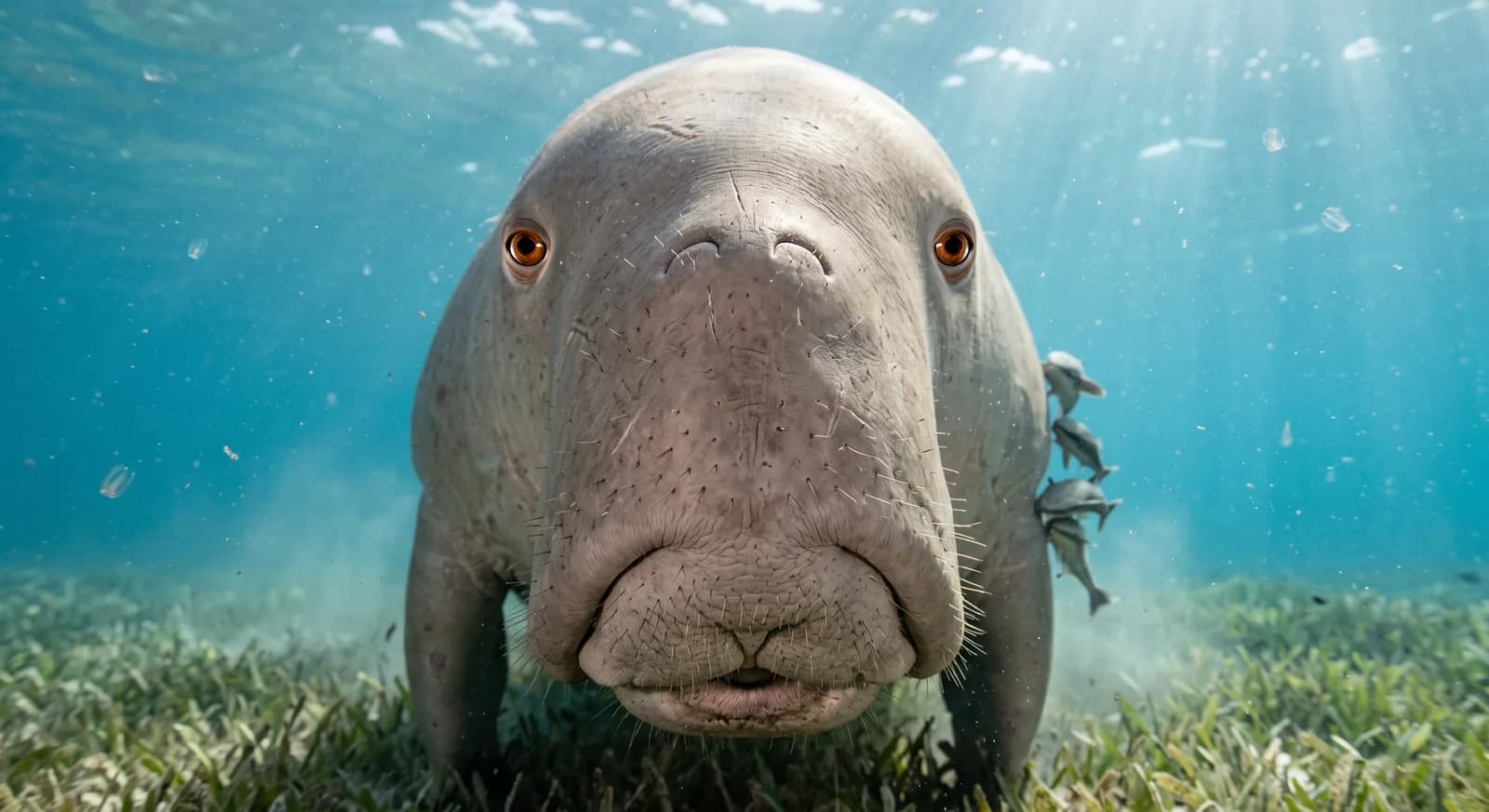
Dugong
Dugong dugon
 Vulnerable
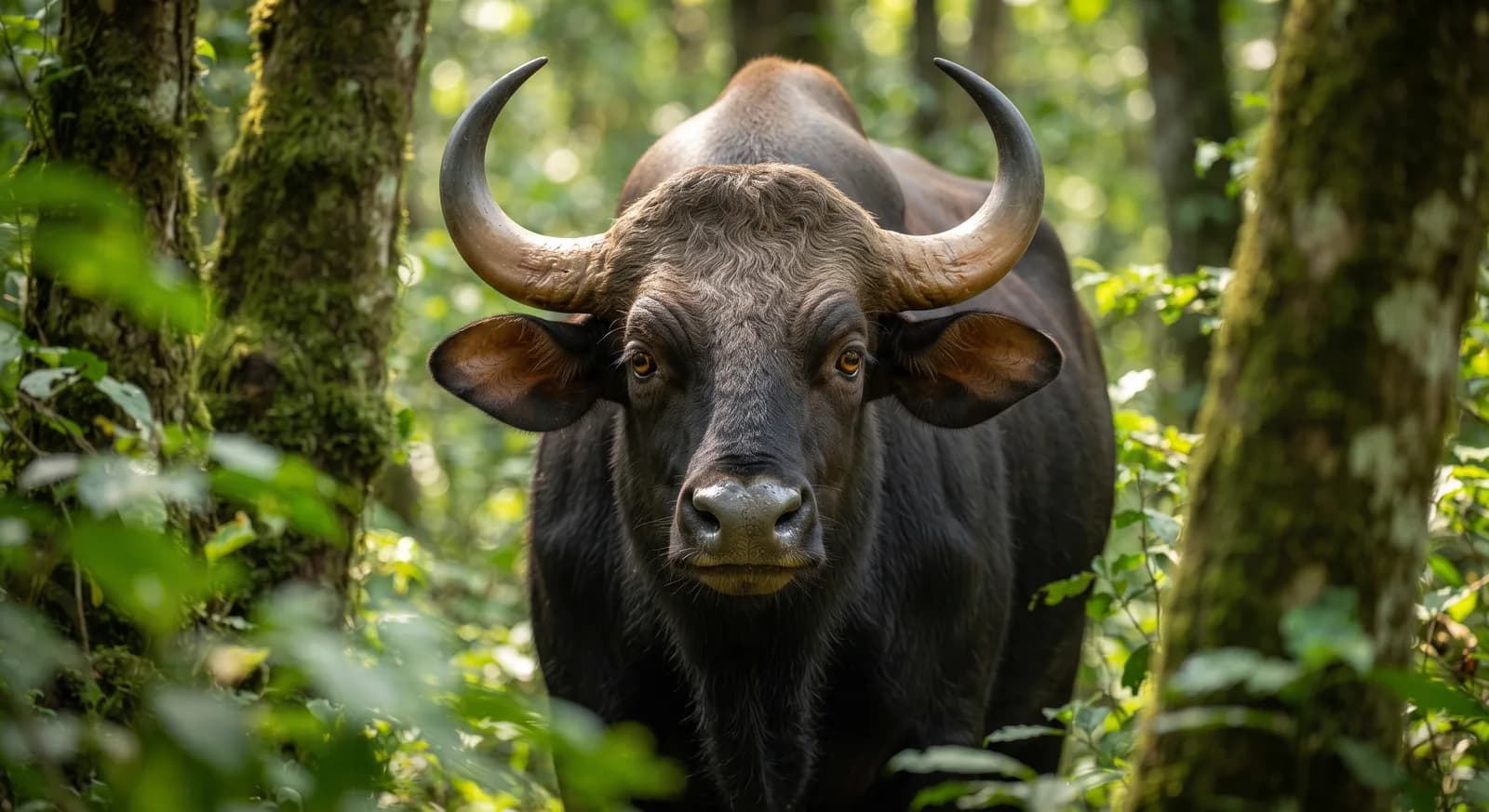
Gaur
Bos gaurus
 Vulnerable
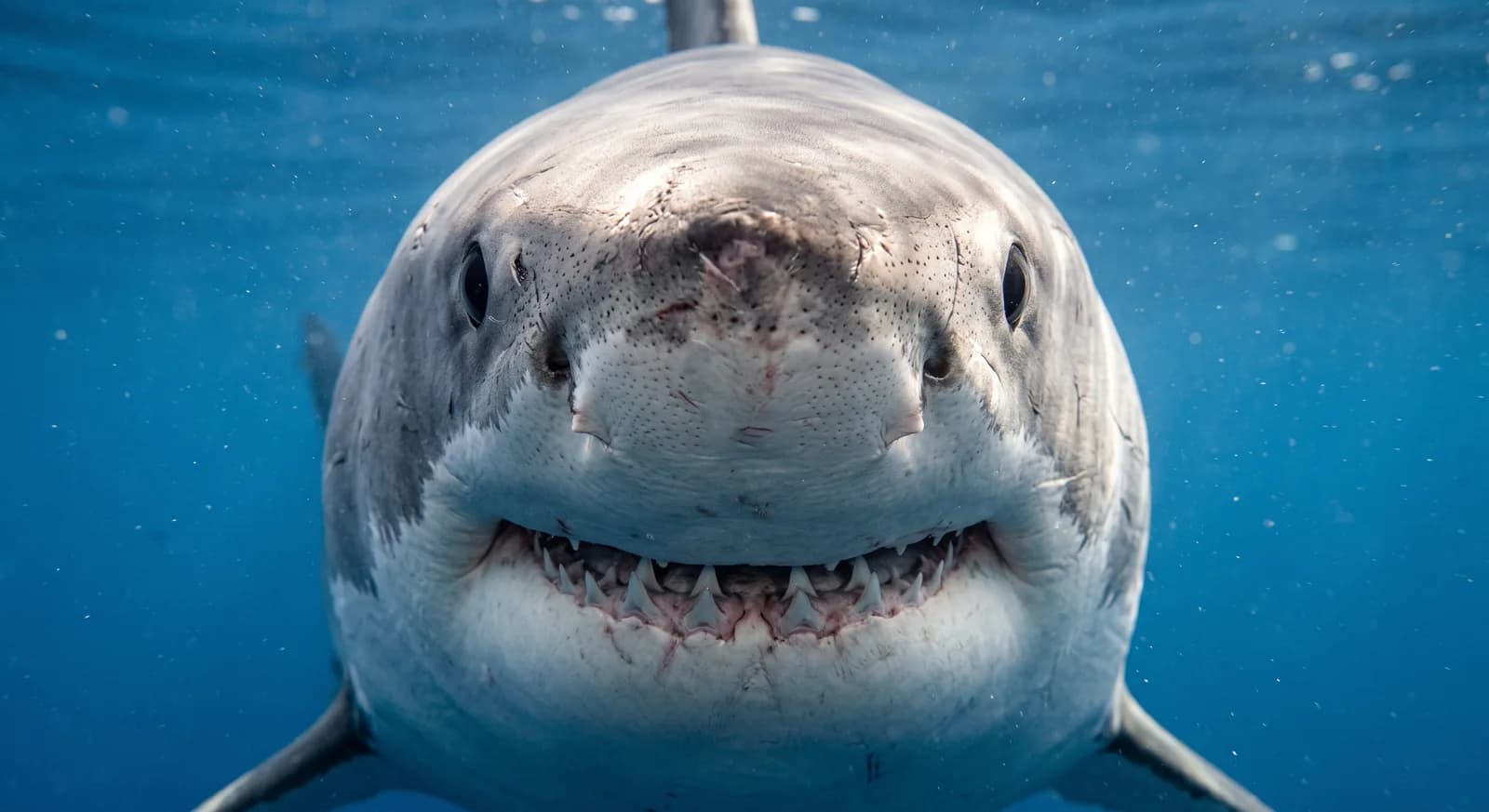
Great White Shark
Carcharodon carcharias
 Vulnerable
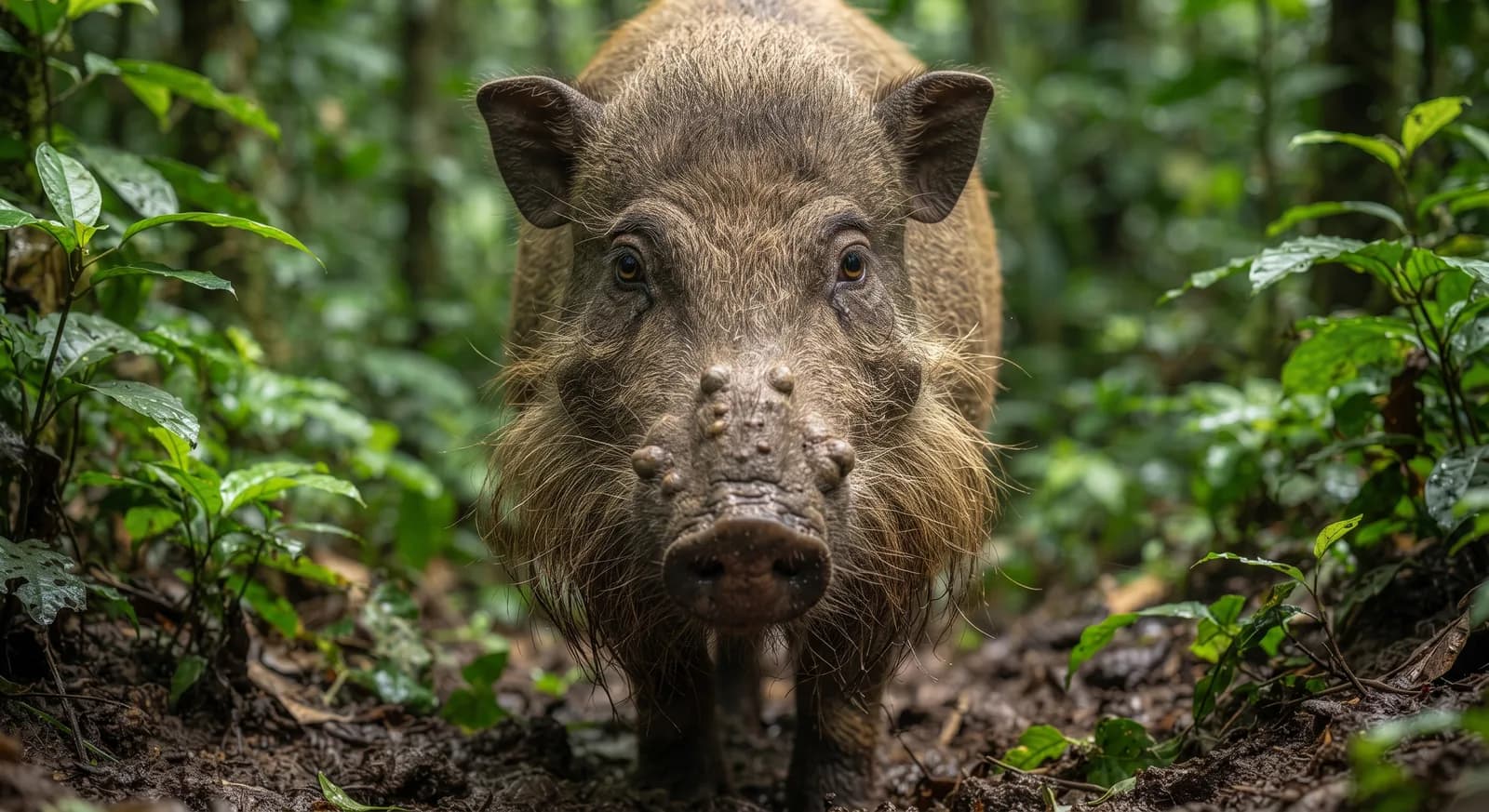
Bearded Pig
Sus barbatus
Keep exploring
Based on what we already know about Indonesia.