Skip to content
WAnimals
  • Map
  • Species
  • Parks
  • Diving
Log inCreate account
WAnimals

The guide for travellers and animal lovers: discover, plan and share your wild adventures around the world.

Discover wildlife

  • Species
  • Ecosystems
  • Glossary
  • Tags

Explore places

  • Map
  • Countries
  • Parks
  • Diving

Plan experiences

  • Guides

Learn

  • Blog

Resources

  • About us
  • How we build our profiles
  • Help centre
  • Contact
  • Install the app

Follow us

Account

  • Log in
  • Create account

© 2026 WAnimals. All rights reserved.

Terms of servicePrivacyCookiesLegal notice
MapSpeciesParksDiving
  1. Home
  2. Species
  3. Great Peacock Moth

Insects · Lepidoptera · Saturniidae

Great Peacock Moth

Saturnia pyri

Not Evaluated

It has not yet been assessed against the IUCN criteria.

Spotted something wrong?

The great peacock moth is a ditrysian lepidopteran of the family Saturniidae. It is the largest moth and the largest insect in Europe, with a wingspan of between 12 and 16 centimetres. It is Palaearctic in distribution.

Size

10 cm – 16 cm

Life expectancy

1 year

Diet

Herbivore

Feeds mainly on plants.

Activity

Nocturnal

Active mainly at night.

Social structure

Solitary

Lives and hunts alone, joining others only to breed.

Grassland
22countries35parks3same family

Fun facts

  • GeneralThe largest moth in Europe: a 15 cm wingspan and four eyespots.
  • Jean-Henri Fabre carried out his celebrated experiments on chemical communication with this species: he shut a female in his house and dozens of males came in from kilometres away, which led him to postulate the existence of pheromones decades before any were isolated.
  • The male's feathery antennae detect a few molecules of pheromone per cubic metre of air.
  • The adult emerges with no functional mouthparts and lives barely a week on the reserves built up by the caterpillar.
  • It is Europe's largest moth: up to 16 cm in wingspan, and somewhat more in exceptional individuals.
  • The adult does not feed: like the atlas moth, it has an atrophied proboscis and lives for a few days on its reserves.
  • The four eyespots on its wings, one on each, mimic vertebrate eyes and startle the birds that attack it.
  • The male locates the female by pheromones from several kilometres away, guided by enormous feathery antennae; it is a classic case from Jean-Henri Fabre's early experiments on smell in insects.
  • Van Gogh painted it in 1889 during his stay at the asylum of Saint-Rémy, in a painting he mistakenly titled death's head moth.
  • The caterpillar is green with blue tubercles and reaches 10 or 12 cm before spinning a pear-shaped brown cocoon.

Life cycle and biology

Skeleton type
Invertebrate - chitin exoskeleton (insect)
Habitat and environment
Orchards, market gardens and open Mediterranean woodland

Sources consulted: Wikipedia (es): Saturnia pyri

Where to find it

Best time: April and May, on mild nights near fruit trees

Loading map…

Where to see it

Parks and dive sites where this species has been documented — showing 10 of 35.

Related species

Other species in the catalogue with the most in common with Great Peacock Moth — same habitat, park, country, tags or family.

Same taxonomic family
Shares a park
Shares a park
Shares a park
Shares a park
Shares a park

Keep exploring

Based on what we already know about great peacock moth.

Share an experience, a fun fact or a tip for seeing the great peacock moth.
See full glossary
This page in other languages: Español · Deutsch · Français · Português · Italiano

The pins mark the parks where its presence is documented.
See its range on the interactive map→
ÉcrinsFrance
TriglavSlovenia
Picos de EuropaSpain
Ordesa y Monte PerdidoSpain
Aigüestortes i Estany de Sant MauriciSpain
Peneda-GerêsPortugal
CévennesFrance
PlitviceCroatia
CabañerosSpain
Pyrenees National ParkFrance
See all 35 parks
Not Evaluated

Spanish Moon Moth

Graellsia isabellae

European HareLeast Concern

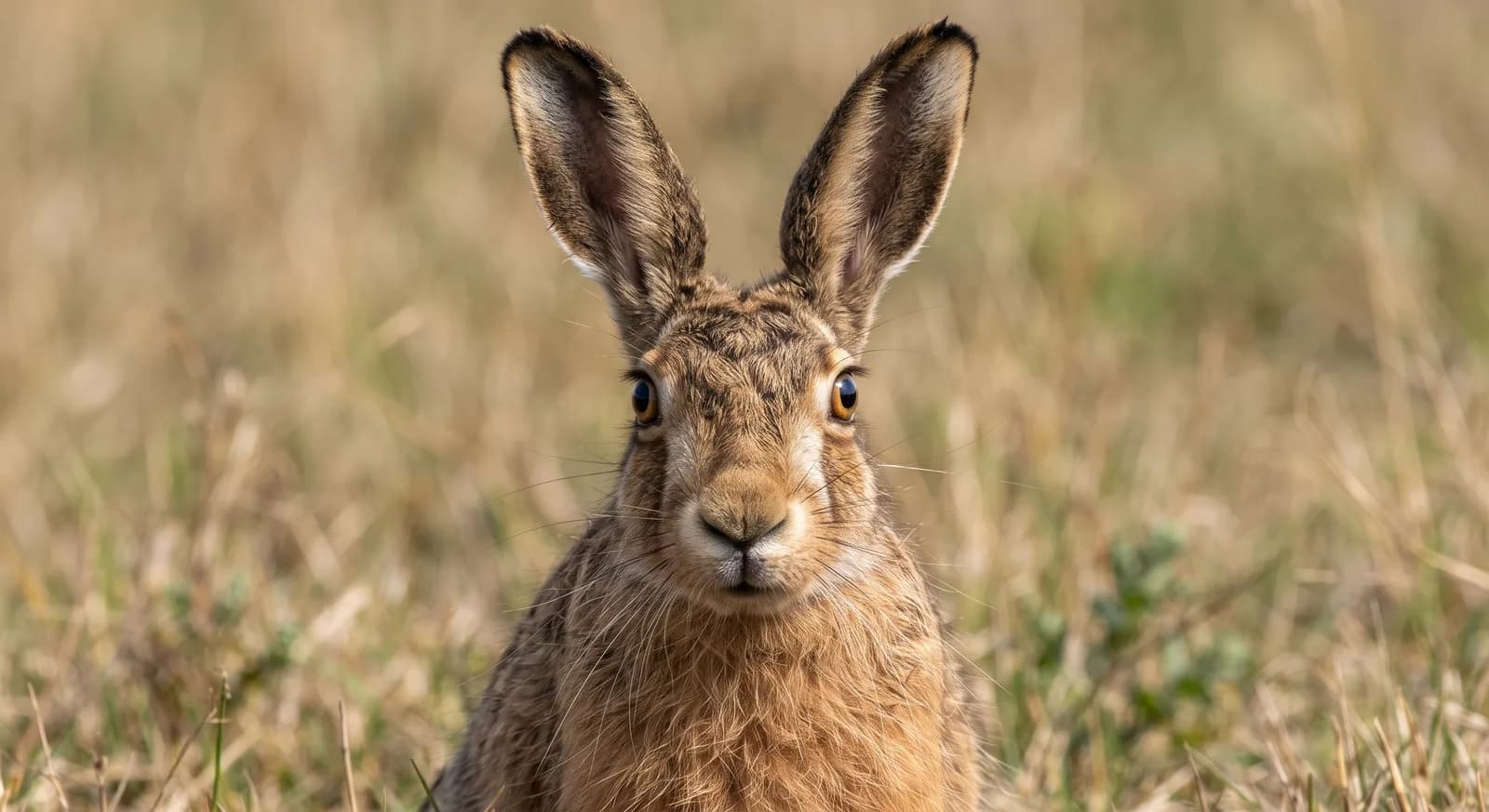
European Hare

Lepus europaeus

Common CockchaferNot Evaluated

Common Cockchafer

Melolontha melolontha

SwallowtailLeast Concern

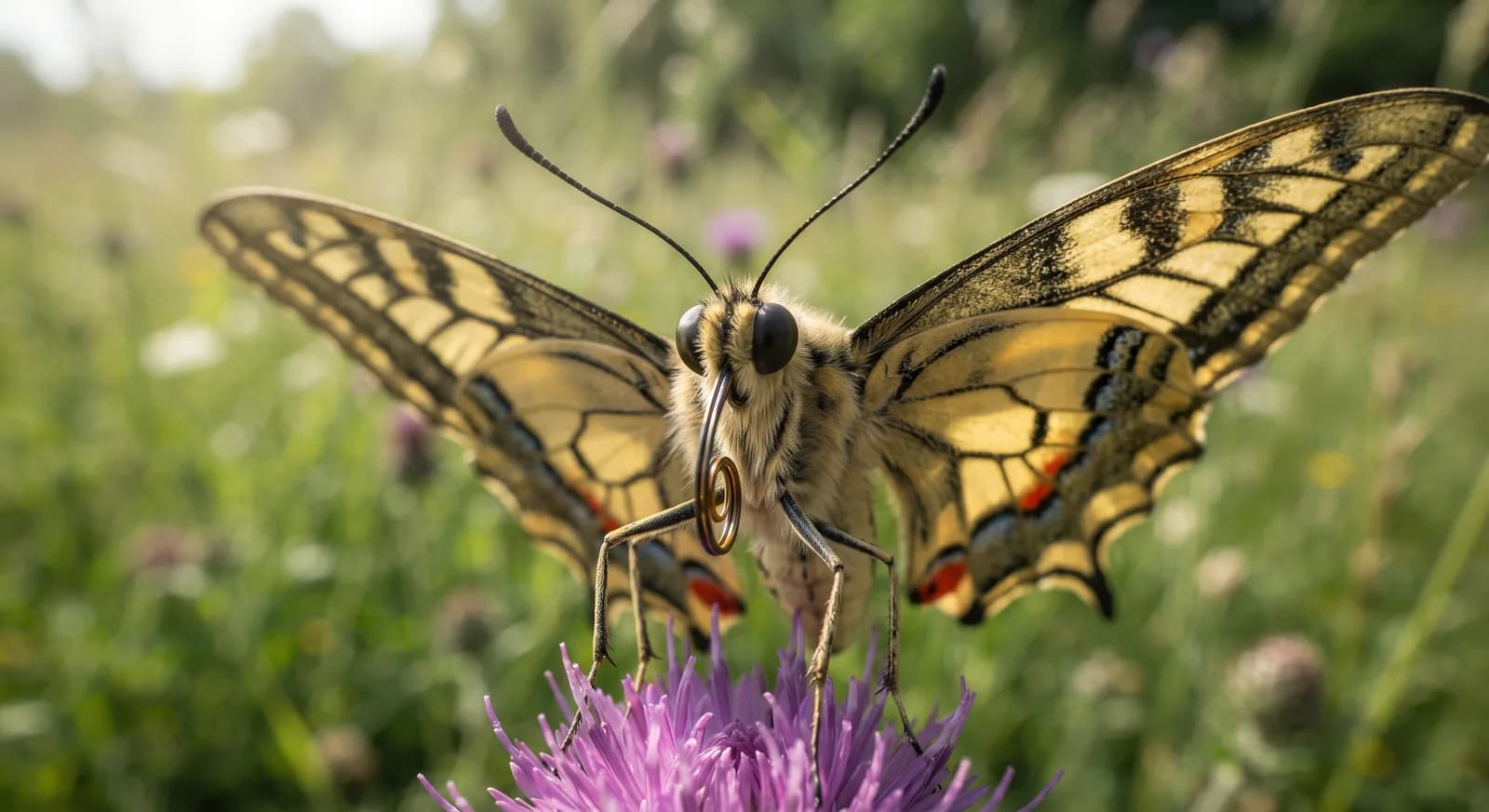
Swallowtail

Papilio machaon

Great Green Bush CricketNot Evaluated

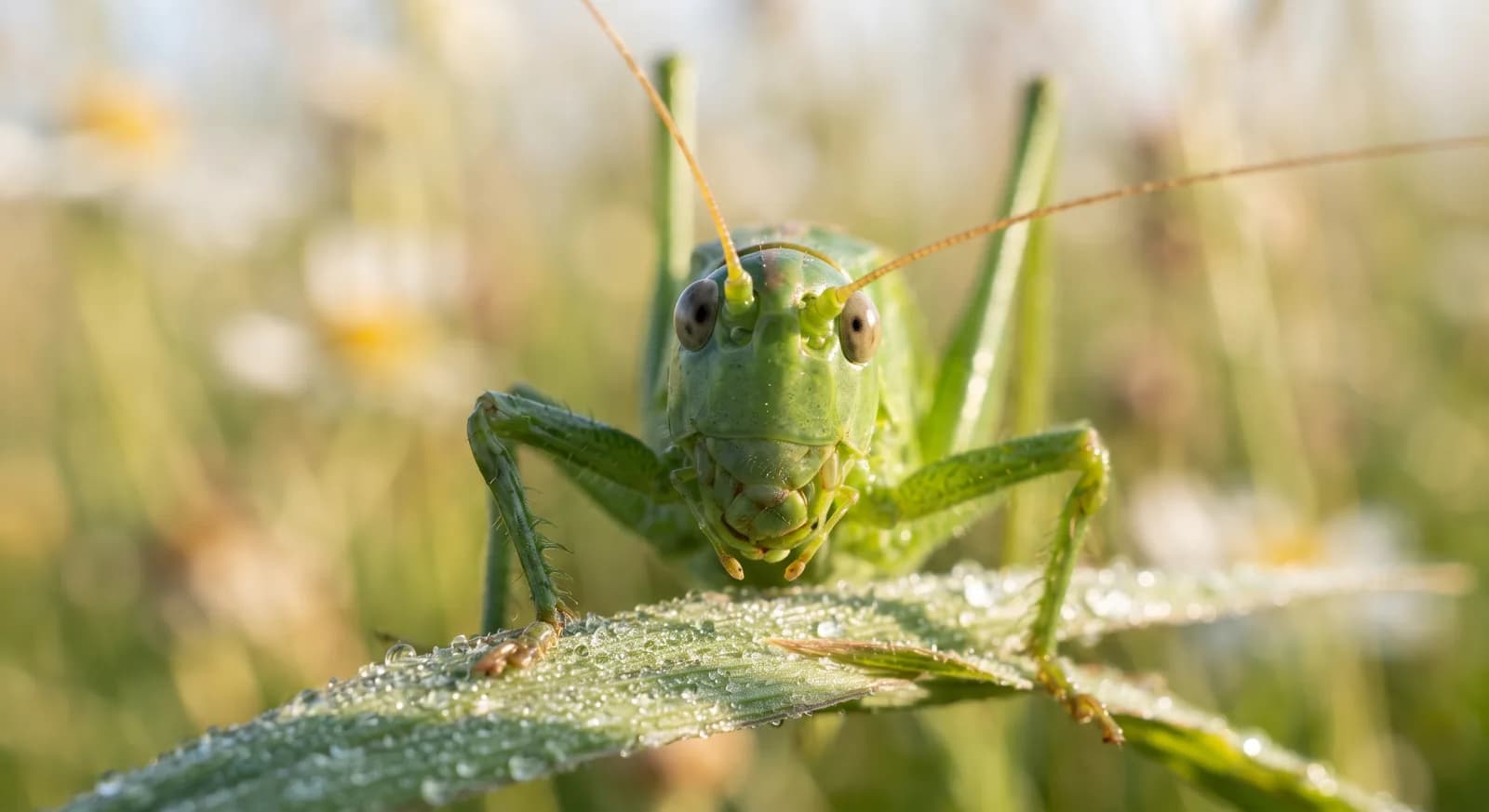
Great Green Bush Cricket

Tettigonia viridissima

Death's-head Hawk-mothNot Evaluated

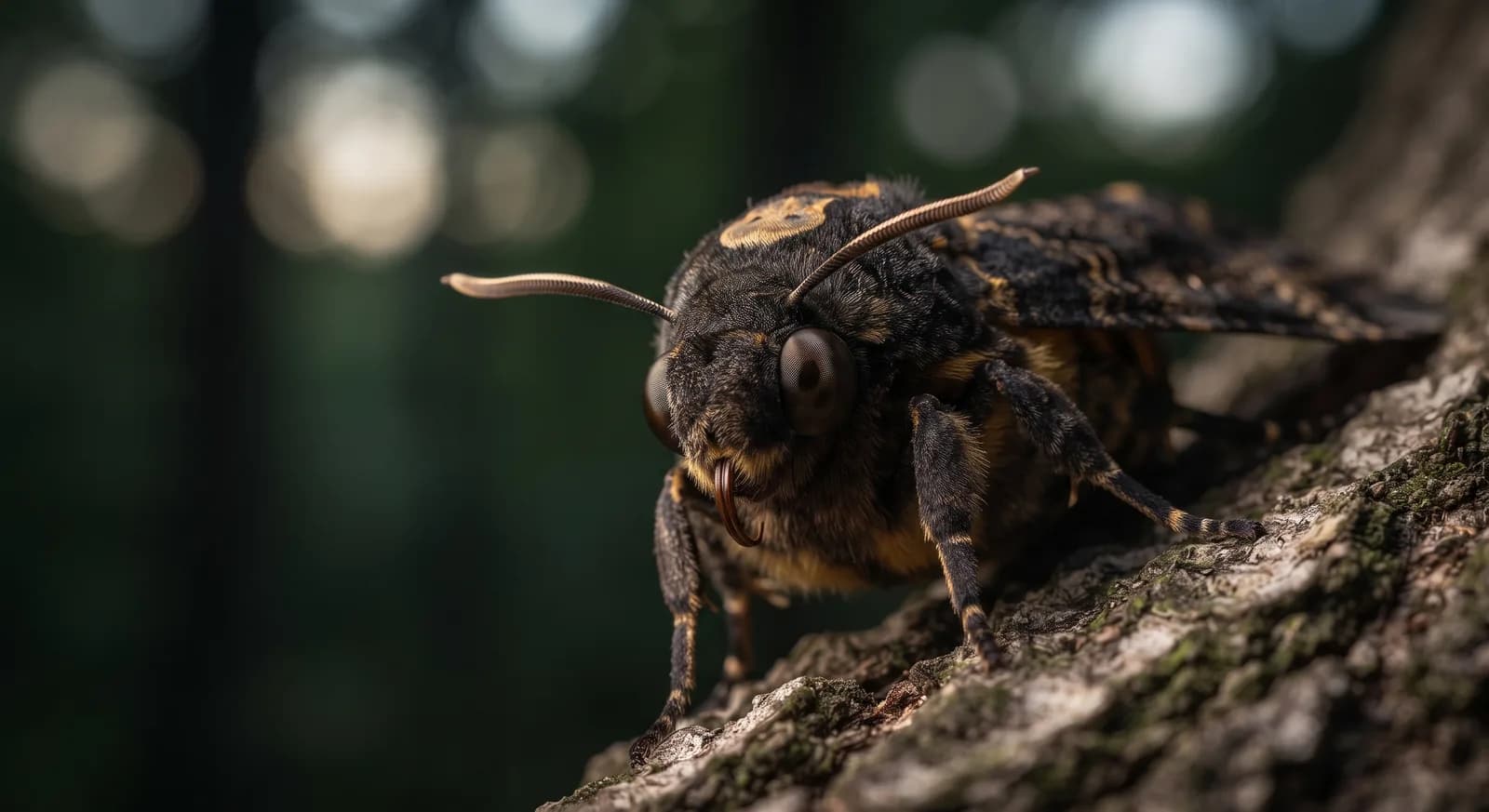
Death's-head Hawk-moth

Acherontia atropos

CountriesSpain
ParksÉcrinsFrance
TagsHerbivore
Herbivore
Nocturnal
Solitary
Insect
Grassland

Europe13

Africa5

Asia4

Spain
France
Portugal
Croatia
Italy
Slovenia
Albania
Bosnia and Herzegovina
Croatia
Cyprus
France
Greece
Italy
Malta
Monaco
Montenegro
Portugal
Slovenia
Spain
Algeria
Egypt
Libya
Morocco
Tunisia
Israel
Lebanon
Syria
Türkiye