 Not Evaluated
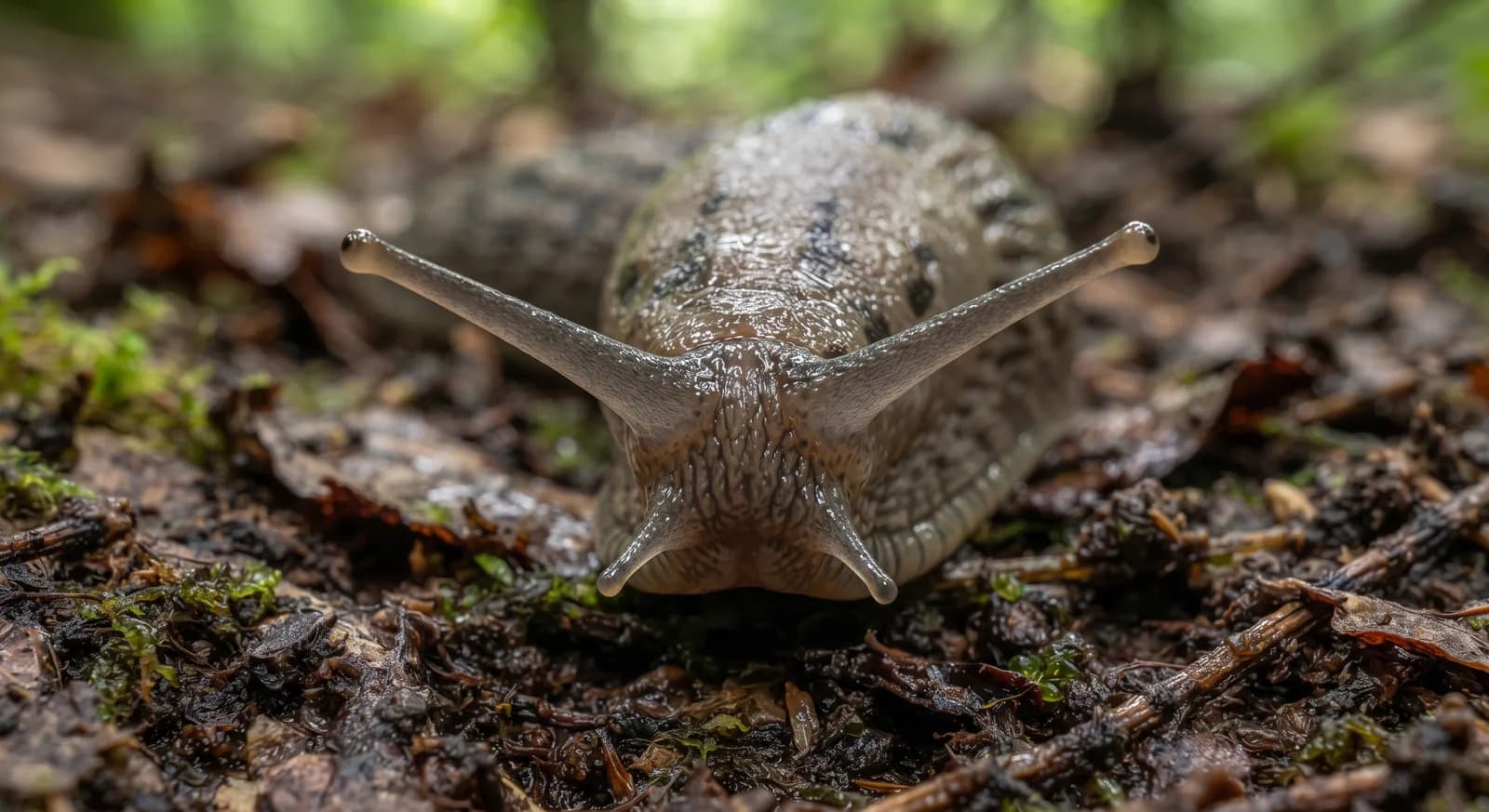
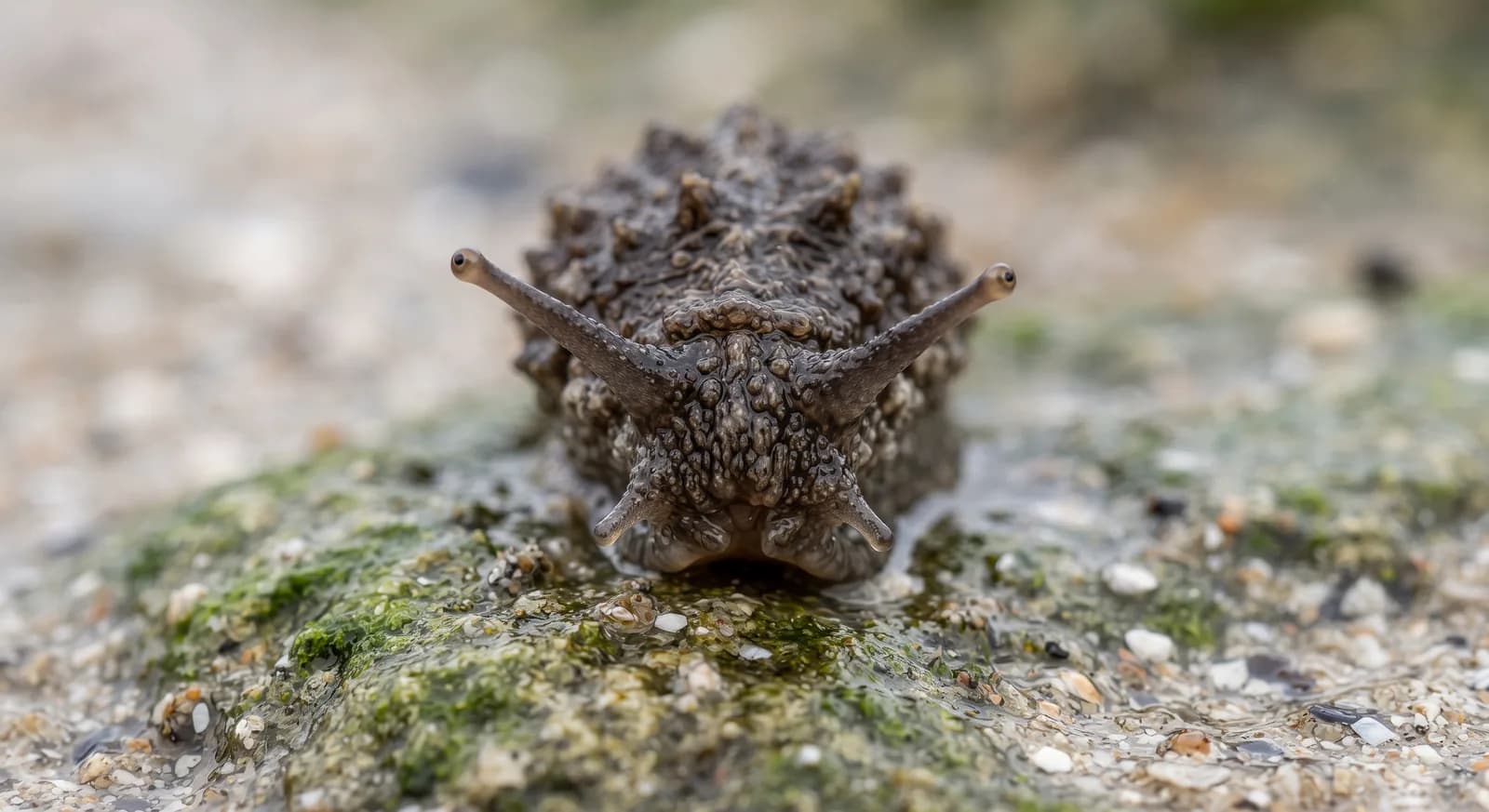
Warty Slug
Onchidium verruculatum
61 countries35 parks235 dive sites
Species group · Gastropods
WAnimals has 4 species of slug, spread across 4 families (Arionidae, Hexabranchidae, Limacidae, Onchidiidae).
Ranges calculated from the profiles that record the figure, not from all 4.
Each one has its own full profile. This group does not replace them: it brings them together.
No species documented in this group is genuinely at risk according to the IUCN, with the data available today.
Recorded in 119 countries. The ones with the most species in the group:
As well as the eyes on its head, it has accessory eyes on the papillae of its back, complete with retina and lens, which let it detect the shadows of predators from above.
From
It is not a nudibranch despite its looks: it is a pulmonate, more closely related to land slugs than to sea slugs. It breathes air with a lung.
From
Its eyes sit at the tips of two head tentacles, and it also has dorsal eyes scattered over its back, which is most unusual.
From
Its mating is among the most spectacular in the animal world: the two animals hang in mid-air from a thread of mucus and unfurl bluish copulatory organs that twine around one another.
From
Beneath the mantle shield it keeps a vestigial internal shell of 13 to 15 mm, all that is left of the shell its lineage lost.
From
It is fast enough to hunt other slugs, and uses the previous night's slime trail to find its way back to its refuge and to the food it left half-eaten.
From
Although it is called the Spanish slug, genetic studies have found no clear native populations on the Iberian Peninsula and its true origin remains disputed.
·
From Vulgar Slug
A single slug can lay several hundred eggs and, being hermaphroditic, any one individual introduced can found a population.
From Vulgar Slug