One of the 8 shrimps on WAnimals
Malacostracans · Decapoda · Hippolytidae
Scarlet Cleaner Shrimp
Lysmata amboinensis
It has not yet been assessed against the IUCN criteria. See full glossary
The Pacific cleaner shrimp of the Indo-Pacific has a yellow body with a red and white band along the back and extremely long white antennae. It settles on ledges and in reef caves, where it sets up cleaning stations that fish visit to have parasites, mucus and dead tissue removed.
Size
4 cm – 6 cm
Diet
Carnivore
Feeds mainly on other animals.
Social structure
Solitary
Lives and hunts alone, joining others only to breed.
Sighting difficulty
Unknown
Fun facts
- GeneralIt sets up cleaning stations where it picks parasites out of fishes' mouths.
- comportamientoIt sets up cleaning stations on the reef where larger fish come of their own accord to have parasites and dead skin picked off.
- It advertises its service by waving its white antennae, and the fish — including moray eels and groupers that could eat it — stay still and open their mouths and gills so that it can go in and clean them.
- Every individual first matures as a male and then becomes a hermaphrodite able to act as either male or female, so that any two individuals can breed with each other.
- Fish that visit cleaning stations show lower stress levels, and removing the shrimps experimentally disturbs the whole reef community.
- It sets up cleaning stations: fish stop beside its crevice and wait their turn for it to remove parasites, mucus and dead tissue. It enters the mouths of morays and groupers without fear.
- That service is what it eats, so the relationship benefits both parties.
- It tells dangerous clients from harmless ones: it cleans predators in a much smaller proportion of encounters, and in front of them it performs a rocking of the legs, almost exclusive to those interactions, that appears to signal its identity or its intention to clean.
- Its reproduction is unique among decapods: it is a protandric simultaneous hermaphrodite. It starts as a male and after a few moults functions as both male and female at once; there is no pure female form.
- A pair staggers its moults in synchrony, because mating happens immediately after one of the two moults.
Life cycle & biology
- Habitat & environment
- Coral reefs; caves and ledges
- Sexual maturity
- Matures as a male at around 3.4 cm in total length
- Litter / clutch size
- Between 200 and 500 eggs per clutch, every two or three weeks
Sources consulted: Dixson et al. (2019), Biology Letters; Fiedler; Wong y Michiels (2011), Frontiers in Zoology
Where to find it
See its range on the interactive mapWhere to watch it
Parques y spots de buceo donde se ha documentado esta especie — se muestran 20 de 273 documentados.
Related species
Other species in the catalogue with the most in common with Scarlet Cleaner Shrimp — same habitat, park, country, tags or family.
Peacock Mantis Shrimp
Odontodactylus scyllarus
Spanner Crab
Ranina ranina
Flatback
Natator depressus
 Vulnerable
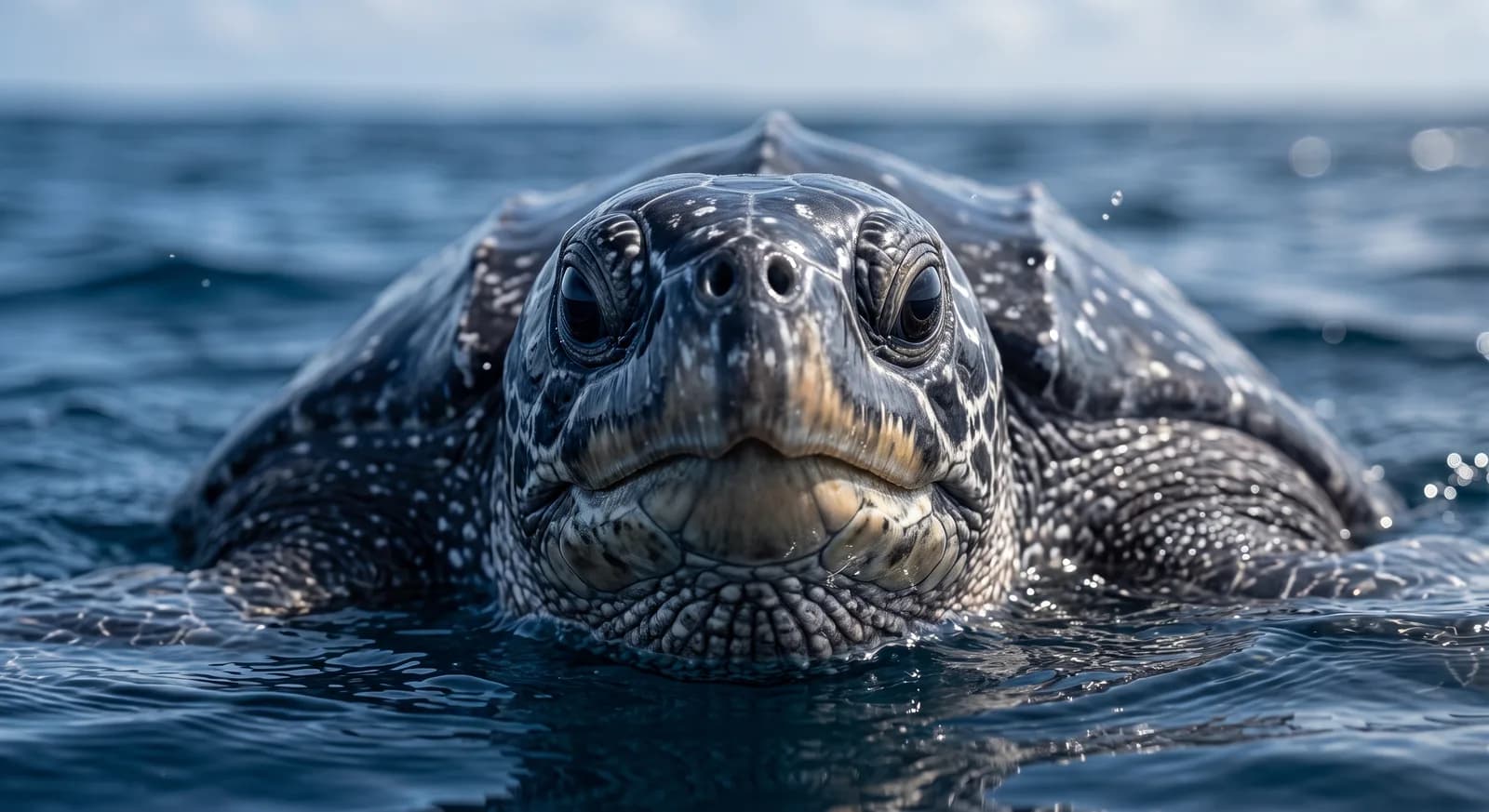
Leatherback Sea Turtle
Dermochelys coriacea
 Least Concern
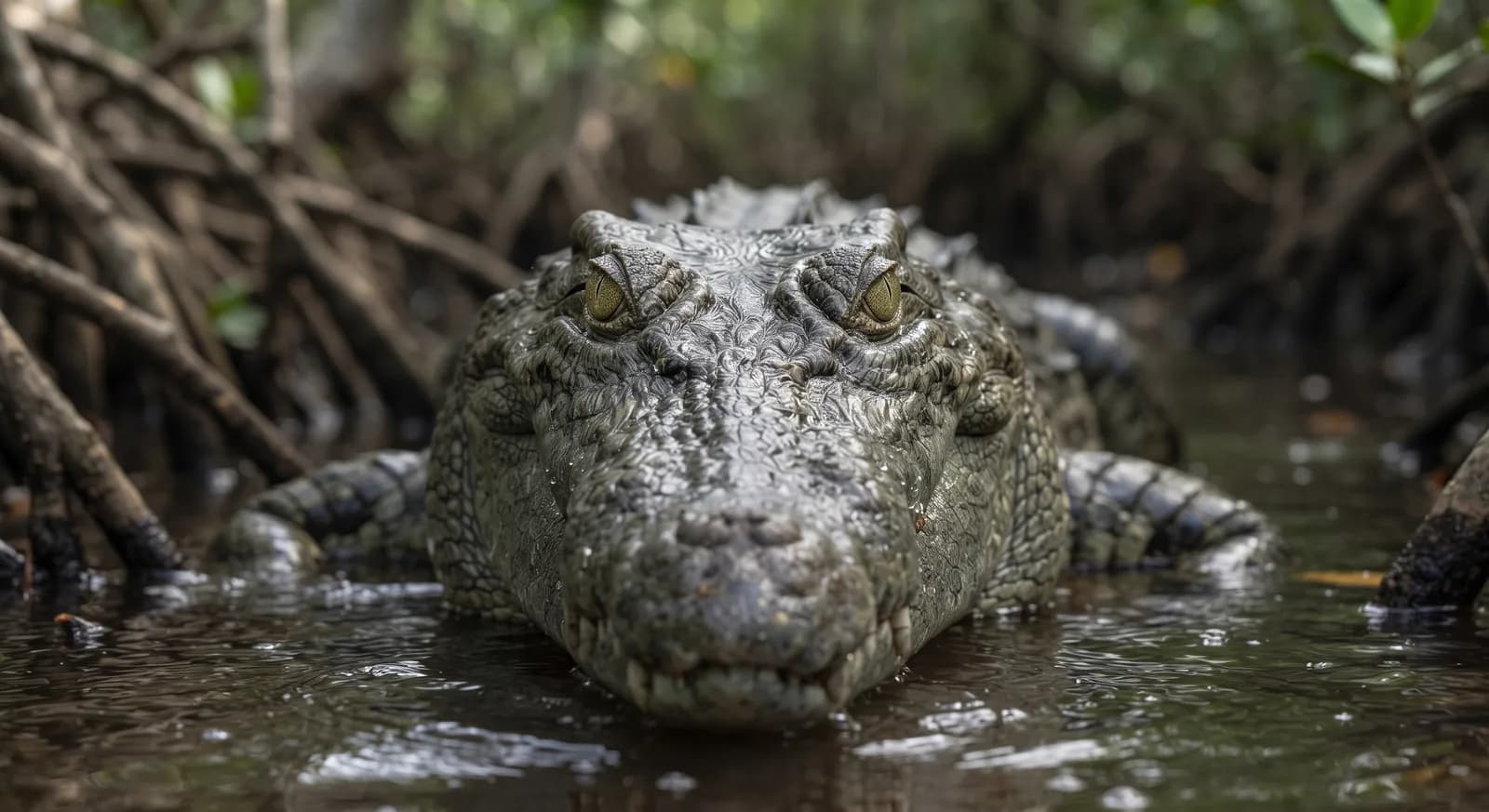
Saltwater Crocodile
Crocodylus porosus
Yellow-bellied Sea Snake
Hydrophis platurus
Keep exploring
Based on what we already know about scarlet cleaner shrimp.
Comments
Share an experience, a fun fact or a tip for seeing the scarlet cleaner shrimp.
Be the first to comment.