Polychaetes · Eunicida · Eunicidae
Wonder-worm
Eunice aphroditois
It has not yet been assessed against the IUCN criteria. See full glossary
The Bobbit worm, also spelt Bobbitt, or giant reef worm, is a polychaete annelid of the family Eunicidae. It lives on the floor of the Atlantic and the Indo-Pacific, where it buries its body in a bed of sand, gravel, mud or coral, waits patiently for a stimulus on one of its five antennae and strikes when it detects prey. Ranging in size from less than 10 centimetres to some 3 metres long, it is armed with sharp teeth and can strike at such speed that it cuts its prey in two. Although the worm hunts, it is omnivorous.
Size
1 m – 3 m
Diet
Carnivore
Feeds mainly on other animals.
Activity
Nocturnal
Active mainly at night.
Social structure
Solitary
Lives and hunts alone, joining others only to breed.
Sighting difficulty
Unknown
Fun facts
- Its strike is so fast and so powerful that it can cut a prey animal in two, and its common name comes from that reputation rather than from any biological trait.
- Fossil burrows attributed to similar ambush worms have been found in Miocene rocks in Taiwan, with the same funnel structure that living ones leave behind.
- In marine aquariums it sometimes turns up with no one knowing how, arriving as a stowaway in live rock, and is discovered when fish start disappearing at night.
- It is a polychaete worm that can exceed three metres in length, and it lives buried in a burrow from which only its head protrudes.
- It hunts from ambush with five sensory antennae spread over the sand. When something brushes them, it strikes with extraordinary speed and chitinous jaws capable of cutting a fish in two.
- It became famous through a real-life case: in 2009, staff at the Newquay aquarium in Cornwall had long been baffled because fish kept disappearing and corals were turning up mutilated. When they dismantled the tank they found a specimen over a metre long that had arrived years earlier hidden in a piece of live rock.
- Its chaetae, the lateral bristles, have an iridescent sheen that makes it unmistakable.
- Its reproductive biology and longevity are poorly known, because it is almost impossible to observe in its natural environment.
- The group's taxonomy is under revision: what is called Eunice aphroditois may correspond to several distinct species.
Life cycle & biology
- Skeleton type
- Invertebrate - no rigid skeleton (annelid)
- Habitat & environment
- Sandy, muddy and gravelly bottoms of warm waters, from 10 to 40 m
Sources consulted: https://es.wikipedia.org/wiki/Eunice_aphroditois
Where to find it
See its range on the interactive mapWhere to watch it
Parques y spots de buceo donde se ha documentado esta especie — se muestran 20 de 196 documentados.
Related species
Other species in the catalogue with the most in common with Wonder-worm — same habitat, park, country, tags or family.
Flatback
Natator depressus
 Least Concern
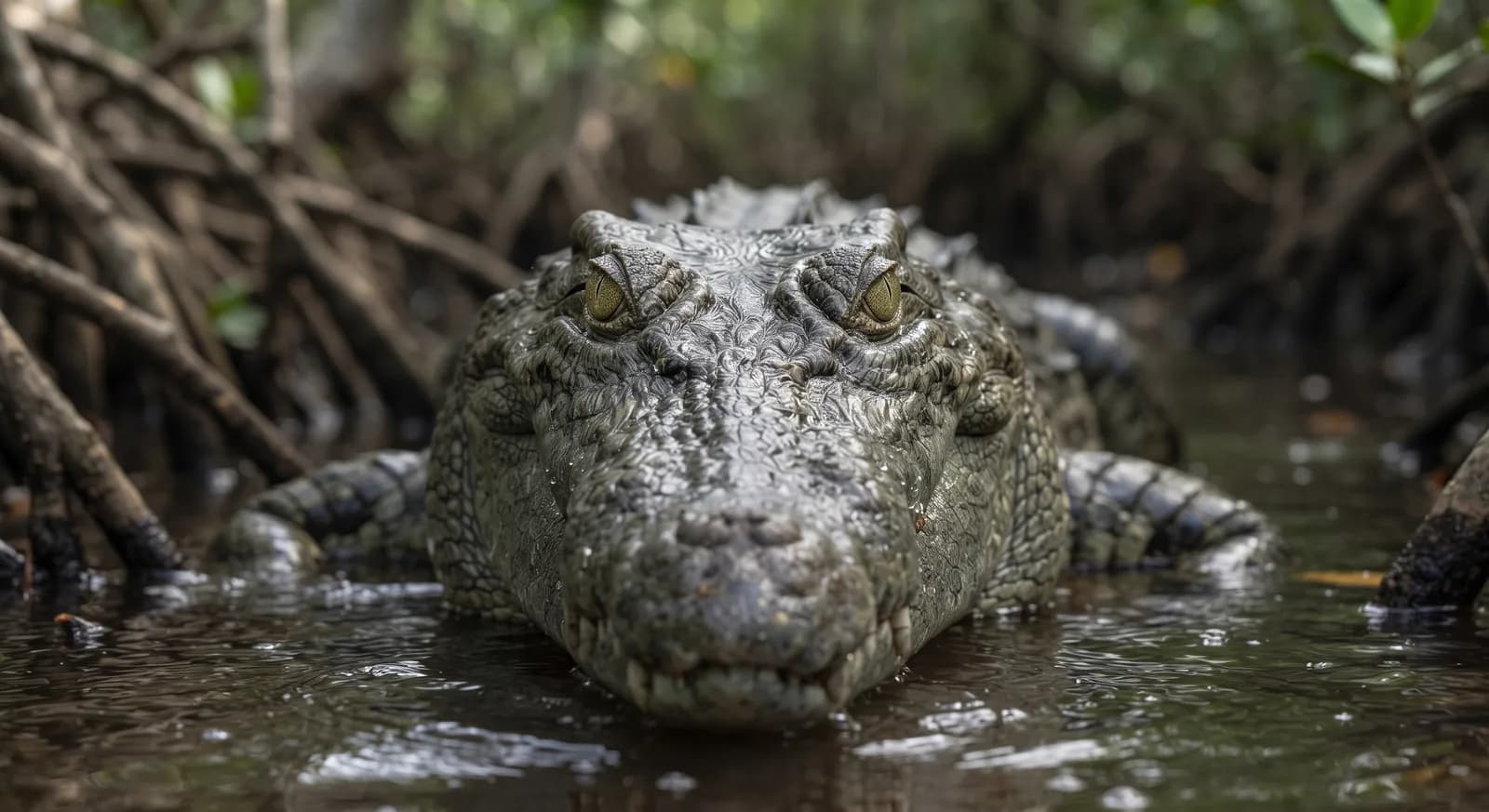
Saltwater Crocodile
Crocodylus porosus
Yellow-bellied Sea Snake
Hydrophis platurus
Red Lionfish
Pterois volitans
Spot-fin Porcupinefish
Diodon hystrix
 Critically Endangered
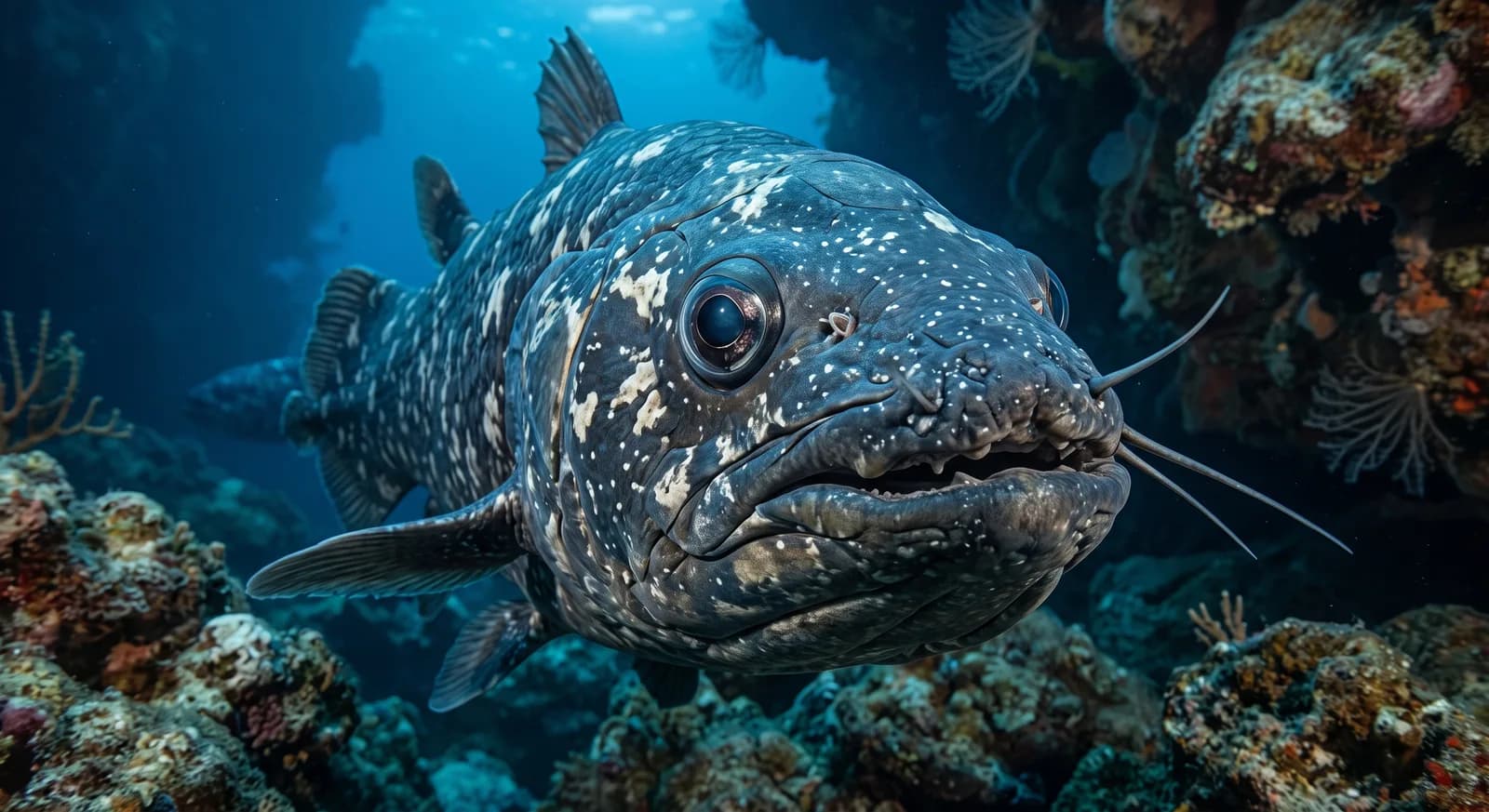
Coelacanth
Latimeria chalumnae
Keep exploring
Based on what we already know about wonder-worm.
Comments
Share an experience, a fun fact or a tip for seeing the wonder-worm.
Be the first to comment.