Turbellarians · Polycladida · Pseudocerotidae
Persian Carpet Flatworm
Pseudobiceros bedfordi
It has not yet been assessed against the IUCN criteria. See full glossary
Bedford's flatworm, a marine turbellarian with a flattened, undulating body, black with a fine network of pink lines and yellow dots, and two frontal folds that look like ears. It swims by rippling the edges of its body like a flying carpet and devours sea squirts and other sessile invertebrates.
Size
6 cm – 10 cm
Diet
Carnivore
Feeds mainly on other animals.
Activity
Nocturnal
Active mainly at night.
Social structure
Solitary
Lives and hunts alone, joining others only to breed.
Sighting difficulty
Unknown
Fun facts
- It is hermaphroditic and practises penis fencing: two individuals duel, each trying to inject its sperm into the other's skin and to avoid receiving it, because whichever is fertilised takes on the cost of producing the eggs.
- Its colouring is aposematic: it accumulates toxins and advertises to predators that it is not worth eating.
- It has no anus: waste leaves through the same pharynx by which food comes in.
- Its mating is one of the most cited behaviours in biology: it is a hermaphrodite, and both individuals try to inseminate the other while avoiding being inseminated. The result is a duel known as penis fencing.
- The two face off, deploy their paired penises and thrust at each other, trying to inject sperm into any part of the opponent's body by piercing the skin. This is hypodermic insemination.
- And the reason for the duel is economic: producing eggs costs far more than producing sperm, so it pays each one to be the father and not the mother. The loser bears the cost of the clutch.
- The injected sperm migrates through the body until it reaches the ova.
- It swims by undulating the edges of its body in a motion reminiscent of a manta ray or a nudibranch, and its colours are aposematic.
- It is constantly confused with nudibranchs, but it is a flatworm: it has no shell, no external gills and no rhinophores, and its body is a sheet with no visible organs.
Life cycle & biology
- Skeleton type
- Invertebrate - no rigid skeleton (flatworm)
- Habitat & environment
- Coral reefs and bottoms with sea squirts of the Indo-Pacific
Sources consulted: Michiels y Newman (1998), Nature; Rudman, Sea Slug Forum; Newman y Cannon, revisiones de Pseudocerotidae
Where to find it
See its range on the interactive mapWhere to watch it
Parques y spots de buceo donde se ha documentado esta especie — se muestran 20 de 228 documentados.
Related species
Other species in the catalogue with the most in common with Persian Carpet Flatworm — same habitat, park, country, tags or family.
Flatback
Natator depressus
 Least Concern
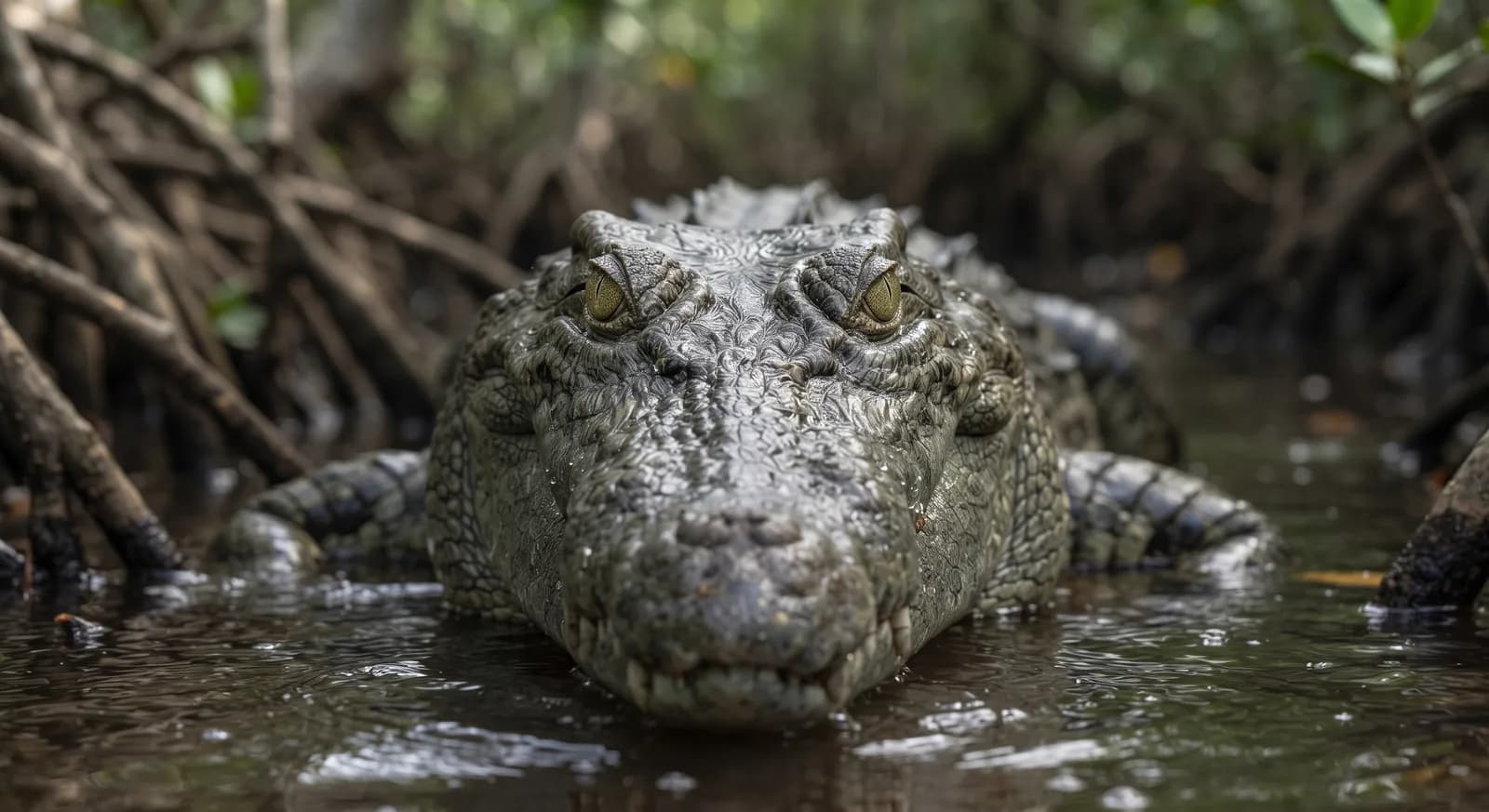
Saltwater Crocodile
Crocodylus porosus
Yellow-bellied Sea Snake
Hydrophis platurus
Red Lionfish
Pterois volitans
Spot-fin Porcupinefish
Diodon hystrix
 Critically Endangered
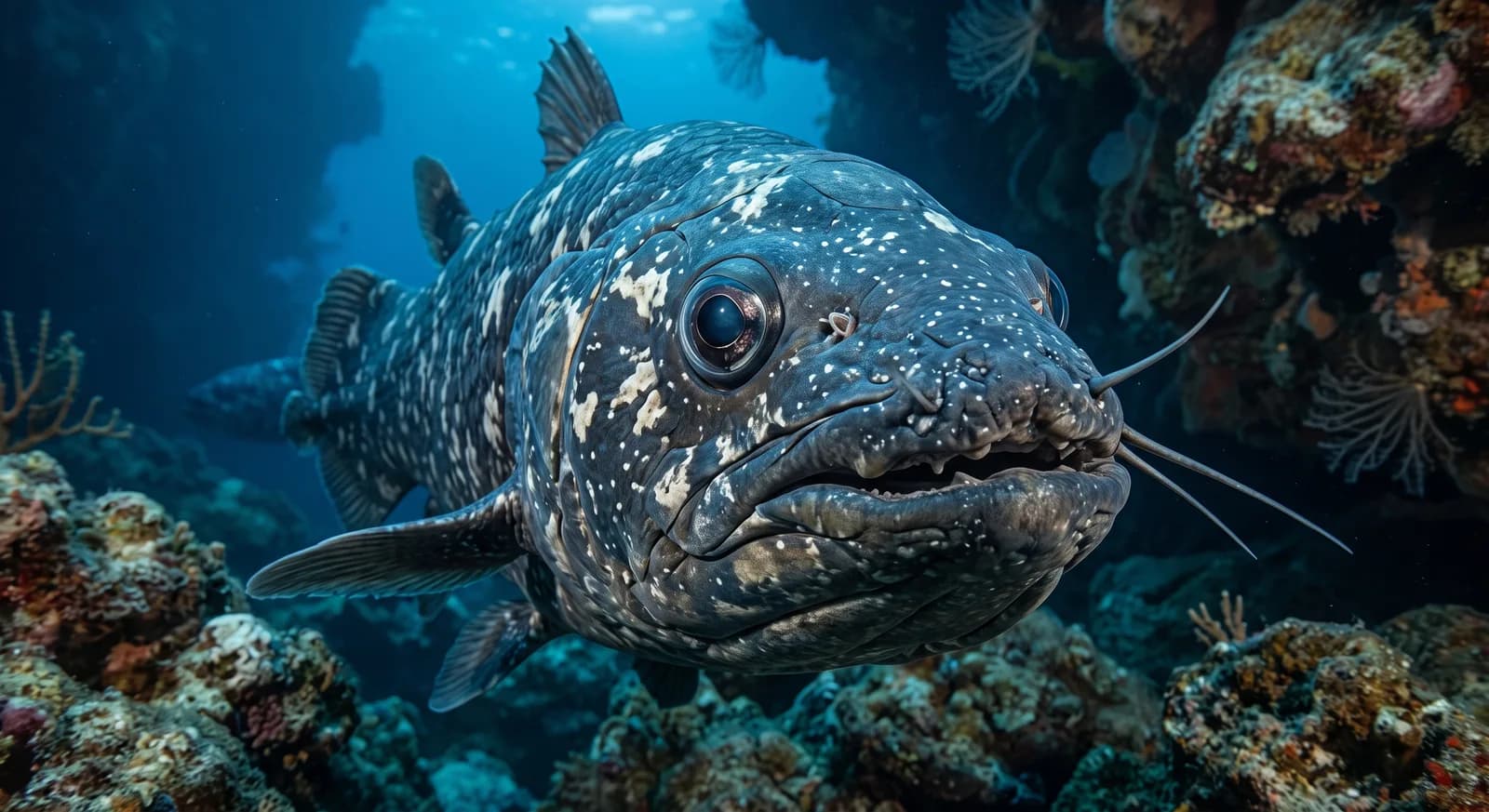
Coelacanth
Latimeria chalumnae
Keep exploring
Based on what we already know about persian carpet flatworm.
Comments
Share an experience, a fun fact or a tip for seeing the persian carpet flatworm.
Be the first to comment.