One of the 6 monitors on WAnimals
Reptiles · Squamata · Varanidae
Nile Monitor
Varanus niloticus
It has not yet been assessed against the IUCN criteria. See full glossary
It is the largest lizard in Africa and one of the most intelligent reptiles known.
Weight
6 kg – 15 kg
Size
1.5 m – 2.4 m
Lifespan
15 years
Diet
Carnivore
Feeds mainly on other animals.
Activity
Diurnal
Active mainly during the day.
Social structure
Solitary
Lives and hunts alone, joining others only to breed.
Sighting difficulty
Unknown
Fun facts
- It often lays its eggs inside occupied termite mounds, which the termites then repair, providing a natural incubator at steady temperature and humidity.
- It eats crabs and insects (50-70% of its diet), supplemented with small vertebrates, eggs and carrion.
- It lives in forest, dry savannah, swamp and mangrove across sub-Saharan Africa, always near water.
Life cycle & biology
- Skeleton type
- Vertebrate - internal bony skeleton (reptile)
- Habitat & environment
- Forest, dry savannah, swamp and mangrove across much of sub-Saharan Africa, always near water
- Birth weight
- ~26 grams at hatching
- Size at birth
- 15-30 cm long at hatching
- Sexual maturity
- 2-4 years
- Gestation / incubation
- 120-300 days depending on the source (usual reference 6-10 months)
- Litter / clutch size
- 12 to 60 eggs per clutch, often laid in active termite mounds
- Lifespan in captivity
- Documented record of up to 20 years in captivity
Sources consulted: TSUSInvasives; EDDMapS; Animal Diversity Web; One Earth; USGS NAS Species Profile; Animal Pedia; Wikipedia (West African Nile monitor); Animalia.bio; IUCN GISD
Where to find it
See its range on the interactive mapWhere to watch it
Parques y spots de buceo donde se ha documentado esta especie — se muestran 10 de 73 documentados.
Related species
Other species in the catalogue with the most in common with Nile Monitor — same habitat, park, country, tags or family.
Savanna Monitor
Varanus exanthematicus
Desert Monitor
Varanus griseus
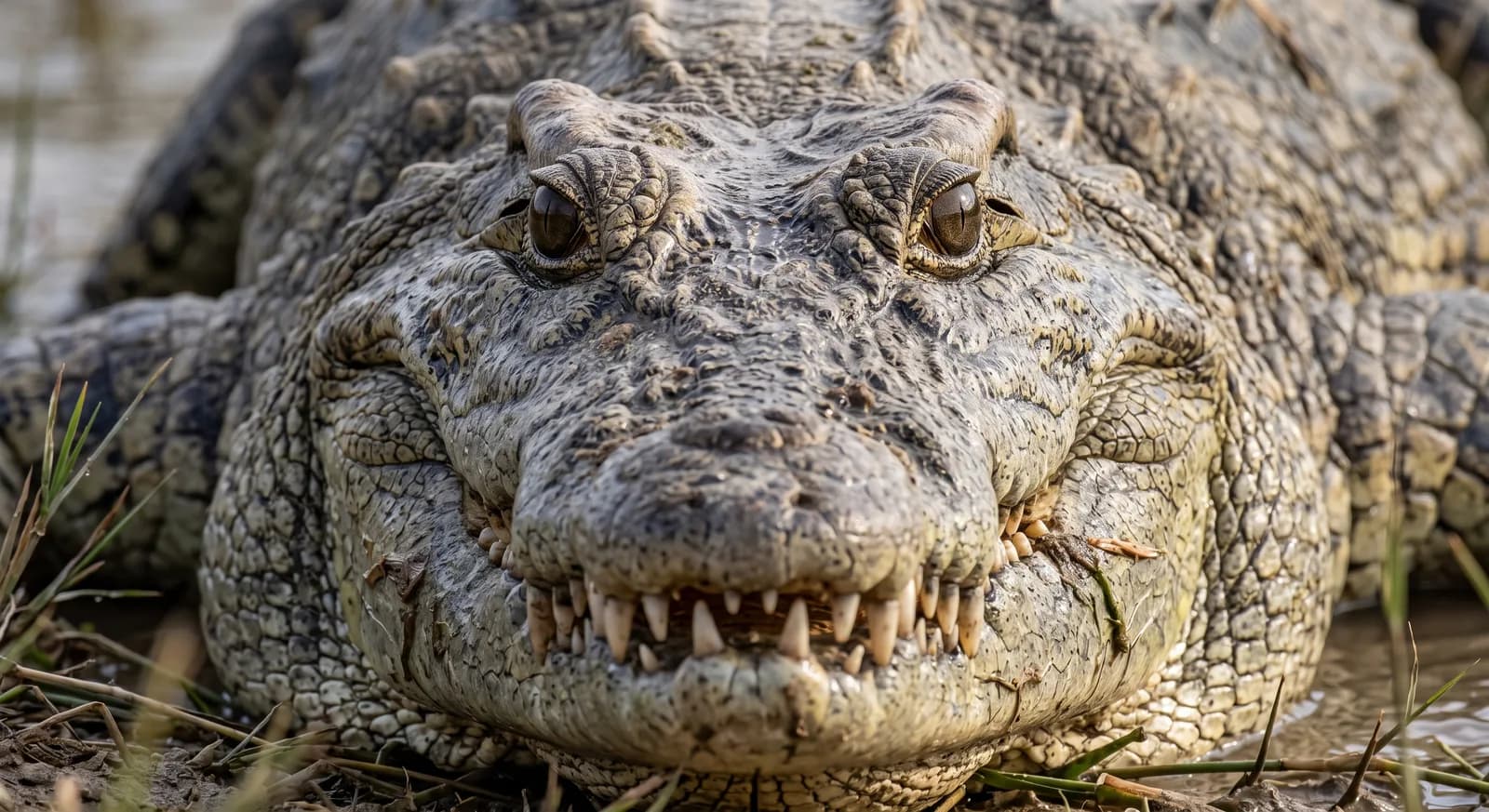 Least Concern
Nile Crocodile
Crocodylus niloticus
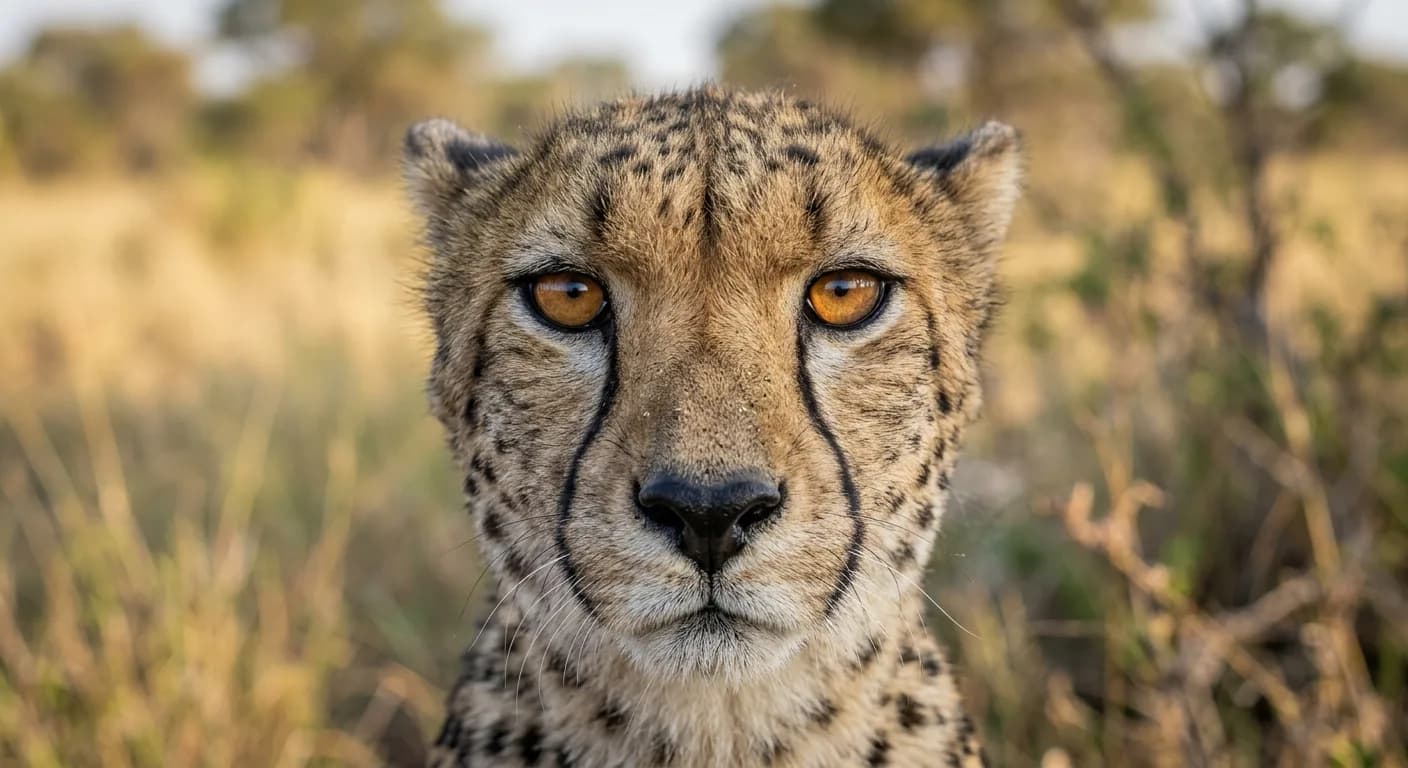 Vulnerable
Cheetah
Acinonyx jubatus
Helmeted Turtle
Pelomedusa subrufa
African Dwarf Crocodile
Osteolaemus tetraspis
Keep exploring
Based on what we already know about nile monitor.
Comments
Share an experience, a fun fact or a tip for seeing the nile monitor.
Be the first to comment.