Ecuador
América del Sur
Ecuador is the smallest of the Andean countries and at the same time one of the most diverse on the planet per unit of area. Within a few hours you go from the mangroves and dry forest of the coast to the snow-capped volcanoes of the sierra, with páramo above three thousand five hundred metres, and from there to the Amazon, where Yasuní park holds some of the world records for numbers of tree, amphibian and insect species per hectare. A thousand kilometres offshore, the Galápagos archipelago, volcanic in origin and isolated since it formed, holds a fauna that evolved without land predators and that gave Darwin his theory on the origin of species. It was the first country in the world to recognise the rights of nature in its constitution.
The nature of Ecuador
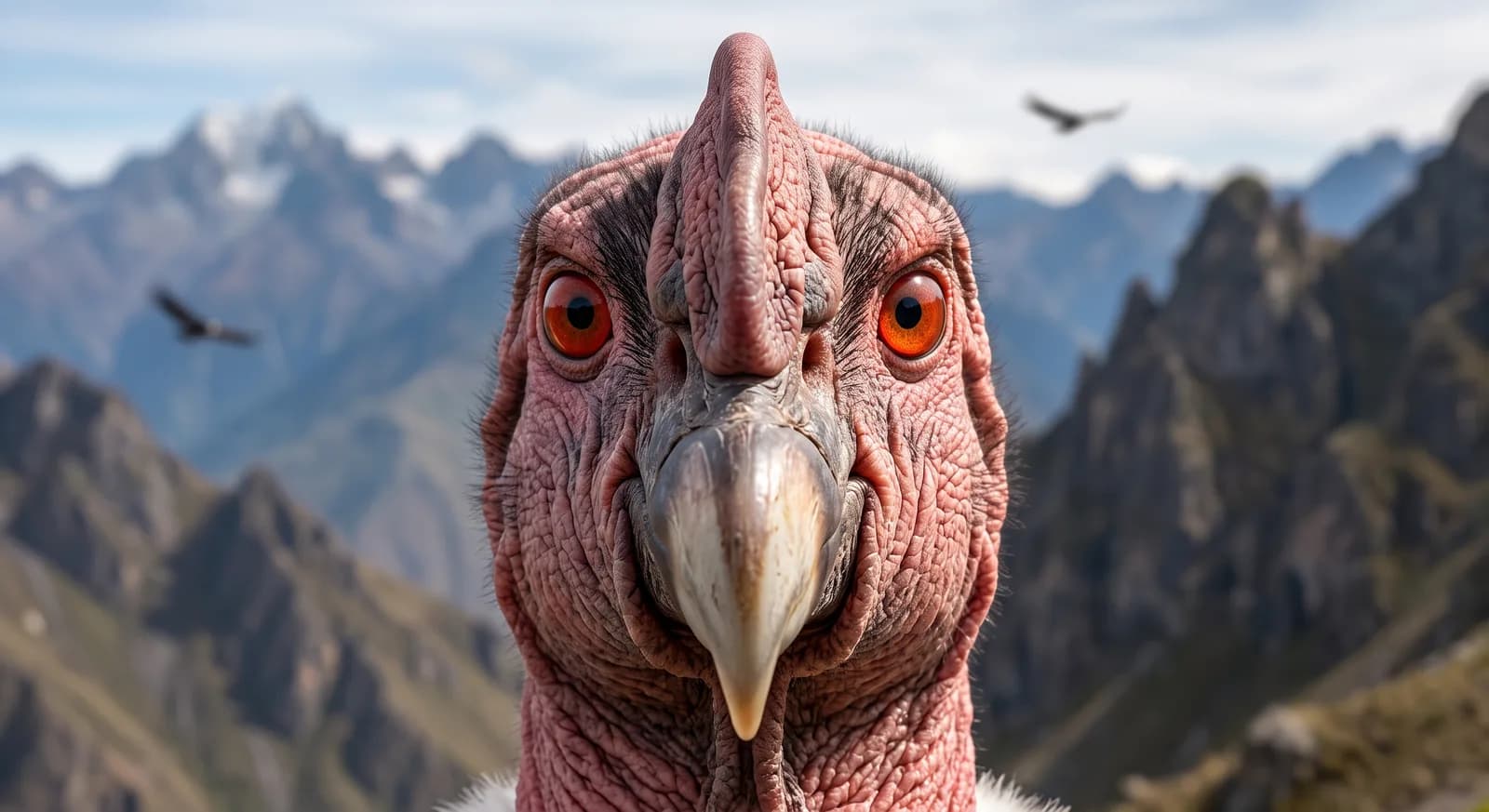
National animal: The Andean condor, the national bird, on the country's coat of arms
Did you know?
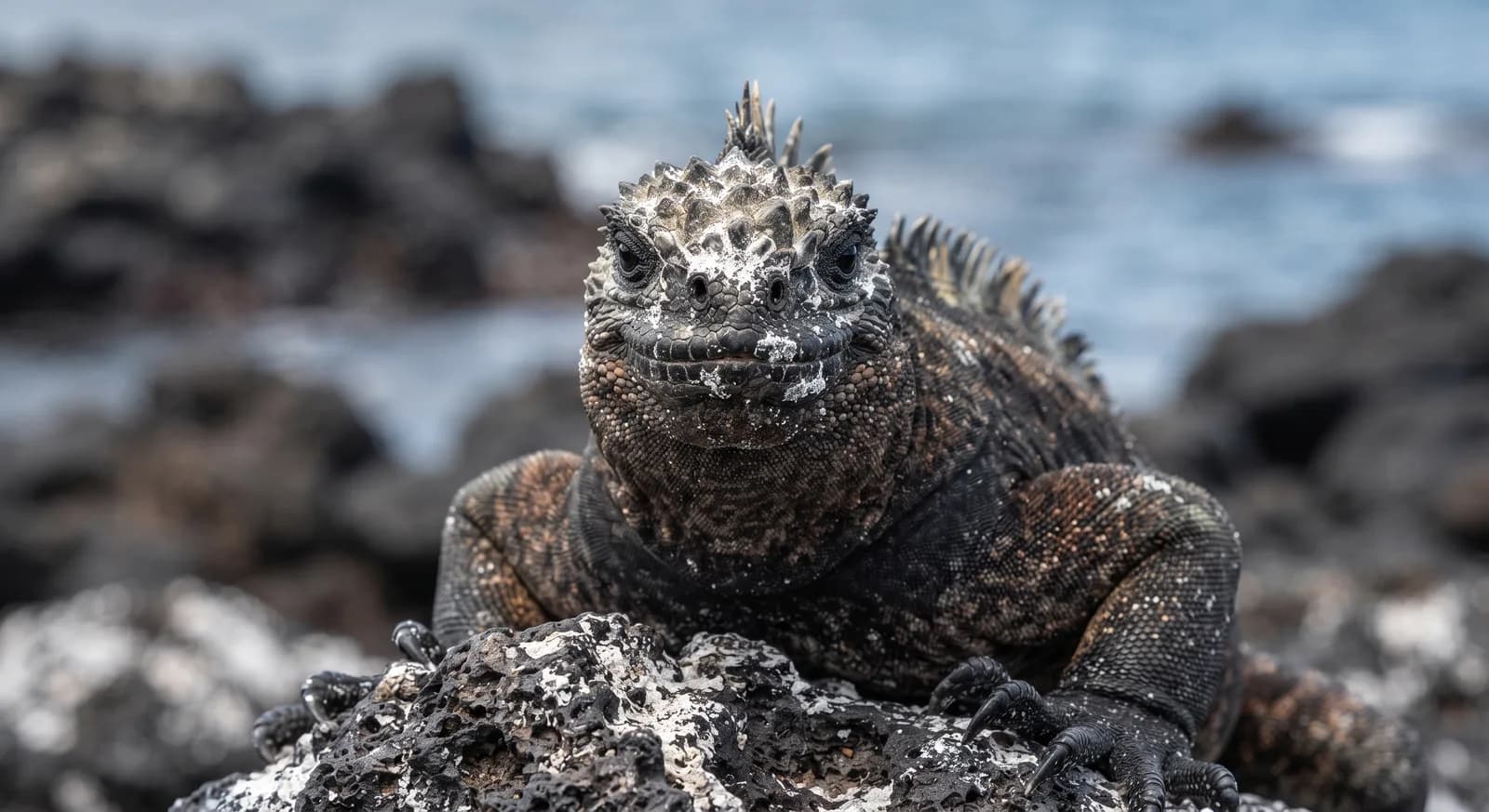
The Galápagos marine iguana is the only lizard in the world that feeds in the sea: it dives several metres to graze algae off the rocks, expels the excess salt by sneezing jets that whiten its head, and basks on the lava to warm up again. And it does something thought impossible in a vertebrate: during the lean years brought by El Niño it shrinks its own skeleton by several centimetres so it needs less food, and grows again once the crisis passes.
Biodiversity profile
Climate
- •Ecuatorial humedo (Af) en la costa y la Amazonia
- •Clima de alta montaña (paramo) en los Andes
- •Clima arido/semiarido en Galapagos, moderado por corrientes oceanicas frias
Main biomes
- •Amazonia ecuatoriana (Parque Nacional Yasuni, altisima diversidad de artropodos: mas de 100.000 especies estimadas por hectarea)
- •Paramo andino (tundra alpina tropical)
- •Bosque nublado
- •Manglares costeros
- •Ecosistemas insulares unicos de Galapagos
- •Isla volcánica oceánica
- •Selva amazónica
- •Bosque nuboso
- •Bosque seco de la costa
- •Manglar
- •Volcán glaciar
Marine and coastal ecosystems
- •Reserva Marina de Galapagos (una de las mas grandes y biodiversas del mundo)
- •Corrientes de Humboldt y Panama confluyendo en Galapagos, generando condiciones oceanicas unicas
Flagship wildlife
- •Tortuga gigante de Galapagos
- •Iguana marina
- •Piquero de patas azules
- •Condor andino
- •Oso de anteojos
- •Delfin rosado amazonico
- •Piquero patiazul
- •Cormorán mancón
- •Oso andino
- •Delfín rosado del Amazonas
- •Pingüino de Galápagos
- •Colibrí picoespada
- •Jaguar
Notable endemic species
- •Aprox. 26% de la flora vascular endemica en zonas altoandinas
- •Extraordinario endemismo insular en Galapagos (tortugas, iguanas marinas, pinzones de Darwin)
- •Iguana marina
- •Tortuga gigante de Galápagos
- •Cormorán mancón
- •Pingüino de Galápagos
- •Pinzones de Darwin
Notable threatened species
- •Varias especies de tortugas gigantes de Galapagos (En Peligro Critico segun subespecie/isla)
- •Oso de anteojos (Vulnerable)
- •Cobertura desigual de estudios: mas investigacion sobre disturbio humano que sobre impactos climaticos en biodiversidad continental
Notable protected areas
- •Parque Nacional Yasuni (Amazonia, Reserva de la Biosfera)
- •Parque Nacional Galapagos (Patrimonio Mundial)
- •Parque Nacional Cotopaxi (paramo andino)
- •Reserva Ecológica Cotacachi-Cayapas
- •Parque Nacional Sangay
- •Reserva de Producción Faunística Cuyabeno
Main conservation threats
- •Cambio de uso del suelo y deforestacion
- •Especies invasoras (particularmente criticas en Galapagos)
- •Sobreexplotacion de recursos
- •Contaminacion
- •Cambio climatico, aunque menos estudiado que el disturbio humano directo segun revision cientifica de 266 estudios (2000-2020)
Notable natural phenomena
- •Confluencia de corrientes oceanicas frias y calidas en Galapagos, determinante de su biodiversidad unica
- •Actividad volcanica activa en los Andes ecuatorianos (Cotopaxi, otros)
Conservation
Galápagos has carried out some of the most ambitious invasive species eradications in the world, including the removal of goats from entire islands, which has allowed the vegetation and the giant tortoises to recover. Yasuní overlaps with oil reserves, which has generated a national debate that reached a referendum.
Where and when to watch wildlife
Galápagos year-round, with peak breeding activity between December and May. Yasuní and Cuyabeno in the rainy season for Amazonian wildlife. Antisana and Cotopaxi for the Andean condor.
Sources: Repositorio Ikiam - Priorities of action and research for protection BES Ecuador | Iberdrola - Megadiverse Countries
Parks and reserves
Galápagos National Park
The natural laboratory that inspired Darwin, home to the giant tortoise and endemic wildlife without parallel.
View parkNational ParkSangay
One of the few places on the planet with an unbroken ecological gradient from the Amazon up to Andean glaciers
View parkNational ParkSumaco Napo-Galeras
It protects an almost perfectly conical volcano in the heart of the Ecuadorian Amazon
View parkNational ParkYasuni
Reckoned one of the most biodiverse places per hectare on the planet; home to indigenous peoples in voluntary isolation
View parkEcological ReserveManglares Churute
The largest protected mangrove on Ecuador's mainland coast, less than an hour from Guayaquil
View parkEcological ReserveAntisana
One of the best places in the world to watch the Andean condor in the wild, with sightings all but guaranteed
View parkNational ParkCayambe Coca
It protects the Cayambe volcano, the only point on the planet sitting on the equator with permanent snow
View parkNational ParkCotopaxi
It protects the highest symmetrical active volcano in the world; the setting of Humboldt's first scientific expeditions in 1802
View parkNational ParkEl Cajas
More than 230 Andean glacial lakes in a relatively compact area near the colonial city of Cuenca
View parkNational ParkLlanganates
The legendary hiding place of the supposed lost treasure of the Inca Rumiñahui, hidden from the Spanish after Atahualpa's execution in 1533
View parkDiving and snorkelling
Cape Marshall
The northern point of Isabela with a notable cleaning station for giant Pacific manta rays.
View dive sitePinnacle/MacrofaunaCousin's Rock
An underwater pinnacle near Santa Cruz, known for its unique combination of macro life and large pelagics.
View dive sitePinnacle/CurrentGordon Rocks
A submerged volcanic crater, popular as the test site for advanced diving certification in the Galápagos.
View dive siteWall/PelagicDarwin Island
Together with Wolf it forms the core of the no-take sanctuary declared in 2016. A study by the Charles Darwin Research Station and National Geographic put the area's average fish biomass at 17.5 tonnes per hectare, more than double that of the second place on the list, Cocos Island.
View dive siteWall/PelagicWolf Island
A remote island reachable only on diving cruises; strong currents that draw large pelagic wildlife.
View dive sitePinnacle/PelagicKicker Rock (León Dormido)
A vertical rock formation shaped like a sleeping lion, more accessible than Darwin and Wolf but just as rich in wildlife.
View dive siteReef/PelagicMachalilla / Isla de la Plata
Nicknamed the poor man's Galápagos for its similar wildlife at a fraction of the cost, on Ecuador's mainland coast.
View dive siteEspecies documentadas en Ecuador
341 species found
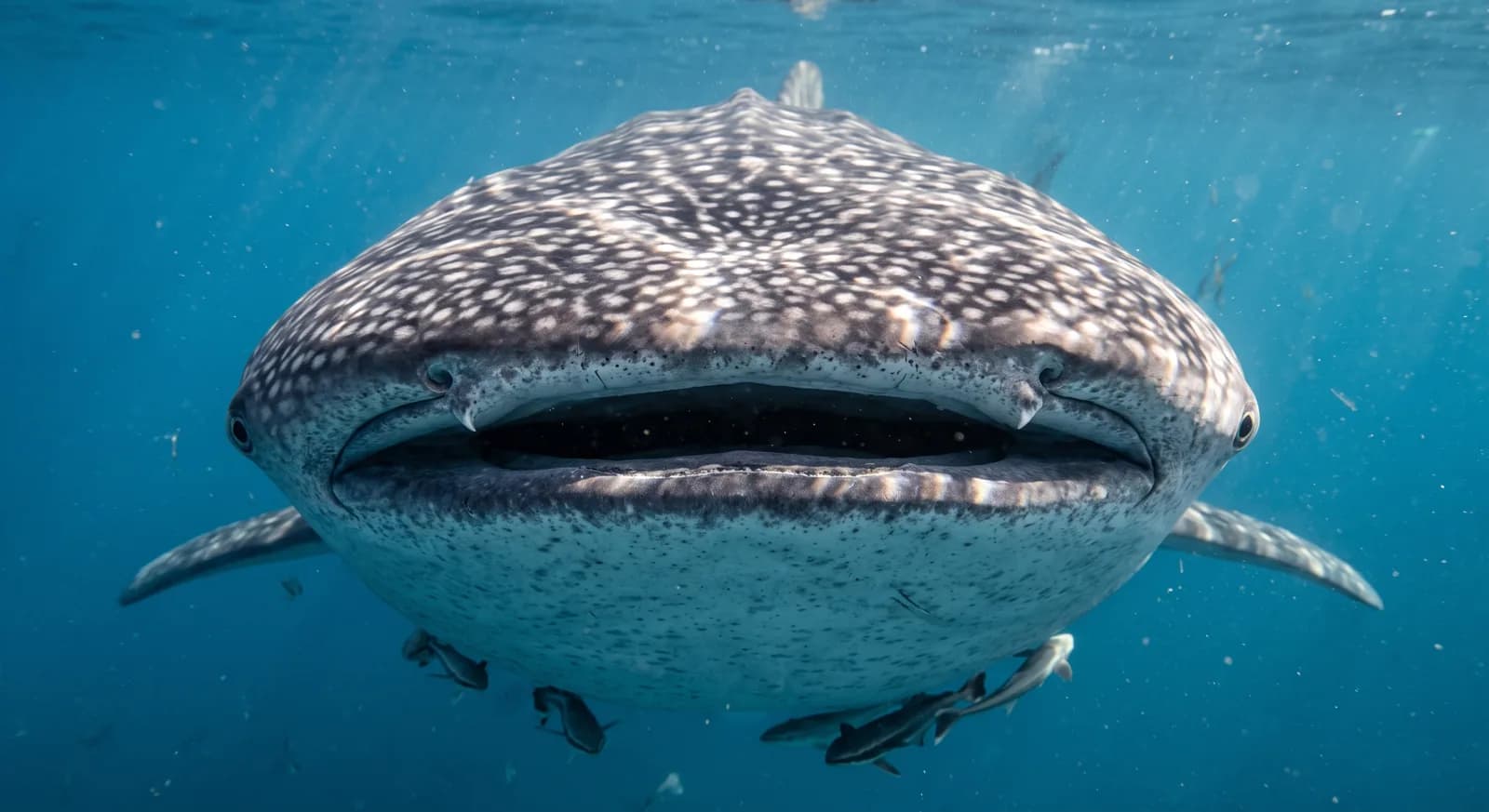 Endangered
Whale Shark
Rhincodon typus
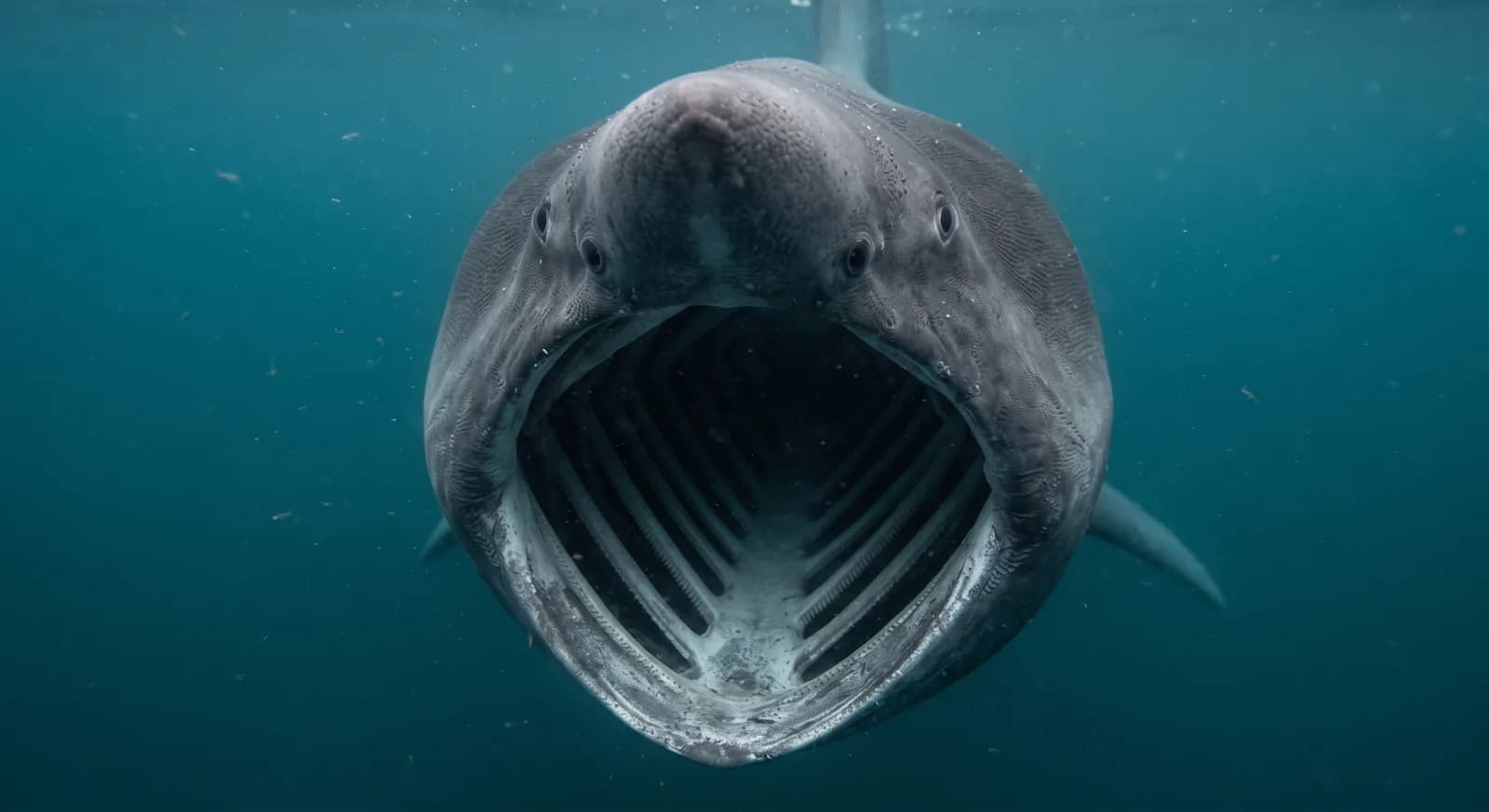 Endangered
Basking Shark
Cetorhinus maximus
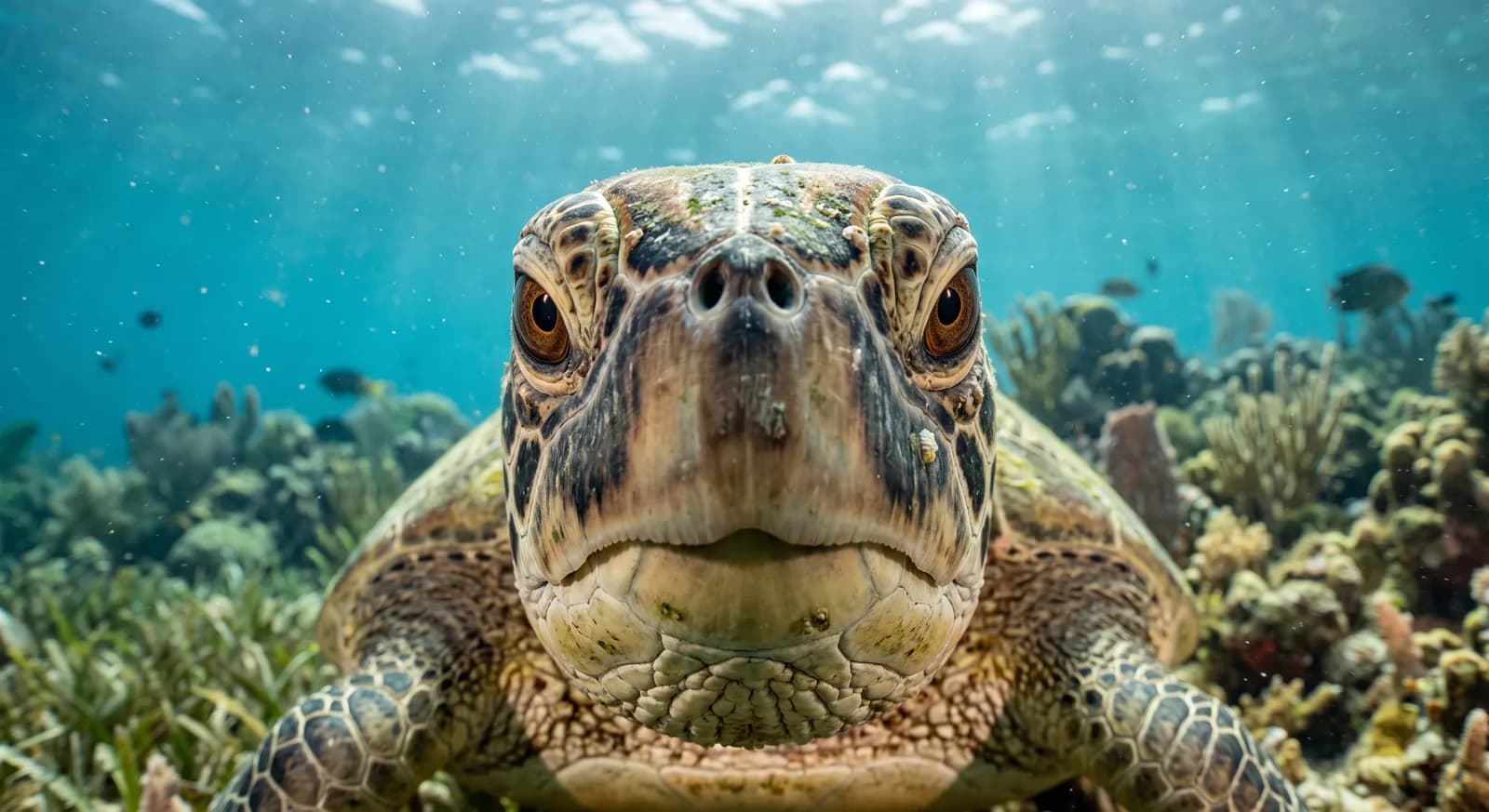 Endangered
Green Turtle
Chelonia mydas
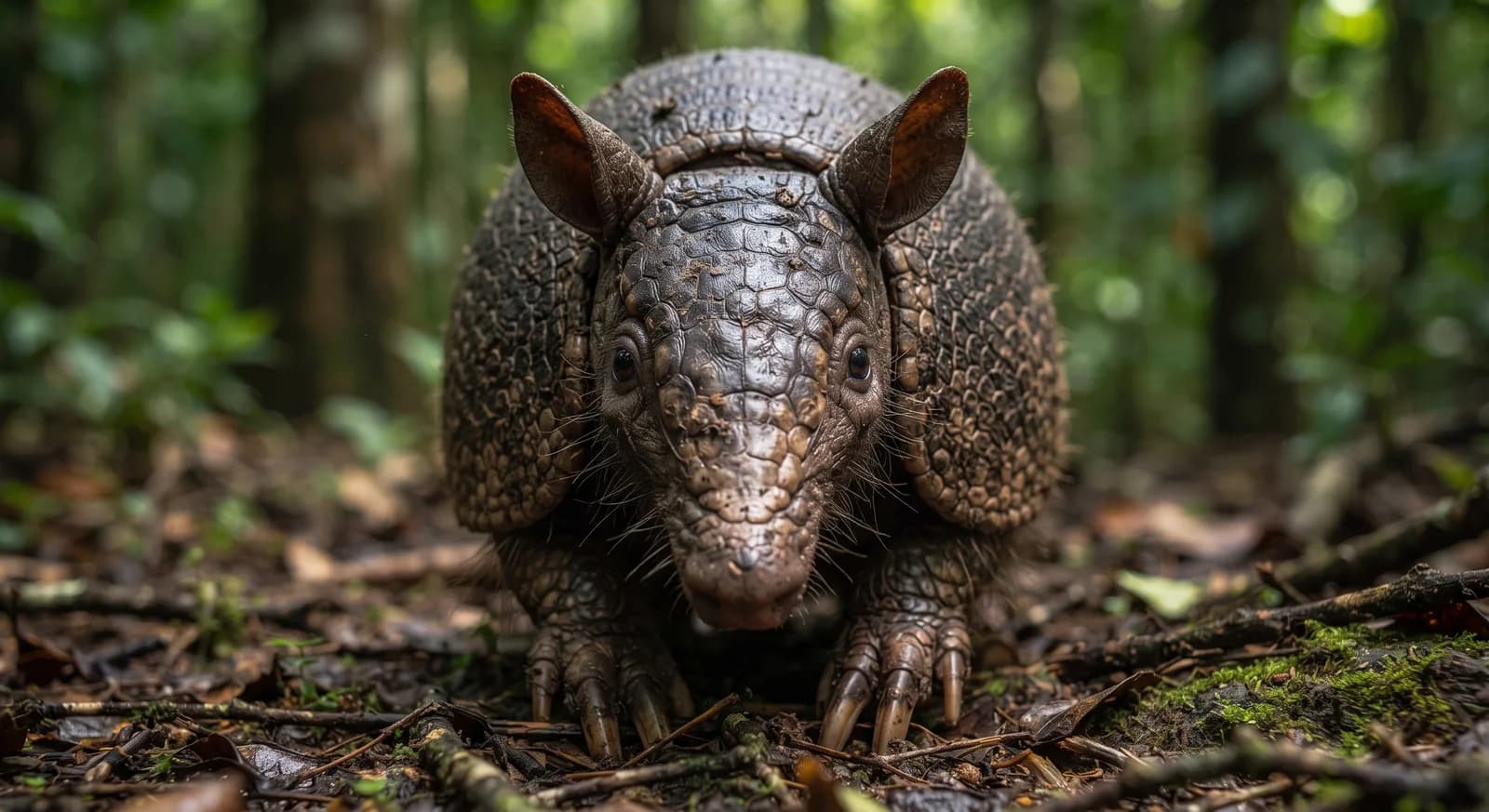 Vulnerable
Giant Armadillo
Priodontes maximus
 Vulnerable
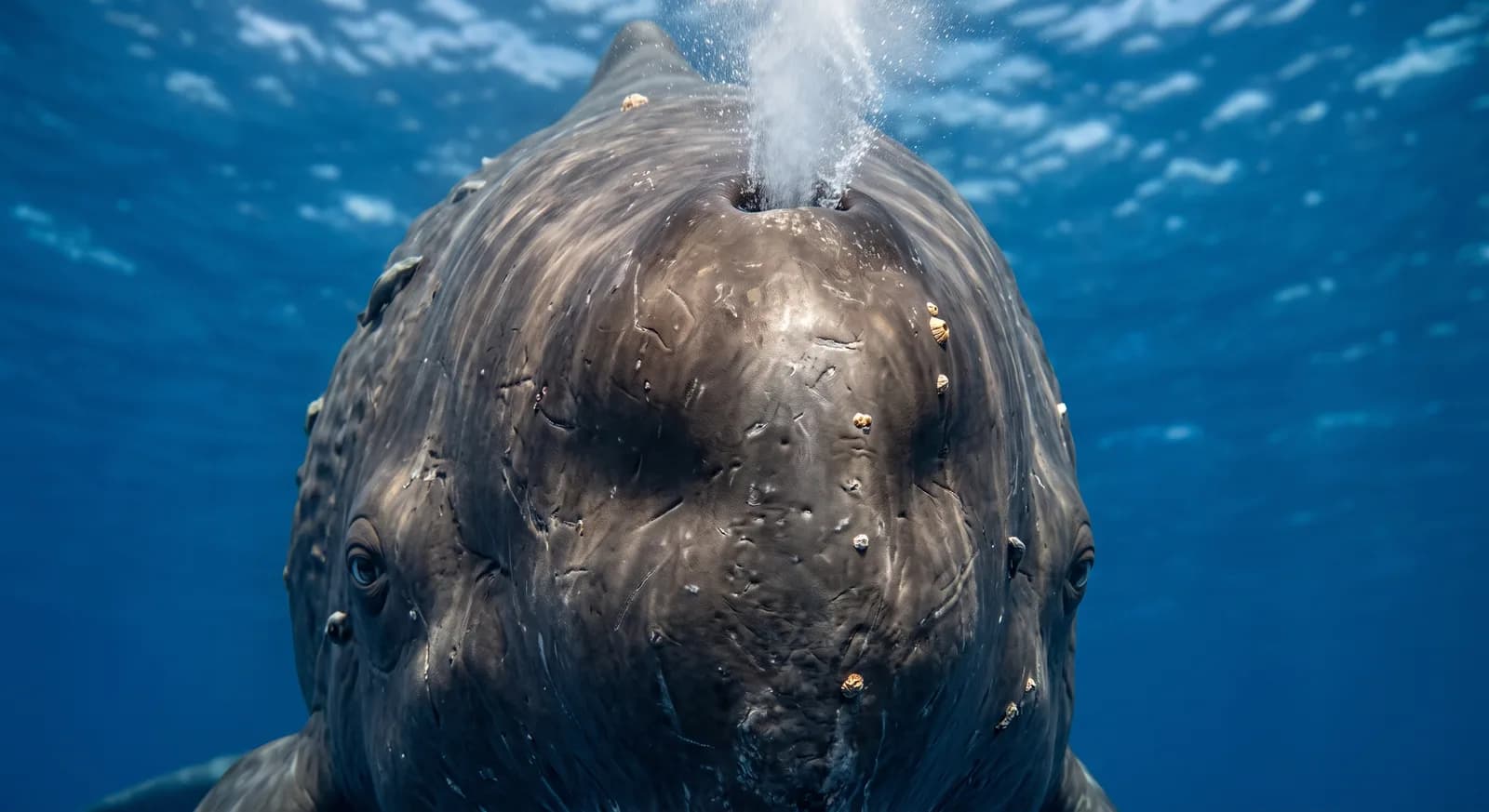
Sperm Whale
Physeter macrocephalus
 Vulnerable
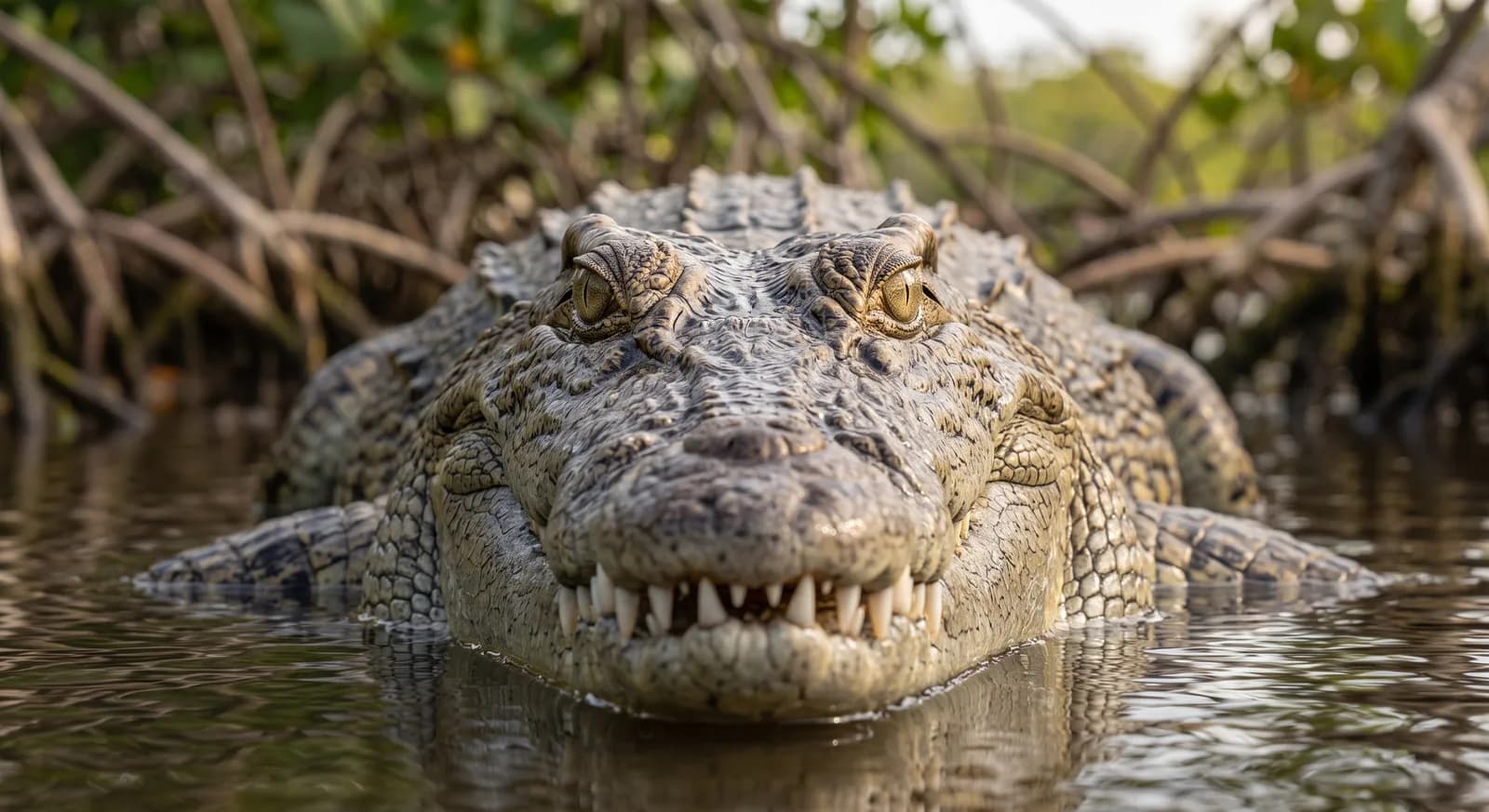
American Crocodile
Crocodylus acutus
 Vulnerable
Andean Condor
Vultur gryphus
 Vulnerable
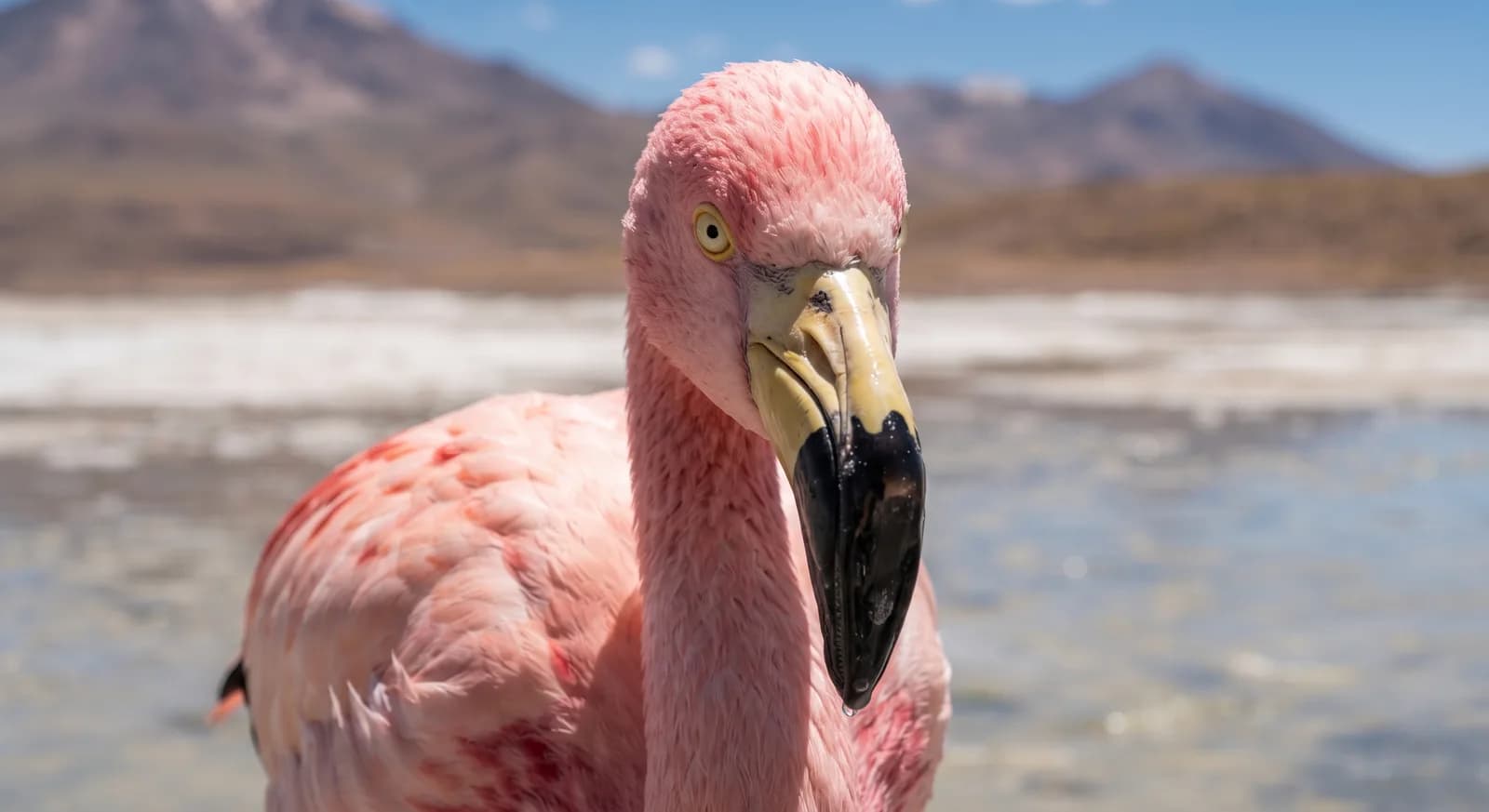
Andean Flamingo
Phoenicoparrus andinus
 Vulnerable
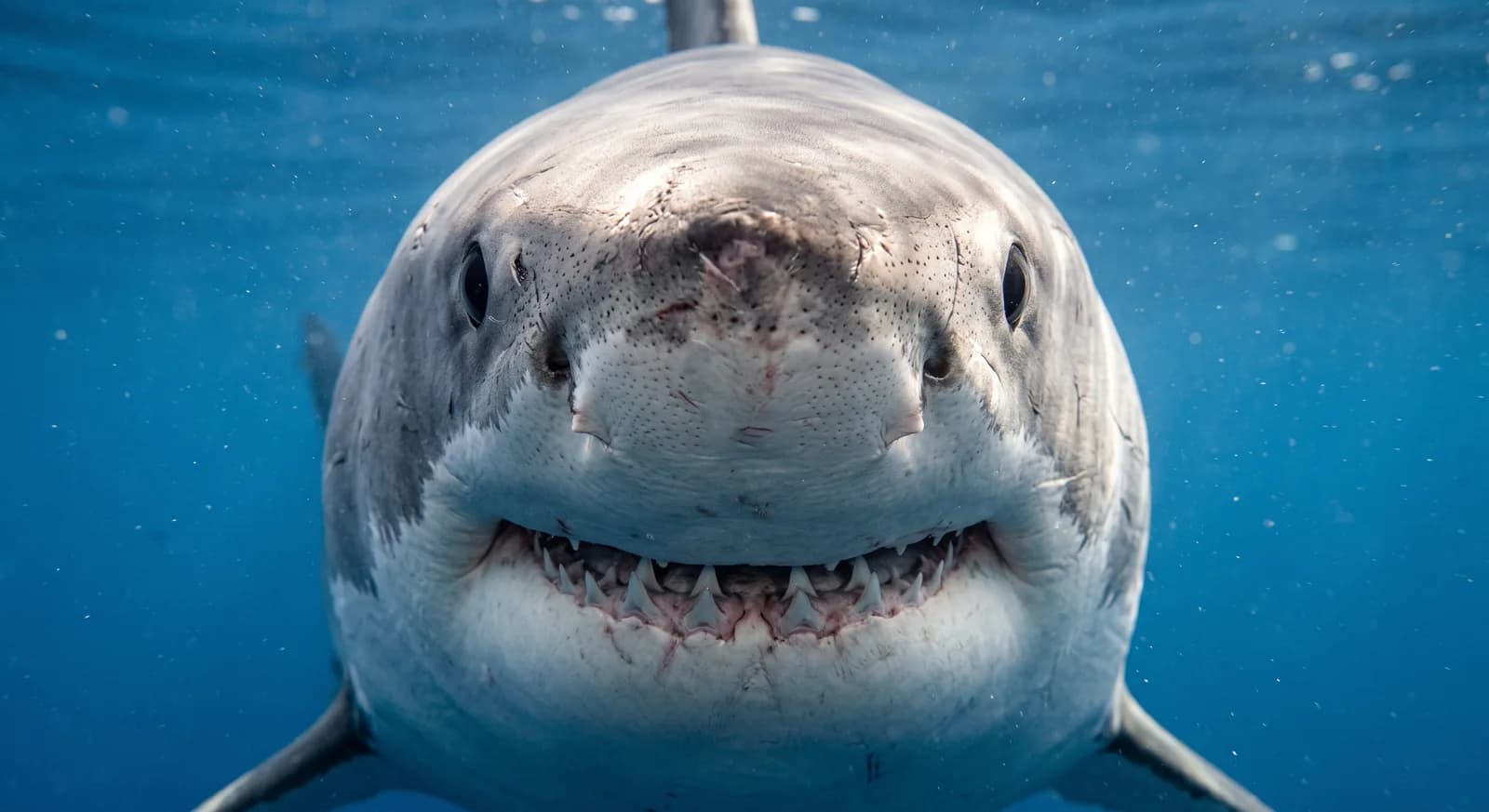
Great White Shark
Carcharodon carcharias
 Vulnerable
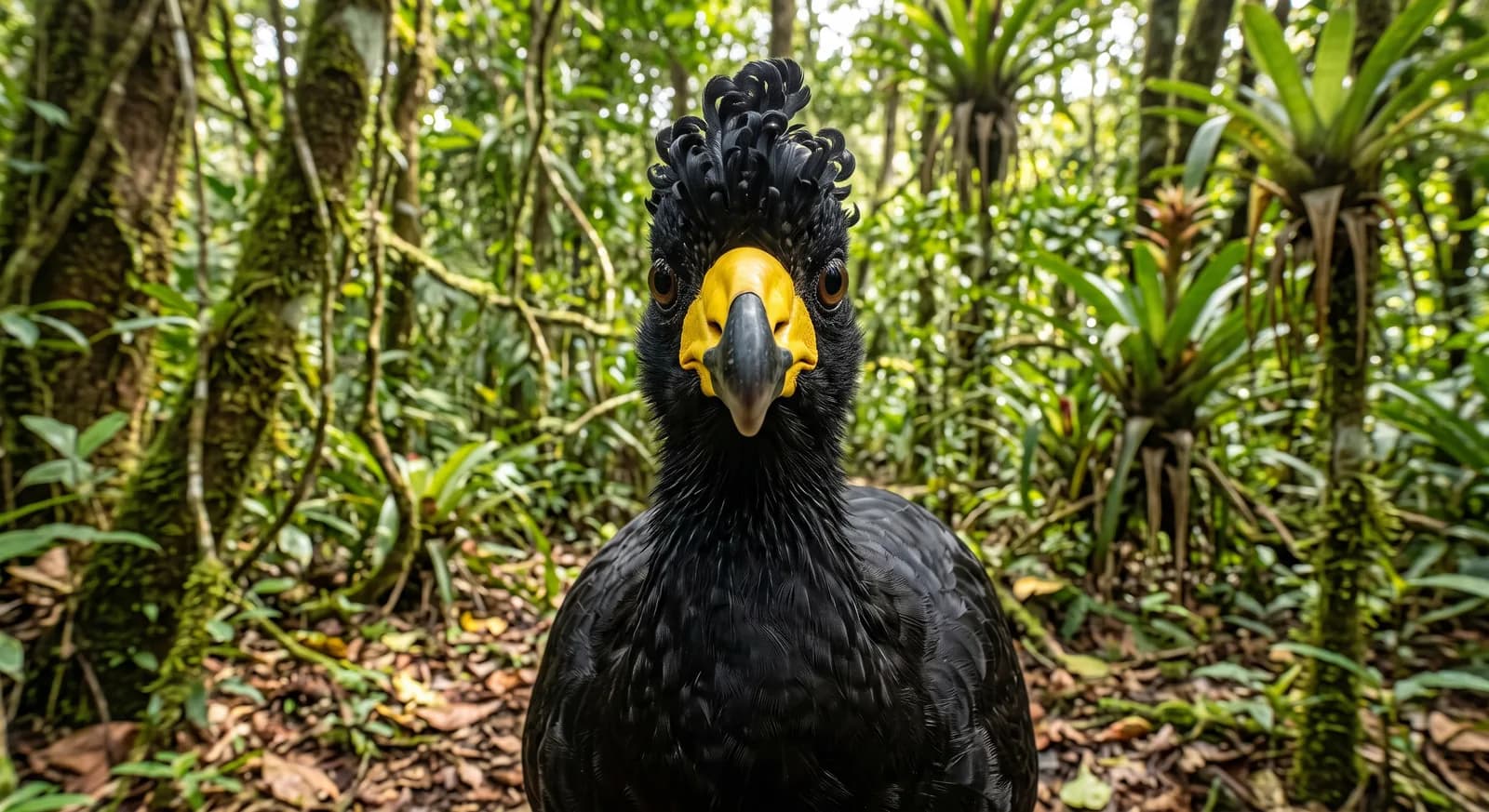
Great Curassow
Crax rubra
 Vulnerable
Marine Iguana
Amblyrhynchus cristatus
 Vulnerable
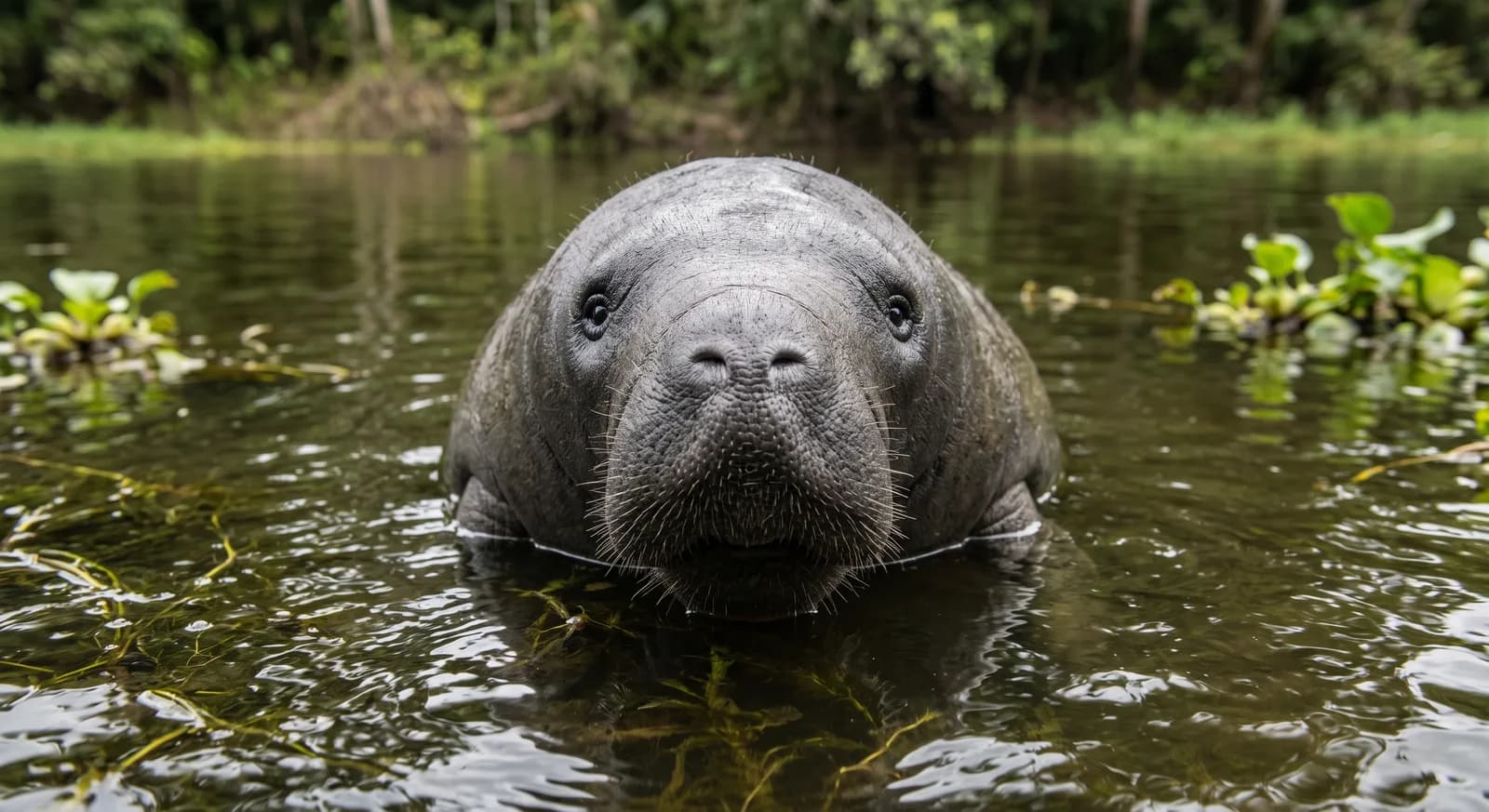
Amazonian Manatee
Trichechus inunguis
Keep exploring
Based on what we already know about Ecuador.