France
Europa
France brings together four biogeographical domains within its mainland territory — Atlantic, continental, alpine and Mediterranean — which no other European country matches. The Alps and the Pyrenees support high-mountain fauna with chamois, marmots, ibex and bearded vultures; the Massif Central and the Vosges keep forests and peat bogs with reintroduced Eurasian lynx; the Camargue, in the Rhône delta, is a mosaic of salt lagoons famous for its flamingo colony, its white horses and its semi-wild bulls. But the greatest French natural wealth lies outside Europe: the overseas territories, spread across three oceans, make France one of the most biodiverse countries on the planet. French Guiana contributes intact Amazon rainforest, New Caledonia a fauna isolated for 80 million years, and the southern territories massive colonies of penguins and albatrosses.
The nature of France
National animal: The Gallic rooster, a national symbol since antiquity
Did you know?
The kagu of New Caledonia is a grey bird the size of a hen, all but flightless, which barks at dawn like a dog to mark its territory: a duet audible more than a kilometre away. It has no close living relatives and is the sole survivor of an evolutionary branch of its own. Thanks to the control of feral dogs and rats, its population has been recovering from critical lows.
Biodiversity profile
Climate
- •Oceanico templado (Cfb) en el norte y oeste
- •Continental en el este
- •Mediterraneo (Csa) en el sur
- •Clima de alta montaña en Alpes y Pirineos
Main biomes
- •Bosque caducifolio templado (norte y centro)
- •Matorral mediterraneo (sur)
- •Bosque de coniferas de alta montaña (Alpes, Pirineos, Macizo Central)
- •Humedales costeros atlanticos y mediterraneos
- •Alta montaña alpina
- •Bosque templado caducifolio
- •Humedal deltaico
- •Selva tropical húmeda
- •Arrecife de coral
- •Tundra subantártica
Marine and coastal ecosystems
- •Costas atlantica, mediterranea y del Canal de la Mancha, con humedales costeros de importancia para aves migratorias
Flagship wildlife
- •Lince europeo (en recuperacion, zonas de montaña)
- •Lobo europeo (en expansion natural)
- •Aguila real
- •Cabra montes o iberico-pirenaico (Pirineos)
- •Flamenco común
- •Caballo de la Camarga
- •Marmota alpina
- •Íbice alpino
- •Lince boreal
- •Quebrantahuesos
- •Oso pardo
- •Lobo gris
- •Delfín mular
- •Cigüeña blanca
Notable endemic species
- •Mas de 100.000 especies de flora y fauna registradas en la Francia metropolitana y Corcega, con niveles de endemismo notablemente mas altos en sus territorios de ultramar (ej. Guayana Francesa, con selva amazonica del tamaño de Portugal)
- •Kagú
- •Loro cornudo
- •Desmán de los Pirineos
- •Salamandra de Lanza
- •Gecko gigante de Nueva Caledonia
Notable threatened species
- •Solo 43% de las especies amenazadas identificadas cientificamente en Francia y sus territorios cuentan con proteccion legal efectiva
- •Aves y mamiferos bien protegidos (95%), pero los insectos muy poco (solo 6%) pese a su rol ecologico esencial
- •En la Francia metropolitana, solo 34% de las 1.445 especies amenazadas identificadas estan protegidas por ley, una de las tasas mas bajas entre los territorios franceses
Notable protected areas
- •Parque Nacional de Vanoise (Alpes)
- •Parque Nacional de los Pirineos
- •Parque Nacional de las Cevenas
- •Parque Nacional de la Vanoise
- •Parque Nacional de los Écrins
- •Parque Natural Regional de la Camarga
- •Parque Nacional de las Cévennes
- •Parque Amazónico de Guayana
Main conservation threats
- •Brecha significativa entre especies amenazadas identificadas cientificamente y las protegidas legalmente, especialmente en insectos
- •Fragmentacion de habitat por infraestructura y agricultura intensiva
- •Cambio climatico sobre ecosistemas alpinos y mediterraneos
Notable natural phenomena
- •El regreso natural del lobo y el lince a zonas de montaña francesas en las ultimas decadas refleja una recuperacion ecologica notable en Europa Occidental
Conservation
The natural return of the wolf from Italy in 1992 has created a persistent conflict with extensive livestock farming. The overseas territories hold most of the country's threatened species, under pressure from invasive species and mining.
Where and when to watch wildlife
The Camargue year-round, with flamingo numbers peaking between April and September. The Alps in summer for marmots and ibex at altitude. The Mercantour at dawn for wolves and mouflon.
Sources: AXA Climate - Threatened species protection France | BioDB.com - France | biodiversity.europa.eu - Coverage representativity
Parks and reserves
Chaîne des Puys - falla de Limagne
Eighty volcanoes aligned along a rift fault, the first natural property inscribed in mainland France.
View parkWorld Heritage Site (Natural)Golfo de Porto: Scandola y Calanche de Piana
France's first natural property, a stretch of Corsican coast in red porphyry with the Scandola marine reserve.
View parkNational ParkGuadalupe
It protects La Soufrière, an active volcano nicknamed the old lady, with fumaroles visible from the path to the summit
View parkWorld Heritage Site (Natural)Lagunas de Nueva Caledonia
The second-largest barrier reef in the world, with an exceptional diversity of reefs and associated ecosystems.
View parkNational ParkLa Réunion
The pitons, cirques and ramparts of the volcanic island of Réunion, with one of the most active volcanoes in the world.
View parkWorld Heritage Site (Natural)Tierras y Mares Australes Franceses
France's largest protected area, a subantarctic archipelago with the greatest concentrations of seabirds on the planet.
View parkRegional Nature ParkCamargue
The largest wetland in western Europe; home of the semi-wild white Camargue horses and one of the largest flamingo colonies
View parkRegional Nature ParkCamarga
The Rhône delta, one of the largest wetlands in western Europe and a biosphere reserve since 1977.
View parkNational ParkCevennes
A lived-in agro-pastoral landscape; a considerable permanent population lives inside the park
View parkRegional Nature Park / Biosphere ReserveNorthern Vosges
A transboundary Biosphere Reserve shared with Germany's Pfälzerwald since 1998, over an old Franco-German battlefield
View parkDiving and snorkelling
Scandola Reserve (Corsica)
A UNESCO World Heritage nature reserve with red porphyry cliffs falling straight into the sea.
View dive siteRocky cove/CaveCalanques de Marsella
A national park of limestone coves between Marseille and Cassis, with underwater caves and turquoise water.
View dive siteMarine reserve/WreckCôte Bleue
One of France's first marine parks (1983), between Marseille and Martigues, with groupers in clear recovery.
View dive siteMarine reserve/WallPort-Cros National Park
One of Europe's first marine national parks (1963), with an educational underwater trail for beginners.
View dive siteReef/ReserveCousteau Reserve (Guadeloupe)
A marine reserve named after Jacques Cousteau, who called it one of the ten best sites in the world.
View dive sitePaíses similares
¿A dónde más podría interesarme viajar?
Misma región: Europa Occidental
Misma región: Europa Occidental
Misma región: Europa Occidental
Misma región: Europa Occidental
Especies documentadas en France
801 species found
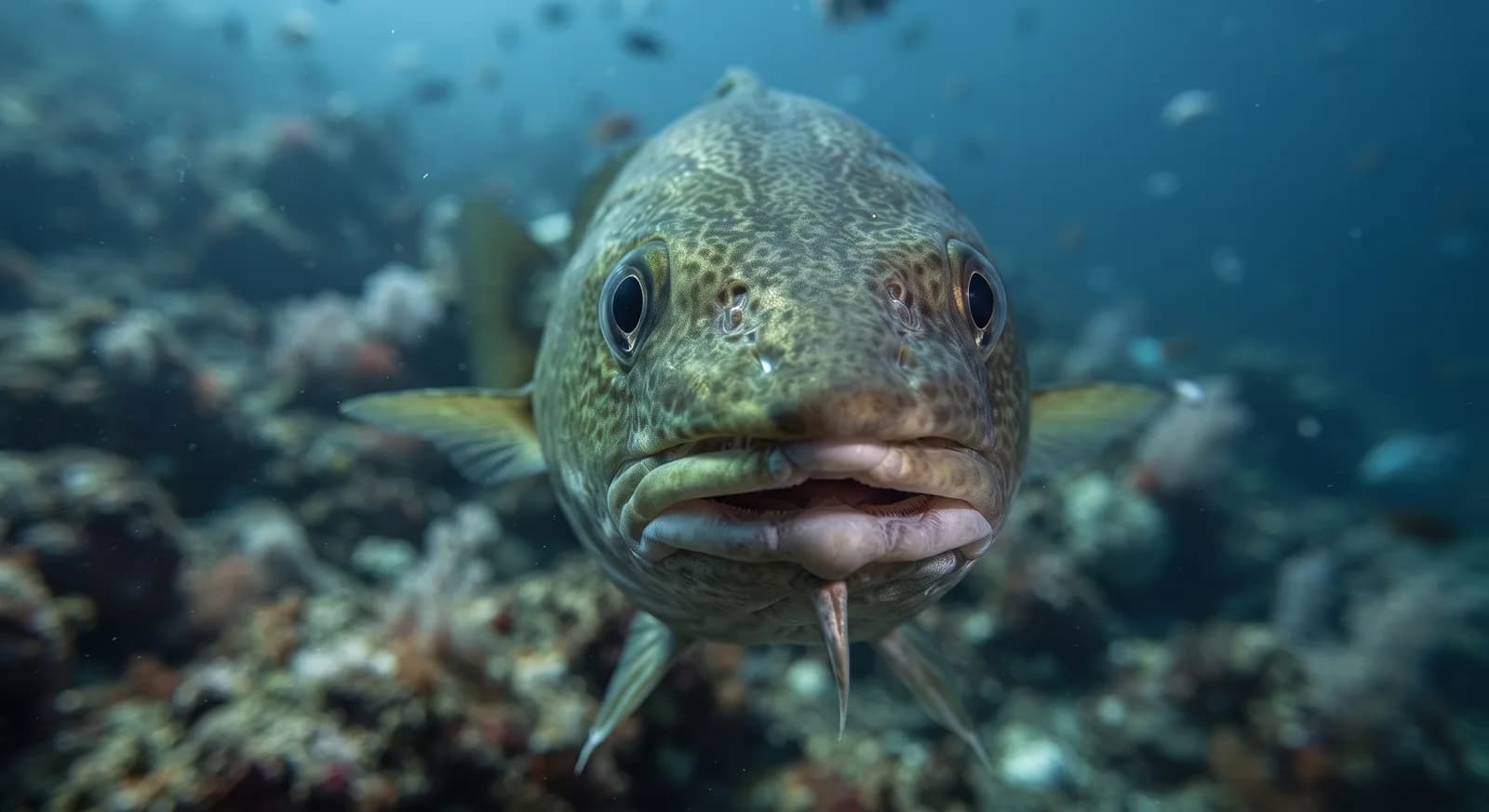 Vulnerable
Cod
Gadus morhua
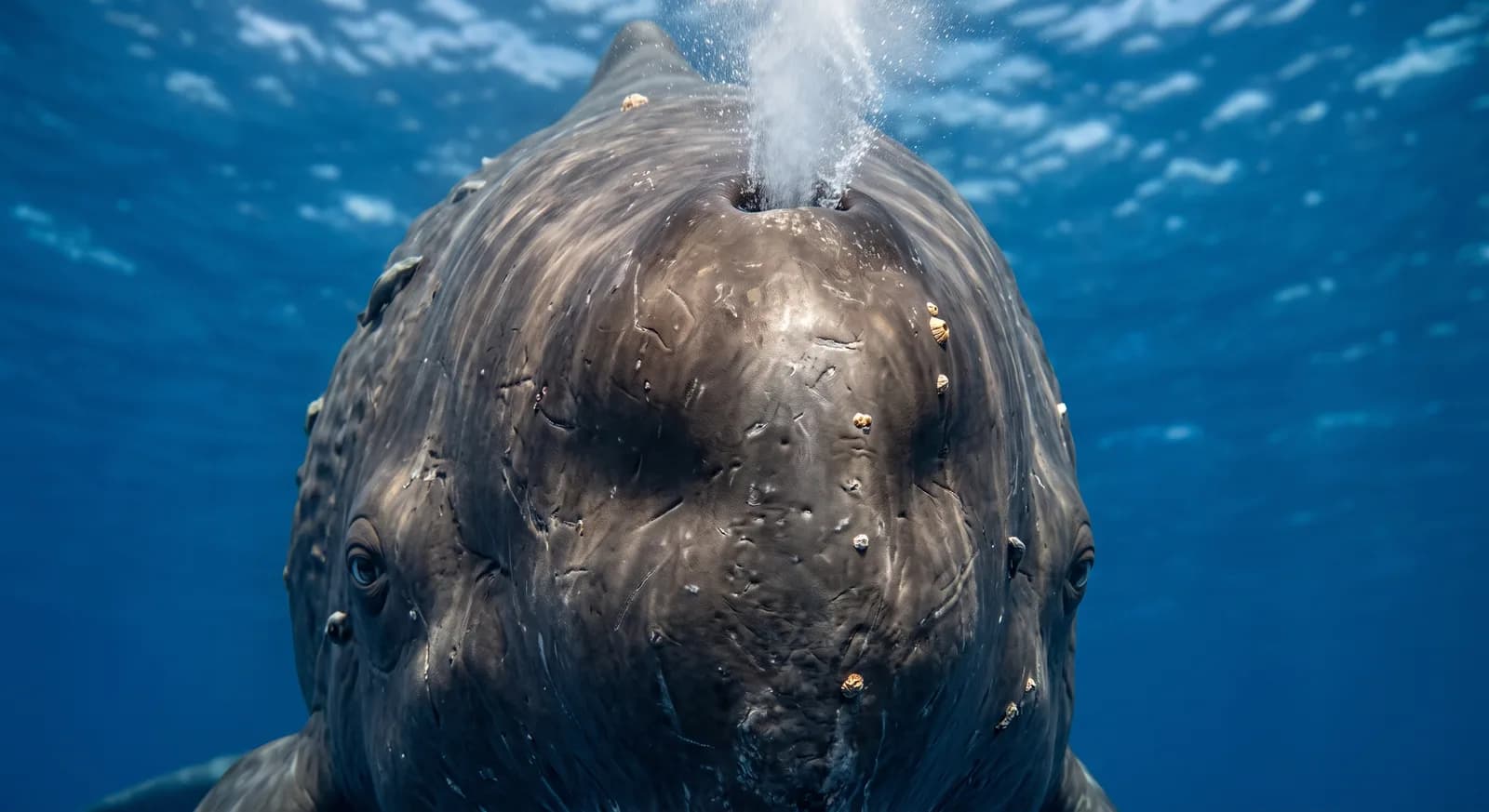 Vulnerable
Sperm Whale
Physeter macrocephalus
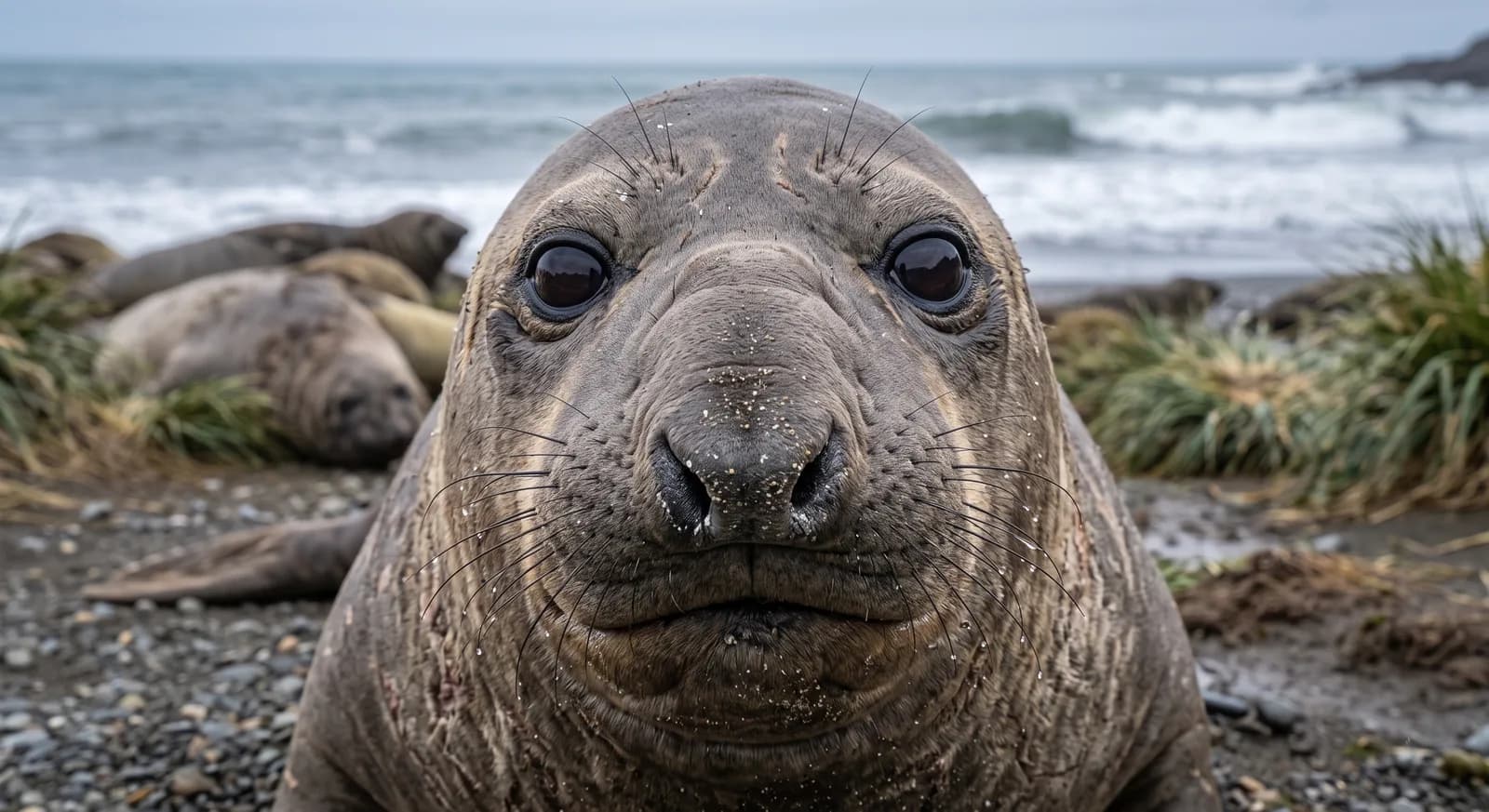 Vulnerable
Southern Elephant Seal
Mirounga leonina
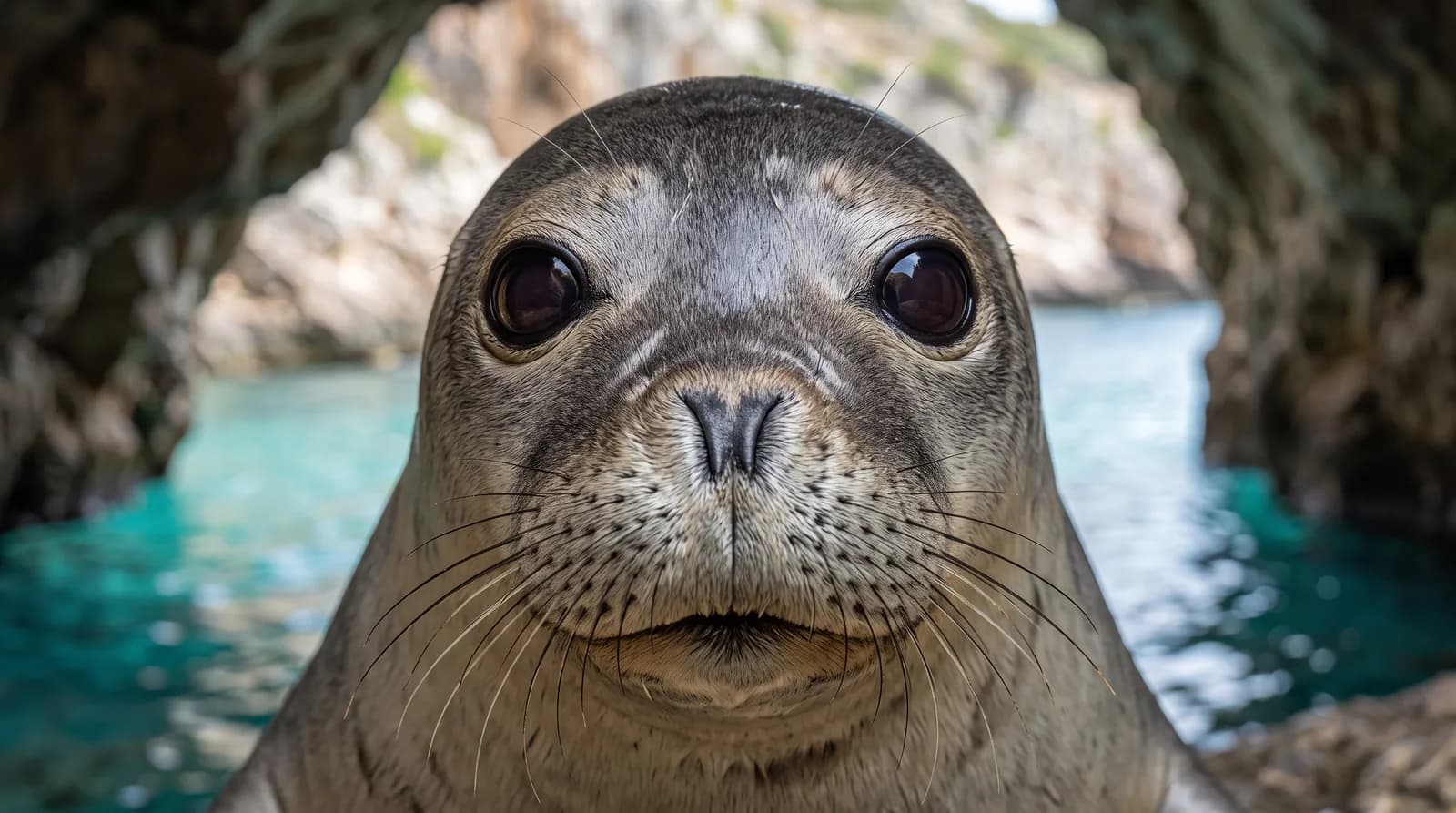 Vulnerable
Mediterranean Monk Seal
Monachus monachus
 Vulnerable
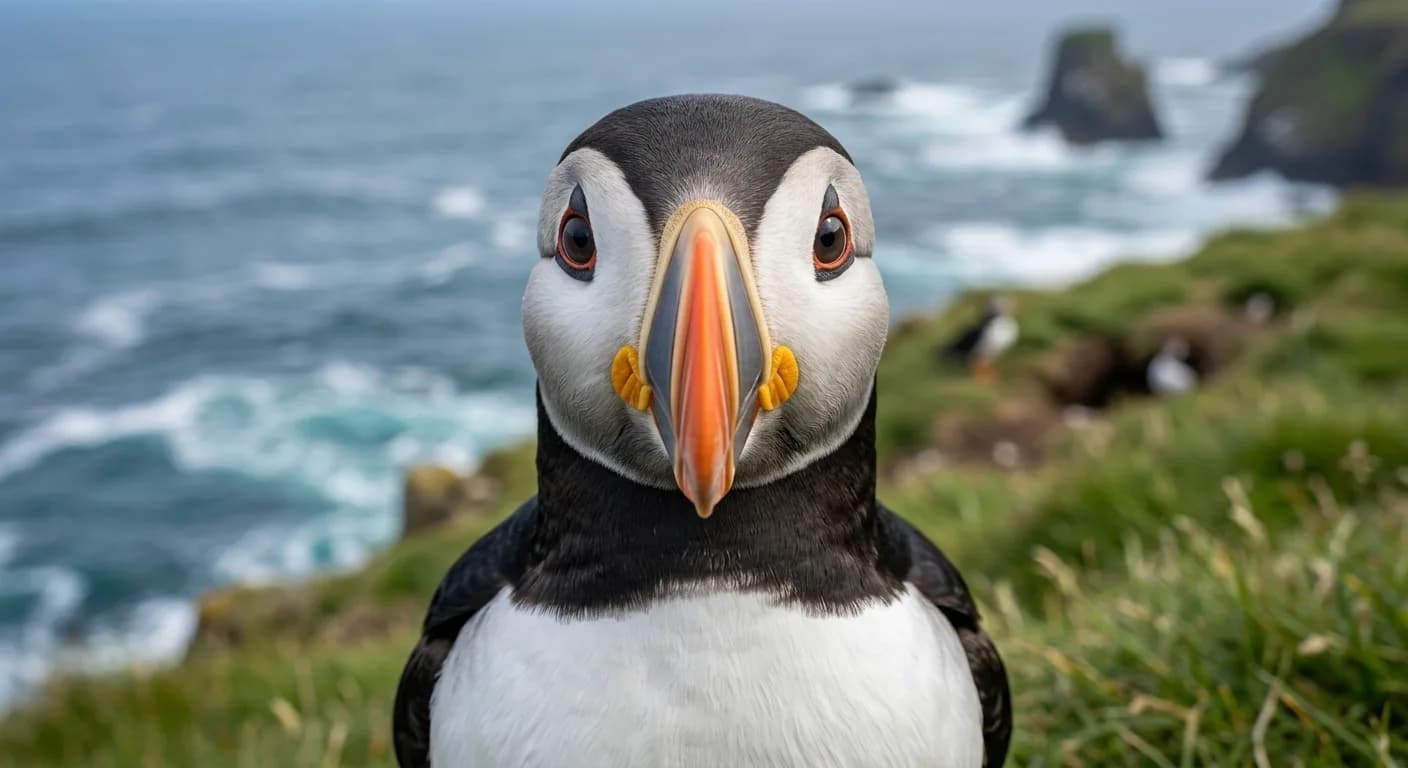
Atlantic Puffin
Fratercula arctica
 Vulnerable
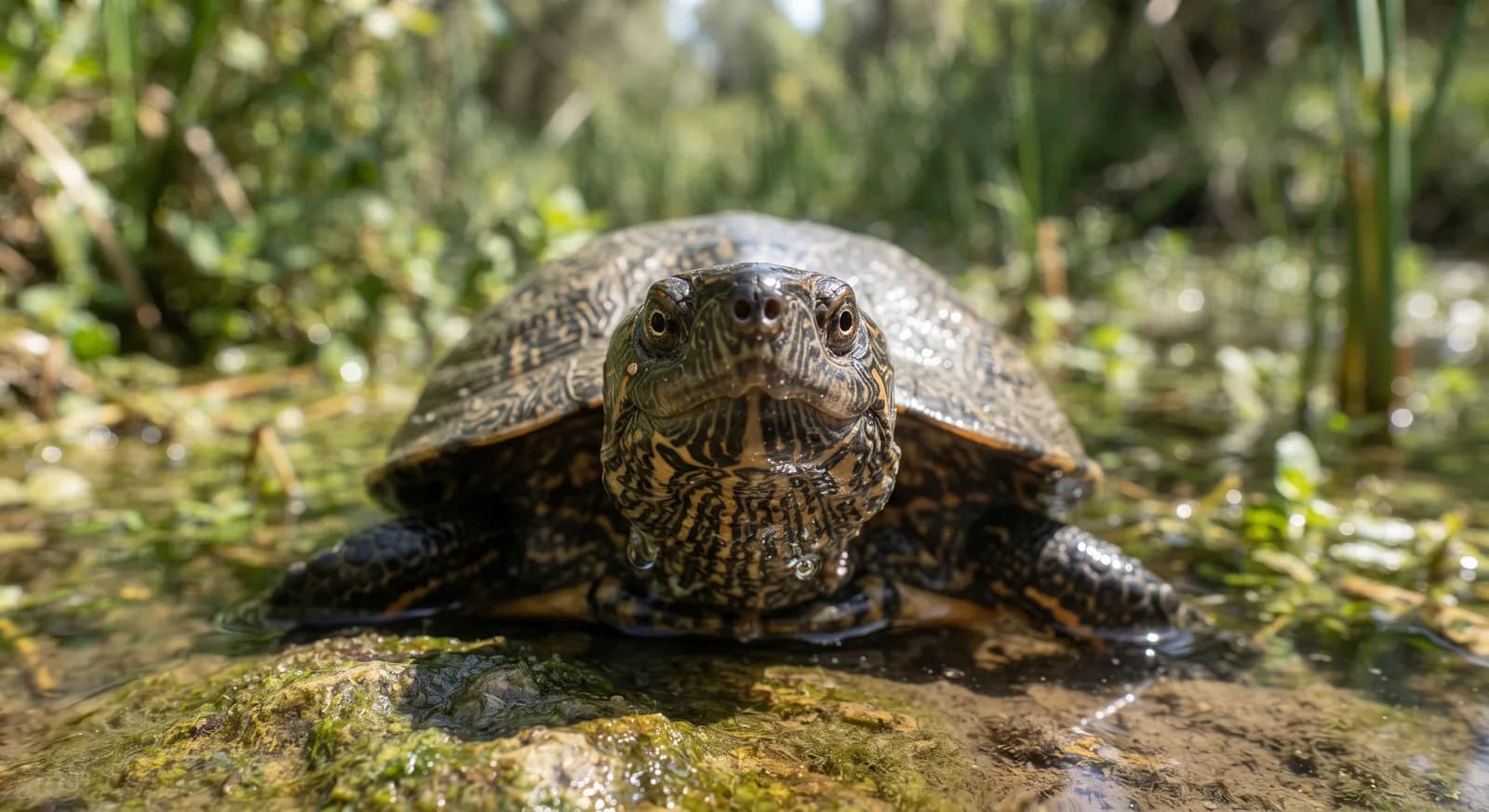
Spanish Terrapin
Mauremys leprosa
 Vulnerable
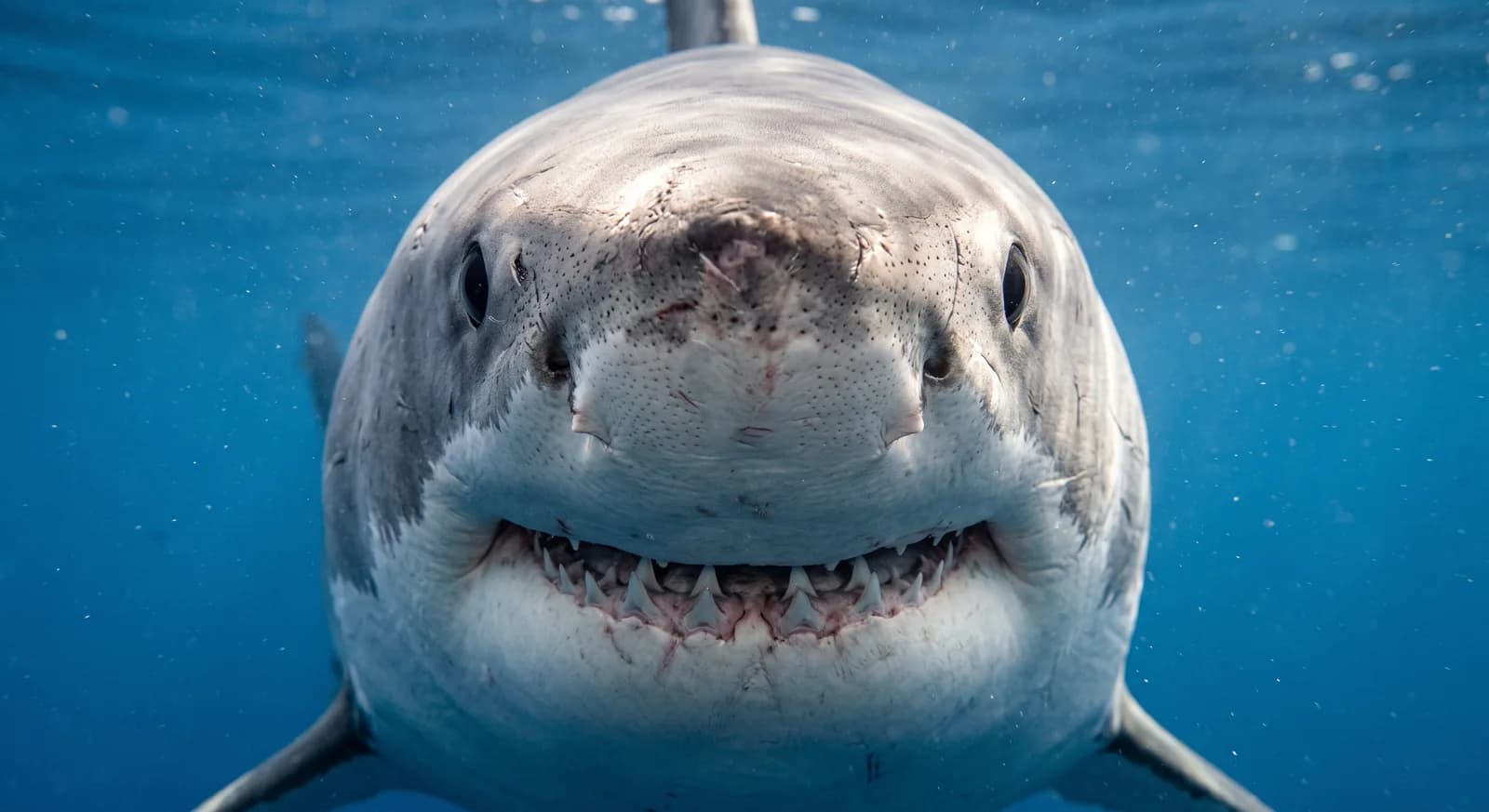
Great White Shark
Carcharodon carcharias
 Vulnerable
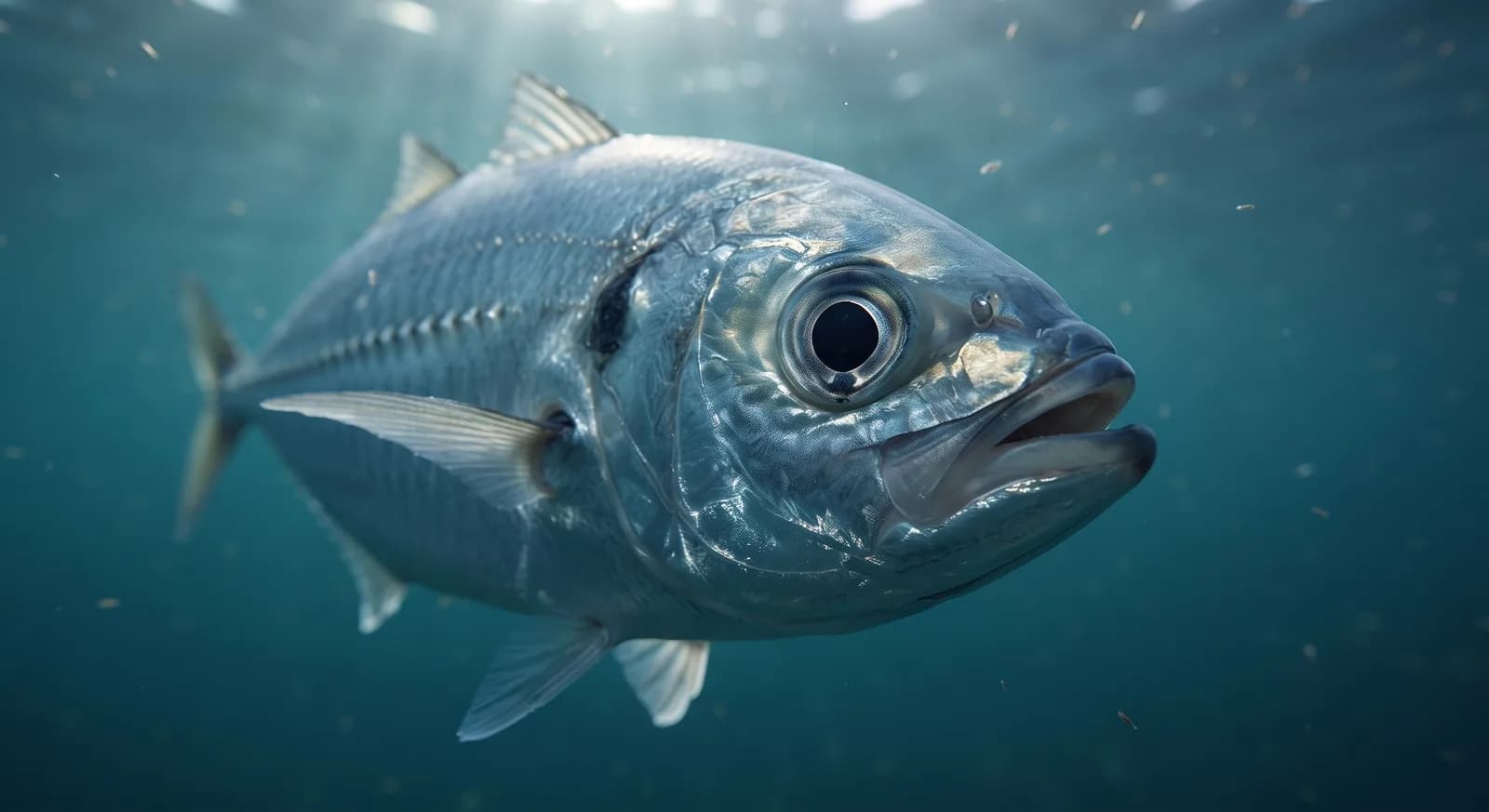
Horse Mackerel
Trachurus trachurus
 Vulnerable
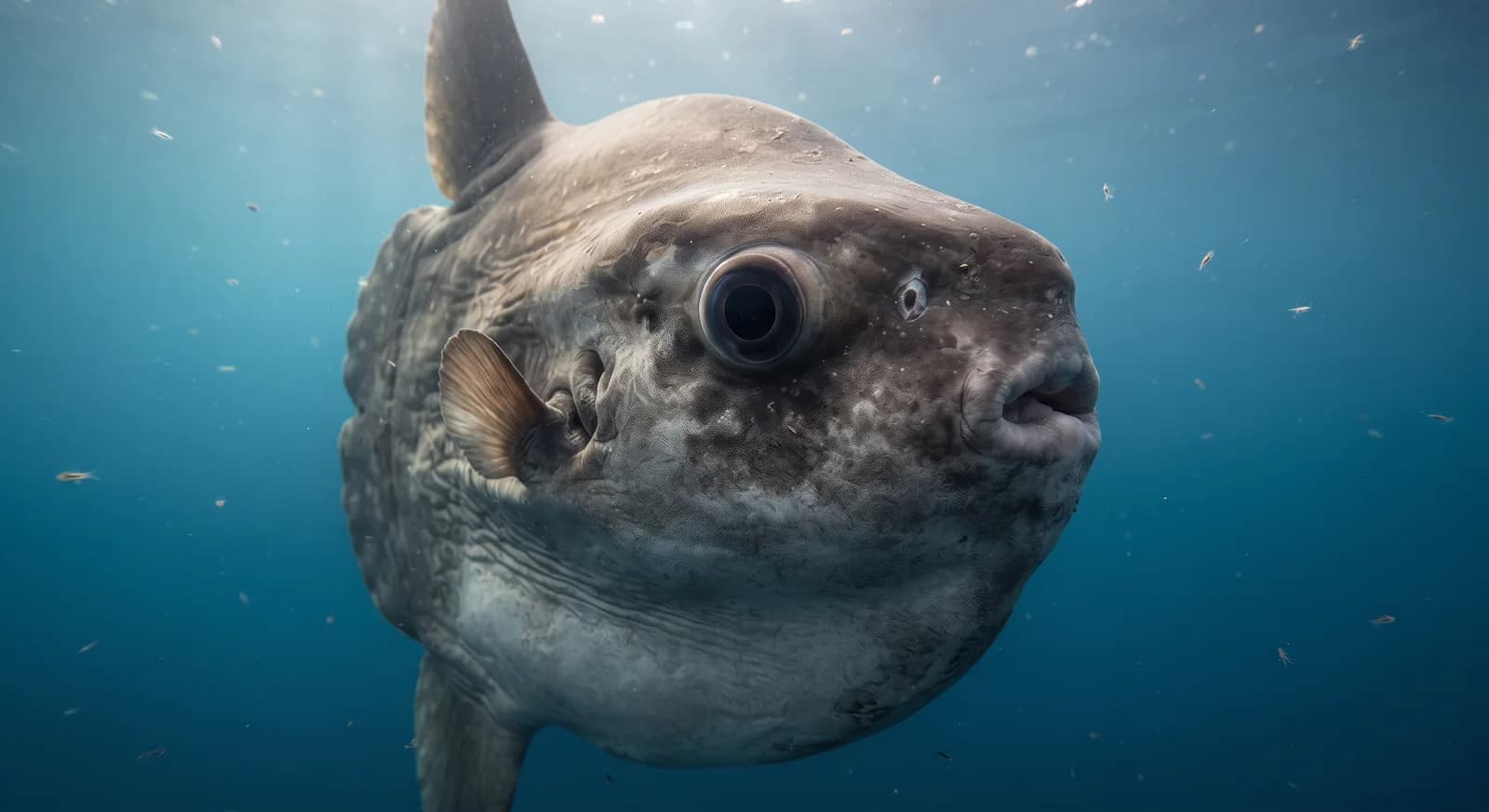
Ocean Sunfish
Mola mola
 Vulnerable
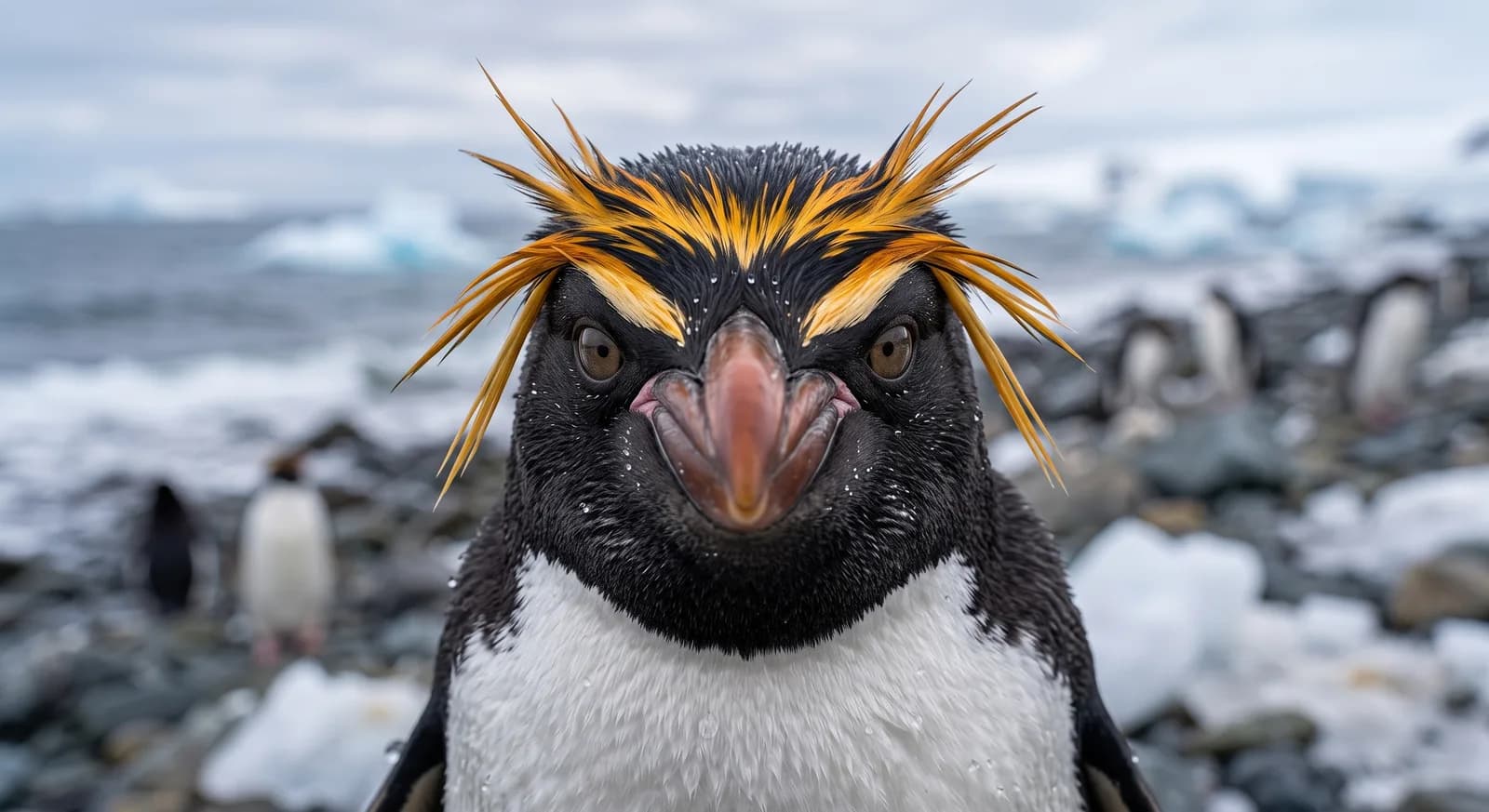
Macaroni Penguin
Eudyptes chrysolophus
 Vulnerable
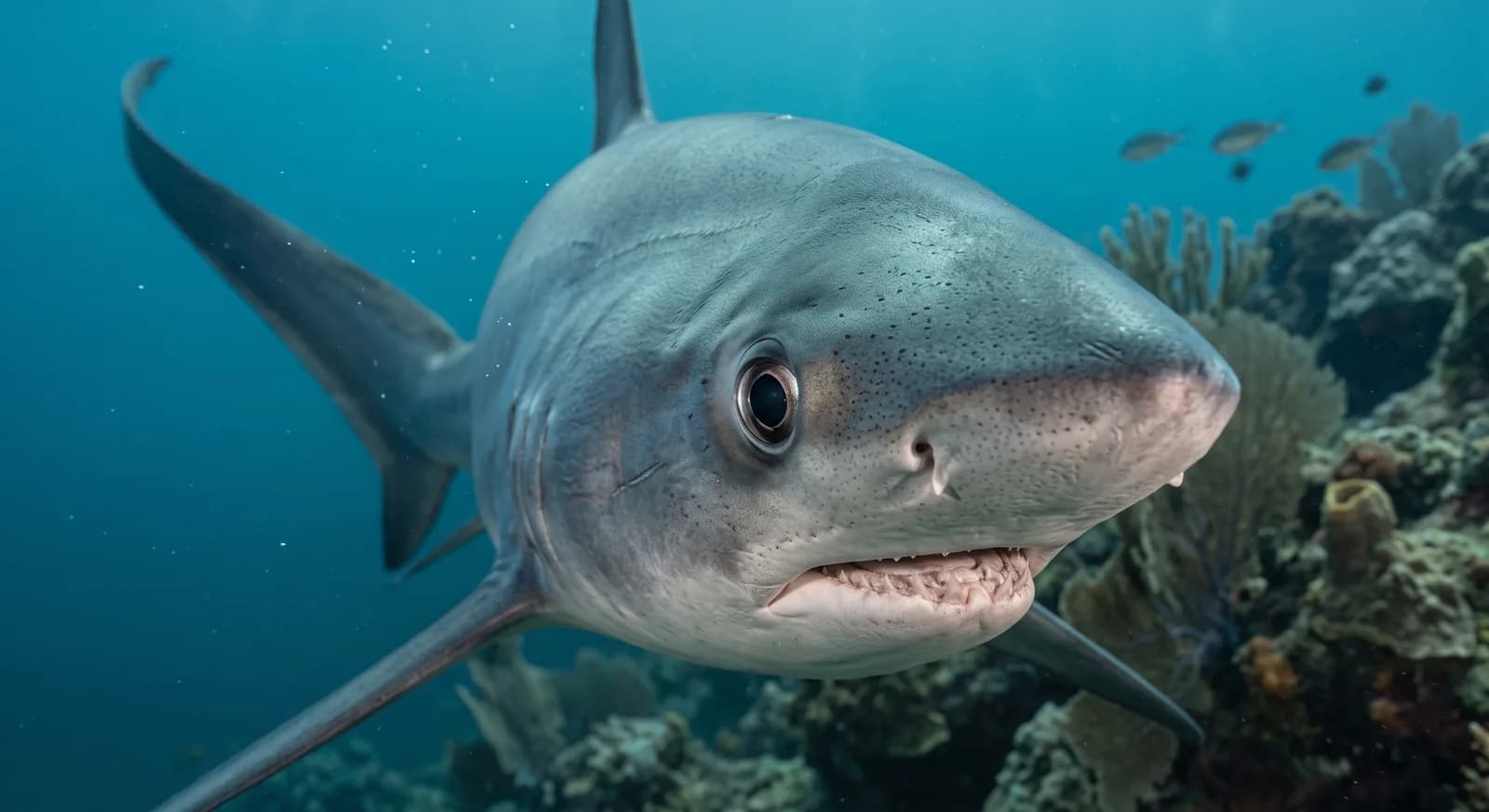
Grayfish
Alopias vulpinus
 Vulnerable
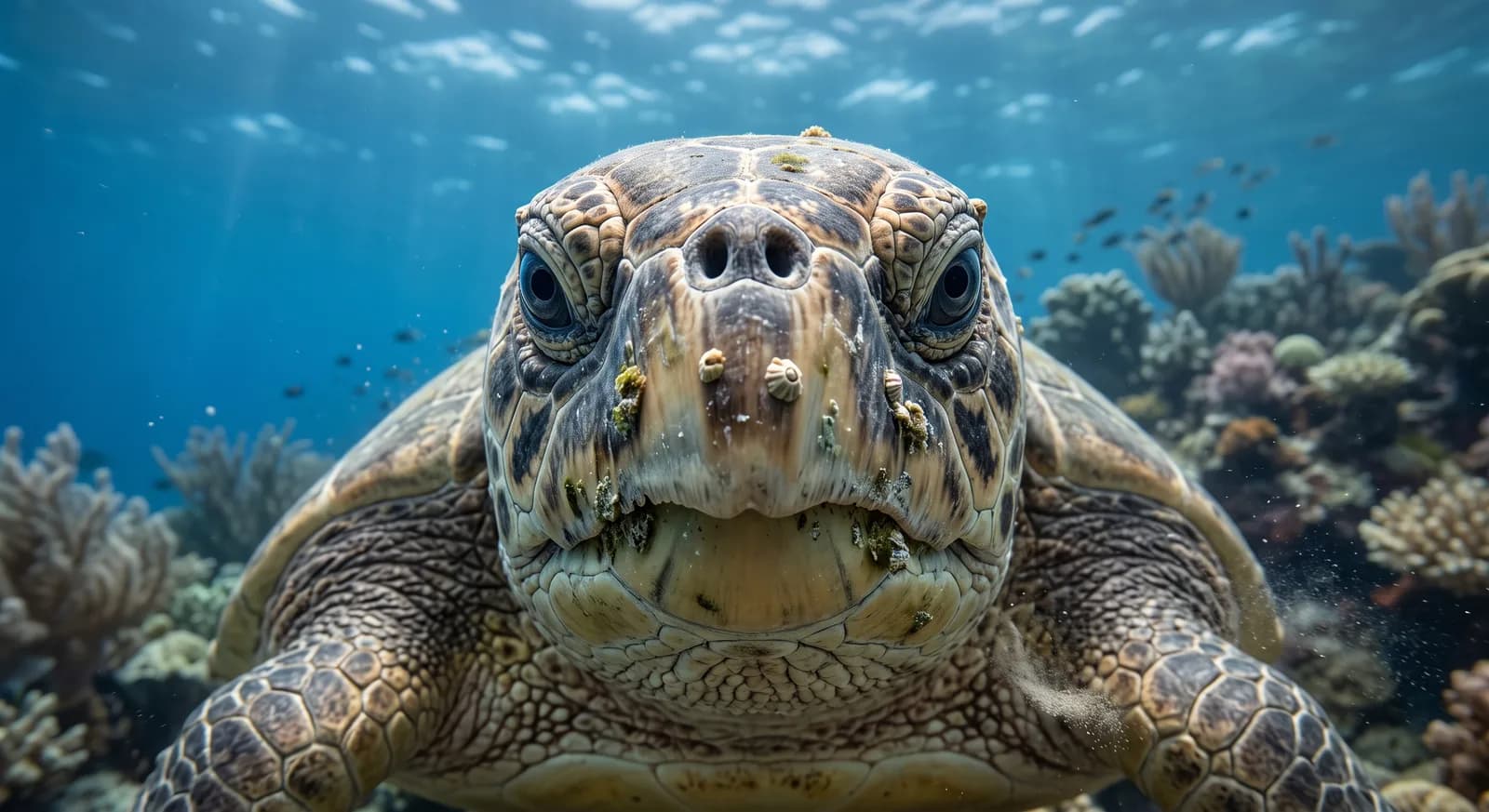
Loggerhead Turtle
Caretta caretta
Keep exploring
Based on what we already know about France.