Skip to content
WAnimals
  • Map
  • Species
  • Parks
  • Diving
Log inCreate account
WAnimals

The guide for travellers and animal lovers: discover, plan and share your wild adventures around the world.

Discover wildlife

  • Species
  • Ecosystems
  • Glossary
  • Tags

Explore places

  • Map
  • Countries
  • Parks
  • Diving

Plan experiences

  • Guides

Learn

  • Blog

Resources

  • About us
  • How we build our profiles
  • Help centre
  • Contact
  • Install the app

Follow us

Account

  • Log in
  • Create account

© 2026 WAnimals. All rights reserved.

Terms of servicePrivacyCookiesLegal notice
MapSpeciesParksDiving
  1. Home
  2. Species
  3. Common Limpet

One of the 2 limpets on WAnimals

Gastropods · Patellogastropoda · Patellidae

Common Limpet

Patella vulgata

Not Evaluated

It has not yet been assessed against the IUCN criteria.

Spotted something wrong?

Patella vulgata, colloquially known as the common limpet, is a marine gastropod mollusc of the family Patellidae, a typical limpet. It is endemic to the seas of western Europe.

Size

2 cm – 7 cm

Life expectancy

15 years

Diet

Herbivore

Feeds mainly on plants.

Social structure

Solitary

Lives and hunts alone, joining others only to breed.

Ocean
18countries26parks17dive sites

Fun facts

  • Its radular teeth, reinforced with goethite fibres, are the strongest biological material in tension ever measured, ahead of spider silk.
  • It practises homing: it wears a scar into the rock that matches the rim of its shell exactly, and always returns to the same spot after feeding.
  • By grazing it stops algae from colonising the rock, which shapes the whole intertidal community.
  • It always returns to its spot. Each limpet has a home scar of its own, a depression it wears into the rock itself that fits the edge of its shell exactly; it goes out to graze at high tide and returns to that precise point by following its own mucus trail.
  • That perfect fit is what lets it seal the shell against the rock and avoid drying out through hours of low tide.
  • Its teeth are the strongest biological material known. A 2015 study measured a tensile strength of between 3 and 6.5 gigapascals in the teeth of its radula, higher than spider silk and comparable to the best carbon fibres. They are made of goethite nanofibres embedded in chitin.
  • With them it scrapes microscopic algae straight off the stone, wearing the rock away in the process: limpet grazing is a measurable agent of erosion on rocky coasts.
  • It changes sex: it matures as a male, and a proportion of individuals become female with age.
  • It can live twenty years on the same rock.

Life cycle and biology

Skeleton type
Invertebrate - external calcareous shell (mollusc)
Habitat and environment
Intertidal rocks of the north-eastern Atlantic

Sources consulted: Wikipedia (es): Patella vulgata

Where to find it

Loading map…

Where to see it

Parks and dive sites where this species has been documented — showing 20 of 43.

Related species

Other species in the catalogue with the most in common with Common Limpet — same habitat, park, country, tags or family.

Shares a park
Shares a park
Shares a park
Shares a park
Shares a park
Shares a park

Keep exploring

Based on what we already know about common limpet.

Share an experience, a fun fact or a tip for seeing the common limpet.
See full glossary
This page in other languages: Español · Deutsch · Français · Português · Italiano

The pins mark the parks and dive sites where its presence is documented.
See its range on the interactive map→
Doñana National ParkSpain
TeideSpain
GarajonaySpain
TimanfayaSpain
Pembrokeshire CoastUnited Kingdom
NorthumberlandUnited Kingdom
Cíes IslandsSpain
Ria FormosaPortugal
KosterhavetSweden
Caldera de TaburienteSpain
Scapa FlowUnited Kingdom
Farne IslandsUnited Kingdom
Lofoten (orcas)Norway
SaltstraumenNorway
Berlengas IslandsPortugal
St AbbsUnited Kingdom
Malin HeadIreland
Strýtan (hydrothermal chimney)Iceland
Cíes IslandsSpain
SesimbraPortugal
See all 26 parks
See all 17 dive sites
Not Evaluated

Common Periwinkle

Littorina littorea

Not Evaluated

Purple Dye Murex

Bolinus brandaris

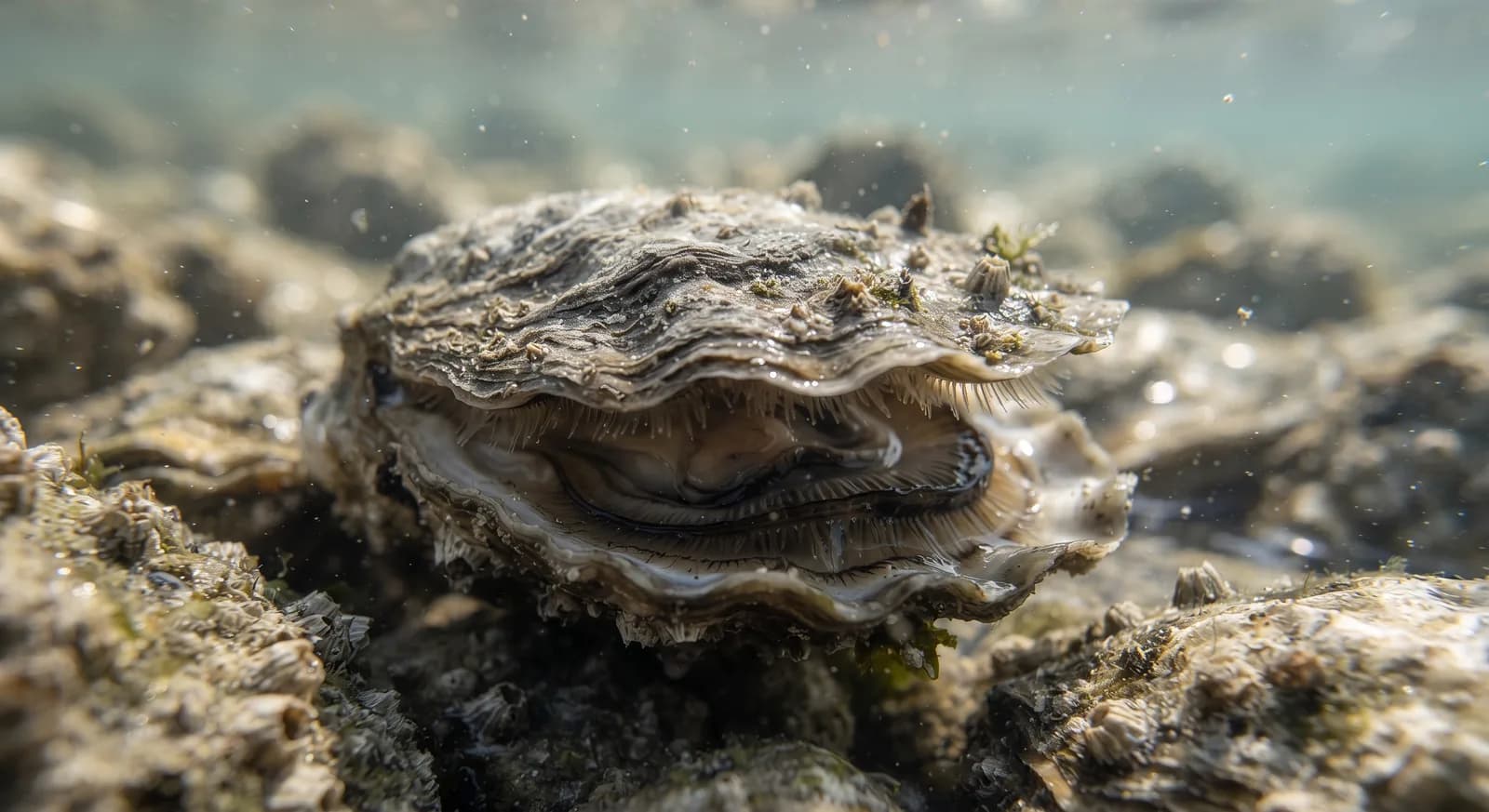
Common OysterNot Evaluated

Common Oyster

Ostrea edulis

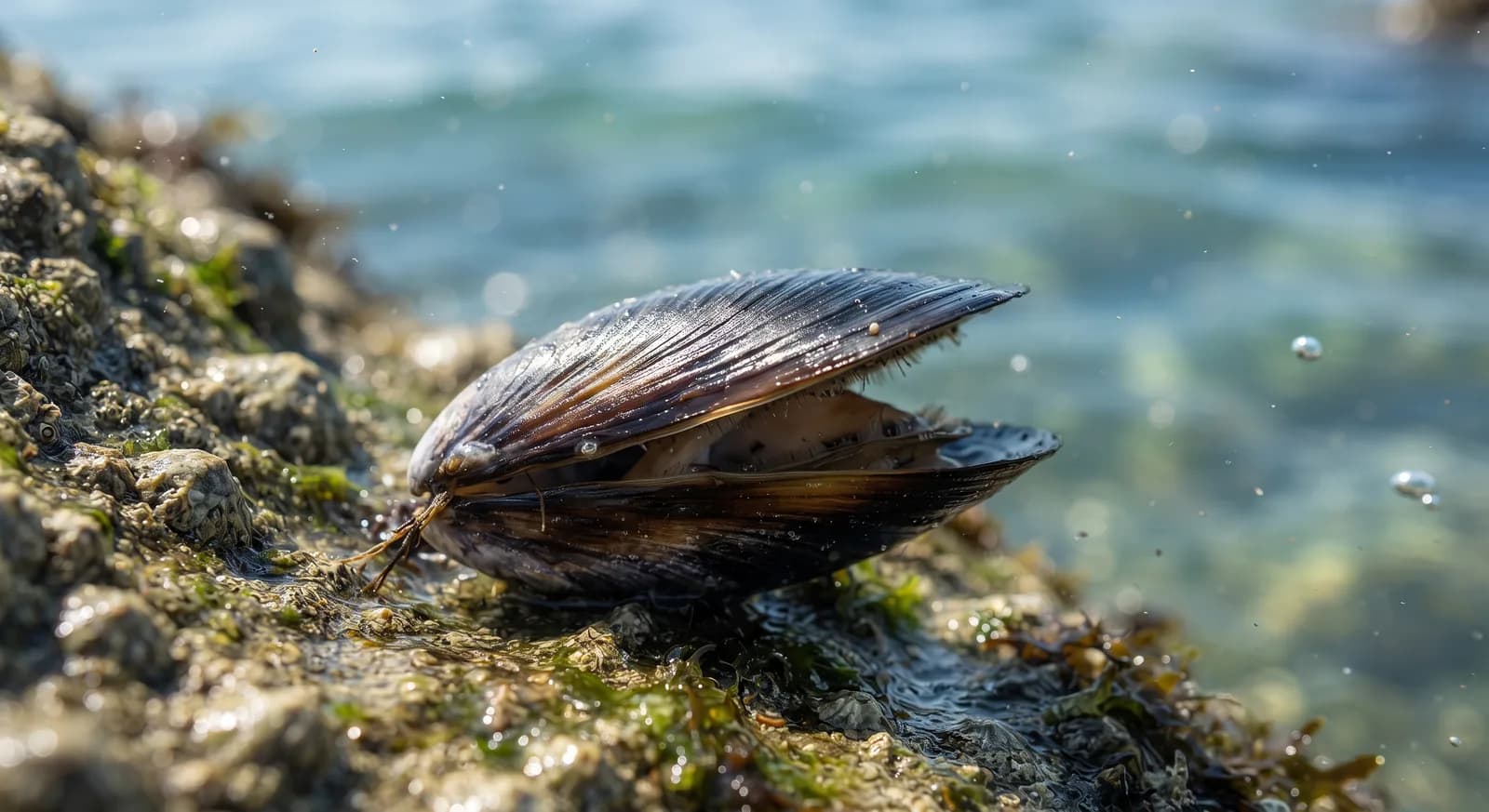
Blue MusselNot Evaluated

Blue Mussel

Mytilus edulis

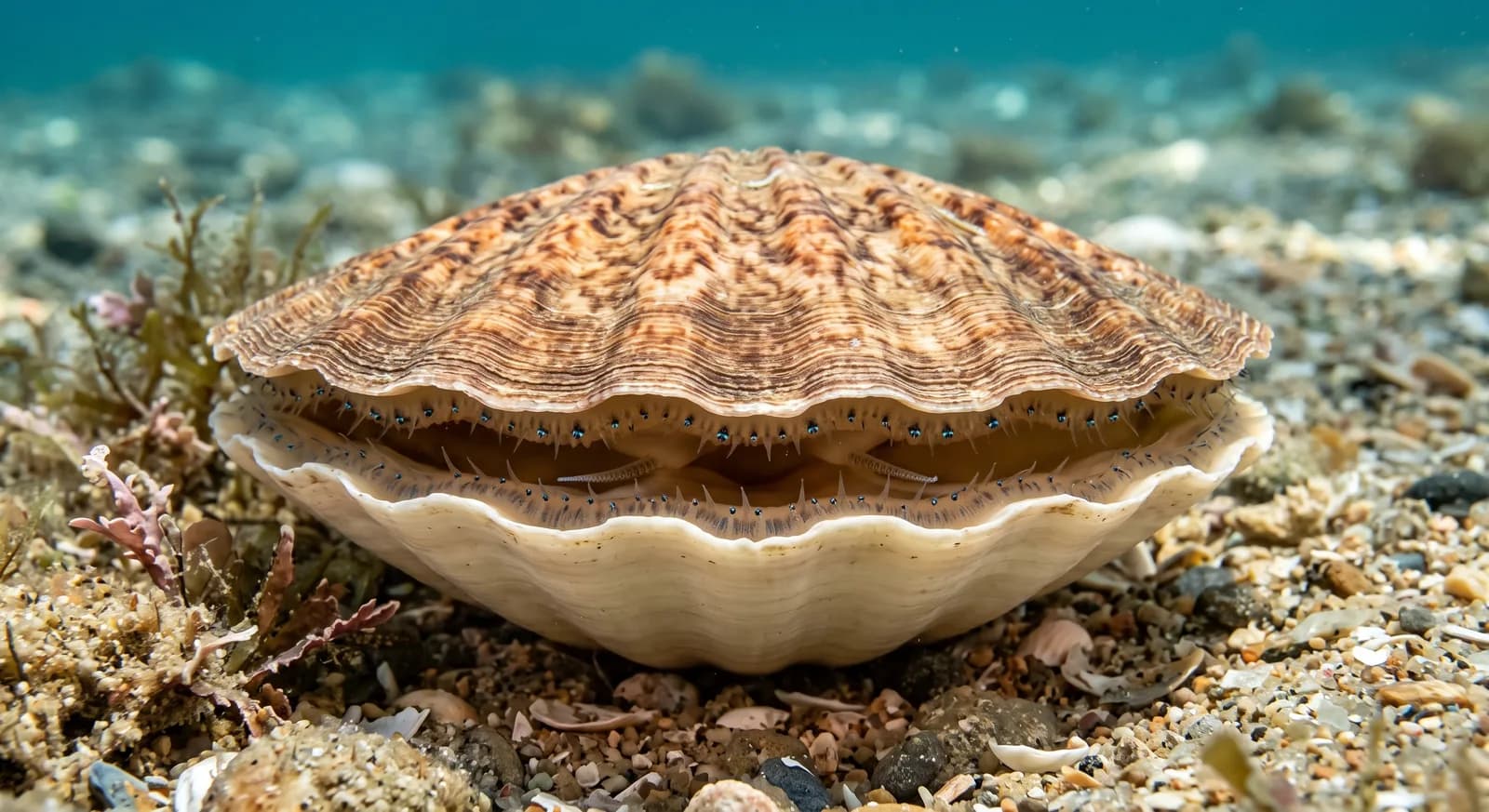
Great ScallopNot Evaluated

Great Scallop

Pecten maximus

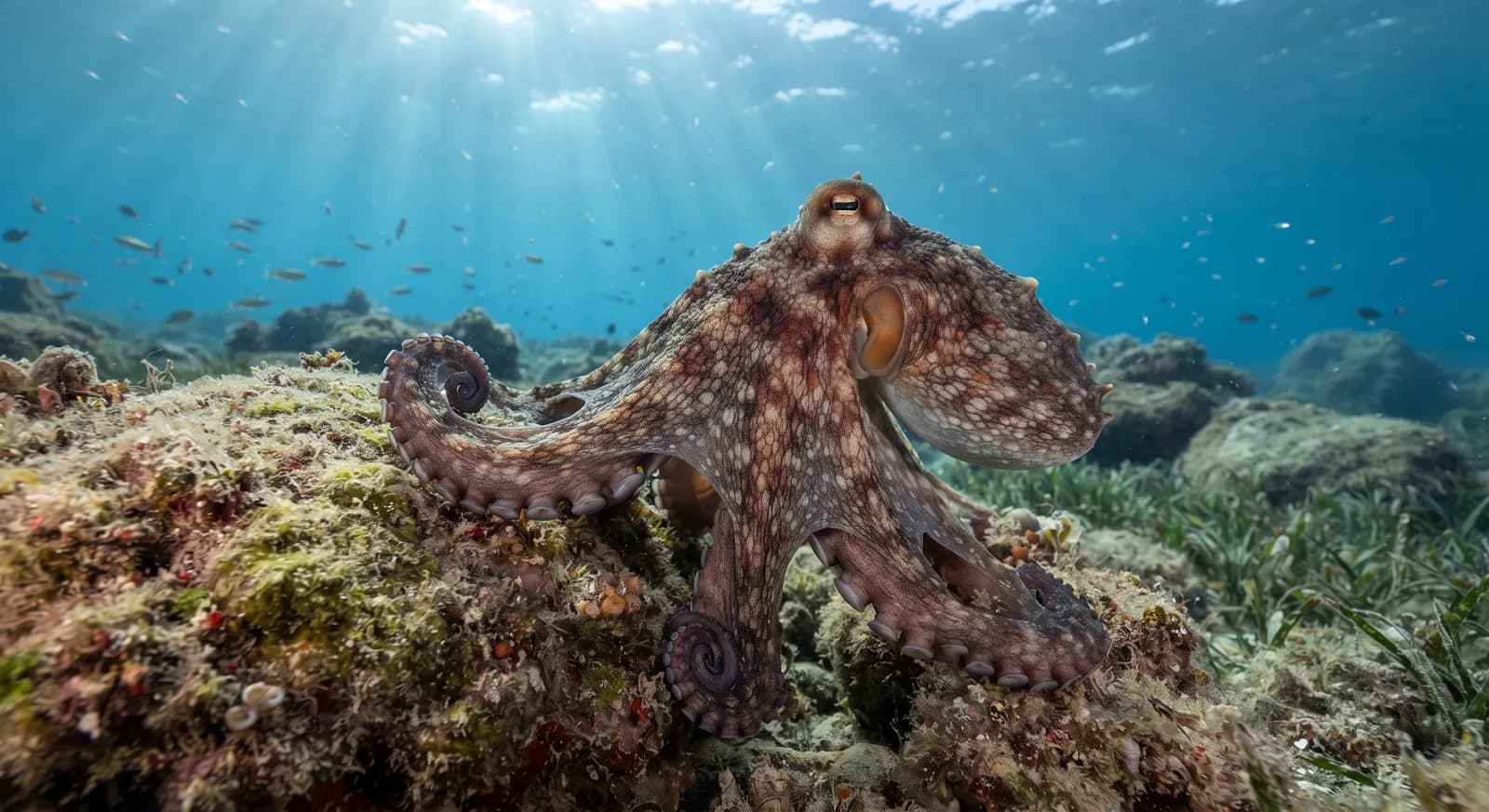
Common OctopusNot Evaluated

Common Octopus

Octopus vulgaris

CountriesUnited Kingdom
ParksDoñana National ParkSpain
TagsHerbivore
Herbivore
Solitary
Ocean
Mollusc

Europe16

Africa2

United Kingdom
Spain
Portugal
Ireland
Norway
Denmark
Belgium
Denmark
Estonia
France
Germany
Iceland
Ireland
Latvia
Lithuania
Netherlands
Norway
Poland
Portugal
Spain
Sweden
United Kingdom
Mauritania
Morocco