Species group · Birds
Ringed Plovers
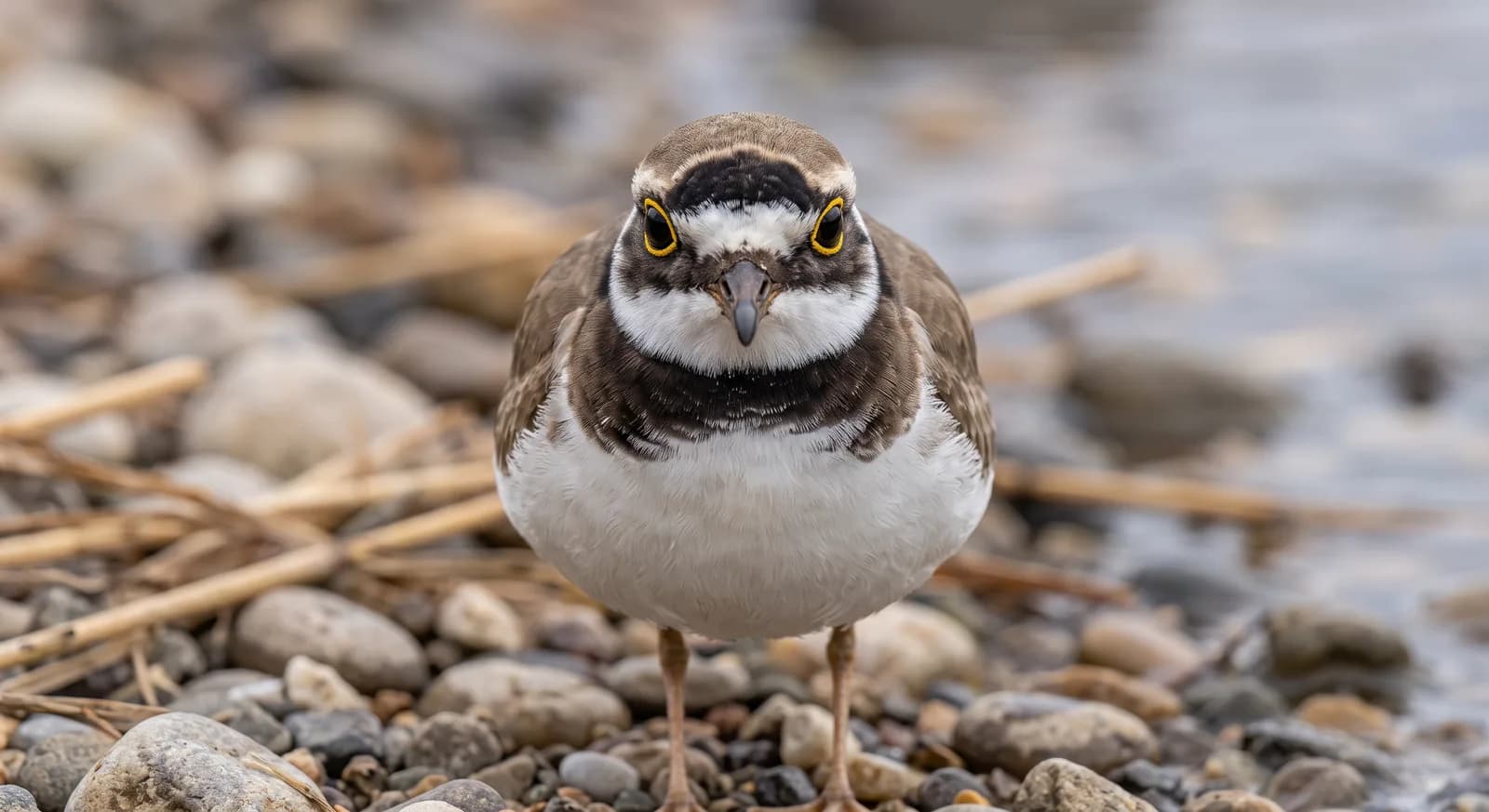
WAnimals has 3 species of ringed plover, in the family Charadriidae.
- 3 species
- 1 family
- 114 countries
- 239 parks
- Weight
- 32 g – 64 g
- Length
- 15 cm – 20 cm
- Lifespan
- 3 – 10 years
Ranges calculated from the profiles that record the figure, not from all 3.
All 3 species of ringed plovers on WAnimals
Each one has its own full profile. This group does not replace them: it brings them together.

Conservation status
3 Least Concern
No species documented in this group is genuinely at risk according to the IUCN, with the data available today.
Where they live
Recorded in 114 countries. The ones with the most species in the group:
Where to see them
Did you know…?
It breeds on the sand of busy tourist beaches, which threatens the species in Spain.
From Kentish Plover
It nests straight onto sandy beaches, hiding its eggs among pebbles and shells, which leaves it very vulnerable to people on a busy coast.
From Kentish Plover
Its nest is a scrape in the sand decorated with small shells and pebbles, and the eggs are so well camouflaged that the main cause of loss on tourist beaches is accidental treading, not predation.
From Kentish Plover
It feigns a broken wing to draw predators away from the nest.
From Little Ringed Plover
Faced with an intruder, the adults feign a broken wing: they hop on one leg, lie down on the ground with one wing outstretched and beat their wings against the ground to draw it away from the nest.
From Little Ringed Plover
Its specific epithet, dubius, means doubtful: it was given because of the controversy its classification generated.
From Little Ringed Plover
It arranges its eggs with the narrow end pointing to the centre of the nest.
From Common Ringed Plover
It waits until the last egg is laid before incubating, so they all hatch together.
From