 Not Evaluated
Carolina Sphinx
Manduca sexta
44 countries70 parks
Species group · Insects
WAnimals has 4 species of hawk-moth, spread across 2 families (Sphingidae, Zygaenidae).
Ranges calculated from the profiles that record the figure, not from all 4.
Each one has its own full profile. This group does not replace them: it brings them together.
No species documented in this group is genuinely at risk according to the IUCN, with the data available today.
Recorded in 112 countries. The ones with the most species in the group:
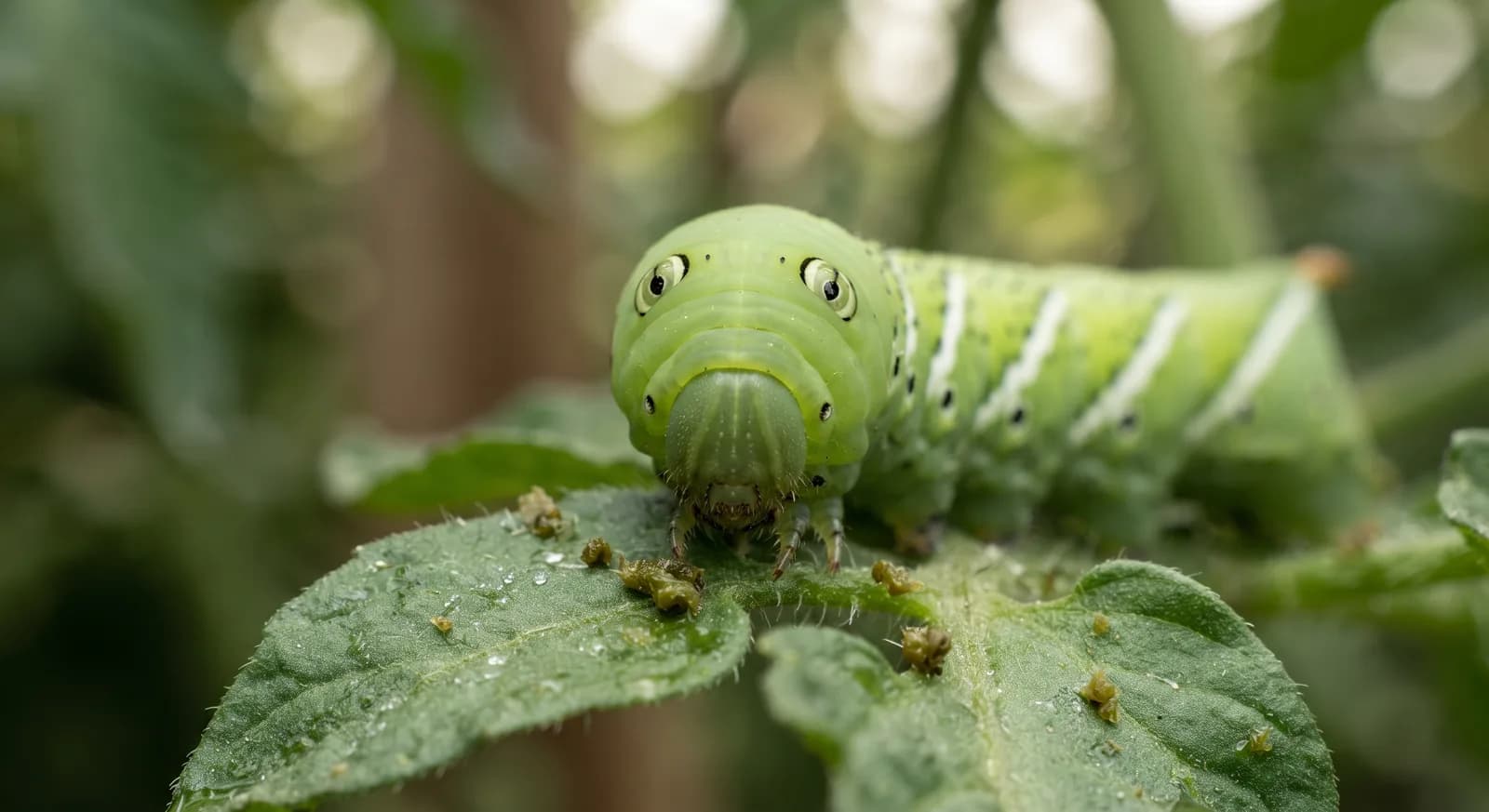
It is one of the classic model organisms in insect physiology: its size makes it easy to dissect and instrument, and many aspects of insect metamorphosis, flight and nervous system were first studied in it.
From
Its caterpillar sequesters the nicotine from tobacco and exhales it through lateral pores, which drives off the wolf spiders that would prey on it: a literal case of defensive bad breath.
From
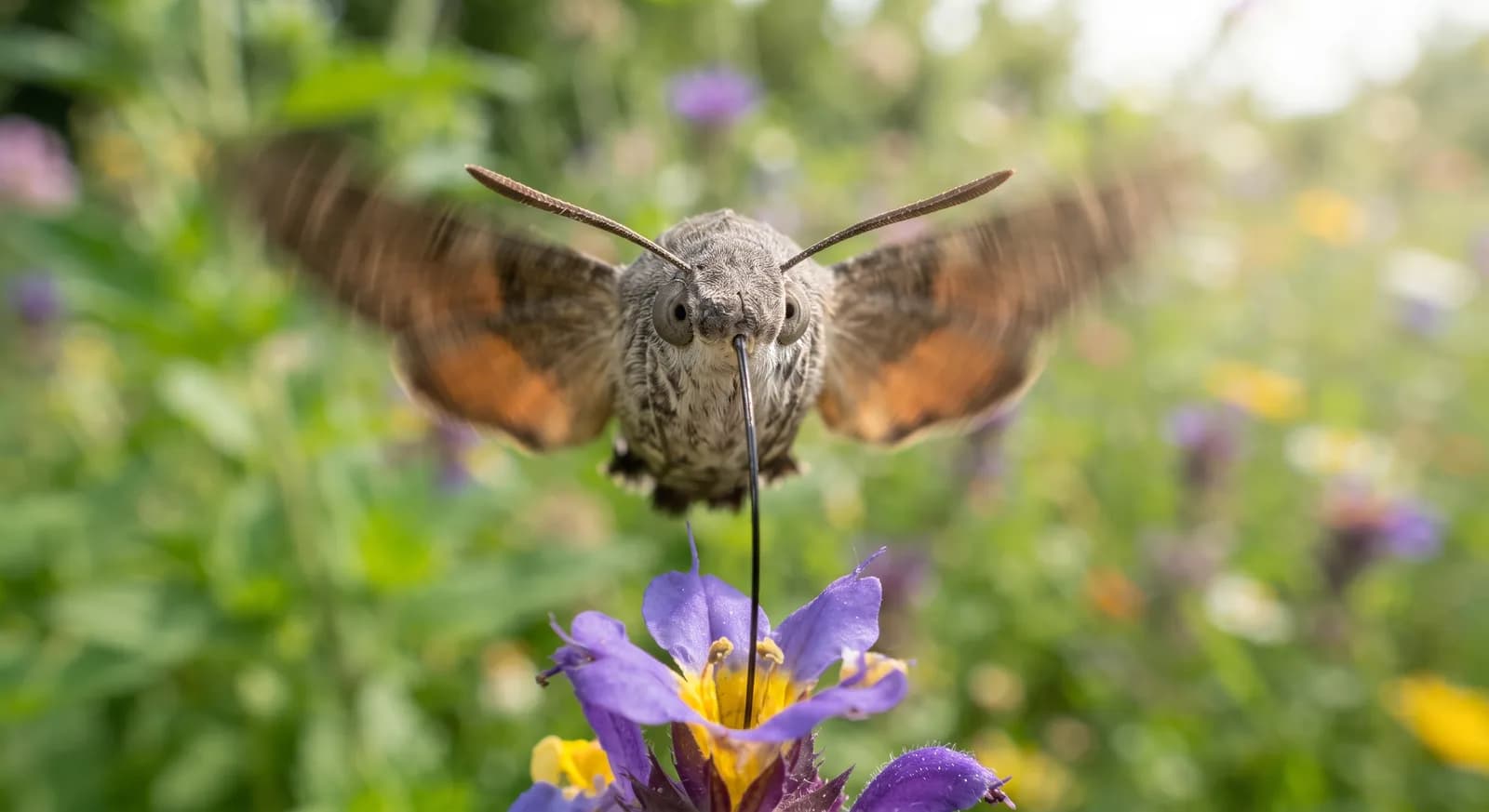
The adults feed while hovering and pollinate long-tubed night-flowering plants, with which they have coevolved.
From
It remembers the position of the flowers it has already visited and returns to the same plants at the same time on successive days, a spatial memory remarkable for an insect.
From
It is migratory: every spring whole populations cross from southern Europe and North Africa towards the centre and north of the continent.
From
Its resemblance to a hummingbird is a case of convergent evolution: two entirely unrelated lineages have arrived at the same solution for feeding while hovering.
From
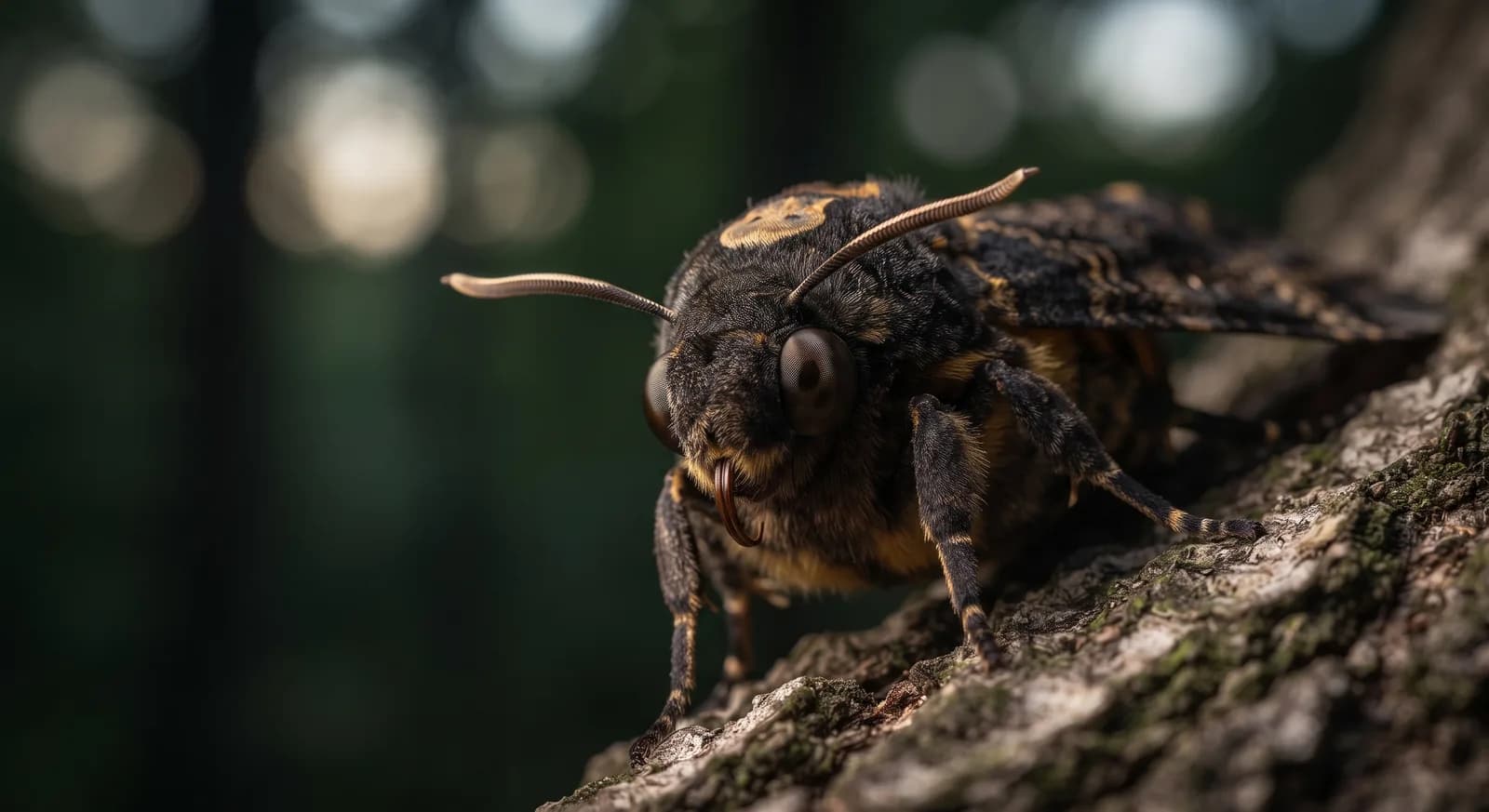
It can produce an audible squeak by forcing air out through its proboscis, something unique among butterflies and moths.
·
From
It enters hives to steal honey: it mimics the chemical make-up of the bees' scent, so that they do not recognise it as an intruder, and its thick cuticle withstands the stings it does receive.
From