Skip to content
WAnimals
  • Map
  • Species
  • Parks
  • Diving
Log inCreate account
WAnimals

The guide for travellers and animal lovers: discover, plan and share your wild adventures around the world.

Discover wildlife

  • Species
  • Ecosystems
  • Glossary
  • Tags

Explore places

  • Map
  • Countries
  • Parks
  • Diving

Plan experiences

  • Guides

Learn

  • Blog

Resources

  • About us
  • How we build our profiles
  • Help centre
  • Contact
  • Install the app

Follow us

Account

  • Log in
  • Create account

© 2026 WAnimals. All rights reserved.

Terms of servicePrivacyCookiesLegal notice
MapSpeciesParksDiving
  1. Home
  2. Species
  3. Six-spot Burnet

One of the 4 hawk-moths on WAnimals

Insects · Lepidoptera · Zygaenidae

Six-spot Burnet

Zygaena filipendulae

Not Evaluated

It has not yet been assessed against the IUCN criteria.

Spotted something wrong?

A day-flying moth with a heavy, slow flight and metallic blue-black forewings dotted with six intense red spots. It settles unhurriedly on thistles and scabious, confident that no predator will touch it.

Size

3 cm – 4 cm

Life expectancy

2 years

Diet

Herbivore

Feeds mainly on plants.

Activity

Diurnal

Active mainly during the day.

Social structure

Solitary

Lives and hunts alone, joining others only to breed.

Grassland
40countries

Fun facts

  • It makes cyanide: it stores cyanogenic glycosides, which it obtains from its food plant and can also synthesise itself, and releases a droplet smelling of bitter almonds if it is squeezed.
  • Its red and black colouring is a classic warning, and several harmless species mimic its appearance to take advantage of that protection.
  • The female chooses a mate partly by how much cyanide the male transfers with his sperm, which she then passes on to the eggs.
  • It manufactures cyanide. It synthesises cyanogenic glucosides and stores them in its body; when attacked it releases hydrogen cyanide, which makes it toxic to almost any predator.
  • And it advertises the fact: its black wings with six bright red spots are a classic aposematic warning, and several harmless species mimic it.
  • It can obtain the cyanide in two ways: by synthesising it itself or by sequestering it from the bird's-foot trefoil it eats. It is one of the few animals capable of both.
  • The cyanide also plays a part in courtship: the male offers the female a nuptial gift loaded with these compounds, which she incorporates into her eggs to protect them.
  • It flies by day, slowly and heavily, with no need to flee from anyone: its toxicity protects it better than speed would.

Life cycle and biology

Skeleton type
Invertebrate - chitin exoskeleton (insect)
Habitat and environment
Flowery meadows, banks and grassy slopes of Europe
Sexual maturity
The male transfers cyanogenic glycosides to the female as a nuptial gift during copulation; these same substances are involved in attracting a mate
Gestation / incubation
It overwinters as a caterpillar, sometimes for two winters in a row; it pupates in early summer in a papery cocoon, elongated and tapering, yellowish white, attached to a grass stem in an exposed position
Litter / clutch size
Ovoid, glossy eggs, whitish or yellowish, darkening to grey before hatching; they are laid in groups on the underside of the leaves of the food plant

Sources consulted: Zagrobelny et al. (2007 y 2014), Insect Biochemistry and Molecular Biology · Butterfly Conservation · Ficha de especie de Zygaena filipendulae (Gianluca Doremi) · ScienceDirect (Hughes 1989) · Science Advances, How colonial animals evolve · Wikipedia, Zooid · First Nature, ficha Zygaena filipendulae · Monaco Nature Encyclopedia · Ficha de especie de Zygaena filipendulae · Bulgarialeps

Where to find it

Best time: Flies by day on hot, sunny days from June to August, in meadows, woodland clearings and coastal cliffs rich in grasses and flowers, up to 2,000 m in altitude; it feeds on knapweeds and scabious

Loading map…

Related species

Other species in the catalogue with the most in common with Six-spot Burnet — same habitat, park, country, tags or family.

Related to
Related to
Related to
Related to
Related to
Related to

Keep exploring

Based on what we already know about six-spot burnet.
Share an experience, a fun fact or a tip for seeing the six-spot burnet.
See full glossary
This page in other languages: Español · Deutsch · Français · Português · Italiano
See its range on the interactive map→
Least Concern

Common Vole

Microtus arvalis

Least Concern

Pallas's Pika

Ochotona pallasii

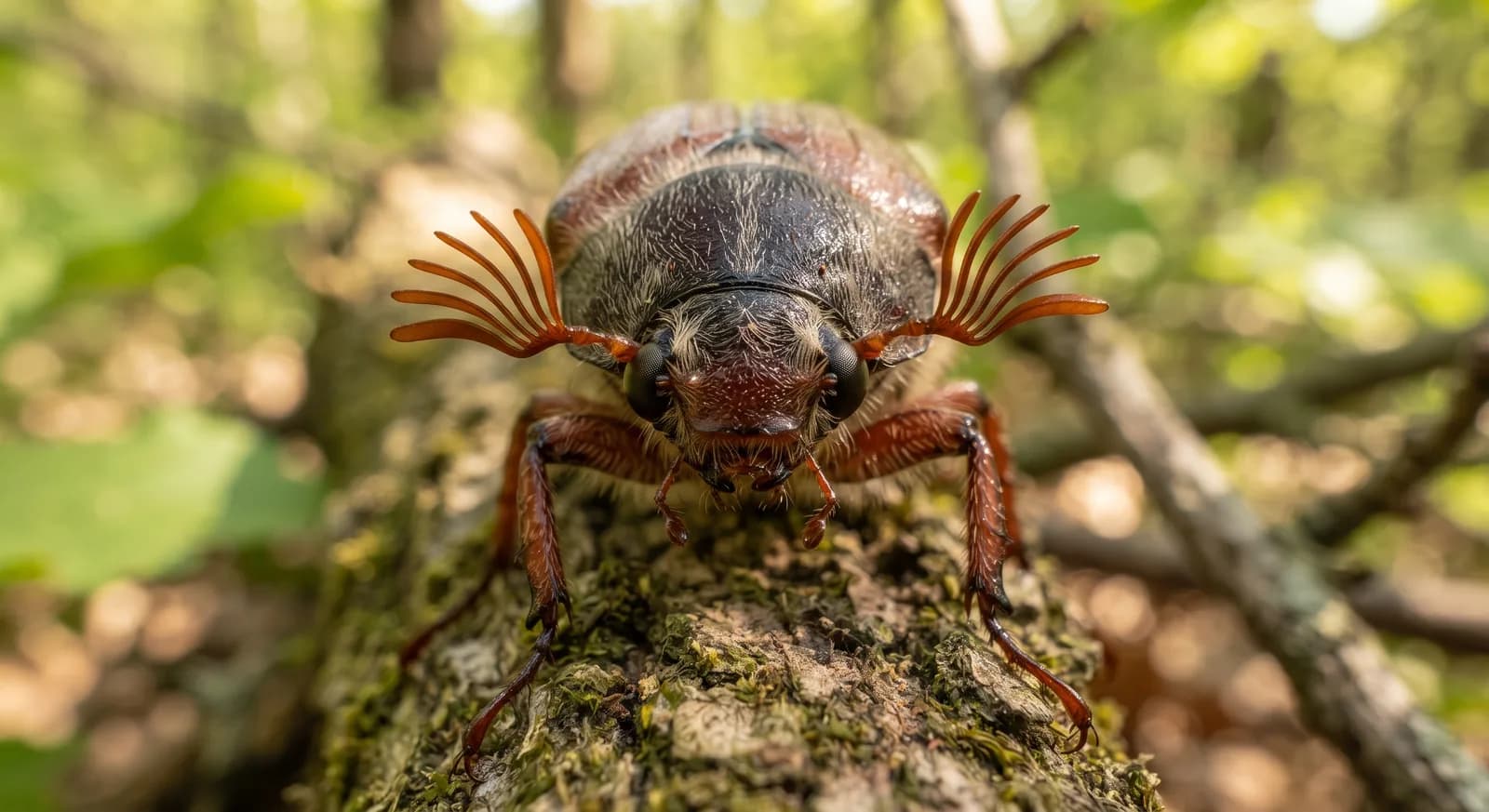
Common CockchaferNot Evaluated

Common Cockchafer

Melolontha melolontha

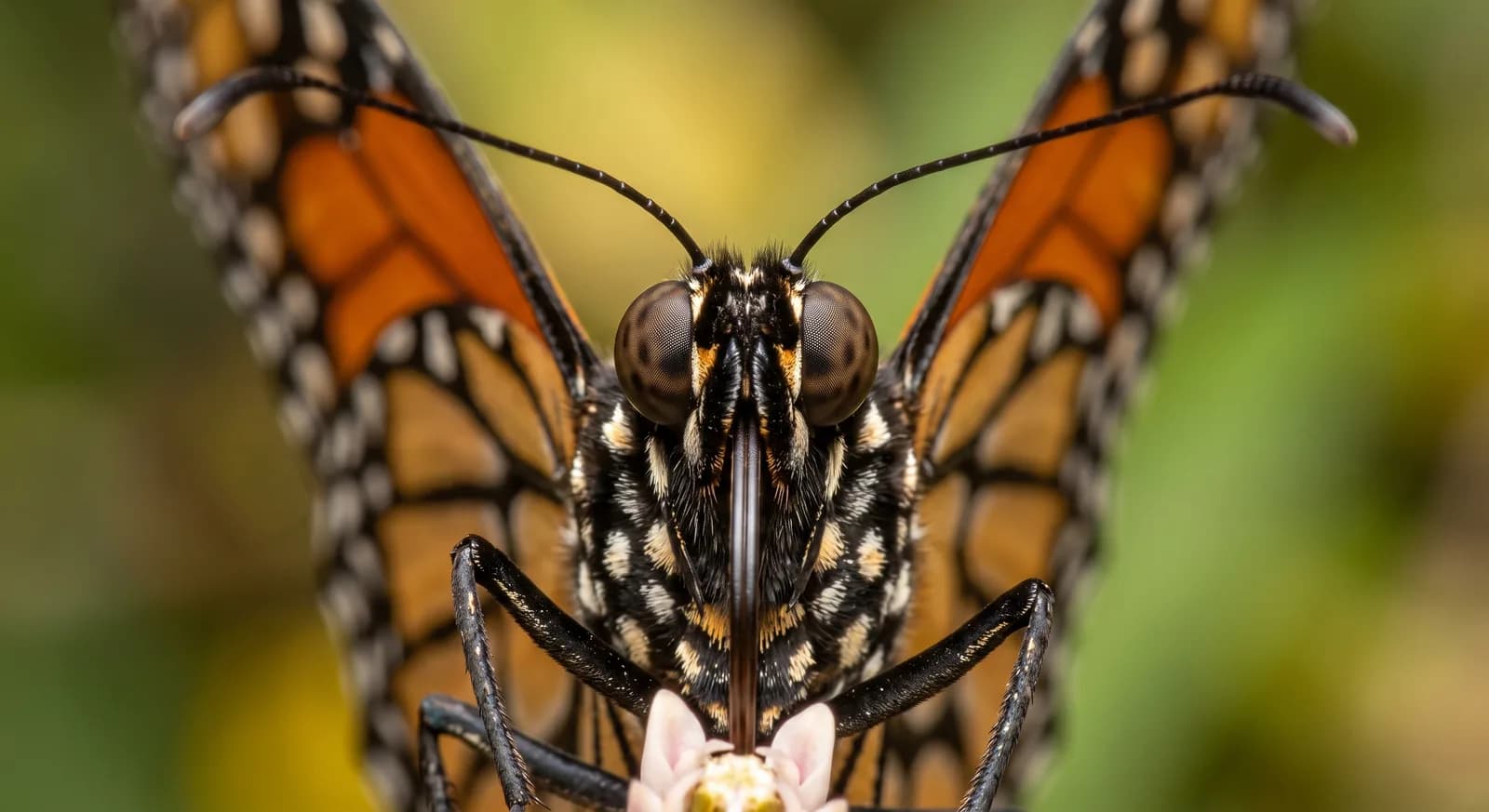
MonarchNot Evaluated

Monarch

Danaus plexippus

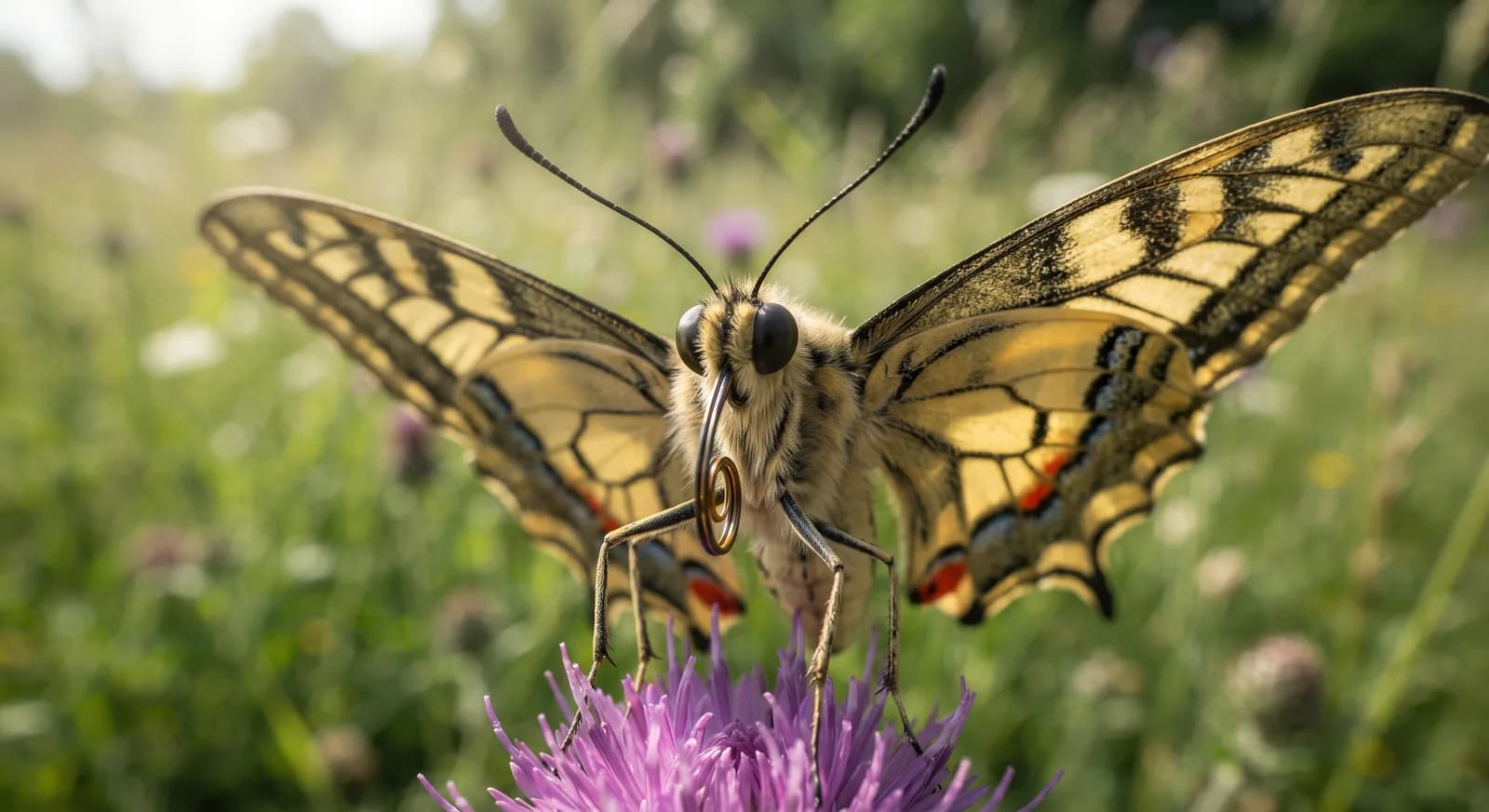
SwallowtailLeast Concern

Swallowtail

Papilio machaon

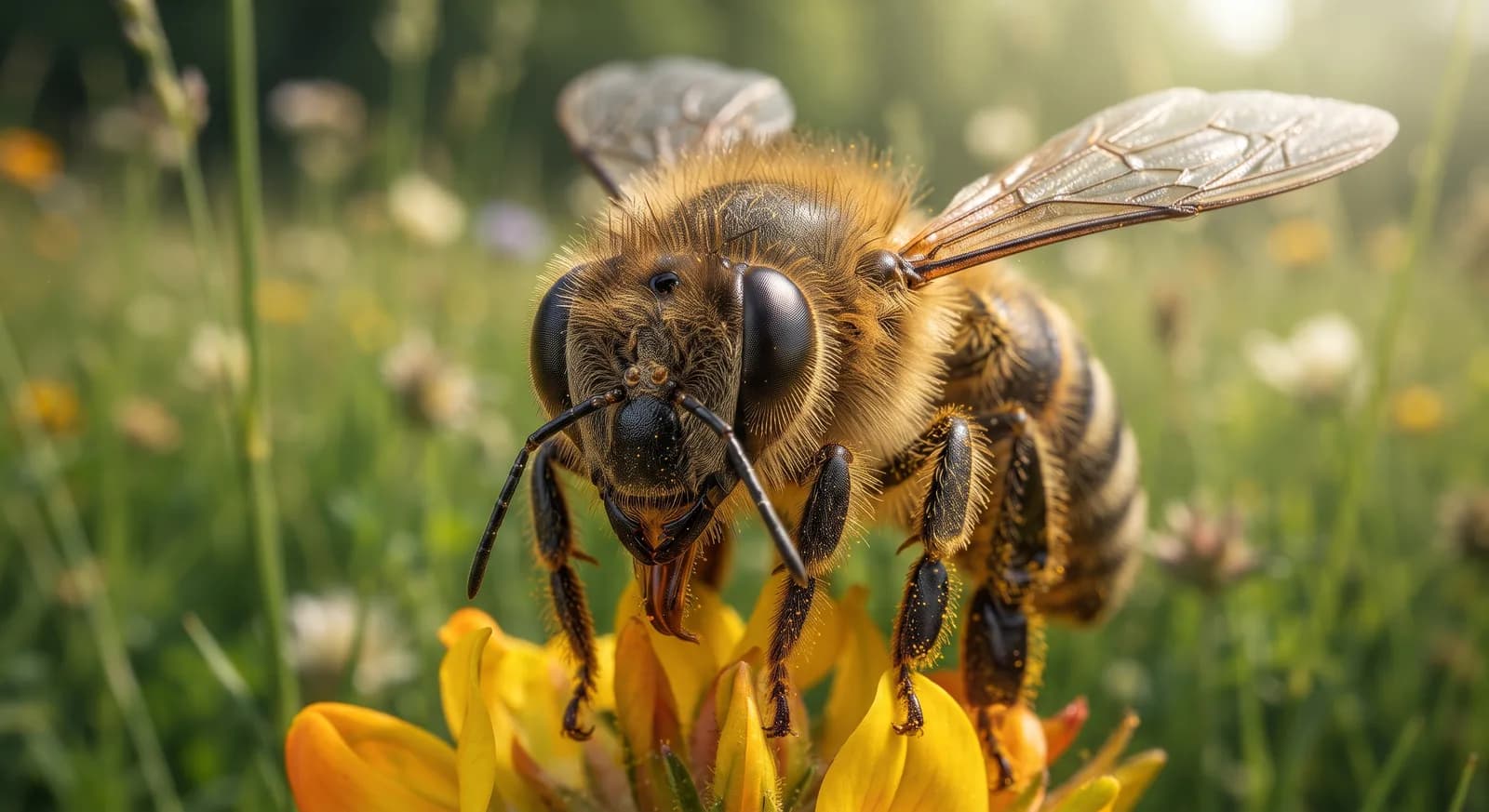
Western Honey BeeNot Evaluated

Western Honey Bee

Apis mellifera

CountriesAlbania
TagsHerbivore
Herbivore
Diurnal
Colonial
Insect
Grassland

Europe39

Asia1

Albania
Andorra
Austria
Belarus
Belgium
Bosnia and Herzegovina
Albania
Andorra
Austria
Belarus
Belgium
Bosnia and Herzegovina
Bulgaria
Croatia
Czechia
Denmark
Estonia
Finland
France
Germany
Greece
Hungary
Ireland
Italy
Latvia
Liechtenstein
Lithuania
Luxembourg
Moldova
Monaco
Montenegro
Netherlands
North Macedonia
Norway
Poland
Portugal
Romania
Serbia
Slovakia
Slovenia
Spain
Sweden
Switzerland
Ukraine
United Kingdom
Russia