 Least Concern
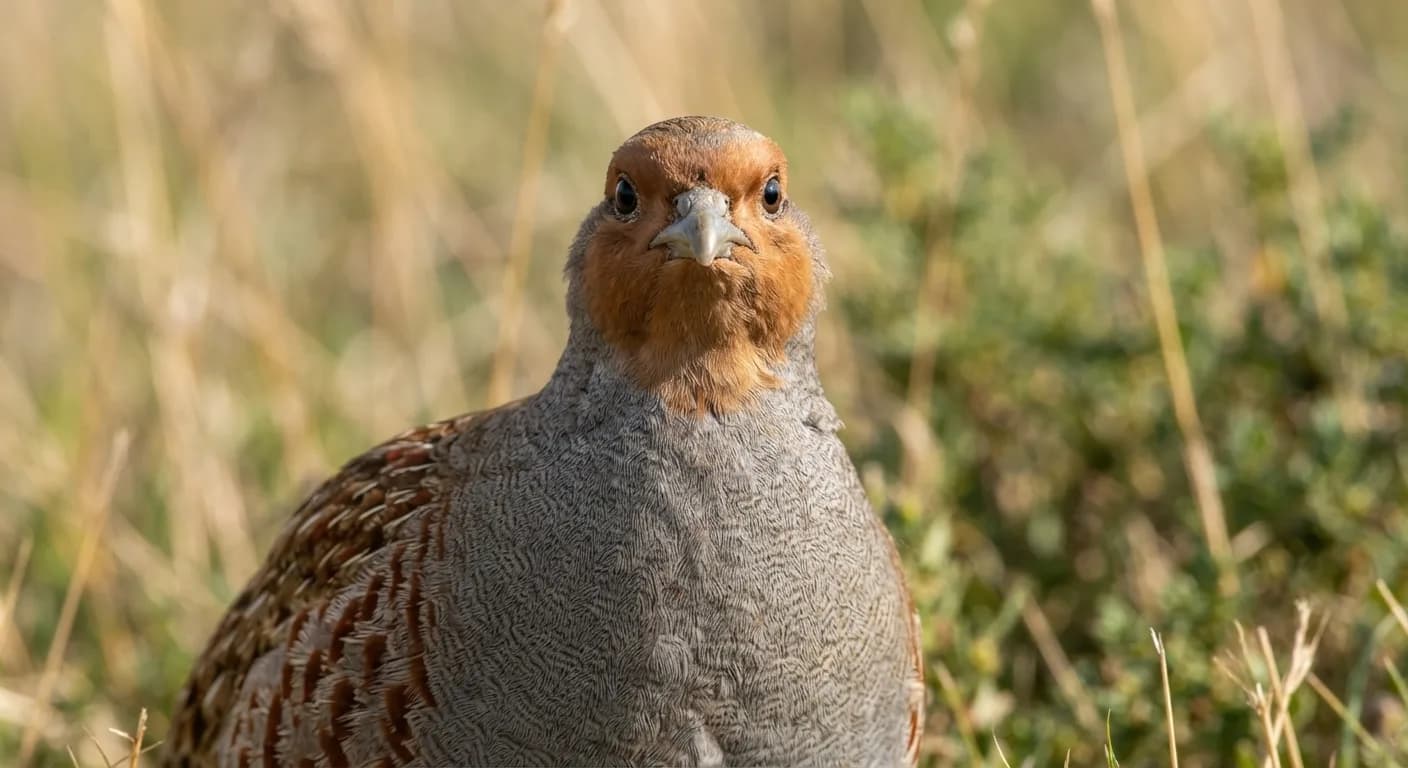
Grey Partridge
Perdix perdix
46 countries43 parks
Species group · Birds
WAnimals has 5 species of partridge, spread across 2 families (Phasianidae, Tinamidae).
Each one has its own full profile. This group does not replace them: it brings them together.
2 species in this group are in a threatened category according to the IUCN.
Recorded in 80 countries. The ones with the most species in the group:
In Iberia it survives only high in the mountains, cut off from the rest of Europe.
From
Its decline is the classic case study of the impact of intensive farming on wildlife: the chicks need insects for their first two weeks, and the herbicides that removed the weeds removed with them the insects they depended on.
From
It lays one of the largest clutches of any bird: up to twenty eggs in a single laying, a strategy suited to extremely high juvenile mortality.
From
In Spain its release for shooting has genetically contaminated the red-legged partridge: the hybrids are fertile and many Iberian populations already carry chukar genes, a textbook case of genetic pollution through game restocking.
From
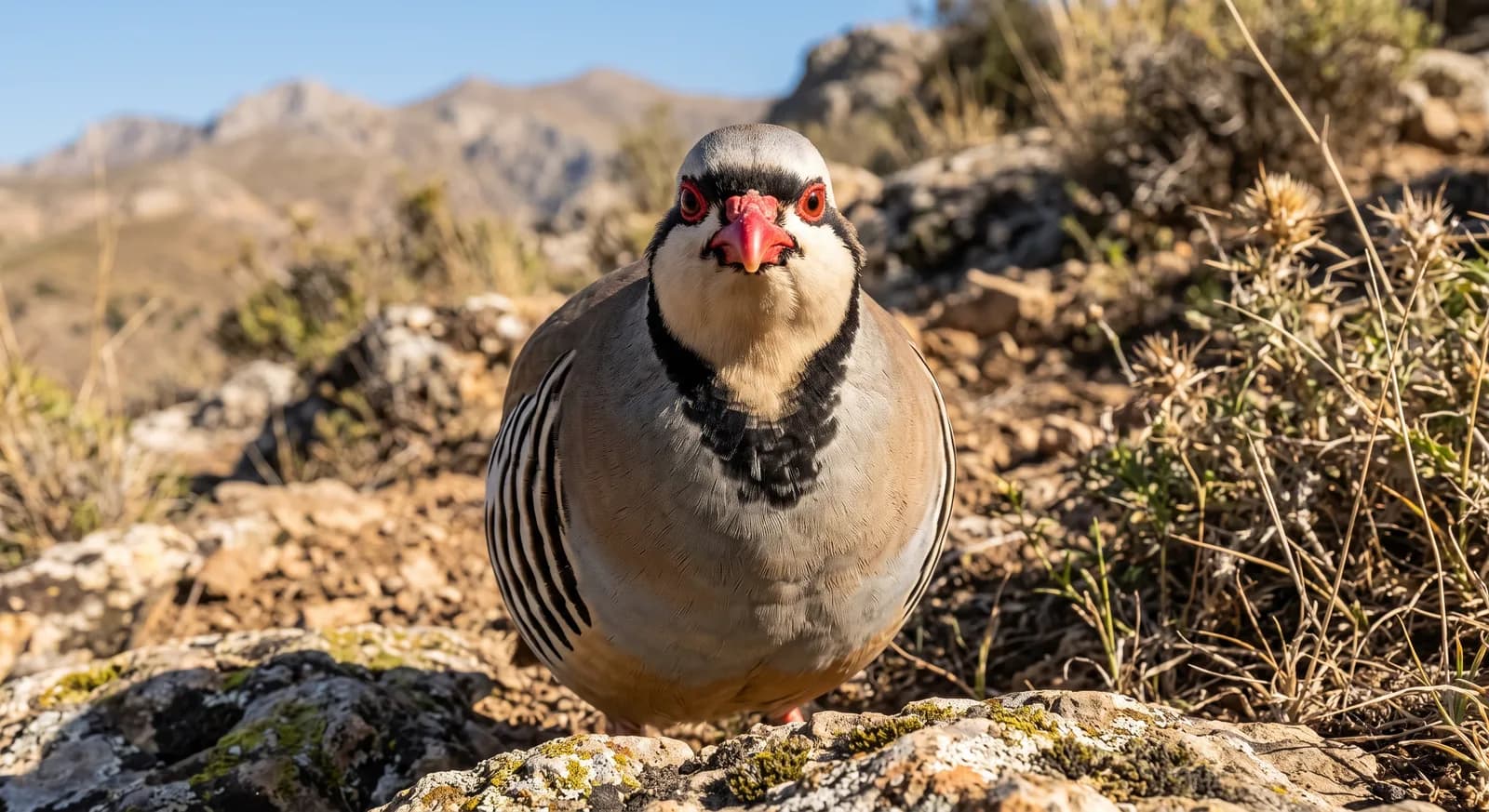
Chicks only a few days old climb slopes of more than forty degrees by beating their wings as they run, a movement called wing-assisted incline running that has been proposed as a model for how flight may have originated in dinosaurs.
From
Its name is onomatopoeic in several Asian languages, after the chak-chak-chukar it repeats from the hillsides.
From
It eats seeds, grain and plants, supplemented with small invertebrates.
·
Ranges calculated from the profiles that record the figure, not from all 5.
From
It lives on open, sunny, dry lowland farmland in western Europe.
From