Skip to content
WAnimals
  • Map
  • Species
  • Parks
  • Diving
Log inCreate account
WAnimals

The guide for travellers and animal lovers: discover, plan and share your wild adventures around the world.

Discover wildlife

  • Species
  • Ecosystems
  • Glossary
  • Tags

Explore places

  • Map
  • Countries
  • Parks
  • Diving

Plan experiences

  • Guides

Learn

  • Blog

Resources

  • About us
  • How we build our profiles
  • Help centre
  • Contact
  • Install the app

Follow us

Account

  • Log in
  • Create account

© 2026 WAnimals. All rights reserved.

Terms of servicePrivacyCookiesLegal notice
MapSpeciesParksDiving
  1. Home
  2. Species
  3. Lesser Black-backed Gull

One of the 9 gulls on WAnimals
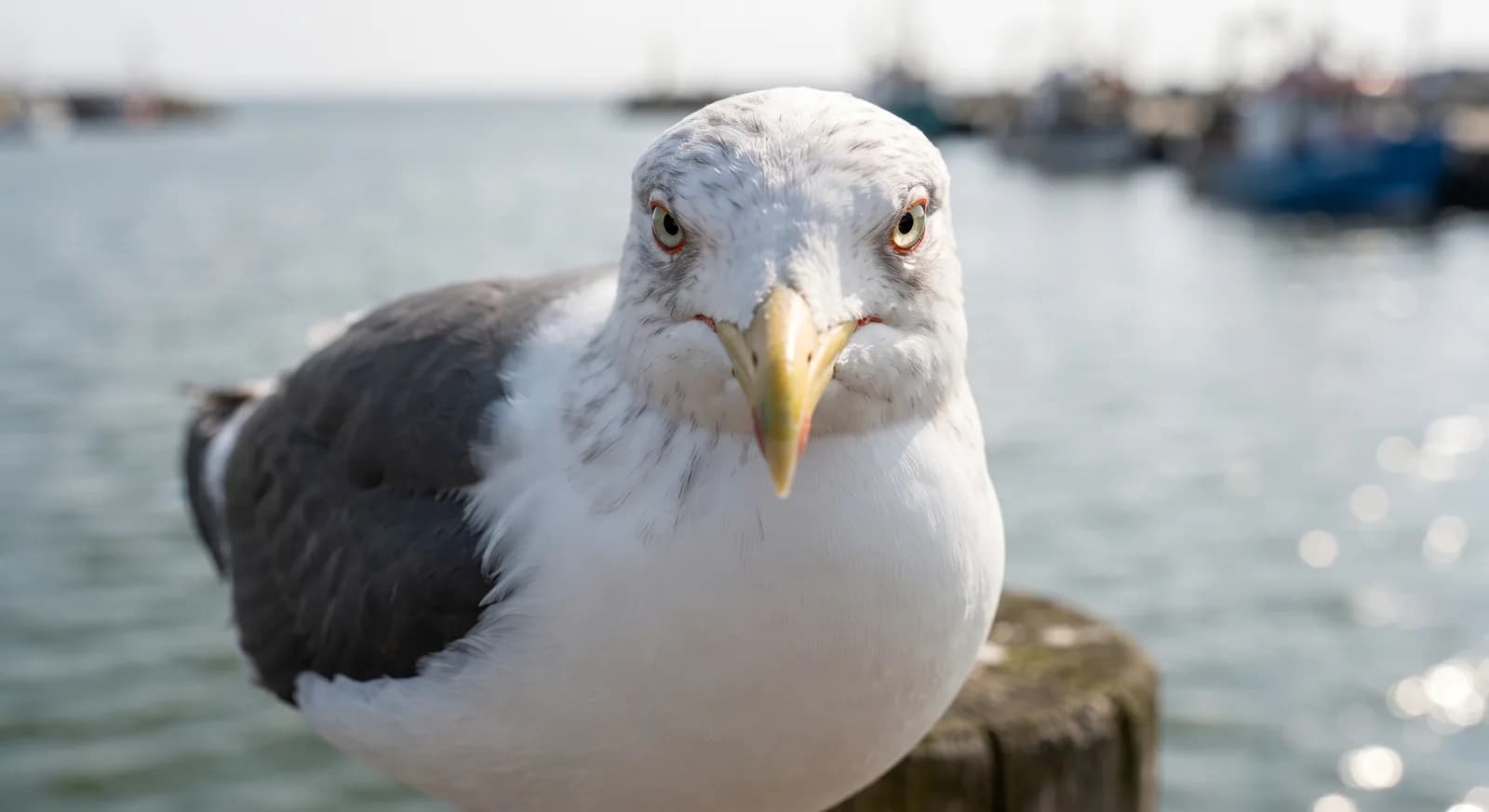
Lesser Black-backed Gull (Larus fuscus)

Birds · Charadriiformes · Laridae

Lesser Black-backed Gull

Larus fuscus

Least Concern

The species is abundant and widely distributed; it faces no significant short-term risk.

Spotted something wrong?

The lesser black-backed gull is a large gull with a dark grey or blackish back and yellow legs, which breeds in northern and western Europe and spends the winter on the Iberian Peninsula and in West Africa. In Spain it is the most numerous wintering gull at many inland reservoirs, landfills and marshes. Its European population has grown considerably in recent decades.

Weight

550 g – 1.1 kg

Size

48 cm – 65 cm

Life expectancy

34 years
Diet

Omnivore

Combines animal and plant food depending on availability.

Activity

Diurnal

Active mainly during the day.

Social structure

Colony

Lives in large concentrations, often for breeding reasons.

TundraOceanFreshwater
20countries24parks19same family

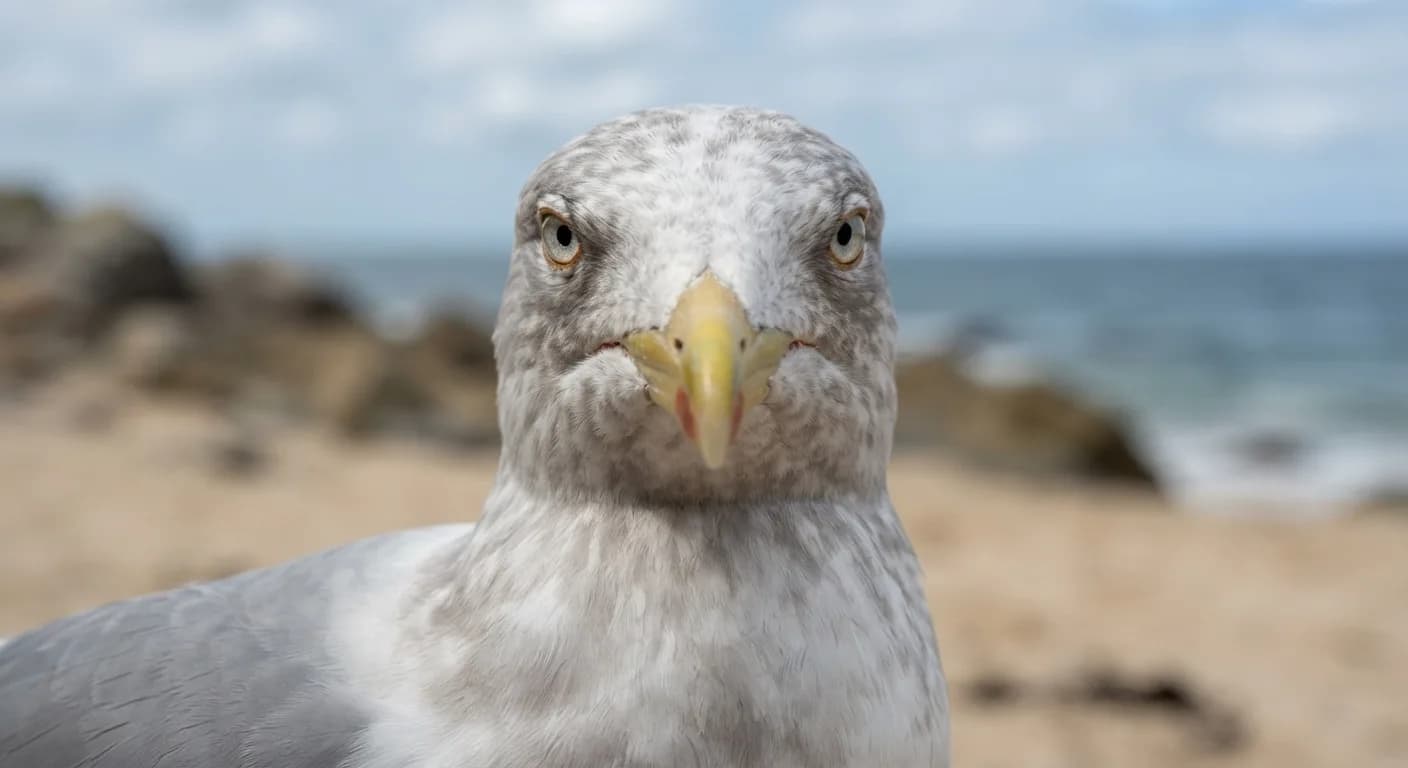
AI-generated images: illustrations, not photographs.

Fun facts

  • GeneralStrongly migratory: the northern birds winter in Iberia and West Africa.
  • In winter it is abundant far inland in Spain: it gathers at reservoirs and landfills in the interior of the peninsula, a long way from the sea, a habit that sets it apart from other large gulls.
  • It features in one of the classic ring species cases: the chain of forms encircling the Arctic that links the lesser black-backed gull with the herring gull was used for decades as an example of speciation, although recent genetic data have qualified it considerably.
  • It breeds on city rooftops in northern Europe, where the urban colonies now outnumber the coastal ones in several countries.

Life cycle and biology

Skeleton type
Vertebrate - internal bony skeleton (bird)
Habitat and environment
Coasts, islands, marshes and city rooftops of northern Europe; winters in Iberia and West Africa
Sexual maturity
4 years
Gestation / incubation
26 days of incubation
Litter / clutch size
3 eggs

Sources consulted: IUCN Red List · Animal Diversity Web · Wikipedia (es)

Where to find it

Loading map…

The pins mark the parks where its presence is documented.

Where to see it

Parks and dive sites where this species has been documented — showing 10 of 24.

Related species

Other species in the catalogue with the most in common with Lesser Black-backed Gull — same habitat, park, country, tags or family.

Same taxonomic family

Keep exploring

Based on what we already know about lesser black-backed gull.

Share an experience, a fun fact or a tip for seeing the lesser black-backed gull.
See full glossary
This page in other languages: Español · Deutsch · Français · Português · Italiano
See its range on the interactive map→
Doñana National ParkSpain
Wadden Sea National ParkDenmark
Pembrokeshire CoastUnited Kingdom
NorthumberlandUnited Kingdom
CamargueFrance
Ebro DeltaSpain
Cíes IslandsSpain
Ria FormosaPortugal
KosterhavetSweden
Djoudj Bird SanctuarySenegal
See all 24 parks
Least Concern

Great Black-backed Gull

Larus marinus

Least Concern

Black-headed Gull

Chroicocephalus ridibundus

Least Concern

Sandwich Tern

Thalasseus sandvicensis

Herring GullLeast Concern

Herring Gull

Larus argentatus

Least Concern

Black Tern

Chlidonias niger

Royal TernLeast Concern

Royal Tern

Thalasseus maximus

CountriesUnited Kingdom
ParksDoñana National ParkSpain
TagsOmnivore
Omnivore
Diurnal
Colonial
Bird
Tundra
Ocean
Freshwater

Europe17

Africa2

Asia1

United Kingdom
Spain
Denmark
Ireland
Netherlands
Portugal
Belgium
Denmark
Estonia
Finland
France
Gibraltar
Iceland
Ireland
Latvia
Lithuania
Netherlands
Norway
Poland
Portugal
Spain
Sweden
United Kingdom
Morocco
Senegal
Russia