Skip to content
WAnimals
  • Map
  • Species
  • Parks
  • Diving
Log inCreate account
WAnimals

The guide for travellers and animal lovers: discover, plan and share your wild adventures around the world.

Discover wildlife

  • Species
  • Ecosystems
  • Glossary
  • Tags

Explore places

  • Map
  • Countries
  • Parks
  • Diving

Plan experiences

  • Guides

Learn

  • Blog

Resources

  • About us
  • How we build our profiles
  • Help centre
  • Contact
  • Install the app

Follow us

Account

  • Log in
  • Create account

© 2026 WAnimals. All rights reserved.

Terms of servicePrivacyCookiesLegal notice
MapSpeciesParksDiving
  1. Home
  2. Species
  3. Orange-footed Sea Cucumber

One of the 4 sea cucumbers on WAnimals

Sea cucumbers · Dendrochirotida · Cucumariidae

Orange-footed Sea Cucumber

Cucumaria frondosa

Not Evaluated

It has not yet been assessed against the IUCN criteria.

Spotted something wrong?

The orange-footed sea cucumber is a North Atlantic species, dark brown and crowned by ten tree-like branched tentacles. Unlike the tropical sea cucumbers that swallow sediment, this one stays put and filters plankton from the water with its tentacles, bringing them to its mouth one at a time.

Size

20 cm – 50 cm

Life expectancy

25 years

Diet

Omnivore

Combines animal and plant food depending on availability.

Social structure

Solitary

Lives and hunts alone, joining others only to breed.

Ocean
17countries46parks19dive sites

Fun facts

  • It feeds like an anemone rather than like a burrowing sea cucumber: it spreads its branched tentacles into the current and puts them into its mouth in turn, cleaning off the particles each one has caught.
  • It supports a growing fishery in Canada, Iceland and Norway, driven by Asian demand, on a species that grows slowly and matures late.
  • It undergoes seasonal evisceration: it expels its internal organs and regrows them, a process tied to the annual feeding cycle.
  • It does not forage on the bottom: it filters. It spreads ten tree-like branched tentacles into the current, traps plankton on their mucus and takes the tentacles to its mouth one at a time, like someone licking their fingers.
  • When disturbed it can eviscerate: it expels part of its internal organs through the cloaca and regrows them over the following weeks.
  • It supports an important fishery in Canada and New England, almost all of it destined for the Asian market, and its exploitation grew very fast as tropical sea cucumbers were fished out.
  • It is the most abundant sea cucumber in the North Atlantic and can reach enormous densities on current-swept bottoms.

Life cycle and biology

Skeleton type
Invertebrate - endoskeleton of scattered calcareous ossicles (echinoderm)
Habitat and environment
Rocky bottoms of the North Atlantic and the Arctic, from 0 to 400 m

Sources consulted: Gunnerus (1767) · Hamel y Mercier · Fisheries and Oceans Canada · ScienceDirect (Hughes 1989) · Science Advances, How colonial animals evolve · Wikipedia, Zooid

Where to find it

Loading map…

Where to see it

Parks and dive sites where this species has been documented — showing 20 of 65.

Related species

Other species in the catalogue with the most in common with Orange-footed Sea Cucumber — same habitat, park, country, tags or family.

Shares a park
Shares a park
Shares a park
Shares a park
Shares a park
Shares a park

Keep exploring

Based on what we already know about orange-footed sea cucumber.

Share an experience, a fun fact or a tip for seeing the orange-footed sea cucumber.
See full glossary
This page in other languages: Español · Deutsch · Français · Português · Italiano

The pins mark the parks and dive sites where its presence is documented.
See its range on the interactive map→
VatnajökullIceland
AcadiaUnited States
Gros MorneCanada
FundyCanada
AuyuittuqCanada
Wadden Sea National ParkDenmark
Wadden SeaGermany
Pembrokeshire CoastUnited Kingdom
NorthumberlandUnited Kingdom
Wrangel IslandRussia
Scapa FlowUnited Kingdom
Farne IslandsUnited Kingdom
Lofoten (orcas)Norway
SaltstraumenNorway
Svalbard (ice diving)Norway
St AbbsUnited Kingdom
Malin HeadIreland
Block Island (Mohawk wreck)United States
Strýtan (hydrothermal chimney)Iceland
Andrea DoriaUnited States
See all 46 parks
See all 19 dive sites
Not Evaluated

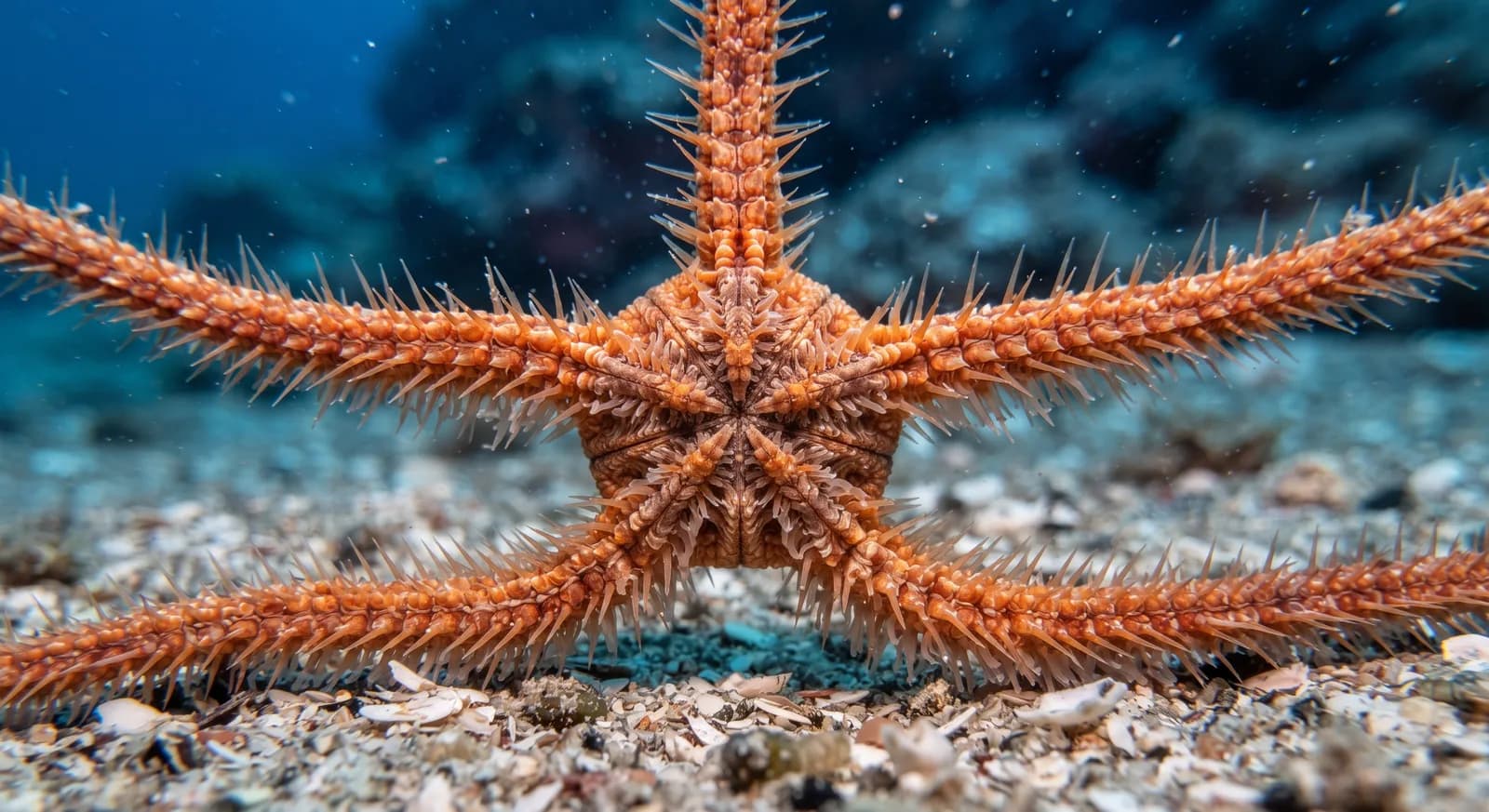
Rosy Feather-star

Antedon bifida

Not Evaluated

Brittlestar

Amphiura filiformis

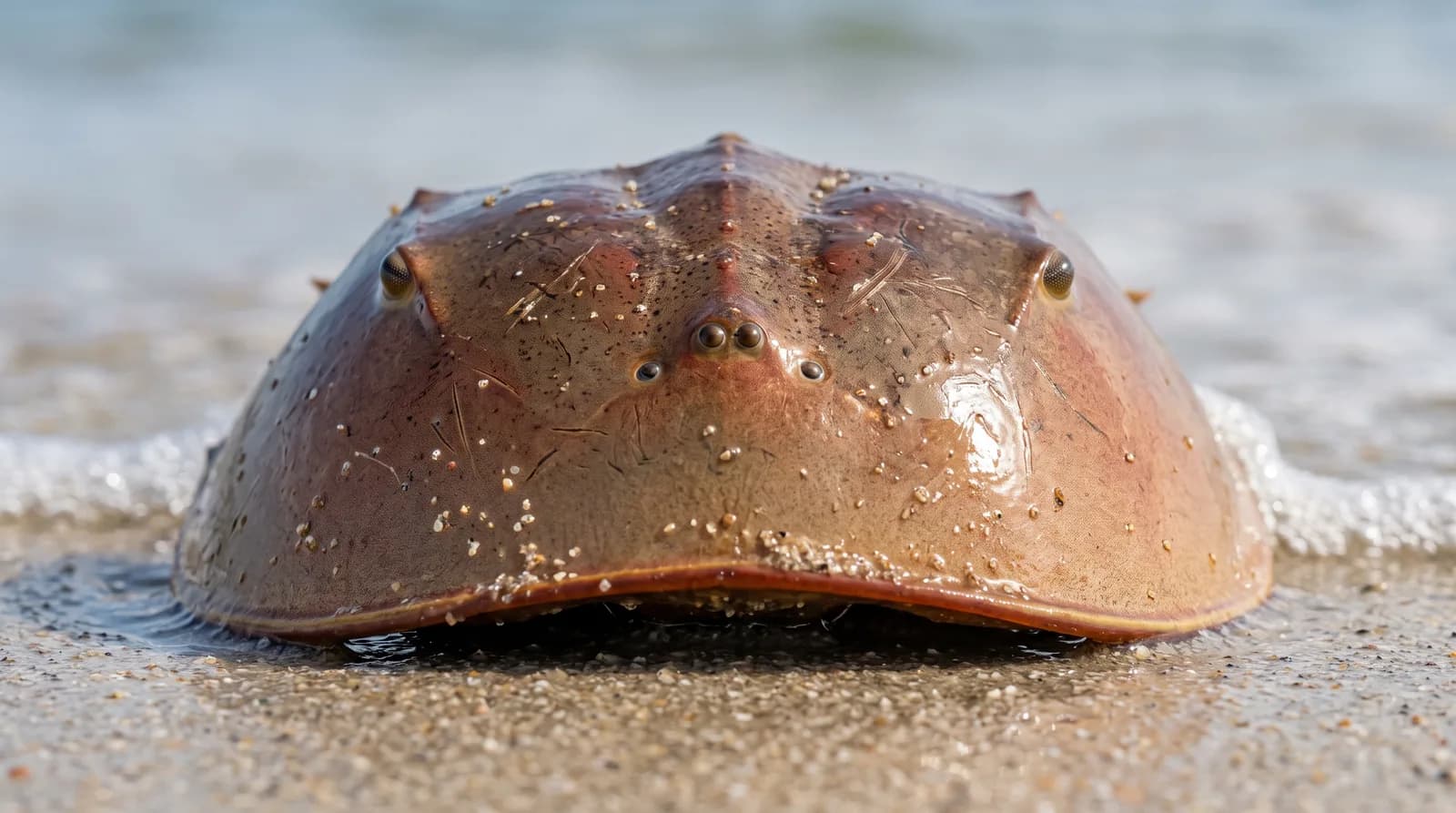
American Horseshoe CrabVulnerable

American Horseshoe Crab

Limulus polyphemus

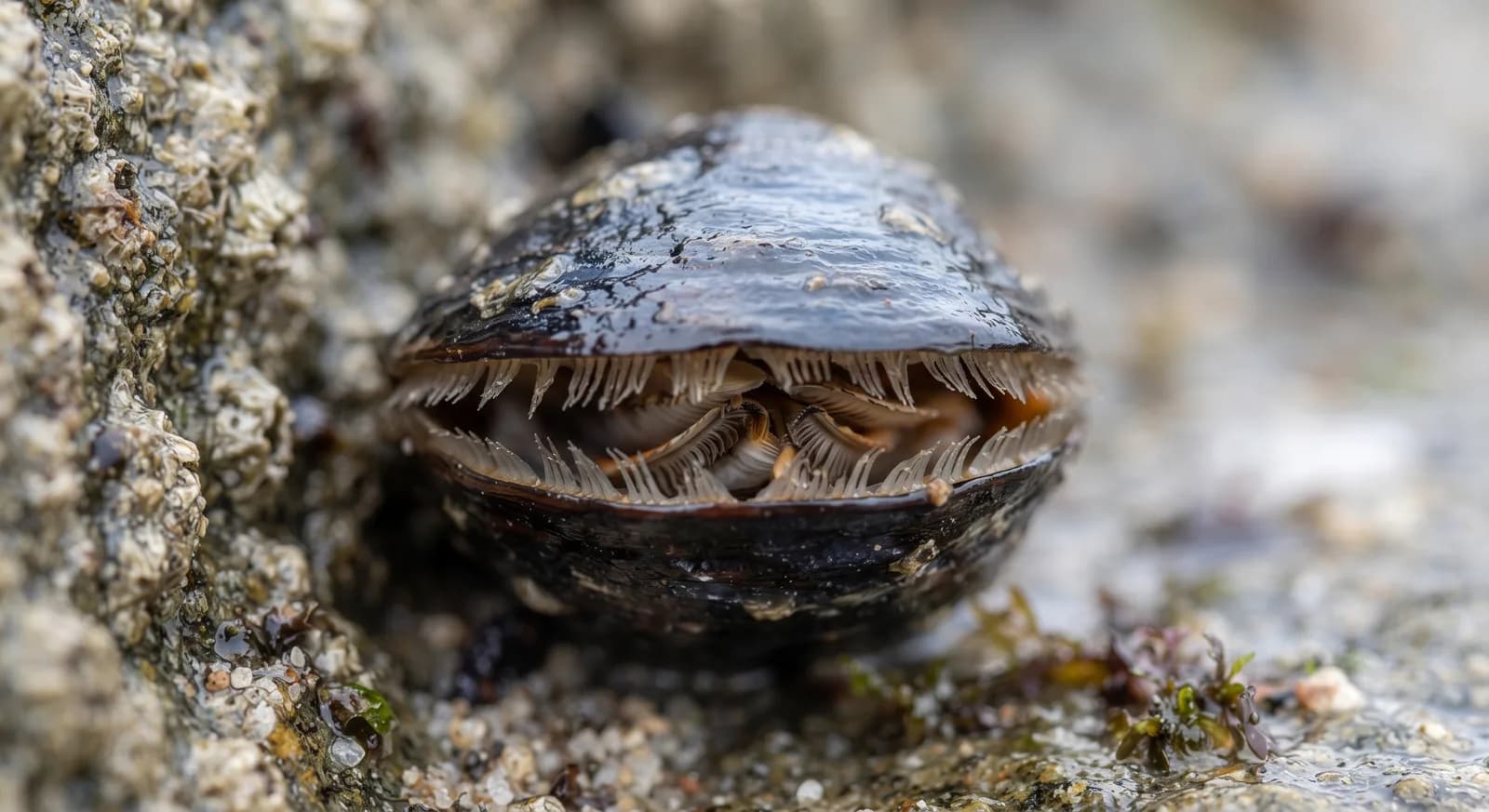
Mediterranean MusselNot Evaluated

Mediterranean Mussel

Mytilus galloprovincialis

Not Evaluated

Chequered Carpet Shell

Ruditapes decussatus

Common BrittlestarNot Evaluated

Common Brittlestar

Ophiothrix fragilis

CountriesCanada
ParksVatnajökullIceland
TagsOmnivore
Omnivore
Colonial
Ocean
Echinoderm

Europe13

North America3

Asia1

Canada
United Kingdom
Norway
United States
Iceland
Ireland
Belgium
Denmark
Finland
France
Germany
Iceland
Ireland
Netherlands
Norway
Portugal
Spain
Sweden
United Kingdom
Canada
Greenland
United States
Russia