One of the 3 bustards on WAnimals
Birds · Otidiformes · Otididae
Kori Bustard
Ardeotis kori
It could become endangered in the near future if current threats go unchecked. See full glossary
The kori bustard is one of the heaviest flying birds in the world: large males exceed 18 kilos. It walks slowly across the African savannah looking for insects, reptiles, seeds and carrion, and only flies when it has no alternative. The male's display in the breeding season is spectacular: he inflates his neck until it is four times its normal thickness, fans his tail over his back and gives a deep booming call that can be heard more than a kilometre away.
Weight
5 kg – 19 kg
Size
1.1 m – 1.4 m
Lifespan
30 years
Diet
Omnivore
Combines animal and plant food depending on availability.
Activity
Diurnal
Active mainly during the day.
Social structure
Solitary
Lives and hunts alone, joining others only to breed.
Sighting difficulty
Moderate
Fun facts
- reproducciónIt is one of the heaviest flying birds in Africa, and the males court by inflating the neck and raising the plumage to look larger.
- It is one of the heaviest birds in the world still able to fly: a large male exceeds 18 kilos, at the limit of what the physics of flapping flight allows.
- It associates with oxpeckers, which perch on it to eat its parasites, and it also follows meerkat groups and savannah fires to catch the insects fleeing them.
Life cycle & biology
- Skeleton type
- Vertebrate - internal bony skeleton (bird)
- Habitat & environment
- Open savannah, semi-arid grassland and scrub of eastern and southern Africa
- Sexual maturity
- 3 years
- Gestation / incubation
- 24 days of incubation
- Litter / clutch size
- 2 eggs
Sources consulted: https://es.wikipedia.org/wiki/Ardeotis_kori
Where to find it
See its range on the interactive mapWhere to watch it
Parques y spots de buceo donde se ha documentado esta especie — se muestran 10 de 29 documentados.
Related species
Other species in the catalogue with the most in common with Kori Bustard — same habitat, park, country, tags or family.
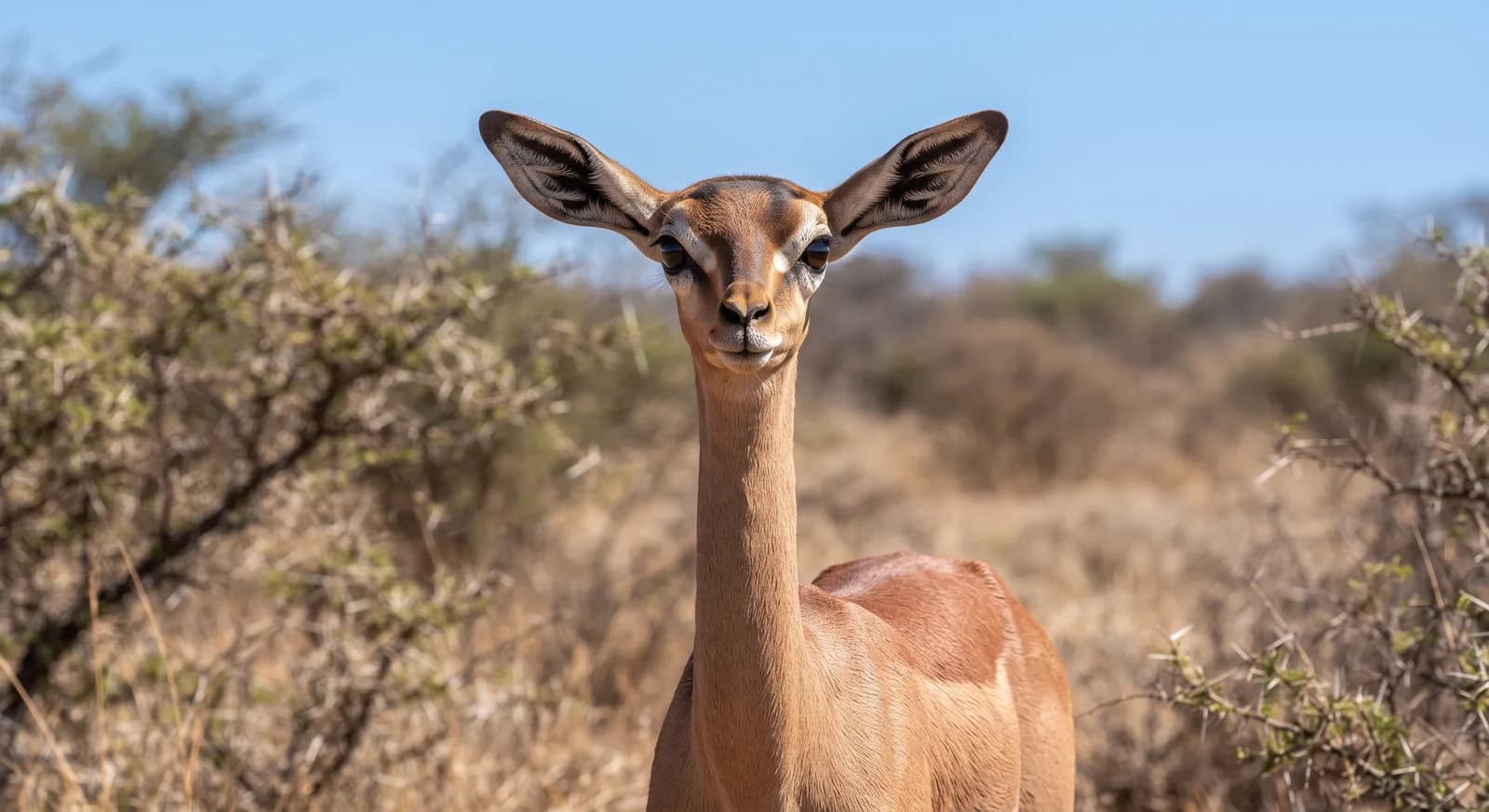 Near Threatened
Gerenuk
Litocranius walleri
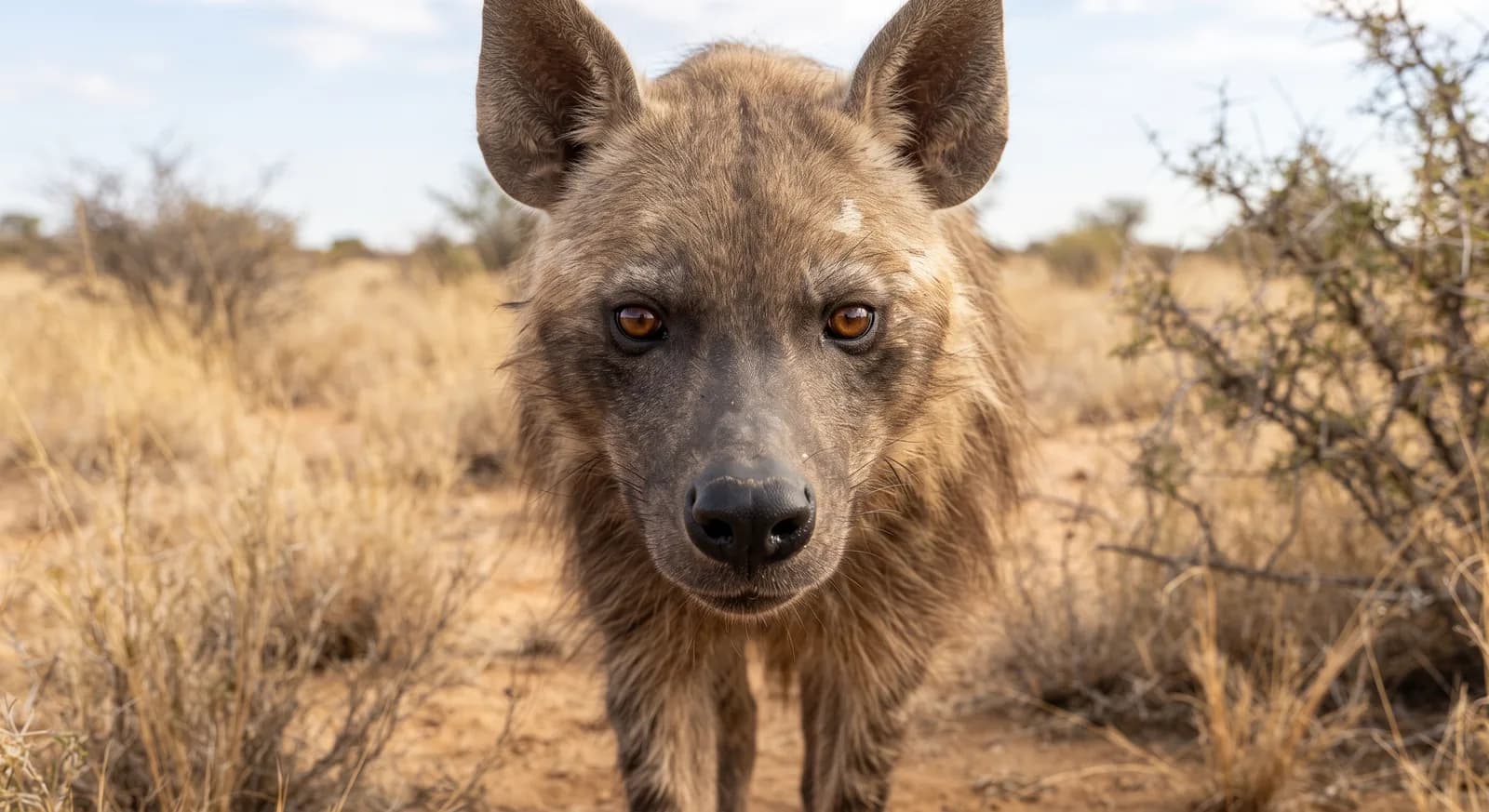 Near Threatened
Brown Hyena
Parahyaena brunnea
Crowned Eagle
Stephanoaetus coronatus
Puku
Kobus vardonii
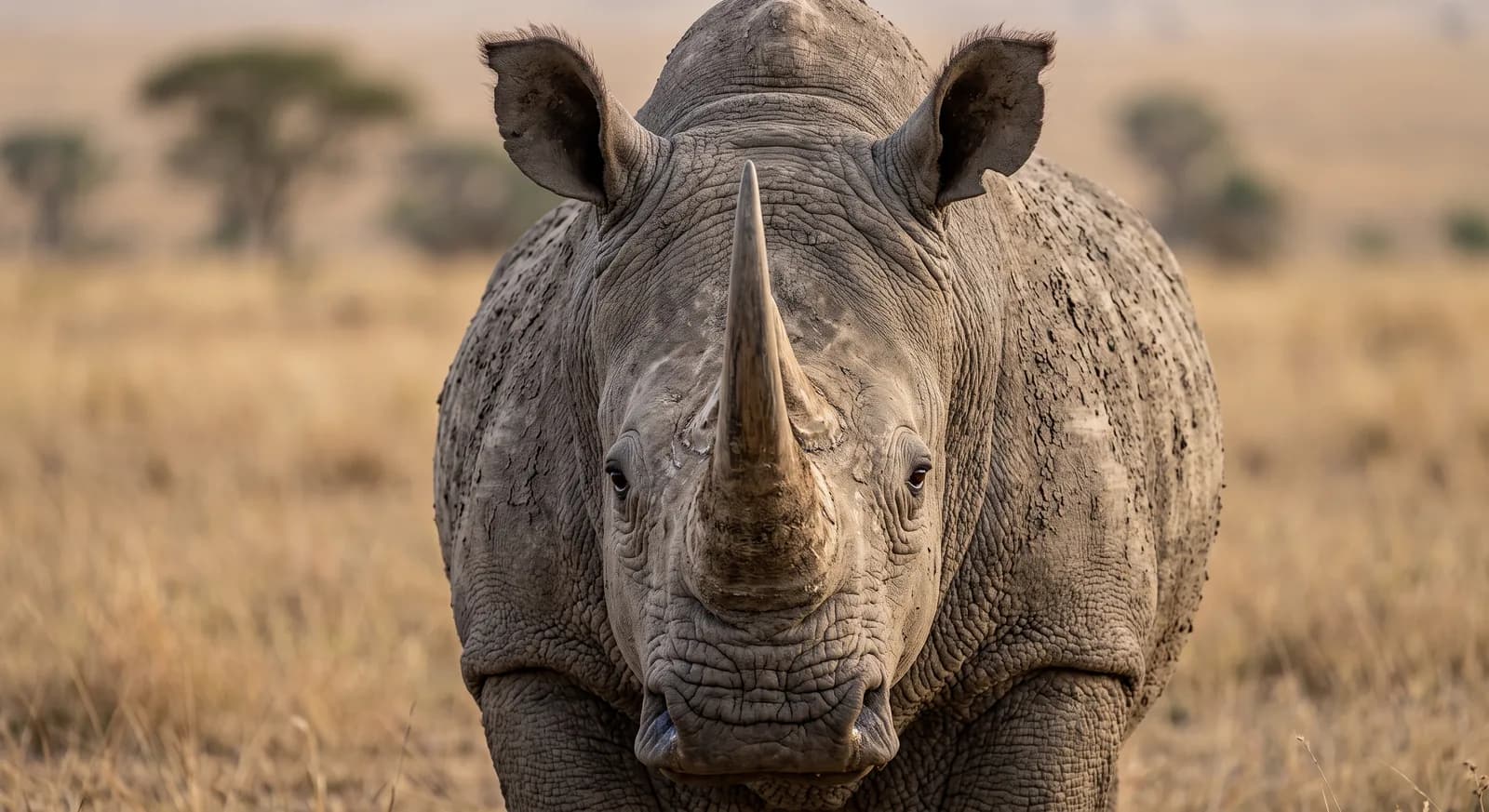 Near Threatened
White Rhinoceros
Ceratotherium simum
Rufous Elephant Shrew
Elephantulus rufescens
Keep exploring
Based on what we already know about kori bustard.
Comments
Share an experience, a fun fact or a tip for seeing the kori bustard.
Be the first to comment.